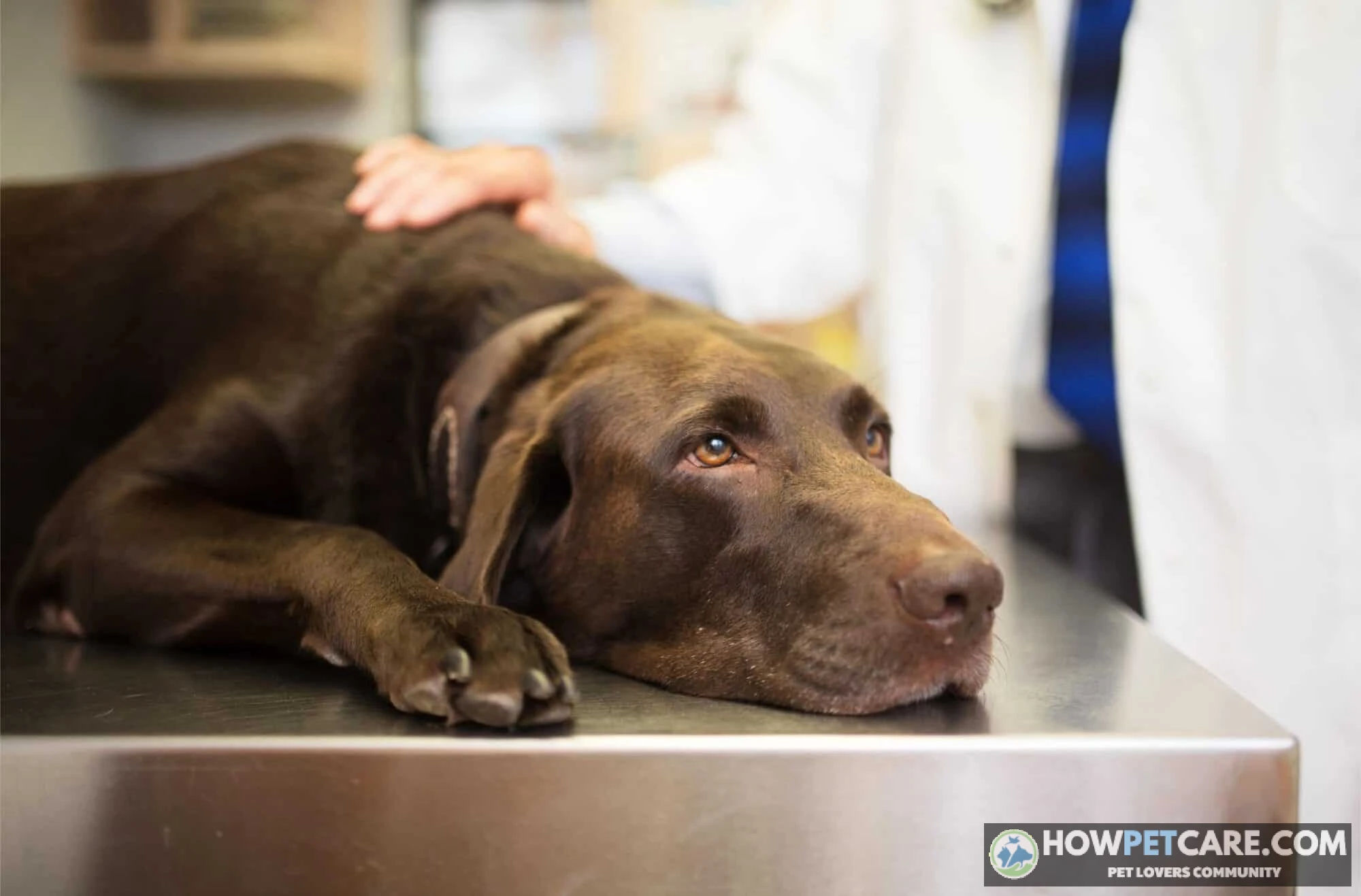

Sort any new dog symptom into one of three urgency tiers:
- Emergency now: trouble breathing, collapse, unproductive retching with a swollen belly, suspected poisoning, seizures, severe bleeding, or straining with little or no urine — go immediately.
- Same-day vet: blood in urine, a non-weight-bearing limp, repeated vomiting, or a cough with low energy — call your vet for a visit today.
- Monitor at home: a mild, one-off change in an otherwise bright, eating-and-drinking adult dog — watch briefly and call if it repeats or worsens.
- When unsure: call a veterinarian or emergency clinic rather than guessing.
Trouble breathing, collapse, a swollen belly with unproductive retching, suspected poisoning, or an inability to urinate means your dog needs emergency help now. For less severe changes, use the triage chart and symptom lookup below to decide whether to seek a same-day appointment or monitor briefly. If you’re unsure, call a veterinarian or emergency clinic rather than guessing.
Dog Symptoms That Need an Emergency Vet Right Now
Breathing, gum color, and collapse red flags
The 60-second emergency check: If any item applies, call the nearest emergency vet and go now. Don’t delay the trip to finish reading or complete a checklist.
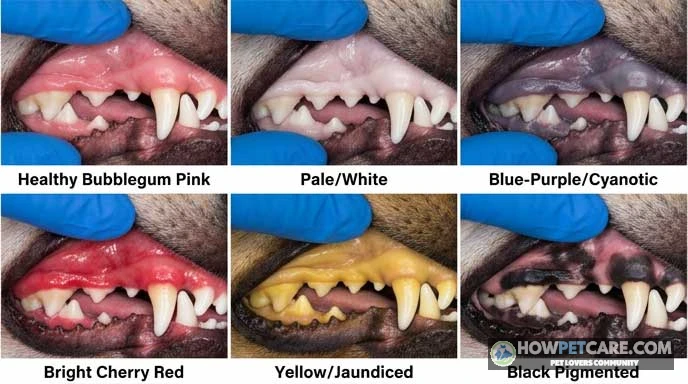
- ☐ Your dog is struggling to breathe, making choking sounds, or has blue, gray, white, or very pale gums.
- ☐ Your dog has collapsed, cannot stand, or is unresponsive.
- ☐ A seizure lasts more than five minutes, seizures occur close together, or your dog isn’t recovering normally. A first seizure also warrants immediate veterinary advice; go to an emergency clinic if you can’t promptly reach a vet.
- ☐ Your dog has a major injury, severe bleeding, or bleeding that doesn’t stop after a few minutes of gentle pressure.
- ☐ Your dog is straining to urinate and producing little or no urine.
- ☐ After heat exposure, your dog is panting frantically, drooling, staggering, or has unusually bright red gums.
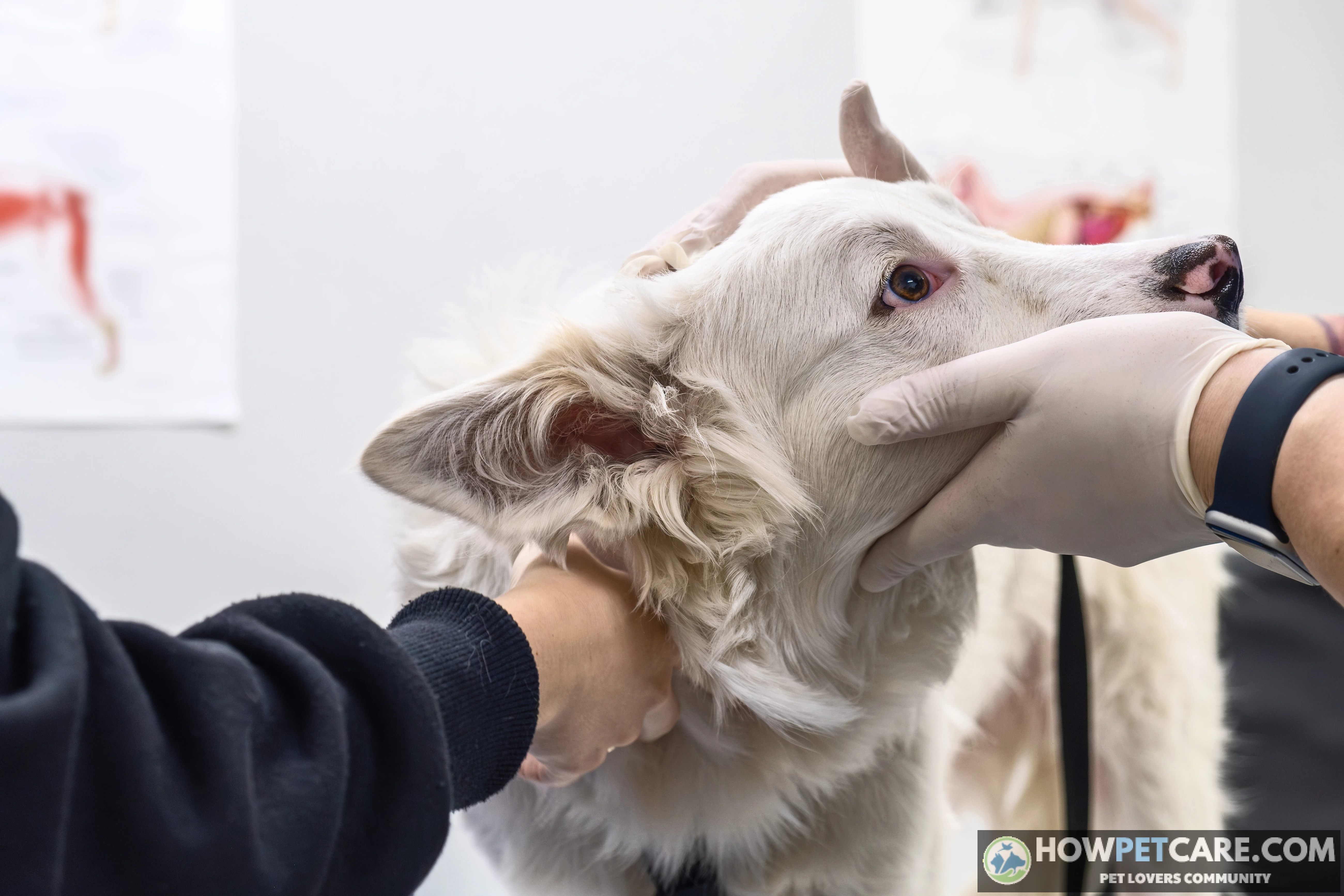
Bloat/GDV and toxin red flags
- ☐ The belly is swollen, hard, or tight, especially with repeated attempts to vomit that produce nothing. This can be bloat or gastric dilatation-volvulus (GDV).
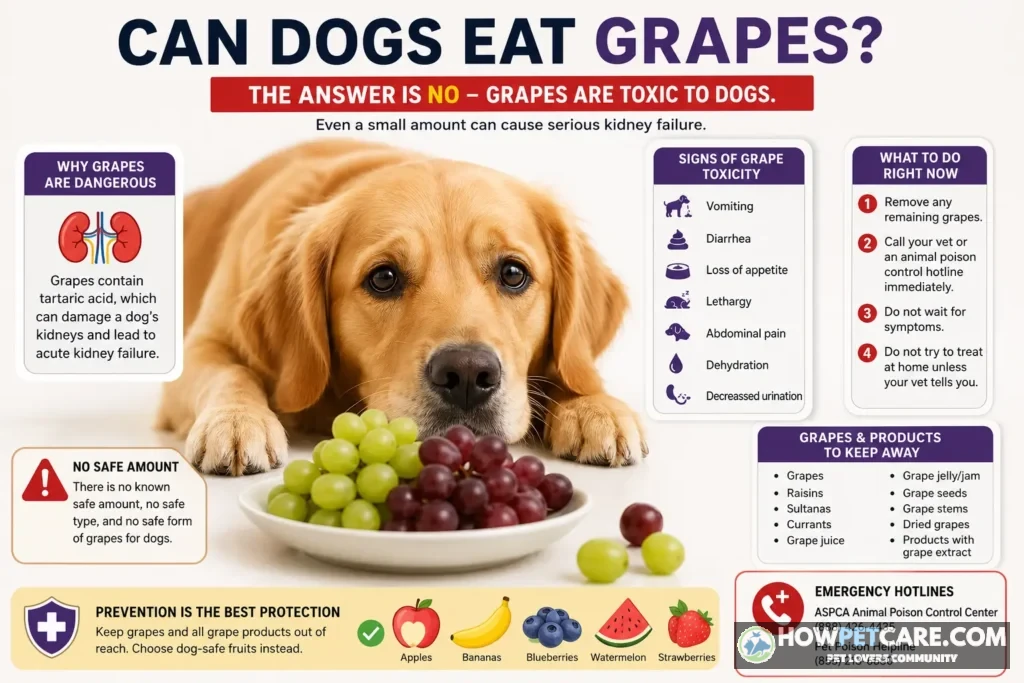
- ☐ Your dog may have eaten a toxin, including human medication, chocolate, xylitol or birch sugar, grapes or raisins, antifreeze, rodent bait, or household chemicals. Don’t wait for symptoms.
- ☐ Vomiting is repeated or contains blood, particularly if your dog is weak or has a painful or swollen belly.
What to do in the first few minutes
Call the clinic on the way so the team can prepare. If you suspect poisoning, call the emergency vet or a poison service immediately: ASPCA Animal Poison Control at 888-426-4435 or Pet Poison Helpline at 855-764-7661. Fees may apply. Take the product container or a photo of its label if readily available.
Don’t give human medications, induce vomiting, or offer food or water unless a veterinary professional instructs you to. Keep a seizing dog away from hazards, keep your hands away from the mouth, and time the episode. For a painful or injured dog, a blanket can serve as a loose sling; avoid the mouth and handle your dog gently.
If you can’t tell whether a sign is an emergency, call an emergency vet for guidance. Choose the more urgent option when two categories seem possible.
How to Decide: Emergency Now, Same-Day Vet Visit, or Monitor at Home
These categories are a starting point, not a diagnosis. Your dog’s age, medical history, and combination of symptoms can change the recommendation.
Emergency-now signs
Emergency now means a potentially life-threatening sign, a possible toxin exposure, or a dog deteriorating quickly. Call an emergency clinic and leave immediately; don’t wait for a regular appointment.
Same-day vet signs
Same-day vet means contacting your regular veterinarian for an appointment today. If the clinic can’t see your dog, ask where to go. Examples include a painful ear, a new limp with no weight bearing, a sudden increase in drinking, blood in the urine, or a cough accompanied by low energy.
Monitor-at-home signs and when to escalate
Monitor at home applies only to a mild, isolated change in an otherwise bright, comfortable adult dog who’s eating and drinking normally. It isn’t appropriate for red flags or suspected toxins. A puppy, senior dog, or dog with an existing illness may need advice sooner.
| Observed sign | Emergency now | Same-day vet | Monitor at home and escalate if… |
|---|---|---|---|
| Vomiting | Repeated episodes, blood, collapse, or a swollen belly | Vomiting with lethargy or pain; contact a vet promptly if unsure how urgent it is | One episode in an otherwise normal adult dog; call if it recurs, the next meal is refused, or energy drops |
| Diarrhea | Black, tarry stool; substantial blood; collapse or marked weakness | Blood, diarrhea with vomiting, or diarrhea persisting beyond a day | One or two soft stools with normal appetite and energy; call if blood appears, it worsens, or it lasts beyond 24 hours |
| Breathing or cough | Labored breathing, blue or pale gums, or distress at rest | Persistent cough with lethargy or poor appetite | An isolated cough or sneeze; call if it recurs or persists, and seek emergency care for increased breathing effort |
| Belly | Swollen or tight belly, especially with unproductive retching or restlessness | New belly discomfort without emergency signs | Do not monitor a swollen or painful belly without veterinary advice |
| Eating | Refusal with collapse, severe pain, or bloat signs | No food for 24 hours, repeated refusal, or refusal with other illness signs | One skipped meal in a normal adult dog; call if the next meal is refused |
| Urination or thirst | Straining with little or no urine; collapse | Blood in urine, frequent small urinations, or a sudden marked increase in thirst or urination | Contact the vet about a noticeable ongoing change |
| Movement | Major trauma, inability to stand, or a dragging limb after injury | Cannot bear weight, significant pain, or a limp that is not improving | Mild stiffness after exercise; call if it worsens or persists into the next day |
| Eyes | Injury, sudden bulging, or an eye held shut | Squinting, discharge, or cloudiness | Do not wait on a painful or cloudy eye |
| Possible toxin | Any suspected exposure: call immediately, even without symptoms | — | Never wait for signs to appear |

Common Signs a Dog Is Sick: Early Changes vs Normal Behavior
Early signs of illness in dogs
Common signs of illness in dogs include vomiting, diarrhea, loss of appetite, lethargy, coughing, itching, limping, and changes in drinking or urination. Early signs can be subtler: hiding, unusual clinginess, restlessness, irritability, weight change, bad breath, or changes in skin and coat. Persistent digestive or respiratory changes and shifts in behavior can all signal a problem.

A symptom matters in context. A dog who sleeps after a long hike may simply be tired; a dog who remains unusually quiet, avoids interaction, or struggles to get up needs assessment. One skipped meal may be a brief variation, but repeated refusal or appetite loss alongside another symptom deserves a call.
Quick home check: gums, hydration, breathing, energy
If your dog is calm and allows it safely, note gum color and moisture, breathing at rest, alertness, appetite, and recent urine and stool. Pale, white, blue, or gray gums are an emergency sign. Sticky or dry gums may suggest dehydration, but gum moisture and a skin-tent check aren’t reliable ways to rule it out.
Watch the chest rise and fall while your dog rests; one rise and fall is one breath. Count for a full minute and tell the vet the number and whether breathing looks strained. Don’t restrain a distressed dog to take a temperature. If you already know how to take one safely and your vet has advised it, report the reading; a warm nose alone can’t diagnose fever.
Normal behavior vs warning signs
Compare the change with your dog’s usual routine: how eagerly they eat, greet you, walk, drink, and settle. A new pattern that persists, worsens, or appears with pain or another symptom matters more than an isolated quirk. Use the weekly dog health checklist near the end of this guide to learn that baseline.
Find Possible Causes by What You See: Symptom-to-Condition Lookup
You don’t need a medical name to start. Find what you observe below; the causes are possibilities, not diagnoses. The suggested tier assumes there are no more serious signs elsewhere in the row or the emergency checklist.
| What you observe | Possible causes | Urgency clues that raise concern | Suggested tier |
|---|---|---|---|
| Vomiting | Eating something unusual, stomach irritation, pancreatitis, blockage, parvovirus, or toxin exposure | Blood, repeated vomiting, inability to keep water down, swollen belly | Emergency for repeated vomiting, blood, or bloat signs; call promptly for other concerning cases |
| Diarrhea | Diet change, stress, parasites, infection, or parvovirus | Blood, black stool, vomiting, weakness, or an incompletely vaccinated puppy | Monitor a mild isolated soft stool; same-day or emergency if red flags appear |
| Not eating | Stress, stomach upset, dental pain, infection, or organ disease | Repeated refusal, pain, vomiting, or weight loss | Monitor one missed meal in a well adult; same-day for repeated refusal or illness |
| Quiet, hiding, or lethargic | Pain, infection, fever, heart disease, or poisoning | Trouble standing, pale gums, collapse, or rapid deterioration | Same-day for a marked change; emergency for collapse or unresponsiveness |
| Coughing | Kennel cough, collapsing trachea, heart disease, or heartworm | Low energy, poor appetite, or increased breathing effort | Same-day with illness; emergency for breathing distress |
| Heavy panting at rest | Heat, stress, pain, bloat, or heart or lung disease | Heat exposure, distress, swollen belly, or pale gums | Emergency with those red flags; otherwise call promptly for unexplained persistent panting |
| Scratching or licking | Fleas, allergies, mites, or skin infection | Open sores, spreading hair loss, pain, or ear odor | Brief monitoring for mild occasional itching; same-day for broken skin or painful ears |
| Limping or stiffness | Paw injury, sprain, arthritis, ligament injury, or tick-borne disease | Cannot bear weight, swelling, severe pain, or trauma | Same-day if non-weight-bearing; emergency after major trauma |
| New lump | Cyst, fatty lump, insect bite, abscess, or cancer | Rapid growth, bleeding, pain, or an unwell dog | Same-day if painful or rapidly changing; otherwise arrange a prompt exam |
| Drinking or peeing more | Diabetes, kidney disease, medication effects, or urinary disease | Sudden marked change, weight loss, accidents, or blood | Same-day for a sudden marked change; arrange a prompt exam for a gradual change |
| Straining to pee | Urinary tract infection, bladder stones, or blockage | Little or no urine produced | Emergency if little or no urine; same-day for frequent or painful urination |
| Bad breath or dropping food | Dental disease, oral injury, infection, or other illness | Drooling, bleeding, pain, or refusal to eat | Prompt exam; same-day if painful or not eating |
| Eye discharge or squinting | Irritation, scratch, infection, or glaucoma | Eye held shut, sudden cloudiness, bulging, or injury | Same-day; emergency for injury, bulging, or an eye held shut |
| Head shaking or ear odor | Ear infection, allergies, mites, or a foreign object | Pain, head tilt, or loss of balance | Same-day; seek urgent advice for loss of balance |
| Pale or white gums | Blood loss, anemia, shock, or other serious illness | Weakness or rapid breathing makes concern even greater | Emergency, even if other signs are not obvious |
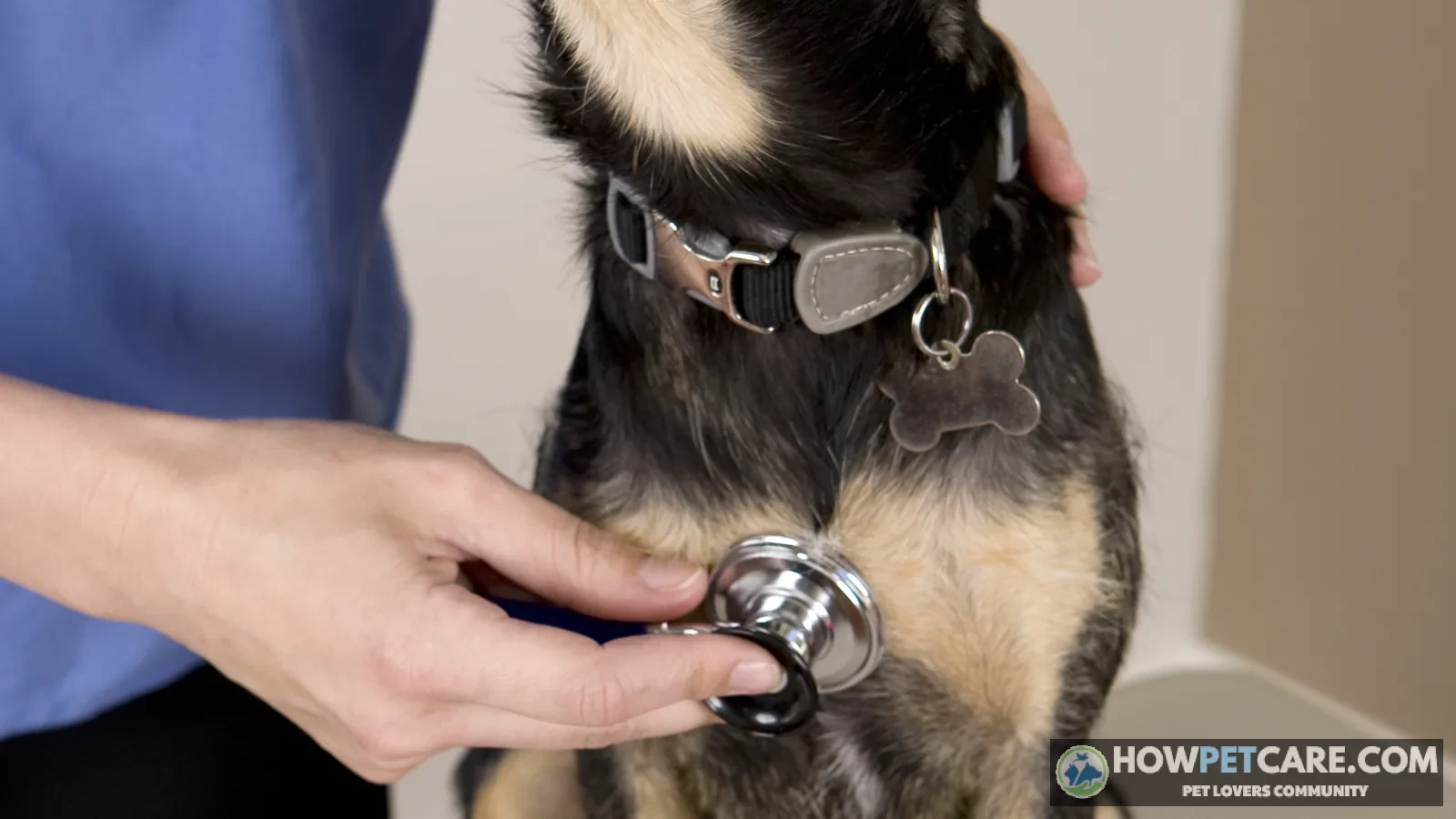
Digestive signs: vomiting, diarrhea, appetite loss
Record whether your dog actually vomited, how often it happened, and whether stool or vomit contains blood. A single episode can have many explanations; repeated vomiting or a painful, distended belly calls for emergency care. Parvovirus is particularly concerning in incompletely vaccinated puppies and can cause vomiting, lethargy, dehydration, appetite loss, and bloody diarrhea.
Energy and behavior signs: lethargy, hiding, restlessness
Lethargy means more than being relaxed: your dog has less energy or interest than usual. Persistent withdrawal, restlessness, or unusual vocalizing can accompany illness or pain. If your dog collapses or can’t stand, go to an emergency vet.
Breathing and coughing signs
A cough can be associated with infectious kennel cough or with heart and airway problems. Keep a coughing dog away from other dogs until your vet advises otherwise. Struggling for breath, regardless of the cause, is an emergency.
Skin, ear, and itching signs
Occasional scratching may be harmless, but persistent itching, sores, odor, or head shaking deserve attention. Ear infections can be associated with allergies, mites, or bacteria and may cause odor, scratching, head shaking, or balance problems. Patchy hair loss can also have several causes, including contagious ringworm, a fungal infection that can spread to people and other animals.
Limping, stiffness, and new lumps
Look for an obvious paw problem only if your dog allows a gentle check; don’t manipulate a painful limb. A new lump can’t be identified reliably by touch alone. Note its location and approximate size and arrange an examination, even if it doesn’t seem painful.
Thirst, urination, and mouth signs
Excessive thirst or new accidents can be associated with several common dog health problems, including diabetes or kidney disease. Note whether urine is actually coming out: repeated attempts with little or none require emergency care. Bad breath combined with drooling or dropped food can suggest a painful mouth.
Snapshots of High-Concern Conditions: How the Symptom Patterns Differ
These patterns overlap, and not every dog shows every sign. A veterinarian may need an examination and tests to identify the cause.
| Condition | Key symptom pattern | Who is most at risk | Urgency level |
|---|---|---|---|
| Parvovirus | Vomiting, lethargy, appetite loss, dehydration, often bloody diarrhea | Especially unvaccinated or partially vaccinated puppies | Emergency, particularly in a weak puppy; call ahead because it is contagious |
| Bloat/GDV | Swollen or tight belly, unproductive retching, pacing or restlessness | Large, deep-chested dogs; any dog can be affected | Emergency |
| Pancreatitis | Vomiting, belly pain, hunched or stretched posture, appetite loss | Dogs may become ill after eating fatty food | Same-day; emergency for repeated vomiting, severe pain, or weakness |
| Diabetes | Increased thirst and urination, sometimes weight loss despite appetite | Often middle-aged or older dogs | Same-day for a sudden marked change; prompt exam otherwise |
| Urinary tract infection | Frequent small urinations, straining, blood, or accidents | Dogs with urinary problems; other causes can look similar | Same-day; emergency if little or no urine comes out |
| Heartworm | Persistent cough and tiring easily; some dogs have few early signs | Dogs exposed to mosquitoes without effective prevention | Prompt appointment; emergency for breathing distress or collapse |
| Lyme or other tick-borne disease | Fever, low energy, painful joints, or shifting-leg lameness | Dogs exposed to ticks | Same-day for fever, pain, or lethargy |
| Rabies | Behavior change, drooling, trouble swallowing, weakness, or paralysis | Dogs exposed to potentially infected wildlife, especially if unvaccinated | Urgent: avoid contact and call a vet and local animal control |
| Dental disease | Bad breath, drooling, dropping food, or chewing on one side | Dogs of any age; small and senior dogs may be vulnerable | Prompt exam; same-day if painful or refusing food |
| Poisoning | Possible sudden vomiting, drooling, tremors, weakness, or seizures; signs can be delayed | Any dog with access to a harmful substance | Emergency: call immediately, even before signs appear |
Emergency-pattern conditions: bloat, parvo, poisoning
Bloat with unproductive retching is not a wait-and-see problem. With suspected parvo, call the clinic before arriving so staff can advise you on limiting exposure to other dogs. Parvovirus is highly contagious, and vaccination is a key preventive measure.
For poisoning, tell the vet what the substance was, the approximate amount, and when exposure may have occurred. Don’t induce vomiting unless a veterinary professional specifically directs you to do so.

Conditions that usually warrant a same-day or prompt visit
A dog with possible pancreatitis, a urinary problem, or painful joints needs veterinary guidance rather than an at-home diagnosis. A urinary blockage can resemble an infection at first. The crucial distinction for triage is repeated straining with little or no urine.
If rabies exposure is possible, avoid saliva and direct handling, keep people and other animals away, and contact your veterinarian and local animal control. Tell them about any bite or wildlife contact and your dog’s vaccination status.
Chronic or progressive conditions: diabetes, heartworm, dental disease
Increased drinking, reduced exercise tolerance, and mouth pain can develop gradually. Don’t wait for a dog to look critically ill before arranging an exam. Diabetes in dogs requires ongoing veterinary treatment; untreated disease can have serious consequences. Ask your vet about heartworm and tick prevention appropriate for your dog.
How Age, Breed, and Size Change Dog Symptom Urgency
Puppies
Puppies can become dehydrated quickly and may not have completed their vaccinations. Call promptly about vomiting, diarrhea, refusal to eat, or unusual sleepiness; a weak puppy or one with severe symptoms needs emergency care. Tiny puppies are also vulnerable to low blood sugar, so don’t apply an adult dog’s missed-meal monitoring plan to them without advice.

Senior dog health symptoms to watch for
Don’t automatically dismiss new thirst, weight loss, stiffness, confusion, or a lump as aging. These changes can be associated with conditions such as kidney disease, diabetes, arthritis, or cancer. Existing illnesses and medications may also change how urgently a senior dog needs assessment.
Deep-chested breeds
Large, deep-chested dogs, including Great Danes and Standard Poodles, have increased concern for GDV. A swollen belly, repeated unproductive retching, and restlessness require an emergency trip in any breed; don’t wait for all three signs.
Flat-faced breeds
Bulldogs, pugs, and other flat-faced dogs can have compromised airways and may struggle in heat. Breathing that becomes harder or noisier than their usual baseline, especially with distress or overheating, warrants immediate emergency advice and often an emergency visit.

Small vs large dogs
Small dogs can experience dental disease and collapsing trachea; a recurring honking cough deserves an exam. Large breeds carry more orthopedic load and, when deep-chested, the GDV risk described earlier. Size alone doesn’t determine urgency: symptoms, age, vaccination, prevention, and known conditions all matter.
What to Tell the Vet: A Pre-Call Checklist for Dog Symptoms
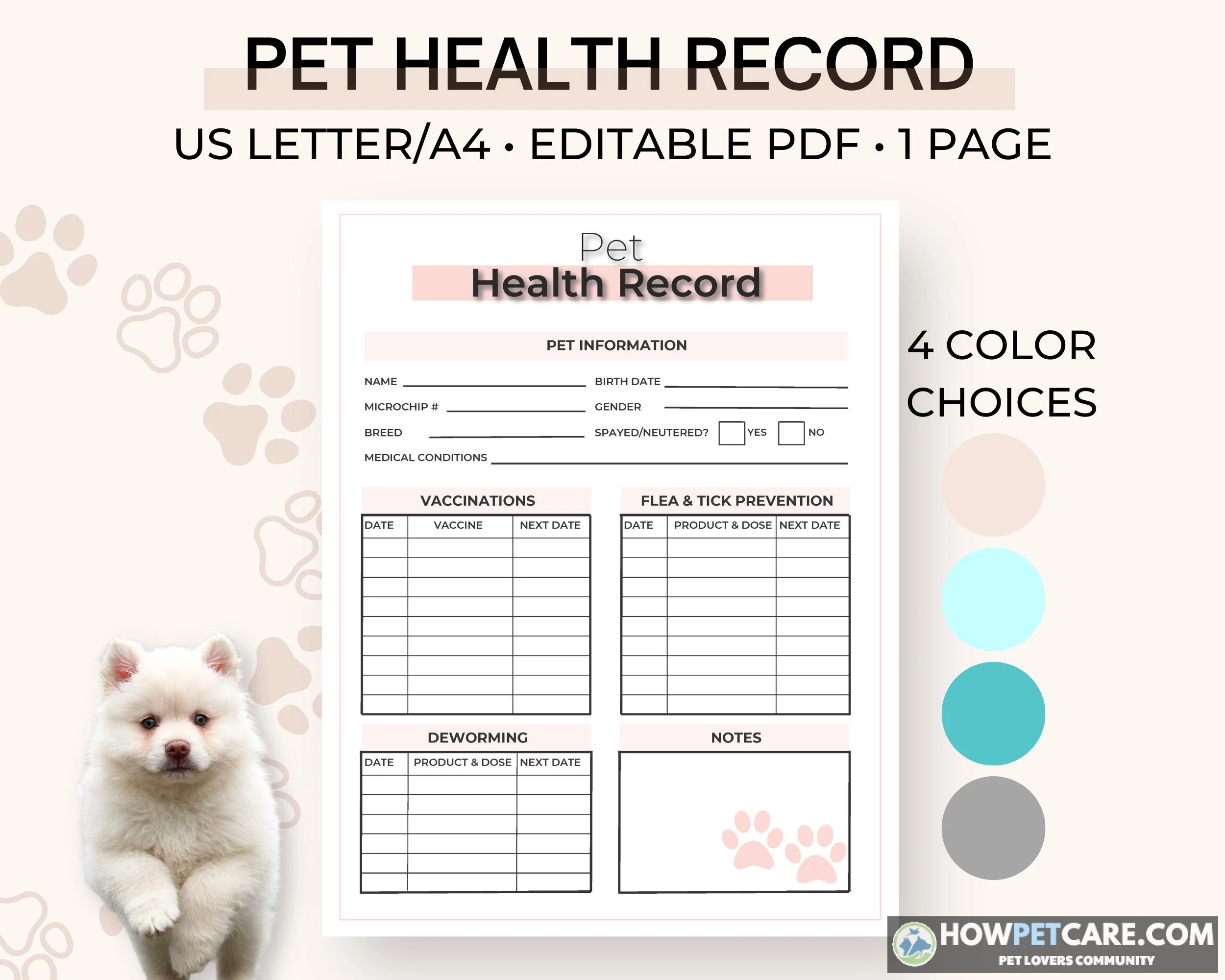
Gather details while someone else calls or during the trip if possible. Don’t delay emergency care to fill in the sheet or capture a video.
Details to document
Dog symptom call sheet
- Dog’s name, breed, age, and approximate weight: ___
- Main problem in your own words: ___
- When it started, how often it happens, and whether it is improving or worsening: ___
- Last normal meal; current appetite, water intake, energy, and behavior: ___
- Last urination; frequency, straining, amount, and any blood: ___
- Last stool; frequency, consistency, blood, or black color: ___
- Vomiting episodes; timing, appearance, and any blood: ___
- Resting breathing rate, if safely measured: ___ breaths per minute
Photos and video that help
Photograph unusual stool, vomit, a lump, or product packaging when practical. A short video of a cough, limp, unusual breathing, seizure, or odd movement can show the vet what you observed. Stay safe and don’t postpone care to record it.

Exposure and medical history
- New food, treats, chews, garbage, plants, chemicals, or human medications: ___
- Suspected substance, amount, and time of exposure, if known: ___
- Tick exposure, travel, boarding, dog parks, or contact with other animals: ___
- Vaccination, flea and tick prevention, and heartworm prevention status: ___
- Current medications, known conditions, and past surgeries: ___
Ask: “Should my dog come in now or today, and what changes should I watch for?” Mention relevant exposures even if they happened more than two days ago or you’re unsure they matter.
Your Next Steps: A Quick Triage Checklist and When to Call
- Check for emergency signs first. If one is present, call the emergency vet and go now.
- If there’s no red flag, use the triage chart to decide whether to seek a same-day visit or briefly monitor a mild, isolated change.
- Gather the details you can without delaying care, and call if the sign repeats, worsens, or you’re uncertain.
- Follow the veterinary team’s instructions and ask when to call again if your dog doesn’t improve.
An online dog symptoms checker can provide educational information, but it can’t examine your dog or replace a veterinarian. PetMD likewise describes its interactive checker as educational rather than a substitute for licensed veterinary care. This guide has the same limitation: it supports a conversation with your vet, not a diagnosis.
Save your emergency contacts now
Save your regular veterinarian, the nearest 24-hour emergency clinic, ASPCA Animal Poison Control at 888-426-4435, and Pet Poison Helpline at 855-764-7661. Confirm the emergency clinic’s location and hours before you need it; poison-service fees may apply.
A simple weekly dog health checklist
- ☐ Notice appetite, drinking, energy, breathing at rest, and bathroom habits.
- ☐ Look gently at the eyes, ears, mouth, coat, paws, and skin for changes your dog allows you to check.
- ☐ Note new lumps, weight changes, stiffness, or behavior changes and arrange a vet visit when needed.
- ☐ Keep a record of your dog’s baseline weight, medications, vaccinations, and parasite prevention.
If your dog is getting worse or you can’t confidently place a symptom in a tier, call your veterinarian or an emergency vet.
1A 5-year-old Great Dane presents with a swollen, hard abdomen and is pacing while repeatedly attempting to vomit without producing anything. How should this situation be triaged?
A swollen, tight belly combined with unproductive retching is a classic red flag for bloat or gastric dilatation-volvulus (GDV), which is a life-threatening emergency.
2Which of the following items are listed as household toxins for dogs that require immediate contact with a veterinarian or poison control service upon suspected exposure?
Xylitol (birch sugar) is a common sugar substitute that is toxic to dogs and requires immediate veterinary guidance.
3A dog owner notices their dog making frequent trips outside to urinate. Which specific observation elevates this issue from a same-day vet visit to an immediate emergency?
Straining without producing urine suggests a complete urinary blockage, which is a life-threatening emergency.
4During a routine check at home, an owner lifts their dog's lip and notices the gums appear very pale, almost white. What is the recommended triage tier for this finding?
Pale, white, blue, or gray gums signal critical issues like shock, blood loss, or severe anemia, requiring immediate emergency intervention even if other symptoms are not yet obvious.
5What primary safety guideline should an owner follow if their dog experiences a active seizure at home?
Keeping hands away prevents accidental bites, clearing hazards prevents trauma, and timing the seizure provides crucial diagnostic information for the veterinarian.
6According to symptom triage guidelines, which of the following signs generally warrant contacting your regular veterinarian for a same-day appointment?
A non-weight-bearing limp indicates significant pain or injury needing assessment today.
7If an owner suspects their dog has ingested a toxic substance, which actions should they avoid doing unless explicitly directed by a veterinary professional?
Inducing vomiting can cause severe esophageal damage or aspiration depending on the substance ingested, so it should only be done under professional instruction.
| Condition | Key Symptom Pattern | Who Is Most at Risk | Urgency Level | Action Required / Triage Guidance |
|---|---|---|---|---|
| Bloat/GDV | Swollen or tight belly, unproductive retching, pacing or restlessness | Large, deep-chested dogs; any dog can be affected | Emergency | Seek immediate emergency veterinary care |
| Parvovirus | Vomiting, lethargy, appetite loss, dehydration, often bloody diarrhea | Especially unvaccinated or partially vaccinated puppies | Emergency, particularly in a weak puppy | Call ahead because it is contagious |
| Poisoning | Possible sudden vomiting, drooling, tremors, weakness, or seizures; signs can be delayed | Any dog with access to a harmful substance | Emergency | Call immediately, even before signs appear (call ASPCA Animal Poison Control at 888-426-4435 or Pet Poison Helpline at 855-764-7661). Bring product container/label photo. Don't give human medications, induce vomiting, or offer food or water unless instructed to do so. |
| Pancreatitis | Vomiting, belly pain, hunched or stretched posture, appetite loss | Dogs may become ill after eating fatty food | Same-day; emergency for repeated vomiting, severe pain, or weakness | Contact vet for same-day appointment or emergency care if severe |
| Urinary tract infection | Frequent small urinations, straining, blood, or accidents | Dogs with urinary problems; other causes can look similar | Same-day; emergency if little or no urine comes out | Seek same-day visit; go to emergency vet immediately if dog produces little or no urine |
| Rabies | Behavior change, drooling, trouble swallowing, weakness, or paralysis | Dogs exposed to potentially infected wildlife, especially if unvaccinated | Urgent | Avoid contact, avoid saliva and direct handling, keep people and other animals away, and call a vet and local animal control |
| Diabetes | Increased thirst and urination, sometimes weight loss despite appetite | Often middle-aged or older dogs | Same-day for a sudden marked change; prompt exam otherwise | Arrange same-day visit for sudden changes or schedule a prompt exam |
| Heartworm | Persistent cough and tiring easily; some dogs have few early signs | Dogs exposed to mosquitoes without effective prevention | Prompt appointment; emergency for breathing distress or collapse | Schedule a prompt appointment; go to emergency care if experiencing breathing distress or collapse |
| Lyme or other tick-borne disease | Fever, low energy, painful joints, or shifting-leg lameness | Dogs exposed to ticks | Same-day for fever, pain, or lethargy | Seek a same-day vet visit |
| Dental disease | Bad breath, drooling, dropping food, or chewing on one side | Dogs of any age; small and senior dogs may be vulnerable | Prompt exam; same-day if painful or refusing food | Schedule a prompt exam; request same-day appointment if dog is painful or refusing food |
FAQ
Is there a free dog symptom checker I can use online?
Several online symptom checkers exist, but they can’t examine your dog and shouldn’t replace veterinary advice. A static triage guide like this one, combined with a call to your vet, is often faster and safer for deciding how urgent a problem is.
How long can I wait before taking a sick dog to the vet?
For red-flag signs such as trouble breathing, collapse, a swollen abdomen, or suspected poisoning, go immediately. For milder signs, a vet visit within the same day is wise if the problem lasts more than a day, repeats, or worsens, and sooner for puppies, seniors, and small dogs.
Can I give my dog human medication for symptoms?
No. Many human medicines such as ibuprofen, acetaminophen, and some cold remedies are toxic to dogs. Only give medication your veterinarian has specifically prescribed or approved.
Is it normal for a dog to vomit once and then act fine?
A single episode in an otherwise bright, hungry dog is often minor, but watch closely. Contact your vet if vomiting repeats, contains blood, comes with lethargy or belly pain, or your dog is a puppy or senior.
What are the first signs of illness in dogs?
Early signs often include reduced energy, eating less, drinking more or less, hiding or clinginess, and changes in stool or breathing. Comparing against your dog’s usual behavior helps you spot them sooner.