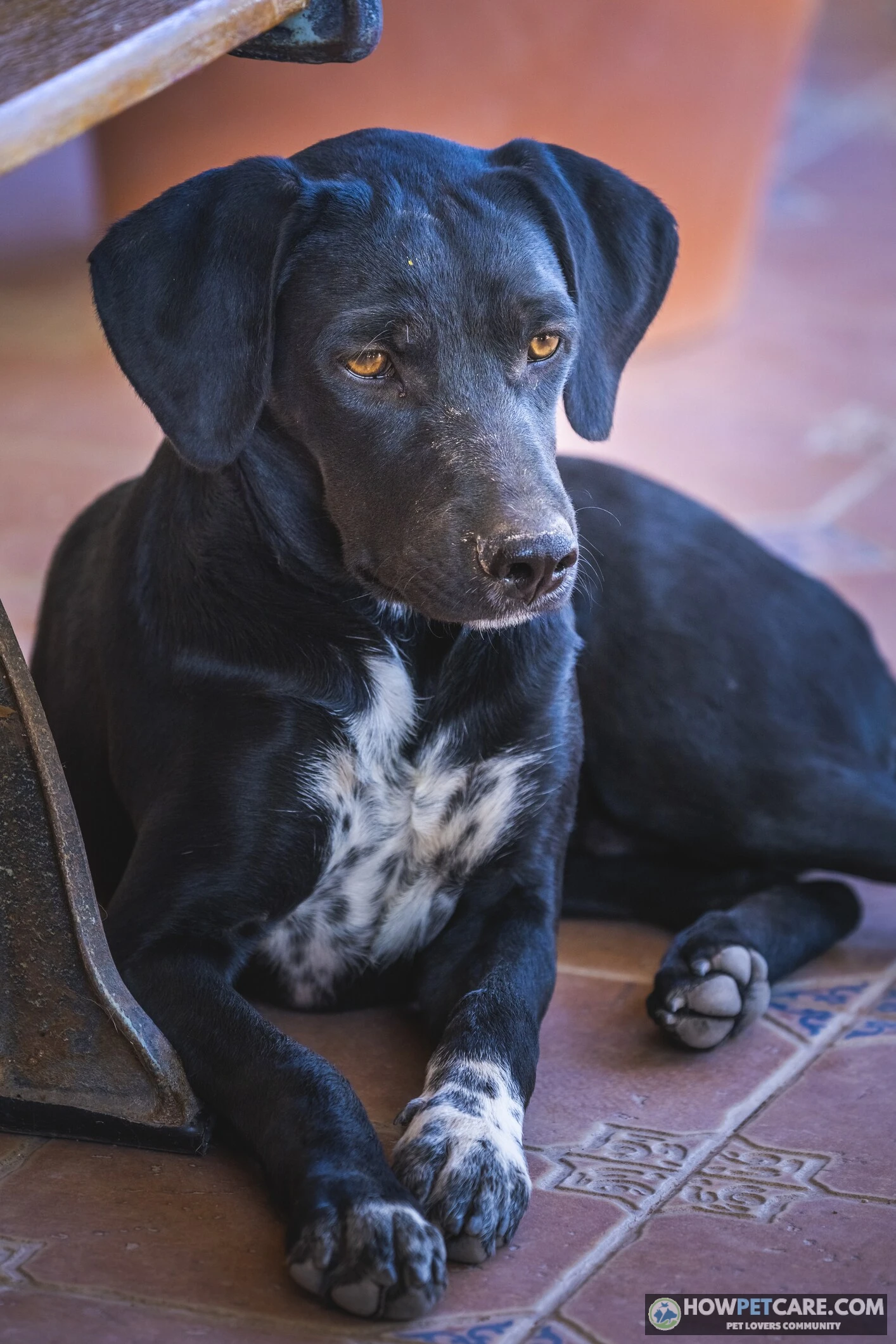

Plott Hounds typically live 12 to 14 years — a solid range for a medium-large hound. Where an individual dog lands depends on genetics, body weight, preventive vet care, and emergencies like bloat (GDV). Keeping your Plott lean and knowing GDV warning signs are the biggest controllable levers.
Plott Hounds typically live about 12 to 14 years. That is the lifespan range most often quoted by breed profiles and veterinary publishers, and the Plott Hound life expectancy is usually stated as the same range.
Keep three things in mind from the start: most vets treat a Plott as a senior around age 8; the biggest preventable threat is bloat/GDV, a fast-moving emergency that can be fatal within hours without surgery; and the best-supported longevity levers are keeping the dog lean, routine preventive vet care, and knowing how to respond to a GDV emergency. Important caveat: 12–14 years is a breed-level estimate, not a promise — no large Plott-specific mortality study is widely published, so treat the range as realistic planning guidance. Where your individual dog lands depends on genetics, body weight, emergency events like bloat, and the preventive care it receives.
Plott Hound Lifespan Compared With Other Coonhounds and the Average Dog
Plott Hounds fall in the middle of the typical lifespan range for coonhound breeds. Their medium-large, deep-chested build places them at the more favorable end of the general pattern that larger dogs tend to have shorter lives, but no large, breed-specific mortality study is publicly available, so the 12–14 year figure remains an estimate drawn from breed club descriptions and veterinary publisher summaries.
| Breed or group | Commonly reported lifespan (years) | Typical size | Notable longevity-related risks | Source and confidence note |
|---|---|---|---|---|
| Plott Hound | 12–14 | 40–60 lb, medium-large, deep chest | GDV (bloat), field injuries, hip dysplasia | Breed profiles and vet publishers; estimate, no large mortality study |
| Bluetick Coonhound | 11–12 | 45–80 lb, large | GDV, ear disease, hip dysplasia | Commonly quoted breed-club/publisher range; estimate |
| Treeing Walker Coonhound | 12–13 | 50–70 lb, large | GDV, ear infections, injuries | Commonly quoted range; estimate |
| Redbone Coonhound | 12–14 | 45–70 lb, large | GDV, hip dysplasia | Commonly quoted range; estimate |
| Black and Tan Coonhound | 10–12 | 65–110 lb, large/heavier build | GDV, orthopedic wear | Commonly quoted range; estimate; heavier frame may explain lower end |
| Redtick (English) Coonhound | 11–12 | 40–65 lb | GDV, hip dysplasia | Commonly quoted range; estimate |
| Generic large dog (all breeds) | ~8–12 | Over ~50 lb | Cancer, orthopedic disease, GDV | General veterinary literature pattern: larger size correlates with shorter lifespan |
| All-dog average | ~10–13 | All sizes | — | Frequently cited overall average across breeds in veterinary references; varies by source |
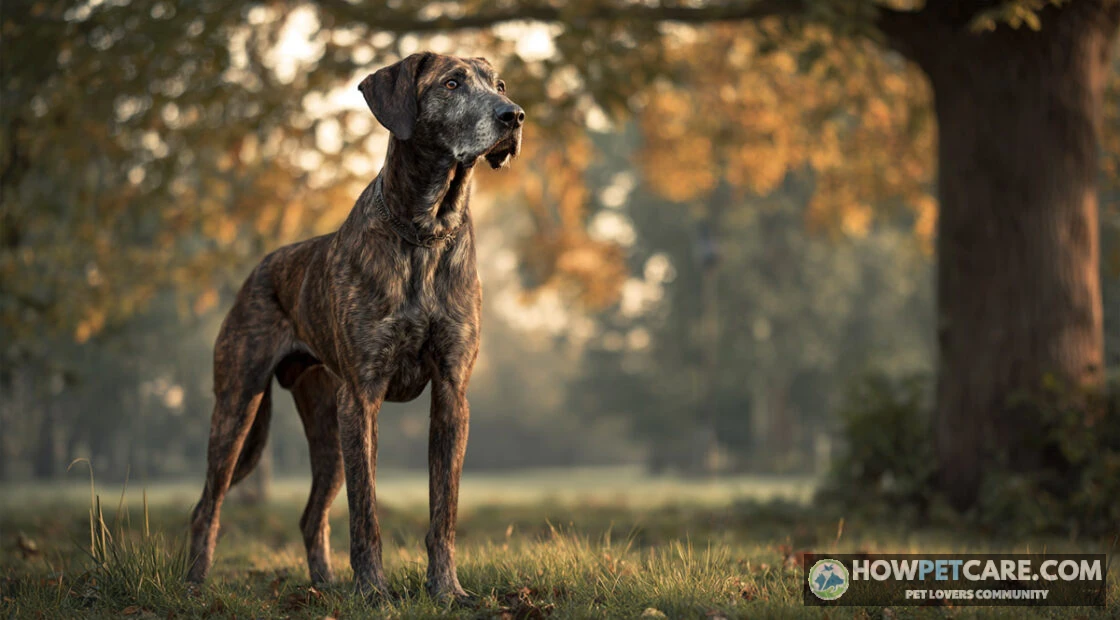
How to read this table: These are commonly published ranges, not results from a single controlled study, and sources disagree by a year or two. A one-year difference between two coonhound breeds is within the margin of the data — it does not prove one breed outlives another. The Plott’s medium-large build sits at the favorable end of the general "bigger dogs live shorter" pattern, but no registry publishes verified Plott mortality figures. The AKC standard and breed-club descriptions cover conformation and working ability, not lifespan.
What Plott Hounds Usually Die From, and Which Causes Are Preventable
No large Plott-specific mortality study is publicly available, so this ranking draws on general canine data, hound and deep-chested breed patterns, and veterinary consensus. The following table ranks the main threats to Plott Hound lifespan, indicating whether they are preventable or detectable early and the strength of the evidence.
| Threat | Why Plotts may be at risk | Early warning signs | Preventable or detectable early? | Evidence strength |
|---|---|---|---|---|
| Bloat/GDV | Deep chest and athletic build increase gastric torsion risk; family history can raise susceptibility | Swollen, tight abdomen; unproductive retching; drooling; restlessness or pacing; rapid shallow breathing; pale or gray gums; weakness or collapse | Yes – early signs allow emergency surgery, and risk-reduction habits lower but do not eliminate risk | Strong (well-documented in deep-chested hound literature) |
| Cancer and heart disease | Age-related; many hounds develop tumors or cardiac murmurs | Lumps, swelling, cough, fatigue, decreased stamina | Detectable early through exams and diagnostics; partially preventable via health screening | Moderate (common across breeds) |
| Hip dysplasia and end-stage mobility decline | Large-frame, rapid growth, and high-impact activity stress joints | Stiffness after exercise, reluctance to jump, lameness | Detectable via OFA/PennHIP screening; partially preventable with weight control and joint-aware exercise | Moderate (well-studied in large breeds) |
| Field injuries and accidents | Hunting and working exposure to terrain, wildlife, vehicles, and weather | Limping, bleeding, sudden weakness, disorientation | Mostly preventable with secure fencing, GPS collars, post-hunt checks, and conditioning | Moderate (case-based) |
| Ear infections and other quality-of-life problems | Drop ears trap moisture; chronic infections affect comfort but not directly lifespan | Head shaking, odor, discharge, scratching | Easily treated with cleaning and medication; not lifespan-limiting | Weak (common in hounds, low impact on longevity) |
 You might be wonderingGerman shepherd lifespanGerman Shepherd Lifespan: 9–13 Years, and What Changes ItRead the answer
Bloat and GDV Emergency Checklist: Warning Signs and What to Do Immediately
Bloat and gastric dilatation-volvulus (GDV) are the most acute, life-threatening emergencies for deep-chested hounds like the Plott. Without surgical intervention, mortality can exceed 80% within hours, and survival after timely surgery is reported to be around 80-90%. The following checklist summarizes the warning signs and the immediate actions you should take.
-
Identify warning signs
Look for unproductive retching, a swollen or drum-hard belly, heavy drooling, restlessness or pacing, rapid shallow breathing, pale or gray gums, weakness or collapse.
-
Call emergency veterinary clinic
While you are leaving, call the nearest 24-hour emergency clinic and say you suspect GDV.
-
Transport the dog safely
Load the dog gently, keep it calm, avoid jostling, and drive directly to the clinic; time is measured in hours, not days.
-
Do not delay
Do not wait to see if the dog vomits or appears to improve; GDV does not resolve on its own.
-
Avoid home treatments
Do not give food, water, or any medication; do not attempt to massage or press on the abdomen.
-
Prepare before it happens
Save the emergency clinic’s phone number and route in your phone, ask your regular vet about preventive gastropexy, and know the typical cost of GDV surgery (several thousand dollars).
Working Hunting Plotts vs. Pet Plotts, and Male vs. Female Lifespan: What the Evidence Shows
Do female Plott Hounds outlive males?
There is no reliable evidence that male and female Plott Hounds live significantly different lengths of time. In dogs generally, sex and neuter status have modest and inconsistent effects on lifespan, so owners should base decisions on overall health and lifestyle rather than presumed gender gaps.
Timing of spay or neuter may influence joint health and certain cancer risks in large, athletic breeds, so discuss the optimal age with your veterinarian.
Do hunting Plotts live shorter lives than pets?
Working Plotts that spend time in the field face additional risks such as injuries, exposure to wildlife, vehicle strikes, and extreme temperature changes, which can shorten lifespan. Pet Plotts are more likely to experience obesity and reduced exercise, also impacting longevity. While precise comparative data are limited, the pattern mirrors that of other hound breeds.
Owners can lower risk by maintaining off-season conditioning, checking for injuries after each hunt, using GPS collars, providing adequate hydration and cooling, and feeding after rather than before intense activity.
How to Help Your Plott Hound Live Longer: A Life-Stage Care Roadmap
The best-supported longevity levers are keeping the dog lean, routine preventive veterinary care, and knowing how to respond to a GDV emergency. The following table breaks down recommended actions for each life stage.
| Life stage | Diet and weight | Exercise | Vet care and screening | What to watch for |
|---|---|---|---|---|
| Puppy (to ~12–18 months) | Large-breed puppy formula, measured meals; avoid free feeding; growth should be steady | Short, frequent play; avoid forced runs, long stairs, repetitive jumping while joints develop | Vaccination series, parasite prevention, discuss spay/neuter timing; ask about parents’ hip scores and any bloat in line | Loose stool from diet changes, limping after play, rapid weight gain, joint stiffness |
| Adult (~18 months to 8 years) | Complete adult food, measured portions; body condition monthly: visible waist, ribs felt but not seen; resist begging | 60+ minutes daily vigorous activity plus scent work; consistent weekday exercise, avoid weekend overload; secure fencing; consider gastropexy if high-risk | Annual exam, dental checks, ear checks, year-round tick/parasite prevention; discuss gastropexy; post-hunt injury checks for working dogs | Recurring ear odor or head-shaking, weight drift, single episode of retching or belly swelling, slowing down, any new lumps |
| Senior (~8+ years) | Adjust calories for lower activity; senior diet with joint support; monitor muscle loss, not just weight | Shorter, more frequent walks; ramps and traction on slick floors; orthopedic bedding; keep moving, don’t retire to couch | Exams every 6 months, annual bloodwork/urinalysis, blood pressure and heart check, dental review | New lumps, cough, increased thirst, night-time confusion, persistent limping, appetite or weight change — see senior warning signs below |

A Plott Hound mix typically lives within the same 12–14 year range as purebreds, though size and other breed influence the exact expectation.
Longevity-Linked Health Screening: What to Ask Breeders, Rescues and Mix Adopters
Selecting a dog with an eye toward longevity starts with health screening. The following questions and checks can help you gauge genetic and physical risks that influence lifespan.
Questions for a breeder
- What are the ages and causes of death of the dog’s parents and grandparents?
- Has the line shown a history of bloat or GDV?
- Are OFA or PennHIP hip and elbow evaluations on file?
- Do you have a cardiac evaluation report for the dog or its close relatives?
- Can you provide any genetic test results (e.g., for hip dysplasia, cardiac markers) that are relevant to the breed?
Questions for a rescue or shelter
- What is the known age and background of the dog?
- Has the dog received a recent veterinary exam that included heart and joint assessment?
- Is there any documented history of bloat, cancer, or cardiac disease?
- What is the dog’s working or hunting background, if any?
A Plott Hound mix usually lives about as long as similar medium-to-large hounds, often in the low-to-mid teens, but there is no reliable mix-specific figure. Size, the other parent breed and overall health matter more than the label, and a DNA test can help flag breed-linked risks.
Senior Plott Hound Care: What Changes Around Age 8
Veterinarians generally consider a Plott a senior at about 8 years of age, though some begin senior screening a little earlier or later based on individual health. At this stage, care becomes more proactive.
Care changes
- Exams every 6 months (twice-yearly) with a focus on heart, kidneys, liver, and blood pressure.
- Annual bloodwork and urinalysis, plus blood pressure and cardiac auscultation.
- Dental cleaning and regular at-home tooth brushing to reduce periodontal disease.
- Weight and muscle monitoring; loss of muscle mass without weight loss may signal sarcopenia.
Diet and exercise adjustments
- Reduce calorie intake proportionally to lower activity levels; discuss a senior-formulated diet with your vet.
- Introduce joint-support supplements (e.g., glucosamine, chondroitin) after veterinary approval.
- Shorter, more frequent walks; ramps and non-slip flooring to prevent falls.
- Orthopedic bedding and a heated pad for arthritic joints.
Normal vs. vet-worthy signs
- Normal aging: graying muzzle, slower recovery after vigorous exercise, increased sleep, mild stiffness that improves with gentle activity.
- Signs that require a vet visit: sudden weight loss, persistent cough, labored breathing, new lumps, prolonged limping, loss of appetite, increased thirst or urination, night-time confusion, or sudden changes in behavior.
Quality-of-life scorecard (weekly check-in)
Copy this into a notes app and fill it in once a week. Score each line 0, 1 or 2:
Week of: ____/____/______

MOBILITY    0 = struggles to stand or walk   1 = slow but manages   2 = moves freely
APPETITE    0 = refusing meals             1 = eats with prompting 2 = eats normally
BREATHING   0 = labored at rest/coughing   1 = tires faster        2 = normal
PAIN        0 = cries, guards, won't rest  1 = stiff after rest    2 = comfortable
COGNITION   0 = lost, agitated at night    1 = some confusion      2 = oriented, engaged
ENJOYMENT   0 = ignores everything         1 = responds sometimes  2 = still loves food/toys/people
Total: ___ / 12     Good days this week: ___ vs. bad days: ___
How to use it:
- A single low week isn’t a verdict — look for the trend over 4–6 weeks.
- Score dropping below about 7/12, or bad days outnumbering good ones for two or more weeks, is a reason to book a vet visit, not a reason to panic.
- Bring the log to the appointment.
- If mobility decline becomes severe or scores stay low despite treatment, that log becomes the foundation for an honest end-of-life conversation with your vet — a decision about comfort, not a countdown.
- Keep your GDV emergency plan active at this stage too; senior Plotts are not immune to bloat.
Your Plott Hound Longevity Action Plan: A Checklist to Start Today
Turning knowledge into action is easiest with a clear, time-phased checklist. Below are priorities for the next week, month, and year.
-
This week
Save the 24-hour emergency veterinary clinic’s phone number and driving route; learn the GDV warning signs; check your dog’s body condition and set measured meal portions.
-
This month
Schedule a baseline veterinary exam, confirm parasite and tick prevention, discuss the possibility of a preventive gastropexy, and explore pet insurance or an emergency fund. Budget for routine care and set aside several thousand dollars for possible emergency GDV surgery.
-
Ongoing
Weigh your dog weekly, inspect ears daily, provide at least 60 minutes of vigorous exercise each day, keep a log of appetite, mobility and behavior changes, and attend veterinary visits as recommended (annual or twice-yearly after age 8).
For prospective owners: use the screening questions before committing and set a realistic expectation of 12 to 14 years of care. The three biggest levers to focus on are preventing obesity, being ready for bloat, and catching age-related disease early.
 You might be wonderingBasenji life expectancyBasenji Life Expectancy: Sourced Data and What Shifts ItRead the answer
FAQ
What is the lifespan of a Plott Hound mix?
A Plott Hound mix usually lives about as long as similar medium-to-large hounds, often in the low-to-mid teens, but there is no reliable mix-specific figure. Size, the other parent breed and overall health matter more than the label, and a DNA test can help flag breed-linked risks.
How much does it cost to care for a Plott Hound over its lifetime?
No reliable Plott-specific lifetime figure exists, and costs vary by region and by the dog’s health. Budget for routine care, dental work and senior screening, and set aside funds or insurance for emergencies such as bloat surgery, which can cost several thousand dollars.
Which signs of aging in a Plott Hound are normal?
A graying muzzle, slower recovery after hard exercise and more sleep are common with age. Sudden weight loss, coughing, collapse, new lumps, persistent limping or a drop in appetite are not normal and need a vet visit.
Is a Plott Hound a good family dog?
Plotts are loyal and affectionate with their people, but they are high-energy hunting dogs that need daily vigorous exercise, secure fencing and mental work. They suit active households better than sedentary ones.
Does neutering or spaying change a Plott Hound’s lifespan?
There is no Plott-specific evidence that it does. In large athletic breeds, timing may affect joint and some cancer risks, so discuss the best timing for your dog with your vet.