

English Springer Spaniels typically live 12–14 years. VetCompass, the Royal Veterinary College’s practice-records program, reports a figure of about 13.5 years. Individual lifespan varies with genetics, disease, injury and care — the range is a population estimate, not a guarantee for any individual dog.
How long do English Springer Spaniels live? 12–14 years, and where that figure comes from
English Springer Spaniel life expectancy typically runs 12–14 years, according to breed profiles that give a usual range, not a guarantee for any individual dog. A 13.5-year figure comes from VetCompass, the Royal Veterinary College’s program that analyzes UK veterinary-practice records. The supplied sources don’t detail the study’s sample size, so read it as a population estimate rather than a promise for any individual dog.
Some Springers die younger than the typical range; others live longer. Genetics, disease, injury and chance all play a part. Good care supports a healthy life, but it cannot promise a particular birthday.
The headline figure and the studies behind it
The 12–14-year range is useful for planning, but the supplied breed profiles don’t explain exactly how it was calculated. A range repeated across websites doesn’t necessarily come from several independent studies.
VetCompass analyzes veterinary practice records, while breed health surveys generally rely on information submitted by owners. Both offer useful context, but neither automatically represents every Springer. Practice records reflect the dogs and clinics included. Survey results can be influenced by who responds and what owners remember.
The Orthopedic Foundation for Animals (OFA) maintains health-testing information, including results relevant to joints and eyes. That information can help owners investigate inherited disease, but an OFA screening result is not a breed lifespan estimate. The available evidence doesn’t establish current Springer-specific OFA prevalence figures, so this article doesn’t assign percentages to those conditions.

Median, average, and life expectancy: why the numbers differ slightly
A median age at death is the middle age in a group: half of the recorded ages fall below it and half above. A mean is the sum of those ages divided by the number of dogs. Life expectancy at birth estimates how long a newborn dog would live under the mortality patterns used in a particular analysis.
These measures aren’t interchangeable. Results can also vary with the dogs studied, the period covered and how researchers account for dogs who were still alive when data was collected. Before comparing two figures, check which statistic each one represents and which population it describes.
Do female English Springer Spaniels live longer than males? What the data says about sex and spay/neuter timing
The evidence provided here does not establish a reliable breed-specific lifespan difference between male and female English Springer Spaniels. One breed profile gives females a slightly longer range, but the available evidence doesn’t include enough supporting study detail to treat that difference as settled.
Sex and reproductive status still matter when making individual health decisions. An unspayed female, for example, can develop pyometra, a serious uterine infection, and mammary tumors. An unneutered male can develop testicular disease and certain prostate problems. These risks don’t translate into a dependable number of extra years for either sex.
The supplied research doesn’t resolve the precise effect of spay or neuter timing on hip dysplasia risk and lifespan in this breed. Ask your veterinarian to consider your dog’s sex, joint health, cancer risks, behavior, reproductive plans and household circumstances. The evidence offers no single timing rule that answers the longevity question for every Springer.
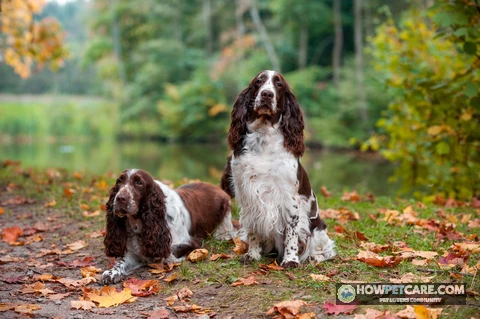
Field-bred versus show-bred: The supplied evidence also doesn’t establish a reliable lifespan difference between the two. The dedicated comparison later in this guide explains what owners can consider instead of relying on a line label.
 You might be wonderingHow long do havanese live?How Long Do Havanese Live? Lifespan, Health Risks & CareRead the answer
What English Springer Spaniels usually die from: causes of death by proportion
Cancer, old age, and accidents: the proportions
Cancer, age-related decline and accidents are important categories to investigate, but the available evidence does not verify what percentage of English Springer Spaniels die from each. It doesn’t establish a cancer-versus-natural-causes breakdown for senior Springers, either. Without a traceable breed-specific source, precise proportions would be misleading.
| Cause of death category | Share of Springer deaths | Source and year | Sample size | How the category is classified |
|---|---|---|---|---|
| Cancer | Not established by the available evidence | No verified breed-specific breakdown supplied | Not established | May group several different cancers |
| Old age or natural decline | Not established by the available evidence | No verified breed-specific breakdown supplied | Not established | May reflect an owner’s description rather than a diagnosed disease |
| Accident or trauma | Not established by the available evidence | No verified breed-specific breakdown supplied | Not established | Categories may include different types of injury |
| Other or unknown causes | Not established by the available evidence | No verified breed-specific breakdown supplied | Not established | Depends on the reporting system |
Even a well-run survey needs careful interpretation. An owner might report “old age” when a dog had several chronic conditions, while a veterinary record might name one underlying diagnosis. Euthanasia can describe the immediate manner of death without identifying the disease or decline that led to the decision. Percentages from these systems shouldn’t be combined as if their categories were identical.

Which causes owners can influence
You can’t prevent every cancer or inherited disease. You can limit avoidable hazards, maintain a healthy body condition, contact your veterinarian about changes and respond quickly to emergencies. A fenced area, a leash near traffic and secure transportation help reduce the risk of serious injury.
Early assessment can make some conditions easier to manage, but it doesn’t guarantee a cure or longer life. Keep lifespan, the length of a dog’s life, distinct from healthspan, the time spent with good comfort and function. Both matter when you make care decisions.

Health problems that shorten an English Springer Spaniel’s life, and which ones you can act on
English Springer Spaniel health concerns include hip and elbow dysplasia, ear infections, progressive retinal atrophy, retinal dysplasia, phosphofructokinase deficiency and fucosidosis. Their effects vary: some threaten life directly, while others primarily affect comfort, vision or mobility.
Joints, eyes, and ears: Springer-specific risks
Hip dysplasia and elbow dysplasia involve abnormal joint development. Affected dogs may become stiff, reluctant to jump or less willing to exercise. Joint disease doesn’t automatically shorten life, but lasting pain and reduced mobility can seriously affect quality of life. Keep your Springer lean, tell your vet about changes early and discuss an appropriate activity and pain-management plan.
Progressive retinal atrophy (PRA) is an inherited group of retinal diseases that can lead to vision loss. It’s generally a healthspan concern rather than a direct cause of death. Tell your vet if your dog hesitates in dim light or bumps into familiar objects. Keeping the home layout predictable and avoiding sudden furniture changes can help a dog adapt to reduced vision.
Ear infections deserve particular attention in a long-eared Springer. They may recur, and allergies or other underlying problems can contribute. Watch for odor, redness, discharge, head shaking or scratching. Inspecting the ears is useful, but follow your veterinarian’s advice on routine cleaning. Too much cleaning—or the wrong product in a painful ear—can cause irritation.

A suddenly cloudy, red, squinting or painful eye needs prompt veterinary advice. Sudden vision loss is not a normal sign to monitor at home.
Bloat: the emergency that changes the lifespan outcome
Bloat can involve a stomach that fills with gas and twists. This life-threatening emergency is called gastric dilatation-volvulus, or GDV. Warning signs include repeated attempts to vomit without producing anything, a swollen or painful abdomen, restlessness, weakness and collapse.
Call an emergency veterinary hospital and leave immediately if you suspect GDV. Don’t wait to see if the swelling settles. The available evidence doesn’t establish a Springer-specific risk level or a feeding practice proven to prevent GDV in this breed. Ask your veterinarian about your dog’s risk and feeding routine instead of relying on a supposedly protective meal schedule.

Which genetic health tests apply, and what they can and cannot change
Springer-related inherited conditions listed in breed profiles include PRA, phosphofructokinase deficiency—often shortened to PFK deficiency—and fucosidosis. Ask your veterinarian which tests are appropriate for your dog or a planned breeding, and how to interpret each laboratory result.
A DNA result may show whether a dog carries a particular variant; it doesn’t rule out every form of eye disease or every inherited condition. An eye examination, likewise, records what the examiner found at that time, not a lifetime guarantee. Hip and elbow evaluations are screening tools, not promises that a dog will never develop joint pain.
Field-bred vs. show-bred English Springer Spaniels: is there a lifespan difference?
What is known and what has not been measured
The evidence supplied for this article contains no verified lifespan comparison by field-bred versus show-bred line. Whether there’s a statistically meaningful difference remains an unanswered question. That’s not the same as proving the groups live exactly the same length of time.
A useful comparison would need clear definitions for each line, enough dogs, reliable ages at death and attention to differences in working exposure and other factors. A label alone can’t tell an owner how long an individual dog will live.
Field and show dogs may differ in appearance, coat and activity needs, but the supplied evidence doesn’t establish line-specific rates of ear disease, injury or death. Ask what the individual dog can comfortably do, then tailor exercise and grooming to that dog. The American Kennel Club breed standard describes the breed; it isn’t a longevity test for either line.

Questions to ask a breeder about longevity in the pedigree
If you’re evaluating a puppy, ask for the parents’ documented hip and elbow evaluations, current eye examination results and relevant DNA results. Review the findings with a veterinarian, including which conditions each test does—and doesn’t—cover.
Ask how long close relatives lived and what health problems they had. Family history can inform a conversation, but a few long-lived relatives don’t prove that one line reliably outlives another. If the dog is already at home, share any available family and test information with your vet.

English Springer Spaniel lifespan compared with other spaniels and medium-sized breeds
A comparison is only useful when the underlying data can be compared. The supplied evidence supports the Springer range, but doesn’t provide verified, comparable figures for the other requested breeds or for a medium-dog average. The gaps in this table are intentional: unsourced numbers would make these breeds appear more comparable than the evidence allows.
| Breed or group | Median or typical lifespan | Statistic type | Source and year | Sample size or note |
|---|---|---|---|---|
| English Springer Spaniel | 12–14 years | Typical range | Breed profiles supplied; publication year not established | Underlying sample not established |
| English Cocker Spaniel | Not established here | Not available | No comparable source supplied | Distinguish from American Cocker Spaniel |
| American Cocker Spaniel | Not established here | Not available | No comparable source supplied | Separate breed from English Cocker Spaniel |
| Welsh Springer Spaniel | Not established here | Not available | No comparable source supplied | Breed-specific data needed |
| Field Spaniel | Not established here | Not available | No comparable source supplied | Breed-specific data needed |
| Medium-sized breeds | Not established here | Not available | No comparable source supplied | Group definition and population matter |
Without comparable figures from the same study, this table can’t show whether a Springer lives longer than another spaniel. A typical breed range shouldn’t be ranked directly against a median or a life expectancy at birth drawn from a different population.

English Springer Spaniel life stages: senior at about 7, geriatric at about 11, and what to change at each
For planning, about age 7 is a useful time to begin a senior-care conversation; about age 11 is a reasonable point for a more intensive geriatric review. These are practical approximations, not fixed veterinary diagnoses. Your dog’s health and individual changes matter more than a birthday alone.
A 12-year-old Springer is within the commonly quoted 12–14-year range. Age doesn’t make a new symptom inevitable or untreatable. Report changes in appetite, drinking, movement, sleep, hearing or vision instead of assuming they’re simply part of getting older.
| Life stage and approximate age | Vet visit frequency | Screening and tests | Weight, nutrition, and supplement notes | Springer-specific checks | Typical cost category and planning note |
|---|---|---|---|---|---|
| Puppy: birth to about 1 year | Follow the puppy vaccination and examination schedule recommended by your vet | Growth, development, teeth and parasite prevention | Feed a complete puppy diet in measured portions; avoid excess weight | Introduce gentle ear, eye and body handling; discuss inherited risks | Initial visits, vaccines, parasite prevention and possible insurance enrollment |
| Adult: about 1 to 7 years | At least an annual examination, or more often if advised | Dental and physical examination; other tests based on risk | Review portions and body condition as activity changes | Inspect ears regularly; report stiffness and vision changes | Routine care plus a reserve for unexpected illness or injury |
| Senior: about 7 to 11 years | Discuss visits about every 6 months | Ask whether bloodwork, urinalysis, blood pressure and dental assessment are appropriate | Reassess calories and diet; discuss supplements before use | Review ears, eyes, hearing and joints at visits | Plan for more frequent examinations and possible testing or dental care |
| Geriatric: about 11 years and older | About every 6 months or more often if recommended | Individualize testing and review pain, mobility and cognition | Monitor both weight gain and unintended weight or muscle loss | Check comfort, vision, hearing, ears and ability to move around the home | Budget for repeated monitoring, mobility support and possible end-of-life care |
These visit intervals and life-stage boundaries are planning guidance, not a replacement for the schedule your veterinarian recommends. A dog with an ongoing condition may need more frequent care at any age.

Puppy and adult: preventing the problems that cut life short
For a puppy, keep recommended vaccination visits, discuss parasite prevention and ask how to support steady growth. Practice brief, positive handling of the ears and mouth so future examinations and dental care are less stressful.
For an adult, schedule an annual examination and review dental health, weight and activity. Keep exercise consistent and suited to your dog’s fitness; not every Springer needs the same number of minutes. A field-bred dog with a demanding routine may need a different plan from a less active dog, but line alone doesn’t prescribe one.
Senior: screening and weight control
Around age 7, ask your vet whether twice-yearly visits make sense and which baseline tests suit your dog. Keep track of changes that can be easy to miss at home: slower recovery after a walk, reluctance on stairs, recurring ear odor or trouble finding a toy in dim light.
Reassess food portions if your dog’s activity drops. A bag’s feeding guide is a starting point, not an individual calorie prescription. Your vet can help distinguish excess body fat from a change in muscle mass and recommend a complete diet that suits any diagnosed condition.
Geriatric: comfort, mobility, and quality-of-life checks
Around age 11, discuss pain, dental health, sleep, appetite and mobility at each visit. Ask whether bloodwork, urine testing or blood pressure checks are appropriate. At home, notice whether your Springer can rise comfortably, reach food and water, rest and enjoy familiar activities.
Add nonslip rugs where needed, make the route outdoors easy to navigate and keep furniture in place if your dog’s vision is declining. Shorter, more frequent walks may suit a dog with reduced stamina. A sudden inability to walk or sudden severe pain calls for prompt veterinary attention.
Pacing, staring, house-soiling or a reversed sleep schedule all deserve a conversation with your vet. These changes can have several causes, so don’t diagnose cognitive decline without an examination.
How to body-condition score your Springer at home
A body-condition score, or BCS, estimates body fat through visual and hands-on assessment. On the common 9-point scale, 4–5 out of 9 is generally considered an ideal target. Ask your veterinary team to show you how to score your own dog, especially if a thick coat makes body shape hard to assess.
- Feel the ribs. With gentle pressure, you should feel them under a modest fat covering; you shouldn’t have to search hard.
- Look from above. A waist should be visible behind the ribs. Part or smooth the coat if feathering hides the outline.
- Look from the side. The abdomen should tuck upward behind the rib cage instead of hanging in a continuous line.
- Record the result. Weigh your dog regularly, note the BCS and ask your vet before making a substantial change to food.

A lean body condition is a sensible health goal, but the available evidence doesn’t verify how many extra years it adds specifically for English Springer Spaniels. Don’t put an older dog on a weight-loss plan without a veterinary assessment: unexpected weight loss can signal disease or reduced muscle.
Bring your weight and body-condition notes to the next appointment. Your veterinary team can check your technique and help set a realistic feeding plan.
Diets and supplements: A food labeled “senior” isn’t automatically right for every older dog. Choose a complete and balanced diet with your vet, considering body condition and any kidney, digestive or other medical concerns. You can discuss omega-3 products for dogs with joint disease, while evidence for individual joint supplements varies. The supplied evidence hasn’t established any supplement as a way to extend an English Springer Spaniel’s lifespan. Check with your vet before adding one, particularly if your dog takes medication.
What a Springer’s veterinary care costs by life stage, and when to buy insurance
The available evidence doesn’t establish a reliable US annual cost for senior or geriatric English Springer Spaniels. Prices vary by location, hospital, the dog’s health and the services needed, so one dollar figure wouldn’t be a useful personal budget.
Ask your veterinary practice for estimates in three categories:
- Predictable care: examinations, vaccines, parasite prevention and the routine tests your vet recommends.
- Likely age-related needs: dental assessment and possible procedures, repeat ear visits, joint-pain management and senior diagnostics.
- Unexpected or end-of-life care: emergency evaluation, hospitalization, imaging, surgery, ongoing medication and euthanasia or aftercare if needed.
Pet insurance can help manage some unpredictable costs, but read the policy carefully. Conditions that arise before enrollment are usually excluded, and waiting periods, eligibility and renewal terms differ. If you’re considering coverage, compare policies while your dog is young and healthy, before a problem appears.
Check whether the policy covers hereditary conditions, joint disease, recurring ear problems, diagnostics, medication and dental illness. Review the deductible, reimbursement percentage, annual or lifetime limits, waiting periods, exclusions and potential premium increases. Routine wellness care may need separate coverage or may not be covered at all.

If insurance isn’t suitable, use those same estimates to build a dedicated savings fund. Add up the routine care you expect over the next year, then set an emergency reserve with your vet’s help and divide the savings goal into monthly contributions. Revisit the amount as your dog ages and local fees change.
Your Springer longevity plan: a checklist to use this month
If you have a puppy or young adult
- ☐ Book the next examination or puppy vaccine visit and ask for an individualized parasite-prevention plan.
- ☐ Record weight and ask the veterinary team to show you how to assess body condition.
- ☐ Inspect the ears regularly for redness, odor or discharge; ask whether cleaning is needed and which product to use.
- ☐ Establish a toothbrushing routine with veterinary guidance and arrange regular dental assessments.
- ☐ Discuss spay or neuter timing in light of your individual dog’s health and circumstances.
- ☐ Compare insurance terms or start a dedicated veterinary savings fund.
If your Springer is 7 or older
- ☐ Schedule a senior examination and ask whether visits about every 6 months fit your dog’s needs.
- ☐ Ask which bloodwork, urine tests, blood pressure checks and dental care are appropriate now.
- ☐ Log weight, body condition, appetite, mobility and any changes in vision, hearing or sleep.
- ☐ Review food portions and exercise with your vet, especially if your dog is gaining weight or losing muscle.
- ☐ For a dog around 11 or older, assess the home for slippery floors and difficult stairs, and discuss comfort and quality of life before a crisis.
- ☐ Review your emergency fund or policy exclusions and request updated estimates for expected care.
If you are choosing a puppy
- ☐ Request documented hip and elbow evaluations, eye examination results and relevant DNA results for both parents.
- ☐ Ask about health conditions and ages at death among close relatives, while recognizing that family history can’t guarantee an individual lifespan.
- ☐ Review the records with a veterinarian rather than relying on a claim that a field or show line is inherently longer-lived.
Suspected bloat or GDV, collapse, severe breathing difficulty, sudden inability to walk, and a suddenly painful eye need urgent veterinary attention. Call an emergency hospital if your regular clinic is unavailable. For new ear odor or head shaking, gradual stiffness, or a change in vision, contact your vet promptly and ask how soon your dog should be seen.
Start with three decisions today: set up a weight and body-condition log, book the next age-appropriate veterinary visit, and choose whether insurance, a savings fund or a combination will cover your care plan.
 You might be wonderingTibetan mastiff life expectancyTibetan Mastiff Life Expectancy: Data, Risks and Longer LifeRead the answer
FAQ
What is the oldest English Springer Spaniel on record?
There is no authoritatively verified breed-specific longevity record for the English Springer Spaniel. The oldest verified dog of any breed is Bluey, an Australian Cattle Dog, who lived 29 years and 5 months. Reports of Springers reaching 16 or more years exist but are generally anecdotal.
Is 12 years old for an English Springer Spaniel?
A 12-year-old Springer is in the geriatric stage but is within the normal 12–14 year range. At this age, vets generally recommend check-ups every six months, with attention to joints, vision, hearing, dental health, and weight.
Do English Springer Spaniels live longer than Cocker Spaniels?
Published figures put the two breeds close together, but the available evidence doesn’t supply verified, comparable numbers for either the English or the American Cocker Spaniel — and those are separate breeds. No sourced comparison can currently name a dependable winner.
Can genetic health testing make my Springer live longer?
Testing does not extend an individual dog’s life, but it lets breeders avoid mating dogs that carry inherited conditions such as progressive retinal atrophy and PFK deficiency. It also tells owners which conditions to monitor. Hip and elbow scoring helps breeders reduce dysplasia risk in later generations.
What are the first signs of aging in an English Springer Spaniel?
Common early signs are slower recovery after exercise, stiffness after rest, graying around the muzzle, weight change, cloudy eyes, and reduced hearing. Any sudden change in appetite, thirst, or mobility should be checked by a vet rather than put down to age.