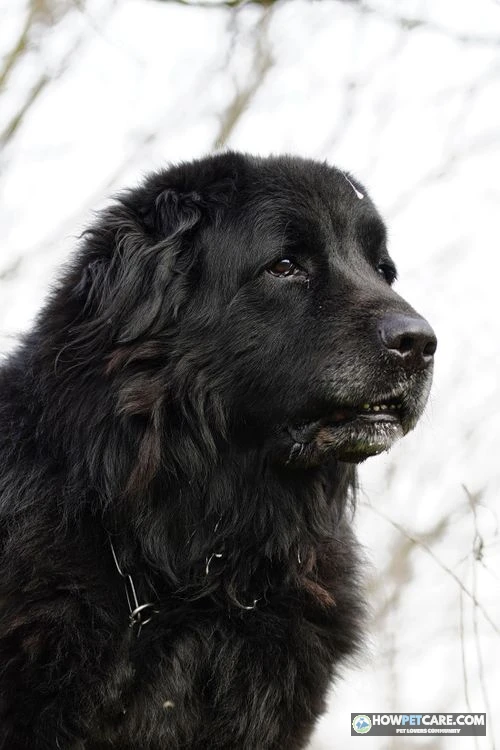

Tibetan Mastiff life expectancy is commonly listed as 10–12 years in published breed profiles. A 2024 study reported a median of 13.3 years, though that figure is provisional. Genetics, body condition, bloat (GDV) risk and access to veterinary care all influence how long an individual dog lives.
Tibetan Mastiff life expectancy is commonly listed as 10–12 years in published breed profiles. Think of that as a planning range, not a promise. Genetics, illness, body condition and access to veterinary care all affect an individual dog’s lifespan.
How Long Do Tibetan Mastiffs Live? The Sourced Answer
Where the 10–12 year figure actually comes from
Several breed profiles give a 10–12-year estimate, but the material available for this article doesn’t identify the study or survey behind it. It’s best understood as a commonly published estimate—not a precisely measured breed average or a figure tied to a specific kennel-club survey.
For prospective owners, the range offers a useful starting point for planning food, veterinary care and housing over the years ahead. It can’t predict whether a particular puppy will reach either end of the range.
What the 2024 McMillan study shows, and what it can’t tell you
A 2024 longevity study by McMillan and colleagues has been reported to put the Tibetan Mastiff median at 13.3 years. The breed-specific figure, sample size and methods couldn’t be independently confirmed from the evidence available for this draft. Treat that number as provisional, not as a verified replacement for the published range.
Study design matters when comparing lifespan figures. A breed profile might offer a general estimate, while a study calculates survival for a particular group of dogs. The countries represented, the records included and the number of Tibetan Mastiffs in the sample all affect how well a result applies to an American pet.
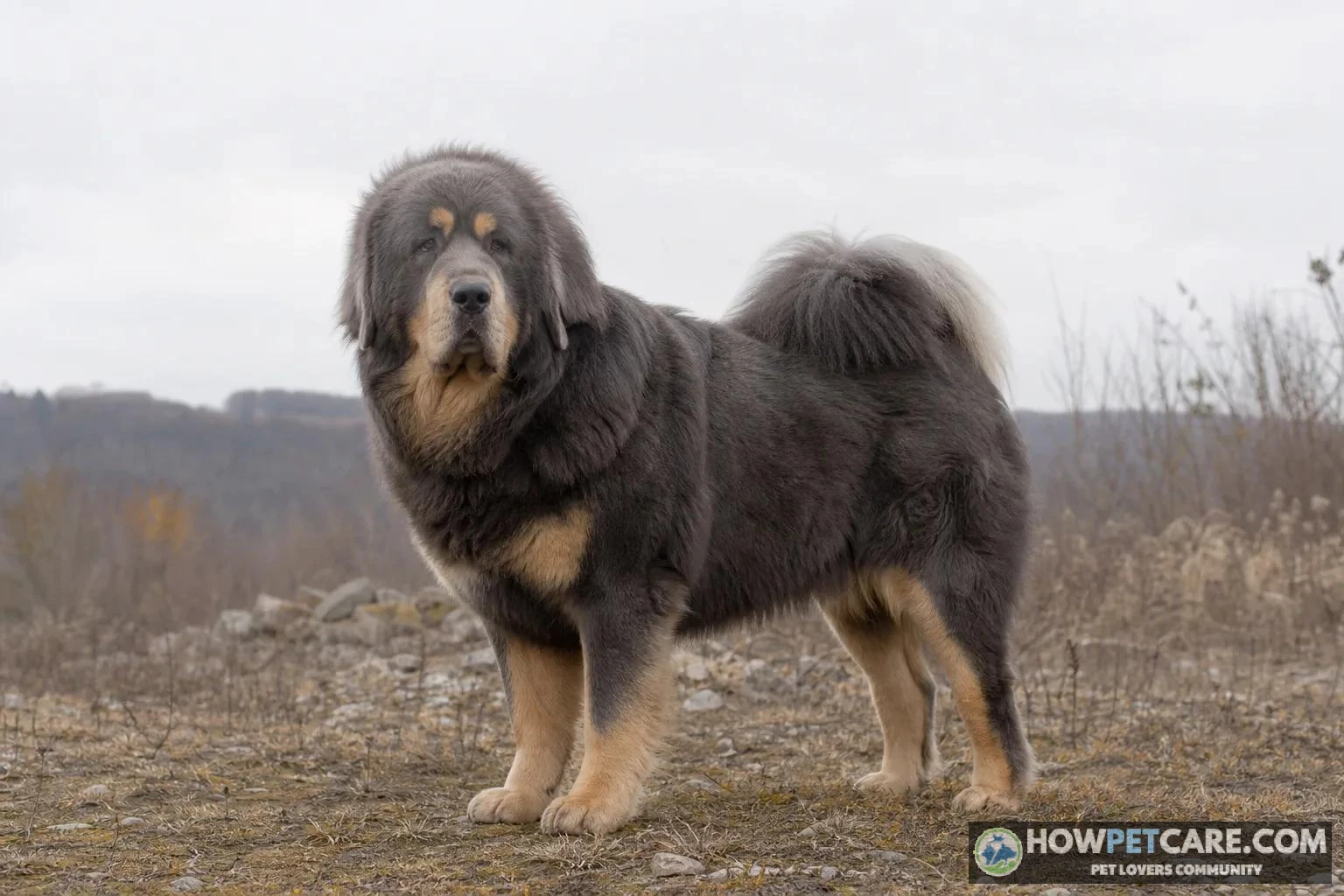
How to read a median lifespan for your own dog
A median is the middle value in an ordered dataset. It describes the center of a sample, not what will happen to any one dog. It also doesn’t explain why individual dogs died or whether a particular medical intervention would have changed their lives.
The evidence available here includes no widely accepted, verified record for the oldest Tibetan Mastiff. Ages reported by owners or breeders may be genuine, but without reliable documentation, they shouldn’t be treated as a breed-wide expectation.
Why Tibetan Mastiffs Often Outlive Other Giant Breeds
Tibetan Mastiff lifespan vs other large and giant breeds
Large dogs generally live shorter lives than small dogs, though lifespan varies considerably between breeds and individuals. The ranges below are broad, commonly quoted planning estimates; they don’t come from one matched study. Source-specific figures for the comparison breeds weren’t supplied, so this isn’t a scientific ranking.
| Breed | Commonly quoted lifespan estimate | Source and year | Health concerns to discuss with a vet |
|---|---|---|---|
| Tibetan Mastiff | 10–12 years | Breed profiles supplied; publication dates not established | GDV, hip and elbow dysplasia, hypothyroidism |
| Great Dane | Approximately 7–10 years | Source not verified for this draft | GDV and heart disease |
| Irish Wolfhound | Approximately 6–8 years | Source not verified for this draft | Heart disease and cancer |
| Saint Bernard | Approximately 8–10 years | Source not verified for this draft | Joint disease and GDV |
| Great Pyrenees | Approximately 10–12 years | Source not verified for this draft | Joint disease and GDV |
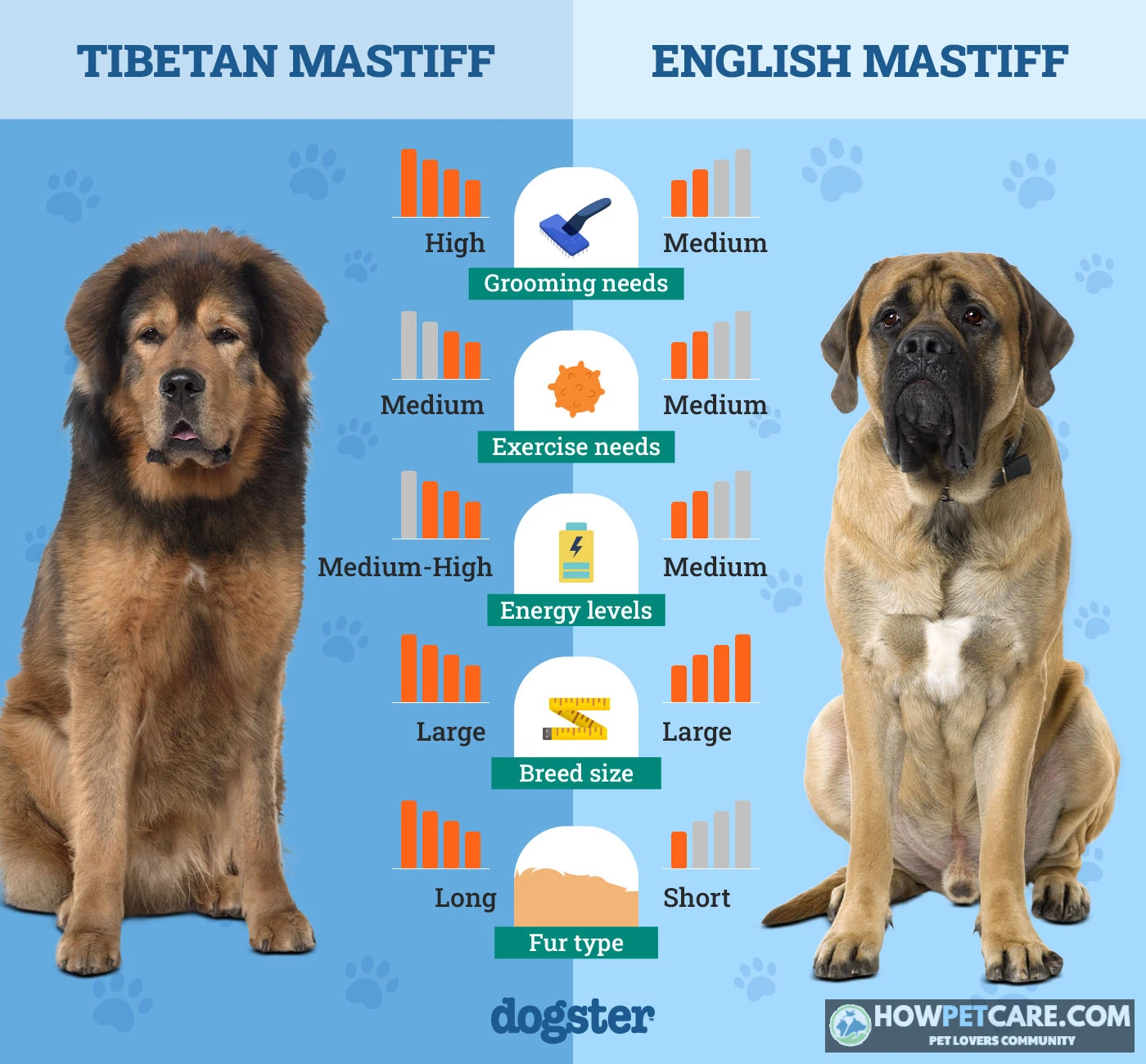
Sources may use different populations and methods. Comparing one breed’s published range with another breed’s study median doesn’t establish exactly how much longer either breed lives.
The EPAS1 hypoxia adaptation and what it may mean for longevity
Researchers have studied variants in the EPAS1 gene in Tibetan dogs, including their connection to adaptation to high-altitude, low-oxygen environments. That research raises interesting questions about the breed’s biology. It doesn’t show that EPAS1 extends a Tibetan Mastiff’s life or protects an individual dog from disease.
The suggestion that historical selection for survival produced unusually long-lived dogs is also a hypothesis. It shouldn’t guide puppy selection or be used to predict lifespan.
Traditional lines vs commercial breeding: what’s known and unknown
The evidence available here doesn’t provide a reliable lifespan comparison between traditional Tibetan or Nepalese lines and commercially bred Chinese lines. A pedigree label by itself can’t tell you how long a puppy will live.
Look at both parents’ health records, ask about disease and longevity among close relatives, and verify screening results. Those steps offer more useful information than assuming a geographic label guarantees healthy breeding.
 You might be wonderingRhodesian ridgeback life expectancyRhodesian Ridgeback Lifespan: Average, Risks & How to Extend ItRead the answer
Health Problems That Shorten a Tibetan Mastiff’s Life
This article’s evidence includes no verified breed-specific cause-of-death percentages or age-at-death breakdowns. Ranking cancer, bloat, heart disease or other conditions as the proven leading causes of death in Tibetan Mastiffs would be misleading. The conditions below deserve attention because they can be serious, painful or life-threatening—not because a breed-specific mortality ranking has been established.
Gastric dilatation-volvulus, or GDV, is an emergency. Breed health guidance also lists hip and elbow dysplasia, hypothyroidism and other concerns. Long-term conditions can affect lifespan indirectly when pain or reduced mobility becomes difficult to manage, especially if a dog is too large for its owner to lift safely.
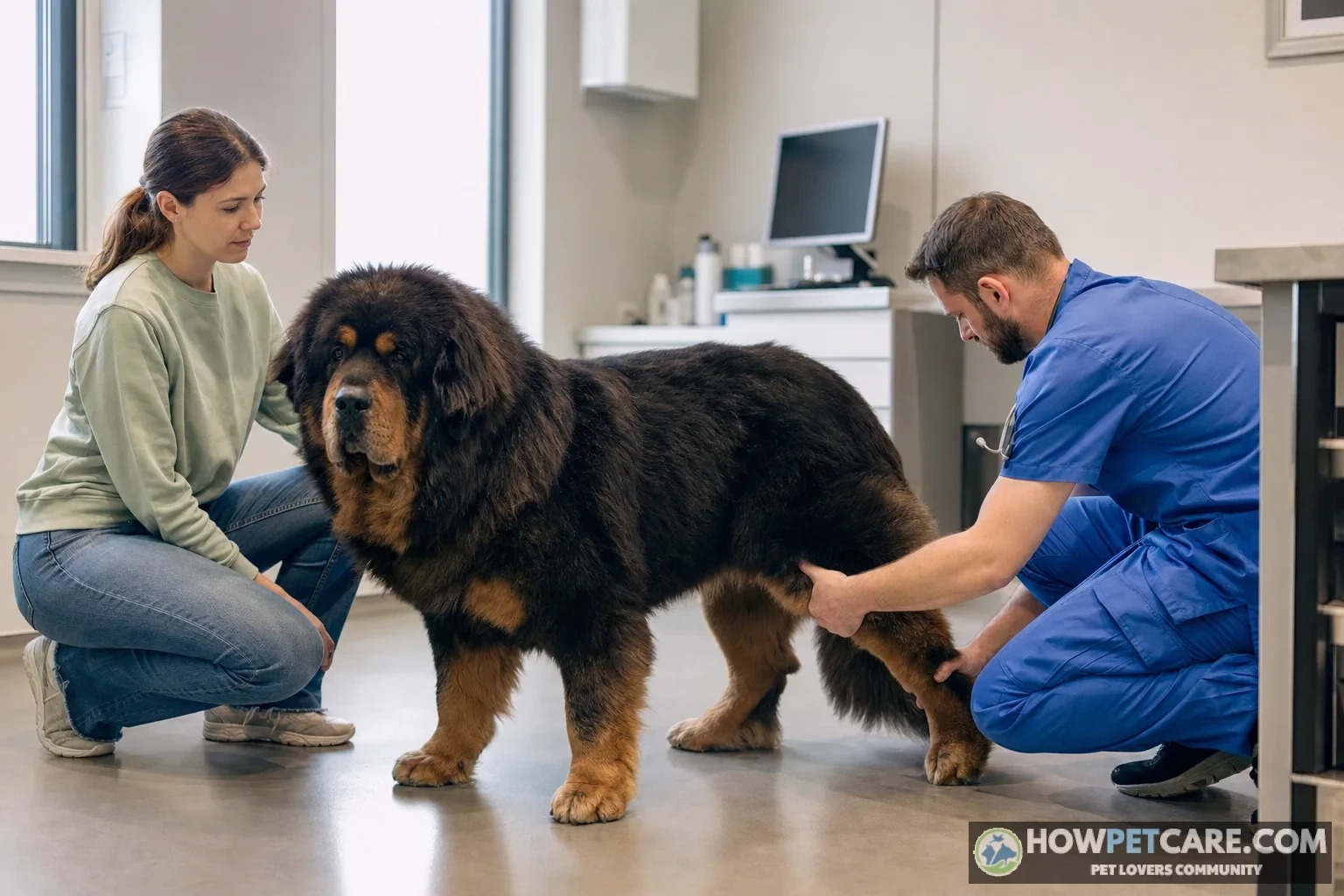
Orthopedic disease: hip dysplasia and elbow dysplasia
Hip dysplasia and elbow dysplasia involve abnormal joint development. They can cause pain, stiffness and arthritis. Signs may include reluctance to rise, reduced activity, limping or difficulty with stairs.
A vet can assess your dog’s movement and recommend imaging if appropriate. Treatment depends on the joint and severity; options may include weight control, rehabilitation, medication or surgery. If your dog slows down, arrange an examination rather than assuming it’s simply becoming lazy.
Hypothyroidism and CIDN
Hypothyroidism develops when the thyroid gland doesn’t produce enough hormone. Weight gain, coat changes and low energy may prompt a veterinary assessment, but those signs have many possible causes. A vet can interpret thyroid blood tests alongside symptoms and other results. If the diagnosis is confirmed, treatment generally involves long-term medication.
Canine inherited demyelinating neuropathy, or CIDN, is an inherited neurologic condition discussed in connection with the breed. Ask a breeder and your veterinarian whether a validated DNA test is available for the parents and how to interpret the result. The evidence available here doesn’t confirm whether a commercial CIDN test is currently available. Don’t assume every breeder can obtain one, or that a result rules out other neurologic disease.
Heart disease and cancer can affect large dogs, too. Ask your veterinarian which symptoms or findings would justify further testing. Not every dog needs the same cardiac or cancer screening schedule.
Do females live longer than males? What the evidence supports
The available evidence doesn’t establish a reliable lifespan difference between female and male Tibetan Mastiffs. Don’t choose a puppy based on a promise of extra years for either sex. Health testing, family history and the needs of the individual dog are more useful considerations.
Spay or neuter timing is a separate decision. It can involve joint development, reproductive health, behavior and the practical risk of an unplanned litter. Talk through the tradeoffs with your vet rather than relying on a breed-wide age rule.
Indoor vs outdoor Tibetan Mastiffs and heat risk for a double coat
There’s no verified breed-specific figure comparing the lifespan of indoor and outdoor dogs. The environment matters: provide water and shelter, a secure boundary, protection from heat, regular observation and prompt care when your dog is unwell.
A thick double coat doesn’t make a dog immune to heat illness. Offer shade and cool water, limit exertion in hot or humid weather, and move your dog to a cooler space when needed. Excessive panting, weakness or collapse in the heat calls for urgent veterinary advice.
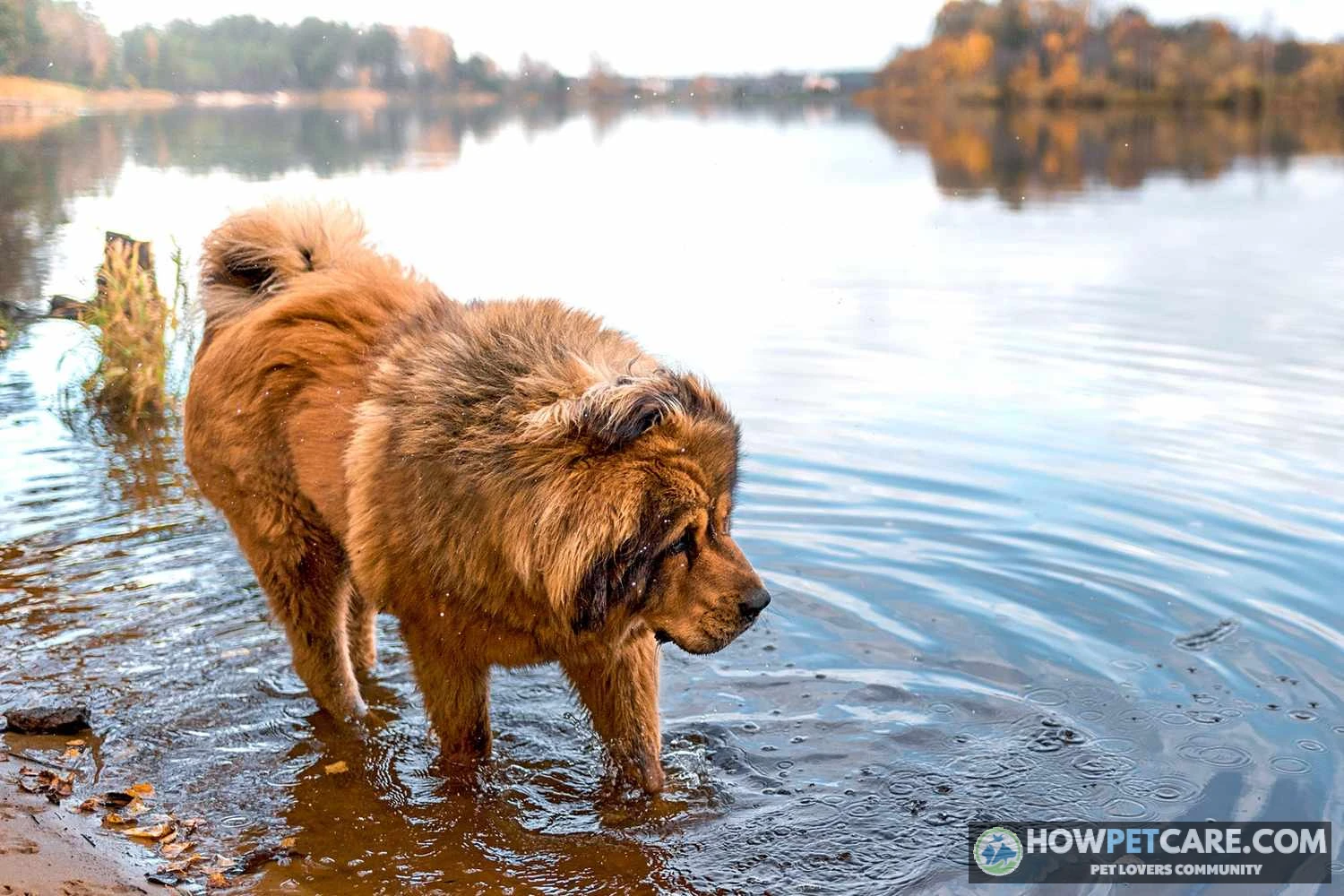
Bloat (GDV) Emergency Protocol: Signs, Timing and What to Do
GDV occurs when the stomach distends and twists. It can quickly disrupt circulation and requires emergency surgery. Bloat and its warning signs are identified as concerns for Tibetan Mastiffs.
If your dog repeatedly tries to vomit without bringing anything up, has a swollen abdomen or shows other concerning signs, go to an emergency veterinarian immediately. Don’t wait to see whether symptoms pass.
Emergency warning signs of bloat
Watch for any of these signs:
- Repeated retching with little or nothing coming up.
- A swollen, enlarged or tight-looking abdomen.
- Heavy drooling.
- Restlessness, pacing or inability to settle.
- Pale gums.
- Rapid or labored breathing.
- Weakness or collapse.
A dog may not show every sign, and an enlarged abdomen isn’t always obvious. You can’t reliably distinguish uncomplicated bloat from GDV at home. If the signs concern you, treat the situation as an emergency.
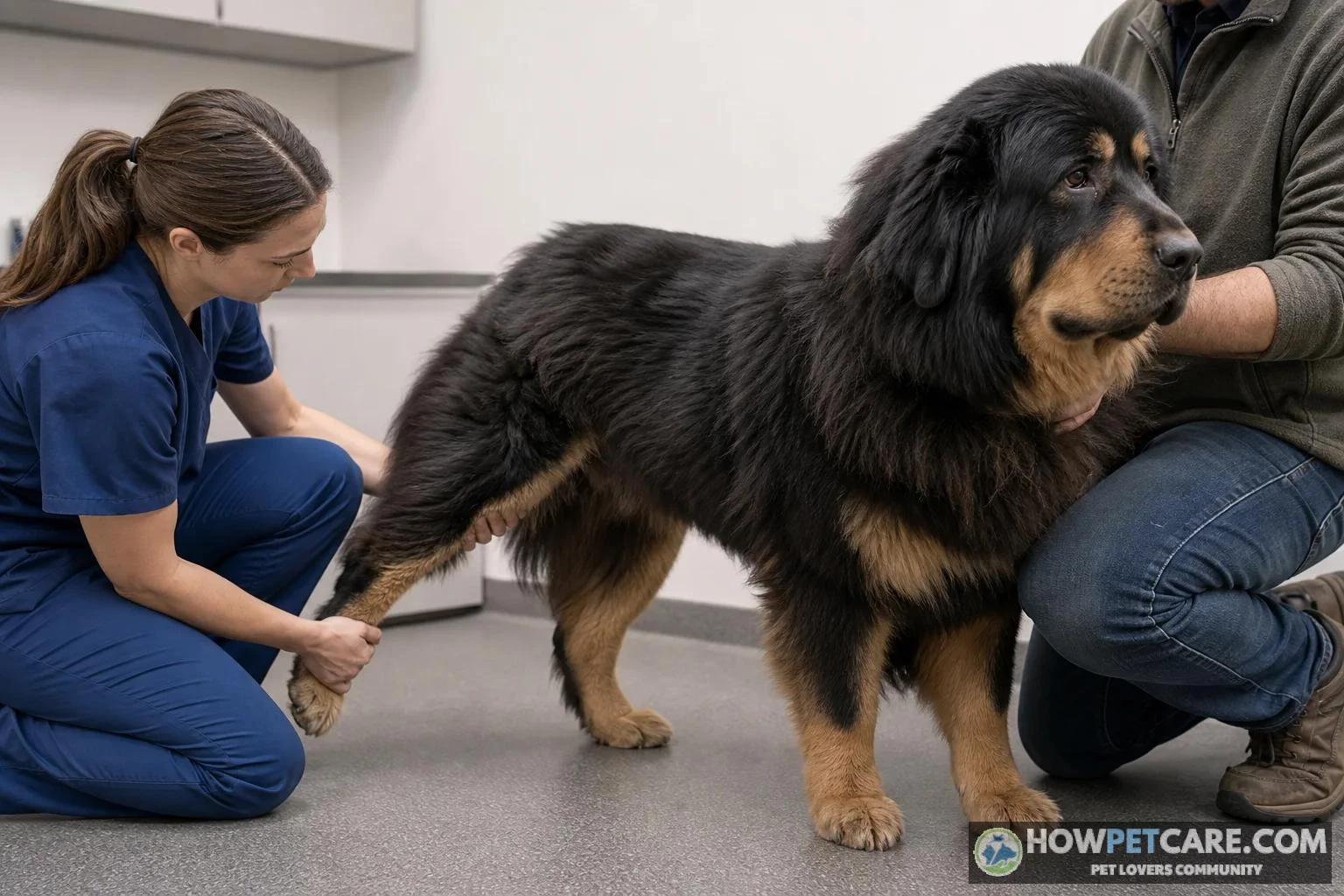
What to do in the first 10 minutes
-
Leave for the clinic
Go to the nearest emergency veterinarian right away. Don’t wait for a complete checklist of symptoms.
-
Call on the way
Ask someone else to call while you drive, or use hands-free calling. Say you suspect bloat or GDV and give your estimated arrival time.
-
Avoid home treatment
Don’t induce vomiting, give home remedies or offer food or water. Follow the clinic’s instructions.
-
Keep movement calm
Help your dog into the vehicle safely and limit unnecessary exertion. Don’t delay departure to find perfect equipment.
-
Share the timeline
Tell the veterinary team when the signs began and, if you know, when your dog last ate and drank.
Save the number and address of a 24-hour emergency clinic before you need them. Check that the clinic can assess a giant dog, and ask what to do if it can’t accept emergencies.
Should you consider preventive gastropexy?
A gastropexy attaches the stomach to the body wall to reduce the risk of twisting. It can’t guarantee that a dog will never bloat. Dogs that have had the procedure still need emergency care if concerning symptoms appear.
Talk with your vet about preventive gastropexy, its costs and surgical and anesthesia risks, and whether it could be combined with a planned spay or neuter. Don’t schedule sterilization just to add the procedure without considering your dog’s individual needs.
Measured meals split across more than one sitting and calm mealtimes are practical habits to discuss with your vet. The evidence isn’t strong enough to promise that a particular feeding schedule—or avoiding vigorous exercise around meals—will prevent GDV.
Life Stages and Vet Checkups for a Slow-Maturing Giant
Tibetan Mastiffs can take several years to reach full physical maturity. Growth, sexual maturity and a fully developed adult frame are separate milestones, so don’t base an individual dog’s exercise and care plan on age alone.
Use the schedule below as a starting point for discussion with your vet, not as a substitute for their recommendations. Dogs with symptoms or diagnosed disease may need more frequent visits.
| Life stage | Approximate age | Key milestones | Recommended vet visits and screenings | Care priorities |
|---|---|---|---|---|
| Puppy | Birth to about 12 months | Rapid growth; vaccination and socialization | Puppy examinations and vaccines on the vet’s schedule; regular weight, growth and body-condition checks | Complete large-breed puppy food, controlled growth and safe movement |
| Adolescent | About 1–2 years | Growth continues; adult size approaches | At least an annual examination; assess gait and discuss reproductive timing and gastropexy | Keep lean; avoid repetitive high-impact exercise |
| Young adult | About 2–4 years | Frame and muscle continue to mature | Annual examination, dental assessment and any indicated orthopedic or other testing | Maintain a healthy weight and daily activity |
| Mature adult | About 4–7 years | Established adult body condition | Annual examination; review heart, teeth, mobility, weight and any need for blood tests | Watch for subtle changes in movement or stamina |
| Senior | Often around 7–8 years and older | Changes in mobility, muscle, sleep or cognition may appear | Consider exams every 6 months; discuss bloodwork, urine testing and pain assessment | Comfort, traction, nutrition and quality of life |
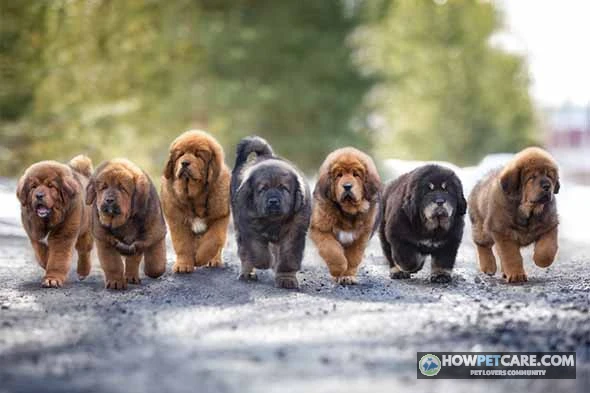
Puppy to adolescent: growth and joint protection
Ask your veterinarian to track your puppy’s weight and body condition, not just celebrate every increase on the scale. Choose a complete and balanced food labeled for growth of large-size dogs, follow measured portions and adjust them as your puppy develops. Overfeeding to produce an extra-large adult isn’t a health strategy.
Offer age-appropriate play and walks, but avoid forced distance running and repetitive jumping while your puppy is growing. Slippery floors can make movement harder; runners or mats improve footing. If your puppy limps or has trouble rising, arrange an examination instead of trying to exercise through it.

Young adult to mature adult: ages 3–7
At adult visits, ask your vet to check body condition, listen to the heart, examine the mouth and look for joint pain or changes in gait. Thyroid and other blood tests may make sense based on symptoms, examination findings or your vet’s assessment. An annual thyroid panel isn’t automatically necessary for every healthy pet.
Research in some large breeds has raised questions about associations between early spay or neuter surgery and joint disorders. That doesn’t establish an ideal age for Tibetan Mastiffs. Discuss your dog’s growth, sex, household circumstances and reproductive risks with your vet, along with any interest in gastropexy.
When a Tibetan Mastiff counts as a senior
Around 7–8 years is a reasonable time to ask whether your dog should move to a senior-care schedule. The right point varies. A dog with arthritis may benefit from more frequent monitoring earlier, while another may remain active with few detectable changes.
Twice-yearly examinations give your vet more chances to compare weight, muscle, mobility and laboratory results over time. Ask which blood and urine tests suit your dog rather than assuming every test needs to be repeated at each visit.
How to Help a Tibetan Mastiff Live Longer: Diet, Weight, Joints and Daily Habits
No routine can guarantee a long life. Focus on habits you can maintain: keep your dog at a healthy weight, notice changes early and build a relationship with a veterinary team that knows your dog.
Large breed dog food and weight management
Choose a complete and balanced diet suited to your dog’s life stage. For a puppy, check that the label supports growth of large-size dogs; ask your vet how much to feed and when to adjust portions. Adults may need fewer calories as activity changes. Older dogs can lose muscle even when their weight stays stable.
Measure food with a cup or kitchen scale instead of relying on an overflowing scoop. Include treats in the daily ration. Your vet can show you how to assess body condition by feeling the ribs and looking for a waist, then help set a target if your dog is overweight or losing muscle.
The supplied evidence doesn’t establish whether kibble, fresh food or a raw diet gives Tibetan Mastiffs a longer lifespan. If you’re considering homemade or raw food, ask a veterinarian about nutritional balance and food-safety risks first.

Protecting joints from puppyhood onward
Keep exercise regular and suited to your dog’s age and comfort. Walks, controlled play and other low-impact activities can help maintain mobility. A routine your dog tolerates well is more useful than sudden increases in intensity. If your dog has arthritis, ask about rehabilitation, pain medication and changes at home.
Non-slip flooring, ramps where practical and a supportive bed can make everyday movement easier. Joint supplements may be worth discussing, but products vary and shouldn’t be presented as proven prevention for hip or elbow dysplasia. Never give human pain medication unless a veterinarian specifically directs you to.
Heat, coat and exercise
Brush the double coat often enough to keep it clean and free of problematic mats, and ask a groomer or vet about coat care. Shaving doesn’t replace shade, water or a cool environment. On hot days, walk during cooler hours and shorten activity if your dog is struggling.
A secure fence and appropriate socialization also help protect your dog’s health. They reduce the chances of escape, injury and stressful handling during vet visits. Keep vaccinations, parasite prevention and dental care on a schedule suited to your dog and location.
Choosing a Puppy: Breeder Health Tests and Certifications to Demand
Responsible breeding can’t guarantee a long life, but it can give you information that appearance and sales claims don’t. Ask for the registered names and documentation for both parents before committing to a puppy.
Health-test checklist for breeders
- ☐ Hips: Request Orthopedic Foundation for Animals (OFA) hip evaluations or a recognized equivalent for both parents. Ask your breeder and vet to explain the ratings and the parents’ ages at evaluation.
- ☐ Elbows: Request OFA elbow evaluations or equivalent documentation. Ask whether either parent or a close relative has had elbow disease.
- ☐ Thyroid: Ask for documented thyroid testing and its date. A result from years ago may not reflect the dog’s current status.
- ☐ Cardiac: Request documentation of a cardiac examination. Ask who performed it and whether further testing was recommended.
- ☐ CIDN DNA status: Ask whether a validated test is available and, if so, request the laboratory results and an explanation of the planned mating. If testing is unavailable, ask what’s known about neurologic disease in the family.
- ☐ Family history: Ask about ages and causes of death among parents, grandparents and older siblings, and about any GDV, mobility, thyroid, heart or cancer diagnoses.
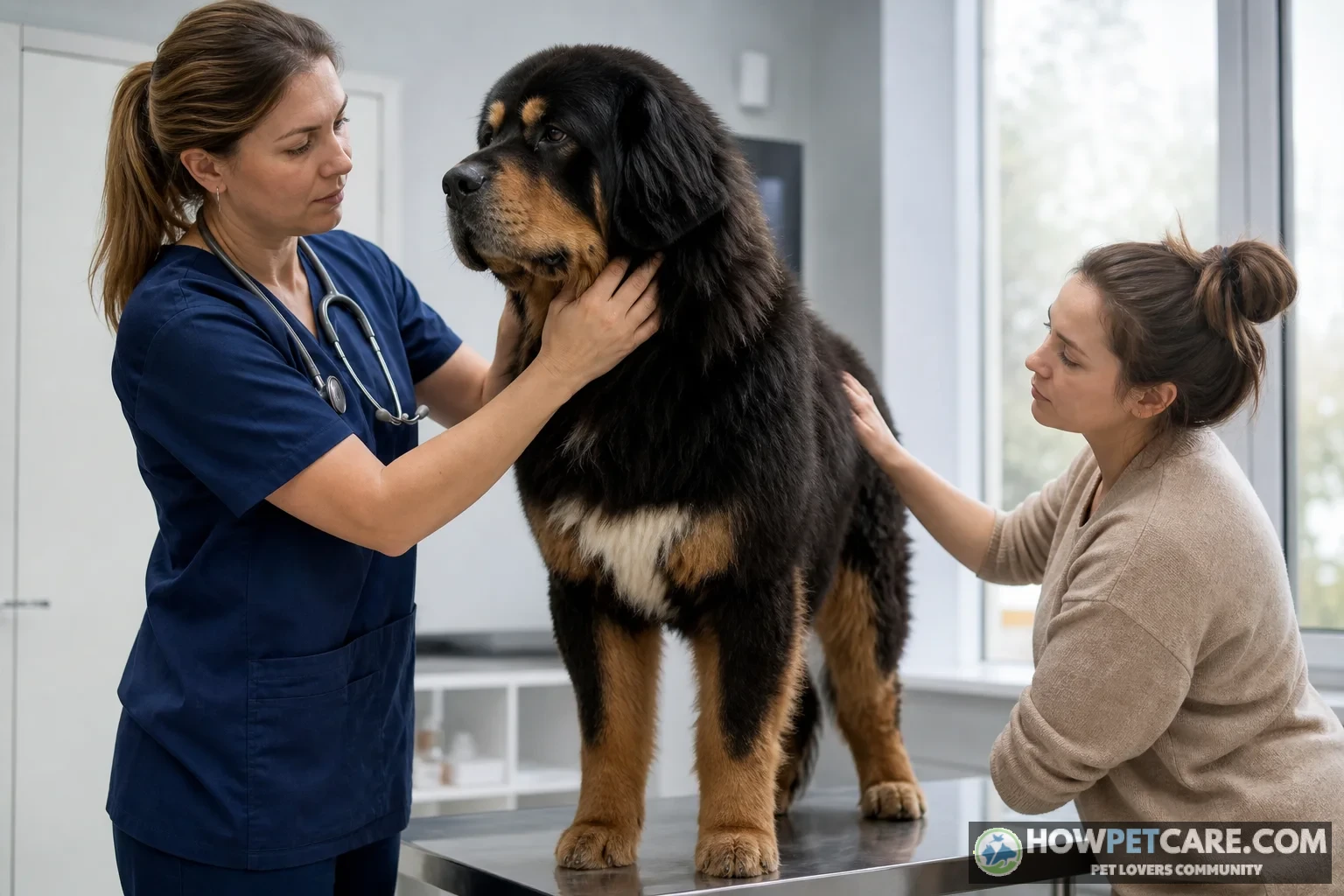
These are questions to ask, not a claim that every item is currently required by breed clubs. Confirm current recommended canine health testing with OFA and the American Tibetan Mastiff Association. Requirements and available tests can change.
How to verify OFA results
Search the public OFA database using the parents’ registered names or registration information, then compare the results with the documents you received. Ask about missing results; an absent public record doesn’t prove that a dog passed or failed. A routine vet’s note that a dog appears healthy is useful, but it isn’t the same as a documented screening evaluation.
If a DNA test is available, ask your veterinarian or a genetics professional to explain clear, carrier and affected results. A carrier isn’t automatically unsuitable for every breeding, but the mating must be planned to avoid producing affected puppies for the condition in question.
Red flags that predict health problems
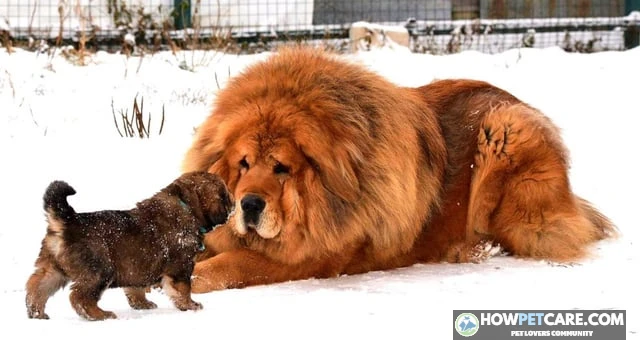
Walk away if a breeder won’t identify the parents, share verifiable records or answer reasonable health questions. Claims about rare color, exceptional size or a supposedly superior geographic line don’t replace screening. If several litters are available at once, ask more about care and oversight. That alone doesn’t prove a breeder is irresponsible.
Take time to verify the parents’ names and screening results, and discuss any uncertainties with your veterinarian before making a financial commitment.
What a Tibetan Mastiff Costs to Keep Healthy at Each Life Stage
The supplied evidence doesn’t provide a reliable breed-specific lifetime medical cost. Expenses vary with location, dog size, clinic, diet, coverage and health history. The figures below are illustrative budgeting allowances, not verified national averages or quotes. Get written estimates from local providers before relying on them.
| Life stage or event | Illustrative cost range | What it covers | Notes and cost variability |
|---|---|---|---|
| Puppy | Roughly $1,500–$4,000 in the first year | Food, routine visits, vaccines, parasite prevention and basic supplies | Excludes purchase price and major illness; sterilization and gastropexy may add substantially |
| Healthy adult | Roughly $1,500–$3,500 per year | Food, preventive visits, routine medications and basic dental care | Insurance premiums, dental procedures and local prices can change the total |
| Senior | Roughly $2,000–$5,000 or more per year | Food, more frequent visits, testing and possible ongoing medication | Chronic disease and mobility support can increase costs substantially |
| Emergency GDV care | Several thousand dollars or more | Emergency assessment, stabilization, surgery and hospitalization | Get an itemized emergency-clinic estimate; complications and length of stay matter |
| Hip dysplasia treatment | Hundreds to several thousand dollars or more | Evaluation, imaging, medication or rehabilitation; surgery costs extra | One joint versus multiple procedures can make a major difference |
| Cancer care | Hundreds to many thousands of dollars | Diagnosis and a treatment plan that may include surgery or oncology care | Costs depend heavily on diagnosis and treatment choices |
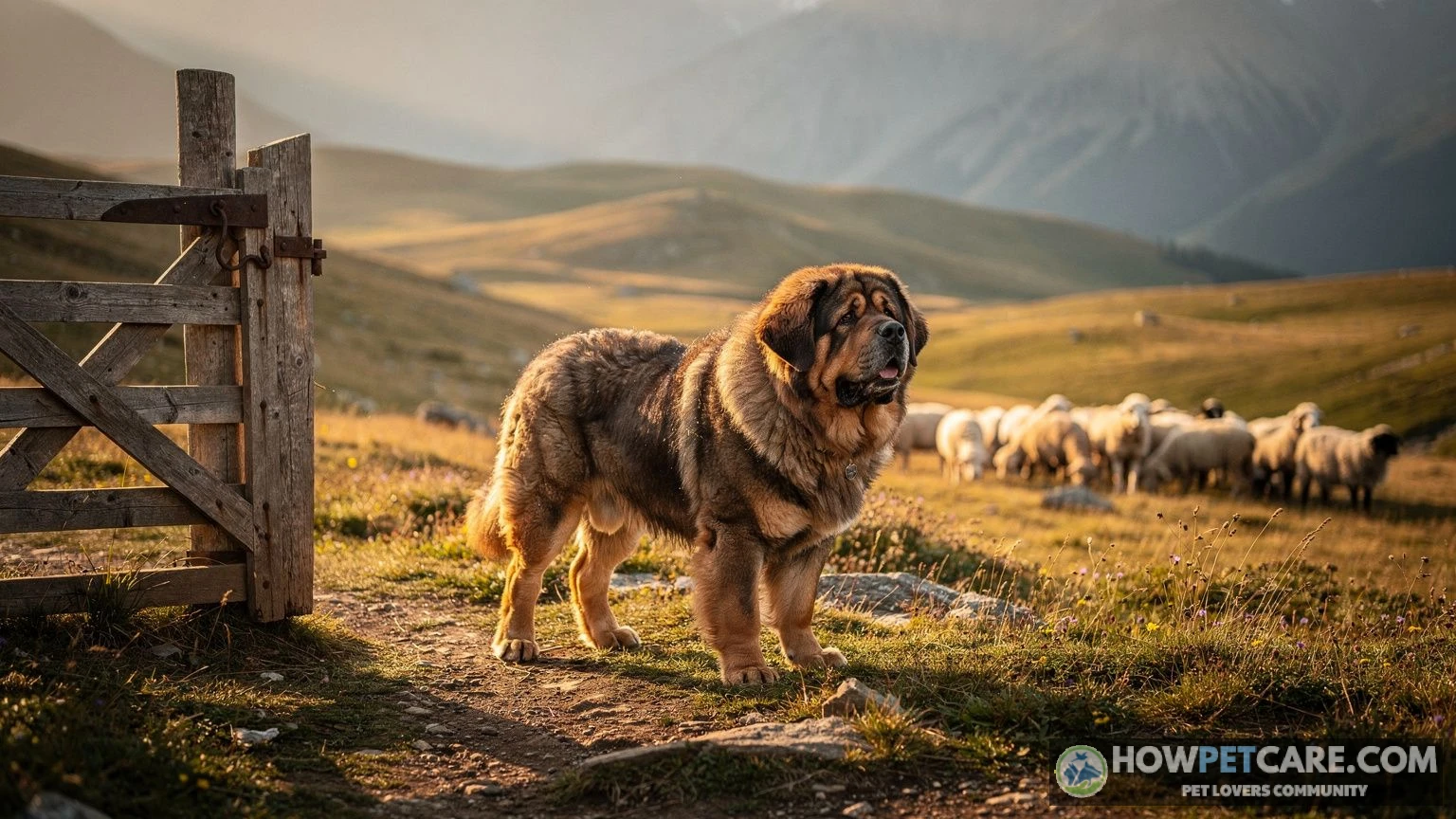
Don’t add these rows up to get a precise lifetime total. A healthy dog may cost less than an allowance in one year and much more in another; a major emergency can happen at any age.
Routine care and food costs
A giant dog may need more food and higher medication doses than a small dog. Anesthesia, imaging and surgery can also require additional resources. Ask your clinic for a preventive-care estimate covering examinations, vaccines, parasite control and any dental services your dog may need.
Big-ticket events: GDV surgery and orthopedic treatment
Ask the emergency hospital about its initial deposit policy and payment options. For orthopedic disease, request separate estimates for examination, imaging, non-surgical care and any proposed operation. A written estimate should clarify what’s included and which complications could change the bill.
Insurance and emergency savings
Accident-and-illness insurance may help cover eligible emergencies, including GDV surgery, but policies vary. Check waiting periods, deductibles, reimbursement percentages, annual limits and exclusions before you enroll. Pre-existing conditions are typically excluded; confirm how the insurer defines them. A standard accident-and-illness policy may not cover preventive gastropexy or routine care.
If insurance isn’t a good fit, build an emergency fund and make a plan to access it quickly. Even insured owners may have to pay the hospital before getting reimbursed.
Caring for a Senior Tibetan Mastiff: Aging Signs, Comfort and End-of-Life Decisions
Pay attention to aging rather than accepting every change as inevitable. Some changes are manageable signs of chronic disease; others call for urgent assessment. A veterinarian can help distinguish normal variation from pain or illness.
Signs your Tibetan Mastiff is aging
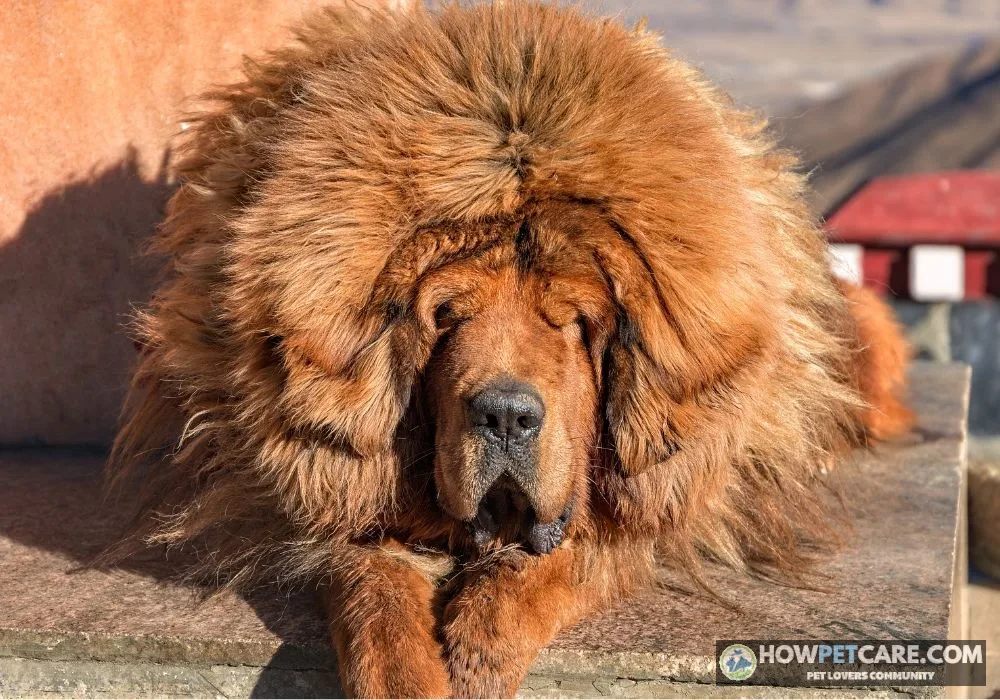
Look for slower rising, stiffness, less interest in walks, muscle loss, weight changes, lower heat tolerance, bad breath or difficulty chewing. Changes in sleep, house-training, interaction or orientation also deserve attention. Confusion isn’t automatically canine cognitive dysfunction; pain, sensory loss and other medical problems can cause similar signs.
Note when a change began. A short video of your dog walking or getting up can also help. Dogs sometimes move differently at the clinic than they do at home.
Comfort, pain and cognitive support
Make the places your dog uses most easy to reach. Add traction to slippery floors, provide a supportive bed and use a ramp or assistance harness if needed. Shorter, more frequent walks may feel better than one long outing; ask your vet to guide activity based on your dog’s condition.
Ask for a pain plan rather than waiting until your dog stops walking. Depending on the diagnosis, a vet may recommend medication, rehabilitation, weight adjustment or a combination. Keep routines predictable and offer manageable enrichment. If you suspect cognitive changes, ask whether a veterinary workup, diet or medication could help.
Quality of life and end-of-life decisions
A structured tool such as the HHHHHMM scale can help you track hurt, hunger, hydration, hygiene, happiness, mobility and whether good days outnumber bad ones. It’s a conversation aid, not a test that makes the decision for you. Keep notes on appetite, comfort, sleep and activities your dog still enjoys.
Palliative care focuses on comfort when a disease can’t be cured or intensive treatment isn’t the right choice. Ask your vet which symptoms can be controlled, what an emergency might look like and when to reassess the plan.
If your dog’s suffering can’t be adequately relieved, discuss euthanasia directly and compassionately. Ask what happens during the procedure, whether a home visit is available, who can be present and what aftercare options cost. Planning ahead doesn’t mean giving up. It gives you more room to make a thoughtful decision for your dog.
Your Tibetan Mastiff Longevity Action Plan
If you’re choosing a puppy
- Request both parents’ registered names and health-test records, then check OFA results independently where available.
- Ask about longevity, GDV and other serious illness among close relatives. Discuss any gaps with your veterinarian.
- Arrange an early veterinary visit after bringing the puppy home, and find a 24-hour emergency clinic.
If you own an adult
- Ask your vet to assess body condition, mobility and teeth, and to recommend the screening your dog needs.
- Measure food, establish a calm feeding routine and ask whether gastropexy is worth discussing.
- Save the emergency clinic’s number and address, and make sure everyone caring for your dog can recognize possible GDV signs.
If you own a senior
- Schedule a comfort and pain review. Ask whether twice-yearly examinations and laboratory tests are appropriate.
- Improve footing and access to resting places, and note changes in appetite, mobility and behavior.
- Start a good-day/bad-day log and discuss palliative care, euthanasia and aftercare options before a crisis.
Use the commonly published 10–12-year range as a starting point for planning. Work with your veterinarian on the care decisions that matter for your individual dog.
 You might be wonderingHow long do iguanas live?How Long Do Iguanas Live? Pet vs. Wild Lifespan by SpeciesRead the answer
FAQ
How old is the oldest Tibetan Mastiff on record?
There is no widely accepted, verified record for the breed. Reports of dogs living past 14 or 15 years are usually anecdotal, so treat them as exceptions rather than expectations.
At what age is a Tibetan Mastiff considered senior?
Giant breeds are usually treated as seniors earlier than smaller dogs, often from around 7 to 8 years old. A vet may suggest moving to twice-yearly exams and bloodwork at that point.
Are Tibetan Mastiffs prone to dying young?
Compared with many other giant breeds, they tend to live longer. Bloat, orthopedic disease and cancer can still shorten an individual dog’s life, and care and breeding quality affect the outcome.
Does pet insurance cover bloat surgery in Tibetan Mastiffs?
Most accident and illness policies cover emergency GDV surgery, subject to the deductible, reimbursement rate and annual limit. Conditions that existed before the policy started are normally excluded, so it’s best to enroll while the dog is young and healthy.
Do Tibetan Mastiffs age faster than smaller dogs?
Giant breeds generally age faster than small breeds, which is why vets treat them as seniors earlier. There is no reliable single human-years conversion for the breed.