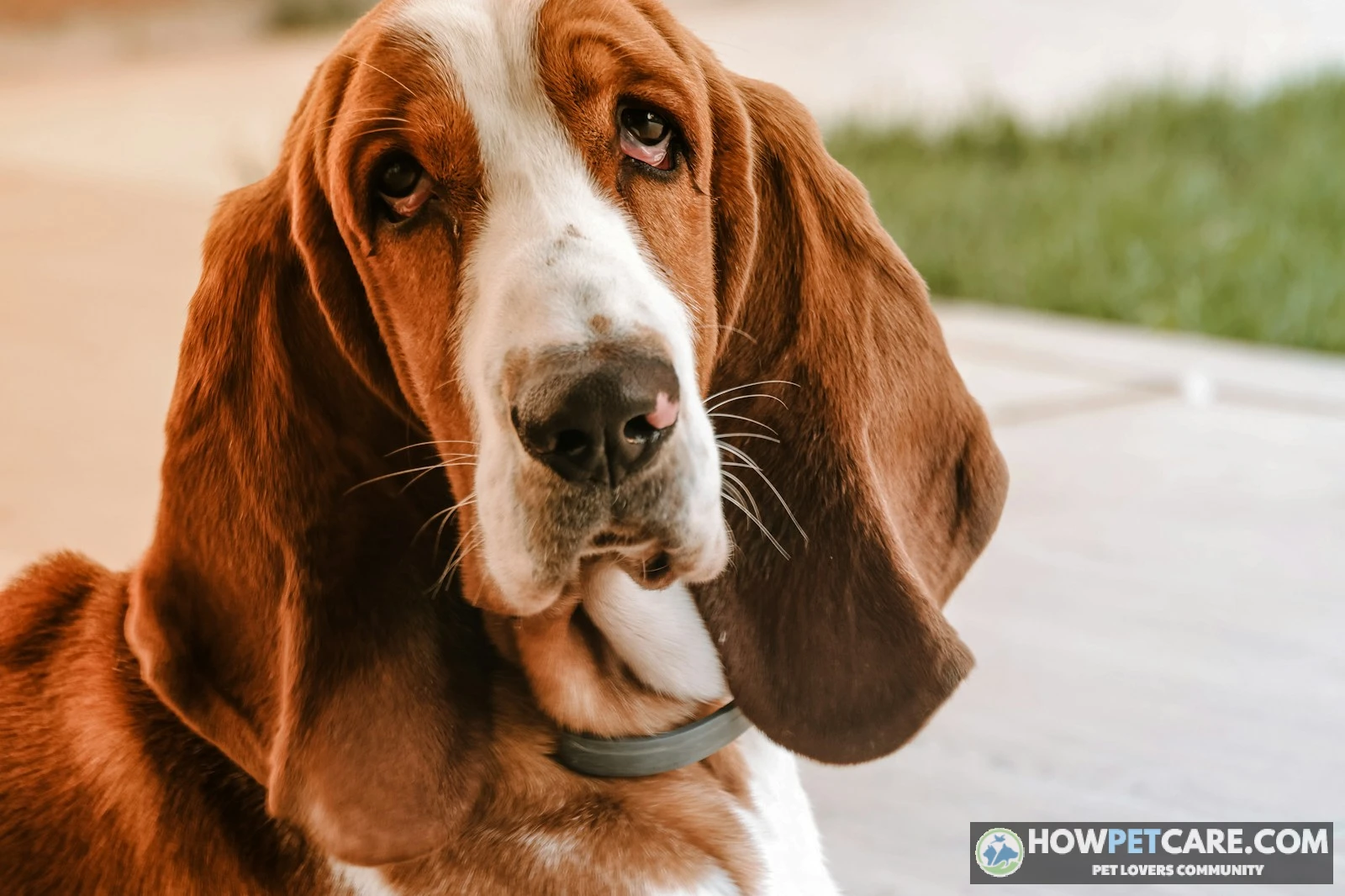

Basset Hounds typically live 10 to 12 years. The 2004 UK Kennel Club health survey reported a median lifespan of about 10.4 years, though individual dogs may range from 8 to 15. Keeping your Basset lean, learning the signs of bloat, and scheduling regular vet checkups helps protect those years.
How Long Do Basset Hounds Live?
Basset Hounds typically live about 10 to 12 years. A commonly cited figure comes from the 2004 UK Kennel Club breed health survey: a median of approximately 10.4 years. Published estimates range from 8 to 15 years, depending on the source.
The median is the midpoint: half of the dogs with reported ages at death were younger, and half were older. It isn’t a prediction for any one dog. Some Bassets die earlier; others live into their teens.
For owners, the numbers are most useful as a prompt for practical care: keep your dog lean, learn the signs of bloat, protect mobility, and schedule regular vet checkups. None of that erases inherited risk, but it can help you catch problems early and protect your dog’s quality of life.
Why Sources Disagree: Reconciling 8–12, 12–13 and 12–15 Years
Sources answer the question “How long do Basset Hounds live?” with different kinds of estimates. Pawlicy Advisor and the Basset Hound Foundation have cited 8–12 years; the American Kennel Club and VitaDog have cited 12–13 years; Daily Paws has published 12–15 years. A dog-age calculator cites approximately 10.4 years.
These ranges don’t necessarily contradict each other: an observed median and a published expected range are different measures. Without knowing how each range was calculated, though, you can’t say that one is the average, another represents well-cared-for dogs, or that better care explains the gap.
The 2004 UK Kennel Club survey: what it measured
The UK Kennel Club’s 2004 Purebred Dog Health Survey collected owner-reported information, including ages at death and reported causes. Its Basset median of approximately 10.4 years is useful because it comes from a named dataset, not an unexplained range.
It also has limits. The survey is old, reflects participating owners and dogs in the United Kingdom, and may not represent every Basset living in the United States today. Treat it as a historical benchmark, not a guarantee of current life expectancy.
Median, average and best-case: why the numbers aren’t interchangeable
A median is the middle reported age. A mean—often called an average—adds the reported ages and divides by the number of dogs. A published range may be an estimate of what owners can expect; its endpoints aren’t necessarily the youngest and oldest recorded ages.
For planning, treat 10–12 years as a useful working expectation, knowing that individual outcomes vary. A Basset reportedly reached 16.7 years in the 2004 survey, but that’s an exceptional observation—not a verified all-time breed record or a target any owner can guarantee.
What Basset Hounds Usually Die From, Ranked
Cancer and bloat are serious threats to a Basset’s life. Back and joint disease may shorten life indirectly when pain or loss of mobility becomes hard to manage. Owners also report “old age” as the cause, a broad description that doesn’t identify a specific disease.
The evidence here doesn’t provide reliable, breed-specific proportions for cancer, GDV, and old age. The table lists important reported or clinically relevant categories in a practical order without claiming verified breed-specific percentages. Assigning precise percentages to the 2004 survey would be misleading without its underlying cause-of-death breakdown.
| Cause or category | Approximate share of deaths | Source or data note | How it can shorten life | Owner countermeasure |
|---|---|---|---|---|
| Cancer | Not established here | Cancer is a recognized health concern in the breed. | A tumor may spread or interfere with essential organs. | Report new lumps, unexplained weight loss or persistent changes to your vet. |
| Bloat or GDV | Not established here | A potentially fatal emergency associated with the breed’s deep chest. | The stomach can twist, impair circulation and cause shock. | Know the signs and seek emergency care immediately. |
| Old age or general decline | Not established here | A broad owner-reported description, not a specific diagnosis. | Several conditions may contribute to declining function. | Track comfort, appetite and mobility; discuss changes with your vet. |
| Back and joint disease | Not established here | Obesity adds strain to the breed’s spine and joints. | Severe pain or loss of mobility can affect quality of life and care decisions. | Keep your dog lean and seek prompt assessment for pain or weakness. |
| Other or unspecified causes | Not established here | Individual causes vary. | Heart disease, other illness or injury may be life-limiting. | Maintain preventive care and investigate new symptoms. |
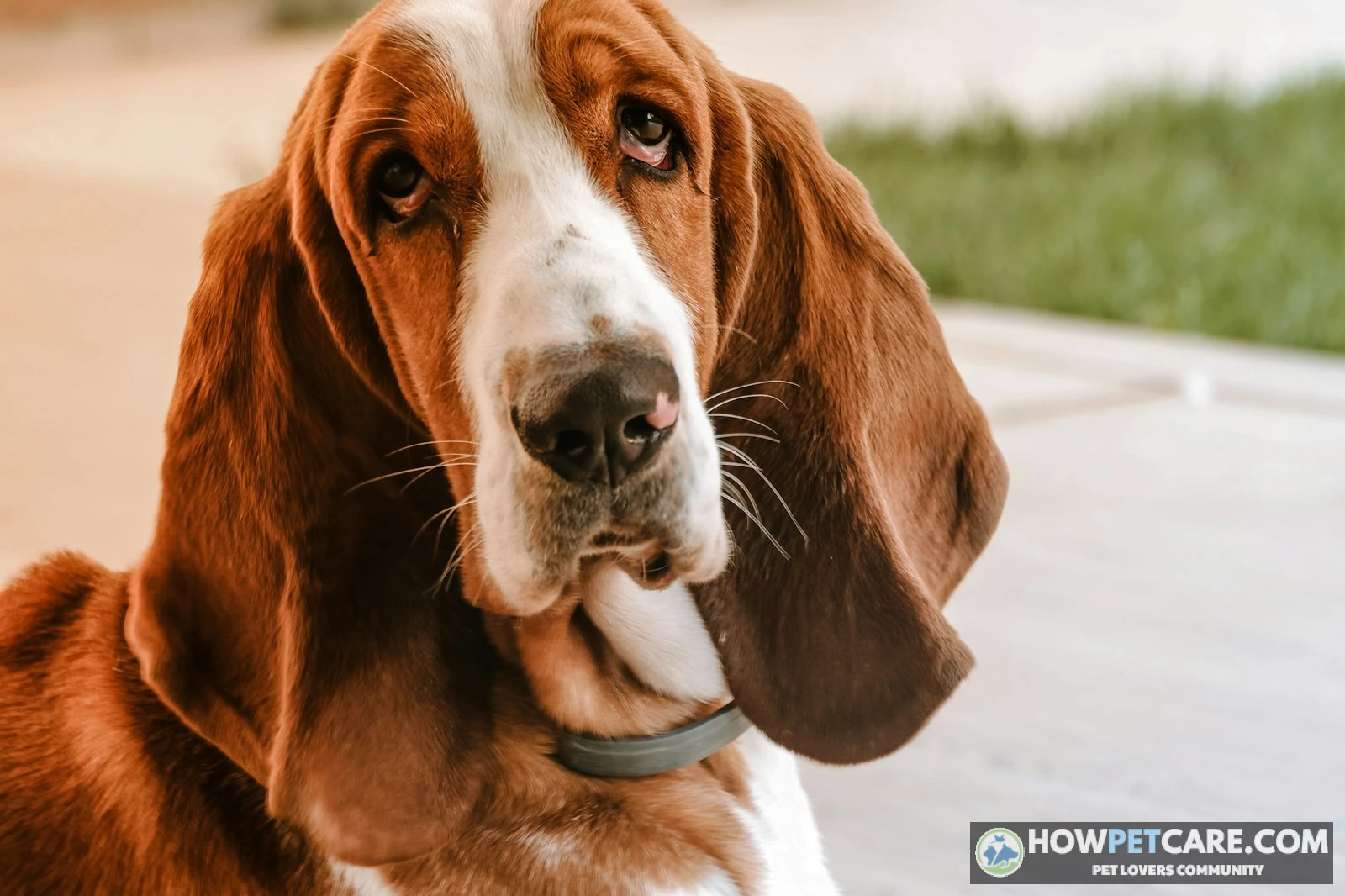
Cancer and old age
Cancer isn’t one disease, and a lump doesn’t automatically mean cancer. Still, a new or changing mass, unexplained weight loss, reduced appetite, or unusual fatigue call for a vet appointment. Your vet can decide whether a sample or more testing is needed.
“Old age” describes a stage of life, not a precise cause of death. A senior dog may have several treatable problems at once. Don’t assume a change can’t be treated just because your Basset is old.
Bloat (GDV): the fastest emergency
Bloat can mean a stomach filled with gas. In gastric dilatation-volvulus, or GDV, the stomach also twists. GDV can progress quickly and be fatal without emergency treatment.
Watch for repeated attempts to vomit with little coming up, restlessness, drooling, a painful or enlarged abdomen, weakness, and collapse. Not every dog will have a visibly swollen belly.
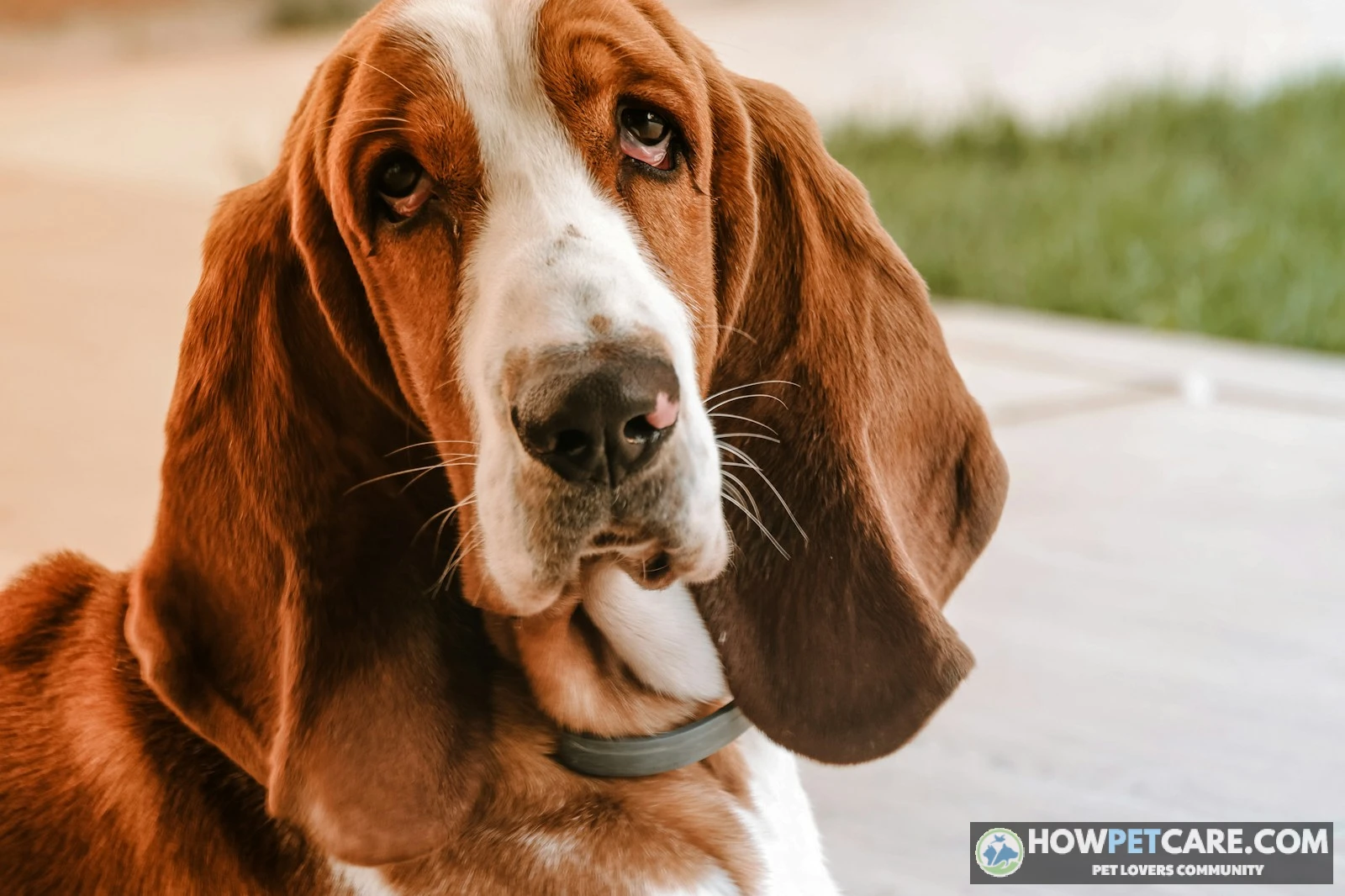
Repeated unproductive retching, or a dog that suddenly looks distressed and swollen, is an emergency. Call the nearest emergency veterinary hospital as you head there. Don’t wait to see whether the signs pass.
Back disease (IVDD) and joint problems
Intervertebral disc disease, or IVDD, happens when material from a spinal disc presses on the spinal cord or nearby nerves. Signs can include back or neck pain, a hunched posture, reluctance to move, wobbliness, and weakness. Hip and elbow dysplasia and arthritis can also make movement painful.
These conditions don’t necessarily kill a dog directly. They may affect lifespan through severe pain, complications, or decisions made when comfort and mobility can no longer be maintained. Many dogs can still receive treatment and support, though; a diagnosis alone doesn’t determine the outcome.
Obesity as the multiplier
Excess weight adds strain to a Basset’s short-limbed frame, joints, and spine. It can also make exercise and recovery from illness harder. Gradual weight gain is easy to miss, so ask your veterinary team to assess body condition instead of relying only on the scale.
Ear infections, glaucoma, and skin-fold infections deserve attention too. They aren’t necessarily direct causes of death, but untreated pain, vision loss, and recurrent infection can wear down a dog’s quality of life.
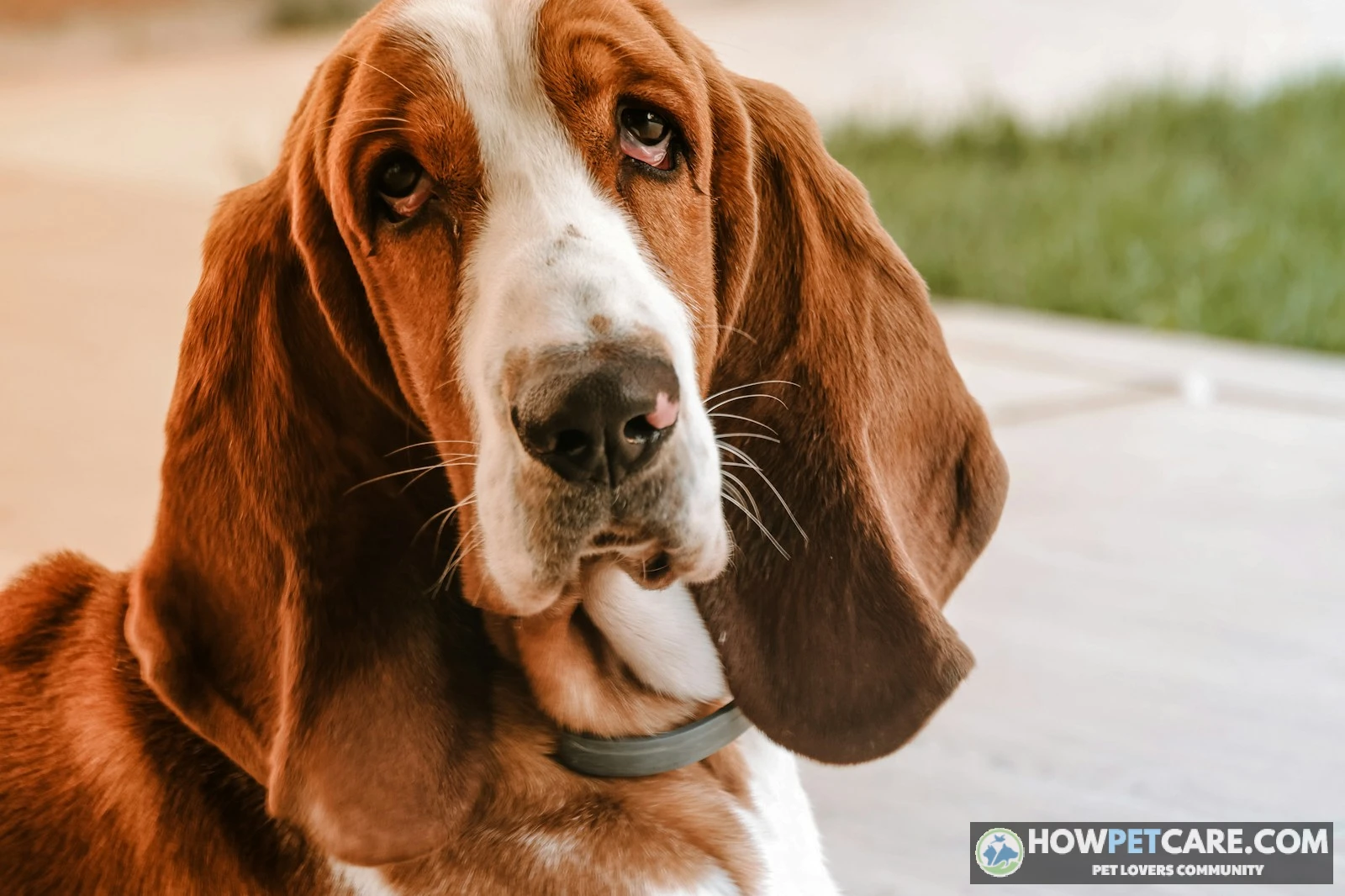
Do Male or Female Basset Hounds Live Longer?
There isn’t enough reliable Basset-specific evidence here to say that males or females live longer. The available information doesn’t establish a meaningful numerical difference, so choosing a puppy on that basis would be guesswork.
Sex and reproductive status do affect some health risks. Unspayed females can develop pyometra, a serious uterine infection, and mammary tumors. Intact males can develop testicular disease and prostate problems. Weigh these risks alongside the dog’s individual health, body condition, and living situation—not as a way to predict lifespan from sex alone.
Ask your vet about unexplained increased thirst, abdominal enlargement, or discharge in an intact female; pyometra can be an emergency. For either sex, a lean body condition and prompt attention to symptoms are practical priorities.
Spay and Neuter Timing: Effects on Cancer Risk and Lifespan
No single spay or neuter age has been proven to maximize every Basset Hound’s lifespan. Research on reproductive surgery, joint disorders, and some cancers varies by breed, sex, and age at surgery; Basset-specific evidence is limited. An association between timing and a particular outcome also doesn’t necessarily prove that surgery caused it.
Discuss these trade-offs with your veterinarian:
- For females: Spaying prevents pyometra and removes the possibility of ovarian and uterine disease. Timing may also affect mammary tumor risk, though how large that effect is remains debated.
- For males: Neutering prevents testicular cancer and can reduce certain prostate problems. The timing discussion should also weigh growth, behavior, and the risk of an unplanned mating.
- For both: Body weight can change after surgery, so reassess portions and body condition. Consider orthopedic concerns, household circumstances, and whether you can reliably prevent breeding while waiting.
Instead of assuming earlier or later is always better, make an individualized plan during a puppy or adult wellness visit. If your dog is already spayed or neutered, focus on the health checks and weight management you can control now.
How Basset Hounds Compare to Beagles, Dachshunds and Bloodhounds
The figures below are broad planning ranges, not directly comparable results from a single study. Sources use different populations and methods, so don’t read the table as a precise prediction of which individual dog will live longest.
| Breed or group | Typical lifespan (years) | Source or data note | Major longevity risks | Key difference from Basset Hound |
|---|---|---|---|---|
| Basset Hound | About 10–12 for planning | Historical UK survey median approximately 10.4; published ranges vary. | GDV, cancer, excess weight and mobility problems | Baseline for comparison |
| Beagle | Commonly about 12–15 | General breed estimate; not a matched comparison with the Basset survey | Excess weight and other age-related disease | Often lives longer; weight control remains important. |
| Dachshund | Commonly about 12–16 | General breed estimate; not a matched comparison | Disc disease, excess weight and other age-related disease | Also has a long body and a notable risk of IVDD. |
| Bloodhound | Commonly about 9–11 | General breed estimate; not a matched comparison | GDV and other serious illness | Larger, deep-chested hound; emergency bloat awareness matters. |
| Medium-sized dogs generally | Often around 10–13 | Broad orientation only; size-group estimates depend on the population studied | Varies by breed and individual | Size alone cannot predict an individual dog’s lifespan. |
A Basset’s life expectancy may be shorter than that of some smaller hounds, including Beagles and Dachshunds, but the breed ranges overlap substantially. Body shape, genetics, and disease risks all matter; the table can’t establish exactly why one breed’s published estimate differs from another’s.
How to Help Your Basset Hound Live Longer: Prevention Protocols
No feeding routine or lifting technique can guarantee prevention of GDV or IVDD. The aim is to reduce avoidable strain, recognize symptoms, and get care quickly when it matters.
GDV (bloat) prevention checklist
- ☐ Divide food into two or more measured meals instead of relying on one large meal. Ask your vet what feeding schedule suits your dog.
- ☐ Slow down rapid eating. If your Basset gulps meals, discuss a slow-feeding approach with your vet and keep mealtimes calm.
- ☐ Avoid vigorous activity around meals. A quiet period before and after eating is a reasonable precaution, although no exact waiting interval has been proven to prevent GDV.
- ☐ Keep fresh water available. Ask your vet for advice if your dog habitually gulps large amounts; don’t routinely restrict water to prevent bloat.
- ☐ Know the emergency signs: unproductive retching, sudden restlessness, drooling, abdominal enlargement, weakness or collapse.
- ☐ Save an emergency hospital’s number and address. Know where you would go outside your regular vet’s office hours.
- ☐ Discuss preventive gastropexy. This surgery attaches the stomach to the body wall to reduce the risk of twisting. It does not prevent all stomach distension or replace emergency care.
IVDD-safe lifting, ramps and handling
- ☐ Support both ends when lifting. Place one arm under the chest and the other under the hindquarters; keep the body supported and avoid letting the back end dangle.
- ☐ Reduce repeated jumping. A stable ramp can make access to a car or favorite resting place easier. Introduce it gradually and assist as needed.
- ☐ Improve traction. Nonslip surfaces and appropriately trimmed nails can help a dog move more securely.
- ☐ Consider a well-fitted harness. It may be more comfortable than pressure on the neck, though it has not been proven to prevent IVDD.
- ☐ Maintain a lean body condition. Extra weight increases strain on joints and the spine.
- ☐ Act on new pain or weakness. Limit movement, carry your dog with the spine supported if practical, and contact a vet promptly.

Sudden wobbliness, dragging a leg, an inability to stand or walk, or loss of bladder control needs urgent veterinary assessment. Don’t wait for a routine checkup or try to exercise the stiffness away.
Weight, diet and exercise targets
Measure your dog’s daily food instead of filling the bowl by eye. Count treats when you discuss total intake with your vet, and reassess portions if weight or activity changes. Your veterinary team can show you how to feel the ribs and find a waist, then assign a body-condition score.
Choose regular, moderate activity that suits your dog’s fitness. Comfortable walks and time to sniff can provide exercise without relying on repeated jumping. Increase activity gradually, and stop if your dog is limping, distressed, or unusually reluctant to continue.
Checkups and screening schedule
Arrange at least one wellness exam each year for a healthy adult, or more often if your vet recommends it. Ask about dental care, weight, gait, eyes, ears, and skin. Veterinary dental assessments and home tooth brushing can address painful oral disease; don’t assume bad breath is just normal for an older dog.
Check ears and skin folds regularly for redness, odor, or discharge. Clean only as your vet directs, and don’t put medication into a painful ear without advice. A red, cloudy, or painful eye—especially if your dog squints or the eye suddenly looks enlarged—needs prompt veterinary attention because glaucoma can threaten vision.
Screening and exams can catch problems earlier, but genetic conditions can’t always be prevented. Keep records of recurring symptoms and bring them to appointments.
Basset Hound Life Stages: Senior Age, Human-Year Chart and Signs of Aging
A Basset Hound is commonly considered a senior at around 7 to 8 years, which makes that a useful time to discuss a senior-care plan with your vet. The label is a prompt for closer monitoring, not a claim that every seven-year-old dog is frail.
Dog age in human years
No scientifically exact conversion exists from dog age to human years. The chart below uses a simple illustrative rule: approximately 15 human years for the first dog year, 24 by age two, then about five human-equivalent years for each additional year. It’s a conversation aid, not a diagnostic tool or a breed-specific measurement.
| Dog age | Approximate human-equivalent age | Life stage | Care focus |
|---|---|---|---|
| 1 year | 15 | Adolescent | Support controlled growth and establish preventive care. |
| 2 years | 24 | Young adult | Establish a healthy weight and regular exercise routine. |
| 3 years | 29 | Adult | Continue wellness exams and body-condition checks. |
| 5 years | 39 | Adult | Monitor mobility, teeth, eyes, ears and weight. |
| 7 years | 49 | Senior transition | Discuss senior exams and baseline testing. |
| 9 years | 59 | Senior | Watch closely for pain, changes in appetite and reduced stamina. |
| 10 years | 64 | Senior | Review mobility, comfort and any new symptoms. |
| 12 years | 74 | Older senior | Adjust care to the dog’s health and daily function. |
| 14 years | 84 | Older senior | Prioritize comfort and reassess needs regularly. |
Under this rule, a 10-year-old Basset is roughly 64 in human-equivalent years. Other conversion methods give different results, and none determines how healthy an individual dog should be.
Early warning signs of aging and pain
A graying muzzle, more sleep, or a slower pace can come with aging. But stiffness on rising, reluctance to climb, slipping, limping, reduced interest in walks, or a change in temperament can also signal pain or disease. A dog that seems to be “just slowing down” deserves an assessment, especially if the change is new.
Report weight loss or gain, increased thirst, appetite changes, new lumps, coughing, accidents in the house, and changes in vision or hearing. Cloudy-looking eyes aren’t automatically an emergency, but redness, squinting, sudden vision loss, or apparent eye pain require prompt advice.
Senior diet, exercise and vet schedule
Ask whether twice-yearly exams make sense starting around age seven. Depending on your dog’s history and exam, the vet may recommend blood and urine testing, a dental assessment, or additional checks.
A senior diet isn’t automatically necessary. The right food depends on body condition, muscle mass, activity, and any diagnosed illness. Some older dogs gain weight as they move less; others lose weight or muscle and need a different nutritional plan. Don’t restrict food in a dog that is losing weight without finding out why.
Keep exercise gentle and regular within your dog’s comfort level. Nonslip flooring, a supportive resting place, and an accessible route outdoors can help preserve independence. Ask your vet about appropriate pain relief or rehabilitation instead of giving human pain medication.
Quality-of-life decisions in the final stage
Quality of life is about more than the ability to walk. Consider comfort, appetite, hydration, hygiene, enjoyment, mobility, and whether good days still outnumber bad ones. The HHHHHMM scale offers a way to record these areas over time; it supports a conversation rather than making the decision for you.
Persistent pain, breathing difficulty, inability to eat or drink, repeated distress, or inability to move comfortably despite treatment are reasons to talk with your vet about palliative care and, when appropriate, humane euthanasia. A written diary can help you notice gradual change and describe it accurately at the appointment.
Your Basset Hound Longevity Action Plan by Age
Puppy to 2 years
- Arrange puppy vaccinations, parasite prevention, and regular exams on the schedule your veterinarian recommends.
- Support steady growth with measured food and a lean body condition; avoid making repeated jumping or stair climbing a form of exercise.
- Discuss spay or neuter timing in light of sex, health, growth, and the risk of accidental breeding.
- Introduce calm feeding, handling, tooth brushing, and supported lifting.
Adult, approximately 3 to 6 years
- Schedule at least an annual wellness exam and monitor body condition between visits.
- Maintain moderate exercise and check for changes in gait, appetite, ears, skin, and eyes.
- Ask about dental care and whether a preventive gastropexy discussion makes sense for your dog.
- Keep emergency contact information accessible and review the signs of GDV and spinal disease.
Senior, approximately 7 years and older
- Discuss twice-yearly visits and individualized blood or urine testing.
- Adjust food and activity to maintain a healthy weight and muscle, not merely to match an age label.
- Record new lumps, pain, slipping, vision changes, and shifts in appetite or behavior; arrange an appointment rather than assuming they’re normal aging.
- If your dog’s comfort or independence declines, track good and bad days and ask your vet about pain control and quality-of-life options.
Save the number and route for your nearest emergency veterinary hospital today. If your Basset develops unproductive retching, collapse, sudden weakness, or an inability to walk, use that plan immediately.
1What median lifespan did the 2004 UK Kennel Club breed health survey report for Basset Hounds?
The 2004 Kennel Club survey identified approximately 10.4 years as the median midpoint age at death for Basset Hounds.
2Why does the source material suggest that differing published lifespan estimates (such as 8–12 years versus 12–15 years) do not necessarily contradict one another?
Different organizations utilize distinct calculation methods and datasets, meaning an empirical median and an expected estimate reflect different measures.
3Which acute condition involves gas accumulation and stomach twisting, representing a fast emergency in deep-chested breeds?
GDV occurs when stomach gas buildup causes the organ to rotate on itself, impairing circulation and requiring rapid emergency care.
4What surgical option can be discussed with a veterinarian to reduce the risk of stomach twisting in deep-chested dogs?
This procedure surgically attaches the stomach to the body wall to hinder twisting, though it does not prevent all gas distension.
5According to the preventive handling guidelines for protecting a Basset Hound's spine, how should an owner lift the dog?
Supporting both ends keeps the body level and well-supported, minimizing strain on the long spine and intervertebral discs.
6What conclusion does the source material reach regarding life expectancy differences between male and female Basset Hounds?
Available breed-specific information does not prove a statistically significant longevity gap between male and female Basset Hounds.
7At what age range is a Basset Hound typically considered to enter its senior life stage?
Reaching 7 or 8 years serves as a practical milestone to begin senior care planning and closer monitoring with a veterinarian.
8Using the 15-24-5 conversion rule described in the text, what is the approximate human-equivalent age of a 10-year-old Basset Hound?
Under this illustrative rule, the first two years equal 24 human years, plus 5 years for each of the remaining eight years (24 + 8 × 5 = 64).
9Why is excess body weight considered a major risk factor for Basset Hound health and mobility?
Carrying extra weight exacerbates physical strain on a long spine and short limbs, worsening conditions like IVDD and arthritis.
10When comparing typical hound lifespans listed in the text, which breed generally has a shorter planning range than a Basset Hound?
Bloodhounds have a typical published lifespan range of 9–11 years, which is shorter than the Basset Hound's 10–12 year planning expectation.
| Breed or group | Typical lifespan (years) | Source or data note | Major longevity risks | Key difference from Basset Hound |
|---|---|---|---|---|
| Basset Hound | 10–12 | Historical UK survey median approximately 10.4; published ranges vary. Baseline for comparison. | GDV, cancer, excess weight, and mobility problems | Baseline for comparison |
| Beagle | 12–15 | General breed estimate; not a matched comparison with the Basset survey | Excess weight and age-related diseases | Often lives longer; weight control remains important |
| Dachshund | 12–16 | General breed estimate; not a matched comparison | Disc disease, excess weight, and age-related diseases | Also has a long body and a notable risk of IVDD |
| Bloodhound | 9–11 | General breed estimate; not a matched comparison | GDV and other serious illnesses | Larger, deep-chested hound; emergency bloat awareness matters |
| Medium-sized dogs generally | 10–13 | Broad orientation only; size-group estimates depend on the population studied | Varies by breed and individual | Size alone cannot predict an individual dog's lifespan |
FAQ
What is the life expectancy of a Basset Hound?
Most Basset Hounds live about 10 to 12 years. The 2004 UK Kennel Club survey put the median at roughly 10.4 years, and healthy, lean dogs can live longer.
Is 12 old for a Basset Hound?
Yes, 12 is a very good age for a Basset Hound and is at or above the typical lifespan for the breed. At that age, expect arthritis, reduced stamina and the need for frequent vet checks.
Do Basset Hounds have a lot of health problems?
Bassets are prone to several breed-linked issues, including bloat, intervertebral disc disease, hip and elbow dysplasia, ear infections, obesity and glaucoma. Many can be reduced with weight control, careful handling and regular veterinary care.
How old is a 10-year-old Basset Hound in human years?
A 10-year-old Basset Hound is roughly equivalent to a person in their mid-to-late 60s or early 70s, depending on the conversion method used. Because Bassets are medium-sized and age somewhat faster than small breeds, they are treated as seniors from about age 7 or 8.
What are the signs a Basset Hound is nearing the end of life?
Common signs include persistent loss of appetite, difficulty standing or walking, incontinence, labored breathing, withdrawal and more bad days than good. Your vet can help assess quality of life and discuss comfort care options.