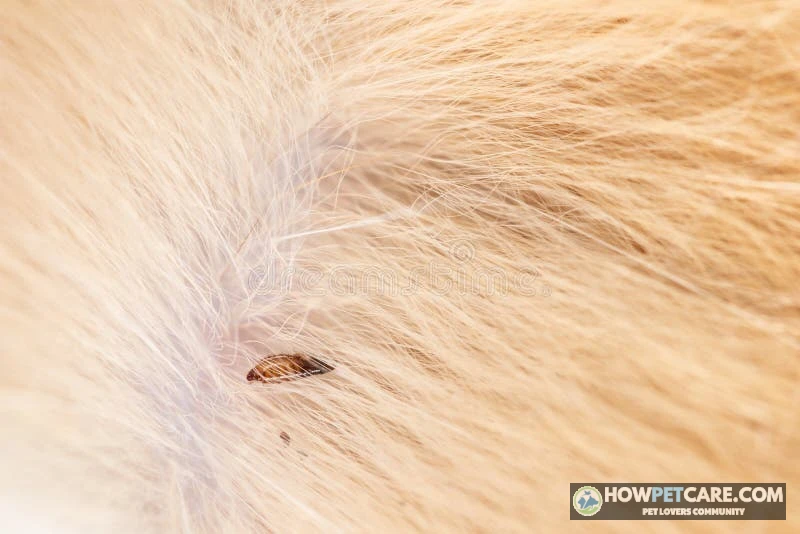

No—fleas cannot fly. They are wingless insects of the order Siphonaptera, so they lack any wings or wing pads at any life stage. Instead, adult fleas use powerful hind‑leg springs made of resilin to leap up to 200 times their body length, which can look like flight.
No, fleas cannot fly because they completely lack wings. As wingless insects of the order Siphonaptera, they lack wings or wing buds across every life stage—egg, larva, pupa, and adult—making powered flight biologically impossible [#N]. Instead, adult fleas get around by leaping. That sudden, ballistic snap happens so quickly that to a casual observer, it often looks like flight.
Do Fleas Fly? The Immediate Answer and Wing‑less Reality
- Fleas belong to the order Siphonaptera, a group of completely wingless insects.
- No developmental stage produces wings or wing pads.
- Without wings, fleas cannot generate lift; they rely solely on jumping to reach a host.
Because the answer is straightforward—no, fleas cannot fly—the rest of this guide explains how their jump works and how you can tell a flea apart from a true flying bug.
Flea Locomotion: Jumping Mechanics, Height, and Distance
Adult fleas launch themselves using remarkably powerful hind legs. These legs contain a specialized protein called resilin, an elastic pad that stores energy like a compressed spring and snaps forward in a fraction of a millisecond. That elastic recoil creates accelerations that exceed 100 g, launching the flea across distances many times its own body length.
Resilin Spring Mechanism
Resilin fibers sit packed inside the femur‑tibia joint of each hind leg. When the flea prepares to jump, leg muscles compress the resilin matrix to store potential energy. Upon release, that stored energy converts instantly into kinetic force, propelling the flea upward and forward in a single, explosive burst. Think of a taut rubber band snapping straight. This mechanism lets a flea launch up to 200 times its body length, a ratio unmatched by most insects.
Measured Jump Metrics by Species
Research on the common cat flea (Ctenocephalides felis) shows a vertical jump of up to 7 inches (≈18 cm) and a horizontal reach of 13 inches (≈33 cm) [#N]. The jump distance can be more than 200 times the flea’s body length. Other species show slightly lower limits:
| Species | Max Vertical Jump (inches) | Max Horizontal Jump (inches) | Launch Acceleration (g) |
|---|---|---|---|
| Cat Flea (Ctenocephalides felis) | 7 | 13 | 120 |
| Dog Flea (Ctenocephalides canis) | 6 | 10 | 110 |
| Human Flea (Pulex irritans) | 5 | 8 | 100 |
These figures illustrate why a flea can appear to vanish across a rug or shoot onto a passing pet, even though the motion is purely ballistic.
How Temperature and Humidity Influence Flea Jump Performance
Flea jumping efficiency is tightly linked to ambient conditions:
- Temperature: Optimal muscle and resilin function occurs between 20 °C and 30 °C [#N]. Below 15 °C, enzymatic activity slows, reducing jump power. Above 35 °C, dehydration risks diminish performance, and extreme heat can halt jumping altogether.
- Humidity: High humidity (>80 %) softens resilin, decreasing its ability to store elastic energy, which may lower jump height by up to 20 %. Very low humidity can desiccate the protein, also impairing force generation. In dry, heated rooms you may notice shorter hops; in a steamy bathroom, fleas often struggle to clear the same distance.
Understanding these thresholds explains seasonal flare‑ups and why an infestation often feels more active during warm, moderately humid summer months.
Flea Travel Without Flight: Jumping Between Pets, Carpets, and Humans
Host‑to‑Host Jumping Strategy
Adult fleas perch on floor fibers, carpet backing, or pet bedding. When a host brushes past, the flea senses vibrations, aligns its hind legs, and executes a single jump that bridges the gap to the host’s fur or skin. This jump‑on‑contact strategy enables rapid host transfer without any aerial travel. A flea can land on a passing dog, cat, or human within a fraction of a second, spreading quickly throughout a home.
Passive Transport on Fabrics
Fleas also hitch rides on clothing, shoes, or pet blankets. Once nestled in fabric folds, they often remain dormant until the item moves, at which point they hop off onto a new surface or host. Egg‑laden females disperse this way as well, expanding an infestation to other rooms. This passive vector explains why fleas often turn up on an upper floor after someone carries laundry or bedding upstairs. grass treatment for fleas can further reduce the number of fleas that migrate indoors.

Flying Look‑alikes: Gnats, Fruit Flies, Phorid Flies & Springtails
Several tiny insects are easily mistaken for fleas because of their small size and sudden motion. The table below outlines key visual and behavioral differences.
| Insect | Typical Size (mm) | Wings? | Movement Type | Typical Habitat | Host Preference |
|---|---|---|---|---|---|
| Flea | 1–4 | No | Single ballistic hop | Carpets, pet bedding, floors | Dogs, cats, humans |
| Fungus Gnat | 1–3 | Yes (transparent) | Continuous hovering, erratic loops | Moist soil, potted plants | None (non‑parasitic) |
| Fruit Fly | 2–4 | Yes (clear) | Rapid flutters, upward climbs | Decaying fruit, kitchen counters | None |
| Phorid Fly | 1–2 | Yes (tiny) | Short darting bursts, brief hops in air | Decaying organic matter | None |
| Springtail | 0.5–1.5 | No (furcula) | Quick spring‑powered jump, no lift‑off | Leaf litter, damp indoor areas | None |
Why Springtails Are Often Misidentified as Fleas
Springtails possess a spring‑loaded tail structure called a furcula that snaps against the ground, catapulting the insect a few centimeters into the air. The movement is quick and can look like a flea hop, but springtails lack the large hind legs and wide ballistic arc of a flea. Springtails also cluster in damp spots—under kitchen sinks, near houseplants, or in basements—whereas fleas prefer carpet fibers and the warmth of a host’s body.

Visual Cue Checklist
- Wings present? Look for two wings with clear veins along the back.
- Flight pattern? Sustained wing flapping indicates a fly or gnat; fleas manage only a single, silent hop.
- Body shape? Fleas have laterally compressed, narrow bodies with prominent hind legs. Gnats and flies appear rounded and cylindrical.
5‑Point Pest Identification Decision Matrix
| Insect | Wings? | Movement Trajectory | Typical Host / Habitat | Size (mm) |
|---|---|---|---|---|
| Flea | No | Single ballistic arc – fast straight hop, then immediate fall | Pets, humans, birds; carpet & floor | 1–4 |
| Gnats | Yes (transparent) | Hovering and erratic looping; sustained flight | Moist areas, plant foliage | 1–3 |
| Fruit Fly | Yes (clear) | Small rapid flutters with upward climb | Decaying fruit, kitchen surfaces | 2–4 |
| Phorid Fly | Yes (tiny) | Erratic darting bursts, short hops in air | Decaying matter, fungi | 1–2 |
| Springtail | No (furcula) | Short spring‑powered jump, no lift‑off | Leaf litter, soil, damp indoor areas | 0.5–1.5 |
Instant In‑the‑Moment Identification Tests
When you spot a tiny moving insect, a few quick checks can confirm whether you are looking at a flea.
White‑Sock Jump Test
- Lay a clean white sock on the floor in the suspected room.
- Wait 5 minutes.
- Fleas will hop directly onto the sock in a single, straight arc; true flyers will flutter, hover, or stay airborne.
Flight‑Path Observation
- Observe launch point: Fleas take off from a resting position on a surface without any wing movement.
- Watch the path: A flea’s arc peaks within 4‑7 inches and drops immediately down, finishing the entire jump in ≤1 second.
- Duration: Winged insects stay airborne for several seconds, drifting or looping in midair.
Light‑Reflection Check
Shine a flashlight directly toward the insect. Translucent wings reflect light with an iridescent glint. Fleas, by contrast, have an opaque, reddish‑brown exoskeleton that stays matte.
Use the white‑sock test first; it’s low‑effort and works on most indoor surfaces.

Actionable Checklist: Prevent, Detect, and Eradicate Fleas
-
Vacuum Regularly
Vacuum carpets, rugs, and upholstery at least once daily; immediately empty the bag or container to remove eggs and larvae. Studies show vacuuming can eliminate up to 95 % of flea eggs.
-
Treat Pets
Apply a veterinarian‑approved flea product (spot‑on, oral medication, or flea collar) to each dog and cat. Effective treatment stops adult fleas from feeding and reproducing.
-
White‑Sock Confirmation
Perform the white‑sock test weekly. If only fleas are captured, continue the above steps; if winged insects appear, investigate other pests.
-
Call a Professional
If jumps persist after home measures for two weeks, contact a licensed pest‑control professional for a targeted indoor treatment.
Flea eggs, larvae, and pupae are immobile and cannot fly. They rely on the adult’s jumps or passive transport on fabrics to spread. Eliminating the adult population cuts the life cycle at its most mobile stage.
For dogs, combining flea control with a Heartgard preventive adds an extra layer of protection against internal parasites.
Knowing that fleas are wingless jumpers makes identification straightforward. Once you recognize how they move and rule out winged pests, you can take targeted steps to resolve the issue before an infestation takes hold.

| Insect | Typical Size (mm) | Wings Present | Movement Type | Max Vertical Jump (inches) | Max Horizontal Jump (inches) | Typical Habitat or Host |
|---|---|---|---|---|---|---|
| Cat Flea (Ctenocephalides felis) | 1–4 | No | Single ballistic hop | 7 | 13 | Carpets, pet bedding, floors; Dogs, cats, humans |
| Dog Flea (Ctenocephalides canis) | 1–4 | No | Single ballistic hop | 6 | 10 | Carpets, pet bedding, floors; Dogs, cats, humans |
| Human Flea (Pulex irritans) | 1–4 | No | Single ballistic hop | 5 | 8 | Carpets, pet bedding, floors; Dogs, cats, humans |
| Springtail | 0.5–1.5 | No | Quick spring‑powered jump, no lift‑off | Not in source | Not in source | Leaf litter, soil, damp indoor areas; None |
| Fungus Gnat / Gnats | 1–3 | Yes | Continuous hovering, erratic loops, sustained flight | Not in source | Not in source | Moist soil, potted plants, moist areas, plant foliage; None |
| Fruit Fly | 2–4 | Yes | Rapid flutters, upward climbs | Not in source | Not in source | Decaying fruit, kitchen counters, surfaces; None |
| Phorid Fly | 1–2 | Yes | Short darting bursts, brief hops in air | Not in source | Not in source | Decaying organic matter, fungi; None |
FAQ
Can fleas jump onto a person from the air?
No. Fleas cannot fly; they must be on a surface and launch a single jump directly onto a host that brushes past.
Do flea eggs or larvae have any ability to move through the air?
Flea eggs are immobile and stick to the host or environment, while larvae are tiny, wingless crawlers that move only by crawling through debris.
What visual difference separates a flea’s jump arc from a gnat’s flight path?
A flea’s jump is a brief, single ballistic arc lasting less than 0.03 seconds, ending in an immediate landing, whereas a gnat displays continuous wingbeats and a smooth, sustained flight trajectory.