

Papillons typically live 13 to 16 years, and the AKC breed listing gives 14 to 16. A 2002 Papillon Club of America survey reported an 11.45-year average, but that’s a dated, floor-leaning figure — plan around 13–16 years for a well-cared-for dog.
Papillons typically live about 13 to 16 years. The AKC breed listing puts the Papillon lifespan at 14 to 16 years, and many well-cared-for dogs reach the upper half of that range. Other sources give different figures: 12 to 15 years in some veterinary profiles, 14 to 16 in breed guides, and an 11.45-year average in a 2002 Papillon Club of America survey. These numbers reflect different methods and eras, not a change in the breed. A 17-year-old Papillon is possible, but that’s the exception, not a planning assumption.
The Papillon is a toy breed, standing 8 to 11 inches and weighing 5 to 10 pounds. Its small size is the main reason it belongs among the longer-lived breeds. Small dogs generally outlive large and giant breeds. Researchers are still studying why, but size-related disease patterns, growth demands, and canine longevity biology all play a part. Papillons start with an advantage, but they also face risks owners can often manage: dental disease, falls and household trauma, age-related heart disease, and low blood sugar in puppies.
How long an individual Papillon lives depends less on a single breed number than on which risks arise and how early they’re managed. This guide explains what the different figures mean, when the breed becomes senior, which health problems matter most, and what owners can do to support a longer, comfortable life.
Why Sources Disagree: The 11.45-Year 2002 Club Survey vs. 14–16-Year Breed Guides
The Papillon Club of America’s 2002 survey reported an average Papillon life span of 11.45 years. It’s a widely quoted figure based on real survey data, but it’s more than two decades old. It shouldn’t be read as a current prediction for a puppy born in 2026. Modern breed guides more often cite 14 to 16 years, while VCA Animal Hospitals’ breed profile gives 12 to 15 years. The differences mostly reflect the methods, samples, and timing behind the figures.
The two numbers you will see, decoded.
13–16 years is the modern typical range used in this guide and is close to the AKC listing of 14–16 years. It describes Papillons that reach adulthood healthy and continue to receive good care. Use it for planning.
11.45 years is the average from the Papillon Club of America’s 2002 owner survey. It includes dogs lost young to accidents and illness, was self-reported by a self-selected group of owners, and reflects veterinary care from a different era. Read it as a floor-leaning historical average, not a forecast for your dog.
Here’s how to weigh lifespan claims from different sources:
- Club survey or registry dataset — real data, but check the date and whether it counts all deaths or only adult dogs.
- Veterinary literature — useful for understanding conditions such as heart disease and dental disease, but limited on Papillon-specific totals.
- Breed guides and blogs — often repeat ranges without a primary source.
- Oldest-Papillon anecdotes — interesting, but not a number to plan around.
What the 2002 survey measured
The 2002 club survey collected owner-reported ages at death across the breed. It’s useful because it captures dogs living in real households rather than a curated show population. It also has limitations: owners who respond may not represent all owners, recall can be imperfect, and a snapshot survey can’t track later improvements in dental care, heart medication, or anesthesia safety. The average includes dogs that died very young, which pulls the mean down.
Why modern breed estimates run higher
Modern estimates tend to describe dogs that survive puppyhood and receive routine veterinary care. Breed guides often repeat ranges rather than publish a dataset, so they aren’t automatically more accurate. Still, the direction makes sense given better dental care, more widespread heart screening, safer anesthesia, and more owners treating senior dogs as patients rather than letting them quietly decline. Treat the 14–16-year figure as an achievable range for a healthy adult Papillon, not a guarantee.
A realistic planning range
Plan around 12 to 16 years, with 13 to 16 as a reasonable central expectation for a well-cared-for Papillon. The 11.45-year figure is a useful historical floor-leaning average, not a date to put on a calendar. If you’re buying a puppy, ask the breeder for ages at death in the actual lines behind the litter. If you own an adult, ask your vet to record the dog’s current health baseline so future changes are easier to spot.
As for the oldest Papillon dog on record, no verified, widely accepted record is available to cite. Treat claims of 18 to 20-plus years as anecdotal unless they’re backed by registry and veterinary records. Exceptional ages show that long lives are possible; they aren’t a realistic expectation for most dogs.
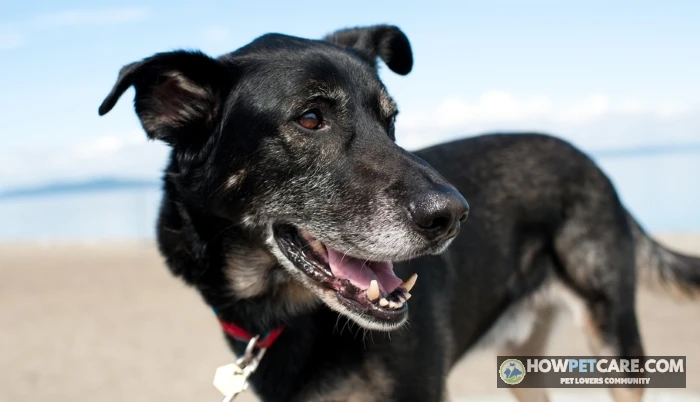
A lifespan estimate is a planning tool, not a countdown. Ask your vet what’s normal for your Papillon now, then track changes in weight, breathing, appetite, mobility, and breath odor. Those trends matter more than any single breed-average number.
When Is a Papillon a Senior? Age Milestones for Toy-Breed Aging
Toy breeds are commonly considered senior from roughly 8 to 10 years, though vets may set the threshold differently for each dog. AAHA senior-care guidance emphasizes life stage and individual health rather than one universal age. A Papillon with a heart murmur or arthritis may need senior-style monitoring earlier, while a lean, active 10-year-old may still be functionally adult. Your vet’s assessment of your dog is decisive.
Owners often notice changes before a diagnosis: a dog may be slower on stairs, sleep more, develop cloudy eyes or reduced hearing, or show bad breath, weight change, night waking, or less interest in long walks. Some changes come with normal aging. Sudden changes don’t. Call your vet about collapse, labored breathing, loss of appetite, sudden limping, or confusion rather than waiting to see what happens.
| Age band | Vet visit frequency | Screenings and tests | Home care changes | Warning signs to act on |
|---|---|---|---|---|
| 8–10 years (early senior) | Every 6 months | Baseline bloodwork and urinalysis; dental review; heart auscultation for a new murmur; eye exam; weight and body-condition score | Add a ramp or steps to the couch and bed; keep walks regular but watch recovery time | New heart murmur, bad breath despite clean teeth, drinking or urinating more, weight creeping up |
| 11–13 years | Every 6 months, or every 3–4 months if a murmur is being monitored | Murmur and heart monitoring, possibly chest X-ray or echocardiogram; blood pressure; patellar and joint assessment; dental status; cognition check | Non-slip rugs on hard floors; shorter, more frequent walks; raised food and water bowls if stiff; night lights for dimming vision | Coughing, especially at night; tiring fast; limping or skipping a step; night waking and pacing; confusion |
| 14+ years (comfort-first) | Every 3–6 months, or as needed for comfort | Pain assessment; kidney and liver values; appetite and hydration check; medication review | Soft, easy-access bedding on one floor; pain plan agreed with the vet; help with stairs and car trips; warm indoor temperatures | Refusing food for a day, labored breathing, collapse, inability to stand, loss of interest in family — call the vet, do not wait |

Ages 8–10: the early senior check-up
The first senior exam establishes a baseline. Ask for bloodwork, urinalysis, a dental review, a heart listen, an eye exam, and a body-condition score. A Papillon at this age may still look and act young, which makes baseline data useful. If a murmur appears, your vet can track it rather than discovering it during a crisis. If tartar is building despite home care, plan a professional cleaning before periodontal disease causes pain or systemic strain.
Ages 11–13: managing heart, joints and teeth
Small-breed heart disease often becomes visible during this window. Mitral valve disease and heart murmurs are common in aging toy dogs, and medication can extend good-quality years when started at the right time. Dental disease also tends to accelerate, while patellar luxation or arthritis can limit activity. Watch for coughing at night, tiring quickly, skipping steps, or wanting to be carried more often. Make changes before your dog struggles: non-slip rugs, ramps, and shorter walks protect mobility and reduce fall risk.
Age 14 and up: comfort-first care
At this stage, the goal shifts from extending years to protecting function and comfort. Pain control, easy access to food and water, soft bedding, and help with stairs matter more than ambitious exercise goals. Monitor appetite, hydration, breathing, and interest in family life. Talking with your vet about quality of life isn’t giving up; it’s part of senior dog care. A Papillon that’s comfortable, eating, and engaged can still enjoy a good life well past 14.

A senior Papillon that stops eating, breathes hard, collapses, or can’t stand needs same-day veterinary care. Age can explain slowing down. It doesn’t explain a sudden crisis.
 You might be wonderingLife expectancy bull terrierBull Terrier Life Expectancy: 12–13 Years, Data and Care PlanRead the answer
Health Problems That Shorten a Papillon’s Life: Patellar Luxation, PRA, Dental Disease, Heart Disease and Hypoglycemia
Breed health problems affect Papillon lifespan in different ways. Some, such as heart failure or severe untreated infection, can shorten life directly. Others, including vision loss or arthritis, mainly affect quality of life but may indirectly shorten life by reducing activity, increasing weight gain, or making other problems harder to spot. Papillon owners should know the conditions below.
Dental and periodontal disease
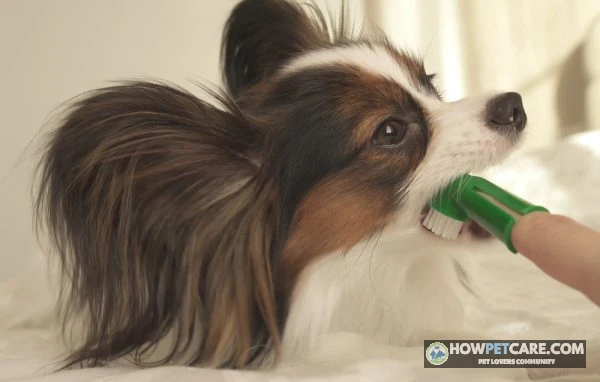
Like other toy breeds, Papillons have small, crowded mouths. Periodontal disease is among the most common and preventable health problems in small dogs. Chronic infection and inflammation in the mouth can affect the heart, kidneys, and overall health, though causation shouldn’t be overstated. Daily brushing, Veterinary Oral Health Council-accepted dental products, and professional cleanings on your vet’s schedule do more to address this risk than any chew alone. Bad breath isn’t normal; book a dental check.
Patellar luxation and joint wear
Patellar luxation, or slipping kneecap, is common in toy breeds. It rarely kills directly, but it can cause pain, arthritis, and reduced activity. Have your dog examined if it avoids stairs or skips on one hind leg. The grade matters: some dogs need surgery, while others can be managed with weight control, exercise adjustment, and pain relief. Keeping your dog lean and avoiding repeated jumps off furniture protects the joint and lowers the chance of a costly crisis later.
PRA and other eye disease
Progressive retinal atrophy is an inherited condition that leads to vision loss. It affects quality of life more than lifespan, but it changes how a dog moves around stairs, furniture, and unfamiliar spaces. Responsible breeders use DNA testing and eye exams through OFA and CERF-style screening to reduce risk in breeding stock. If your Papillon is diagnosed, keep furniture in place, use night lights, and teach cues rather than relying on visual hand signals alone.
Heart murmurs and mitral valve disease
Heart murmurs and mitral valve disease are common causes of heart failure in small breeds as they age. A murmur is usually found during a routine exam, before the dog shows obvious signs. Medication can extend good-quality years, especially when started before the heart has enlarged significantly. Twice-yearly exams after age 8, weight control, and prompt reporting of coughing or exercise intolerance are the owner’s main tools. Don’t wait for your dog to collapse before asking about a murmur.

Hypoglycemia in young puppies
Hypoglycemia is a major risk in tiny Papillon puppies. Their small body mass and low fat reserves mean skipped meals, cold, stress, or illness can drive blood sugar dangerously low. A puppy that was fine an hour ago and now wobbles, trembles, or can’t stand may be hypoglycemic. This is a puppy-stage emergency, not a senior-dog problem. The first-aid steps appear later in this guide.
Less common but documented breed concerns include open fontanelle and von Willebrand disease. These aren’t the main lifespan drivers for most Papillons, but they matter in breeding decisions. Ask breeders what health testing was done on both parents.
A diagnosis such as PRA or a low-grade luxating patella may change daily care without substantially changing lifespan. Heart disease, severe dental infection, and puppy hypoglycemia are more directly tied to survival. Ask your vet to explain which category a diagnosis falls into.
What Papillons Most Often Die From, and Which Risks You Can Prevent
There’s no large, current, Papillon-specific cause-of-death dataset. The ranking below draws on the 2002 Papillon Club of America survey, small-breed veterinary literature, and clinical patterns. Use it as a practical risk map, not a statistical table with exact percentages. Pay attention to the strength-of-evidence column: some causes are well documented in small breeds generally, while Papillon-specific totals are limited.
| Cause or condition | Strength of evidence | Preventability | What an owner can do |
|---|---|---|---|
| Heart disease and heart failure, especially mitral valve disease | Strong in small-breed veterinary literature; present in the 2002 club survey | Partly — not preventable, but early detection slows it | Twice-yearly exams after age 8 so a murmur is caught early; medication once prescribed; keep weight down to reduce cardiac load |
| Trauma and falls, including being dropped, stepped on, or jumping from furniture | Strong clinical consensus for toy breeds | Largely preventable | Ramps to furniture, carry on stairs, supervise around kids and big dogs, use a harness instead of a collar, keep the dog out of foot traffic |
| Cancer | Moderate — a common cause of death in older dogs generally; limited Papillon-specific data | Mostly not preventable | Report new lumps promptly; keep weight lean; act fast on appetite or energy changes |
| Untreated dental disease and chronic infection | Strong for toy breeds; the link to heart and kidney strain is plausible but causation should not be overstated | Largely preventable | Daily brushing, VOHC-accepted dental products, professional cleanings on the vet’s schedule |
| Kidney disease | Moderate — documented in the 2002 survey and general senior-dog medicine | Partly | Six-monthly bloodwork and urinalysis in seniors; fresh water always available; act on increased thirst |
| Hypoglycemia in young puppies | Strong for toy-breed puppies | Largely preventable | Frequent small meals, warmth, and never letting a tiny puppy skip meals; see the first-aid sequence below |
| Age-related decline across multiple systems | Clinical consensus | Not preventable | Comfort care, pain control, and honest quality-of-life conversations with the vet |
A ranked view of likely causes, with evidence quality
For an aging Papillon, heart disease is the best-documented organ failure risk, and trauma is the most controllable external risk. Cancer is common in older dogs generally, but Papillon-specific data is too limited to rank it precisely against heart disease. Dental disease affects quality of life and may contribute to systemic strain. Kidney disease and general age-related decline also form part of the senior picture. In puppies, hypoglycemia stands out as a preventable cause of sudden crisis.
Preventable vs. non-preventable risks
In a tiny breed, injury is more controllable than cancer or genetics. A Papillon living with stairs, hardwood floors, large dogs, or young children faces daily fall and trauma risks. A ramp, a carry, and a baby gate can reduce them. Heart disease isn’t preventable, but early detection changes the timeline. Consistent care can largely prevent dental disease. Cancer and age-related decline are mostly outside an owner’s control, so the risks you can change deserve particular attention.

A Papillon can be seriously injured by a jump from a couch, a tumble down stairs, or being stepped on in the kitchen. Treat furniture and stairs as safety equipment decisions, not training challenges.
Papillon vs. Other Toy Breeds: How Their Lifespan Compares with Chihuahuas, Pomeranians, Maltese and the All-Dog Average
Papillon lifespan is similar to that of other toy breeds. Differences between breeds are small compared with the variation between two individual dogs of the same breed. The table uses typical ranges from breed listings and general veterinary estimates. Each is a range, not a guarantee.
| Breed or group | Typical lifespan range (years) | Source or basis | Main longevity-related health risks |
|---|---|---|---|
| Papillon | 13–16 (AKC listing: 14–16; 2002 club survey average: 11.45) | AKC breed listing; Papillon Club of America survey — moderate confidence | Mitral valve disease, dental disease, patellar luxation, puppy hypoglycemia, trauma |
| Chihuahua | 14–16 | Breed listings — moderate confidence | Heart disease, dental disease, hypoglycemia, hydrocephalus in some lines |
| Pomeranian | 12–16 | Breed listings — moderate confidence | Tracheal collapse, patellar luxation, dental disease, alopecia as a quality-of-life issue |
| Maltese | 12–15 | Breed listings — moderate confidence | Dental disease, liver shunts, heart disease, luxating patella |
| All dogs, average across breeds | About 10–13 | General veterinary literature and large practice datasets — figures vary by country and sample | Varies widely by breed and size; giant breeds often live 7–10 years |
Confidence note: All ranges in the table are typical estimates, not guarantees. Care, genetics, and luck affect the outcome more than the small gap between any two toy breeds.
Small and toy breeds, including the Papillon, generally outlive large and giant breeds. The reasons are still being studied, but the pattern is consistent across countries and datasets. That doesn’t mean every Papillon outlives every Labrador. It means the breed starts with a longevity advantage that owners can protect or waste.
Breed-specific risks still differ. Pomeranians have a higher profile for tracheal collapse, Maltese for dental disease and liver shunts, and Chihuahuas for hypoglycemia and some heart problems. Papillons aren’t immune to any of those, but their main longevity concerns follow the toy-dog pattern: teeth, heart, weight, and household safety.
Male vs. Female, Spay/Neuter Timing, Phalène Ears and Papillon Mixes: What the Evidence Supports
Owners often ask about sex, neutering, ear type, and mixes because they want a simple answer before choosing a dog. The evidence for Papillon-specific lifespan differences, however, is limited. Individual care and health screening matter more than any of these categories.
Do male or female Papillons live longer?
There’s no strong Papillon-specific evidence that either sex lives meaningfully longer. Studies in other dog populations sometimes show small differences, but results are inconsistent and often confounded by breed, size, neuter status, and owner behavior. Don’t choose a male or female Papillon expecting a longevity bonus. Focus on the individual dog and the breeder’s health testing.
Spay/neuter timing and longevity
Research across dogs suggests possible associations between neuter status and longevity, but the effects on joint disease, cancer, and other risks vary by breed, size, sex, and timing. Papillon-specific data is limited. For a toy breed, discuss timing with your vet, weighing surgical risk, behavioral factors, and your dog’s individual health. No universal date guarantees a longer life.
Phalène vs. erect-eared Papillon
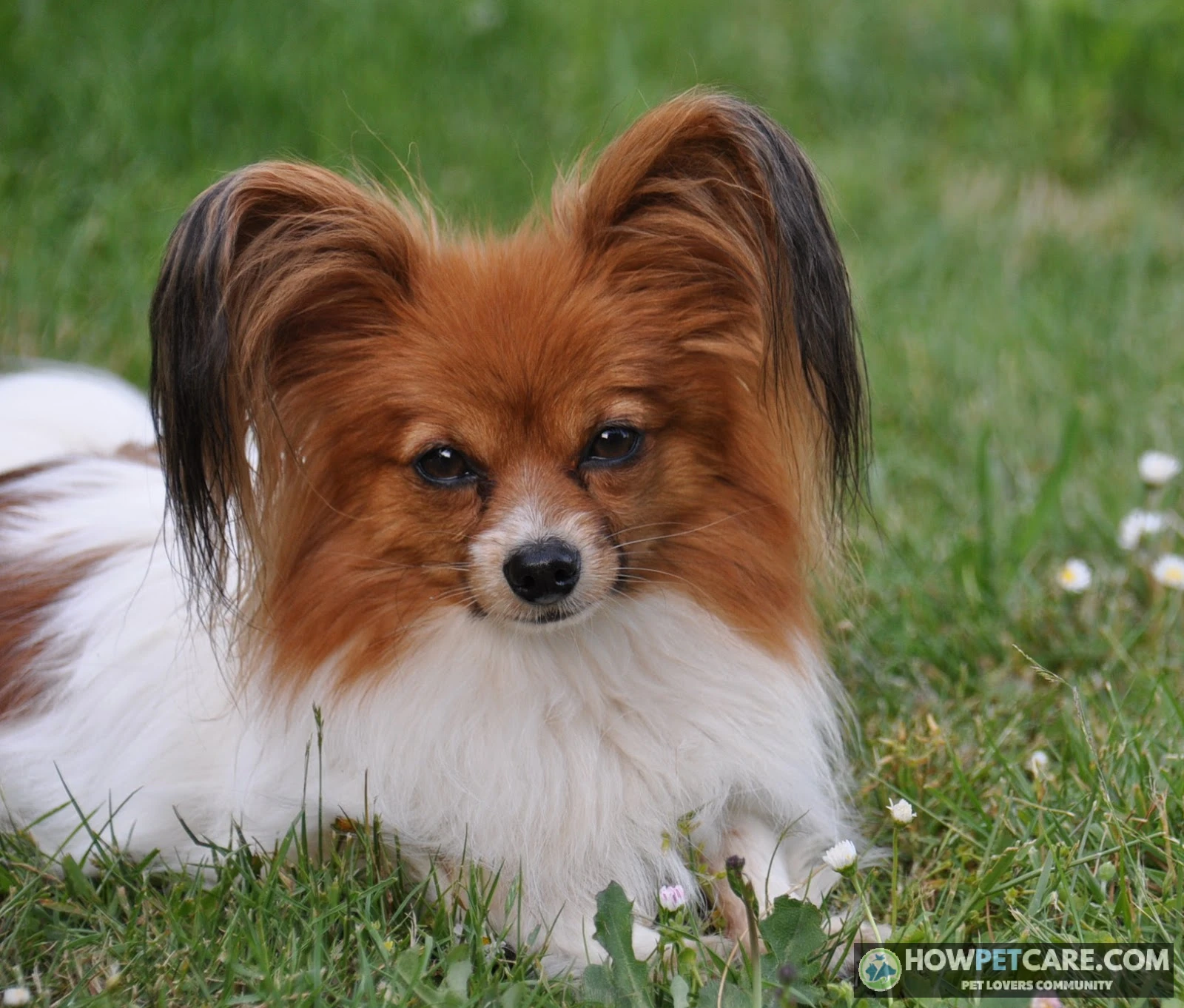
The Phalène and the erect-eared Papillon are the same breed, differing in ear carriage. Both varieties can occur in the same litter, and the coat pattern is always white-based with colored patches. There’s no evidence of a lifespan difference between them. Both share the same health risks, so the care plan doesn’t change based on ear shape.
Papillon-Chihuahua and Papillon-Pomeranian mixes
Papillon-Chihuahua and Papillon-Pomeranian mixes are popular, and owners often ask whether they live longer. Expect a similar toy-dog range of roughly 12 to 16 years, but there is no reliable mix-specific lifespan data. Hybrid vigor doesn’t guarantee a longer life. A mix can inherit risks from both parents, including dental crowding, patellar luxation, heart disease, and hypoglycemia. Ask for health testing on both parent breeds, and plan for the combined risks rather than assuming the mix is automatically hardier.

Home Protocols That Protect Your Papillon: Dental Care, Hypoglycemia First Aid and Injury-Proofing
To help a Papillon live longer, focus on risks you can change. Dental disease, household trauma, and puppy hypoglycemia are the three most controllable threats in this breed. Heart disease and cancer aren’t fully preventable, but early detection and weight control still matter. You can start the routines below this week.
A daily and weekly dental routine

-
Start with taste, not bristles
Let your Papillon lick dog-safe toothpaste from your finger for a few days. Don’t use human toothpaste. The goal is to make mouth handling feel routine and safe.
-
Brush the outside surfaces first
Use a soft pet toothbrush or finger brush, focusing on the outer surfaces of the back teeth, where tartar builds fastest. Gently lift the lip and brush for a few seconds at a time.
-
Work up to daily brushing
Aim for daily brushing. If that isn’t realistic at first, brush every other day and use VOHC-accepted dental wipes or rinses on the off days.
-
Add accepted dental products carefully
Choose products with the Veterinary Oral Health Council seal. Avoid hard chews that can fracture small teeth and anything small enough to swallow whole.
-
Keep professional cleanings on schedule
Ask your vet how often your dog needs a professional cleaning under anesthesia. Home brushing reduces tartar, but it doesn’t replace scaling below the gumline.
What to do during a suspected hypoglycemic episode
-
Spot the signs
Watch for weakness, wobbling, trembling, unusual lethargy, glassy eyes, seizures, or collapse. A puppy that was fine an hour ago and now can’t stand is the classic picture.
-
Put sugar on the gums now
Rub about ¼ to ½ teaspoon of corn syrup, honey, or sugar water on the gums and inner cheek. Don’t pour liquid into the mouth of a puppy that can’t swallow properly; it can go into the lungs.
-
Warm the puppy
Wrap the puppy in a blanket or hold it against your body. Cold burns calories and makes hypoglycemia worse.
-
Offer a small meal once alert
Once the puppy is standing and interested, offer a small portion of its normal food. Don’t force a large meal into a dog that’s still weak.
-
Call the vet immediately
A hypoglycemic episode needs a same-day check even if the puppy recovers. Go straight to emergency care if the puppy is unresponsive, seizing, or doesn’t improve within 10 to 15 minutes.
To prevent another episode, feed small meals three to four times a day, keep the puppy warm, avoid long gaps between feeds, and reduce stress during the first weeks home.
Fall and trauma prevention at home
Use ramps or steps for the couch and bed rather than letting your Papillon jump. Carry your dog on stairs, especially hardwood stairs. Supervise play with large dogs and young children, and teach children to sit on the floor to hold the dog instead of carrying it around. Use a harness rather than a collar for walks, and keep your dog out of kitchen foot traffic. These simple changes address the most preventable cause of serious injury in a tiny breed.

Keeping weight in check
A few extra ounces matter on a 5-to-10-pound dog. Learn to check body condition by feeling the ribs without pressing hard and looking for a waist from above. Reduce treats before reducing meals, and measure food rather than free-feeding. Lean dogs usually have fewer mobility problems and lower cardiac strain, giving them a real longevity advantage.
Put a ramp beside the couch before your Papillon needs it. Keep a harness by the door. Store the toothpaste next to your own toothbrush. Longevity habits are easier to keep when they’re built into the room rather than remembered as chores.
Your Papillon Longevity Plan: A Checklist by Life Stage
A Papillon life expectancy guide is most useful when you can act on it at your dog’s current age. Use the checklist below as a starting point, then adjust it with your vet.
Puppy checklist
- Confirm the vaccination schedule and deworming plan with your vet.
- Feed small, frequent meals and watch for signs of hypoglycemia during the first weeks home.
- Ask the breeder for health testing on both parents, including patella, eye, and cardiac screening where available.
- Start tooth-brushing games early, even before the adult teeth arrive.
- Puppy-proof the house for falls, cords, small objects, and escape routes.
- Carry the puppy on stairs and keep it away from rough play with large dogs.

Adult checklist
- Book an annual exam with a dental review, heart auscultation, patellar check, and weight check.
- Brush teeth daily or on a consistent schedule; plan professional cleanings as advised.
- Keep your dog lean and measure its food.
- Use ramps, harnesses, and supervised play to prevent injury.
- Ask about baseline bloodwork before age 8 so future changes are easier to interpret.
- Update preventive veterinary care, including parasite prevention and vaccination boosters as your vet recommends.
Senior checklist and when to call the vet
- From 8 to 10 years, move to twice-yearly exams with bloodwork, urinalysis, dental review, and heart listening.
- From 11 to 13 years, monitor murmurs, joints, teeth, blood pressure, and cognition; adjust the home for non-slip footing and easier access.
- From 14 years, prioritize comfort, pain control, hydration, appetite, and quality-of-life conversations.

Call the vet right away for collapse, a seizure, labored breathing, sudden limping, loss of appetite lasting more than a day, inability to stand, or a dramatic change in behavior. Bring up slower changes — weight loss, new bad breath, more sleeping, night pacing — at the next visit rather than waiting for a crisis.
A realistic Papillon lifespan is about 13 to 16 years, with 14 to 16 achievable for many healthy dogs and 11.45 years serving as a dated, floor-leaning historical average. You can’t control the breed’s genetics, but you can care for your dog’s teeth and weight, make the home safer, arrange heart screening, and seek veterinary care promptly. Those habits give a Papillon the best chance of reaching the longer end of the range.
 You might be wonderingBasenji life expectancyBasenji Life Expectancy: Sourced Data and What Shifts ItRead the answer
FAQ
What is the oldest Papillon on record?
No verified, widely accepted record for the oldest Papillon is available to cite, so claims of 18 to 20+ years should be treated as anecdotal unless backed by registry and veterinary records. Exceptional ages show that long lives are possible but are not a realistic expectation for most dogs.
Do Papillons live longer than larger dogs?
Generally yes. Small and toy breeds, including the Papillon, tend to outlive large and giant breeds, which often live around 8 to 12 years.
How often should a senior Papillon see the vet?
Most vets recommend check-ups about every six months from the senior years, often with bloodwork, a dental review and a heart check. Your vet may suggest more frequent visits if your dog has a murmur or another chronic condition.
Are Papillons a healthy breed?
Papillons are generally considered a long-lived, fairly hardy breed, but they are prone to patellar luxation, dental disease, some eye conditions and heart disease. Choosing a breeder who health-tests parents and keeping up with preventive care lowers the risk.
What are the signs a Papillon is getting old?
Common signs include slowing down on walks and stairs, more sleep, graying around the muzzle, cloudy eyes, hearing loss, bad breath and weight changes. Any sudden change in appetite, breathing or mobility should be checked by a vet rather than put down to age.