
| Species | Best for | Noise (1–5) |
|---|---|---|
| Budgerigar (parakeet) | First-time owners wanting a hand-tameable bird | 2 |
| Cockatiel | Beginners prepared for a 15–25 year commitment | 2–3 |
| Canary or finch | Watching and listening; strict apartment noise limits | 1–2 |
| Green-cheeked conure | Owners with some bird experience | 3 |
| African grey, cockatoo, macaw | Experienced keepers only | 4–5 |
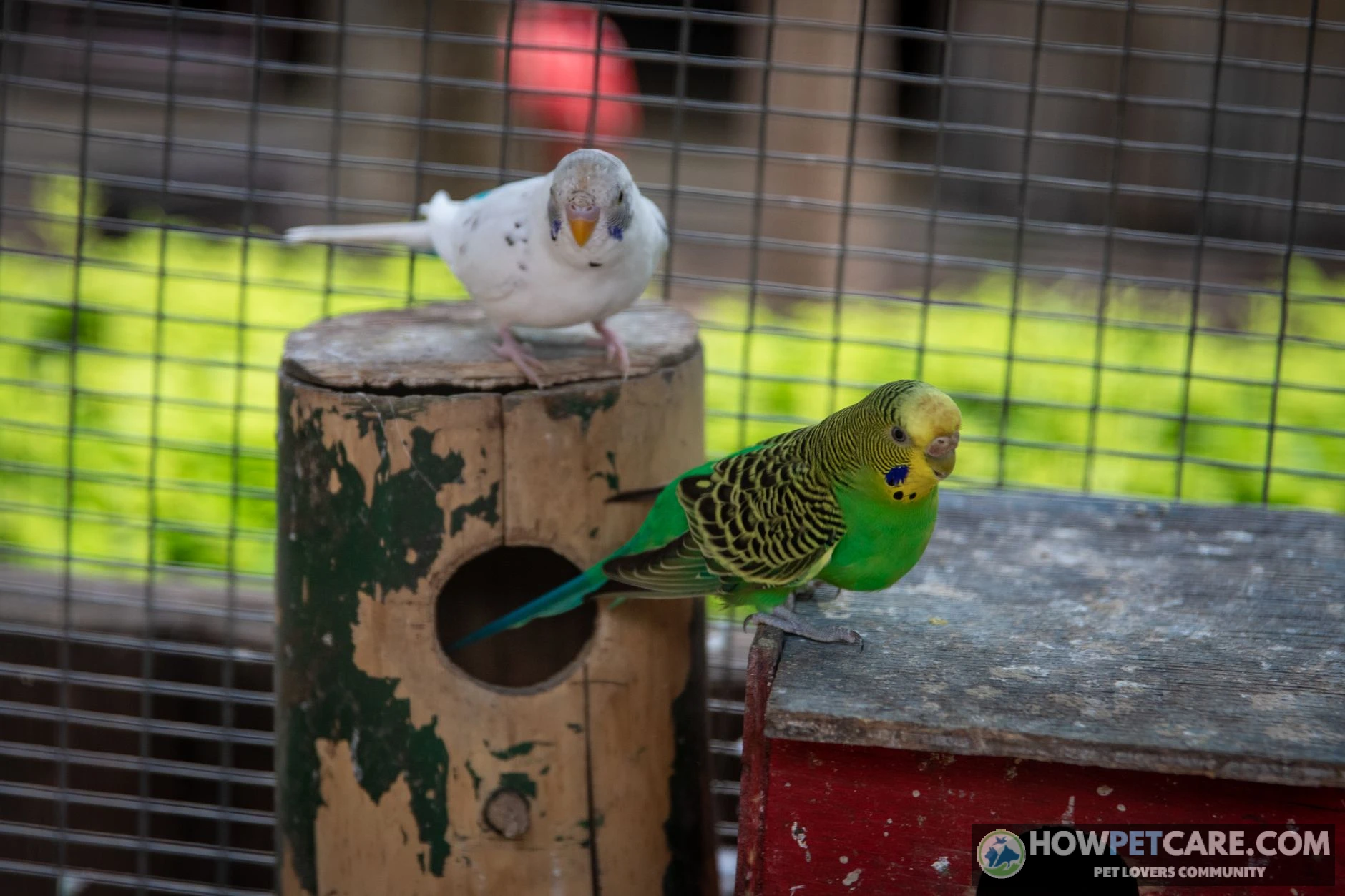
Budgerigars—usually called parakeets in the United States—and cockatiels are common starting points if you want a bird you can handle and interact with. Canaries and finches fit better if you’d rather watch and listen. Larger parrots can become rewarding companions, but their noise, daily social needs, cost, and long lifespans make them a poor default first bird. The comparison below helps you compare pet bird species by the factors that shape everyday life with a bird.
Pet Bird Species Side by Side: Size, Lifespan, Noise, Cost and Difficulty
How to read the comparison table
Noise ratings are a practical guide, not a promise about any individual bird: 1 means soft chirps you’ll mostly hear in the same room; 2 is gentle song or chatter; 3 is periodic sharp calls that can carry through shared walls; 4 is loud daily calling audible across a home; and 5 is scream-level calling that may be heard outside. Difficulty reflects the usual daily-care and behavior demands for a new owner, not how intelligent or trainable the species is.
Prices are approximate US-dollar purchase ranges, not quotes. They change with location, age, color, source, and whether the bird is adopted or bought. Lifespan figures are broad typical ranges; individual birds can live shorter or longer. Cage, veterinary, food, and enrichment costs are separate from purchase price and are covered later.
| Species | Adult length and weight | Typical lifespan | Noise (1–5) | Purchase price (USD) | Temperament | Difficulty | Mimics speech? |
|---|---|---|---|---|---|---|---|
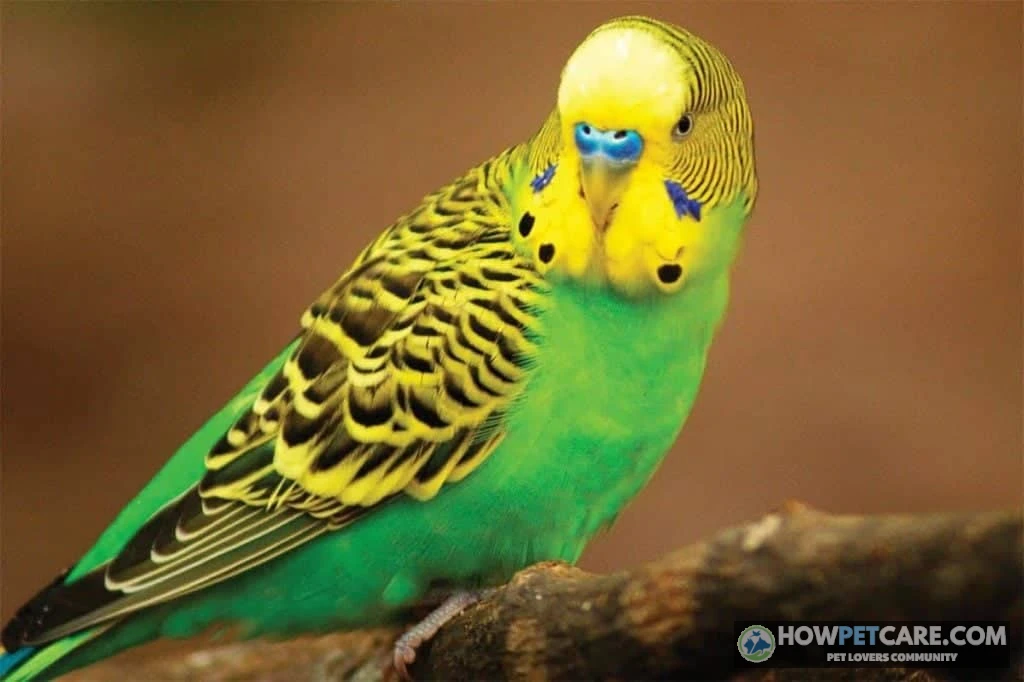
| Budgerigar (parakeet) | About 7 in; 30–40 g | 5–10 years; sometimes longer | 2 | $20–$80 | Playful, social, often hand-tameable | Beginner | Yes; some learn many words |
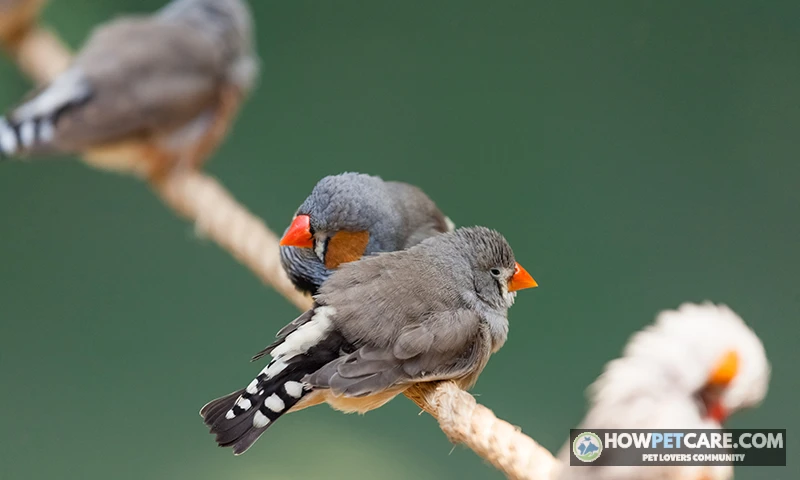
| Canary | 4–5 in; 12–30 g | 7–10 years; sometimes longer | 2 | $50–$150 | Best enjoyed by watching and listening | Beginner | No; males may sing |
| Finch | About 4 in; 10–20 g | 5–10 years | 1 | $15–$50 | Active, social, generally hands-off | Beginner | No |
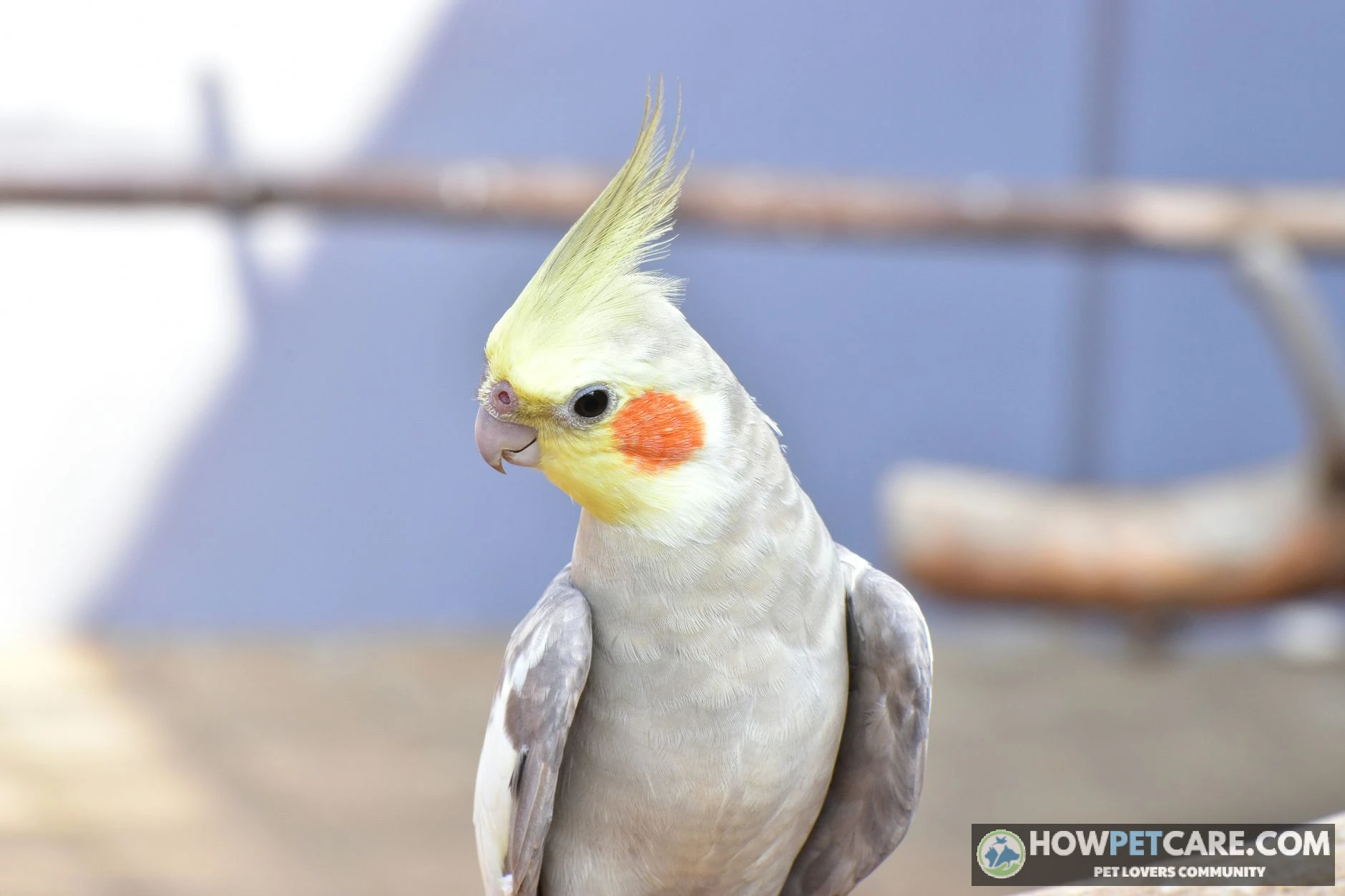
| Cockatiel | 12–13 in; 80–120 g | 15–25 years | 2–3 | $75–$250 | Often gentle; expressive crest | Beginner | Whistles; some learn words |
| Parrotlet | 4–5 in; 28–35 g | 15–20 years | 2 | $150–$350 | Confident, energetic, may nip | Intermediate | Some learn a few words |
| Lovebird | 5–6 in; 40–60 g | 10–15 years; sometimes longer | 3 | $50–$200 | Bold, active, can be territorial | Intermediate | Uncommon |
| Green-cheeked conure | About 10 in; 60–80 g | 20–30 years | 3 | $250–$500 | Playful and social; may nip | Intermediate | Some learn a few words |
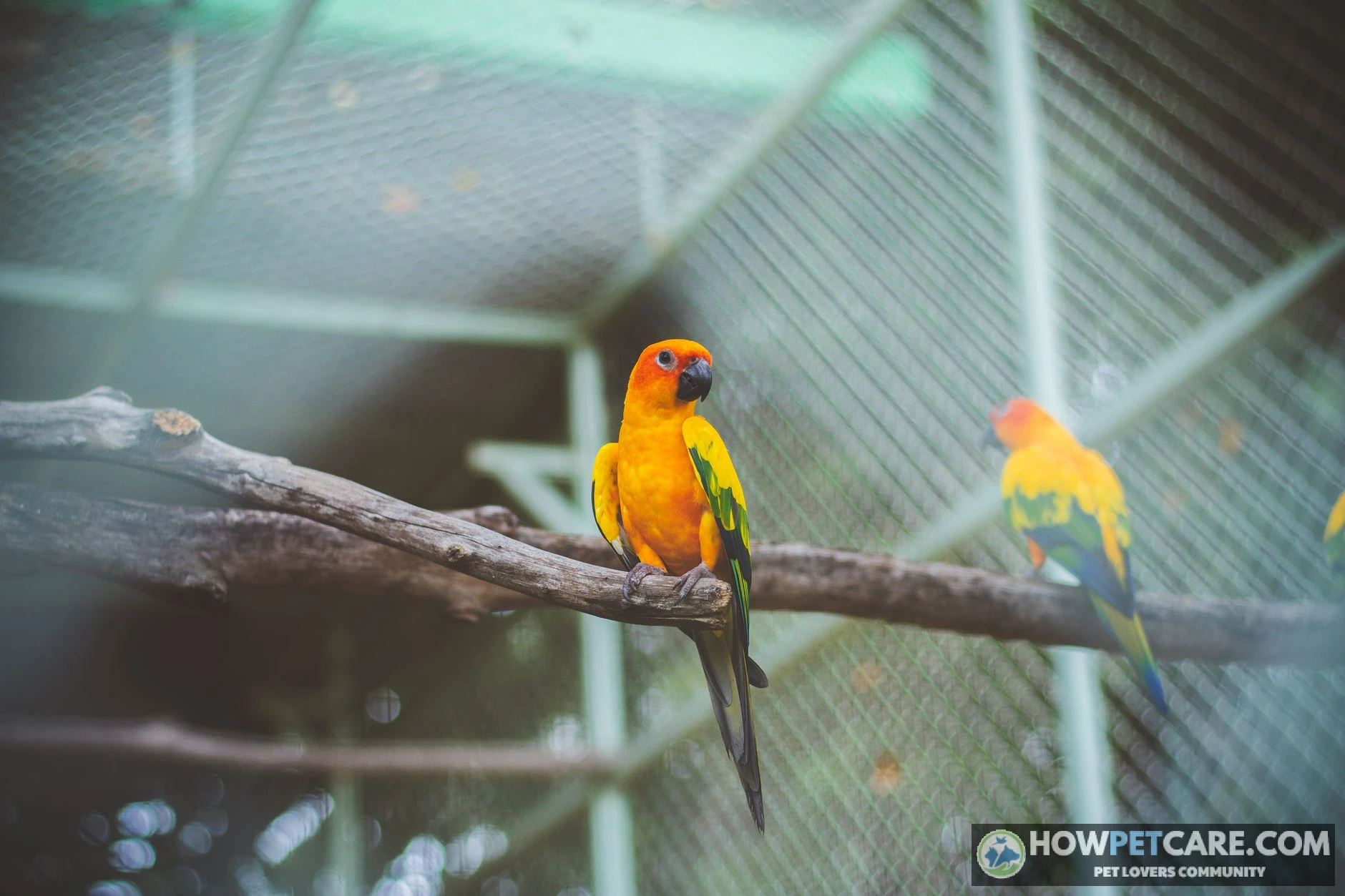
| Sun conure | About 12 in; 100–130 g | 20–30 years | 5 | $400–$700 | Affectionate, energetic, very loud | Experienced | Some mimic sounds; speech varies |
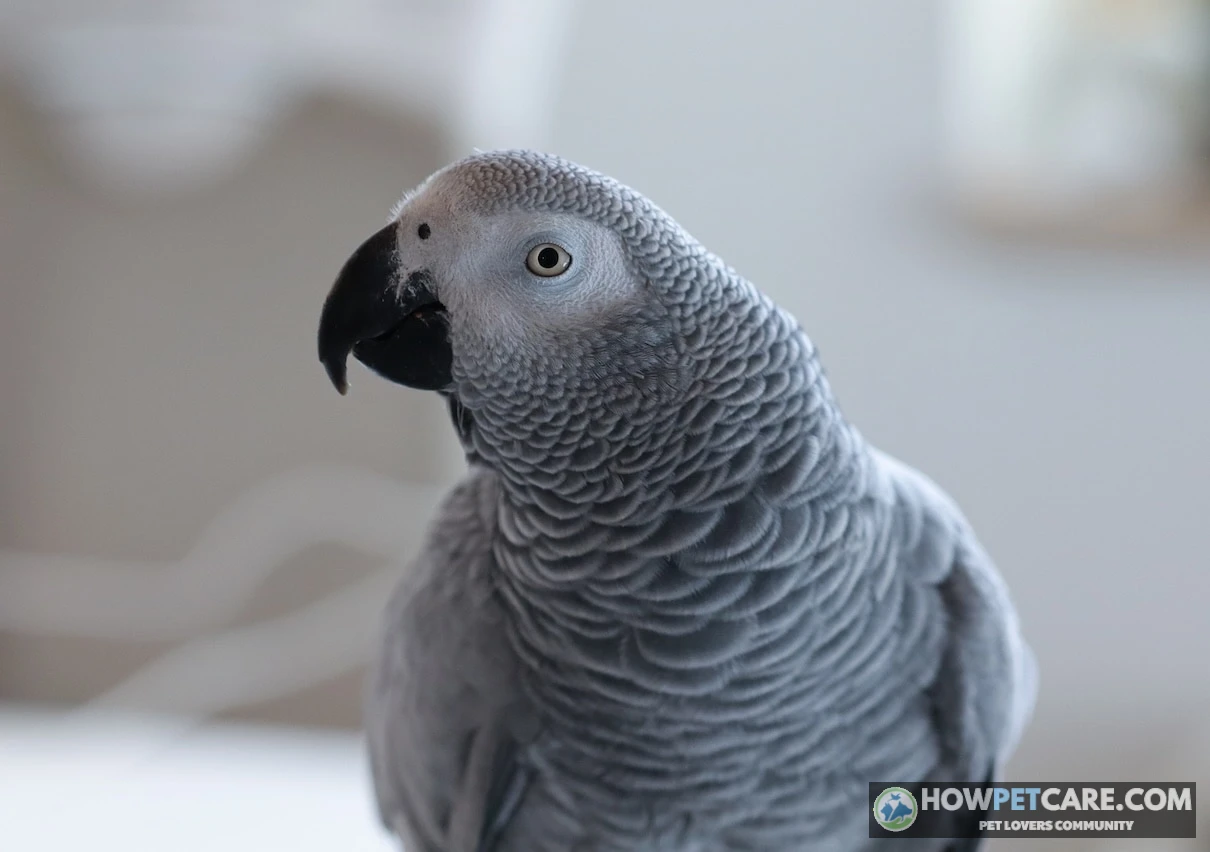
| African grey parrot | About 13 in; 400–600 g | 40–60+ years | 4 | $1,000–$3,500 | Highly intelligent and sensitive | Experienced | Often a strong mimic; individual variation is large |
| Umbrella cockatoo | About 18 in; 500–700 g | 40–70 years | 5 | $1,500–$4,000+ | Social, demanding, powerful | Experienced | Some mimic words and sounds |
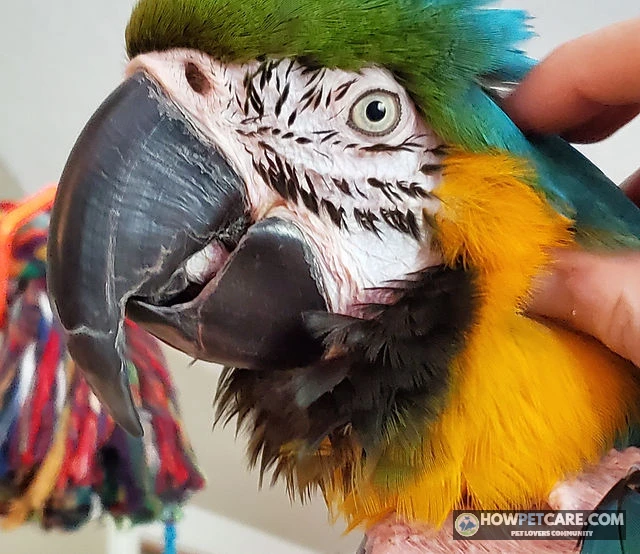
| Blue-and-gold macaw | About 30–36 in; 900–1,300 g | 50–80 years | 5 | $1,500–$3,500+ | Bold, strong, needs skilled handling | Experienced | Some mimic words and sounds |
The sizes and lifespans are approximate species ranges, not guarantees for an individual. Budgerigars are small Australian parrots; in the US, sellers often use “parakeet” to mean a budgerigar, though the word can also describe other small, long-tailed parrots.
How to use it: Start with noise and difficulty, then see whether the lifespan fits your plans, and only then compare purchase prices. The cheapest bird to buy is rarely the least expensive to keep.
For a first-time owner who wants a hands-on companion, a budgerigar or cockatiel is a good starting point—provided you can offer daily attention and a safe setup. If you’d rather watch than handle, look at a canary or a compatible pair of finches. A green-cheeked conure may fit someone with some bird experience, more time, and tolerance for louder calls. African greys, cockatoos, and macaws are usually best left to experienced keepers who can meet their substantial social, housing, and financial needs.
No species is truly low maintenance. Even a small bird needs fresh food and water, regular cleaning, enrichment, and an avian veterinarian.
Best Pet Birds for Beginners vs Experienced Owners: A Matching Guide
The tiers below describe the demands a typical owner should expect. “Beginner” does not mean a bird is safe to neglect or guaranteed tame. Every bird has its own temperament, and good care takes daily work.
Beginner tier: who it fits and which species
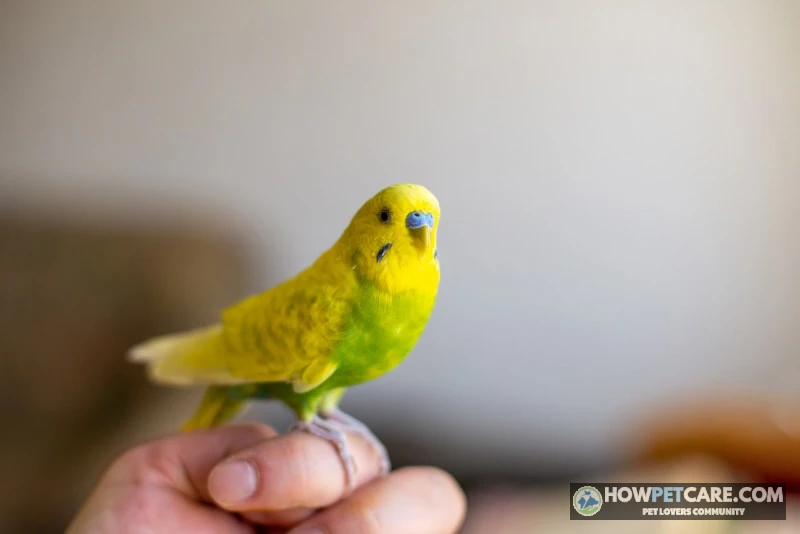
A beginner is anyone without prior bird-keeping experience who can keep a stable routine, feed and clean daily, provide a suitable cage, and budget for veterinary care. Budgerigars and cockatiels are common picks for an interactive first bird. They are smaller than large parrots and, with patient, reward-based hand-taming, can learn to step onto a hand. Any individual bird may still be shy, noisy, or reluctant to be handled.
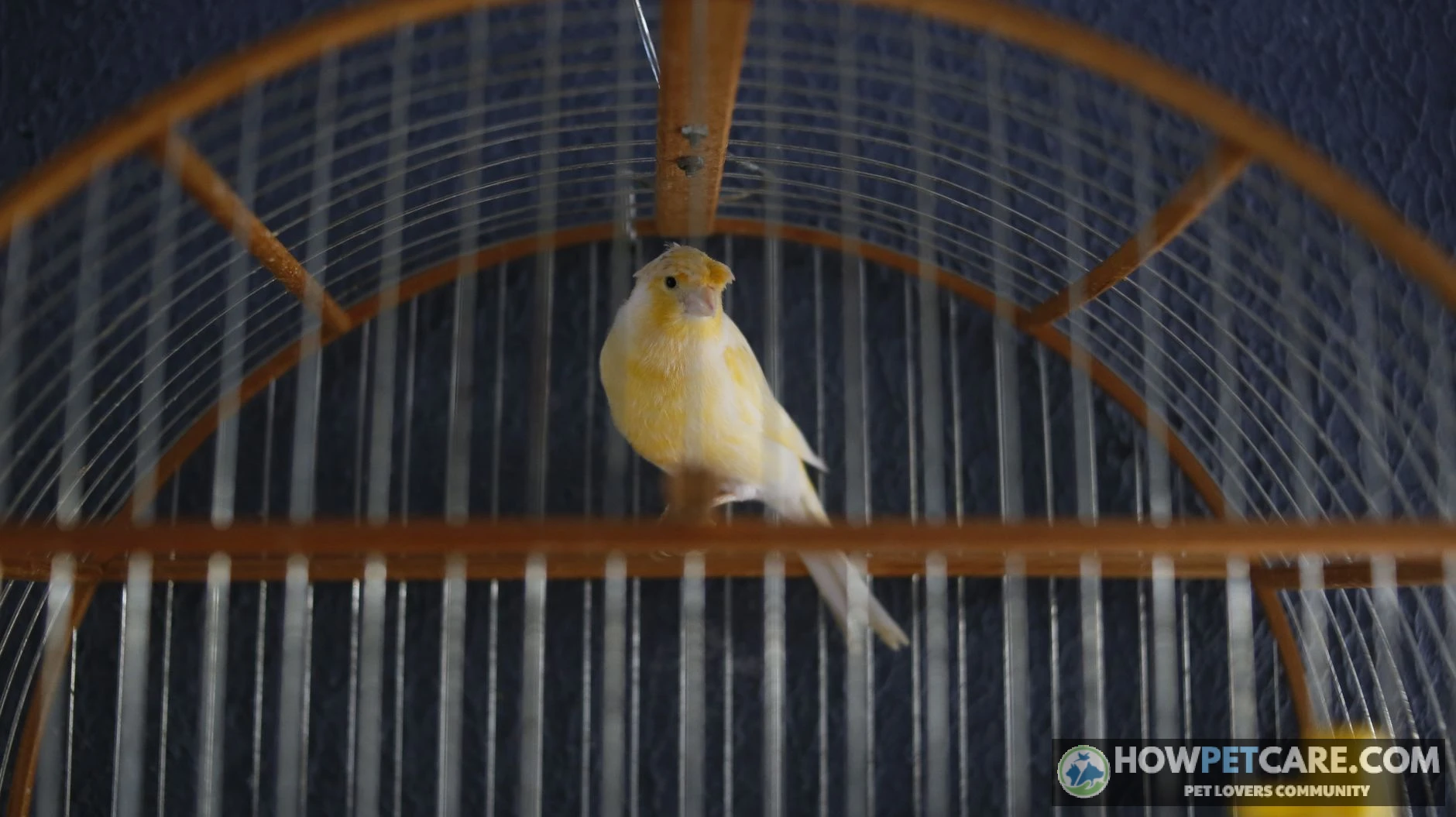
Canaries and finches suit first-time owners who are happy to watch rather than handle. They are not “starter parrots”—their needs and social behavior differ. Finches usually do best with their own kind, while canaries are often housed alone, especially since males can be territorial.
Intermediate tier: the step-up species
An intermediate owner has some experience with a small bird and understands daily interaction, gentle training, and how to spot behavior changes. Lovebirds, parrotlets, and conures may be candidates. Their small size can hide a confident personality, a strong bite for their body size, territorial behavior, or sharp calls. A green-cheeked conure is often quieter than a sun conure, but “quieter” does not mean silent or apartment-proof.
Choose this tier only if you can keep a consistent routine, provide safe out-of-cage activity, and manage nipping without punishment. A bird that bites or screams needs a careful look at its environment and health, not intimidation.
Experienced tier: what larger parrots demand
Experienced owners have a realistic plan for years of daily social contact, substantial enrichment, specialist veterinary care, and the fallout from a large bird’s calls and bite. African greys, cockatoos, and macaws can be highly demanding. Intelligence does not make a bird easy to care for—every bird needs appropriate activities and an environment that lets it behave normally.
Large parrots can develop serious welfare or behavior problems when their needs go unmet. Biting, persistent screaming, and feather damage can have medical or environmental causes. These birds need more than a large cage and occasional handling; they need an owner ready for long-term care and professional help when problems arise.
Small bird species list by owner profile
| Your situation | Species to consider | Main trade-off |
|---|---|---|
| First bird; wants hand-taming | Budgerigar, cockatiel | Daily interaction and cleaning; cockatiels live longer |
| First bird; prefers observing | Canary, finches | Less hands-on companionship; finches need social planning |
| Some bird experience; wants an active parrot | Lovebird, parrotlet, green-cheeked conure | More nipping, noise, and training demands |
| Experienced; space and budget for a large parrot | African grey, cockatoo, macaw | High noise, cost, behavior needs, and long commitment |
| Apartment with strict noise limits | Finch, canary; possibly budgerigar | Individual calls and building acoustics still matter |
Before choosing, ask yourself how many hours you are home each day, how much noise and mess you can tolerate, whether you can pay for urgent veterinary care, and who would care for the bird during travel or illness. If your answer depends on your current schedule staying unchanged for decades, reconsider a long-lived parrot.
Pet Bird Species That Talk, and Quiet Species for Apartments
Which species can mimic sounds
Budgerigars, cockatiels, African greys, Amazons, and some conures may mimic words or household sounds. Many individuals never speak, and a bird that repeats a word is not necessarily understanding it the way a human would. Mimicry varies from bird to bird, so do not choose a species because a seller promises it will talk.
Talking ability and loudness are separate traits. A bird may be a quiet mimic, while a bird that never learns a word can still call loudly. Ask to hear adult birds of the species in person rather than trusting a seller’s description of a young bird.
Noise ratings for apartment living
- Lower noise, ratings 1–2: Finch, canary, budgerigar, and often parrotlet. Expect chirping or song; a group of birds may be more audible than a single bird.
- Moderate or variable, ratings 2–3: Cockatiel, lovebird, and green-cheeked conure. Contact calls can be sharp and may travel through thin shared walls.
- High complaint risk, ratings 4–5: Sun conure, African grey, cockatoo, and macaw. Their calls can carry through a home and may be unsuitable for attached housing.
These are practical tiers, not a decibel guarantee. Time of day, individual temperament, number of birds, room layout, and building construction all affect what neighbors hear. Birds often call around dawn and dusk, though schedules vary. Predictable sleep, a calm routine, and foraging enrichment support welfare; they cannot make a naturally loud species quiet. Do not punish a bird for calling or use a cover to suppress normal behavior.
Renters should check the lease and noise rules, consider which walls are shared, and arrange a listening visit with adult birds before committing. If a loud dog next door would be unacceptable through the wall, a high-noise parrot is a risky choice.
How to keep a bird quieter without punishing it
Provide consistent sleep and activity routines, appropriate social contact, and safe enrichment. Make sure the bird has a suitable place to forage and chew. If calling changes suddenly or becomes persistent, consult an avian veterinarian to rule out health problems, and consider a qualified bird behavior professional. Avoid yelling back—it can become part of the interaction rather than a useful correction.
Common Pet Bird Species Profiled: Stat Boxes and Personality Notes
Parrots belong to the order Psittaciformes, often called psittacines. Canaries and finches are passerines, or songbirds. Parrots generally have curved, gripping beaks and feet built for grasping; many can be hand-tamed, though handling is never guaranteed. Passerines are usually best appreciated by watching and listening, not by expecting a bird to sit on a hand.
Small species: budgerigar, canary, finch, lovebird, parrotlet
Budgerigar (parakeet)
- Size: About 7 in; 30–40 g. Lifespan: commonly 5–10 years, sometimes longer. Noise: 2/5. Cage: at least 30 × 18 × 18 in, with bar spacing no wider than 1/2 in.
- Temperament and fit: Playful, active, and often a practical first parrot if you want to build trust gradually. Some learn words. A single bird needs daily social contact; a pair may focus more on each other.
- Watch-outs: A small body still needs flight space, varied perches, and safe time outside the cage.
Canary
- Size: 4–5 in; 12–30 g. Lifespan: commonly 7–10 years. Noise: 2/5, usually song rather than parrot calls. Cage: at least 24 × 18 × 18 in, with bar spacing around 3/8 in.
- Temperament and fit: A good match for an owner who enjoys song and observation. Males may sing; not all birds sing equally.
- Watch-outs: Canaries are generally not hands-on pets. Many are housed singly, especially males, because of territorial behavior.
Finch
- Size: About 4 in; 10–20 g. Lifespan: commonly 5–10 years. Noise: 1/5. Cage: at least 30 × 18 × 18 in for a small compatible group, with spacing around 1/2 in or less.
- Temperament and fit: Active, social, and usually better for watching than handling. Finches generally need companionship from their own kind and enough horizontal flight space.
- Watch-outs: Plan group composition carefully; housing birds together is not automatically safe if they are incompatible.
Lovebird
- Size: 5–6 in; 40–60 g. Lifespan: commonly 10–15 years. Noise: 3/5. Cage: at least 24 × 18 × 24 in, with bar spacing around 1/2 in.
- Temperament and fit: Bold and energetic, with a strong personality. A suitable candidate for an owner ready for consistent interaction and training.
- Watch-outs: Can be territorial and nippy. A pair may bond closely with each other and interact less with people.
Parrotlet
- Size: 4–5 in; 28–35 g. Lifespan: commonly 15–20 years. Noise: 2/5. Cage: at least 24 × 18 × 24 in, with bar spacing around 1/2 in.
- Temperament and fit: Small but confident and active; may suit an owner with some experience and time for daily interaction.
- Watch-outs: Do not mistake small size for a low-demand temperament. Nipping and territorial behavior can occur.
Medium species: cockatiel and conure
Cockatiel
- Size: 12–13 in; 80–120 g. Lifespan: commonly 15–25 years. Noise: 2–3/5. Cage: at least 24 × 24 × 30 in, with bar spacing around 5/8 in.
- Temperament and fit: Often gentle and expressive; many whistle, and some learn words. A possible first bird for a household prepared for a long commitment.
- Watch-outs: Cockatiels produce feather dust and need daily social time, safe exercise, and regular cleaning.
Green-cheeked conure
- Size: About 10 in; 60–80 g. Lifespan: commonly 20–30 years. Noise: 3/5. Cage: at least 24 × 24 × 30 in, with bar spacing around 5/8 in.
- Temperament and fit: Playful and interactive; may suit an owner with some bird experience and time for training and enrichment.
- Watch-outs: Can nip and make sharp calls. The lifespan and daily demands go well beyond those of a typical small songbird’s.
Large species: African grey parrot, cockatoo, and macaw
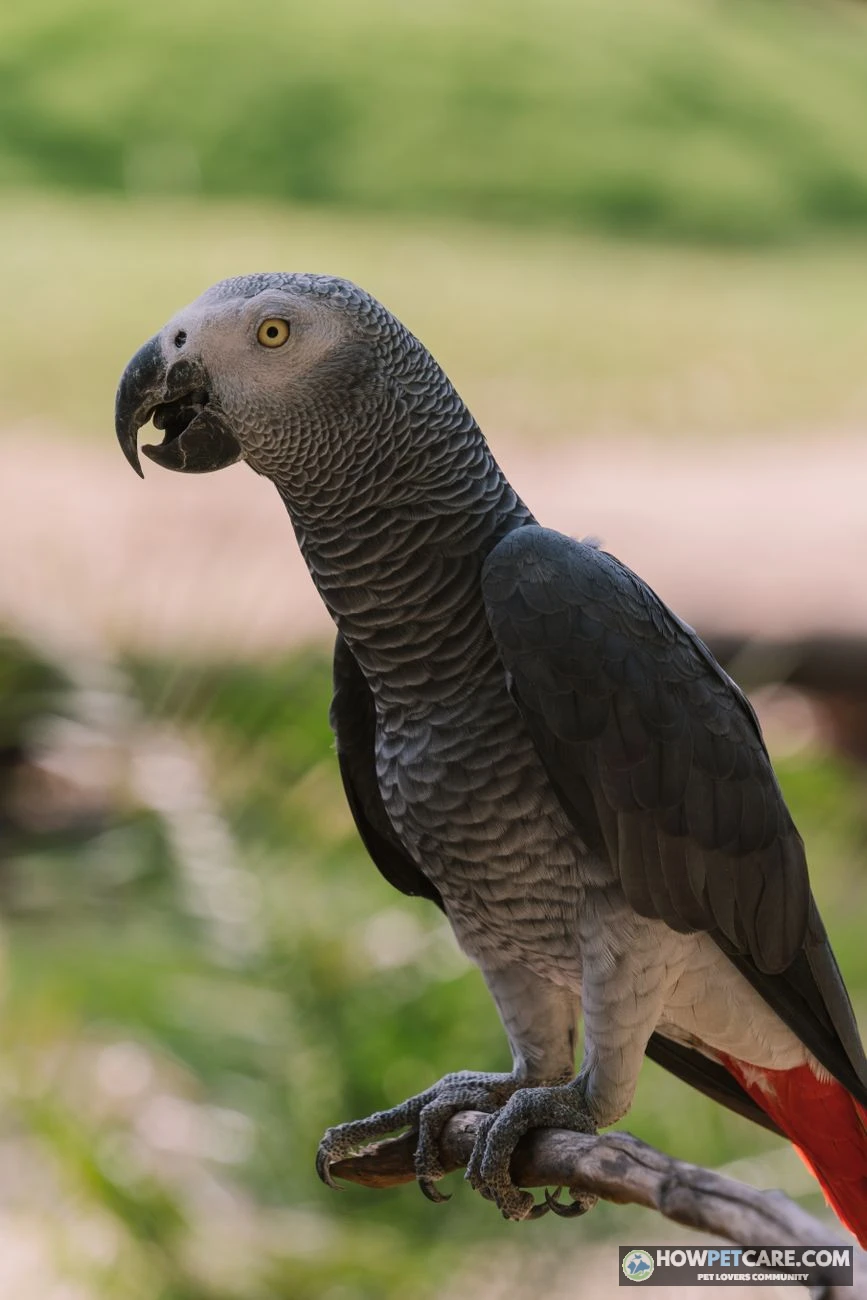
African grey parrot
- Size: About 13 in; 400–600 g. Lifespan: commonly 40–60+ years. Noise: 4/5. Cage: at least 36 × 24 × 48 in, with bar spacing around 3/4–1 in.
- Temperament and fit: Exceptionally capable of learning and often sensitive to changes. Best considered by an experienced owner with a long-term care plan.
- Watch-outs: Vocal mimicry can include alarms and household sounds. Social and enrichment needs are substantial.
Umbrella cockatoo
- Size: About 18 in; 500–700 g. Lifespan: commonly 40–70 years. Noise: 5/5. Cage: at least 36 × 36 × 48 in, with sturdy construction and spacing appropriate to the bird.
- Temperament and fit: Social and demanding; requires extensive daily engagement and an owner prepared for loud calls.
- Watch-outs: A strong beak, high noise, and long lifespan make this a poor impulse choice.
Blue-and-gold macaw
- Size: About 30–36 in; 900–1,300 g. Lifespan: commonly 50–80 years. Noise: 5/5. Cage: at least 48 × 36 × 60 in, with heavy-duty construction and appropriately wide bar spacing.
- Temperament and fit: Large, powerful, and intelligent. Consider only with extensive experience, space, and a realistic lifetime-care arrangement.
- Watch-outs: Calls carry, equipment costs are high, and a bite can cause serious injury.
Cage dimensions here are starting minimums, not universal veterinary standards. Bigger is better when it is safe, and the bird should be able to move and spread its wings without hitting the sides. Confirm dimensions and bar spacing with an avian veterinarian or a reputable species-care resource before buying a cage. Never use a cage with bars wide enough for a bird’s head to get trapped.
The broad pattern is consistent: larger parrots generally need more space, stronger equipment, bigger budgets, and more careful handling. They also tend to live far longer and call louder. Small does not mean effortless, but the risks and scale of daily care differ substantially.
How Long Do Pet Birds Live? Lifespan and What a 50-Year Commitment Means
Lifespan ranges by species
| Species or group | Typical lifespan range |
|---|---|
| Finches | 5–10 years |
| Canaries | 7–10 years |
| Budgerigars | 5–10 years |
| Lovebirds | 10–15 years |
| Cockatiels | 15–25 years |
| Parrotlets | 15–20 years |
| Conures | 20–30 years |
| African greys | 40–60+ years |
| Cockatoos | 40–70 years |
| Macaws | 50–80 years |
These are planning ranges, not guarantees or records. Diet, preventive care, safe housing, genetics, and access to prompt veterinary treatment all affect an individual bird’s health. A seed-only diet is not a sound default for parrots; ask an avian veterinarian to help plan a balanced diet suited to the species and the individual bird.
Planning for a bird that outlives you
A parrot acquired in your 30s may still need care when you are elderly. A 50-year lifespan is not an abstract maximum—it can mean the bird outlives a home, a relationship, a career, or its first owner. Before choosing a long-lived species, identify a willing future guardian and discuss the bird’s needs with them. Put care instructions and financial arrangements in writing; consider whether a will or pet trust is appropriate in your state.
Rehoming is not a reliable backup plan. A bird may struggle to adjust to repeated moves, and a rescue may not have space when you need it. If you cannot name a realistic long-term plan for a multi-decade commitment, choose a shorter-lived species or wait.
Total Cost of Owning a Pet Bird: Purchase, Cage Setup, Food and Vet Care
All figures below are approximate US-dollar planning estimates, not quoted market averages. They reflect broad breeder, retail, and rescue price ranges and typical starter equipment and care categories; actual prices vary by region, source, cage quality, and the bird’s health. Annual veterinary figures cover routine care and a new-bird exam, not a major emergency or specialist treatment. The source dossier does not provide a verified national price survey, so use these ranges to build a local budget rather than as a promise.
Annual cost by species
| Species | Purchase/adoption | Cage and setup | Annual food | Annual vet care | Toys/enrichment yearly | Estimated first-year total | Estimated yearly after year one |
|---|---|---|---|---|---|---|---|
| Budgerigar | $20–$80 | $150–$300 | $60–$120 | $100–$250 | $40–$100 | $370–$850 | $200–$470 |
| Cockatiel | $75–$250 | $200–$450 | $80–$160 | $120–$300 | $50–$120 | $525–$1,280 | $250–$580 |
| Lovebird | $50–$200 | $200–$400 | $80–$160 | $120–$300 | $60–$130 | $510–$1,190 | $260–$590 |
| Green-cheeked conure | $250–$500 | $250–$500 | $100–$200 | $150–$300 | $75–$150 | $825–$1,650 | $325–$650 |
| African grey | $1,000–$3,500 | $600–$1,200 | $150–$300 | $200–$450 | $150–$300 | $2,100–$5,750 | $500–$1,050 |
| Canary | $50–$150 | $150–$350 | $50–$100 | $100–$250 | $30–$80 | $380–$930 | $180–$430 |
| Finch | $15–$50 per bird | $150–$350 | $50–$120 | $100–$250 | $30–$80 | $345–$850, before extra birds | $180–$450 |
| Macaw | $1,500–$3,500+ | $1,000–$2,500+ | $250–$500 | $250–$600 | $200–$500 | $3,200–$7,600+ | $700–$1,600+ |
Totals are broad planning estimates assembled from the category ranges; they do not include home modifications, boarding, damage, or emergency treatment. A green-cheeked conure might reasonably cost $825–$1,650 in the first year, with ongoing routine expenses around $325–$650 a year. An African grey might run $2,100–$5,750 in the first year, with ongoing expenses around $500–$1,050. Large medical bills can exceed these routine budgets.
Where beginners overspend and underspend
The purchase price is only one part of ownership. A safe, appropriately sized cage, an initial avian-vet exam, food, and replaceable enrichment can cost more than the bird. Set aside a separate emergency fund before bringing a bird home; the amount needed depends on local specialist fees and the care your bird may require. Ask an avian veterinarian about likely exam and diagnostic costs in your area.
Adoption may reduce the initial fee and can give you useful information about an adult bird’s personality, but adopted birds may also need medical or behavior support. Buying a cage once at the correct size is usually better than replacing an undersized one. Rotate safe toys and make simple foraging activities rather than buying a constant stream of products, but do not cut costs by withholding enrichment or veterinary care.
Cage Size, Daily Care and Housing Pairs: What Each Species Actually Needs
Minimum cage sizes and bar spacing
| Species | Starting minimum cage dimensions (W × D × H) | Approximate bar spacing |
|---|---|---|
| Budgerigar | 30 × 18 × 18 in | 1/2 in or less |
| Canary | 24 × 18 × 18 in | About 3/8 in |
| Finch | 30 × 18 × 18 in for a small group | 1/2 in or less |
| Lovebird | 24 × 18 × 24 in | About 1/2 in |
| Parrotlet | 24 × 18 × 24 in | About 1/2 in |
| Cockatiel | 24 × 24 × 30 in | About 5/8 in |
| Green-cheeked conure | 24 × 24 × 30 in | About 5/8 in |
| African grey | 36 × 24 × 48 in | About 3/4–1 in |
| Umbrella cockatoo | 36 × 36 × 48 in | Confirm for individual bird; sturdy bars required |
| Blue-and-gold macaw | 48 × 36 × 60 in | Confirm for individual bird; heavy-duty cage required |
These are planning minimums, not a substitute for individual advice. The cage should allow safe movement, and a flighted bird benefits from a wider layout rather than a narrow, tall cage. Check bar spacing carefully: a bird must not be able to squeeze its head between bars. Use secure latches and species-appropriate materials.
Daily routine: out-of-cage time, diet and enrichment
Parrots need daily chances for movement and interaction outside the cage in a bird-safe room. The amount depends on the individual and household, but a small parrot should not be treated as a decoration that can spend its life confined. Canaries and finches are generally less suited to handling; they still need flight space, social or environmental enrichment, fresh food and water, and daily observation.
For many parrots, a formulated pellet diet works as a base, alongside suitable vegetables and other foods recommended for that species. Seeds may have a role, but a seed-only diet is not an adequate default for parrots. Canaries and finches have different dietary needs. Ask an avian veterinarian for a transition plan and species-specific diet advice rather than changing food abruptly.
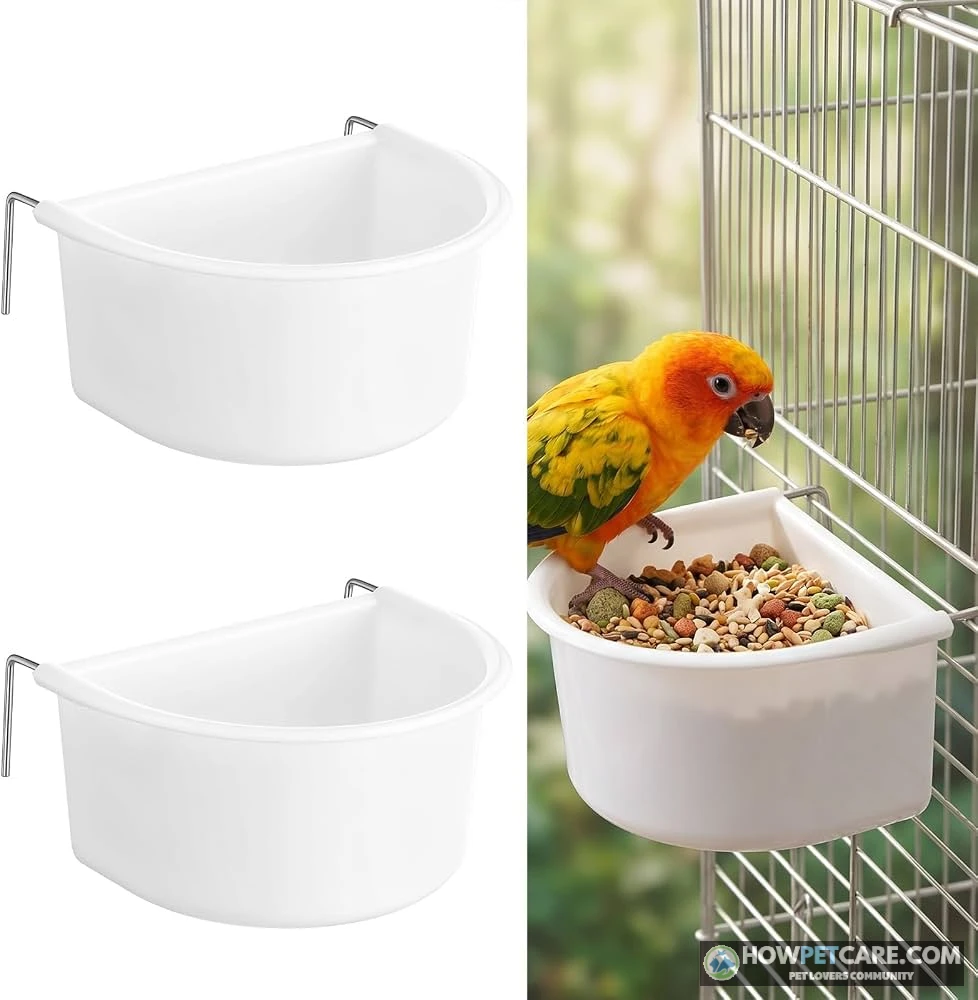
Offer safe perches of varied diameters, chewable materials, and foraging opportunities. Rotate enrichment so the bird has choices without making every day unpredictable. Clean food and water dishes daily, remove spoiled fresh food, and clean the cage regularly. Birds can hide illness, so watch appetite, droppings, posture, and activity.
Keeping birds in pairs or groups
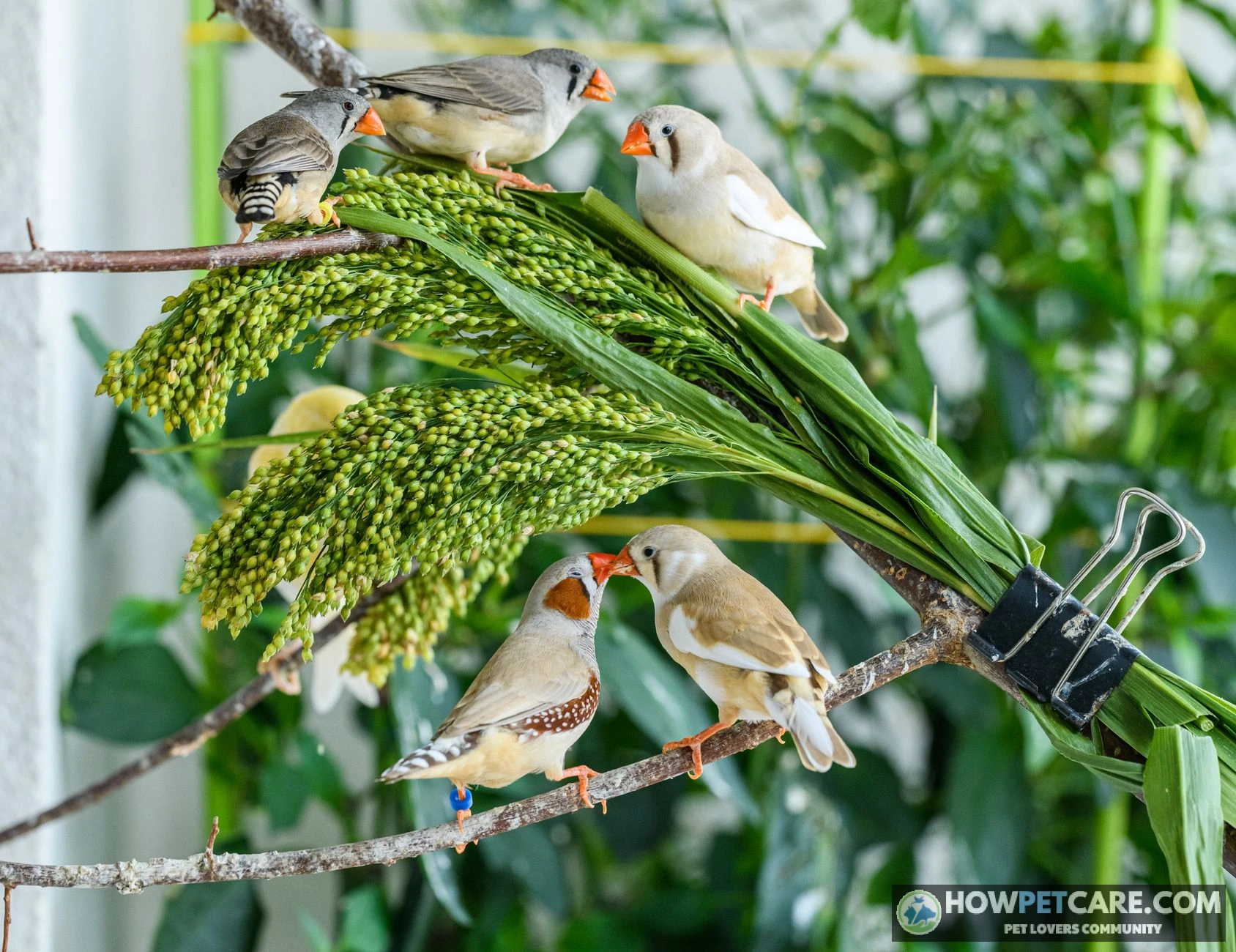
Finches are social and generally do best with compatible companions of their own kind, with enough room and resources to avoid competition. Lovebirds and some parrotlets can be kept in pairs, but birds may bond strongly with each other and show less interest in people. A pair is not automatically compatible; introductions and housing need care. Canaries are commonly housed singly, and males may be territorial.
A second bird does not replace human care, and it can mean a larger cage, more food, more cleaning, and additional veterinary costs. Ask an avian veterinarian or reputable rescue about compatibility before housing birds together.
Biting, screaming and feather-picking in larger parrots
A sudden behavior change deserves an avian-vet assessment before you assume it is “bad behavior.” Pain, illness, disrupted sleep, fear, isolation, and lack of enrichment can all affect behavior. Avoid punishment, forced handling, or attempts to stop feather damage without investigating its cause. A veterinarian can assess health; a qualified bird behavior professional can help with a humane plan for training and the home environment.
Before You Bring a Bird Home: Household Hazards, Legality, Rescue vs Breeder and Quarantine
Household hazards to remove first
Birds have sensitive respiratory systems. Overheated PTFE-coated cookware and some appliances can release fumes that are lethal to birds. Do not use non-stick cookware, air fryers, or other PTFE-containing products in a way that exposes a bird to fumes; moving the bird to another room may not be enough if air circulates through the home. Review appliance materials and choose a bird-safe cooking setup.
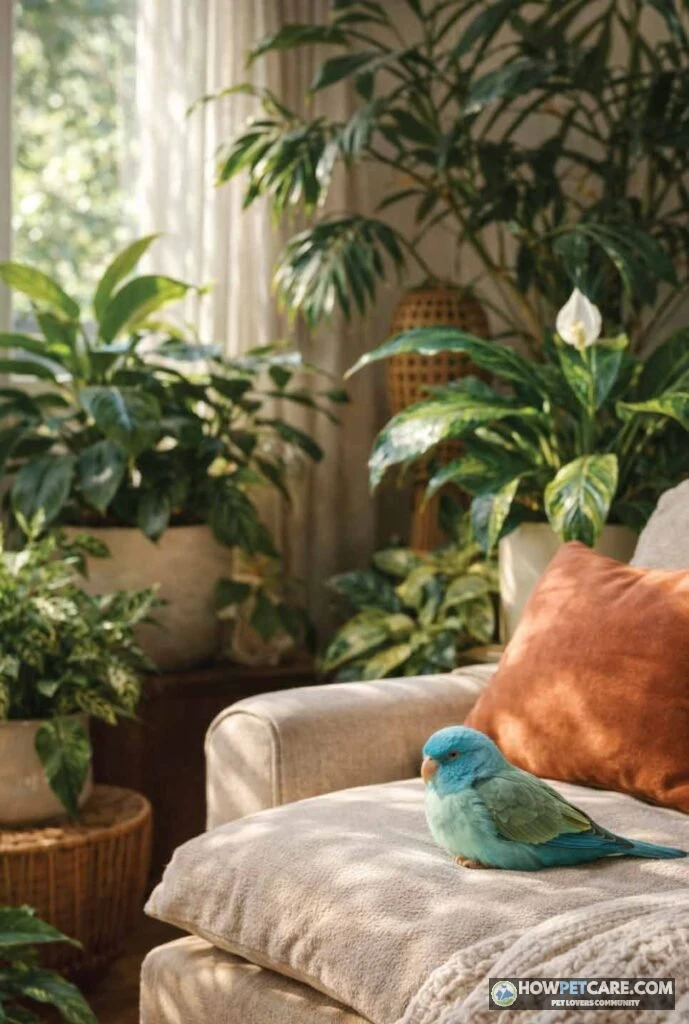
Also keep birds away from aerosols, scented candles, plug-in air fresheners, smoke, and self-cleaning ovens. Turn ceiling fans off before a bird is out of its cage; secure windows and doors; remove or restrict access to unsafe plants; and never leave a bird unsupervised with cats, dogs, or other pets. A bird-safe room needs more than a closed cage door.
Legal checks by state and landlord
US federal law regulates wildlife imports and protected species, but it does not mean every species is legal to keep everywhere. State, county, and city rules may restrict particular birds; Quaker parrots are restricted in some jurisdictions. Check current rules with your state wildlife agency and local government before acquiring a bird, and confirm any permit requirements. This is not an exhaustive legal review. Your lease, homeowners association rules, and local noise ordinances may impose additional limits.
USDA APHIS administers provisions of the Animal Welfare Act, including federal requirements relevant to certain animal businesses and activities. Those rules do not replace state and local ownership checks. Do not rely on a seller’s assurance that a species is legal in your area.
Adopt or buy: sourcing a healthy bird
A rescue may offer an adult bird with a known history and personality, and adoption can be less expensive than purchasing from a breeder. The trade-off is that some rescued birds need patience, medical attention, or careful behavior support. Ask what is known about the bird’s diet, handling, veterinary history, and previous home.
If you consider a breeder, look for transparent health records, a willingness to answer questions, and an opportunity to observe the bird and its living conditions. Ask whether the bird is fully weaned and eating independently. Avoid pressure sales, promises that a bird is guaranteed to talk or be tame, and anyone unwilling to discuss health or return arrangements. Locate an avian veterinarian before choosing a source.
Pre-purchase health inspection and quarantine
Before committing, observe the bird at rest and, if possible, eating. Look for bright, clear eyes; clean nostrils; smooth feathers; quiet, steady breathing; a clean vent; alert responses; and droppings that are not persistently watery or unusually discolored. A bird sitting fluffed on the cage floor, breathing with visible tail-bobbing, or showing discharge needs prompt veterinary assessment. A visual check cannot prove a bird is healthy, so arrange a new-bird examination with an avian veterinarian.
If you already have birds, keep a new arrival in a separate room with separate air space for the period your veterinarian recommends; several weeks is commonly advised. Wash hands after caring for the newcomer and care for established birds first, then the new bird. Use separate supplies, monitor appetite and droppings, and have the new bird examined before introductions. Your veterinarian should guide the length and details of quarantine based on the birds and local disease risks.
PTFE and other heated non-stick fumes, smoke, aerosols, and unattended ceiling fans can put a bird at immediate risk. Make the home bird-safe before you bring a bird into it, and ask an avian veterinarian about uncertain products.
Build Your Shortlist: A Step-by-Step Checklist for Choosing the Right Pet Bird Species
Five-step shortlist flow
-
Set housing and noise limits
Check your lease, shared walls, available space, and tolerance for calls. For strict apartment limits, begin with quieter songbirds or consider a budgerigar only after hearing adult birds in person.
-
Set a realistic budget
Include purchase or adoption, cage and setup, food, enrichment, routine avian veterinary care, and a separate emergency reserve. Don’t choose based on purchase price alone.
-
Choose your experience tier
With no bird experience, start by comparing budgerigars, cockatiels, canaries, and finches. Consider more demanding parrots only if you have relevant experience and a plan for their needs.
-
Decide whether you want handling or observation
For a hands-on companion, research parrot species and remember that tameness is individual. For song and activity without frequent handling, look at canaries or compatible finches.
-
Match lifespan to your future plans
If a multi-decade commitment does not have a realistic guardian and financial plan, remove long-lived parrots from your shortlist.
Example shortlists by situation
- First-time apartment renter: A canary or finch pair may fit an observation-first home. A budgerigar could be considered if the lease allows birds and you have confirmed the building can accommodate its calls.
- Family with children: Consider a cockatiel or budgerigar only with adult supervision and a plan that makes an adult responsible for daily care. No bird should be treated as a child’s sole responsibility.
- Budget-conscious beginner: Compare adoption options for a budgerigar, canary, or finch, while budgeting for a suitable cage and veterinary care. A low purchase fee does not remove ongoing expenses.
- Hands-on owner interested in a talker: Start by researching budgerigars or cockatiels and accept that speech is never guaranteed. Do not move to a large parrot solely for its mimicry.
- Experienced owner considering a large parrot: Visit rescues and meet adult birds; assess noise, time, space, veterinary access, and a long-term guardian plan before considering an African grey, cockatoo, or macaw.

Pre-commitment checklist
- ☐ I have checked my lease, local noise rules, and species legality.
- ☐ I have located an avian veterinarian and know the likely exam costs.
- ☐ I have selected a cage with suitable dimensions, bar spacing, and secure construction.
- ☐ I have removed or addressed non-stick fume, fan, window, aerosol, and other-pet hazards.
- ☐ I have a routine-care budget and a separate plan for urgent veterinary expenses.
- ☐ I know who can care for the bird during travel, illness, or a major life change.
- ☐ I have spent time observing an adult bird of the species and asked about its history.
- ☐ I understand the bird’s daily care and lifespan, not just its purchase price.
The best next step is not to buy a bird today. Choose two candidate species from the comparison, visit a reputable rescue or breeder to observe adults, and speak with an avian veterinarian about care and costs before you commit.
FAQ
Is a parakeet the same as a budgerigar?
In the US, ‘parakeet’ most often refers to the budgerigar, a small Australian parrot. ‘Parakeet’ is also a broader term for many small, long-tailed parrot species, so check the species name when buying.
Can I keep a pet bird if I work full time?
Yes, but choose the species with that schedule in mind. Canaries and finches are comfortable being watched rather than handled. Hand-tamed parrots such as cockatiels, conures and larger species need daily out-of-cage time and social contact, and they may become noisy or stressed when ignored.
Do I need an avian veterinarian, or can my regular vet treat a bird?
Birds are a specialty. Many general vets do not treat them, so find an avian or exotic-animal vet before you buy. Birds hide illness, and early specialist care is often the difference between a minor problem and an emergency.
Do pet birds need to be kept in pairs?
It depends on the species. Finches are social and do best with their own kind. Canaries are usually housed singly, and lovebirds and parrotlets can be kept in pairs, though a pair may bond less with people than a single bird.
Are pet birds messy?
Yes. Birds scatter seed hulls, feathers, dander and droppings daily, and larger parrots add chewed toys and food waste. Expect to clean the cage floor and food dishes every day and do a thorough cage cleaning weekly.
At what age should a first bird be brought home?
Hand-raised young birds that are fully weaned are usually the easiest to tame, but an older rescue bird with a known personality can be a good match too. Ask the seller or rescue for the bird’s age, weaning status and health history.