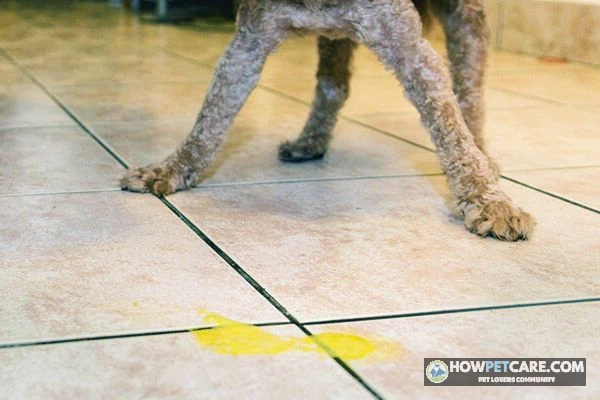

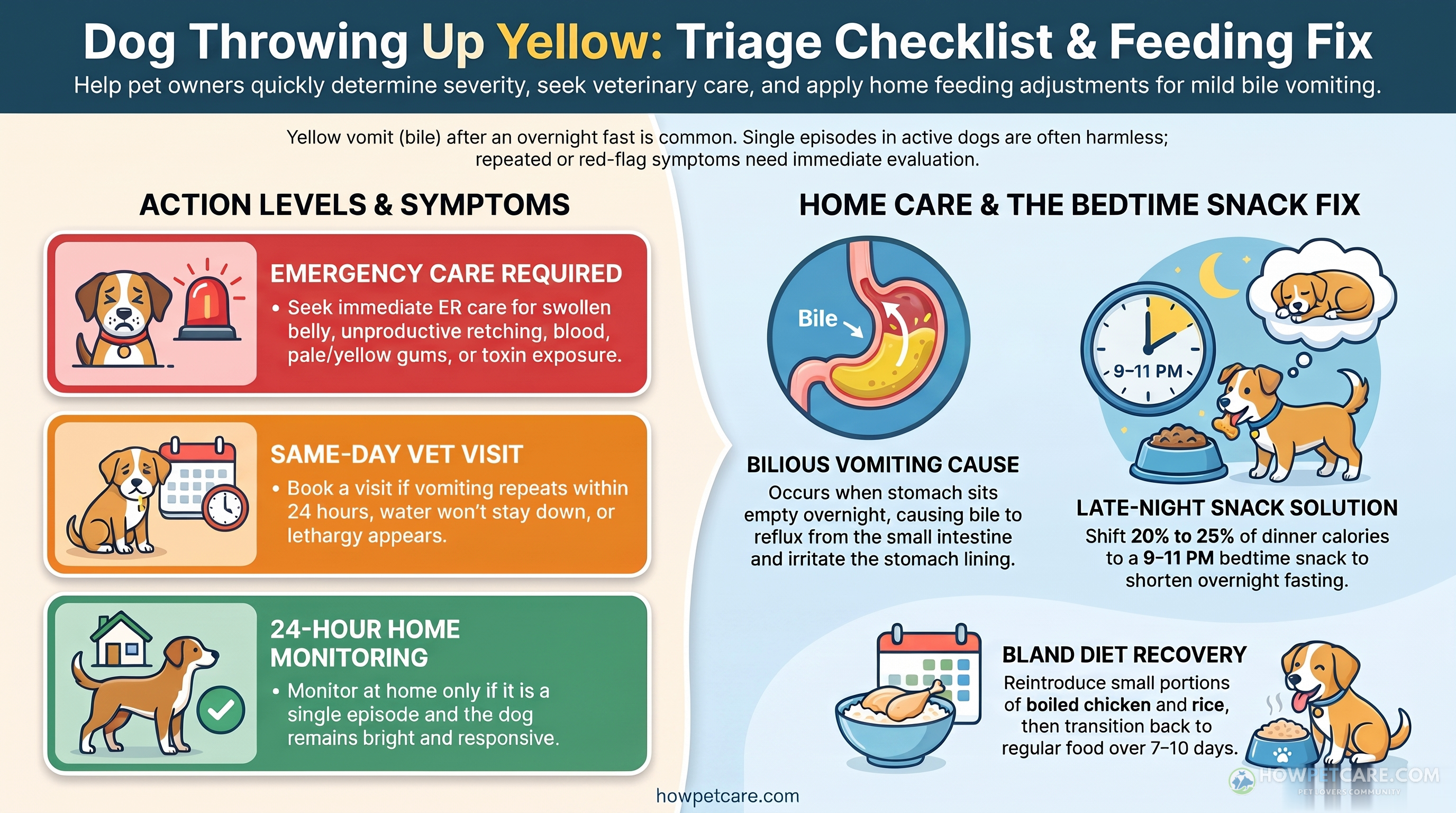
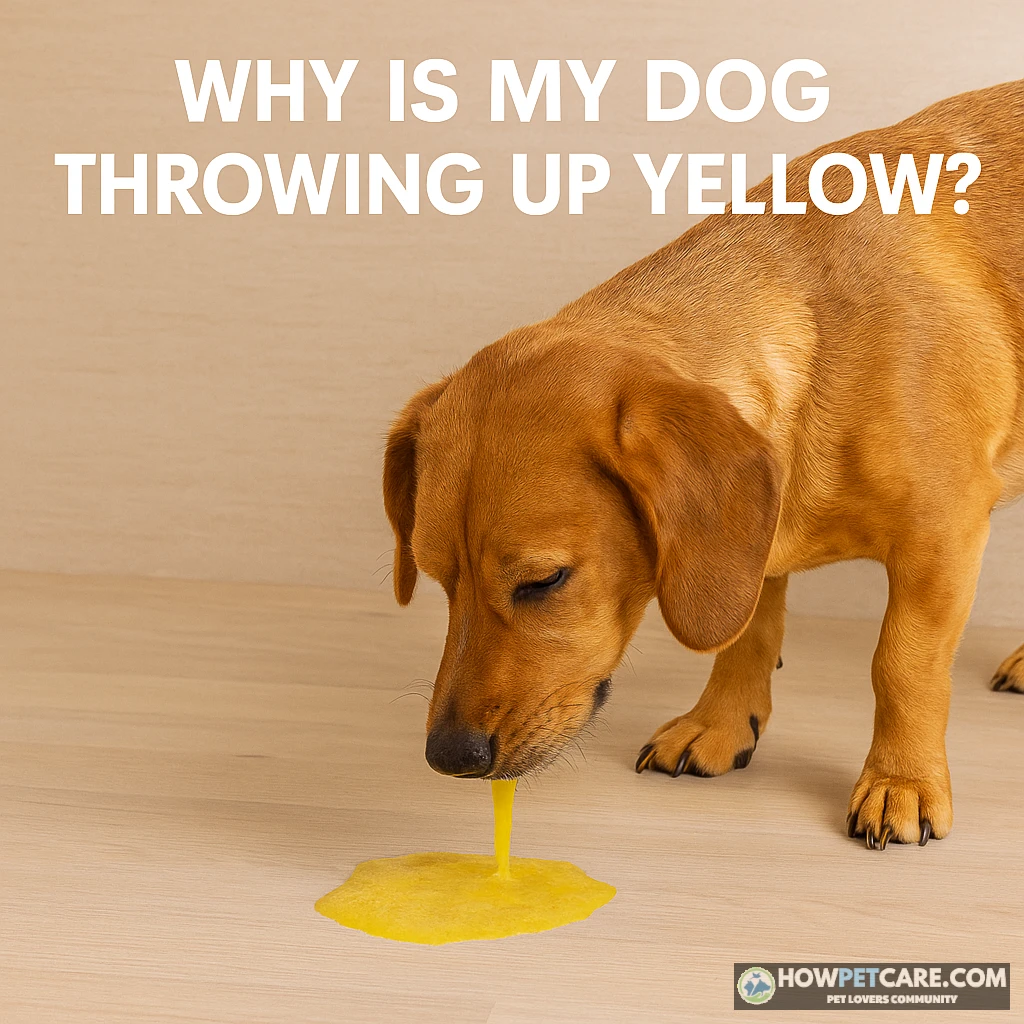
Yellow vomit in a dog is usually bile that refluxes into an empty stomach, often after a long overnight fast. One episode in a bright, hungry dog is typically low risk. Repeated vomiting, a swollen belly, blood, pale or yellow gums, or possible toxin exposure means emergency vet care now.
Yellow fluid or foam in a dog’s vomit is almost always bile, a digestive fluid that refluxes into an empty stomach. A single episode in a bright, hungry, otherwise normal dog is usually low risk. What matters is what else you see: a hard or swollen belly, repeated vomiting, blood, pale or yellow gums, or any chance your dog swallowed a toxin or an object. Run the two-minute checklist below first. It can help you distinguish an empty-stomach episode from a dog throwing up yellow fluid who needs a vet right now.
If there’s any chance your dog ate rodenticide, xylitol, human medication, antifreeze, or a toy, sock, bone, string or corn cob, don’t monitor at home. Call your vet or an animal poison hotline now. Poison hotlines may charge a fee, but the call is worth it.
Emergency now: go to the vet immediately
If any of these apply, stop reading and call an emergency clinic or drive there.
- ☐ Hard, swollen, or painful belly, especially with unproductive retching (heaving with nothing coming up)
- ☐ More than about 2 to 3 vomiting episodes in a few hours, or water comes straight back up
- ☐ Red blood or black, coffee-ground material in the vomit, or severe ongoing diarrhea
- ☐ Pale, white, gray, or yellow gums; yellow whites of the eyes
- ☐ Collapse, extreme lethargy, seizures, labored breathing, crying out, or a prayer-position belly-pain stance
- ☐ Possible exposure to rodenticide, xylitol, human medication, antifreeze, or a swallowed object
Unproductive retching in a deep-chested dog fits the pattern of bloat. Gastric dilatation-volvulus (GDV) is one of the dangerous causes of yellow vomiting, alongside foreign-body obstruction, acute pancreatitis, Addison’s disease, intestinal infection and other broader digestive emergencies. Repeated vomiting drains water and electrolytes quickly, so a dog that can’t keep water down can become dehydrated. Gum color is a quick check you can make at home: pink and moist is reassuring, while pale, white, gray or yellow is an emergency.
Vet today: book a same-day visit
- ☐ Vomits again after you offer a small amount of water
- ☐ No interest in food for about 24 hours
- ☐ Diarrhea together with vomiting, or the belly feels sore when gently touched
- ☐ Recent fatty table-scrap binge, garbage raid, or sudden diet change, with symptoms continuing
- ☐ Known history of pancreatitis, kidney or liver disease, Cushing’s, Addison’s, diabetes, or long-term NSAID or steroid use
Vomiting twice or more within 24 hours is a widely used threshold for bringing a dog in for an exam. A same-day visit can catch problems such as early pancreatitis or a partial obstruction before they become emergencies. If your dog vomits once and then again after a few laps of water, the stomach isn’t settling.
Monitor at home for 24 hours
Use this level only when every line below is true.
- ☐ One episode total, not repeated
- ☐ Bright, responsive, and willing to drink
- ☐ Normal stool so far and normal energy
- ☐ No known access to toxins, trash, or chewable objects
- ☐ Not in a higher-risk group: puppy, senior, diabetic, or bloat-prone breed (covered in detail further down)
Twenty-four hours is the standard observation window after a single mild episode. During that time, follow the logging and feeding plan below. It gives you specific changes to watch for and a record to share if your dog needs care.
Raise the action one level for high-risk dogs. Monitor becomes vet today, and vet today becomes emergency, for puppies under about six months, toy breeds, seniors with a first-ever episode, diabetic dogs on insulin, deep-chested bloat-prone breeds, pregnant dogs, and dogs that are immunocompromised.
| Signs you see | Action level | What to do next |
|---|---|---|
| Hard or swollen belly with unproductive retching; collapse; pale or yellow gums; seizures; labored breathing | Emergency now | Go to an ER clinic or call one en route; don’t wait for a morning appointment |
| 2 to 3 or more vomiting episodes in a few hours, or water won’t stay down; blood or coffee-ground material | Emergency now | ER visit; bring a photo of the vomit and any packaging you found |
| Possible toxin or swallowed object, even without symptoms yet | Emergency now | Call your vet or an animal poison hotline immediately |
| Vomits again after small sips of water; no food for 24 hours; diarrhea plus vomiting; sore belly | Vet today | Book a same-day appointment and start the symptom log |
| Known pancreatitis, kidney or liver disease, diabetes, Cushing’s, or Addison’s history with any new vomiting | Vet today | Same-day call; these dogs can deteriorate faster than healthy ones |
| One episode, bright and responsive, drinking normally, normal stool, no toxin access | Monitor 24 hours | Withhold food briefly, offer water in small amounts, log every episode, reassess at 24 hours |
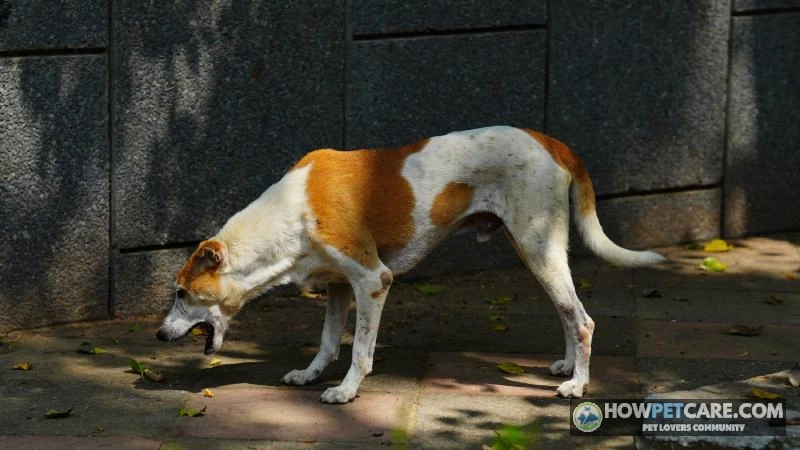
Vomiting or Regurgitation? How to Tell Before You Decide What’s Wrong
The distinction matters because different organs may be involved. Vomiting is an active process with strong abdominal contractions, usually preceded by signs of nausea such as drooling and lip-licking. Regurgitation is passive reflux from the esophagus: there’s no heaving or warning, and the material never reached the stomach. That’s why it’s typically not bile-yellow.
Four clues you can observe at home:
- Warning signs. Drooling, lip-licking, repeated swallowing and a hunched, unsettled look point to vomiting. Regurgitation happens without that buildup.
- Effort and sound. Vomiting involves rhythmic abdominal heaving and often a retching sound. Regurgitation is more like a soft spill or a single cough-like gag.
- Timing. Regurgitation often happens within minutes to a couple of hours of eating or drinking. Vomiting can happen at any time; the classic bile episode follows a long overnight fast.
- What comes up. Undigested food that still looks like kibble, a tubular, sausage-shaped lump, or clear mucus suggests the esophagus. Partly digested food, yellow fluid, or foam suggests the stomach.
Regurgitation points toward esophageal problems such as megaesophagus, a stricture, esophagitis, or an object lodged in the esophagus. The major risk is aspiration pneumonia rather than dehydration. Vomiting points toward the stomach, intestines, pancreas, liver, kidney and systemic causes. If you’re unsure which you saw, film the next episode on your phone. Owners often misjudge the difference, and a ten-second video can tell your vet more than a paragraph of description.
There’s a third look-alike: coughing or throat-gagging followed by a small blob of white or yellow foam, often with a honking cough. That’s more consistent with airway and throat irritation such as kennel cough than with a stomach problem.
Side-by-side signs: vomit vs regurgitation vs cough-gag
| What you may be seeing | Observable home clues | Yellow or not | What it points to | Do now |
|---|---|---|---|---|
| True vomiting | Lip-licking, drooling, nausea look, abdominal heaving, then fluid comes up | Often yellow fluid or foam if the stomach is empty | Stomach, intestines, pancreas, liver or kidney, reflux, blockage, toxins | Use the triage checklist; film the episode if it’s safe to do so |
| Regurgitation | No warning heaving; effortless spill, often soon after eating or drinking; undigested food may look tubular | Usually not bile-yellow, because the material never reached the stomach | Esophagus problems: megaesophagus, stricture, esophagitis, lodged object | Same-day vet advice if it repeats; aspiration risk matters |
| Ordinary bile or foam | Yellow to greenish liquid or pale foam after a long fast, then the dog acts normal and hungry | Classic bright yellow | Empty-stomach pattern (bilious vomiting) or mild stomach irritation | Monitor 24 hours only if the dog fits the low-risk checklist |
| Cough-gag foam | Honking cough or throat gag first, then a small blob of foam | White or yellow-tinged foam | Airway or throat irritation such as kennel cough rather than stomach | Call the vet if the cough persists, the dog is a puppy or senior, or breathing looks hard |
| Toxin-yellow look-alike | Bright blue, green or pink dyed chunks, bait crumbs, chewed packaging, garage or shed access, or a missing toy; later pale gums, nosebleeds, bruising, weakness | Color may be dye, not true bile | Rodenticide bait, dyed foreign material, xylitol, medication or antifreeze exposure | Skip monitoring: call the vet or a poison hotline now and bring the packaging |
What the Yellow Liquid Is: Bile, Yellow Foam, and Toxin Look-Alikes
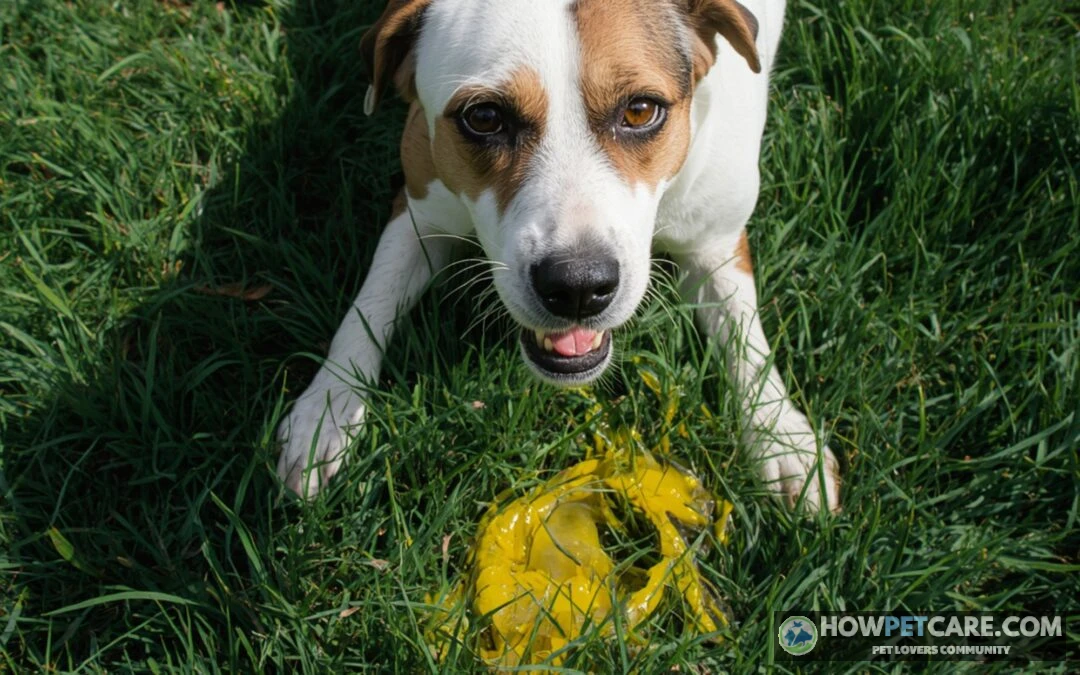
Bile is a digestive fluid made by the liver and stored in the gallbladder. It’s yellow to green and appears in vomit when the stomach is empty and bile refluxes back from the small intestine into the stomach. That mechanism explains much of what you may see, but color alone can’t identify the cause. Yellow vomit means bile reached an empty stomach; it doesn’t, by itself, mean liver disease.
Vomit appearance chart: color, likely meaning, what to do
| Appearance | Most likely meaning | Action |
|---|---|---|
| Pale yellow foam, small volume | Empty stomach, mild irritation, or a cough-gag episode | Check the triage list; if low risk, monitor and start the log |
| Bright yellow liquid | Bile from an empty stomach, the classic bilious pattern | Feeding-schedule review; vet if repeated within 24 hours |
| Yellow-green or dark green | Bile mixed with other stomach contents, or recently eaten grass | Vet today if it repeats or the dog seems off |
| Yellow mixed with food | Stomach irritation or dietary indiscretion | Vet today if it continues past one episode |
| Brown or coffee-ground material | Old blood from the stomach or upper intestine | Emergency now |
| Red streaks | Fresh blood, possible ulcer or irritation | Emergency now if more than a streak, or if the dog is pale or weak |
| Bright blue, green or pink dyed material | Possible rodenticide bait or a dyed object | Emergency now: call the vet or a poison hotline and keep the packaging |
| Yellow gums, yellow eye whites, yellow skin | Jaundice, a liver or red blood cell problem | Emergency now; this is a separate problem from yellow vomit |
Bile vs toxin: the context clues that matter
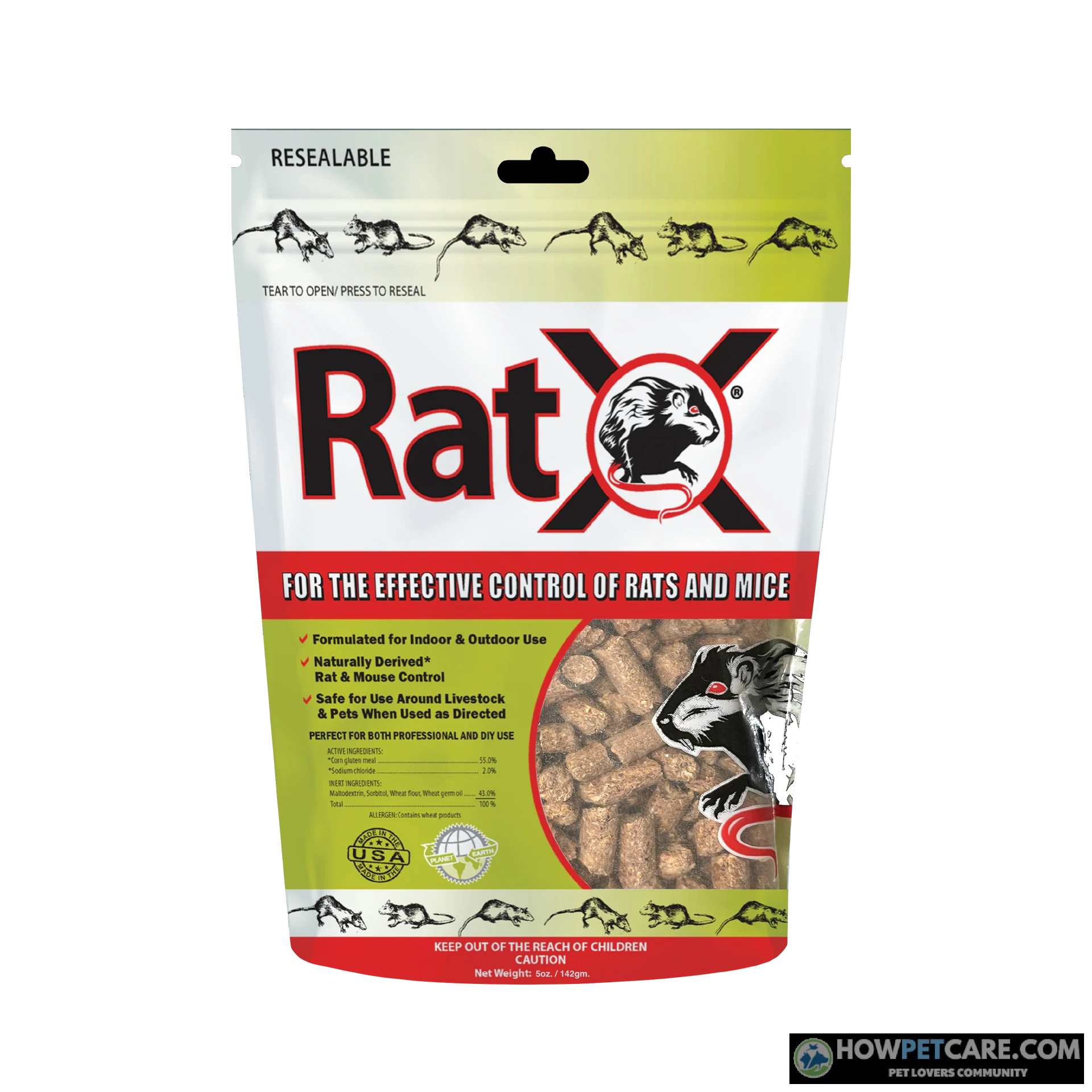
Anticoagulant rodenticide doesn’t reliably produce bile-colored vomit, so the appearance can be misleading. Look instead for possible access to bait, a garage, a shed or a neighbor’s yard. Signs can be delayed, with lethargy, pale gums, nosebleeds, bruising, bloody stool or urine, and weakness sometimes appearing days later.
First, dyed bait chunks or chewed packaging near the vomit, or a dog with known access to a treated area. Second, pale gums, nosebleeds, unexplained bruising, or black tarry stool, even if you saw vomit only once. Either one means skip monitoring and call a vet or an animal poison hotline now.
Other exposures include xylitol in sugar-free gum and some peanut butters, human medications, certain plants, and antifreeze. If you suspect any of these, time matters: make a phone call rather than searching for more answers online.
Why Dogs Vomit Bile: Bilious Vomiting Syndrome, Empty Stomach, and Other Causes
Bilious vomiting syndrome is bile vomiting in an otherwise healthy dog, typically in the early morning after a long overnight fast. The first-line fix is a late-night snack, not an antacid. The syndrome shows up most often in young to middle-aged, medium-sized dogs that are otherwise completely healthy.
The causes range from benign to serious:
- Benign: a long gap between meals, a very early dinner, simple hunger, grass eating, and mild gastritis.
- Moderate: dietary indiscretion such as garbage, table scraps or fatty food, acid reflux, food intolerance, stress, and motion sickness.
- Serious:a pancreatitis flare (often after a fatty meal, with belly pain and lethargy), intestinal blockage or foreign body ingestion, kidney or liver disease, Addison’s disease, intestinal infection, and bloat in deep-chested breeds.
Early-morning bile vomiting explained
Overnight is the longest stretch without food. When the stomach sits empty, bile refluxes from the small intestine, stomach acid and bile irritate the lining, and the dog may also swallow bile-laden fluid. That’s why bilious vomiting syndrome peaks in the early morning or late at night after a long fast. Shortening that fast is the goal, and a late bedtime meal is the most effective first intervention for the syndrome.
Do antacids actually help bilious vomiting syndrome?
Usually not. Acid reducers treat acid, while bilious vomiting syndrome is largely a motility problem, so standard acid reducers and anti-nausea drugs often do nothing for it. A vet may instead prescribe a prokinetic such as cisapride at bedtime for persistent cases. That’s a prescription decision, not something to improvise with human medicine at home. It also doesn’t replace a feeding-schedule change.
Bilious vomiting syndrome vs pancreatitis vs blockage
Watch how your dog acts afterward. A dog with bilious vomiting syndrome is bright, hungry, and back to normal within minutes. A dog with pancreatitis is typically painful, off food, dull, sometimes hunched or reluctant to lie down. A dog with a blockage vomits repeatedly, often can’t keep water down, may have a history of swallowing something, and gets worse rather than better through the day. When the picture is mixed, see the vet rather than continuing to observe.
Occasional vomiting may be a schedule problem. Vomiting more than once in a day, several times a week, or with weight loss needs a work-up: a feeding tweak won’t fix reflux, motility disease or an obstructed intestine.
Dog Vomited Yellow but Acts Normal: Your 24-Hour Home Plan
A one-off episode is common and usually harmless, but a structured watch helps you spot a change. For 24 hours, write down what you see, manage water and food carefully, and know which signs would send you to the vet.
The 24-hour monitoring log
Log every episode, then recheck the other items every hour or two while you’re awake. You can hand this record to your vet.
| Time | Vomit or regurgitation? | Appearance and amount | Episode number today | Food, water, or exposure before it | Water since last check | Appetite | Energy | Stool | Gums and belly | Action taken |
|---|---|---|---|---|---|---|---|---|---|---|
| 7:10 am | Vomit | Bright yellow liquid, about 2 tablespoons | 1 | Nothing since 7 pm the night before | A few laps, kept down | Skipped breakfast | Normal | Normal | Pink gums, soft belly | Withheld breakfast, started log |
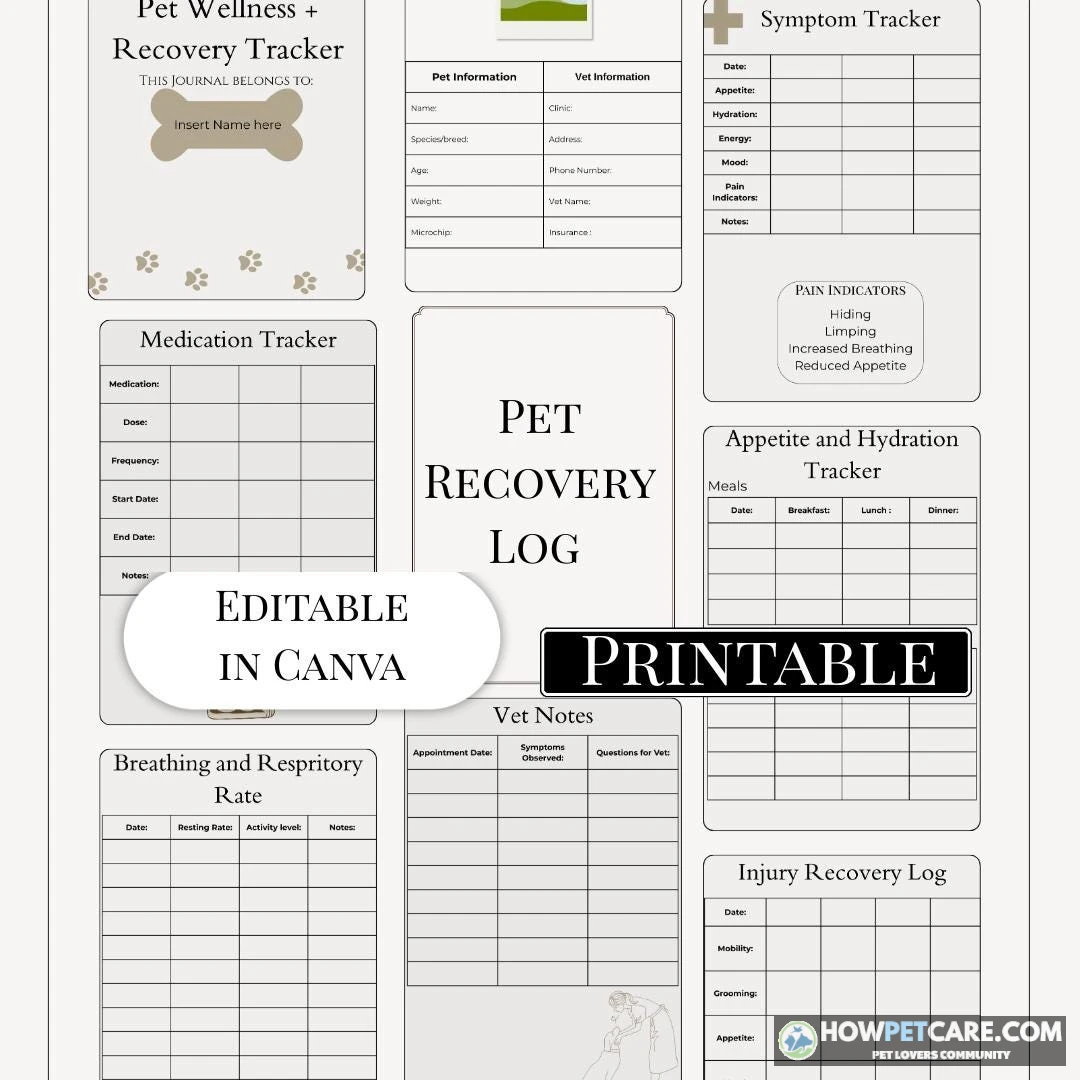
Stop monitoring and call a vet today if the log shows a second vomiting episode, water that won’t stay down, diarrhea, lethargy, belly pain, blood, pale or yellow gums, or refusal to eat by the 24-hour mark.
How long to withhold food, and when to offer water
Published guidance differs: some veterinary references advise 12 to 24 hours of fasting for mild vomiting, while others advise 8 to 12 hours depending on the clinical situation. Those recommendations apply to different dogs; don’t split the difference at random.
For a healthy adult dog with a single episode, withhold food for roughly 6 to 12 hours and keep water available. Longer fasting is generally reserved for dogs under direct veterinary supervision or for dogs with more severe or repeated vomiting. Most adults at home don’t need it. Offer water in small amounts first, and wait until the stomach has settled before offering full meals.
Puppies, toy breeds, senior dogs, and diabetic dogs on insulin shouldn’t be fasted on your own initiative. Puppies and small dogs can develop low blood sugar and dehydration fast, and a diabetic dog that skips a meal while still receiving insulin can become dangerously hypoglycemic. Call the vet first.
For water, wait roughly 1 to 2 hours after the vomiting episode before pushing fluids, then offer a few laps or a couple of ice chips every 20 to 30 minutes and allow more only if nothing comes back up. If water comes back up, call the vet the same day rather than trying to give more.

Bland diet reintroduction schedule
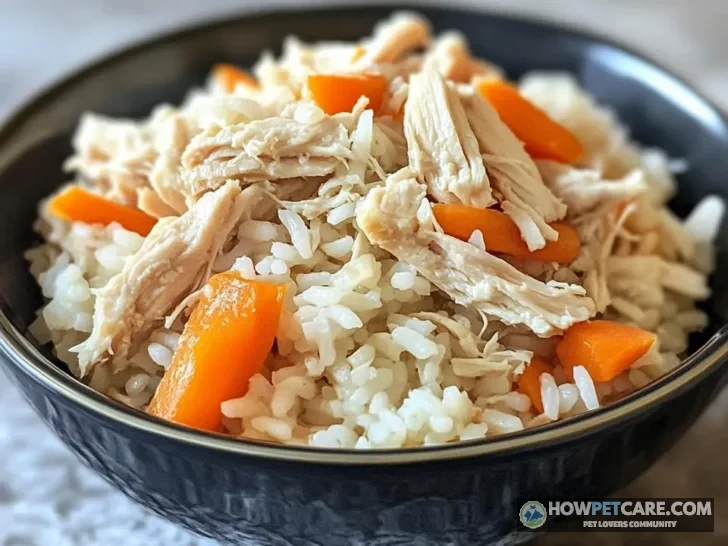
Once your dog has gone several hours without vomiting and is interested in food, reintroduce it in small, bland diet portions. Offer plain boiled chicken and white rice, or a vet-recommended gastrointestinal diet, at about a quarter to a third of the normal portion, three to four times a day for 24 to 48 hours.
Then transition back to regular food gradually. A slow change over roughly 7 to 10 days, sometimes stretched to 14 days for sensitive dogs, avoids triggering another upset. Sudden switches and rich treats are common ways owners restart the cycle.
Signs of success include no vomiting for 24 hours, normal energy, a normal appetite, and normal stool. Don’t give human antacids, anti-nausea drugs, or probiotics on your own; doses and ingredients can be unsafe, and they can mask a developing problem.
When Yellow Vomiting Needs Different Rules: Puppies, Seniors, Diabetics and Bloat-Prone Breeds
General wait-and-see advice is meant for a healthy adult dog. For dogs in the groups below, use these thresholds instead.
Puppies
A puppy under about six months, or a small-breed puppy of any age, has little reserve. Vomiting can be an early sign of parvovirus, parasites, or a swallowed object, and dehydration and low blood sugar can develop within hours. Don’t fast a puppy. Call the vet the same day for any vomiting, and go now for repeat vomiting, lethargy, bloody stool, or an incomplete vaccination history.
Senior dogs
A first-ever yellow vomit in an older dog deserves attention because it can be an early sign of kidney, liver, pancreatic or endocrine disease. Book a same-day or next-day visit even if the dog seems fine afterward. In seniors, one episode isn’t automatically reassuring.
Diabetic dogs
Call the vet before withholding food or giving the next insulin dose. Skipping a meal while insulin is already on board can drive blood sugar dangerously low. A five-minute phone call is more useful here than an hour of internet reading.
Deep-chested, bloat-prone breeds
Great Danes, Standard Poodles, Weimaraners, German Shepherds and dogs with similar builds need to be treated as bloat risks. Unproductive retching with a tight or swollen belly is an emergency. GDV is fatal within hours if untreated, and yellow vomit can be part of that picture rather than a benign bile episode.

Other dogs need different rules too: those with a pancreatitis history, kidney or liver disease, Cushing’s or Addison’s disease, or long-term NSAID or steroid use. These are general guidelines; the vet who knows your dog’s history sets the final rule.
How to Stop Early-Morning Bile Vomiting: A Feeding Schedule That Works
First, rule out disease. If vomiting is frequent, your dog is losing weight, or the dog acts off between episodes, get a vet check before adjusting meals. If the low-risk checklist fits and the pattern is early-morning bile in an otherwise normal adult dog, try the schedule change below.
-
Confirm the pattern for about a week
Track when the yellow fluid appears. Early-morning bile within 0 to 2 hours of waking, followed by normal appetite and energy, is the pattern this change targets. If weight loss, pain, diarrhea, or repeated daytime vomiting shows up, stop and call the vet.
-
Split the same ration into three meals
Don’t add calories. Move roughly 20 to 25 percent of the daily food out of dinner and into a late bedtime meal, so total intake stays the same.
-
Set a concrete bedtime window
Serve the final small meal between about 9 and 11 pm, or 3 to 4 hours after dinner, and offer breakfast within 30 to 60 minutes of waking. Keep the timing consistent, including on weekends.
-
Change over 5 to 7 days
Shift the dinner portion a little later each night rather than switching all at once, and skip fatty scraps and rich treats during the test.
-
Escalate if it is not working
If bile vomiting still happens about twice a week or more after 2 to 3 consistent weeks, happens at other times of day, or any red flag appears, book a vet visit rather than making another schedule change.
Here’s an example for a dog eating 2 cups of food a day: breakfast at 7:00 am is 1 cup, dinner at 6:00 pm is 0.7 to 0.8 cup, and the bedtime snack at 10:00 to 10:30 pm is 0.4 to 0.5 cup of the same food. The exact split depends on your dog’s weight and your vet’s advice. The aim stays the same: the same calories with a shorter overnight fast.
What to do if your dog refuses the late-night meal
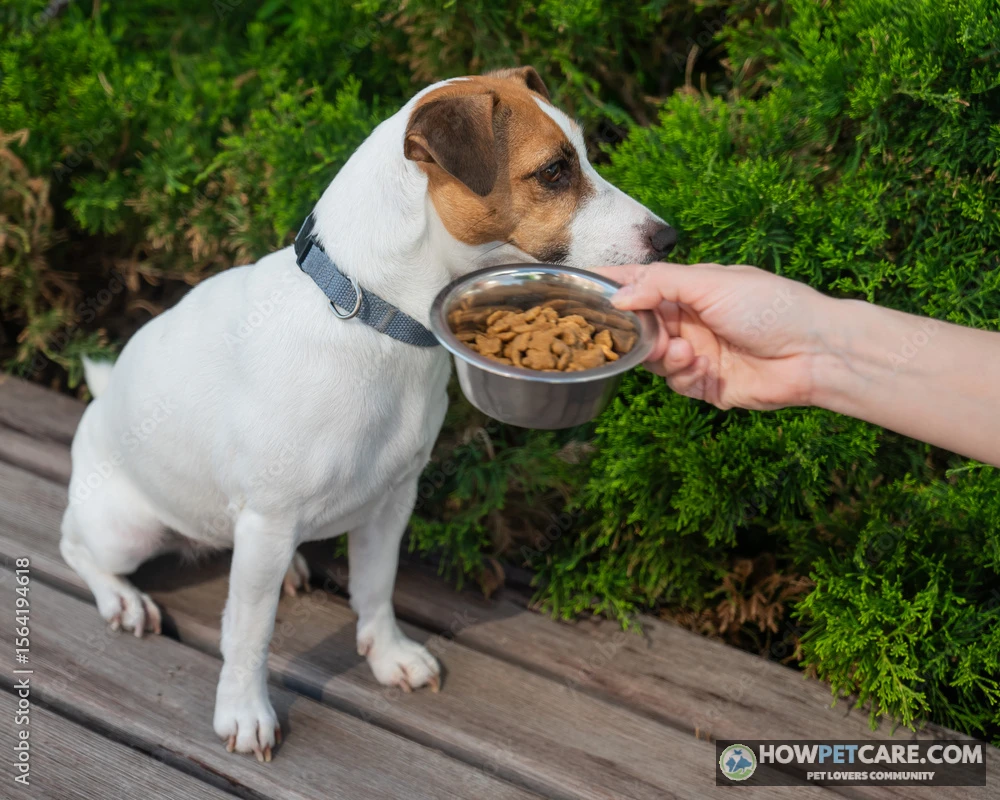
Refusal is the most common reason this plan fails, so have a fallback ready. Warm the food briefly to make it more appealing, reduce it to a few bites rather than a full portion, serve regular kibble instead of wet food, or move the meal 30 to 60 minutes earlier. If refusal continues, switch to three evenly spaced meals during the day with the last one as late as practical, and offer a small snack on waking.
When a schedule change is not enough
If the pattern persists despite a consistent schedule, your dog may need testing for reflux, a motility problem, pancreatitis or another cause. A vet may prescribe a prokinetic such as cisapride for persistent bilious vomiting; it addresses the motility issue rather than the acid. Stress and sudden diet changes can also disrupt schedules, so keep meal times steady and the trash out of reach.
What the Vet Will Do and What It Costs: Tests, Treatments and Realistic Price Ranges
A typical visit starts with a history and physical exam: hydration, gum color, belly palpation, and pain assessment. The tests that follow depend on what the vet finds, your dog’s age, and whether the vomiting is repeating.
Diagnostic tests and why each is used
- Bloodwork checks organ function, hydration, infection and inflammation markers, glucose and electrolytes, and can hint at Addison’s disease.
- X-rays, often two or three views, look for blockage patterns, gas distribution, bloat, and some foreign material.
- Ultrasound gives a better look at the pancreas, intestines, motility, fluid, and objects X-rays miss.
- Fecal and parvovirus tests are standard for puppies, diarrhea, or incomplete vaccine history. A pancreatic test may be added if pancreatitis is suspected.
Treatment options a vet may use
Outpatient care usually means vet-directed anti-nausea or acid-reducing medication, an injection, subcutaneous fluids, and a diet change. Dehydrated or unstable dogs may need hospitalization with intravenous fluids and monitoring. Surgery or endoscopy is reserved for confirmed or strongly suspected foreign bodies and blockages. Medication names you may hear, such as maropitant or cisapride, are prescription decisions made after an exam, not things to source yourself.
Approximate cost ranges (US)
These are broad approximate ranges for 2026, not quotes. Daytime general practice is usually cheaper than an emergency or specialty hospital, and prices vary by region and by how sick the dog is. Ask for an itemized estimate and which tests are essential today versus which can wait.
| Test or treatment | Typical approximate range | When it is used |
|---|---|---|
| Office exam | About $60 to $150 daytime; about $150 to $300 or more at an emergency hospital | First step: hydration check, belly palpation, gum color, pain assessment |
| Fecal test or parvovirus snap test | About $30 to $120 | Puppies, diarrhea, incomplete vaccine history, parasite concerns |
| Bloodwork panel | About $100 to $250 | Dehydration, infection or inflammation, kidney and liver values, glucose and electrolytes, Addison’s clues |
| X-rays, often 2 to 3 views | About $150 to $400 | Suspected blockage, gas patterns, bloat, some foreign material |
| Abdominal ultrasound | About $350 to $700 | Pancreas, intestines, motility issues, fluid, hidden foreign material |
| Outpatient care: anti-nausea or acid treatment, injection, subcutaneous fluids | About $150 to $450 | Milder, stable dogs that are still drinking |
| Hospitalization with IV fluids and monitoring | About $800 to $2,500 or more per day | Repeated vomiting, dehydration, pancreatitis concern, unstable dog |
| Endoscopy or surgery for foreign body or blockage | About $1,500 to $7,000 or more | Confirmed or strongly suspected object; higher with complications or an ICU stay |
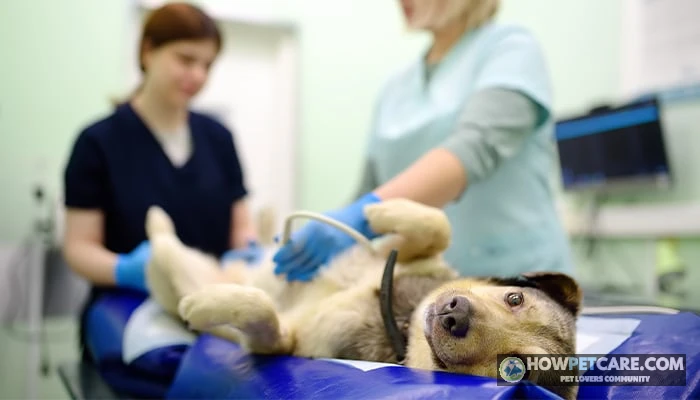
The highest costs come from blockage, GDV, severe pancreatitis, or intensive hospitalization, not from a single bile episode in a bright adult dog. To manage the bill, request an itemized estimate, ask what can safely wait, check pet insurance and payment-plan options, and keep a small emergency fund separate from routine care.
1A 4-year-old healthy adult dog frequently vomits small amounts of bright yellow liquid in the early morning before breakfast, but otherwise displays a normal appetite, regular energy, and healthy stool. What is the most appropriate initial home intervention for this pattern?
Bilious vomiting syndrome is primarily driven by an empty stomach during an extended overnight fast; moving a portion of the daily food to late evening shortens the fast without increasing total caloric intake.
2A pet owner observes their dog ejecting unchewed kibble shaped like a sausage shortly after eating, without any preceding drooling, lip-licking, or abdominal heaving. What process does this observation indicate?
Regurgitation occurs passively without abdominal effort or nausea cues, bringing up undigested material straight from the esophagus before it reaches the stomach.
3Standard home monitoring guidance permits observing a single mild vomiting episode for 24 hours in a healthy adult dog. Which of the following canine profiles require escalating the action level to immediate veterinary care or a same-day visit?
Puppies under six months have minimal physiological reserves and can quickly suffer from hypoglycemia and rapid dehydration.
4A veterinarian suspects a dog's persistent yellow vomiting may be caused by a foreign object or pancreatic inflammation that standard X-rays failed to detect. Which diagnostic tool provides a detailed evaluation of soft tissue, intestinal motility, and the pancreas?
Ultrasound visualizes soft-tissue structure, organ parenchyma (like the pancreas), intestinal motility, and non-radiopaque objects that X-rays miss.
5How does the clinical presentation of a dog experiencing acute pancreatitis typically differ from a dog with uncomplicated bilious vomiting syndrome?
Bilious vomiting syndrome affects otherwise bright, normal dogs who recover immediately post-vomit, whereas acute pancreatitis causes systemic distress, lethargy, abdominal pain, and anorexia.
6Which of the following clinical signs associated with yellow vomiting mandate immediate emergency veterinary care?
Non-productive heaving paired with abdominal distension indicates gastric dilatation-volvulus, which can be fatal within hours without emergency care.
7A dog owner notices their pet producing a small blob of white or yellow foam after making a loud, honking sound. What condition does this pattern most strongly suggest?
A honking cough followed by a small foam blob indicates throat or respiratory tract irritation (e.g., kennel cough) rather than a primary stomach issue.
Your Next Steps: Decide, Track, and Prepare for the Vet
Follow the sequence in order: check for emergency signs, confirm whether it was vomiting or regurgitation, look at the vomit’s appearance and any exposure risk, and apply the rules for your dog’s age and health group. Then decide whether to monitor or go.
Printable symptom log checklist
Before you call or walk into a clinic, have this ready:
- A phone video of the episode, if you caught one
- A photo of the vomit and any packaging, plant, or object you found nearby
- Times and dates of every episode, with volume and appearance
- Appetite, water intake, energy, and stool changes over the last 24 hours
- Current diet, recent food changes, treats, and table scraps
- Medications and supplements, including flea and tick products
- Possible toxin or foreign-object exposure, even if uncertain
- Gum color and whether the belly feels soft or tight
What to bring and ask at the vet visit
The history you share is worth more than any single test, so bring the filled-in log. Ask four questions: what the likely causes are, which tests are needed today, what each test and treatment is expected to cost, and what specific signs should bring you back. The answers give you a plan for what comes next.
For today, run the checklist and start the log. For this week, if the pattern is early-morning bile in a healthy adult dog, shift 20 to 25 percent of dinner to a 9 to 11 pm bedtime meal and hold that schedule for two to three weeks. Keep the emergency list somewhere you can find it in seconds, such as on your phone.
FAQ
Can kennel cough make a dog throw up yellow foam?
Yes. Repeated coughing and gagging can bring up white or yellow foam, and it often follows a honking cough. If the cough lasts more than a few days, or your dog has trouble breathing or is lethargic, see a vet.
Does yellow vomit mean my dog has liver problems?
Usually not, since the yellow color is normally bile from an empty stomach. Yellow gums, yellow whites of the eyes, or yellow skin are different and point to jaundice, which needs a vet visit the same day.
How often is too often for a dog to vomit yellow bile?
A single episode in a healthy, bright adult dog is usually low risk. Vomiting more than once in a day, repeating several times a week, or accompanied by weight loss, lethargy or appetite loss should be checked by a vet.
Can I give my dog human antacids or other medicine for yellow vomiting?
Don’t give human medicines without a vet’s direction, as doses and ingredients can be unsafe for dogs and may hide a serious problem. A vet can choose a safe option once they know the cause.
Can stress or eating grass cause a dog to vomit yellow?
Yes, both can irritate the stomach and lead to a bile or foam vomit. If it happens only occasionally and your dog otherwise acts normal, it is usually low risk, but repeated episodes call for a vet visit.