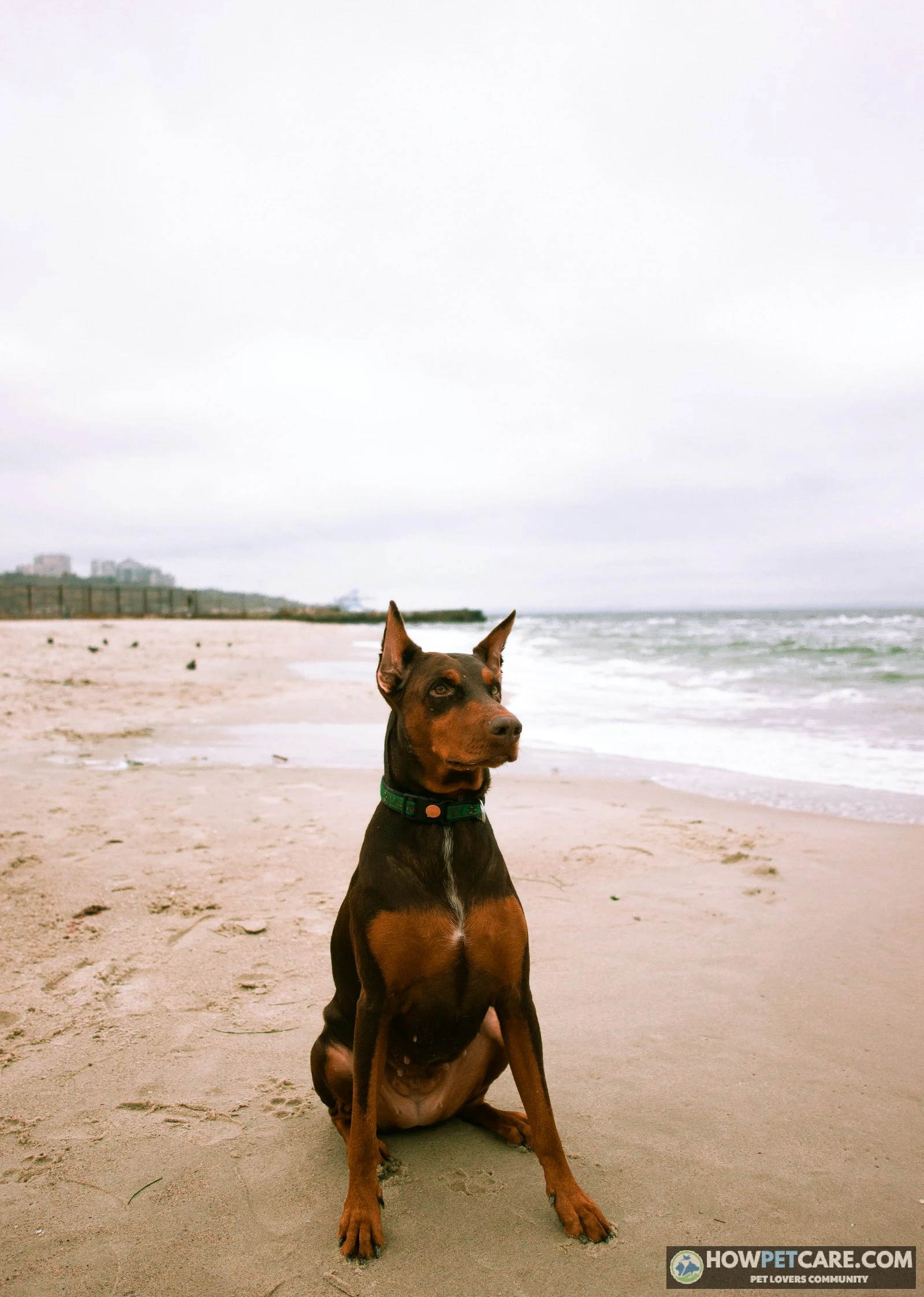

Dog ear cropping is elective surgery that removes part of a puppy’s ear flap (pinna) under general anesthesia so the remaining ear stands upright. It’s usually cosmetic, typically performed around 6–12 weeks of age, banned in many countries, and followed by weeks of healing plus months of ear posting.
Dog Ear Cropping at a Glance: What It Is, Whether It’s Legal, and What It Really Costs
Dog ear cropping is surgery to remove part of a dog’s external ear flap, usually to make the remaining ear stand upright. It’s generally performed under general anesthesia. Healing—and ear posting, when recommended—can require weeks or months of follow-up. The procedure is usually cosmetic, not treatment for an ear disease or injury.
For a puppy owner, the decision involves more than appearance. Check the law where the surgery would take place, ask a veterinarian whether your puppy is a suitable candidate, and get a written estimate that includes anesthesia and follow-up care. Cropping is often discussed during the early puppy months. The RSPCA describes procedures on puppies roughly 6–12 weeks old, though surgeons may prefer different timing. The evidence available for this guide doesn’t establish a reliable nationwide all-in price. Use the cost worksheet below rather than assuming an advertised surgery fee is the final bill.
The American Veterinary Medical Association (AVMA) opposes ear cropping when it’s done solely for cosmetic purposes. Owners and breeders who favor the look may cite tradition or breed standards; welfare organizations point to pain and the absence of an established health benefit. This guide covers the practical and ethical trade-offs for owners of Doberman Pinschers, Cane Corsos, American Bullies, Boxers, Great Danes, and other dogs associated with cropped ears.
How the Ear Cropping Procedure Works, Step by Step
Before surgery: consult, exam, and anesthesia protocol
At a consultation, the veterinarian examines the puppy and discusses the proposed shape, the dog’s health, anesthesia, pain control, and aftercare. The plan takes the dog’s head and ear shape into account. Ask whether the quote includes an examination and pre-anesthetic bloodwork. Follow the clinic’s feeding and fasting instructions; don’t fast a puppy according to a generic internet schedule.
General anesthesia keeps the dog unconscious during surgery, but it doesn’t remove the need for pain relief afterward. Ask who monitors anesthesia, what monitoring the clinic uses, and how it would handle a complication or an unexpected overnight stay.
During surgery: what the surgeon actually does
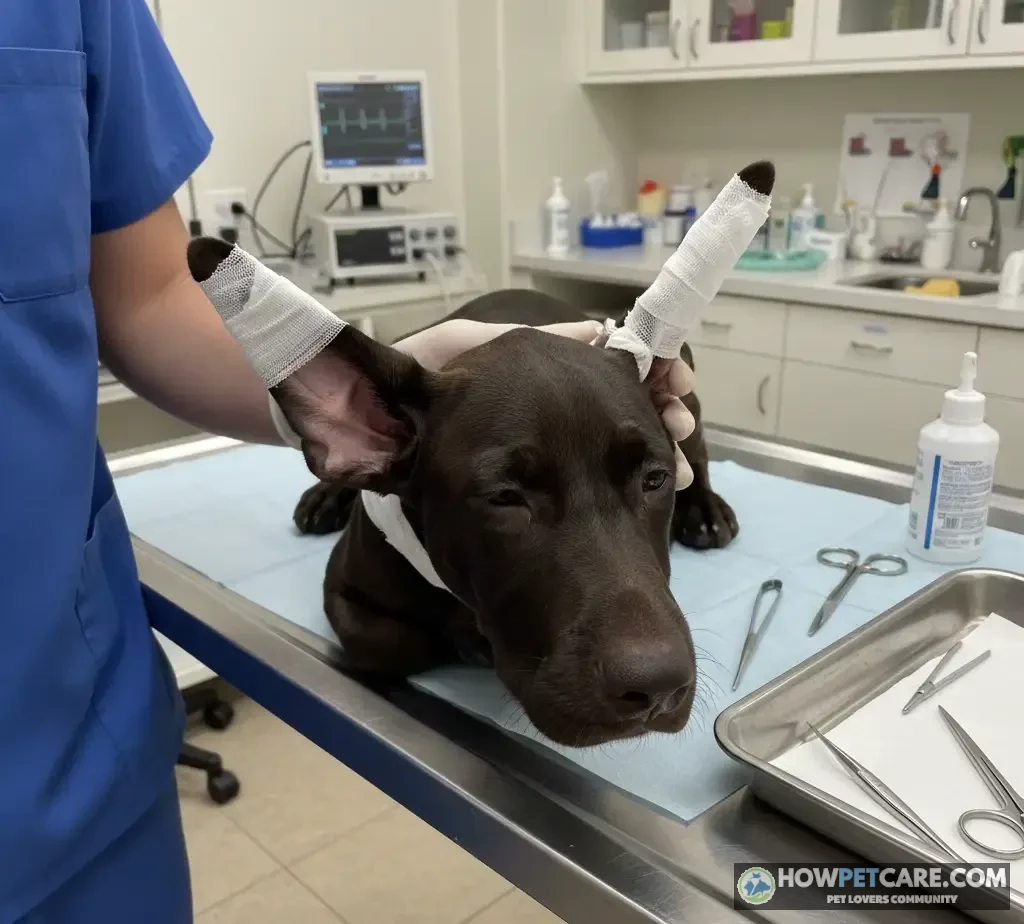
The surgeon prepares the ears, removes part of each pinna—the visible ear flap—and closes the cut edges with sutures. How much tissue is removed depends on the plan discussed with the owner. Depending on the technique and the condition of the incisions, the surgeon may apply a dressing or support.
Ear cropping differs from tail docking, which may follow different rules; likewise, surgery to treat an injured or diseased ear is a separate decision from cosmetic cropping.
Right after surgery: discharge and first-night expectations
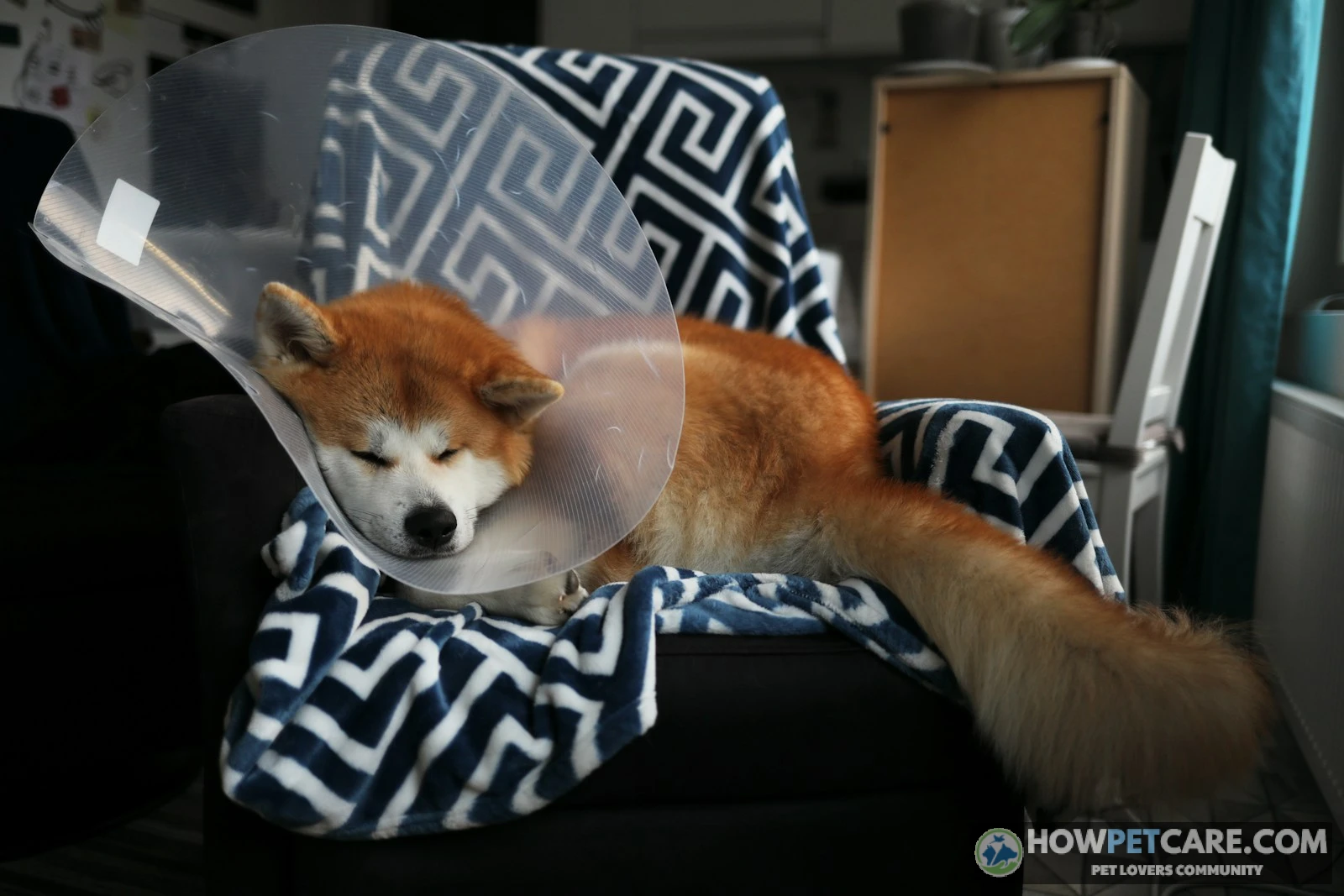
Some puppies go home the same day. The clinic should explain its discharge criteria and whether an overnight stay might be needed. Before you leave, confirm the medication schedule, activity restrictions, emergency contact, and first check-up date. Ask whether the puppy needs a protective collar and when, if ever, supports should be changed.
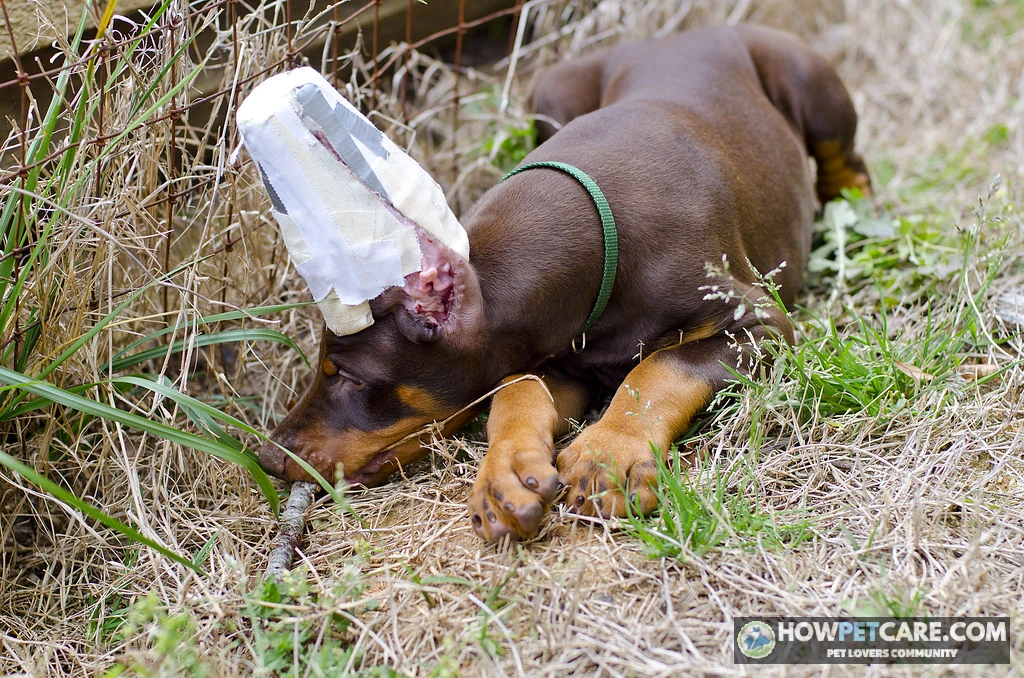
Posting uses supports and tape to hold healing ears in a desired position. It doesn’t replace wound care. The surgeon may also ask you not to handle fresh incisions or apply posts until the puppy has had a recheck.
Best Age to Crop a Puppy’s Ears, and What Happens If You Miss the Window
Cropping is usually discussed during the early puppy months. The RSPCA reports an approximate 6–12-week range; a commonly discussed planning window is around 8–12 weeks. Neither is a universal recommendation or a guarantee that the ears will stand. Breed, ear size and shape, health, and the surgeon’s own protocol all matter.
A Great Dane’s ears and growth pattern differ from those of a smaller-eared breed. Ask the veterinarian how those differences affect timing and follow-up instead of assuming one schedule suits both. The consultation should also cover the puppy’s vaccination status and individual anesthesia considerations.
What to do if your puppy is past the usual age
Don’t assume an older puppy needs surgery right away—or that a clinic can guarantee the ears will stand. Some veterinarians decline to operate on older dogs; others assess the dog individually, so ask how age affects the operation, aftercare, and the odds of a standing result. Adult dogs face a different surgical and recovery situation. Don’t attempt anything at home or rely on an online deadline.
Cropped Ears by Breed and Style: Battle, Short, Show, and Long Crops Compared
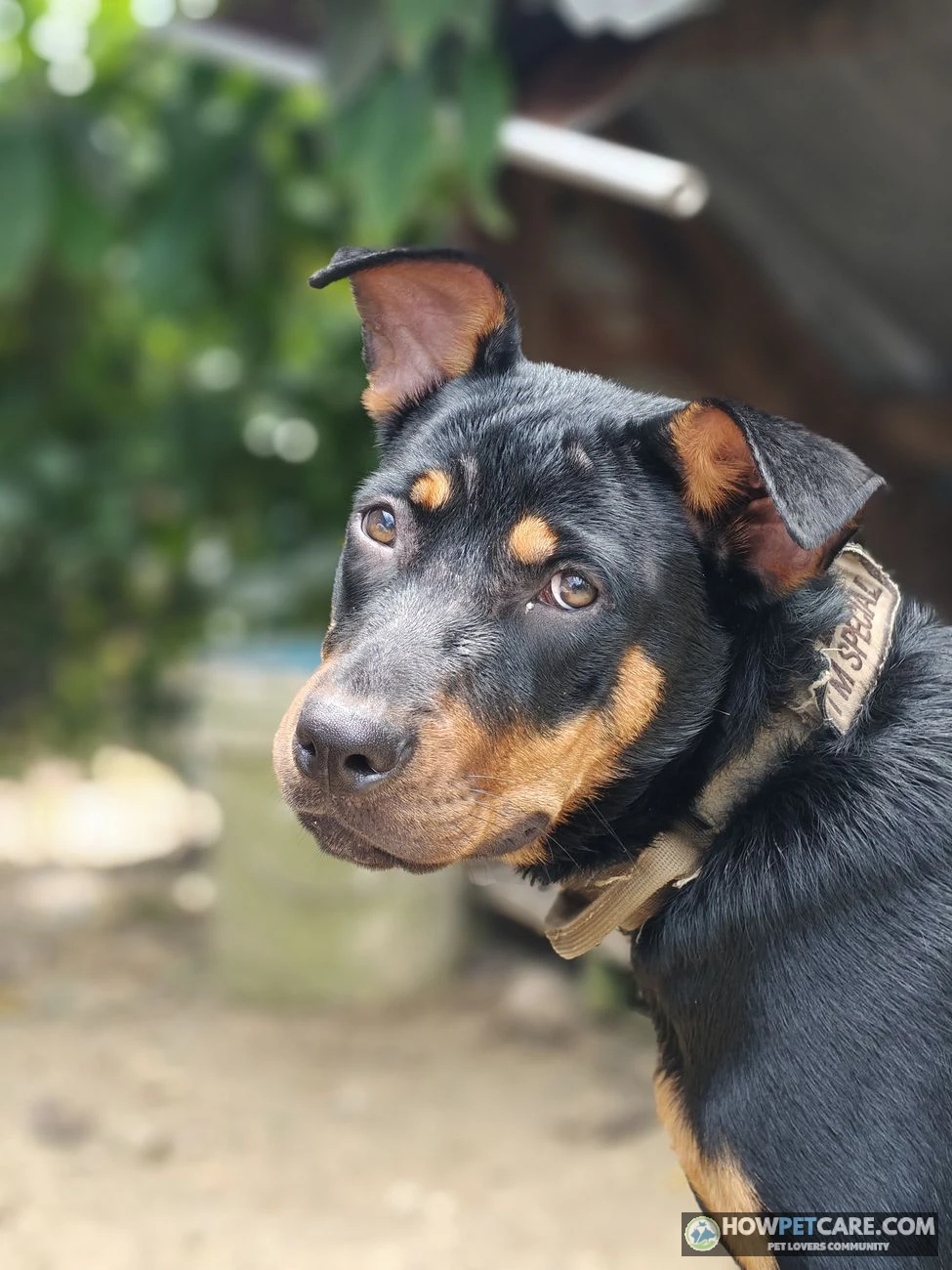
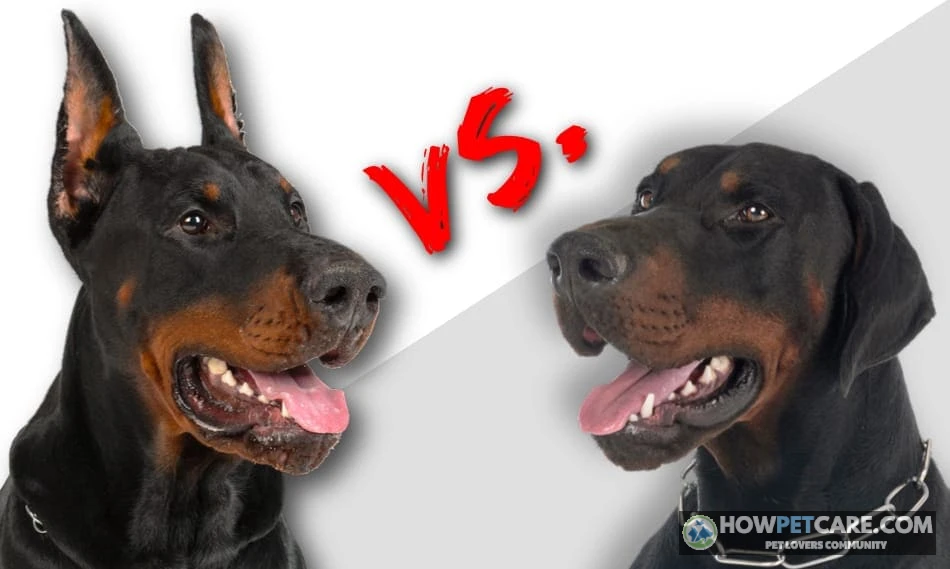
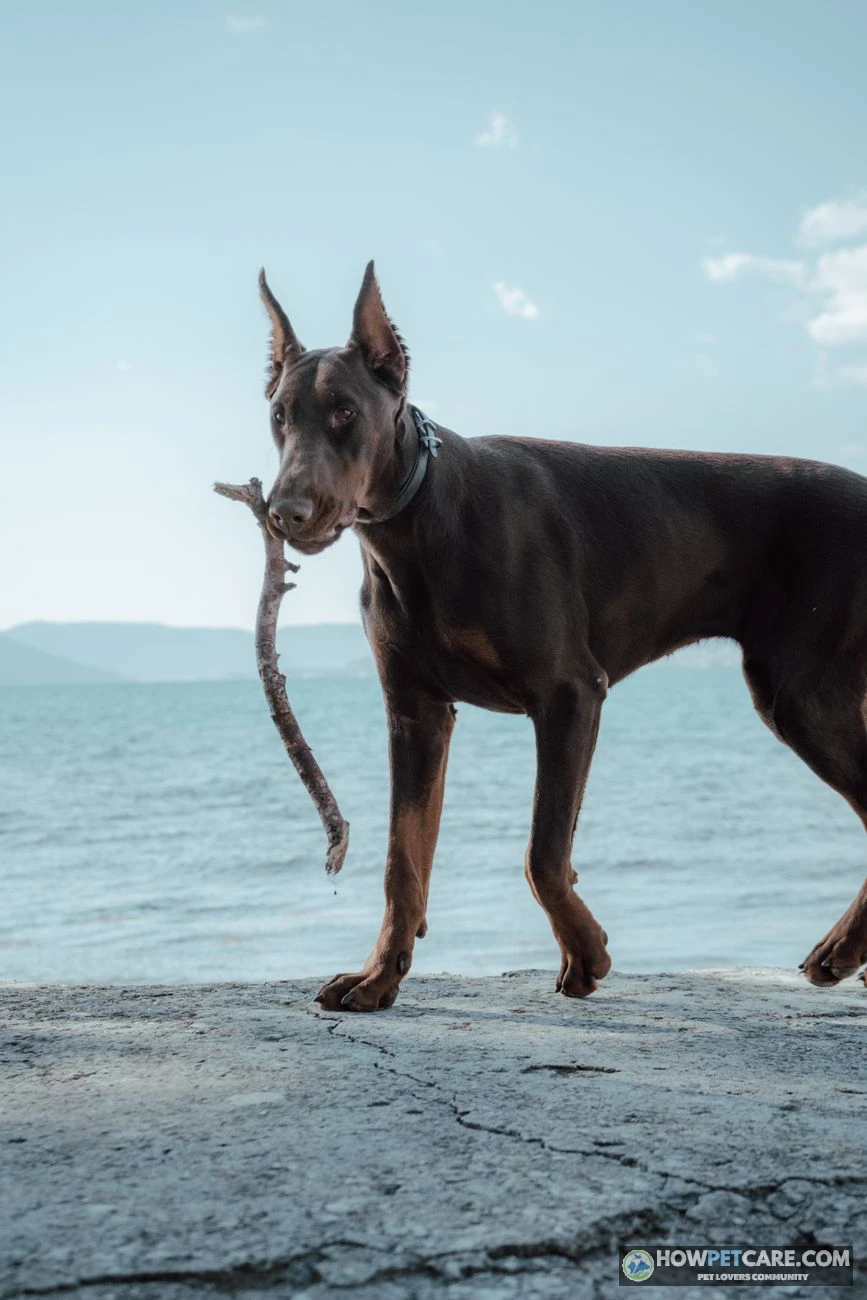
Cropped ears are associated with breeds such as the Doberman Pinscher, Cane Corso, American Bully, Boxer, Great Dane, and some Schnauzers and pit bull-type dogs. A breed standard describes how a registry judges a dog; it doesn’t require pet owners to crop. Standards and their treatment of natural ears vary by breed and registry.
Style names are informal. One surgeon’s short crop may not match another’s. The table outlines common labels, not standardized measurements or proven differences in complication rates.
| Crop style | Ear length and shape | Typical breeds or associations | Posting considerations | Healing and posting duration | Potential appeal | Trade-offs |
|---|---|---|---|---|---|---|
| Battle | Very short, leaving relatively little of the flap | Some American Bullies and pit bull-type dogs | Ask whether posting is proposed at all | Incisions still need veterinary follow-up; no dependable style-specific duration is established here | Distinctive low profile | Removes substantial ear tissue; appearance cannot be undone |
| Short | Short, shaped remaining ear | Cane Corsos and some bully-type dogs | Support needs depend on the dog and technique | The surgeon should estimate wound care and any posting separately | A compact appearance | Surgery and aftercare remain necessary; standing is not guaranteed |
| Show | Often a medium-to-long, pointed shape | Associated with Dobermans and other traditionally cropped show breeds | May require sustained, careful support | Posting can extend beyond incision healing; obtain the surgeon’s estimate | An appearance some owners associate with the show ring | More aftercare may be needed; a name alone does not establish compliance with a standard |
| Long | More of the flap retained, shaped into a tall point | Some Dobermans and Great Danes | Discuss the support plan and realistic outcome | The duration varies; no reliable style-by-style range is established here | A taller appearance | The final position and symmetry remain uncertain |
The evidence for this guide doesn’t establish comparative failure rates or reliable posting durations for each style. Don’t choose a crop assuming that a short ear will always stand or that a long one will fail.
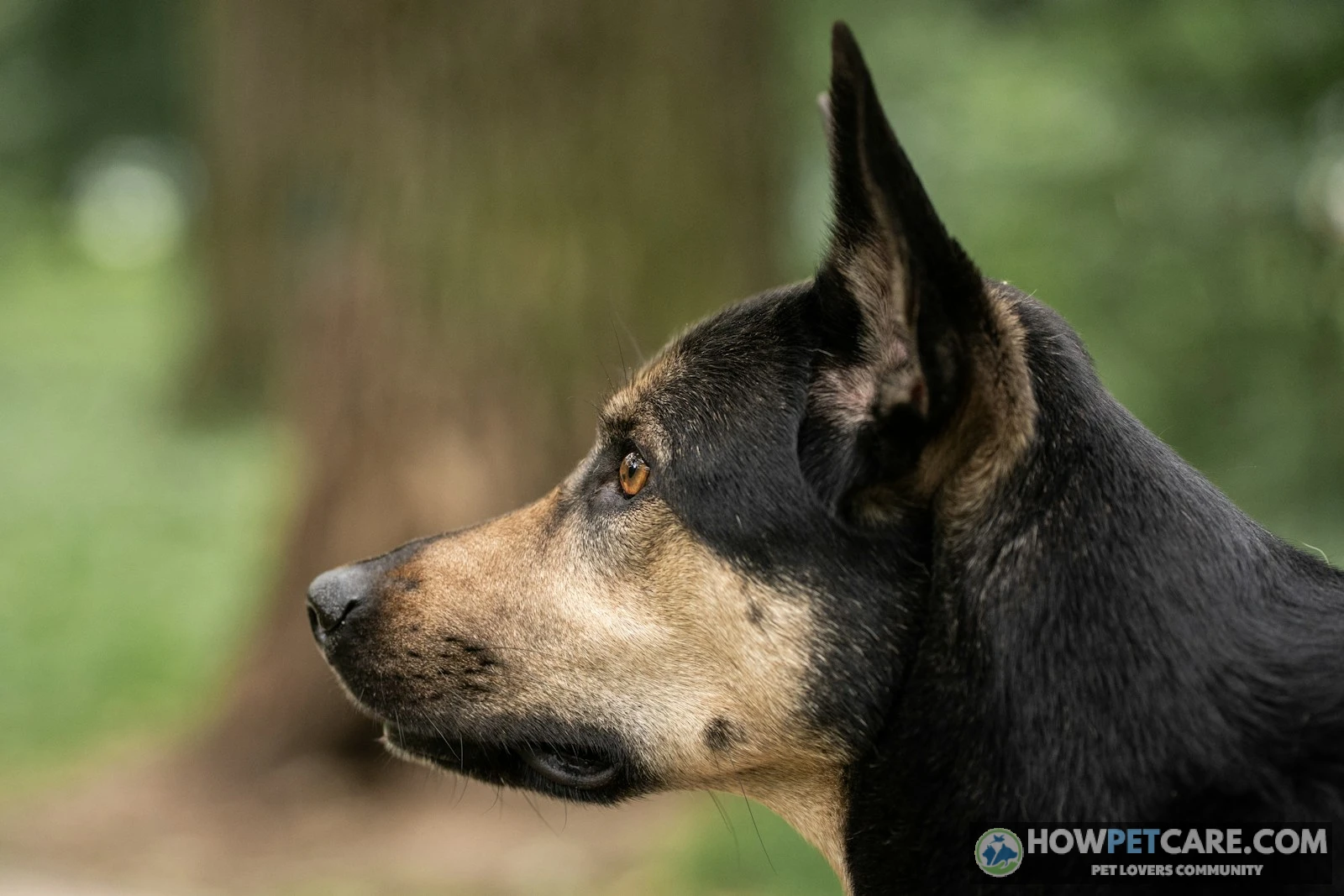
Which crop style fits which breed
Start with the individual dog and your reasons for considering surgery, not a generic breed chart. If you plan to show, read the actual standard and event rules for your registry, then ask how they treat natural and cropped ears. For a companion dog, the show-ring look is a matter of preference, not medical need.
Natural ears keep their original shape and need ordinary observation and veterinary care if problems arise. Neither cropping nor leaving ears natural guarantees that a dog will avoid ear disease. Good evidence doesn’t support claims that cropping improves everyday hearing or prevents infections.
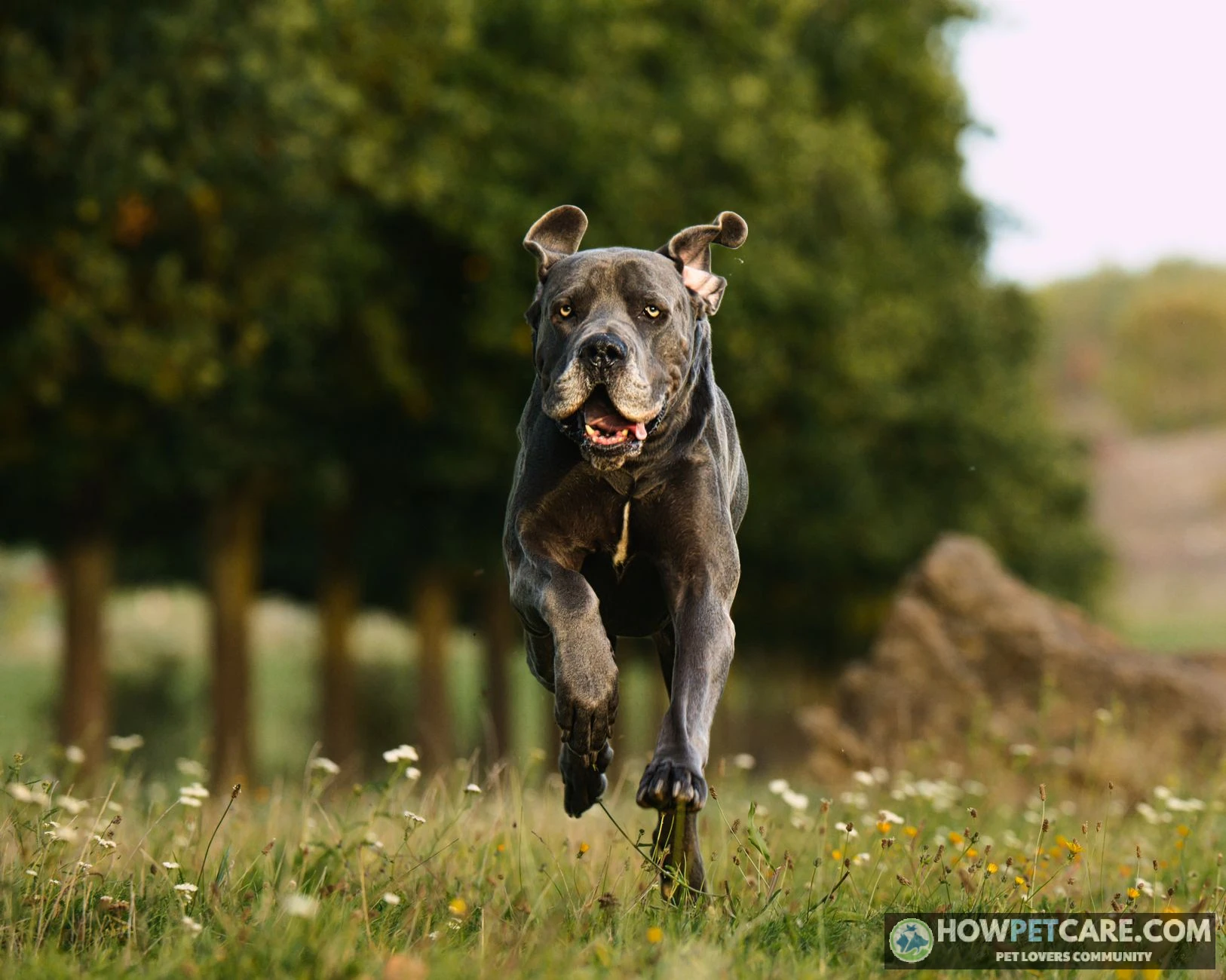
How to read a surgeon’s before-and-after photos
Ask to see both ears from the front and side on dogs of the same breed and similar age, including healed results where the ears are unsupported. Photos show selected outcomes; they can’t tell you an individual puppy’s chances of a particular result.
Is Ear Cropping Legal? State-by-State US Lookup, Country Bans, Import and Show-Ring Rules
No single rule answers every US ear-cropping question. State veterinary-practice and animal-cruelty laws, professional rules, and relevant local ordinances may affect who can perform the procedure and under what conditions. A professional organization’s position isn’t a statute, and show rules don’t authorize surgery.
US state-by-state legality table
The evidence available for this article doesn’t verify current statutory language for all 50 states. It would be misleading to label every state unrestricted, banned, or legal under identical conditions. The lookup below flags where an individual check is needed; it doesn’t establish that a procedure is permitted.
| Jurisdiction | Procedure status for planning | Key restriction to verify | Import and show-ring notes | Authoritative source to check |
|---|---|---|---|---|
| Alabama–Georgia | Individual state review needed | Veterinary practice act, cruelty law, and any local rules | Separate from the procedure rules | State legislature and veterinary board |
| Hawaii–Maryland | Individual state review needed | Who may operate and any anesthesia or procedural requirements | Check transport and event rules separately | State legislature and veterinary board |
| Massachusetts–New Jersey | Individual state review needed | State-specific statutory wording and veterinary-board rules | Possession, surgery, and showing are different questions | State legislature and veterinary board |
| New Mexico–South Carolina | Individual state review needed | Licensing, anesthesia, and any specific cropping provisions | Check destination and registry requirements | State legislature and veterinary board |
| South Dakota–Wyoming | Individual state review needed | State-specific law and any applicable local ordinance | Check destination and event rules separately | State legislature and veterinary board |
These alphabetical groups are navigation aids, not legal categories. Ask the board or a qualified local lawyer about your state and circumstances, and don’t assume a search result for “states where ear cropping is illegal” is complete or that a restriction applies only to veterinarians.

Ear cropping is surgery, not a grooming procedure. An unlicensed or at-home attempt can cause serious injury and may violate veterinary-practice or animal-cruelty law. Contact a veterinarian rather than attempting it yourself.
Country bans, import rules, and show-ring regulations
| Jurisdiction | Procedure status | Import and show considerations | Source to consult before acting |
|---|---|---|---|
| England and Wales | Cosmetic ear cropping is prohibited under the Animal Welfare Act 2006. | A ban on performing surgery doesn’t automatically ban importing or owning a cropped dog. Check current import requirements and the rules for the specific event. | Animal Welfare Act 2006; UK government and event organizer |
| Scotland and Northern Ireland | Check the applicable jurisdiction’s legislation separately. | Don’t assume English and Welsh rules answer every import or exhibition question. | Relevant government animal-welfare authority and event organizer |
| Australia and New Zealand | Restrictions require jurisdiction-specific confirmation. | Check the destination’s import authority and the relevant kennel organization’s rules. | State, territory, or national animal-welfare authority; event organizer |
| Canada | Check provincial law and the veterinary regulator’s rules. | Ask the border authority and show organizer separately. | Provincial veterinary regulator; Canadian import authority |
| European countries | The European Convention for the Protection of Pet Animals addresses non-therapeutic surgical alterations; national implementation and exceptions vary. | Don’t assume import or show rules are the same across countries. | Destination government’s legislation and veterinary/import authority |
The RSPCA identifies continued imports of cropped dogs as an issue in England and Wales. This illustrates why you should check separately whether performing a crop is legal and whether an already-cropped dog can be brought into the country. If a rescue dog is already cropped, ask about the destination’s entry, ownership, and exhibition rules. The legality of the original procedure doesn’t determine all three.
How to confirm the law before you book
Contact the relevant veterinary board and ask about the exact procedure, who may perform it, and any anesthesia requirements. If you’re moving or importing a dog, ask the destination’s official animal-import authority about that dog and route. For showing, get the current written rules from the specific registry and event organizer, and keep the answers with your records.
What Ear Cropping Really Costs: Surgery, Anesthesia, Meds, E-Collar, and Months of Posting Supplies
The all-in cost includes the consultation, procedure, anesthesia and monitoring, medicines, equipment, follow-up, and any treatment for complications, less any items already included in the package. The evidence supplied for this guide doesn’t establish dependable US price ranges for those individual items or for the complete course of care. Costs vary by region, veterinarian, dog, style, and the aftercare included.
Itemized all-in cost breakdown
| Cost item | What it covers | Price information | When paid | Often bundled? |
|---|---|---|---|---|
| Examination and bloodwork | Health assessment and any recommended pre-anesthetic testing | Request a local written estimate; no verified range available here | Consultation or surgery day | Ask |
| Surgery | Surgical time, supplies, and sutures | Request a quote specific to the proposed procedure | Usually surgery day | Ask |
| General anesthesia and monitoring | Anesthetic drugs, equipment, and staff monitoring | Confirm whether included in surgery price | Usually surgery day | Ask |
| Pain relief and other medicines | Prescriptions selected for the puppy | Price depends on the treatment actually prescribed | Discharge or as needed | Ask |
| Protective collar | Prevents scratching or rubbing when fitted and used as directed | Request the clinic’s price or approved alternatives | Before discharge | Ask |
| Rechecks and suture removal | Incision assessment and removal if required | Ask for the number included and the fee for additional visits | During recovery | Sometimes; confirm |
| Posts, tape, and removal supplies | Surgeon-approved materials for ongoing care, if posting is advised | Estimate from the clinic’s supply list and expected replacement schedule | Bought over time | Ask |
| Complication or revision care | Extra examinations, treatment, or specialist consultation | Unpredictable; request the clinic’s policies and fee schedule | If needed | Do not assume so |
Worked budget example: These amounts are hypothetical arithmetic, not observed prices or a veterinary quote. Suppose a written estimate totals $450 for surgery, $180 for separately billed anesthesia, $120 for an exam and tests, $60 for prescribed medicines, and $25 for a collar. If the owner also spends a hypothetical $90 on supplies and $140 on extra visits, the total is $1,065. In this example, counting only the $450 surgery charge misses $615 in other expenses. Replace every number with an actual local quote; this example can’t predict your bill.
For your own worksheet, add the quoted amounts for the initial visit, surgery, anesthesia, prescriptions, collar, scheduled visits, expected supplies, and extra-visit fees. Set aside an emergency reserve you can afford, too. Ask whether the clinic will get your approval before non-emergency costs exceed the estimate.
Will pet insurance or financing cover it?
Many pet-insurance policies exclude elective cosmetic procedures, but your policy’s wording is what counts. Ask the insurer in writing whether it excludes the surgery, routine posting, complications, and any later revision; the policy may treat these differently. Don’t assume a complication is covered simply because a veterinarian performed the original procedure.
Ask whether the clinic offers a payment plan or accepts third-party veterinary financing. Before using credit, check eligibility, fees, the regular interest rate, and any deferred-interest terms. Financing doesn’t reduce the underlying cost.
Red flags in a suspiciously cheap quote
A low advertised figure may not cover the whole procedure and aftercare. Be cautious if the provider can’t explain anesthesia monitoring, pain control, who performs the surgery, whether follow-up is included, or what happens if the puppy needs urgent care. Verify the veterinarian’s license independently with the state board.
Risks, Complication Rates, and Fixes for Botched or Failed-to-Stand Crops
What the evidence says about health benefits
Ear infections, including otitis externa—inflammation of the outer ear canal—can have multiple causes. The RSPCA rejects claims that cosmetic cropping prevents infection or injury, and the available evidence doesn’t establish a routine health benefit that justifies cropping a healthy ear. Treat claims that it improves hearing with similar skepticism.
The AVMA opposes cosmetic ear cropping. Some owners and breeders value a traditional appearance or interpret breed standards as favoring it. These are separate considerations: an aesthetic preference isn’t evidence of a medical benefit.
Complication types and what the data does and doesn’t show
Potential problems include anesthetic complications, bleeding, infection, blood collecting in the ear flap, wound opening, scarring, asymmetry, and ears that don’t stand as intended. A puppy may feel pain after the anesthesia wears off, so the veterinarian should provide an individual pain-management plan.
The evidence supplied for this guide doesn’t establish reliable percentages for infection, hematoma, or failure to stand. A clinic’s own estimate may be useful, but ask how it measures outcomes and whether it tracks all cases, not just successful results shown in photographs.
Call the veterinarian promptly if you notice increasing swelling, heat, pain, discharge, odor, bleeding, an opening wound, unusual lethargy, or a puppy that won’t eat. Seek urgent veterinary care for heavy or persistent bleeding, collapse, breathing difficulty, or severe distress.
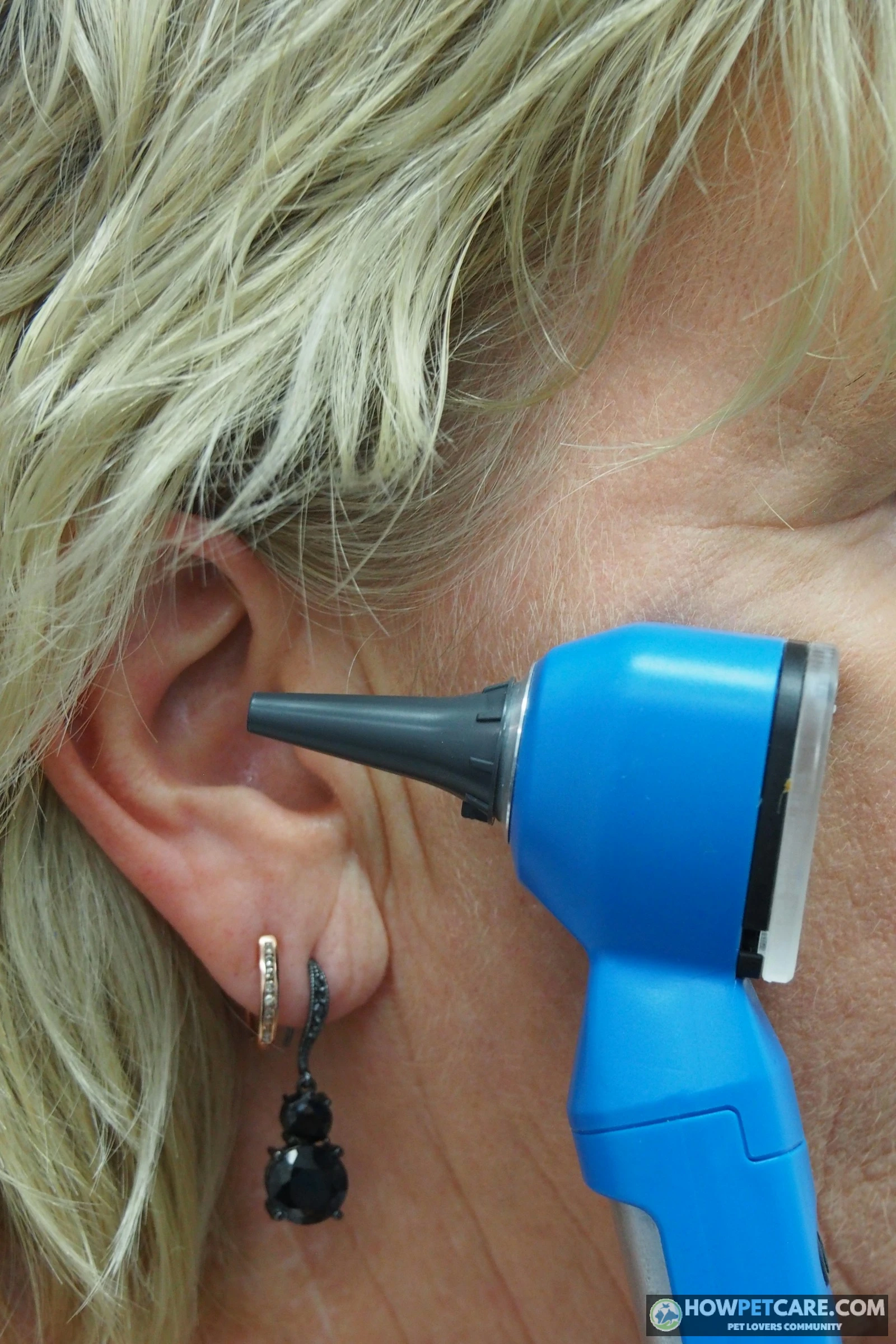
If your dog’s crop failed or healed unevenly
Arrange an examination rather than pulling an ear straight or applying tighter tape. A veterinarian can look for an unhealed wound, pressure injury, infection, or a problem with the support and decide whether further posting is appropriate. A second opinion from an experienced veterinarian or veterinary surgeon may clarify whether revision is possible and what it would involve.
Revision requires another assessment and may involve another operation, with its own costs and risks. Removed tissue can’t simply be restored, and no clinician can promise perfect symmetry or upright ears. Accepting a semi-erect or uneven appearance is also a valid option.
Aftercare Guide: Day-by-Day Recovery Timeline and How to Post and Tape Ears at Home
Follow the surgeon’s discharge instructions over any general timeline. Incision healing and training an ear to stand are separate processes: a closed wound doesn’t necessarily mean posting, if prescribed, is finished. Posting and taping have no established benefit for a healthy ear outside a medical need or the desired cosmetic result.
Day-by-day recovery timeline for the first month
- Days 0–2: Follow the clinic’s instructions for prescribed medication, food, rest, and the protective collar. Check the dressing as directed. Report persistent bleeding, a displaced bandage, or signs of significant pain.
- Days 3–7: Limit rough play and prevent scratching or rubbing. Keep the dressing dry and attend any scheduled check. Call about increasing redness, swelling, discharge, odor, or discomfort instead of covering it with a fresh wrap.
- Around days 10–14: The clinic may schedule a recheck or suture removal around this period, depending on the technique and healing. The veterinarian should decide whether the incisions are ready for the next stage.
- Weeks 2–4: If the veterinarian recommends posting, follow the demonstrated method and return for checks. Timing and total duration vary. Ask what to do if a post slips or the ear folds between visits.
Incisions may need weeks of care, while posting may continue for months. A particular date on the calendar—or a few hours with upright ears—doesn’t prove the process is complete. Ask the veterinarian how to assess the result safely and when to stop.
How to post and tape your dog’s ears: step-by-step
Ask the veterinary team to demonstrate its method on your puppy, then watch you repeat it before you make changes at home. Some ears or wounds shouldn’t be posted at home at all. The steps below orient you to a vet-directed routine; they aren’t universal measurements, a taping prescription, or a substitute for an in-person demonstration.
Supplies to discuss with the clinic: correctly sized supports, the recommended medical tape, blunt-tipped scissors, vet-approved adhesive remover and cleaning supplies, clean gauze, and treats. Use only materials and a cleaning product the veterinary team approves for your puppy’s ears.
-
Confirm the plan
Ask when the first home change is allowed, how often to change the support, and whom to call if it gets wet, slips, or smells.
-
Remove the old support
Use the clinic’s removal method and approved adhesive remover. Avoid pulling on the incision or cutting close to the skin; ask for help if you cannot remove it safely.
-
Inspect both ears
Look for sores, swelling, discharge, odor, or changes in color and temperature. Stop and call the clinic if anything looks abnormal.
-
Clean and dry as directed
Use only the cleaner and technique the veterinarian recommends. Do not tape over damp or irritated skin.
-
Prepare the support
Size and cover the post exactly as demonstrated by the veterinary team. Do not improvise with a rigid object or an unapproved adhesive.
-
Position the ear
Place the support only as demonstrated; do not push it into the ear canal. Lay the flap against it without twisting, pulling, or folding the skin.
-
Secure without constriction
Apply the prescribed tape pattern without tight circular wraps. Use a bridge between ears only if the veterinarian has shown you how and recommends it.
-
Recheck comfort and circulation
Watch for swelling, coldness, color change, distress, or rubbing. A fingertip test alone cannot establish that a wrap is safe; contact the clinic promptly if concerned.
-
Keep the next check
Replace or remove supports on the clinic’s schedule, and contact the team sooner if they become wet, loose, dirty, or uncomfortable.
Supplies and medications checklist
A veterinarian may prescribe a dog-appropriate pain medicine, such as a veterinary nonsteroidal anti-inflammatory drug, if it’s suitable for the puppy. Antibiotics aren’t automatically needed; use them only if prescribed. Ask the clinic whether a wound cleaner or antiseptic is appropriate and how to use it. Don’t put alcohol, peroxide, essential oils, or an unapproved product on an incision just because it’s sold as a disinfectant.
Don’t give human painkillers unless a veterinarian specifically prescribes and doses a product for that dog. Some common human medicines are dangerous to dogs. If a dose is missed or vomited, ask the clinic what to do instead of doubling the next one.
Troubleshooting: ears that fold, tape that slips, signs of trouble
Call the clinic for advice about technique and fit if a post slips, an ear keeps folding, or the puppy itches or chews at the support. Don’t leave a wet or foul-smelling wrap, swelling, or a sore in place until a routine appointment without veterinary advice. Tightening the wrap won’t fix slipping safely.
Keep the collar on for the period the clinic recommends, supervise interactions with other animals, and ask when bathing and active play can resume. If home changes are difficult or distressing, arrange a recheck and ask whether the clinic can help with posting.
Deciding For or Against Cropping: A Checklist and How to Choose a Qualified Veterinarian
Quick decision checklist
Before paying a deposit, consider each question:
- Legality: Have I checked the procedure rules where surgery would happen, as well as any relevant import or show rules?
- Timing: Has a veterinarian assessed my puppy’s age and health rather than promising a result based on a generic age window?
- Budget: Can I cover the itemized estimate, ongoing supplies, extra visits, and unexpected treatment?
- Time: Can I attend rechecks and manage the support schedule the clinic recommends, potentially for months?
- Appearance: Have I seen healed examples of the proposed style on similar dogs and checked the relevant standard if I intend to show?
- Welfare: Am I comfortable with elective surgery and recovery pain, given that there’s no established routine health benefit?
- Backup plan: Can I accept ears that remain uneven or don’t stand, rather than assuming revision will fix them?
Natural ears are a valid choice. Your dog can be a companion without cosmetic surgery. Ask your veterinarian about ordinary ear care and signs of infection, whatever your dog’s ear shape.
Questions to ask before booking a cropping surgeon
Ask your regular veterinarian or a breed club for referrals, then verify each clinician’s license through the state veterinary board. Questions to ask include:
- Is cosmetic cropping permitted here, and what legal requirements apply to this procedure?
- How often have you performed the proposed crop on this breed, and can I see healed, unsupported results?
- What examination and pre-anesthetic tests do you recommend for my puppy?
- Who administers and monitors anesthesia, and what equipment is used?
- What pain relief and emergency arrangements do you provide?
- What does the written estimate include, and what are the charges for additional visits?
- When would posting begin, who demonstrates it, and how often would my puppy need checks?
- What problems should prompt an urgent call, and who is available after hours?
- If the ears heal unevenly or don’t stand, what assessments or options would you discuss?
- What are your policies on complications, refunds, and revision consultations?
Confirm the law first. If you decide to investigate surgery, obtain two or three itemized estimates and arrange a consultation rather than booking on price alone. If you proceed, get the clinic’s written aftercare plan and approved supplies before surgery day.
1According to veterinary standards and welfare organizations like the AVMA and RSPCA, what is the main reason provided for opposing cosmetic ear cropping in puppies?
Welfare organizations point out that cosmetic cropping subjects the puppy to surgical pain and post-operative recovery without evidence of medical or health benefits.
2When planning a budget for a dog's ear cropping procedure, why is relying solely on an advertised surgical fee considered misleading?
The full all-in cost includes mandatory associated expenses such as exams, anesthesia, prescriptions, e-collars, and follow-up supplies that may not be bundled in a single surgery fee.
3What is a key distinction between legal regulations on ear cropping in England and Wales compared to the United States?
England and Wales have a specific statutory ban on performing cosmetic ear cropping, while the US relies on a mosaic of state veterinary practice acts, cruelty laws, and local ordinances.
4Which crop style leaves the shortest amount of remaining ear flap, resulting in a distinctive low profile?
The battle crop leaves very little of the ear flap, removing substantial tissue to produce a low profile.
5What is the commonly discussed planning window for cropping a puppy's ears?
Ear cropping conversations and procedures commonly take place during early puppyhood, typically between 6 to 12 weeks (with 8–12 weeks often cited for planning).
6What should an owner do first if they notice an ear post slipping or the puppy's ear folding between routine check-ups?
Slipping supports or folding ears require professional veterinary advice to prevent tissue damage or improper healing.
7Which statement best reflects the evidence regarding cosmetic ear cropping and ear infections such as otitis externa?
Veterinary sources and welfare organizations note that claims regarding infection prevention are unproven and ear infections have complex, multi-factorial causes.
8What should an owner expect regarding pet insurance coverage for elective ear cropping?
Standard pet insurance terms generally exclude elective surgeries, posting care, and any complications resulting from cosmetic procedures.
9Before attempting to post or tape a puppy's ears at home, what key step should the owner complete with their veterinary team?
An in-person demonstration and supervised trial ensure the owner can safely apply approved supports without causing pressure injuries.
10If a puppy's cropped ears heal unevenly or fail to stand upright, what is an important factor to understand before considering revision surgery?
Surgical revisions carry additional risks and costs, cannot replace tissue that was previously removed, and cannot guarantee a specific aesthetic outcome.
| Crop style | Ear length and shape | Typical breeds or associations | Posting considerations | Healing and posting duration | Potential appeal | Trade-offs |
|---|---|---|---|---|---|---|
| Battle | Very short, leaving relatively little of the flap | Some American Bullies and pit bull-type dogs | Ask whether posting is proposed at all | Incisions still need veterinary follow-up; no dependable style-specific duration is established here | Distinctive low profile | Removes substantial ear tissue; appearance cannot be undone |
| Short | Short, shaped remaining ear | Cane Corsos and some bully-type dogs | Support needs depend on the dog and technique | The surgeon should estimate wound care and any posting separately | A compact appearance | Surgery and aftercare remain necessary; standing is not guaranteed |
| Show | Often a medium-to-long, pointed shape | Associated with Dobermans and other traditionally cropped show breeds | May require sustained, careful support | Posting can extend beyond incision healing; obtain the surgeon's estimate | An appearance some owners associate with the show ring | More aftercare may be needed; a name alone does not establish compliance with a standard |
| Long | More of the flap retained, shaped into a tall point | Some Dobermans and Great Danes | Discuss the support plan and realistic outcome | The duration varies; no reliable style-by-style range is established here | A taller appearance | The final position and symmetry remain uncertain |
FAQ
Does ear cropping hurt the dog?
The surgery is done under general anesthesia, so the dog does not feel it during the procedure, but recovery involves post-operative pain that vets manage with prescribed medication. Opponents, including the AVMA, point to this pain and the lack of medical benefit as reasons to avoid cosmetic cropping.
Is ear cropping the same as tail docking?
No. Ear cropping removes part of the ear flap and needs anesthesia and months of ear taping, while tail docking removes part of the tail and is usually done at a different age. Many breeds with traditionally cropped ears also have traditionally docked tails, but the procedures and laws can differ.
Can I crop my dog’s ears at home?
No. Cropping is a surgical procedure that needs anesthesia, sterile technique, and pain control, and in many places it may legally be performed only by a licensed veterinarian. Doing it yourself risks severe bleeding, infection, and cruelty charges.
Do cropped ears change how a dog hears?
There is no strong evidence that cropping meaningfully changes a dog’s hearing in everyday life. Questions about long-term effects are best put to a veterinarian, and any claim that cropping improves hearing should be treated skeptically.
Do rescue or adopted dogs with cropped ears raise any legal issues?
Adopting a dog that was already cropped is generally not illegal in the US. Moving or importing that dog into a country or region that bans cropping can raise import or show-ring issues, so check the destination’s rules first.