

The safest way to boost a dog’s immune system is to cover the proven foundations first, then add one targeted supplement only if needed:
- Feed a complete, balanced, life-stage-appropriate diet and keep your dog lean.
- Stay current on vaccinations, parasite prevention, and dental care.
- Provide regular moderate exercise and keep chronic stress low.
- Use omega-3s or strain-matched probiotics only for a specific problem.
- See a vet before supplements if your dog is on steroids, chemotherapy, or has chronic illness.
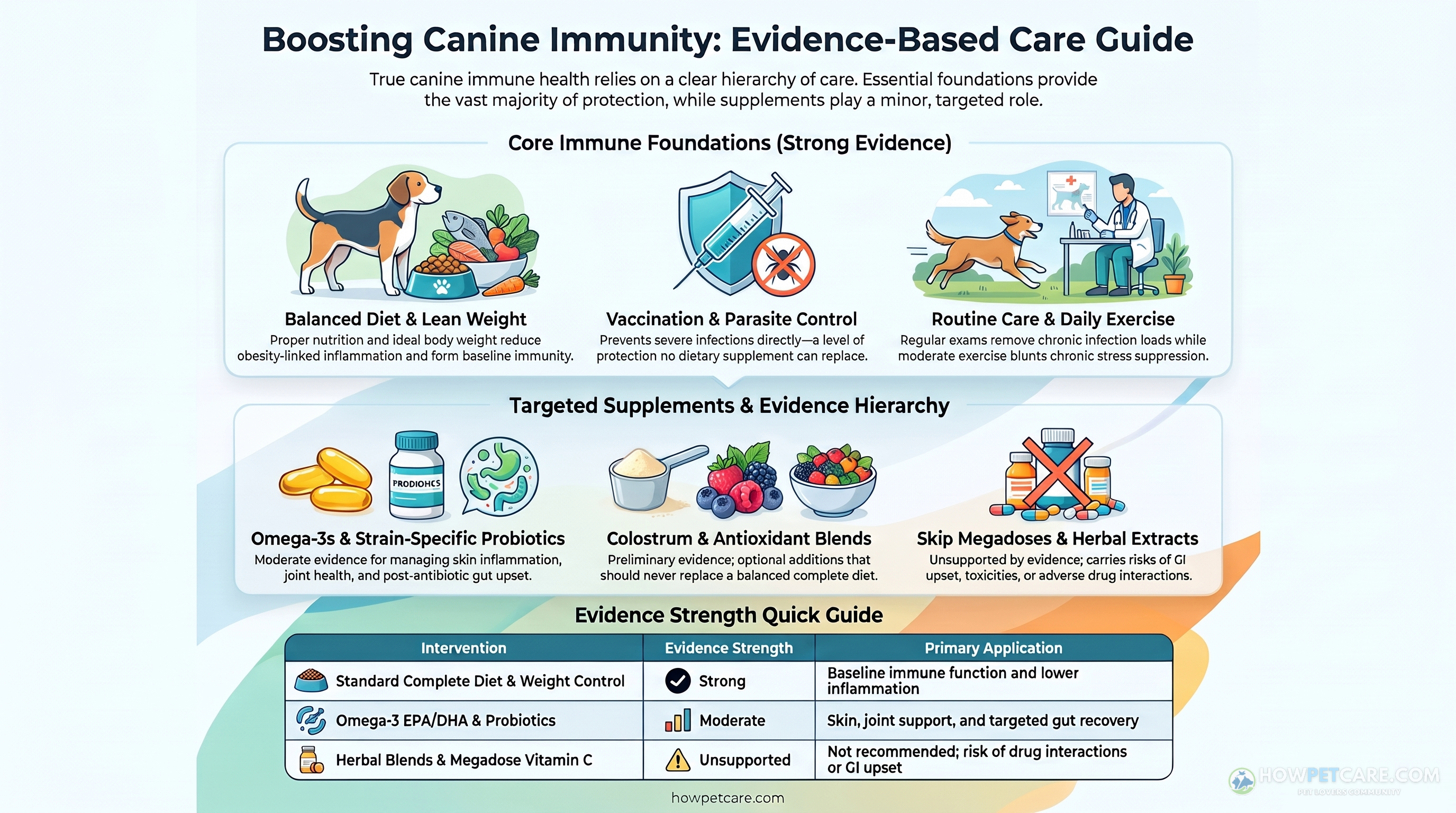
The fastest safe way to support your dog’s immune system is not a special immune booster. It is a complete and balanced diet, a lean body condition, current vaccinations and parasite prevention, routine veterinary care, steady exercise, and low chronic stress. Supplements can help in specific situations, such as omega-3 fatty acids for skin inflammation or targeted probiotics after diarrhea or antibiotics, but they sit below the foundation. A dog’s immune system is a distributed network of cells and organs that responds to infection and other antigens.
If your dog takes corticosteroids, chemotherapy, antibiotics for a serious infection, or any immunosuppressive drug, or has a chronic illness, talk with your veterinarian before adding any supplement, herb, probiotic, or home remedy.
How to Support a Dog’s Immune System: What Has Real Evidence
The evidence-graded priority list
When owners ask how to boost a dog’s immune system, the useful answer is to rank what has proof and start there. The table below grades common interventions from strong to unsupported. The foundation rows reflect standard veterinary guidance—complete diet, regular exercise, stress reduction, vaccinations, parasite prevention. Treat strong rows as the foundation, moderate rows as useful for specific problems, preliminary rows as optional, and unsupported rows as usually not worth the money or risk.
| Intervention | What it is shown to help | Evidence strength | Main caution | Priority |
|---|---|---|---|---|
| Complete, balanced diet plus lean body weight | Baseline immune function; reduces obesity-linked inflammation | Strong: decades of veterinary nutrition research | Extra vitamins on top of a complete diet can unbalance it | 1: foundation |
| Vaccination plus parasite prevention | Prevents the infections no supplement can | Strong: long-established canine field data | Needs a vet-set schedule; titer testing is an option to discuss | 1: foundation |
| Regular checkups plus dental care | Removes chronic infection load, including dental disease | Strong | Often skipped until there are symptoms | 1: foundation |
| Consistent exercise plus stress reduction | Immune regulation; blunts chronic-stress suppression | Moderate: solid physiology, fewer dog-specific trials | Overexertion is itself a stressor | 2 |
| Omega-3 fatty acids, EPA and DHA | Skin inflammation, joint support | Moderate: canine trials from the 2000s onward | Label quality varies; gastrointestinal upset at high doses | 3: targeted use |
| Probiotics with named strains | Diarrhea, antibiotic-associated gut upset | Moderate: strain-specific canine trials | Benefits are strain-specific; many products do not match studied strains | 3: targeted use |
| Colostrum and beta-glucans | Gut and immune markers in small studies | Preliminary | Canine dosing and outcome data are thin | 4: optional |
| Antioxidant blends, including vitamin E, vitamin C, and selenium | General health markers | Preliminary to mixed | Fat-soluble vitamins accumulate; a complete diet usually covers this | 4: optional |
| Vitamin C megadoses | None demonstrated; dogs make their own vitamin C | Unsupported | Gastrointestinal upset at high doses | Skip |
| Echinacea, immune-boosting herbals, mushroom extracts | No reliable canine outcome data | Unsupported | Inappropriate for autoimmune disease; unknown drug interactions | Skip |
What ‘boosting’ can and cannot mean
An immune system works best when it is balanced. Too weak, and infections may recur. Overactive or misdirected, and the dog may develop allergies or autoimmune disease. The goal is support and regulation, not indiscriminate stimulation. No food or supplement can instantly strengthen immunity, and supplements do not replace vaccination, parasite prevention, or treatment for immune-mediated disease.
How a Dog’s Immune System Works and Why the Gut Drives Much of It
The canine immune system is a distributed network of cells and organs—blood, bone marrow, lymph nodes, thymus, liver, spleen, and intestines—that produces T-cells and antibodies against antigens. For owners, two broad systems matter most: innate immunity and adaptive immunity.
Innate vs. adaptive immunity in plain terms
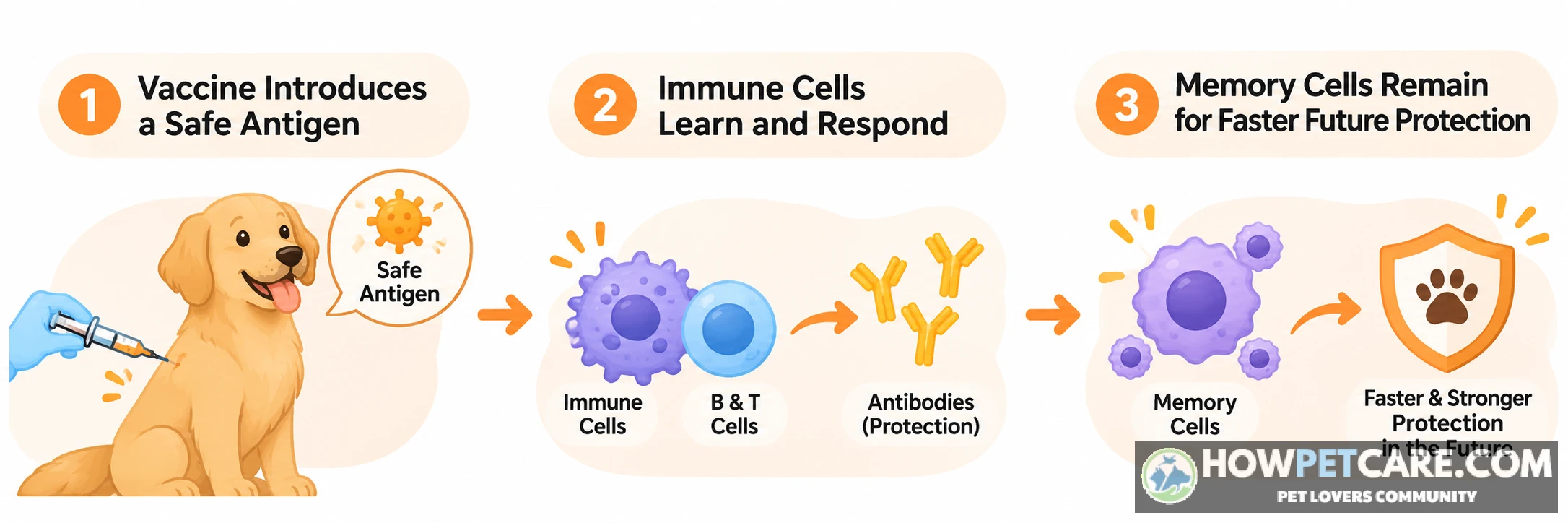
Innate immunity is the fast, general defense: skin, stomach acid, mucus, and white blood cells that respond to many threats. Adaptive immunity is the targeted response: antibodies and memory cells created after vaccination or exposure. Vaccines train adaptive immunity without requiring the dog to survive the disease first. That is why staying current on vaccinations and parasite prevention is core immune protection.

The gut microbiome–immune connection
The gut contains a large share of immune tissue and hosts a microbiome that helps train and regulate immune responses. You may see the claim that 70 to 90 percent of immunity lives in the gut. Treat that as rough shorthand, not a settled measurement. The practical point holds: a healthy gut supports immune balance, and disturbances can matter.
Diet, antibiotics, chronic stress, and obesity can disturb the gut microbiome and immune regulation. A complete and balanced life-stage-appropriate diet with adequate protein, essential fatty acids, and antioxidants is the simplest way to support the gut and immune system. Prebiotics and probiotics can be useful in targeted situations, but they are not automatic fixes.

What can weaken a dog’s immunity
Several factors can weaken or dysregulate immunity: poor nutrition, chronic stress, obesity, chronic disease such as Cushing’s disease or diabetes, medications such as corticosteroids and chemotherapy, and inherited immunodeficiency in some breeds. Puppies also face a temporary gap because maternal antibody protection fades before the vaccine series is complete.
These causes differ from autoimmune disease. In immunodeficiency, the immune response is too weak or ineffective. In autoimmune disease, the immune system attacks the dog’s own tissues. Supplements that stimulate immunity may be inappropriate for autoimmune disease, so the distinction matters before adding products.
Signs of a Weak Immune System in Dogs and When to See a Vet Now
Frequent infections are the most common reason owners ask about immune support. The signs aren’t specific—allergies, parasites, endocrine disease, dental disease, and ordinary puppy illness can create a similar picture. Use this checklist to decide on a vet visit, not to diagnose.
Symptom checklist: watch, book soon, go now
| Monitor at home | Book a vet visit this week |
|---|---|
| One ear or skin flare-up in the last 6 months | Two or more infections, such as ear, skin, urinary, or respiratory, within a few months |
| Occasional loose stool that clears within 24 to 48 hours | An infection that returns within days of finishing antibiotics |
| Dull coat or heavier shedding with no other signs | A wound or hot spot still not healed after about 7 days |
| Slower bounce-back after hard exercise in a senior dog | Diarrhea lasting more than 48 hours in an otherwise bright dog |
| — | Unexplained weight loss or a dropping appetite |
| — | Firm lumps under the jaw or behind the knees, which may be swollen lymph nodes |
| — | Persistent fatigue well beyond the dog’s normal pace |
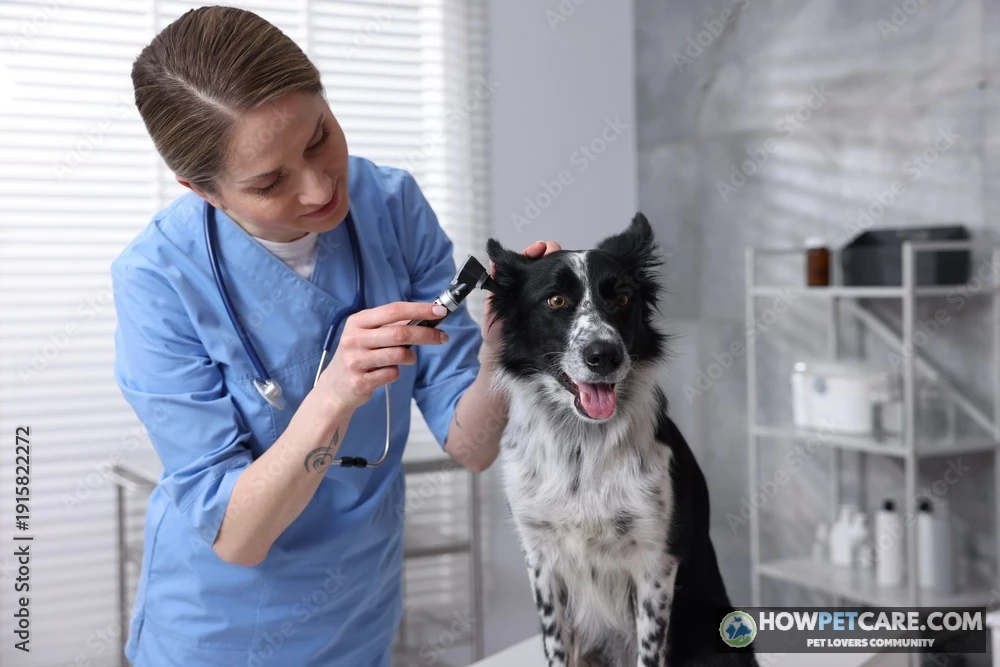
Go today, not this week: difficulty breathing, collapse, extreme lethargy, pale or blue gums, fever above about 103°F (39.4°C) with lethargy, repeated vomiting, bloody diarrhea, or refusing food and water for 24 hours or more. Puppies and seniors have lower thresholds. Puppies can dehydrate and drop their blood sugar quickly, so act sooner.
Why recurring infections need a workup before supplements
A vet visit can identify the cause. Common next steps include a physical exam, bloodwork, urinalysis, fecal testing, and screening for underlying disease. Testing comes before supplements because a supplement cannot correct an undiagnosed infection, endocrine disorder, dental infection, or immune-mediated condition. If infections keep returning, the question isn’t which immune booster to buy. It’s what is driving the pattern.
The Foundations That Matter Most: Diet, Weight, Exercise, Stress, Vaccines, and Checkups
These rows carry the strongest evidence and the biggest payoff. They are also where most owners can make a measurable difference without spending much.
Nutrition and body weight
Feed a complete and balanced, life-stage-appropriate diet with adequate protein, essential fatty acids, and antioxidants. Look for AAFCO or FEDIAF nutritional adequacy wording on the label, or ask your vet to confirm the food meets the right standard for your dog’s age and condition. Most dogs on a complete diet do not need extra vitamins and minerals. Over-supplementing can unbalance the diet and, in some cases, cause harm. Because dogs make their own vitamin C, routine vitamin C supplementation has little supporting evidence.
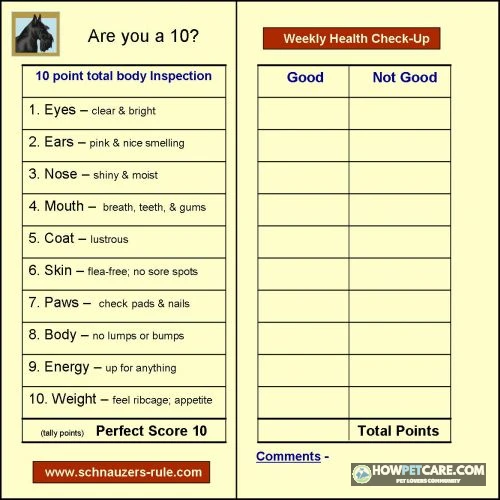
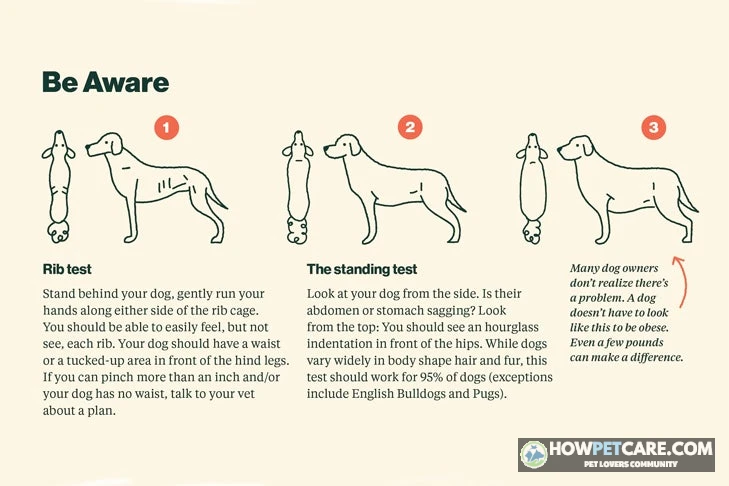
Healthy body condition matters as much as food choice. Obesity drives chronic low-grade inflammation and makes immune regulation harder. You can check body condition at home: you should be able to feel the ribs without pressing hard, see a waist from above, and see a slight tuck from the side. If the ribs are hard to find or the waist is gone, ask your vet for a body-condition review and a weight plan.
Exercise and stress
Regular exercise reduces chronic inflammation and improves circulation of antibodies and immune cells. Most adult dogs do best with consistent, moderate daily activity rather than occasional hard workouts. Adjust for age, breed, joints, and fitness. Overexertion can become a physical stressor, especially in heat or for dogs with heart, lung, or joint problems.
Reduce chronic stress through predictable routines, sleep, enrichment, and gradual handling of change. Boarding, moving, new pets, loud construction, and schedule chaos can matter. Calming interventions may help, but consult a vet before supplements or medication. A dog that repeatedly gets sick after stress may need a broader plan, not just an immune product.
Vaccines, parasite control, and checkups
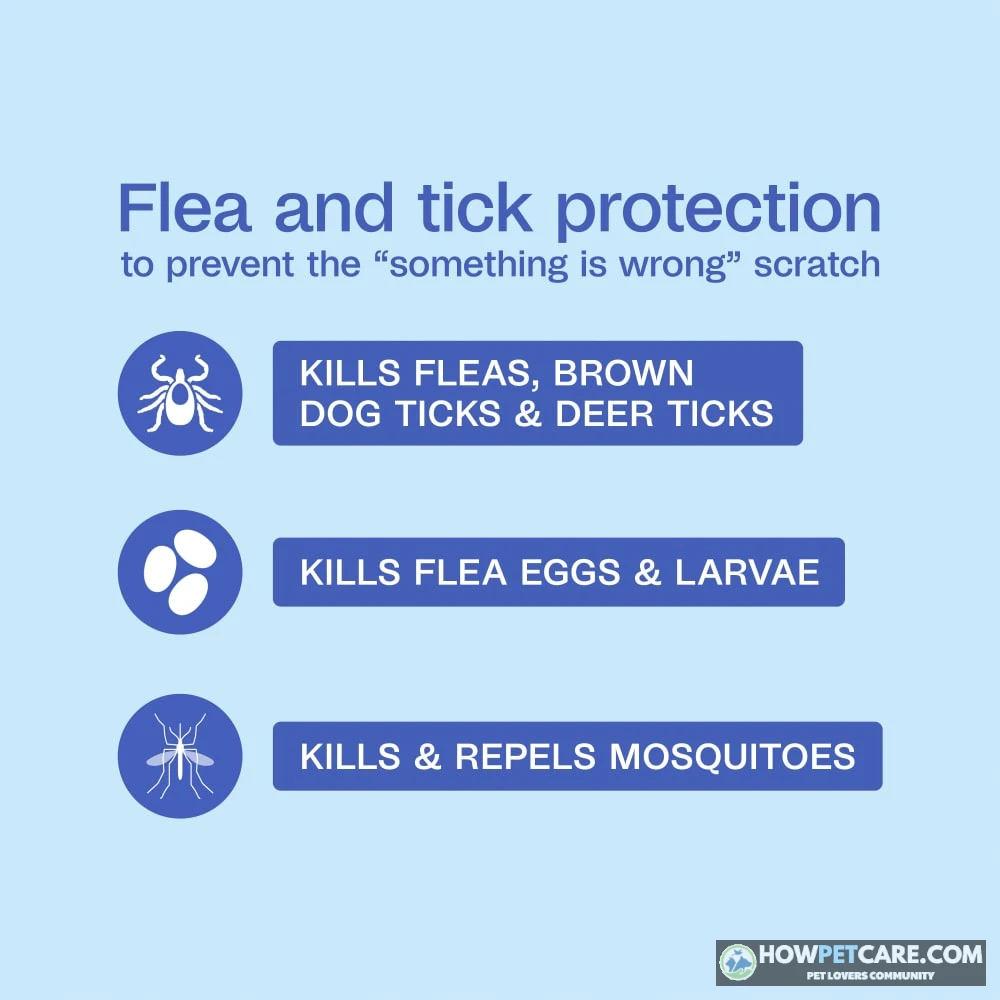
Stay current on vaccinations and parasite prevention as core immune protection. Preventing infection is more reliable than supporting immunity after exposure. Core vaccines often include rabies, distemper, and parvovirus, depending on regional law and risk. Your vet can set a vaccine schedule for your region and lifestyle, and titer testing can be an option to discuss for some dogs.
Preventive vet care is part of immune support. Most healthy adults do fine with a yearly exam. Seniors often benefit from twice-yearly exams. Dental care is easy to overlook, but chronic dental infection can add to the body’s inflammatory load.
Life-stage priorities at a glance
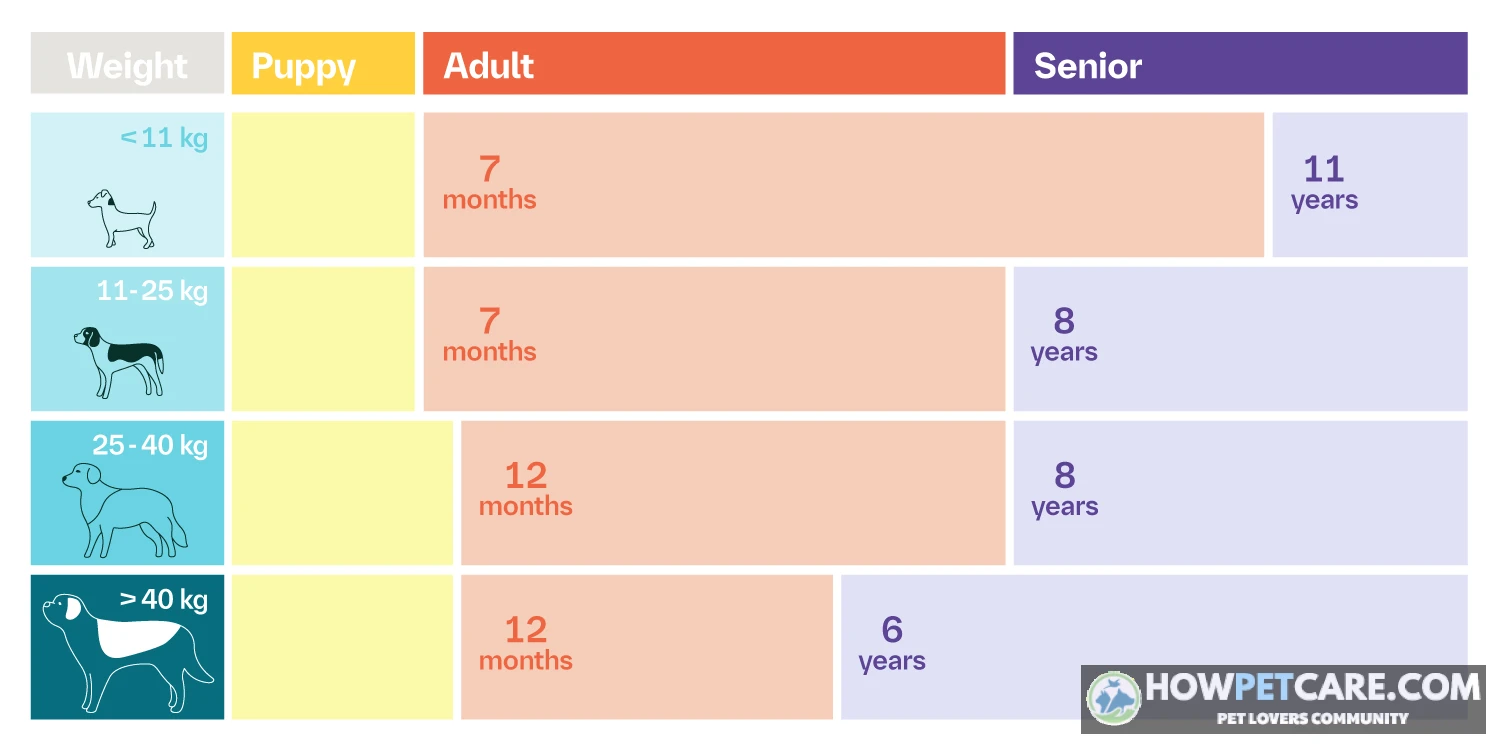
- Puppies: maternal antibodies fade before the vaccine series finishes, so the full series, a puppy-formulated diet, current deworming, and limited contact with unvaccinated dogs do the protecting—full protocols are in the life-stage section below.
- Healthy adults: maintenance only—complete diet, lean weight, regular exercise, dental care, an annual exam, and parasite prevention; supplements stay optional and targeted.
- Seniors: more frequent exams with bloodwork, gentler exercise, careful dental care, and vet-confirmed omega-3 dosing; go easy on antioxidant cocktails because fat-soluble vitamins accumulate.
- Immunocompromised dogs (steroids, chemotherapy, chronic illness): cooked or commercially complete diets only, no raw food, stricter hygiene, and vet approval before any supplement.
Foods That Support Dog Immune Health Without Unbalancing the Diet
Food can support immune health, but it should not be used to replace a complete diet. The safest approach is to keep the main diet balanced and add small, deliberate extras.
The 10% rule and a safe add-ins checklist
Keep treats and fresh-food extras under about 10 percent of daily calories. That protects the nutritional balance of the main food. Add one new food at a time, in a small amount, and watch stool quality for a day or two.
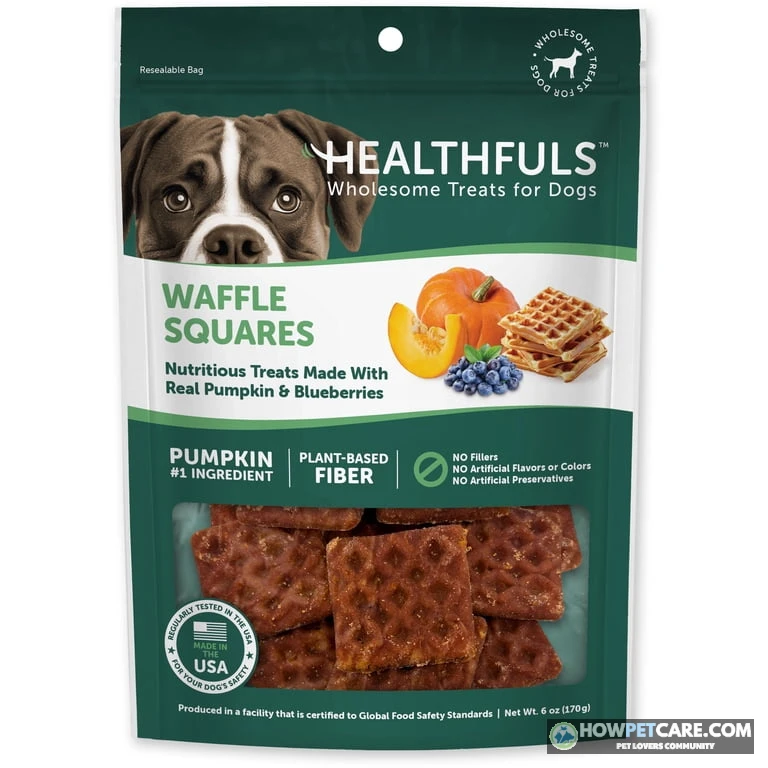
Safe fresh-food extras include cooked or canned oily fish such as sardines in water with no added salt, small portions of blueberries, cooked pumpkin or sweet potato for fiber, plain cooked eggs, and leafy greens in small amounts. Plain unsweetened kefir or yogurt in small amounts may be tolerated by some dogs, but these are not reliable probiotic doses and should not replace a canine probiotic if your vet recommends one.
Foods to avoid include grapes and raisins, onions and garlic, macadamia nuts, xylitol-containing products, and fatty scraps. Garlic is often suggested as an immune booster, but garlic is toxic to dogs, so skip it.
Antioxidant-rich foods can support overall health, but there is no strong proof that any single food improves immune outcomes in dogs. Think of food as background support, not a treatment.
Is raw feeding safe for a dog with a weak immune system?
Raw meat carries Salmonella, Listeria, and E. coli risk. Major veterinary and public health bodies advise against raw feeding for immunocompromised dogs and households with vulnerable people. If your dog has a weakened immune system, a strictly cooked or commercially complete diet is the safer default. That is especially important for dogs on chemotherapy, long-term steroids, or with chronic illness.

Dog Immune Supplements: What Has Evidence, What Is Hype, and How Much to Give
Supplements are most useful when they target a named problem. They are least useful as a general immune tonic. There is no single best immune support supplement for dogs; the best choice matches a specific problem and passes quality checks. Exact canine dosing for omega-3s, probiotics, and colostrum is not fully standardized across veterinary sources, so use the ranges below as starting points and confirm the final dose with your vet.
Supplements support specific functions. They do not replace vaccination, parasite prevention, or treatment for immune-mediated disease.
Evidence-graded supplement ranking
Omega-3 fatty acids, especially EPA and DHA, have moderate evidence for skin inflammation and joint support. Certain probiotic strains have moderate evidence for diarrhea and antibiotic-associated gut upset. Colostrum, beta-glucans, and antioxidant blends have limited or mixed evidence. Vitamin C megadoses, immune-boosting herbal blends, echinacea claims, and mushroom extract claims are weak or hype for routine use. Natural immune boosters for dogs are not automatically safer. Herbs and mushroom extracts can still interact with drugs.
Omega-3 dosing by weight
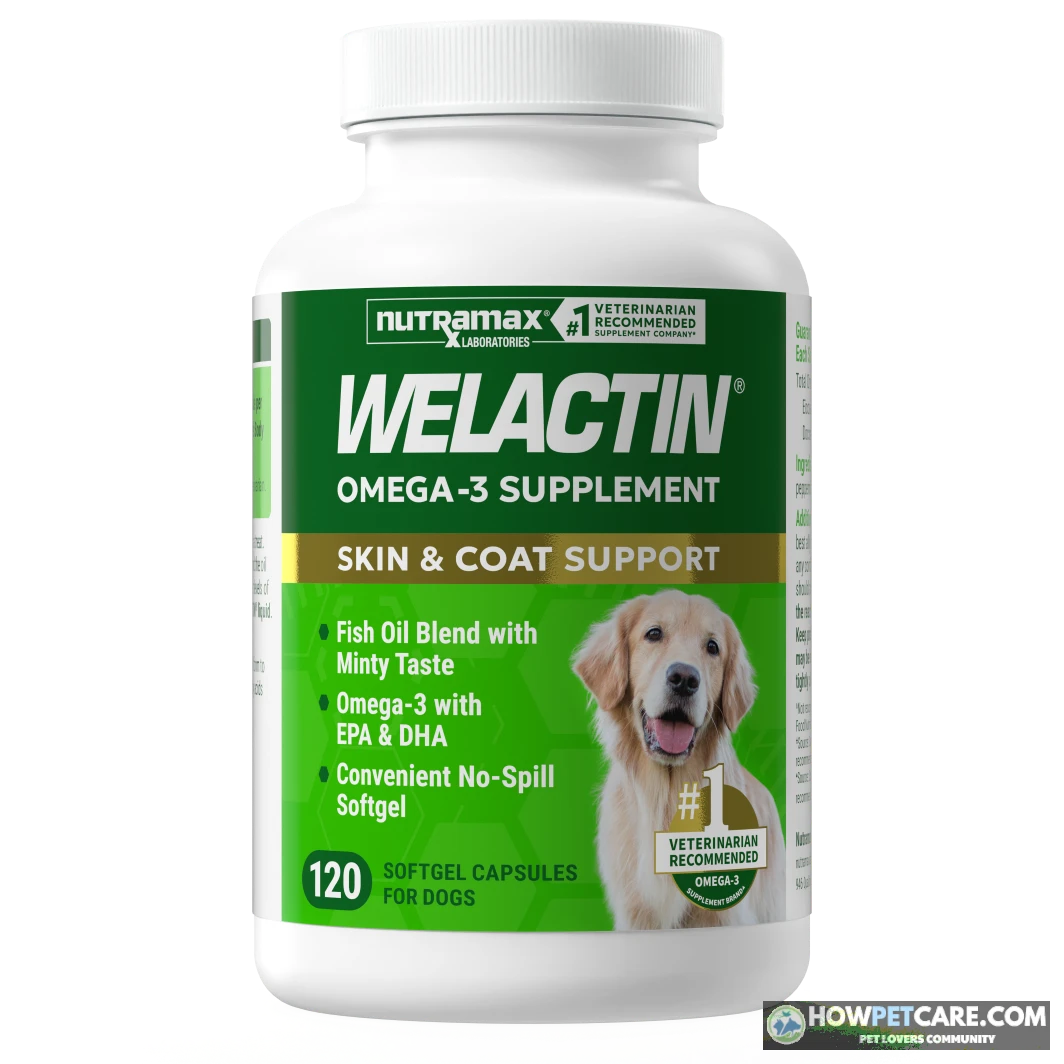
Check the label for combined EPA plus DHA milligrams, not just the total fish oil number. A commonly used maintenance range is about 50 to 100 mg EPA plus DHA per kg of body weight per day—roughly 23 to 45 mg per lb per day.
Start at the low end or half the target for one to two weeks. Increase slowly if stool remains normal. Loose stools, fishy breath, weight gain, or vomiting can mean too much. Therapeutic doses for specific skin or joint conditions are higher but should be vet-directed. Fish oil can affect blood clotting, so use extra caution before surgery or with dogs on NSAIDs or anticoagulants.
Probiotic strains and CFU ranges for specific problems
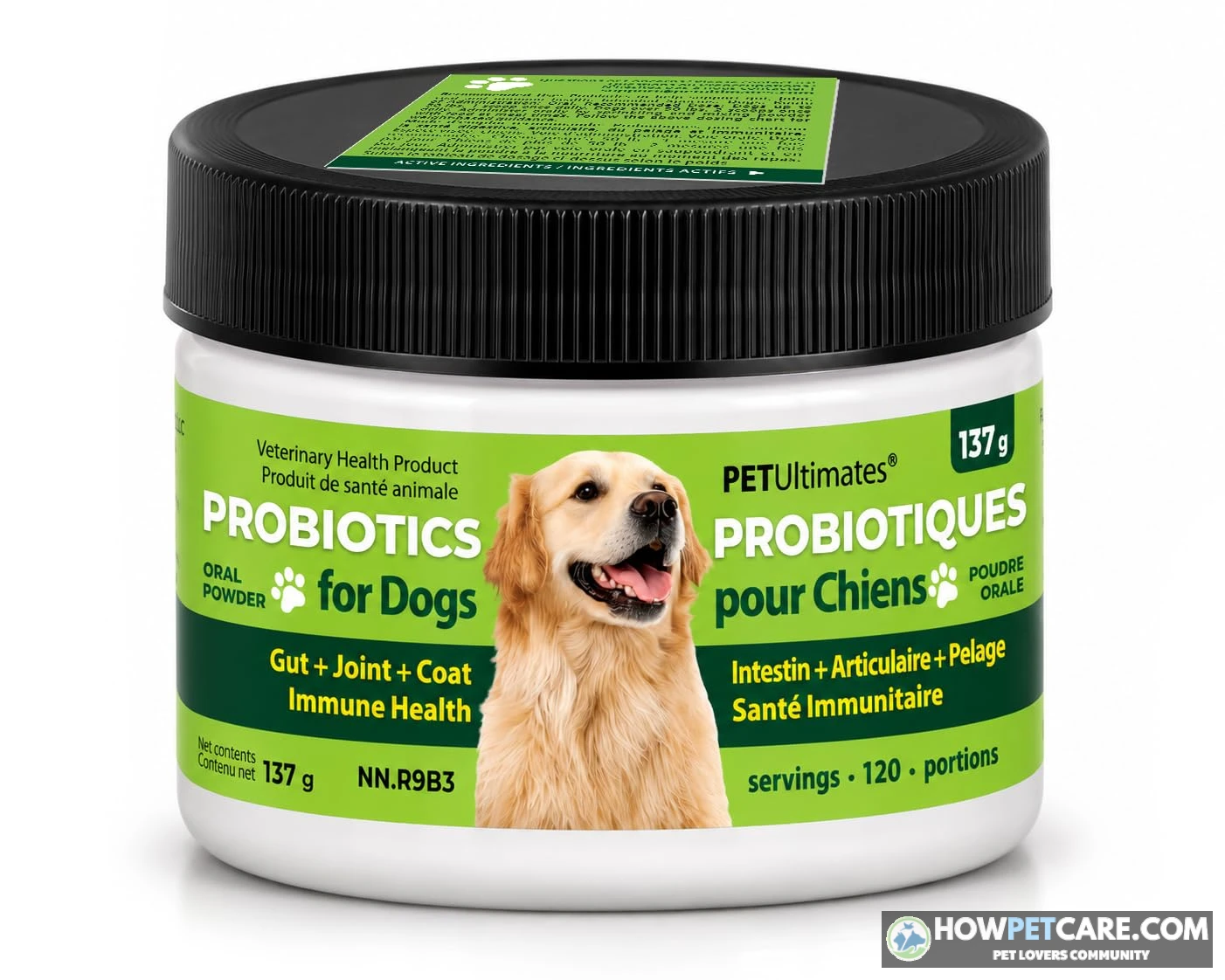
Dose probiotics by CFU, not by body weight alone. Many canine products provide roughly 1 to 10 billion CFU per day, depending on dog size and the product. The strain matters more than the number. Enterococcus faecium SF68 and Bifidobacterium animalis AHT-2 are commonly discussed for diarrhea support, while Lactobacillus strains often come up for post-antibiotic or stress-related gut upset. Choose a product with named strains that match the problem.
Give probiotics a few hours apart from antibiotics unless your vet gives different instructions. Live probiotics are generally low risk, but they can carry a small infection risk in severely immunocompromised dogs. In those dogs, vet approval comes first.
Colostrum, antioxidants, and herbal products
Colostrum is marketed for gut and immune support, but canine dosing and efficacy data are limited. If you try it, use a canine-formulated product, follow the label, and treat it as optional—not as a substitute for vaccination or veterinary care.
Antioxidants such as vitamin E, vitamin C, and selenium are usually best obtained from a complete diet. Excess fat-soluble vitamins can accumulate, so senior antioxidant cocktails can overshoot. Vitamin C megadoses are unsupported for dogs because dogs make their own vitamin C.
Herbal and mushroom products, including echinacea and beta-glucan blends, lack reliable canine outcome data. They may be inappropriate for autoimmune disease and may interact with medications.
| Supplement | Measure to check on label | Typical range (confirm with vet) | Small dog (under 10 kg) | Medium dog (10–25 kg) | Large dog (over 25 kg) | Puppy, senior, and immunocompromised notes |
|---|---|---|---|---|---|---|
| Omega-3 fish oil | Combined EPA plus DHA mg per serving | About 50 to 100 mg EPA plus DHA per kg body weight per day | About 250 to 750 mg per day | About 500 to 2,000 mg per day | About 1,250 to 3,000 mg per day; many vets cap near 3,000 mg without a therapeutic reason | Start at half dose for 1 to 2 weeks. Vet check first for seniors on NSAIDs, dogs before surgery, and puppies. |
| Probiotic | CFU guaranteed through expiry and named strains | About 1 to 10 billion CFU per day, label-based | About 1 to 3 billion | About 3 to 5 billion | About 5 to 10 billion | Give a few hours apart from antibiotics. Vet approval first for severely immunocompromised dogs. |
| Colostrum | Canine-formulated product | Label-directed; canine efficacy data limited | Per label | Per label | Per label | Optional only. Never a substitute for vaccination or vet care. |
| Antioxidants | Check the food label first | No added dose needed on a balanced diet | — | — | — | Fat-soluble vitamins accumulate; senior cocktails can overshoot. |
| Beta-glucans and mushroom products | Standardized beta-glucan content | Insufficient canine data; follow label only | Per label | Per label | Per label | Avoid in autoimmune disease; immune stimulation may be inappropriate. |
Stop-if signals for any supplement: new vomiting, loose stool, itching, fishy breath plus weight gain, or any worsening of the original problem. Stop the product and call the vet.
How to Choose a Safe Supplement and Avoid Drug Interactions
The supplement aisle is full of products that sound immune-focused but do not provide enough information to judge safety or quality. Dog supplements are not approved for effectiveness before sale the way drugs are, so the label alone is not proof. Use a quality checklist and treat interaction risk seriously.
Supplement quality checklist
- Formulated for dogs, not a human product with unknown additives
- NASC Quality Seal or an equivalent third-party quality program marker
- Certificate of analysis available on request or by lot number, covering heavy metals and contaminants
- EPA and DHA listed separately in mg
- CFU count guaranteed through the end of shelf life, not at time of manufacture
- Named probiotic strains with genus, species, and strain code that match your use case
- Full ingredient amounts disclosed, with no proprietary blend hiding doses
- Lot number and expiry date printed on the package
- No xylitol, onion powder, garlic powder, added sugars, or other risky inactive ingredients
- Interaction warnings and a real company contact line for adverse events
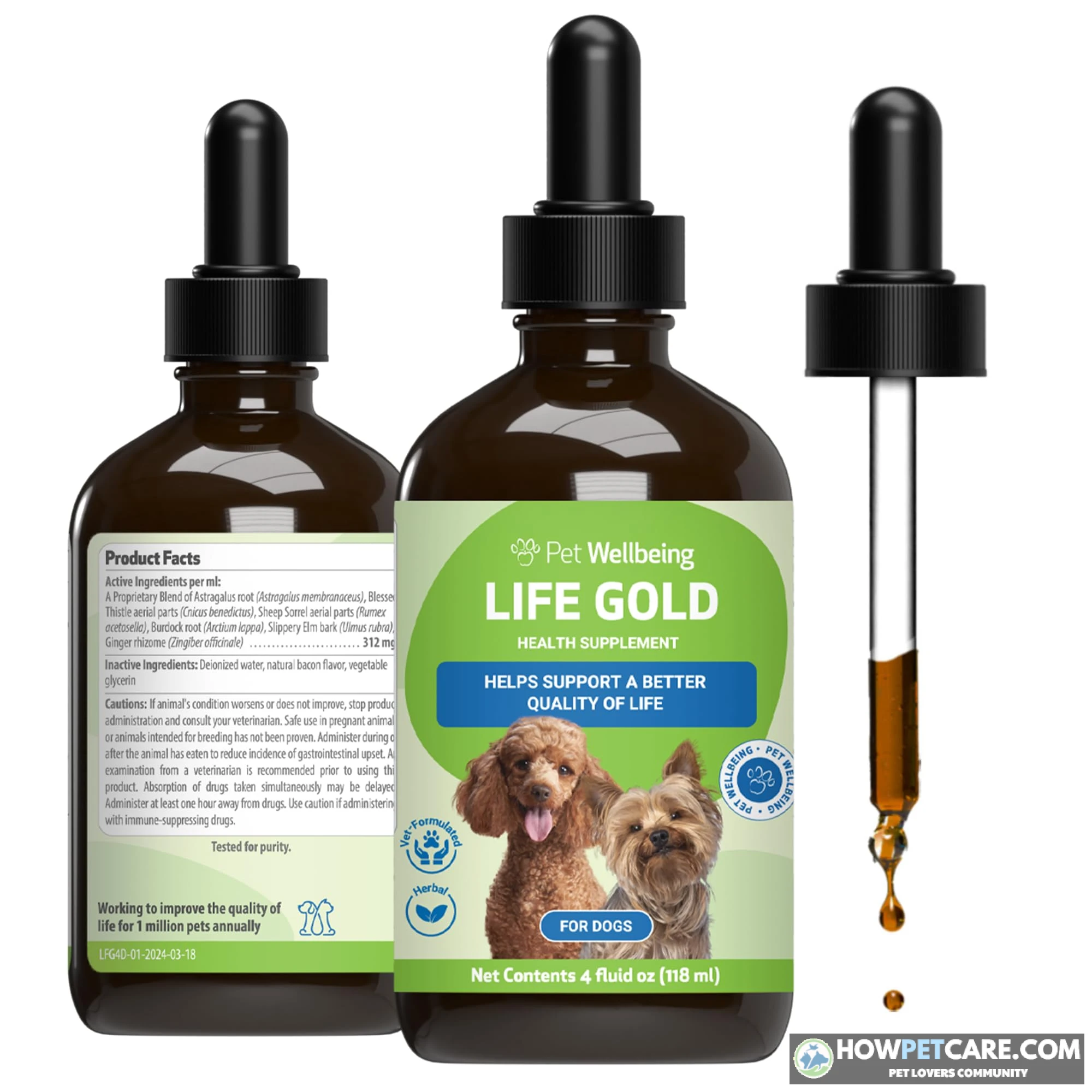
Red flags: claims to cure or instantly strengthen immunity, no testing information, no named strains, no contact information, or a product that relies on vague blend language. Photograph the label and bring it to the vet visit.
Drug–supplement interaction warnings
Fish oil can affect blood clotting. That matters before surgery and for dogs taking NSAIDs, anticoagulants, or other drugs that affect bleeding. It can also add to gastrointestinal upset in dogs on corticosteroids or NSAIDs.
Herbal supplements may interact with many medications, including steroids, antibiotics, allergy drugs, heart drugs, and seizure drugs. Probiotics are usually given a few hours apart from antibiotics, but your vet should confirm the schedule.
Dogs on immunosuppressants, chemotherapy, or with serious illness need vet approval before adding anything. This includes live probiotics, which carry a small infection risk in severely immunocompromised dogs. Bring the actual product or a clear label photo to the vet so ingredients and doses can be checked.
Immune Support by Life Stage: Puppy, Adult, Senior, and Immunocompromised Dog
Immune support is not one plan for every dog. Age, health status, and medications change the risk-benefit calculation.
Puppies and the vaccine gap
Puppies are protected initially by maternal antibodies, but that protection fades before their own vaccine series is complete. The full puppy series is the key protection, typically finishing around 16 weeks. A puppy is not fully protected until the series finishes. Limit exposure to unvaccinated dogs and high-traffic areas before then, feed a puppy-formulated diet, and keep deworming current.
After vaccines, a day of mild tiredness or a sore injection site can be normal. Fever, facial swelling, repeated vomiting, hives, or collapse needs an urgent call to the vet. Avoid adding supplements during growth without vet advice.
Healthy adults
For a healthy adult, maintenance is the goal: a complete diet, lean body weight, regular exercise, dental care, annual vet exam, and parasite prevention. Supplements are optional and targeted. Omega-3s may be useful for skin or joint support. Probiotics may be useful after antibiotics or a bout of diarrhea. If the dog is truly healthy and doing well, the best plan is often the simplest one.
Senior dogs
Senior dogs often face declining immune responses and a higher chance of chronic disease. Use twice-yearly exams, often with bloodwork. Keep exercise gentle and regular, monitor weight and muscle condition, and stay on top of dental care. Diet adjustments may be needed for kidney, liver, heart, or joint disease.
Omega-3s may help joints and inflammation, but check the dose with the vet if kidney disease is present. Senior antioxidant cocktails should be used cautiously because fat-soluble vitamins can accumulate.
Dogs on steroids, chemo, or with chronic illness
For an immunocompromised dog, the plan is stricter: cooked or commercially complete diets only, no raw food, careful hygiene, avoiding crowds and stagnant water, and prompt reporting of fever or lethargy. Every supplement needs vet approval. Vets may adjust vaccine timing or choice for dogs on immunosuppressants.
For autoimmune disease, the goal is not to stimulate the immune system. Immune-boosting products may be inappropriate, and some herbs or mushroom products can complicate treatment.
1A dog owner notices that their senior dog has developed mild joint stiffness and skin flakiness. They are evaluating daily supplement options to address these specific issues. Based on veterinary evidence, which targeted supplement has moderate supporting proof specifically for skin inflammation and joint support?
Omega-3 fatty acids (specifically EPA and DHA) have moderate evidence from canine clinical trials for managing skin inflammation and supporting joint health.
2An owner is monitoring their dog's health at home. Which of the following symptoms represent severe red flags that require taking the dog to a veterinary clinic immediately ('go today'), rather than booking a routine visit later in the week?
A high fever paired with lethargy indicates systemic infection or acute illness requiring immediate medical stabilization.
3An owner brings a 45-lb (20 kg) adult dog to the vet to discuss starting an omega-3 fish oil supplement. When reading product labels, what key detail should the owner check to calculate an accurate daily maintenance dose?
Dosing guidelines are based specifically on active EPA and DHA content per kilogram of body weight, not the total weight of the fish oil liquid or capsule.
4A dog undergoing chemotherapy treatment for cancer has a severely weakened immune system. Which dietary approach is recommended as the safest default for this dog?
Raw meat carries pathogens like Salmonella, Listeria, and E. coli, which pose severe infection risks to immunocompromised dogs that lack robust defenses.
5An owner wants to support their dog's gut health after a course of antibiotics. When selecting a probiotic supplement, why is it insufficient to select a product based solely on a high total 'live bacterial count'?
Different probiotic strains (such as Enterococcus faecium SF68 or Bifidobacterium animalis AHT-2) perform distinct functions; the specific named strain matters more than total raw bacterial numbers.
6Which of the following statements correctly reflect health cautions or drug interaction risks when administering supplements to dogs?
High doses of omega-3 fatty acids alter platelet aggregation, increasing bleeding risk during surgical procedures or concurrent NSAID use.
7A dog owner is shopping for a probiotic supplement to aid their dog's recovery from diarrhea. Which package label feature serves as the most reliable indicator of product quality control?
Quality canine supplements disclose exact bacterial strains and guarantee live organisms remain viable through the expiration date, rather than only at the time of manufacture.
8How do routine vaccinations support a dog's adaptive immune system differently than innate immune defenses?
Adaptive immunity relies on specific recognition developed through exposure or vaccination, establishing long-term memory cells for future defense.
Your Dog’s Immune-Support Plan: Monthly Cost, Timeline, and a Checklist to Start Tonight
This is where the plan becomes concrete. Start with the foundation, add one targeted supplement only if there is a reason, and expect to wait for measurable changes.
What an immune-support regimen costs per month
Costs vary by dog size, region, and product quality. These are approximate 2026 US-market ranges, not precise prices.
| Budget tier | What is included | Estimated monthly cost range | Best suited for | What to skip at this tier |
|---|---|---|---|---|
| Foundation | Complete diet, parasite prevention, annual exam budgeted monthly | $35 to $120 | Most healthy adults | Extra immune supplements, herbal blends |
| Targeted | Foundation plus one supplement such as omega-3 or a short probiotic course | $50 to $140 | Dogs with a named problem: skin, joints, diarrhea, or post-antibiotic upset | Multiple supplements at once, unproven boosters |
| High support | Targeted plus senior exams, bloodwork, or chronic-disease care as needed | $90 to $250 | Seniors, immunocompromised dogs, dogs with recurring infections | Routine megadose vitamins, mushroom blends without vet approval |

The foundation usually gives more benefit than supplements. More expensive does not mean better. If the dog needs diagnostics, that money should come before supplements.
How fast to expect changes
Stool changes from a probiotic or diet tweak may appear within days to a few weeks. Skin and coat changes from omega-3s typically take about 6 to 12 weeks. Immune changes are not directly measurable at home. Define a stop rule: new vomiting, diarrhea, itching, worsening signs, or a dog that simply feels off after starting a product means stop and call the vet.
Monthly at-home immune check and next steps
Use a short monthly check: weight and body condition, stool quality, coat and skin, ears, gums and teeth, energy, appetite, and a log of any illness. This creates a baseline that makes subtle changes easier to spot.
Worked example: One Month of Immune Support for a 45-lb Dog
The dog: a 45-lb, about 20 kg, healthy adult with two ear flare-ups in the past year. Vet exam done, diet confirmed complete and balanced.
The monthly plan:
- Omega-3: target about 1,000 to 1,500 mg combined EPA plus DHA per day, roughly 50 to 75 mg per kg. A softgel with 300 mg EPA plus DHA means 3 to 5 softgels daily, or a measured pump of a concentrated liquid. Cost: about $12 to $18 per month.
- Probiotic: reserved for a real trigger, such as an antibiotic course or boarding stay, at about 5 billion CFU per day. Cost when used: about $18 to $25 per month; $0 in quiet months.
- Parasite prevention: about $15 to $25 per month if already budgeted.
- Diet: unchanged, $0 added.
Added monthly spend: roughly $15 to $45, most of it the omega-3. Stool quality is the first checkpoint at 1 to 2 weeks. Ear and coat changes are reassessed at 8 to 12 weeks before deciding whether the supplement earns its line item.
Senior variant: same dog at age 11, with early kidney changes on routine bloodwork. Omega-3 dose confirmed with the vet first. Probiotic only with vet sign-off if medications are added. Twice-yearly senior exam plus bloodwork, about $200 to $350 per visit, amortizes to about $30 to $55 per month. Total: about $50 to $80 per month, with diagnostics outranking supplements.
-
Book the exam if needed
If infections are recurring, book a veterinary exam before adding supplements.
-
Confirm the diet
Confirm the current food is complete and balanced for your dog’s life stage.
-
Check weight and body condition
Record weight and body condition so you can track changes.
-
Review medications and supplements
Bring current medications and any supplements to the vet for an interaction check.
-
Introduce one product at a time
Start one targeted supplement, if needed, at the low end of the range.
-
Track for 8 to 12 weeks
Track stool, skin, coat, energy, and illness patterns for 8 to 12 weeks.
Start with the vet first if your dog has recurring infections, fever, weight loss, chronic diarrhea, or is on steroids or chemotherapy. Try a single targeted supplement only if the dog is otherwise healthy and the problem is specific, such as skin inflammation or post-antibiotic stool changes. Do not add immune products if your dog has an autoimmune condition unless the vet approves. The strongest plan is still the least dramatic one: balanced food, lean weight, prevention, and a vet partnership that uses supplements only when they solve a real problem.
FAQ
Can I give my dog human vitamin C or a multivitamin to help immunity?
Dogs make their own vitamin C, so extra rarely helps and high doses can upset the stomach. Human multivitamins can contain xylitol, iron, or vitamin D at doses unsafe for dogs, so use only a canine-formulated product that your vet approves.
Do vaccines weaken a dog’s immune system?
No. Vaccines train the immune system to recognize specific diseases. Mild tiredness or a sore injection site for a day or two is common, but facial swelling, repeated vomiting, or collapse needs urgent veterinary care.
Is plain yogurt a good probiotic for dogs?
Small amounts of plain, unsweetened yogurt are fine for many dogs, but it is not a reliable probiotic source because strains and counts are not matched to dogs. Never use products with xylitol, and skip dairy if your dog has lactose-related stomach upset.
Can stress really make my dog sick more often?
Chronic stress changes hormone levels, including cortisol, which can affect immune regulation and gut health. Boarding, moving, and household changes are common triggers, so keep routines steady and see a vet if illness keeps following stressful events.
Are some dogs born with weak immune systems?
Yes. Some breeds carry inherited immunodeficiencies, and these usually show up as repeated or severe infections in young dogs. A vet can run tests, and supplements cannot fix an inherited condition.
Are dog supplements regulated?
Dog supplements are not approved for effectiveness before they are sold, so quality varies a lot. Look for a quality seal such as the NASC seal, third-party contaminant testing, and a clear ingredient and dose label.