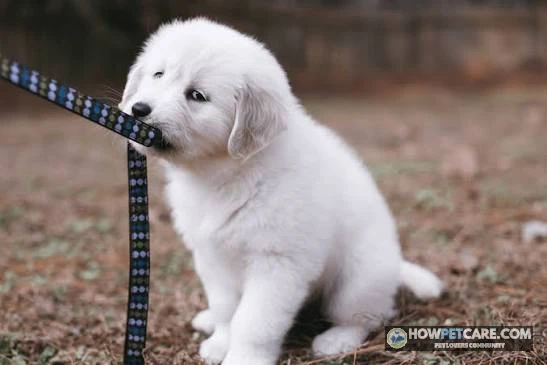

To stop a puppy from biting, freeze when teeth touch skin or clothes, then redirect to a chew or tug toy. Reward gentle contact, and quietly end play for 30 to 60 seconds if mouthing continues. Use calm pen breaks and naps for over-arousal; never punish physically.
Puppy biting hurts, even when it’s normal. What you do in the first three seconds matters more than any single technique. This guide gives an in-the-moment response for hands, feet, clothes, and leashes, then builds a week-by-week plan for softer mouthing without punishment.
What to Do the Exact Moment Your Puppy Bites

Stop moving first. Movement feeds chasing and grabbing, so freeze your hands and feet the instant teeth touch skin, clothing, or the leash. Then classify the target and your puppy’s arousal before you do anything else.
Hands and feet
Pulling away turns your hand into a fleeing target. Keep it still, then redirect: offer a chew toy or tug toy within one second and reward two to three seconds of gentle contact. If mouthing continues, end play quietly for 30 to 60 seconds and restart at lower intensity.
Clothes and leash
For ankle-grabbing or clothing tugging, stop walking, keep your hands up, and don’t push the puppy away. Turn slowly, walk three steps in the opposite direction, and redirect to a tug toy. If the puppy chases and grabs again, end the interaction for 30 to 60 seconds. If the puppy grabs the leash, stop pulling against it; hold still, offer a toy, and resume walking when the puppy releases.
If your puppy gets more excited
Some puppies escalate when you react loudly or move sharply. If a yelp makes biting harder or faster, stop yelping immediately and switch to calm withdrawal. End play, use a safe pen break for two to five minutes, then offer a nap or potty reset. Use a crate only if the puppy settles there willingly; do not use it as punishment.
-
Stop moving
Freeze hands and feet the instant teeth touch skin, clothing, or the leash.
-
Redirect
Offer a chew or tug toy within one second and reward gentle contact.
-
End play if needed
Quietly stop interaction for 30-60 seconds when mouthing persists.
-
Reset arousal
Use a safe pen break, then a nap or potty break for high arousal. Use a crate only if the puppy settles there willingly.
Never hit, scruff-shake, pin, or forcefully hold a puppy. Physical punishment increases fear and defensive biting.
Why Puppies Bite: Play, Teething, Exploration, and Overtiredness
Biting and nipping are normal developmental behavior that helps puppies explore and soothe sore gums. Puppies have 28 deciduous teeth and develop 42 adult teeth. Peak teething often occurs around 3 to 4 months, with adult teeth in place around 6 to 7 months. Some sources describe the chewing phase as lasting 3 to 6 months, others 8 to 10 months, so timelines vary.
Play biting is common during movement and social games. Teething increases chewing. Exploration and frustration add mouthiness. Overtired puppies often bite harder and ignore cues.
Teething relief

Offer size-appropriate, durable chews and inspect them often. Frozen, veterinarian-approved options can soothe gums. Avoid cooked bones, antlers, hooves, hard nylon bones, and small items that can wedge in the throat.
Overtired puppies
Late-day fatigue and lack of physical or mental stimulation often trigger tantrums. A puppy with a stiff body, bared teeth, growling, and much harder bites than during play may be over-aroused rather than playful. End play, separate calmly in a pen for two to five minutes, then offer a nap or potty break.
Reading body language
Loose, wiggly bodies with soft bites suggest play. Stiffness, freezing, hard stares, or growling suggest stress, fear, or pain and need distance and professional guidance.
How to Teach Bite Inhibition Without Punishment
Bite inhibition teaches a puppy to control pressure so it does not cause injury later, even when startled or in pain. Oregon Humane notes gentle mouthing during play is part of learning bite control from 6 to 18 weeks.
Bite inhibition basics
Reward gentle mouth contact with treats or continued play. Track bite pressure on a 1 to 5 scale rather than expecting zero biting immediately.
Redirecting behavior
Redirect to chew toys, food-stuffed toys, and safe tug toys. Keep sessions short and end before arousal spikes. Repeat the redirect calmly rather than scolding.
Reward timing
Mark and reward the moment teeth soften or release. Delayed rewards confuse the puppy. Consistency across all family members matters more than perfect timing.
Yelp, Stay Quiet, Turn Away, or End Play: A Decision Rule
Sources conflict on yelping. Some suggest a high-pitched "ow" to signal pain; others note it can excite some puppies into biting harder. Use this rule:
When a yelp helps
Use a brief yelp only if it clearly reduces biting without increasing excitement. If the puppy releases, softens, or looks confused, continue with redirection.
When to stay silent
If yelping makes the puppy chase, grab, or bite harder, stop immediately. Switch to quiet withdrawal: freeze, turn away, and end interaction for 30 to 60 seconds.
Ending interaction safely
When mouthing persists or arousal rises, end play. Use a safe pen break only when the puppy can settle, never as punishment. A crate is for positive rest, not a consequence; using it to punish can make it a less safe, comfortable place for the puppy.
Normal Play Biting vs. Over-Arousal, Pain, or Professional Concern
| Sign | Likely cause | Best response | Escalate? |
|---|---|---|---|
| Loose body, wagging, soft bites, releases when redirected | Play mouthing | Freeze, redirect to toy, reward gentle mouth | If pressure rises or redirection fails for 3 days |
| Zooming, frantic biting, ignoring cues, hard to settle | Over-arousal | End play, quiet withdrawal, 2-5 minute pen break, nap or potty reset | If episodes last over 20 minutes or happen daily |
| Stiffness, flinching, snapping when touched, sudden change | Pain-related biting | Stop handling, give space, schedule veterinary exam | Any sudden pain-linked bite or repeated guarding |
| Freezing, hard stare, growling, snapping without warning | Urgent behavior concern | Create distance, avoid confrontation, secure puppy safely | Same day contact with veterinarian or qualified behavior professional |

Red flags
Watch for sudden behavior changes, stiffness, guarding, or unprovoked biting. Pain, illness, fear, or resource guarding may contribute.
Pain-related biting
If biting appears when touching ears, paws, belly, or mouth, stop handling and schedule a veterinary exam. Do not assume misbehavior.
When to get help
Seek qualified help when behavior escalates or safety is at risk. A veterinarian can assess possible pain or illness; a qualified behavior expert can help with safety and behavior concerns. Seek urgent veterinary advice for sudden, severe, or pain-linked changes.
Managing a Mouthy Puppy Around Children and Visitors

Supervise all child-puppy interactions, with an adult within reach and actively watching, and use physical barriers when needed. Teach children to freeze, turn away, and avoid running or squealing. Give visitors a simple response script: stay still, avoid reaching for the puppy, and let the adult manage the greeting. Avoid inconsistent corrections.
Toddlers and older children
Children should not hold food or toys near the puppy’s face. Adults should manage greetings and fatigue. End interaction if either child or puppy shows tiredness, and separate them with a barrier if an adult cannot actively supervise.
Visitor greetings
Keep the puppy on leash or behind a gate during greetings. Place approved chew toys within reach. Assign one adult as the puppy watcher for the first 10 minutes.
Supervision setup
Use gates, pens, and leash management. If the puppy grabs clothing or ankles, the child freezes, an adult steps between without pushing, redirects to a toy, and the puppy gets a two to five minute calm break in a pen.
If a Bite Breaks Skin: First Aid and When to Escalate
Wash the wound promptly with soap and water, apply pressure to bleeding, cover it, and monitor for infection. Seek medical care for deep, facial, hand, or worsening wounds, or if you have health concerns. Contact a veterinarian if biting is sudden, painful, or unusual. Consult a qualified behavior expert for repeat or escalating incidents.
Immediate first aid
Clean with soap and water, apply pressure if needed, and cover. Do not delay medical care for hand or facial wounds.
Medical red flags
Seek medical care for deep wounds, signs of infection, or if you have health concerns. Follow local guidance for animal bites.
Behavior support
Repeated broken skin, escalation, or pain-linked biting warrants veterinary or behavior-professional assessment.
Safe Teething Relief and Chew Options

Choose size-appropriate, durable chew toys and inspect them regularly. Use veterinarian-approved frozen treats or chilled safe chews for sore gums. Avoid choking hazards, splintering materials, and unsupervised hard objects. Rotate chews and pair them with calm settling activities.
Safe materials
Select chews wider than the puppy’s jaw and matched to weight and chewing style. Follow manufacturer instructions.
Frozen relief
Frozen rubber toys stuffed with kibble, diluted broth ice cubes, or a chilled damp washcloth can soothe gums under supervision.
Chew hazards
Avoid cooked bones, antlers, hooves, rawhide, string, fabric, and ice cubes large enough to wedge. Remove damaged items immediately.
Week-by-Week Bite-Inhibition Plan and Troubleshooting
Track bite frequency, pressure, and triggers weekly. Set realistic benchmarks for softer mouthing and fewer incidents. Troubleshoot puppies that get more aroused by yelps or time-outs. Seek puppy classes, training support, or behavior consultation if progress stalls.
Weekly benchmarks
| Week | Goal | What to track | Troubleshooting checkpoint |
|---|---|---|---|
| 1 | Reduce pressure, not frequency | Average bite-pressure rating | If pressure stays 4-5, reduce play intensity and add naps |
| 2 | Fewer hard bites | Incidents above rating 3 | If yelps increase arousal, switch to quiet withdrawal |
| 3 | Softer mouthing during play | Gentle contact duration | If time-outs fail, use pen breaks and potty resets |
| 4 | Calmer greetings | Bites during arrivals | If no improvement, consult trainer or veterinarian |

Tracking checklist
Log date, time, trigger, target, pressure rating, response used, recovery time, and sleep or teething context. Review weekly.
When to seek support
Seek help if biting breaks skin repeatedly, escalates, appears pain-related, or does not improve with consistent management over several weeks. A veterinarian or qualified behavior professional can assess safety and next steps.
If average pressure stays at 4-5 or recovery time exceeds two minutes, reduce play intensity, add naps, and seek professional support.

| Puppy Behavior / Sign | Likely Cause | Recommended Response | Escalation Indicator |
|---|---|---|---|
| Loose body, wagging, soft bites, releases when redirected | Play mouthing | Freeze, redirect to toy, reward gentle mouth | If pressure rises or redirection fails for 3 days |
| Zooming, frantic biting, ignoring cues, hard to settle | Over-arousal | End play, quiet withdrawal, 2-5 minute pen break, nap or potty reset | If episodes last over 20 minutes or happen daily |
| Stiffness, flinching, snapping when touched, sudden change | Pain-related biting | Stop handling, give space, schedule veterinary exam | Any sudden pain-linked bite or repeated guarding |
| Freezing, hard stare, growling, snapping without warning | Urgent behavior concern | Create distance, avoid confrontation, secure puppy safely | Same day contact with veterinarian or qualified behavior professional |
FAQ
Is it okay to push a puppy away when it bites?
No. Pushing can feel like play or resistance and may increase biting. Pause movement, redirect to a chew toy, or briefly end interaction instead.
What month is hardest with a puppy, and when does biting stop?
Many puppies are mouthiest between about 8 and 16 weeks, especially during teething. Biting usually decreases with consistent training, management, and maturity, but timelines vary.
How do I stop puppy biting when playing?
Keep play low-arousal, reward gentle mouth contact, redirect to tug or chew toys, and stop play immediately when teeth press too hard. Resume only after the puppy settles.
What should I do if saying “ow” makes my puppy bite harder?
Stop using the yelp and switch to quiet withdrawal or ending play. Some puppies become more aroused by vocal reactions, so consistency and calm disengagement matter more.
When should persistent biting prompt professional help?
Seek help if biting breaks skin repeatedly, escalates, appears pain-related, or does not improve with consistent management over several weeks. A veterinarian or qualified behavior professional can assess safety and next steps.