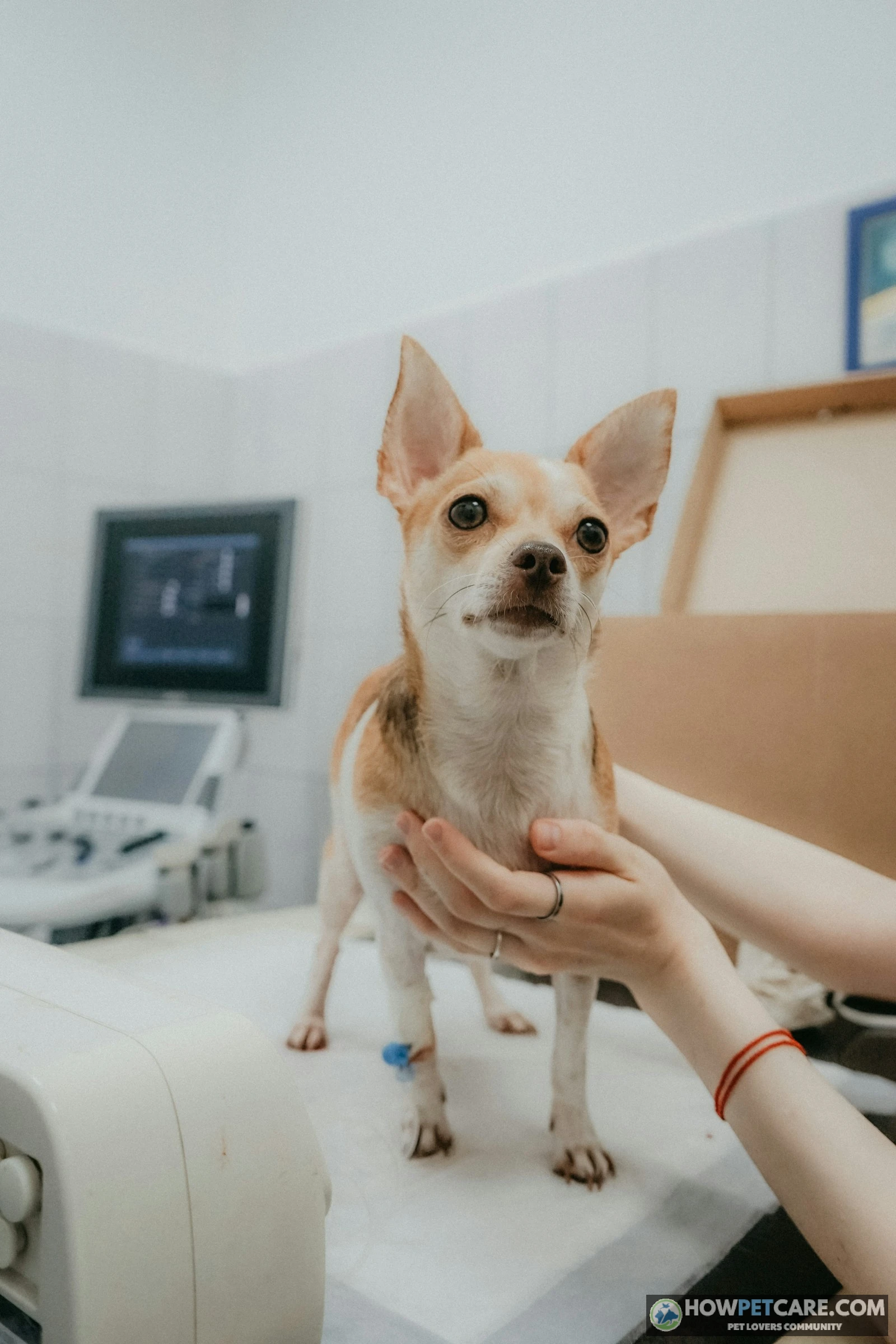

In 2026, microchipping a dog costs about $25–$75 at most vets and store clinics, while shelters, humane societies, and community events commonly charge $0–$25. Registration is usually separate: free registries cost nothing, one-time lifetime enrollment runs about $20, and annual plans add roughly $20–$25 per year.
In 2026, microchipping a dog in the United States costs about $25–$75 on average, including implantation and basic first registration. Shelters, humane societies, spay/neuter clinics, and community microchip events commonly charge $0–$25. A published survey of 80 clinics in 36 states found fees from $0 to $109.52, with a $30 median standard fee. Consumer guides often put the average at $20–$60, but the total can rise if you add a vet exam fee or annual registry renewal.
With an annual-subscription registry, expect a first-year total of roughly $60–$95 and a 12- to 15-year lifetime cost of about $335–$445. A free registry or one-time lifetime enrollment keeps the lifetime total near $20–$95. Look beyond the chip price: your budget needs to account for the chip, the visit, and registration.
What the Headline Range Includes
A microchip quote usually covers the chip itself and the injection. Registration is a separate step. Some private vets bundle basic enrollment into the quote; others don’t. Shelters and low-cost clinics often include registration in their fee or in the adoption fee. Chain-store vet clinics may include first-year enrollment, then renew it through a subscription.
Before paying, ask whether the quote covers only the chip, the chip plus an exam, or the chip plus registration. That question explains much of the difference between a $30 quote and an $80 quote.

How These 2026 Prices Were Gathered
For this 2026 guide, we reviewed publicly posted clinic and shelter fee schedules and registry pricing pages. We treated each figure as a planning range unless a provider published an exact price. Where a local menu didn’t list microchipping separately, we used the broader published range and median from the 80-clinic survey rather than inventing a precise fee.
Prices vary by ZIP code, clinic type, and whether the chip is bundled with another service. Registry terms change, too. Call to confirm the exact out-the-door price before booking, and check registry fees at checkout before enrolling.
Dog Microchip Cost by Provider: Vet vs PetSmart, Petco, Banfield, Shelters and Low-Cost Clinics
Where you go matters more than your dog’s size. Veterinary clinics are convenient but often cost more. Shelters and nonprofits may subsidize microchipping to about $10–$20, and adopted pets are commonly already microchipped within the adoption fee. Chain-store clinics fall in the middle, especially when you bundle the chip with a vaccine visit.
| Provider type | Typical implantation price range | Registration included? | Exam/visit fee likely? | Source/date checked | Notes |
|---|---|---|---|---|---|
| Private veterinarian | $45–$75 typical; published clinic survey spread $0–$109.52 | Often yes for basic enrollment, but confirm | Yes, if the chip is the only service; a standard exam may be added | Public fee schedules and clinic menus; checked Nov 2026 | Ask for the chip-only price if you are already there for another service |
| Banfield, PetSmart and Petco vet clinics | $35–$70 | Usually includes first-year enrollment | Yes, if standalone; often lower when bundled with a vaccine or wellness visit | Public clinic pricing pages; checked Nov 2026 | Exact price is location-specific, so call the store clinic |
| Animal shelter or humane society | $0–$25 | Usually included | No | Shelter fee schedules; checked Nov 2026 | Often free with adoption; public low-cost days may have eligibility rules |
| Spay/neuter and vaccine clinics | $15–$35 | Sometimes; ask before booking | No or minimal | Nonprofit clinic menus; checked Nov 2026 | Chip is often discounted when added to a surgery appointment |
| Community microchip events | Free–$20 | Usually included through a free registry | No | Local shelter and rescue event listings; checked Nov 2026 | Seasonal; bring ID and be ready to register on site |

These figures are planning ranges, not quoted prices. Each clinic sets its own fees, and prices vary by city. For a reliable quote for your dog, call the provider.
Private Veterinarian
At a private vet, the chip itself is relatively inexpensive; the visit is the variable. A vet may quote $45–$75 for implantation, or somewhat less if the chip is added to a visit you’re already paying for. A published survey found a $30 median standard fee across 80 clinics, with some fees above $100. A $30 quote and an $80 quote can both be normal.
If microchipping is the only reason for the appointment, a private vet may also add a standard exam fee, often $40–$70 in many metro areas. Ask for the chip-only price if you aren’t there for other care. Veterinary clinics may discount the chip when it’s bundled with another service.
Banfield, PetSmart and Petco
There is no single national microchipping price for Petco, PetSmart, or Banfield. These chains use store-based vet clinics, and quotes vary by location. A common planning range is $35–$70, and first-year enrollment is often included. A standalone visit may carry an exam fee; bundling the chip with a vaccine appointment is often cheaper.
Call the specific store clinic and ask for the all-in price, including the chip, injection, any required exam, and registration. A website headline may not reflect your local clinic’s current fee schedule.
Animal Shelter and Rescue Pricing
Shelters and humane societies are usually the cheapest reputable route. They may charge $0–$25 for a public microchip, and many adopted dogs arrive already chipped within the adoption fee. Municipal animal control agencies and rescue groups also run low-cost days. Eligibility can depend on residency, income, or whether the dog was adopted from that agency, so check before assuming an event is open to everyone.
Spay and Neuter Clinics and Low-Cost Events
Spay/neuter clinics, vaccine clinics, and community microchip events often charge $15–$35 or less, and some events are free. The trade-off is scheduling and eligibility. Events may be seasonal, require proof of residency, or cap the number of dogs served. Before you go, ask whether registration is included and which registry they use.
Dog size and breed usually don’t change the implant fee. The chip hardware is standardized, so most clinics quote a single microchip price rather than using a size-based scale. The bill changes only when an exam fee, sedation for another procedure, or a bundled service is attached. The same budgeting logic applies if you are also checking the cost to microchip a cat, since clinics typically price chips by provider rather than by species.

What You Get for the Price: How a Dog Microchip Works
A pet microchip is a rice-sized RFID chip enclosed in biocompatible glass and implanted under the skin between the shoulder blades. It carries a unique identification number, commonly a 15-digit microchip number, that a scanner reads when the dog is found. The chip provides permanent identification; it isn’t a GPS device.

Is a Dog Microchip a GPS Tracker?
No. A dog microchip has no battery, no antenna for location data, and no live tracking. It works as identification only when a veterinarian, animal shelter, or rescue scans it and matches the number to registry records. A microchip can be scanned in many countries without internet or Bluetooth, but it can’t tell you where your dog is.
For live location, you need a separate GPS collar or tracker plus pet ID tags. The microchip is backup identification that stays with your dog if the collar comes off.

Does Microchipping Hurt or Require Anesthesia?
Implantation takes seconds using a syringe, feels comparable to a routine vaccination, and typically requires no sedation or anesthesia. Most dogs show minimal pain, though a few drops of blood can appear at the injection site. The appointment itself usually takes just a few minutes.
Serious complications are uncommon, but no procedure is risk-free. Rare migration under the skin or minor infection is possible. Veterinary organizations such as AAHA treat microchipping as a routine identification procedure, not surgery. Don’t attempt the injection yourself. Use a veterinarian or trained professional so placement, scanning, and paperwork are documented.
When a Microchip Needs Re-scanning or Replacing
Chips are designed to last a dog’s lifetime. They rarely migrate, but a chip can occasionally stop reading or settle in a spot that’s harder to scan. Ask your vet to scan the chip at annual checkups and confirm that the displayed number matches your paperwork. Replace the chip only if it can’t be read or has failed.
If you plan to travel internationally, ask whether the chip meets ISO standard 11784/11785. Many countries require a 15-digit ISO-compliant chip, and a non-ISO chip may need an adapter scanner or a replacement before travel.
Microchip Registration Costs: HomeAgain vs AKC Reunite and Other Registries
Implantation and registration fees are separate. An unregistered chip is a serial number with no phone number attached. Registration tells a finder or vet whom to call.
| Registry | One-time registration fee | Annual/subscription fee | Lifetime option | What’s included | Source/date checked |
|---|---|---|---|---|---|
| AKC Reunite | About $19.95 one-time enrollment | None for basic enrollment | Yes, enrollment is lifetime | 24/7 recovery hotline, enrollment of any brand of chip, optional paid add-ons | Registry pricing page; checked Nov 2026; confirm at checkout |
| HomeAgain | Often included with implantation for year one | About $20–$25 per year after year one | Limited lifetime options have existed; confirm current structure | Lost-pet alerts and travel assistance for found pets; premium perks require active subscription | Registry pricing page; checked Nov 2026; terms can change |
| Free registries such as Michelson Found Animals, 24PetWatch basic, and FreePetChipRegistry | $0 | $0 | Lifetime by default | Basic contact record tied to the chip number; no recovery hotline or premium extras | Registry pricing pages; checked Nov 2026; confirm acceptance |

Registry pricing can change. Use the table to compare options, not as a guaranteed quote, and verify the current fee before entering a card number.
Dog Microchip Registration Cost: One-Time vs Annual
AKC Reunite usually offers one-time lifetime enrollment for about $20. HomeAgain often works as a subscription after the first year, with renewals around $20–$25 annually. Over a dog’s life, that difference matters more than the implantation price.
You aren’t necessarily locked into the chip manufacturer’s registry. Many registries accept any ISO-compliant chip, so compare total costs and services before enrolling. The essential task is to keep your current phone number and address linked to the chip number. Paid registries add concierge services and alerts, not extra tracking ability.
The advertised $20–$50 chip price is rarely the real total. Watch for these add-ons:
- Exam fee: a private vet may add $40–$70 for the visit on top of the chip.
- Subscription creep: a $25 per year registry plan costs about $300 over 12 years, roughly five times the chip itself.
- Transfer fees: some registries charge about $10–$25 to move a record from a shelter or prior owner to you.
- Update charges: a few registries charge for contact-information changes; free and lifetime registries generally do not.
- Re-registration gaps: letting a subscription lapse may suspend premium recovery features even though the chip number stays in the database.
Ask two questions before paying: Is registration included? Are there annual fees after year one?
Free Registries and What You Give Up
Free registries provide the essential service: a basic record linking your contact details to the chip number. They usually don’t include a 24/7 recovery hotline, lost-pet alert networks, or travel assistance. For many owners, that’s a fair trade. The chip still identifies the dog, and there’s no subscription cost.
Check that the free registry accepts chips from any manufacturer and lets you update contact information without a fee. A free registry that’s hard to update is worse than a paid one you actually maintain.

What Happens if You Let a Registration Lapse
The chip number generally stays in the database, but premium features may lapse. You may lose alert services or hotline support, and some registries may mark the record as inactive. Check the registry’s policy directly. As a practical habit, log in once a year, confirm your phone and address, and renew only if you value the extra services.
Total Cost of Microchipping a Dog: First-Year and Lifetime Worked Examples
A single headline price doesn’t show the full budget. The table below compares three common paths, including first-year and lifetime totals. The lifetime range assumes a 12- to 15-year dog lifespan.
| Scenario | Implantation | Registration | Annual/renewal fees | First-year total | Lifetime total (12–15 years) |
|---|---|---|---|---|---|
| Budget: shelter or event chip plus free registry | $0–$20 | $0 | $0 | $0–$20 | $0–$20 |
| Typical vet: private vet chip plus one-time registry such as AKC Reunite | $45–$75 | About $20 | $0 | $65–$95 | $65–$95 |
| Subscription: clinic chip plus annual registry plan such as HomeAgain renewal | $35–$70 | About $25 first year | About $25 per year | $60–$95 | 12 years: $335–$370; 15 years: $410–$445 |

Budget Scenario
A shelter, rescue, or community event may implant a chip for $0–$20 and include registration through a free registry. If the dog is adopted, the chip may already be included in the adoption fee. First-year total: $0–$20. Lifetime total: $0–$20, assuming you keep the free record current.
This is the cheapest reputable path, but it depends on availability. Ask whether the event uses an ISO-compliant chip, whether registration is completed on site, and whether you’ll leave with the chip number in hand.
Mid-Range Scenario
A private vet may charge $45–$75 for implantation, and a one-time registry may add about $20. That puts the first-year total at roughly $65–$95. The lifetime total stays in the same range because no renewal is required. If the chip is the only service, an exam fee can add another $40–$70. Even so, this path is often cheaper over a decade than a subscription registry.
If you’re comparing that with an average dog microchip cost around $50, remember that the average usually excludes a standalone vet visit. Ask for the bundled price first.
Premium-Subscription Scenario
A clinic chip at $35–$70 plus a $25 annual registry plan costs about $60–$95 in year one. Over 12 years, the calculation is implantation plus $25 times 12 years: about $335–$370. Over 15 years, it’s about $410–$445.
A midpoint example shows the gap: a $50 chip plus $25 per year for 12 years totals $350. A $60 chip plus a $20 one-time enrollment totals $80. The difference is about $270 over the dog’s life, before any exam or transfer fees.
Possible extras not shown in the table include a standalone exam fee, a transfer fee if the dog was previously owned, and rare chip replacement if one fails. Those costs matter, but they’re secondary to the registry choice.
Where to Get a Dog Microchipped for Free or Cheap Near You
The cheapest reputable option is usually a local shelter, humane society, municipal animal control agency, spay/neuter clinic, or community event. Start with a ZIP-based search through local shelter and humane society pages. You can also use the search phrase free or low cost dog microchipping near me as a starting point. Call the provider to confirm the total before you drive over.
Shelters and Rescues
Animal shelters, humane societies, and rescue groups often run public low-cost microchip days. They may charge $0–$25, and adopted dogs are commonly chipped within the adoption fee. Ask about income or residency eligibility, whether registration is included, and whether the chip is ISO-compliant.

Low-Cost Clinics and Community Events
Spay/neuter clinics and vaccine clinics often add a chip for $15–$35, sometimes less when bundled with surgery or vaccines. Community microchip events may be free or $20 or less, but they’re usually seasonal and may require advance registration. Bring photo ID, proof of address if required, and your dog’s vaccination records if the event asks for them.
If you’re searching how much to microchip a dog near me, don’t rely on a national average. Call two providers in your ZIP code and ask for the all-in price with registration.

- Is registration included, and which registry do you use?
- Is the chip ISO standard 11784/11785, and can you scan it immediately after implantation?
- What is the total with any exam or visit fee?
- Are there annual, transfer, or update fees after today?
- Will I leave with the 15-digit chip number and paperwork?
Adopted a Dog? Check for an Existing Chip and Transfer Registration
Many shelters and rescues microchip dogs before adoption, and the adoption fee often covers it. Before budgeting for a new chip, confirm whether your dog already has one. A scan could save you the implantation fee entirely.
How to Find Out if Your Dog Is Already Microchipped
Check the adoption paperwork first, then ask a vet or shelter to scan your dog. If a number appears, use a registry lookup tool to identify the database holding the record. A chip can be registered in more than one place, so confirm the active registry before submitting a transfer.
How to Transfer Ownership Step by Step
-
Get the chip number
Ask the vet or shelter to scan the dog and write down the full 15-digit number. Compare it with the adoption paperwork.
-
Identify the registry
Use a registry lookup tool or call the manufacturer’s registry line to find who holds the current record.
-
Submit the transfer
Request the ownership-transfer form from the shelter or registry. Ask whether a transfer fee applies, typically about $10–$25 at some registries.
-
Confirm your record
After the transfer, log in or call to verify your name, phone number, and address are correct. Save the registry login and chip number.
-
Re-scan at the next checkup
Ask your vet to scan the chip at the next annual visit and confirm it still reads the same number.

After adoption, confirm the record moves from the shelter to your name. (Source: unsplash/chewy)

Updating Contact Information After a Move
Log in to the registry after every move or phone-number change. Update your address, phone, and alternate contact. If you gave the dog away or rehomed it, transfer the record to the new owner rather than leaving your old information attached. A chip with outdated contact data can’t help reunite you with your dog.
Is Microchipping Required? State and City Laws, Travel and Insurance Notes
Microchip requirements are local; there isn’t a single national rule. Some cities, counties, shelters, landlords, or homeowner associations require a chip, while many don’t. Check your local ordinance and any adoption or lease paperwork before making assumptions.
Local Mandates
There is no blanket federal U.S. requirement for dog microchipping, but local rules can apply. A city may require microchipping for dogs impounded or adopted through its shelter, and some jurisdictions tie registration or licensing to a chip. Check with your local animal control office or city website, and keep the registry record current if a chip is required.
ISO Standard and International Travel
International travel often requires an ISO standard 11784/11785 microchip with a 15-digit number. Some countries won’t accept a non-ISO chip, or they may require an adapter scanner and additional paperwork. Check the destination country’s rules early: a chip that’s fine for a U.S. vet may not satisfy a border agency.

Does Pet Insurance Cover Microchipping?
Many standard accident-and-illness pet insurance plans treat microchipping as elective or preventive care and may not reimburse it. Some wellness add-ons or preventive-care packages may include microchipping or reimburse part of the fee. Check the coverage terms before relying on insurance to pay for the chip.
For most owners, microchipping is worthwhile because the upfront cost is low compared with the value of permanent identification in lost pet recovery. Remember, though, that a chip isn’t a GPS tracker, and it works only when the registration record is current.
1What does a standard basic microchip quote from a provider typically cover before extra fees are added?
Microchip quotes standardly include the physical chip and implantation, while registration and exam fees are often separate steps.
2How does a dog microchip function to help return a lost pet to its owner?
The passive microchip displays a 15-digit identification number when scanned, which connects to owner contact details stored in a database.
3Which statement best describes the pain level and medical requirements for microchipping a dog?
Implantation is a fast procedure performed with a syringe needle between the shoulder blades without needing anesthesia.
4What is a key financial difference over a dog's lifetime between enrolling in AKC Reunite versus HomeAgain?
Over a 12- to 15-year lifespan, annual subscription renewals result in a significantly higher lifetime cost compared to a single one-time fee.
5If a dog owner plans to travel internationally with their dog, what specific microchip standard is typically required by border agencies?
Most foreign countries mandate a 15-digit ISO-compliant chip to ensure universal readability across international scanners.
6Under what circumstance should a dog's microchip typically be replaced?
Replacement is rare and only necessary when a scanner can no longer detect or read the implanted chip.
7What is the first recommended step before paying to microchip a newly adopted dog?
Shelters often microchip animals prior to adoption, so scanning first can prevent paying for an unnecessary second chip.
8How do most standard accident-and-illness pet insurance policies treat the cost of microchipping?
Standard policies focus on sudden illnesses and injuries, requiring optional wellness riders to cover routine microchipping.
9Why might a private veterinarian's total quote for standalone microchipping be significantly higher than a shelter's fee?
An added exam fee (often 40–70) can substantially increase the out-the-door price if the chip is not bundled with other care.
10What primary trade-off exists when choosing a free microchip registry over a paid subscription registry?
Free registries successfully provide essential contact storage while skipping premium concierge and alert services.
Your Microchip Budget Checklist: Choose a Provider, Register and Confirm
Use this checklist to control the cost and make sure the chip works when it’s needed.
-
Check for an existing chip first
If you adopted the dog, ask for a scan before paying for a new microchip. You may only need a transfer.
-
Compare the all-in price, not the chip price
Call at least two providers and ask for chip, exam if required, registration, and any annual fees in one total.
-
Choose the registry that fits your budget
Decide between free, one-time lifetime, and annual subscription enrollment. Compare the lifetime total, not just year one.
-
Register the same day
Get the 15-digit number and paperwork before you leave, then enroll the chip in your chosen registry that evening.
-
Verify the scan and save the records
Ask the vet or shelter to scan the chip immediately and confirm the displayed number matches your paperwork. Save the number and registry login in your phone and vet file.
-
Keep it current and add a tag
Update your address and phone after every move, ask for a re-scan at annual checkups, and use a collar ID tag as the fast-contact backup.
Start by calling two local providers for the out-the-door price and registry terms. The cheaper quote can save hundreds of dollars over your dog’s life, and a suitable registry keeps the chip useful.
| Provider Type | Typical Implantation Price Range | Registration Included? | Exam/Visit Fee Likely? | Notes |
|---|---|---|---|---|
| Private veterinarian | 45–75 typical; published clinic survey spread 0–109.52 | Often yes for basic enrollment, but confirm | Yes, if the chip is the only service; a standard exam may be added | Ask for the chip-only price if you are already there for another service |
| Banfield, PetSmart and Petco vet clinics | 35–70 | Usually includes first-year enrollment | Yes, if standalone; often lower when bundled with a vaccine or wellness visit | Exact price is location-specific, so call the store clinic |
| Spay/neuter and vaccine clinics | 15–35 | Sometimes; ask before booking | No or minimal | Chip is often discounted when added to a surgery appointment |
| Animal shelter or humane society | 0–25 | Usually included | No | Often free with adoption; public low-cost days may have eligibility rules |
| Community microchip events | Free–$20 | Usually included through a free registry | No | Seasonal; bring ID and be ready to register on site |
FAQ
Does a dog microchip ever need to be replaced?
Usually not, since chips are designed to last a dog’s lifetime. Rarely, a chip can migrate or stop reading, so ask your vet to scan it at annual checkups and replace it only if it fails.
Is a dog already microchipped if adopted from a shelter?
Often yes, since many shelters and rescues chip dogs before adoption, but confirm with a scan and your adoption paperwork. If it is chipped, you just need to transfer the registration to your name.
Can I microchip my dog myself?
It’s not recommended. Implantation should be done by a veterinarian or trained professional to ensure correct placement and to make sure the chip is properly documented and registered.
Does a microchip replace a collar and ID tag?
No. A chip only helps once a lost dog is scanned, while a visible ID tag lets anyone contact you immediately, so use both.
How long does it take to microchip a dog?
The injection takes only seconds, and most appointments last just a few minutes. Registering the chip online takes a few more minutes.