

Shedding is usually excessive when it comes with bald patches, red or flaky skin, itching, odor, or changes in thirst, weight, or energy. Even, diffuse shedding on healthy skin is typically normal or seasonal. See a vet the same day for open sores, spreading bald spots, or illness signs.
If your dog is suddenly leaving more hair on the couch than usual, start with the coat and the dog—not the floor. When the coat still looks full, the skin is healthy, energy is normal, and appetite is good, the extra fur is usually seasonal or simply how that breed sheds. Bald patches, red or persistently flaky skin, intense itching, or changes in thirst, weight, or energy are not routine shedding—book a veterinary exam, and get same-day care for severe symptoms.
The quickest way to judge excessive shedding in dogs is to look at the skin and the pattern of hair loss, not just the amount of fur around the house. Triage first, then compare your dog’s coat and breed with the benchmarks below.
Is Your Dog’s Shedding Excessive? A 60-Second Symptom-to-Cause Triage
Find the row closest to what you see. Vet this week means contact your clinic for an appointment rather than trying to treat a suspected skin disease at home.
Quick triage table: what you see, likely cause, what to do
| What you see | Most likely cause(s) | Other signs to check | Action level |
|---|---|---|---|
| Even shedding or mild thinning; skin looks healthy and coat remains full | Normal hair turnover, breed tendency, or indoor lighting and heating | No itch, bare areas, or changes in energy or appetite | Monitor at home |
| A sudden spring or fall shed, with loose clumps of soft undercoat | Seasonal coat change, especially in a double-coated dog | Skin should remain intact; check whether the increase is settling | Monitor at home; increase gentle brushing |
| Flakes or dog dandruff with increased shedding | Dry skin, seborrhea, parasites, or allergy | Itch, odor, greasy skin, redness, or crusts | Vet this week if persistent or paired with other signs |
| Itching, scratching, or chewing paws, with increased shedding | Fleas or flea allergy, environmental allergy, or food allergy | Flea dirt, red bumps, ear problems, broken skin | Vet this week; sooner if skin is raw or infected-looking |
| Round bald patches, sometimes scaly or crusted | Ringworm, mites, or localized infection | Patches spreading; people or other pets with skin symptoms | Vet this week; call sooner if it spreads rapidly |
| Greasy or smelly coat with hair loss | Yeast or bacterial skin infection | Redness, paw licking, ear irritation | Vet this week |
| Symmetrical thinning on the flanks with weight gain or low energy | Hypothyroidism is one possibility | Dull coat, reduced activity, seeking warmth | Vet this week |
| Hair loss with increased thirst or urination and a pot-bellied appearance | Cushing’s disease is one possibility | Increased appetite, panting, muscle loss | Vet this week |
| Heavy shedding after a move, boarding, surgery, or another stressful event | Temporary stress-related shedding may contribute | Skin looks normal and timing fits the event | Monitor; book a vet visit if it persists or other signs appear |
| Sudden severe hair loss with open sores, fever, vomiting, or collapse | Severe infection or another systemic problem | Any rapid deterioration or marked illness | Call a vet today; collapse or severe distress warrants emergency care |
The practical rule is: fur on the floor measures shedding; the skin and your dog’s overall health decide whether it is abnormal. Heavy shedding with healthy skin can be watched at home; bare, damaged, red, or persistently itchy skin needs veterinary attention.
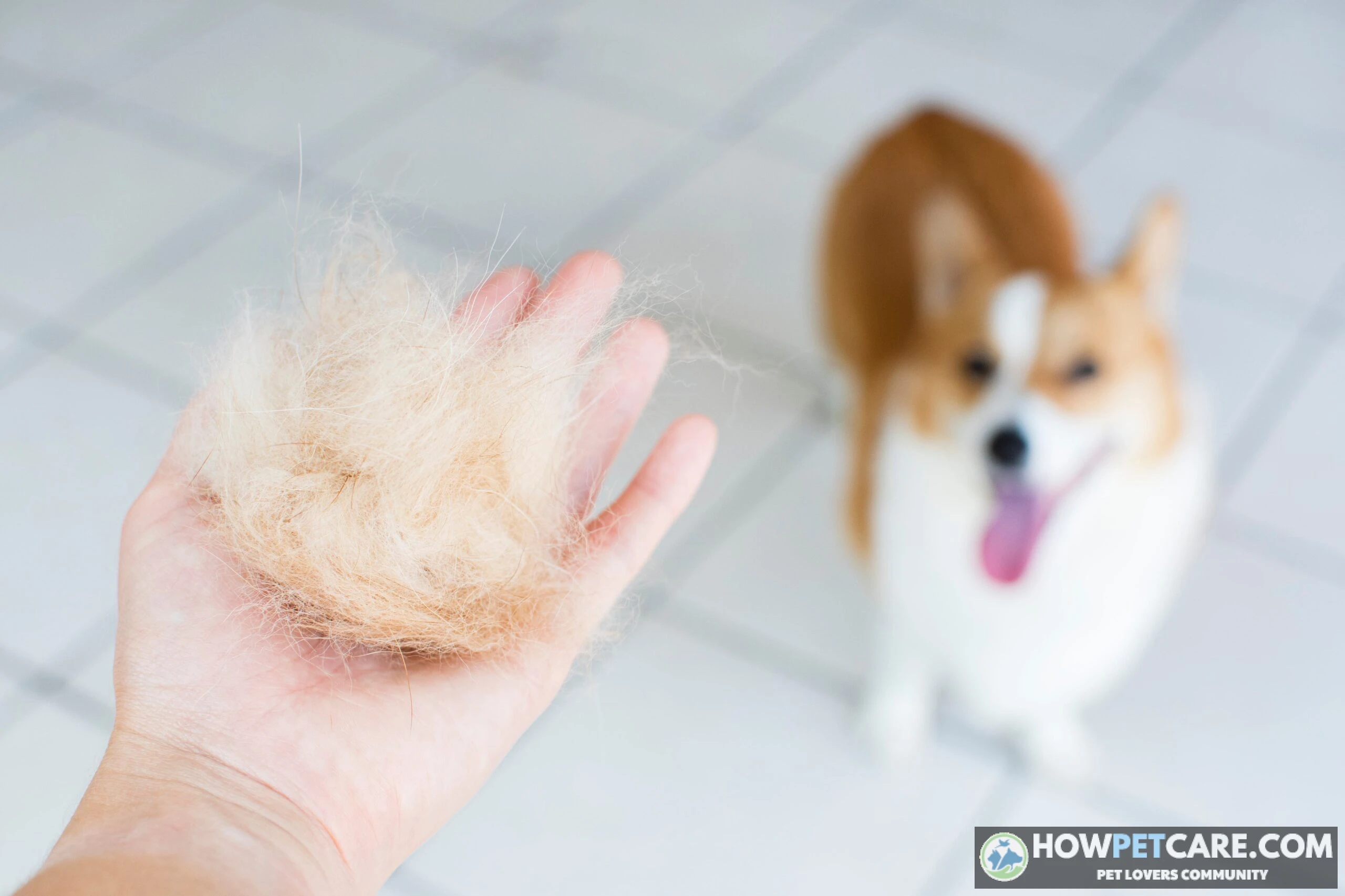
Red flags that mean call the vet today
Contact a veterinarian the same day for open sores, widespread redness, rapidly spreading bald patches, intense itching that is damaging the skin, or hair loss accompanied by fever, vomiting, or marked weakness. Collapse is an emergency. Puppies and senior dogs with sudden severe hair loss should also be assessed promptly, because age can make it harder to recover from illness or skin damage.
Do not wait for a home grooming routine to work if your dog has these signs. Avoid applying human creams, essential oils, or medicated products unless a veterinarian tells you to; some ingredients can irritate skin or be unsafe if licked.
How Much Shedding Is Normal? Coat Types and Breed-by-Breed Benchmarks
Normal shedding depends on breed, genetics, coat type, and living conditions. Some dogs drop hair steadily all year; others have a dramatic seasonal coat change. A healthy coat should stay reasonably full, with no new bare patches, sores, or persistent skin irritation.
A seasonal shed is more likely when loose hair comes out evenly and the skin underneath still looks healthy. Double-coated dogs often release their soft undercoat in spring and fall; one veterinary reference puts these coat changes at about 6–10 weeks. Individual timing varies, and indoor dogs may shed year-round.
Double coat, single coat, and what the undercoat does
A double coat has a longer outer layer and a softer, dense undercoat. The undercoat insulates the dog, and when it releases, a seasonal shed can look alarming. A single coat lacks that dense second layer, but it can still shed; short hair does not automatically mean low shedding. Some short-haired dogs release plenty of hair because their coat is dense.
Shedding is the normal release of hair as follicles cycle through growth and rest. Alopecia means visible hair loss or thinning that leaves areas of the coat sparse or bare. Diffuse loose hair with healthy skin is more consistent with shedding; distinct bald patches or thinning that exposes abnormal skin deserve an exam.
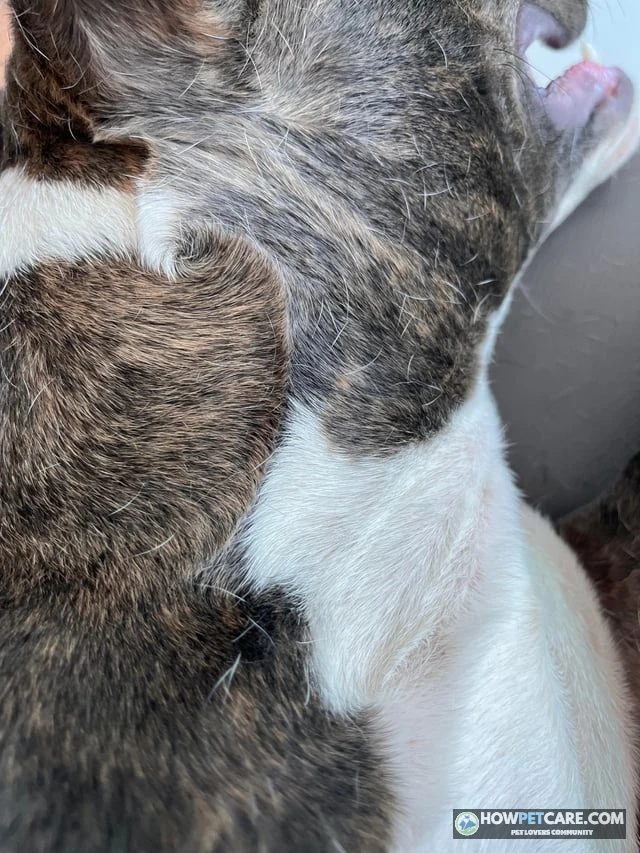
Breed shedding comparison: heavy, moderate, and light shedders
These are general tendencies, not a guarantee for an individual dog. Coat patterns and brushing needs shift with age, health, and indoor living. Dogs with curly or long coats may shed less visibly because loose hair gets caught in the coat, but it still needs regular brushing to prevent mats.
| Breed | Coat type | Shedding level | Shedding pattern | Suggested brushing frequency |
|---|---|---|---|---|
| Siberian Husky | Dense double | Heavy | Year-round; seasonal increases | 2–3 times weekly; daily during a coat blow |
| Alaskan Malamute | Dense double | Heavy | Year-round; seasonal increases | 2–3 times weekly; daily during a coat blow |
| German Shepherd | Double | Heavy | Year-round; seasonal increases | 3–4 times weekly |
| Labrador Retriever | Short double | Heavy | Steady year-round shedding | 2–3 times weekly |
| Golden Retriever | Double, feathered | Heavy | Year-round; seasonal increases | About 3 times weekly |
| Corgi | Double | Heavy | Year-round; seasonal increases | 2–3 times weekly |
| Pug | Short double | Heavy | Steady year-round shedding | 1–2 times weekly |
| Border Collie | Double | Moderate to heavy | Year-round; seasonal increase | 2–3 times weekly |
| Australian Shepherd | Double | Moderate to heavy | Year-round; seasonal increase | 2–3 times weekly |
| Beagle | Short double | Moderate | Steady year-round shedding | About once weekly |
| Dachshund, smooth | Short single | Moderate | Light-to-moderate year-round | About once weekly |
| Boxer | Short single | Moderate | Light-to-moderate year-round | About once weekly |
| Dachshund, long-haired | Long single | Moderate | Year-round | 2–3 times weekly to prevent tangles |
| Poodle | Curly single | Light | Loose hair tends to stay in the coat | 3–4 times weekly; regular trims |
| Bichon Frise | Curly single | Light | Loose hair tends to stay in the coat | 3–4 times weekly; regular trims |
| Shih Tzu | Long single | Light | Minimal visible shedding | Daily or nearly daily to prevent mats |
| Maltese | Long single | Light | Minimal visible shedding | Daily or nearly daily |
| Portuguese Water Dog | Curly or wavy single | Light | Minimal visible shedding | 3–4 times weekly |

‘Low shedding’ does not mean low maintenance. A Poodle or Bichon Frise may leave less loose fur around the home, but trapped hair can mat close to the skin without regular brushing and grooming.
Why is my indoor dog shedding heavily in winter?
Indoor heating and constant artificial light blur the seasonal cues that drive a dog’s coat cycle. Indoor dogs often shed year-round instead of having one dramatic blowout, so a winter increase by itself does not prove illness.
Compare the change with your dog’s normal pattern and check the skin. If winter shedding is diffuse and the dog otherwise looks well, brush consistently and monitor. If it is sudden, patchy, itchy, red, or comes with changes in energy or appetite, book an exam.
Why Is My Dog Shedding So Much All of a Sudden? The Most Likely Causes
A sudden change can come from a seasonal coat release, a new grooming product, stress, or a health problem. The location and condition of the skin often offer more useful clues than the amount of fur alone when you’re asking why your dog is shedding so much.
Parasites, allergies, and skin infections
Fleas can cause itching and hair loss, especially in dogs sensitive to flea bites. Mites can also cause itching or patches of hair loss. Look for scratching, chewing, redness, or scabs, but do not assume you can rule out parasites because you cannot see them.
Allergies may involve environmental triggers, flea bites, or food. Dogs with food allergies commonly have itchy skin or ear problems; shedding alone cannot identify a food allergy. A veterinarian may recommend a strict elimination diet, using a prescribed diet and preventing access to other foods, for a defined trial period. Switching foods repeatedly or trying an over-the-counter ‘hypoallergenic’ food is not a reliable way to diagnose the cause.
Bacterial or yeast skin infections may cause redness, odor, greasy skin, crusts, or discomfort. Round, scaly bald patches can have several causes, including ringworm, which can spread to other animals and people. A vet may need to test the skin before choosing treatment.
Flakes are not a diagnosis. Dry skin may produce fine flakes, while parasites, allergy, or seborrhea can also cause scaling. Flaking combined with odor, itch, redness, or hair loss is a reason to book an exam rather than simply bathing more often.
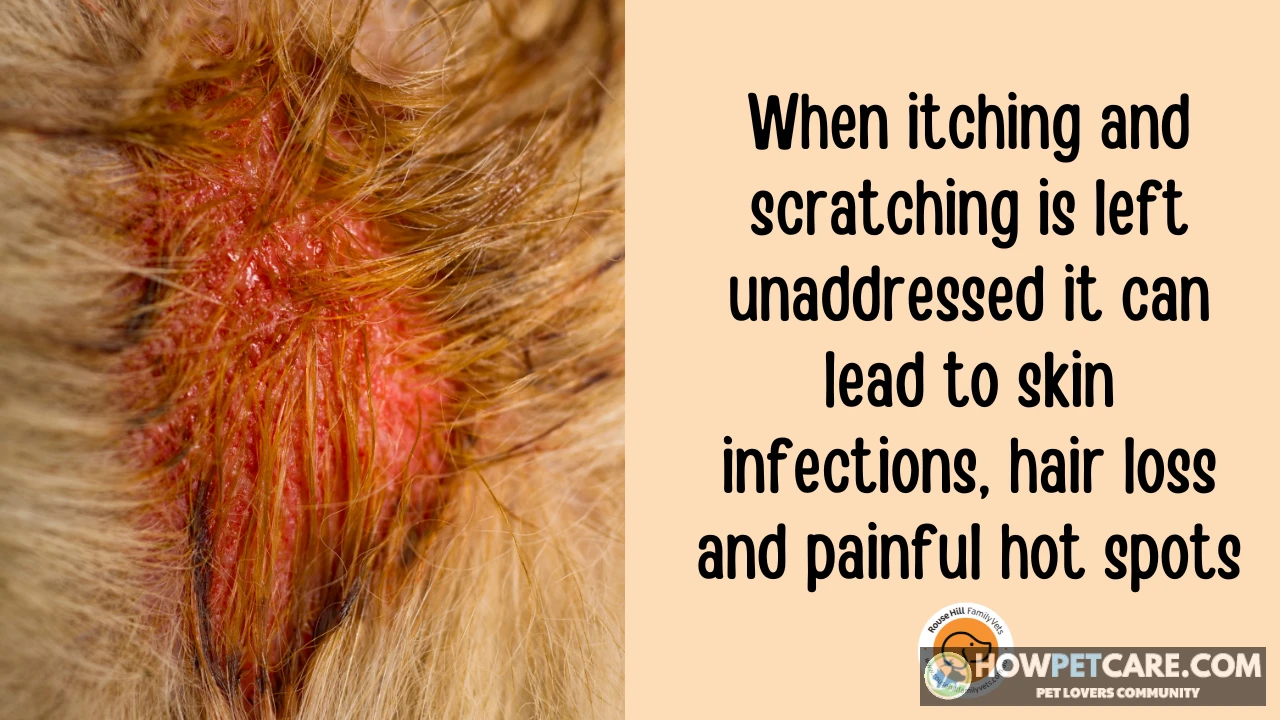
Hormonal causes: hypothyroidism and Cushing’s disease
Hypothyroidism often shows up as symmetrical thinning, a dull coat, weight gain, and lower energy. Cushing’s disease may thin the coat while also increasing thirst and urination, panting, appetite, or producing a pot-bellied appearance. These signs overlap with other conditions, so a veterinarian needs to interpret them and decide whether testing makes sense.
Hormonal hair loss may not itch at first. Do not wait for scratching to appear if the thinning is progressing or your dog has other body-wide changes.
Stress, medication, and nutrition
A move, boarding, surgery, a new pet, or even travel can trigger temporary shedding. A clear timeline and healthy-looking skin make stress a plausible cause, but persistent or worsening loss still needs assessment.
Some medications and medical treatments can change the coat. Tell the vet about prescriptions, supplements, flea products, shampoos, and any recent changes; do not stop a prescribed medicine without veterinary advice.
Nutrition matters for skin and coat health. Feed a complete and balanced food appropriate for your dog’s life stage, and avoid abrupt diet changes. Poor diet is cited as a potential contributor to excessive shedding, but coat loss can also have many other causes. A named protein source can help you understand what is in the food, but a label or supplement cannot diagnose skin disease.
How Pregnancy, Spay/Neuter, Puppyhood, and Old Age Change Shedding
A dog’s age and reproductive status can shift the coat, but they should not be used to dismiss baldness or irritated skin.
- Puppies: Many dogs replace their puppy coat as they mature. The timing and amount vary by breed. A full, healthy-looking coat during a gradual change can be monitored; bald areas, itch, or sudden severe loss need a vet.
- Pregnancy and nursing: Hormonal shifts and the physical demands of nursing may be followed by coat loss. Ask the veterinarian what to expect around pregnancy and after whelping, especially if the loss is extensive, the skin is inflamed, or the mother seems unwell.
- After spay or neuter: Coat texture or shedding can change after surgery in some dogs, but the pattern is not predictable enough to diagnose at home. Persistent thinning, itching, or skin changes still warrant an exam.
- Senior dogs: A duller coat or slower regrowth can reflect changes in grooming, mobility, or health. Age alone does not explain new bald patches or body-wide symptoms; tell the vet about changes in activity, weight, thirst, or appetite.

At every life stage, the same rule applies: healthy skin and a coat that stays full are reassuring; visible baldness, inflammation, or illness signs mean a call to the vet.
What the Vet Will Do to Find the Cause, and What It Typically Costs
A shedding appointment usually starts with questions: when did it begin, is the dog itchy, what is the diet, what grooming products and medications are in use, are other pets affected, and has anything stressful happened recently? The veterinarian then examines the coat and skin and may recommend targeted tests. Not every dog needs every test; the findings guide what comes next.
Step-by-step: what happens at the appointment
The vet may comb for fleas, inspect the skin and ears, and study the pattern of hair loss. A skin scraping checks for mites; skin cytology or a tape preparation checks for yeast or bacteria. A fungal test may be considered for suspicious circular patches. If signs point to a body-wide disorder, bloodwork or hormone testing may follow. Allergy testing and a supervised elimination diet are usually reserved until more common causes have been ruled out.
Bring photos showing how the coat has changed, a timeline, and a list of foods, treats, supplements, medicines, shampoos, and parasite preventives. Ask what each proposed test is looking for and whether the result would change treatment.
Typical US costs for each test (estimates)
The following are approximate US planning ranges, not a quote or a guaranteed 2026 price. Costs vary by region, clinic, and whether the test is performed in-house or sent to a laboratory. Ask the clinic for an estimate before authorizing testing. The amounts below are broad estimates and are not established by the cited evidence in this article.
| Step or test | What it looks for | When it may be used | Approximate cost |
|---|---|---|---|
| Exam and skin/coat check | General health, lesions, and pattern of loss | Usually the first step | $50–$90 |
| Flea comb or flea check | Fleas, flea dirt, or a flea-allergy pattern | Often part of the initial exam | Often included in exam |
| Skin scraping | Mites | Itchy or patchy hair loss | $20–$50 |
| Skin cytology or tape preparation | Yeast or bacteria | Red, greasy, smelly, or irritated skin | $30–$65 |
| Fungal culture or PCR | Ringworm | Circular or spreading patches | $30–$80 |
| Fecal test | Intestinal parasites | Depending on age, symptoms, or screening needs | $25–$50 |
| CBC and chemistry panel | General indicators of organ function and illness | Systemic signs or before further testing | $80–$200 |
| Thyroid panel | Thyroid function | Compatible signs such as symmetrical thinning and low energy | $60–$150 |
| Cushing’s testing | Hormonal evidence of Cushing’s disease | Compatible signs such as thirst, urination, and coat changes | $150–$350 |
| Allergy blood test | Possible environmental allergy triggers | Selected cases after other causes are considered | $200–$400 |
| Intradermal allergy testing | Environmental allergy triggers | Often part of specialist-led allergy management | $300–$700 |
| Supervised elimination-diet trial | Whether food is driving symptoms | Suspected food allergy | Diet may cost about $70–$120 per month for 8–12 weeks |
These ranges are for budgeting only; clinics may charge differently, and some tests may be bundled. A first visit may involve an exam plus one or two basic tests, while more specialized workups cost more. Ask for a stepwise plan rather than assuming every test is necessary at once. Useful questions include: Which test would you start with? What result would change treatment? What can wait?
How to Reduce Dog Shedding at Home: Brushing and Bathing by Coat Type
Home grooming collects loose hair before it spreads through the house, but it will not cure a parasite, infection, allergy, or hormonal disease. It should never hurt, scrape, or leave the skin red.
Brushing and bathing schedule by coat type
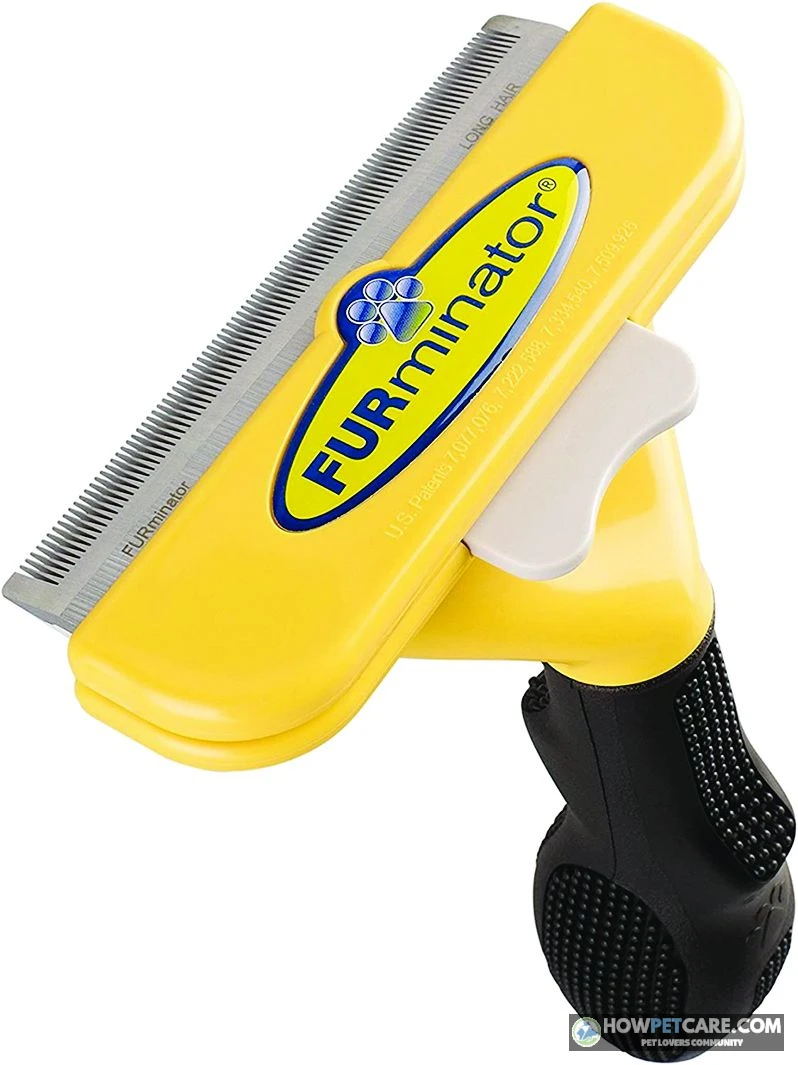
Use this schedule as a starting point and adjust to your dog’s coat and tolerance. During a seasonal coat blow, a little more gentle brushing can help. Match the brush to the coat: a slicker brush or comb for many longer coats, a rubber grooming brush for short smooth coats, and an undercoat rake for an appropriate double coat. Check the skin as you work.
| Coat type | Brushing frequency | Useful tool type | Bathing approach |
|---|---|---|---|
| Double coat | 2–3 times weekly; more often during a seasonal blow | Slicker brush or suitable undercoat rake | Bathe when dirty or as coat care requires; rinse and dry thoroughly |
| Short, smooth coat | About once weekly; more during heavy shedding if tolerated | Rubber grooming brush or soft bristle brush | Occasional dog-specific shampoo bath; avoid frequent unnecessary washing |
| Long or silky coat | Daily or several times weekly, depending on tangles | Slicker brush and comb to check through to the skin | Bathe as needed, detangle gently, and dry completely |
| Curly coat | 3–4 times weekly, with regular professional trims as needed | Slicker brush and comb | Regular bathing may be part of coat maintenance; prevent mats before bathing |
| Wire coat | Several times weekly, depending on coat and grooming style | Coat-appropriate brush or comb; ask a groomer about hand-stripping needs | Bathe as needed with dog-specific products |
One bathing schedule does not fit every dog. Bathing too often or using harsh or human shampoo can dry or irritate skin. If flakes or itching worsen after a bath, stop the product and ask your vet.
A step-by-step deshedding session
- Check first. Do not rake over sores, red skin, painful areas, or suspicious bald patches. Get veterinary advice if you see them.
- Brush gently before bathing. Work in small sections and stop at mats that pull on the skin; ask a groomer to handle tight mats rather than cutting close to the skin yourself.
- Bathe with a dog-specific product. Rinse thoroughly so shampoo residue does not irritate the skin. Use conditioner only if appropriate for the dog’s coat and product directions.
- Dry fully. Towel-dry and use a pet-safe dryer only if your dog tolerates it and you can keep the airflow and temperature comfortable. Do not direct hot air at the skin.
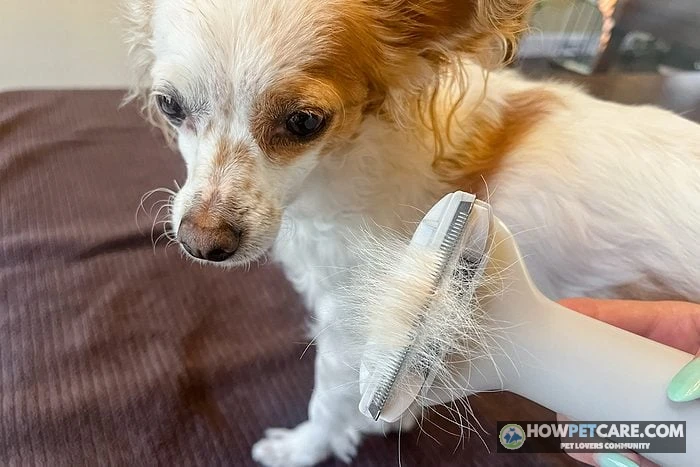
- Brush loose hair out. Use a light touch and check the skin frequently. Clean the tools and the area afterward.
How often is too often with a de-shedding brush?
There is no safe universal number of minutes or sessions for every tool and coat. Follow the directions, use light pressure, and do not scrape the same patch repeatedly just to force out more hair. A de-shedding tool is not right for every coat. Stop if the skin turns pink, irritated, or tender, or if you see broken hairs or a thin spot. Heavy pressure or repeated use can injure the skin surface and damage the coat; permanent follicle damage is not something to assume, but injury and patchy coat damage are reasons to stop and consult a groomer or vet.
Do not shave a double-coated dog just to reduce shedding. Shaving does not stop follicles from releasing hair and may interfere with the coat’s regrowth and protective role. A vet may recommend clipping for a medical reason, but that is different from routine shed control.
Diet, Omega-3 Fatty Acids, and Supplements: Dosage by Dog Weight
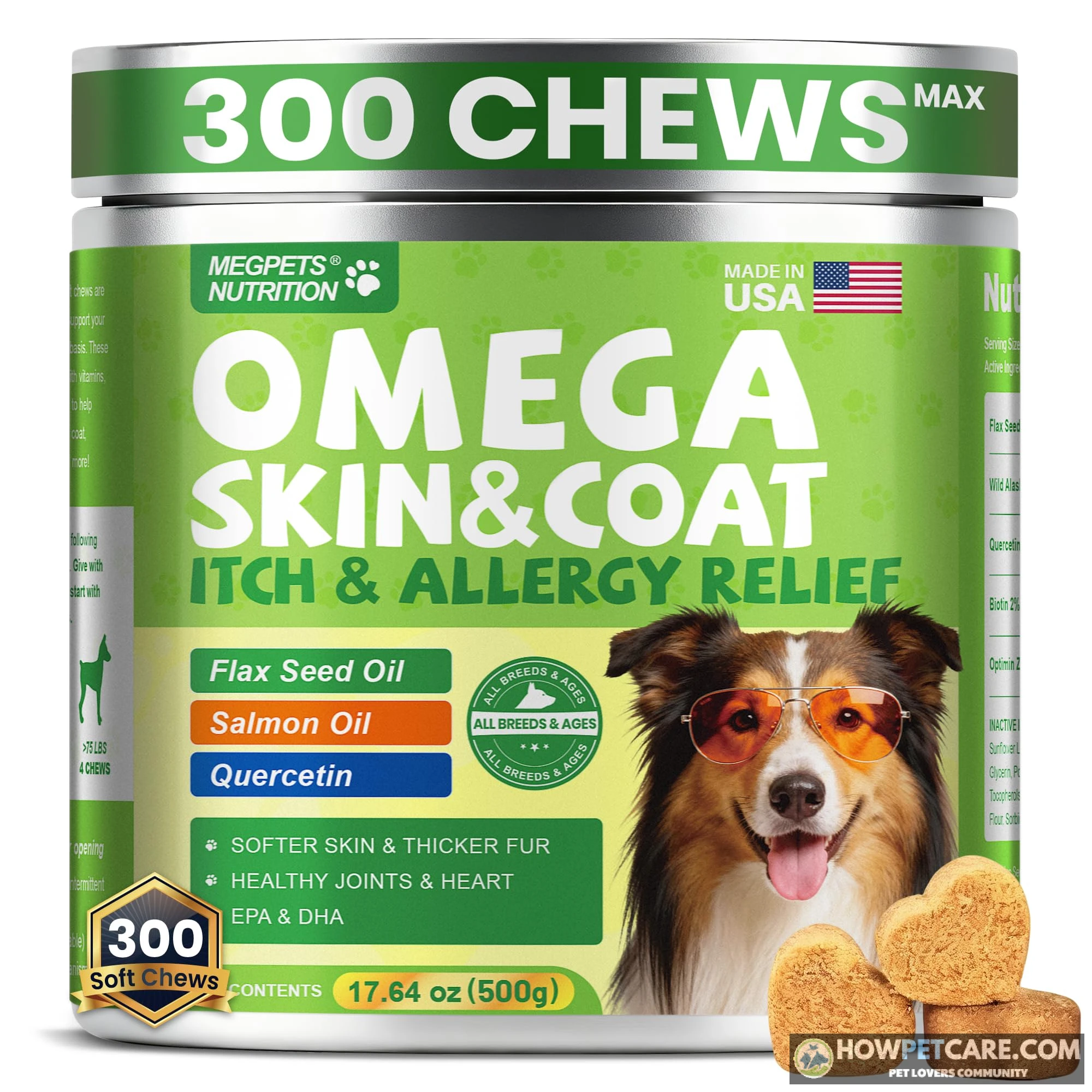
Omega-3 fatty acids, especially EPA and DHA, may be part of a veterinarian-directed plan for some skin problems. They are not a cure for shedding, and a supplement should not delay an exam for bald patches, inflammation, or systemic symptoms.
Omega-3 dose by body weight
The guide below uses combined EPA plus DHA—not total fish oil—at roughly 50–100 mg per kilogram of body weight per day. It is not a prescription, and the right amount depends on your dog’s health, diet, and medications. Confirm the dose with your veterinarian before starting, especially if your dog has pancreatitis, a bleeding disorder, or takes medication. Start only when your vet advises and watch for digestive upset.
| Dog weight | Example size or breed | General EPA + DHA range per day | Notes and cautions |
|---|---|---|---|
| 10 lb (about 4.5 kg) | Chihuahua or Yorkie | About 225–450 mg | Measure carefully; small dogs can be over-supplemented easily |
| 20 lb (about 9 kg) | Beagle or Cocker Spaniel | About 450–900 mg | Check the EPA and DHA amounts on the label |
| 40 lb (about 18 kg) | Border Collie or Bulldog | About 900–1,800 mg | Confirm the target with the vet |
| 60 lb (about 27 kg) | Labrador or Golden Retriever | About 1,350–2,700 mg | A concentrated product may reduce the amount of oil needed |
| 90 lb (about 41 kg) | German Shepherd or Rottweiler | About 2,050–4,100 mg | Ask the vet whether a lower target is appropriate |
Worked label example: A capsule labeled ‘1,000 mg fish oil’ might contain 180 mg EPA and 120 mg DHA, or 300 mg combined EPA plus DHA. If a veterinarian selected a target of 2,000 mg combined EPA plus DHA daily for a 60-pound dog, that example capsule would provide 300 mg of the target per capsule. The math is 2,000 divided by 300, or about 6–7 capsules. This example illustrates label arithmetic, not a recommended dose for every 60-pound dog; ask the vet before giving that amount.
Read the EPA and DHA lines rather than dosing by the total oil amount. Avoid products containing xylitol, and do not use cod liver oil as a substitute without veterinary direction because it also supplies vitamins A and D. Fish oil can cause digestive upset and may not be appropriate for every dog. Coat changes, if they occur, take time; do not expect a supplement to stop shedding overnight.
What to look for in a dog food for coat health
Choose a food labeled complete and balanced for your dog’s life stage, and make dietary changes gradually unless your veterinarian advises otherwise. A food’s ingredient list can help you identify its protein sources, but ‘premium’ language does not establish that it will solve shedding. If food allergy is suspected, ask about a supervised elimination diet rather than cycling through foods or adding several supplements at once.
Keeping Your Home Under Control: Fur Cleanup Systems That Work
The most efficient cleanup starts with the dog. Brush outdoors or on an easy-to-clean surface, then vacuum. Pick tools by how they work in your home, not by brand.
Floors, furniture, and laundry
For carpets and rugs, look for a vacuum with strong suction, a motorized pet-hair attachment, and sealed HEPA filtration. Vacuum high-traffic rooms several times a week during heavy shedding and the rest of the home at least weekly as needed. On hard floors, follow vacuuming or sweeping with a damp mop; dry sweeping can push fur into the air or into corners.
Use washable throws on favorite furniture spots and wash them regularly. A rubber broom or damp rubber glove can lift embedded hair from upholstery. Wash dog bedding every week or two during heavy shedding, and clear the dryer’s lint trap during heavy loads. Keep a lint roller near the door and use a fitted cover in the car.
Air filtration and allergy-friendly setups
A HEPA air purifier in the room where the dog spends the most time can help capture airborne particles, including dander; it does not replace cleaning or treat the source of a person’s allergy. Change HVAC filters according to the filter and system directions, checking them more often during heavy shedding. A dog-free bedroom, washable bedding, and regular vacuuming may also make cleanup more manageable for allergy sufferers.
Your Next 14 Days: A Decision Guide for Shedding That Won’t Settle
Use the next two weeks to figure out what is happening and make low-risk grooming changes. This is not an excuse to delay care if your dog has warning signs.
14-day action checklist
- Day 1: Triage and record. Use the symptom table. Photograph the coat in good light, note where thinning appears, and write down when the change began.
- Days 1–2: Check the routine. List food, treats, supplements, medicines, flea prevention, shampoos, and recent changes such as travel or a move. Do not stop prescribed treatment without asking the vet.
- Days 2–14: Groom gently. Follow the schedule for your dog’s coat type. Brush on an easy-to-clean surface and stop if the skin becomes irritated or your dog seems uncomfortable.
- Set up cleanup. Use washable covers, vacuum consistently, and clean bedding so you can tell whether the amount of loose fur is changing.
- Ask before supplementing. Confirm any omega-3 dose with your veterinarian, especially if your dog has a health condition or takes medication.
- Review the trend. Compare photos and notes. If shedding settles and the skin remains healthy, continue the appropriate routine. If the change persists, worsens, or develops new symptoms, book an exam.

When to stop home care and book the vet
Arrange a veterinary visit for bald patches, persistent itching or flaking, greasy or smelly skin, broken skin, a coat that continues to thin, or shedding paired with changes in thirst, weight, appetite, or energy. Call the same day for open sores, widespread redness, fever, vomiting, collapse, or rapid severe hair loss.
Bring your photos, timeline, and product list. Ask which tests the vet recommends first, what each test would tell you, what can wait, and for a written estimate. Most importantly, do not treat damaged skin as a grooming problem: early assessment can distinguish a routine coat change from a condition that needs targeted care.
1A dog owner notices symmetrical hair loss along their dog's flanks, accompanied by weight gain, a dull coat, and reduced activity, but no skin redness or itching. What is the most likely cause, and what is the recommended action?
Symmetrical flank thinning paired with metabolic changes like weight gain and lethargy without itching points toward a systemic hormonal disorder such as hypothyroidism.
2Which of the following statements accurately describe how different coat types and grooming practices affect dog shedding?
The undercoat serves an insulating function and is released periodically in large amounts during seasonal transitions.
3A veterinarian recommends giving a 40-pound dog a daily target dose of 1,800 mg of combined EPA and DHA. An owner buys fish oil capsules labeled '1,000 mg Fish Oil,' with a nutrient label showing 180 mg EPA and 120 mg DHA per capsule. How many of these capsules are needed per day to meet the veterinarian's target?
Each capsule provides 300 mg of combined EPA and DHA (180 mg + 120 mg); dividing the 1,800 mg target by 300 mg yields 6 capsules.
4An owner notices that their indoor dog sheds loose fur continuously throughout the winter months. What environmental factor primarily causes this pattern?
Constant exposure to indoor climate control and artificial lighting blurs seasonal environmental signals, leading to continuous year-round hair turnover.
5What is the recommended veterinary protocol for accurately diagnosing a food allergy in a dog presenting with chronic skin itching and ear irritation?
A controlled elimination diet trial over several weeks is the reliable diagnostic method to determine whether dietary ingredients are driving allergic skin symptoms.
6When a dog presents with patchy hair loss, skin redness, and persistent itching, which basic diagnostic tests are commonly performed during an initial veterinary examination?
Skin scrapings allow the veterinarian to identify ectoparasites like mites directly under a microscope.
7Why is following up vacuuming or sweeping with a damp mop recommended when cleaning hard surface floors in a home with a heavy-shedding dog?
Dry sweeping creates air currents that scatter light pet dander and hair, while a damp mop captures remaining surface particles effectively.
| Breed | Coat type | Shedding level | Shedding pattern | Suggested brushing frequency |
|---|---|---|---|---|
| Siberian Husky | Dense double | Heavy | Year-round; seasonal increase | 2–3 times weekly; daily during coat blow |
| Alaskan Malamute | Dense double | Heavy | Year-round; seasonal increase | 2–3 times weekly; daily during coat blow |
| German Shepherd | Double | Heavy | Year-round; seasonal increase | 3–4 times weekly |
| Labrador Retriever | Short double | Heavy | Steady year-round shedding | 2–3 times weekly |
| Golden Retriever | Double, feathered | Heavy | Year-round; seasonal increase | 3 times weekly |
| Corgi | Double | Heavy | Year-round; seasonal increase | 2–3 times weekly |
| Pug | Short double | Heavy | Steady year-round shedding | 1–2 times weekly |
| Border Collie | Double | Moderate to heavy | Year-round; seasonal increase | 2–3 times weekly |
| Australian Shepherd | Double | Moderate to heavy | Year-round; seasonal increase | 2–3 times weekly |
| Beagle | Short double | Moderate | Steady year-round shedding | 1 time weekly |
| Dachshund, smooth | Short single | Moderate | Light-to-moderate year-round | 1 time weekly |
| Boxer | Short single | Moderate | Light-to-moderate year-round | 1 time weekly |
| Dachshund, long-haired | Long single | Moderate | Year-round | 2–3 times weekly to prevent tangles |
| Poodle | Curly single | Light | Loose hair trapped in coat | 3–4 times weekly; regular trims |
| Bichon Frise | Curly single | Light | Loose hair trapped in coat | 3–4 times weekly; regular trims |
| Shih Tzu | Long single | Light | Minimal visible shedding | Daily or nearly daily to prevent mats |
| Maltese | Long single | Light | Minimal visible shedding | Daily or nearly daily |
| Portuguese Water Dog | Curly or wavy single | Light | Minimal visible shedding | 3–4 times weekly |
FAQ
Can stress or anxiety make a dog shed more?
Yes. Stressful events such as travel, a vet visit, or a move can trigger a temporary increase in shedding. If heavy shedding continues for several weeks or comes with skin changes, have a vet check for other causes.
Does shaving a double-coated dog reduce shedding?
No. Shaving cuts the hair but doesn’t stop the follicles from shedding, and it can affect how the coat regrows and protects the skin. Regular brushing and bathing remove loose undercoat more safely, unless a vet advises clipping for a medical reason.
Can I give my dog human fish oil capsules?
Some human fish oil can be used, but check the EPA and DHA content per capsule and make sure there are no added ingredients such as xylitol. Confirm the dose with your vet, especially if your dog has pancreatitis or takes medication.
How long does it take for diet changes or supplements to reduce shedding?
Coat and skin improvements usually take several weeks to a couple of months, because hair grows in cycles. If you see no change after that time, or the skin looks worse, ask your vet to look for an underlying cause.
Do low-shedding breeds still lose hair?
Yes. All dogs lose hair, but breeds with curly or continuously growing coats tend to release less loose fur into the home. They usually need regular brushing and grooming to prevent mats.