
| Species | Minimum enclosure | Temperature target | Humidity | Main diet |
|---|---|---|---|---|
| Leopard gecko | 20-gal long (~30 × 12 × 12 in) | 88–92°F warm surface; 73–80°F cool side | 30–40% + humid hide | Live insects |
| Crested gecko | 18 × 18 × 24 in, vertical | 72–78°F ambient; never above ~82°F | 60–80% after misting | Complete prepared diet |
| African fat-tailed gecko | 20-gal long | 88–90°F warm surface; 75–80°F cool side | 40–60% + damp humid hide | Live insects |
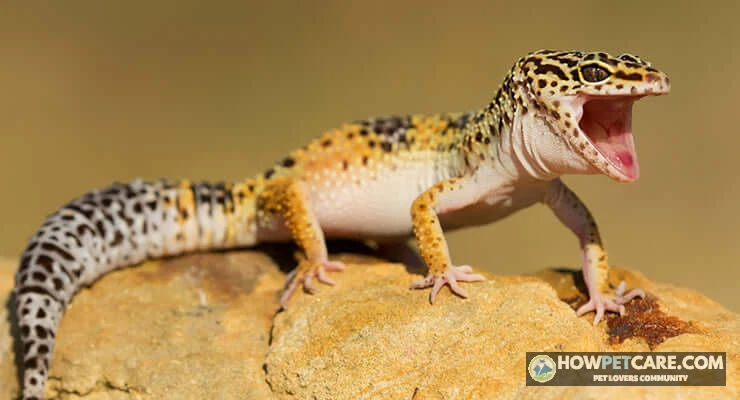
The first step in learning how to care for pet geckos is identifying the species. A leopard gecko needs a warm, mostly dry ground-level enclosure and live insects; a crested gecko needs a taller, more humid enclosure and a complete prepared diet. Set up and test the habitat before your gecko arrives, provide fresh water and species-appropriate food, and find a reptile vet. Geckos can live for many years, and their care needs vary by species.
Leopard, Crested or Fat-Tailed: Which Pet Gecko Fits a First-Time Owner?
A leopard gecko is a good starting point if you’re comfortable keeping live feeder insects. It lives on the ground and is generally manageable with gentle handling. A crested gecko may be a better fit if you prefer a climbing animal and a complete prepared diet, and can keep its enclosure humid without letting it overheat. An African fat-tailed gecko is another ground-dwelling insect eater, but it needs more ambient humidity than a leopard gecko.
Side-by-side species comparison
These are practical starting targets for one animal, not rules that apply to every gecko. Surface temperatures refer to the warmed floor or basking surface; ambient temperatures refer to the surrounding air. Check both with appropriate instruments.
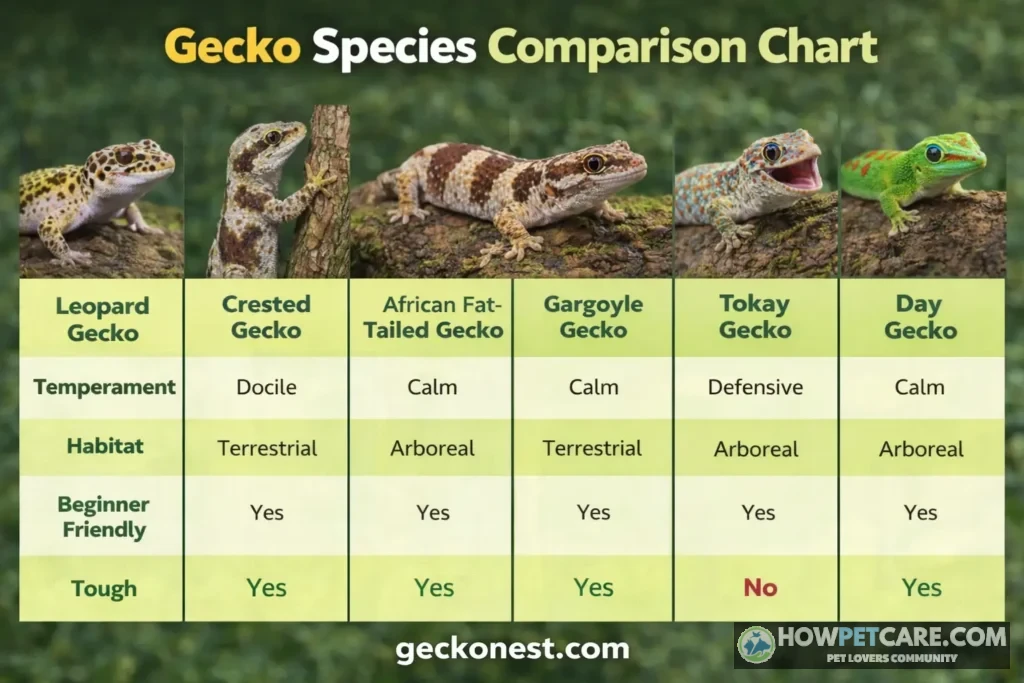
| Care factor | Leopard gecko | Crested gecko | African fat-tailed gecko |
|---|---|---|---|
| Adult length | About 7–10 inches | About 7–9 inches | About 7–9 inches |
| Adult enclosure | At least a 20-gallon long, roughly 30 × 12 × 12 inches; larger is preferable | At least 18 × 18 × 24 inches, oriented vertically | At least a 20-gallon long, roughly 30 × 12 × 12 inches; larger is preferable |
| Daytime temperature | Warm surface 88–92°F; cool-side air 73–80°F | Ambient air 72–78°F, with shaded retreats | Warm surface 88–90°F; cool-side air 75–80°F |
| Night temperature | Avoid prolonged drops below about 65°F | About 65–72°F; sustained heat above about 82°F is dangerous | Avoid prolonged drops below about 65°F |
| Humidity | About 30–40% ambient, plus a humid hide around 70–80% | About 60–80% after misting, with a drop toward 50% between mistings | About 40–60% ambient, plus a damp humid hide |
| UVB | Low-level UVB recommended, with shade | Low-level UVB recommended, with foliage and shade | Low-level UVB recommended, with shade |
| Diet | Live insects | Complete crested-gecko diet; suitable insects can supplement it | Live insects |
| Handling | Often relatively calm | Agile and prone to jumping | Often shy; handle gently |
| Planning lifespan | Approximately 15–20 years | Approximately 15–20 years | Approximately 15–20 years |
| Beginner fit | Good if you can manage heat and insects | Good if you can manage humidity and avoid overheating | Suitable if you can maintain higher humidity |
A 20-gallon enclosure is a commonly cited minimum for an adult leopard gecko. More floor space makes it easier to create separate warm and cool areas. The temperature and humidity targets in this guide are husbandry starting points. Published recommendations differ, so adjust your setup with a reptile vet if your animal has particular needs.
How long will your gecko live, and what does that mean for a family?
Plan for approximately 15–20 years of care for any of these three species, though individual lifespans vary. Leopard geckos can live up to 20 years. For a family, that means planning for care during vacations, school changes, moves, and the years after a child leaves home. An adult should take responsibility for the daily routine and veterinary budget, even when a child helps.
Species to skip as a first reptile
Tokay geckos can be defensive and are especially likely to bite, making them a poor choice for someone learning to handle reptiles. A cooler Chinese cave gecko setup is also more specialized than the beginner species above. Avoid bringing a wild gecko indoors as a pet: its species and needs may be uncertain, and capture and captivity can cause stress. Choose a captive-bred animal or a rescue whose species is known.
How to Set Up a Gecko Tank at Home: Size, Hides, and Safe Substrate
A gecko terrarium, also called a vivarium, needs secure ventilation, the right floor space or climbing height for the species, shelter, water, and a usable temperature gradient. House each gecko separately: even animals that initially tolerate each other can compete for heat, hiding places, and food.
Tank size by species and life stage
For an adult leopard or African fat-tailed gecko, use at least a 20-gallon long enclosure, approximately 30 × 12 × 12 inches. A 40-gallon breeder, approximately 36 × 18 × 16 inches, offers more usable floor space and room for a gradient. A juvenile can live in an appropriately furnished adult enclosure if it can find food, water, and secure hides.
For an adult crested gecko, use at least 18 × 18 × 24 inches, with height for climbing. A roughly 12 × 12 × 18-inch enclosure can work for a juvenile; move it to an adult-sized habitat as it grows. Choose a secure lid or doors. Crested geckos climb glass, and ground-dwelling geckos can also escape through gaps.
Hides and décor layout
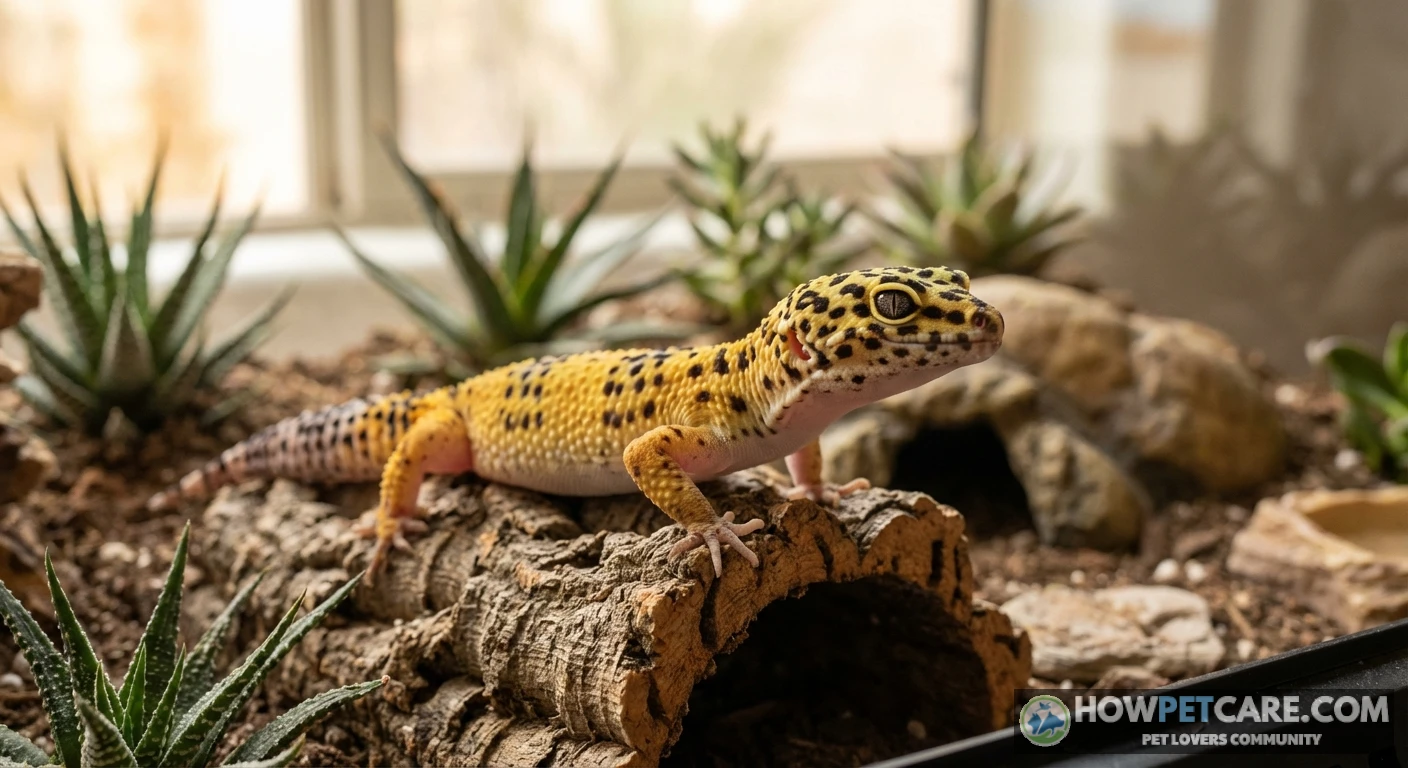
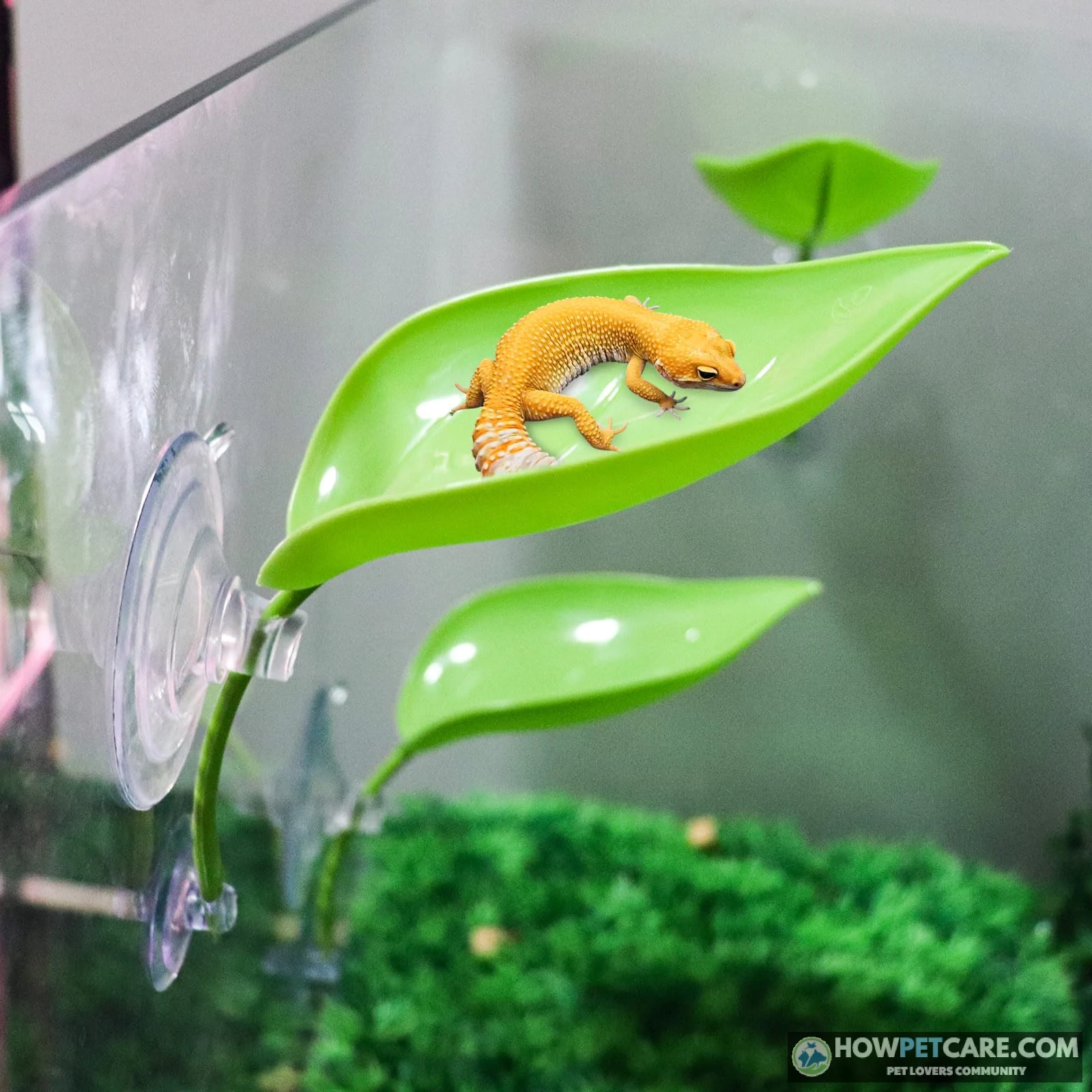
Give leopard and fat-tailed geckos at least three snug hide boxes: one on the warm side, one on the cool side, and a humid hide with damp—not soaking—paper towel or sphagnum moss. Check the humid hide daily and change its contents when dirty. Provide a shallow water dish the animal can enter and exit easily.
For a crested gecko, arrange branches and cork at different heights, with dense artificial or live foliage for cover. Include a sheltered resting area and a feeding ledge. Make sure heavy objects are stable and cannot fall or trap the animal.
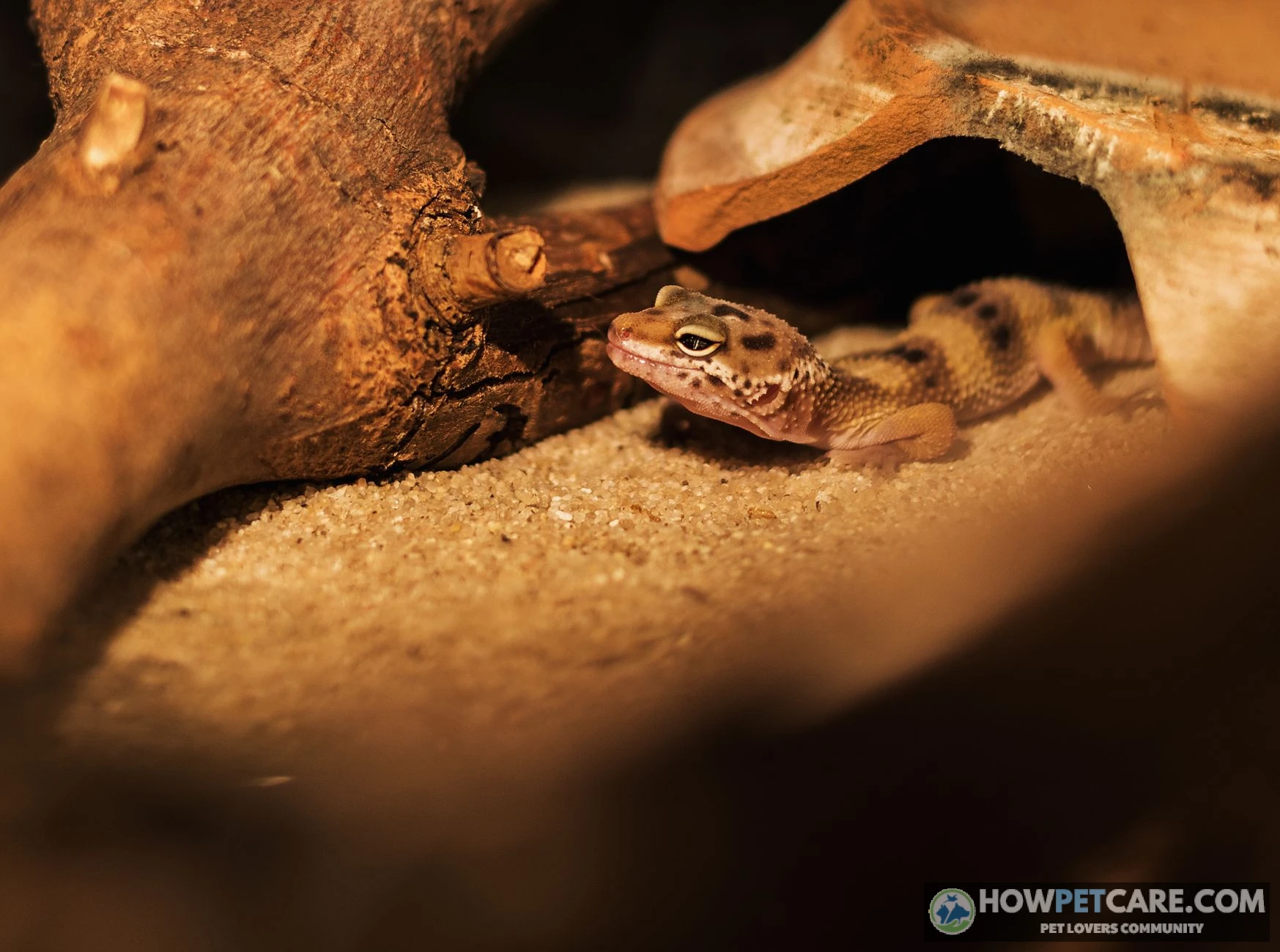
Install the heating, thermostat, measuring devices, hides, and furnishings first. Run the complete setup for at least 24 hours, checking temperature and humidity at different times. Bring the gecko home only when the readings are stable.
Safe vs. risky substrates
For a beginner, paper towel is an inexpensive floor covering that’s easy to monitor for all three species, especially juveniles or animals under observation. Properly fitted, easy-to-clean tile is another option for leopard and fat-tailed geckos. Avoid adhesive surfaces and loose edges where toes can catch.
Some experienced keepers use appropriate soil-based mixes for healthy adult geckos, but loose substrate requires careful husbandry and can be swallowed. Avoid calcium sand, crushed walnut shells, and loose fine sand; inappropriate loose material can contribute to impaction. Cedar and pine shavings are also poor choices because their aromatic oils can irritate reptiles. Reptile carpet may snag claws or retain contamination, so paper or tile is a simpler choice for beginners.
Paper towel also makes cleaning straightforward for crested geckos. A humidity-holding soil-based or coconut-fiber substrate is an option in a well-managed enclosure, but keep feeding dishes off the floor and avoid waterlogged conditions.
Temperature, Humidity and UVB: Getting the Gradient Right for Each Species
A temperature gradient lets a gecko move between warmer and cooler places to regulate its body temperature. That movement, called thermoregulation, is more useful than making the entire enclosure equally warm.
Leopard and fat-tailed gecko heating
For a leopard gecko, aim for a warm surface of 88–92°F and cool-side air of 73–80°F. For an African fat-tailed gecko, aim for a warm surface of 88–90°F and cool-side air of 75–80°F. The leopard range is consistent with commonly published warm-side guidance.
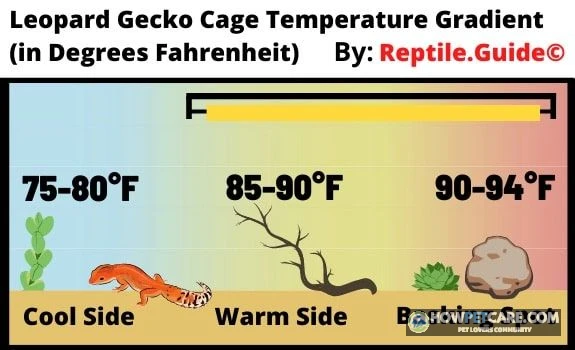
Check the warm surface with a digital probe thermometer or infrared temperature gun, and check the cool-side air with a digital thermometer. A thermostat controls a heat source; it does not replace independent thermometers. Place and secure the thermostat probe according to the device instructions, where it can accurately control the heated area.
A guarded overhead heat source can warm the enclosure. A heat mat is another option for a ground-dwelling species, though it may not adequately warm the air. Every heat source must be controlled by an appropriate thermostat, and the gecko must not be able to touch a hot bulb or heater. Check floor temperatures carefully to avoid burns.
At night, let the enclosure cool naturally, but avoid prolonged temperatures below about 65°F for leopard or fat-tailed geckos. If supplemental night heat is needed, use a thermostat-controlled source that emits no visible light rather than leaving a bright lamp on.
Use a digital hygrometer to check humidity. Leopard geckos need approximately 30–40% ambient humidity, with a humid hide around 70–80%. African fat-tailed geckos need approximately 40–60% ambient humidity and a consistently damp humid hide. Adjust ventilation, substrate, and misting rather than keeping the whole enclosure wet.
Crested gecko temperature and misting
Aim for 72–78°F ambient air by day, with a nighttime drop to approximately 65–72°F. A room that stays in range may need no supplemental heater. Sustained heat above about 82°F is dangerous, so monitor the enclosure during hot weather and keep it out of direct sun. If heat is needed, use a thermostat-controlled source that creates a gentle gradient, not an unregulated heat mat.
Mist foliage in the evening so humidity rises to roughly 60–80%, then allow it to fall toward 50% between mistings. A second light mist may be needed in a dry home. Provide ventilation and a water dish, even though crested geckos may drink droplets from leaves.
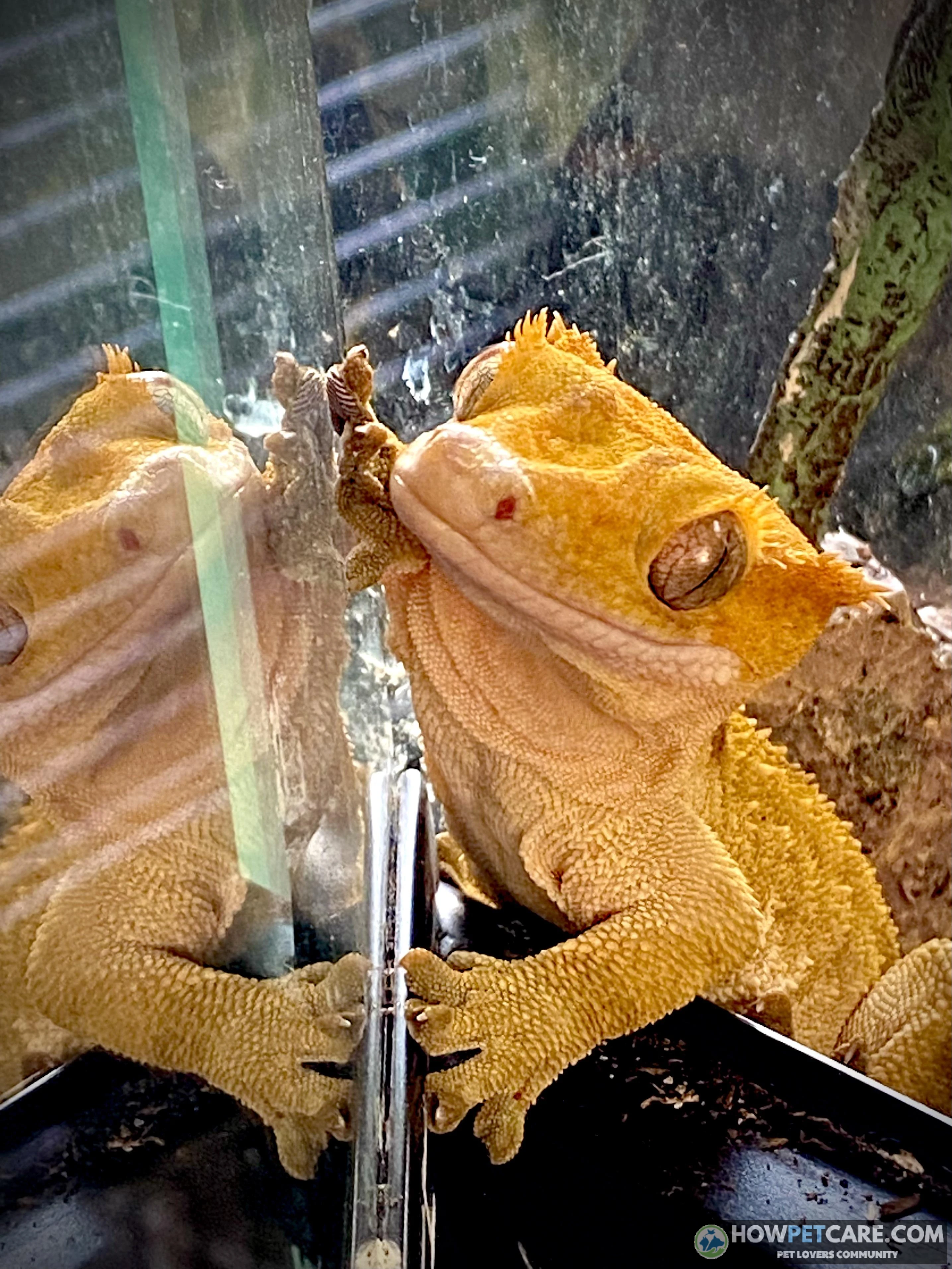
Do pet geckos need UVB?
Low-level UVB lighting is recommended for leopard, crested, and African fat-tailed geckos, provided each can retreat into shade. Leopard geckos have historically been maintained without UVB when their diets are appropriately supplemented, so it isn’t universally considered indispensable. The practical challenge is getting vitamin D3 and calcium right without overdoing either.
Choose a low-output reptile UVB system appropriate to the enclosure and follow its distance and mounting instructions. A bulb’s percentage alone doesn’t tell you the exposure at the gecko: distance, mesh, fixture, and bulb design matter. Give ground dwellers shaded hides and crested geckos foliage at different heights. Use a roughly 10–12-hour daytime light cycle and darkness at night. Replace the UVB lamp on the manufacturer’s schedule, because UVB output can decline before the lamp visibly fails.
What Pet Geckos Eat: Feeding Schedules, Gut-Loading and Dusting by Age
Leopard and African fat-tailed geckos are insectivores. Offer a variety of appropriately sized, captive-raised feeders, such as crickets and dubia roaches; use richer feeders such as waxworms sparingly. Don’t feed leopard geckos fruit or vegetables. Avoid wild-caught insects, which may have been exposed to pesticides, and never feed fireflies.
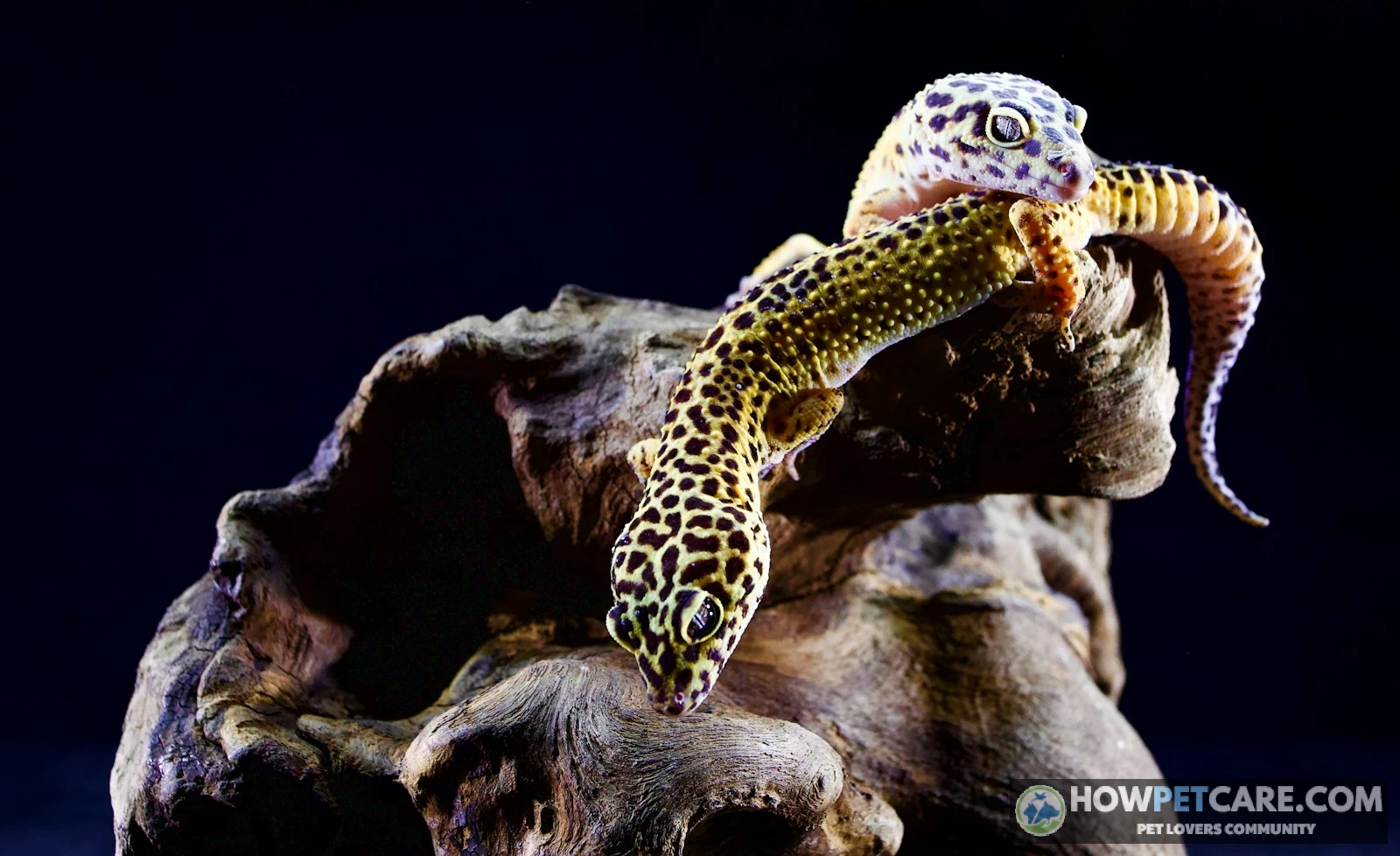
Feeding frequency and portions: juvenile vs. adult
Use the chart as a starting point for healthy leopard and African fat-tailed geckos. Appetite, insect size, growth, and body condition vary. Feed insects no larger than the space between the gecko’s eyes, and adjust portions with your reptile vet if your pet is growing poorly or gaining too much weight.
| Life stage | Starting portion | Frequency |
|---|---|---|
| Under about 6 months | About 5–7 small insects | Daily |
| About 6–12 months | About 5–7 appropriately sized insects | Every other day |
| Adult | About 6–10 appropriately sized insects | Every 2–3 days |
A well-fed leopard or fat-tailed gecko generally has a substantial tail, but tail shape alone cannot diagnose health. Weigh the animal regularly with a gram scale and record the result, especially when a baby lizard feeding routine is still being established. Remove uneaten crickets after feeding rather than leaving them in the enclosure overnight.
Gut-loading and calcium vs. multivitamin dusting
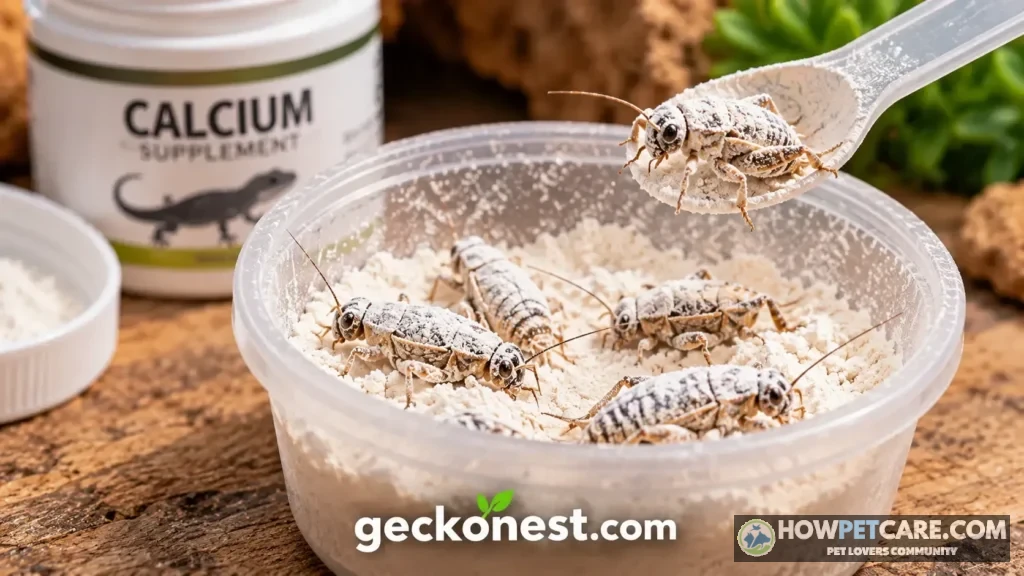
Gut-loading means feeding insects nutritious greens, vegetables, or a commercial gut-load before they become the gecko’s meal. Feed the insects well for approximately 24–48 hours beforehand. Immediately before offering them, lightly coat the feeders with the appropriate supplement—not a thick layer.
A starting schedule for leopard and fat-tailed geckos is plain calcium without D3 at most juvenile feedings and at adult feedings, plus a reptile multivitamin approximately once a week for juveniles and every 1–2 weeks for adults. This is not a complete D3 prescription. D3 needs depend on UVB exposure and the supplements’ ingredients and concentrations. Ask a reptile vet to set a calcium, D3, and multivitamin schedule for your specific products and lighting; excess fat-soluble vitamins can also cause harm. Don’t automatically combine multiple D3-containing powders.
Crested gecko diet without live insects
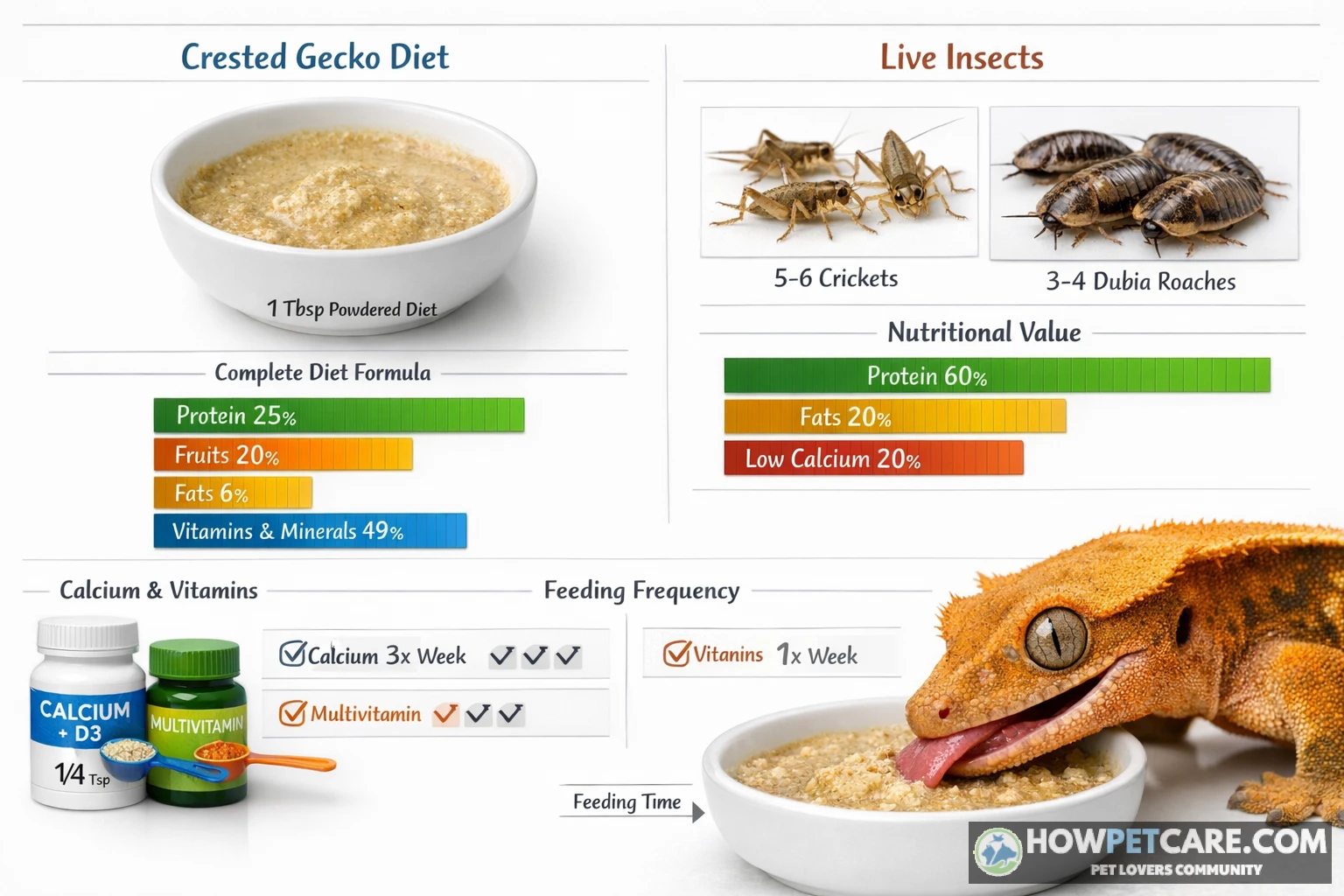
Use a commercially prepared diet labeled complete for crested geckos, mixed with water according to its instructions. Offer it in the evening and replace it within 24 hours. Juveniles generally need fresh food offered daily; adults can often be offered food every other day. Follow the diet label and monitor weight and intake.
You can offer appropriately sized, gut-loaded insects once or twice a week, but they aren’t required when the chosen prepared diet is complete and used as directed. If you offer insects, discuss dusting with your vet: the prepared diet already contains supplements, so copying the insectivore schedule can lead to over-supplementation. Fruit purée or baby food alone is not a complete diet.
How Much Does a Pet Gecko Cost in the US? Setup Budget, Shopping List and Monthly Expenses
Costs vary widely by location, enclosure size, animal, and whether equipment is new or used. The ranges below are planning estimates, not quoted prices. Add the items you actually need: a crested gecko may not need a heater in a suitable room, while either ground-dwelling species generally needs controlled heat.
First-time setup shopping list
| Item or category | Purpose | One-time or recurring | Estimated cost range (USD) |
|---|---|---|---|
| Enclosure and secure lid or doors | Safe housing | One-time | $60–$200 |
| Heat source and thermostat, if needed | Controlled warmth | One-time | $40–$100 |
| Digital thermometers and hygrometer | Check temperature and humidity | One-time | $25–$60 |
| Low-level UVB fixture and lamp | Lighting and UVB exposure | One-time | $50–$120 |
| Hides, branches, foliage, and dishes | Shelter, climbing, food, and water | One-time | $30–$100 |
| Paper substrate, cleaning supplies, and mister | Hygiene and humidity | Initial supply | $10–$30 |
| Food and supplements | Initial feeding supplies | Initial supply | $20–$50 |
| Gecko | Animal; varies by source | One-time | $30–$150 or more |
| Food, substrate, supplements, and electricity | Routine upkeep | Monthly | About $20–$50 |
| UVB lamp | Replacement | As directed by manufacturer | About $20–$40 each |
| Reptile-vet examination and testing | Preventive care | Usually yearly; testing as advised | Varies by clinic; budget at least $100–$250 |
A basic setup including the animal can run roughly $265–$810 or more when adding the low and high ends above; a crested setup without supplemental heat can cost less. These are broad planning ranges, not guarantees. Larger enclosures, shipping live insects, and local veterinary fees can raise the total. Ask a local reptile vet for its examination and fecal-test fees before committing.
A clean, secure secondhand enclosure, paper towels, and washable DIY hides can reduce costs. Inspect used equipment carefully and disinfect it before use. Don’t cut the thermostat or measuring devices from a heated setup.
Monthly and yearly costs
Budget roughly $20–$50 per month for routine supplies and electricity, plus lamp replacement and veterinary care. Set aside an emergency fund of at least $200–$500, knowing that diagnostics, hospitalization, or surgery may cost substantially more. Over a long life, routine food and care can exceed the initial setup cost.
How to Handle a Pet Gecko Without Stress or Tail Drop
Handling can be useful for health checks, but no technique guarantees a gecko will keep its tail. Tail drop is a defensive response, not a sign that the animal is ready to be held.
First week with a new gecko
Allow approximately 1–2 weeks for settling in, and wait until the gecko is eating reliably before beginning optional handling. Perform necessary water changes and cleaning quietly. Avoid handling during a shed, when the gecko is ill, or immediately after a meal; allowing about 24 hours after feeding is a cautious approach.
Step-by-step handling technique
- Sit on the floor or work just above a soft, enclosed surface. Wash your hands.
- Approach from the side rather than reaching down suddenly from above.
- Slide a flat hand under the body and support all four feet. Let the gecko walk between your hands rather than gripping it.
- Begin with a few minutes, a few times a week. End the session if the gecko repeatedly tries to flee or shows other signs of distress.
- Return it gently to its enclosure and wash your hands again.
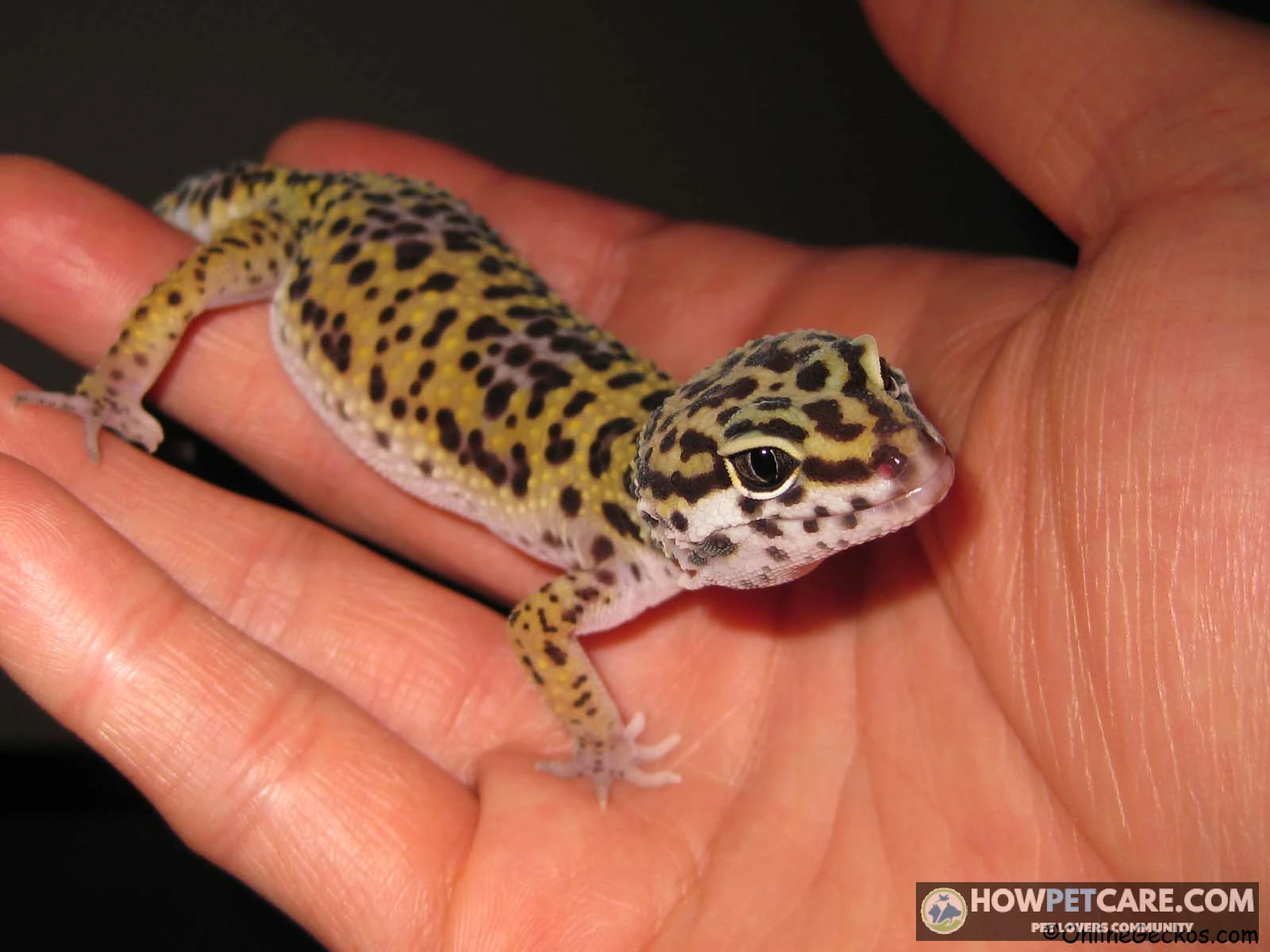
Never grab, restrain, or pull a gecko by its tail. A leopard or African fat-tailed gecko may regrow a tail that looks different from the original; a crested gecko typically doesn’t regrow a dropped tail. If a tail drops, keep the enclosure clean and contact a reptile vet for wound-care advice. Crested geckos can leap suddenly, so keep them low over a safe surface.
Handling with kids
An adult should demonstrate and supervise handling, with children seated and using open hands. Reptiles can carry Salmonella even when they look healthy. Everyone should wash with soap and water after contact with the animal or enclosure. Keep the habitat and cleaning equipment away from food-preparation areas.
Gecko Shedding Problems and Health Warning Signs: Symptoms, Causes and When to See a Reptile Vet
Geckos shed as they grow, and growing animals shed more often. Skin may become dull before a shed. If skin is retained, check the humidity and the humid hide.
How to help a gecko with stuck shed
Check the toes and tail tip after shedding. If a small amount remains, first make sure the humid hide is clean and appropriately damp. Don’t pull dry skin or force it away, particularly around eyes and toes. A reptile vet can advise whether a brief, supervised shallow soak is appropriate and demonstrate safe removal. Constricting rings, dark or swollen toes, and repeated retained shed need prompt veterinary attention.
Common gecko illnesses: symptoms and what to do
These signs can have more than one cause. Use the table to help decide what to do, not to diagnose your gecko.
| Condition | Symptoms to watch for | Possible cause | Home action | When to see a reptile vet |
|---|---|---|---|---|
| Stuck shed, or dysecdysis | Skin remains on toes, tail tip, or around eyes | Humidity problems or illness | Check humidity and provide a damp hide; do not pull skin | Promptly for tight rings, discoloration, eye involvement, or recurring problems |
| Metabolic bone disease | Tremors, soft jaw, bent limbs, difficulty walking or climbing | Problems involving calcium, D3, UVB, or diet | Check temperatures and supplement labels; avoid indiscriminate extra dosing | Promptly for any of these signs |
| Mouth rot, or infectious stomatitis | Swelling, discharge, drooling, reluctance to eat | Infection or injury | Keep the enclosure clean; do not scrape the mouth | Promptly; treatment requires a vet |
| Internal parasites | Weight loss, thinning tail, abnormal stool, lethargy | Parasitic infection or another illness | Separate from other reptiles and save a fresh stool sample if possible | Book a visit for weight loss or persistent abnormal stool; testing may be needed |
| Possible impaction or constipation | Straining, swollen abdomen, reduced stool | Obstruction, dehydration, temperature problems, or another illness | Check temperatures and water; do not give laxatives without advice | Promptly if bloated, straining, or lethargic; call if stool is absent unusually long |
| Respiratory illness | Labored or open-mouth breathing, bubbles at the nose | Infection or another respiratory problem | Minimize stress and verify the correct temperature | Urgently for breathing difficulty |
A gecko that loses weight, has sunken eyes, suffers trauma, or stops eating needs veterinary advice. Appetite can vary, but don’t wait a week with a sick-looking juvenile or any gecko that is also weak, bloated, or losing weight. Keep new reptiles separate from existing animals and discuss quarantine and testing with your vet.
Finding an exotics or reptile vet before you need one
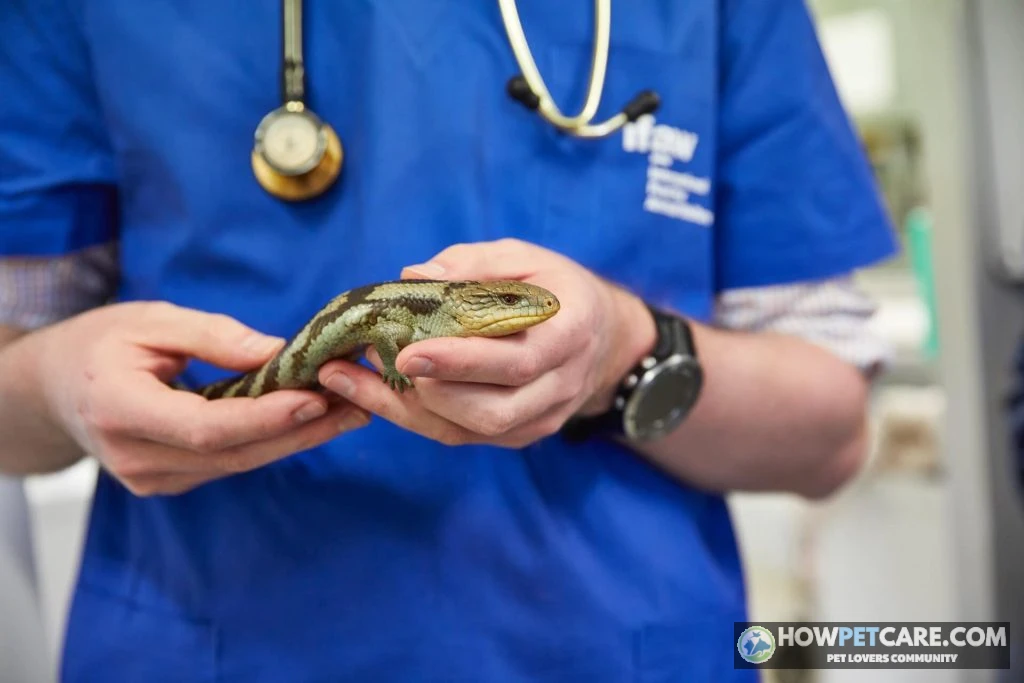
Not every veterinary clinic treats reptiles. Before bringing your gecko home, locate a clinic that does, ask about its emergency arrangements, and schedule a new-pet examination. Bring your enclosure measurements, temperature and humidity records, food and supplement labels, and a fresh stool sample if the clinic requests one.
Your Gecko Care Checklist: Daily, Weekly and Monthly Routine Plus a Pre-Purchase Readiness Test
Printable daily, weekly and monthly checklist
Daily
- ☐ Check warm-side and cool-side temperatures and humidity against your species’ targets.
- ☐ Refresh drinking water and remove waste and uneaten food.
- ☐ Feed according to species and age; remove leftover live insects.
- ☐ Mist a crested gecko enclosure as needed and check that it dries between mistings.
- ☐ Check that the humid hide is damp for a leopard or fat-tailed gecko.
- ☐ Observe appetite, activity, stool, toes, and tail without disturbing the gecko unnecessarily.
Weekly
- ☐ Replace soiled paper and clean dishes and dirty décor.
- ☐ Check supplement labels, supplies, and expiration dates.
- ☐ Weigh the gecko with a gram scale and record the result.
Monthly
- ☐ Deep-clean the enclosure and washable furnishings as needed. Follow the disinfectant label, rinse thoroughly when directed, and let everything dry before the gecko returns.
- ☐ Check thermostat operation and compare readings with a reliable second thermometer.
- ☐ Review weight and shedding records for changes.
Yearly and as scheduled
- ☐ Arrange a reptile-vet check and discuss fecal testing.
- ☐ Replace the UVB lamp according to its manufacturer’s instructions.
Are you ready for a pet gecko? A five-point check
- Time: You can plan for approximately 15–20 years of care and arrange coverage when away.
- Budget: You can buy the complete setup, meet recurring costs, and maintain an emergency fund.
- Veterinary access: You’ve identified a clinic that treats reptiles and know how to contact it urgently.
- Species fit: You can provide live insects for a leopard or fat-tailed gecko, or manage misting and heat avoidance for a crested gecko.
- Adult responsibility: An adult will oversee daily care, handling, and veterinary decisions.
Choose your species, assemble its enclosure, and run the complete setup for at least 24 hours. Once temperatures and humidity hold within the appropriate targets, you’re ready to bring the gecko home.
1A reptile keeper sets up a terrarium measuring 18 × 18 × 24 inches oriented vertically, equipped with dense foliage at various heights, a feeding ledge, and a mister set to maintain 60–80% humidity after spraying. Which gecko species is this habitat specifically designed for?
Arboreal climbing species require tall, vertically oriented enclosures with foliage cover and higher misted humidity.
2An owner wants to handle their new pet leopard gecko safely while minimizing stress and preventing defensive reactions like tail drop. Which of the following practices should the owner follow?
Allowing an initial settling-in period ensures the gecko has adapted to its new environment before experiencing the added stress of handling.
3A beginner gecko owner is deciding on floor covering for an adult leopard gecko terrarium. Why are loose substrates like calcium sand, crushed walnut shells, and fine sand strongly discouraged for inexperienced keepers?
Loose particulate materials can accumulate in the digestive tract if swallowed while catching prey, leading to life-threatening blockages.
4During winter, a home's ambient temperature drops to 60°F overnight. How should a keeper provide supplemental nighttime heat for a ground-dwelling leopard gecko without disrupting its natural day/night cycle?
Thermostat-controlled lightless heat sources maintain safe temperatures without disrupting nocturnal light cycles.
5A leopard gecko owner notices small pieces of unshed skin remaining on the tips of the gecko's toes after a shed. Which steps are appropriate actions or precautions to take?
Maintaining a clean, damp microclimate is the primary environmental step to assist skin loosening.
6A crested gecko owner relies on a commercially prepared powdered diet labeled as 'complete,' mixed with water as directed. Which statement correctly describes the role of live insects in this feeding regimen?
A balanced, complete prepared diet provides all necessary nutrients, making live insects an optional dietary enhancement.
7Although African fat-tailed geckos and leopard geckos are both ground-dwelling insectivores with similar physical sizes and warm-surface targets (88–92°F / 88–90°F), how do their environmental humidity requirements differ?
Fat-tailed geckos originate from environments requiring higher baseline moisture levels compared to the drier ambient needs of leopard geckos.
| Species | Adult Length | Adult Enclosure Requirements | Daytime Temperature Target | Night Temperature Target | Humidity Requirements | UVB Light Recommendation | Main Diet | Lifespan Expectancy |
|---|---|---|---|---|---|---|---|---|
| Leopard gecko | About 7–10 inches | At least a 20-gallon long, roughly 30 × 12 × 12 inches; larger is preferable | Warm surface 88–92°F; cool-side air 73–80°F | Avoid prolonged drops below about 65°F | About 30–40% ambient, plus a humid hide around 70–80% | Low-level UVB recommended, with shade | Live insects | Approximately 15–20 years |
| Crested gecko | About 7–9 inches | At least 18 × 18 × 24 inches, oriented vertically | Ambient air 72–78°F, with shaded retreats | About 65–72°F; sustained heat above about 82°F is dangerous | About 60–80% after misting, with a drop toward 50% between mistings | Low-level UVB recommended, with foliage and shade | Complete crested-gecko diet; suitable insects can supplement it | Approximately 15–20 years |
| African fat-tailed gecko | About 7–9 inches | At least a 20-gallon long, roughly 30 × 12 × 12 inches; larger is preferable | Warm surface 88–90°F; cool-side air 75–80°F | Avoid prolonged drops below about 65°F | About 40–60% ambient, plus a damp humid hide | Low-level UVB recommended, with shade | Live insects | Approximately 15–20 years |
FAQ
Can you keep two geckos in the same tank?
It is safest to house each gecko alone. Males of the same species fight, and even females can bully each other, which leads to stress, injuries and uneven feeding. If you keep multiple animals, use separate enclosures or get advice from an experienced keeper.
Do pet geckos bite?
Leopard and crested geckos rarely bite, and the bite is usually mild and does not break skin. A bite typically means the gecko is stressed or mistook a finger for food. Tokay geckos are the exception and can bite hard.
Can leopard geckos eat fruit or vegetables?
No. Leopard geckos are insectivores and cannot digest plant matter well. Crested geckos are different and eat a fruit-based powdered diet, with insects as a supplement.
Is it okay to keep a gecko I found outside?
It is not recommended. Wild geckos may carry parasites, are stressed by captivity, and have different needs from captive-bred leopard or crested geckos. Buy a captive-bred animal from a reputable breeder or rescue instead.
Do geckos need a heat lamp at night?
Usually not. Leopard geckos can drop to about 65°F at night without harm, and a heat lamp’s light can disrupt their day/night cycle. If the room falls below that, use a thermostat-controlled heat source that gives off no light, such as a ceramic heat emitter.