
Most well-cared-for pet leopard geckos live about 10–20 years, with exceptional individuals exceeding 20. Shorter 6–10 year outcomes usually reflect chronic husbandry problems, untreated illness, obesity, or repeated breeding. Temperature, diet, calcium/D3 or UVB, body condition, breeding strain, and veterinary care determine where an individual falls.
Most well-cared-for pet leopard geckos (Eublepharis macularius) live about 10–20 years, with exceptional individuals reaching 20 years or more. A 6–10 year figure is usually tied to chronic husbandry problems, untreated illness, obesity, or repeated breeding without recovery rather than a fixed species limit. Wild leopard geckos generally live about 6–10 years because predation, parasites, food scarcity, and weather extremes remove much of the safety captive care can provide.
How Long Leopard Geckos Live: The Realistic Range

A newly acquired juvenile should be expected to need a multi-year commitment, while an adult of unknown age may already be mid-life. Males often reach the upper end of the captive range more easily because they do not carry the energy cost and physical strain of egg production. Females can also live long lives when breeding is limited and recovery time is respected.
Why sources report 6-10, 10-20, and 15-20 years
The conflict is less about disagreement over biology and more about which population each source describes. Pender Veterinary Centre reports an average captive lifespan of 6–10 years, with males sometimes exceeding 20 years, while PetSmart, Reptile Centre, and CBReptile report averages of 10–20 years or 15–20 years. A veterinary clinic sees sick, neglected, or late-presenting animals more often, so its average can be pulled downward by preventable disease. Retailer and breeder-facing sources often describe the outcome when basic care is already in place. Use the published figure as a context clue, not a destiny.
| Published Figure | Likely Husbandry Context | Confidence |
|---|---|---|
| 6–10 years | Chronic overheating or chilling, poor calcium or D3 use, obesity, repeated breeding without recovery, untreated illness | Medium |
| 10–15 years | Generally adequate care with one or more weak points, such as inconsistent supplementation or limited veterinary care | Medium–High |
| 15–20+ years | Stable temperatures, correct humidity, lean body condition, consistent calcium/D3 or appropriate UVB, low breeding strain, routine veterinary checks | High |
| 25+ years | Exceptional genetics plus sustained high-quality care; should not be treated as a normal expectation | Low–Medium |
Typical versus exceptional lifespan outcomes
Typical pet outcomes cluster around 10–20 years when the basics are stable. Exceptional longevity beyond 20 years is documented but should be treated as the high tail of the distribution, not a promise. Do not state or assume an exact guaranteed lifespan for any individual gecko.
Captive vs Wild Leopard Gecko Lifespan and Life Stages
Captive care removes predators and weather extremes but adds husbandry-dependent risks such as impaction from loose substrate, metabolic bone disease from calcium or D3 problems, and obesity from overfeeding. A captive gecko can outlive a wild one, but only if temperature, diet, supplementation, body condition, and veterinary care are managed consistently.
Wild lifespan context

In the wild, leopard geckos face predation, parasites, disease, temperature extremes, and inconsistent food availability, which helps explain the shorter 6–10 year wild estimate. Captivity changes the risk profile rather than removing risk entirely.
Life-stage benchmarks for captive geckos
Life stages include hatchling, juvenile, subadult, adult, and senior. Sexual maturity commonly occurs around 9–18 months. Adult males usually weigh 60–80 g and adult females 50–70 g, with a maximum body length around 10 inches (25 cm). Growth slows after maturity, so a large adult is not necessarily old. Senior changes can include slower movement, reduced appetite, weight change, shedding difficulty, and joint stiffness.

Temperature, Humidity, Diet, Supplements, and UVB That Affect Longevity
The highest-impact levers are temperature gradient, diet quality, calcium and vitamin D3 practices, body condition, and breeding strain. These should be corrected before spending heavily on less central equipment.
Temperature gradient and humidity control

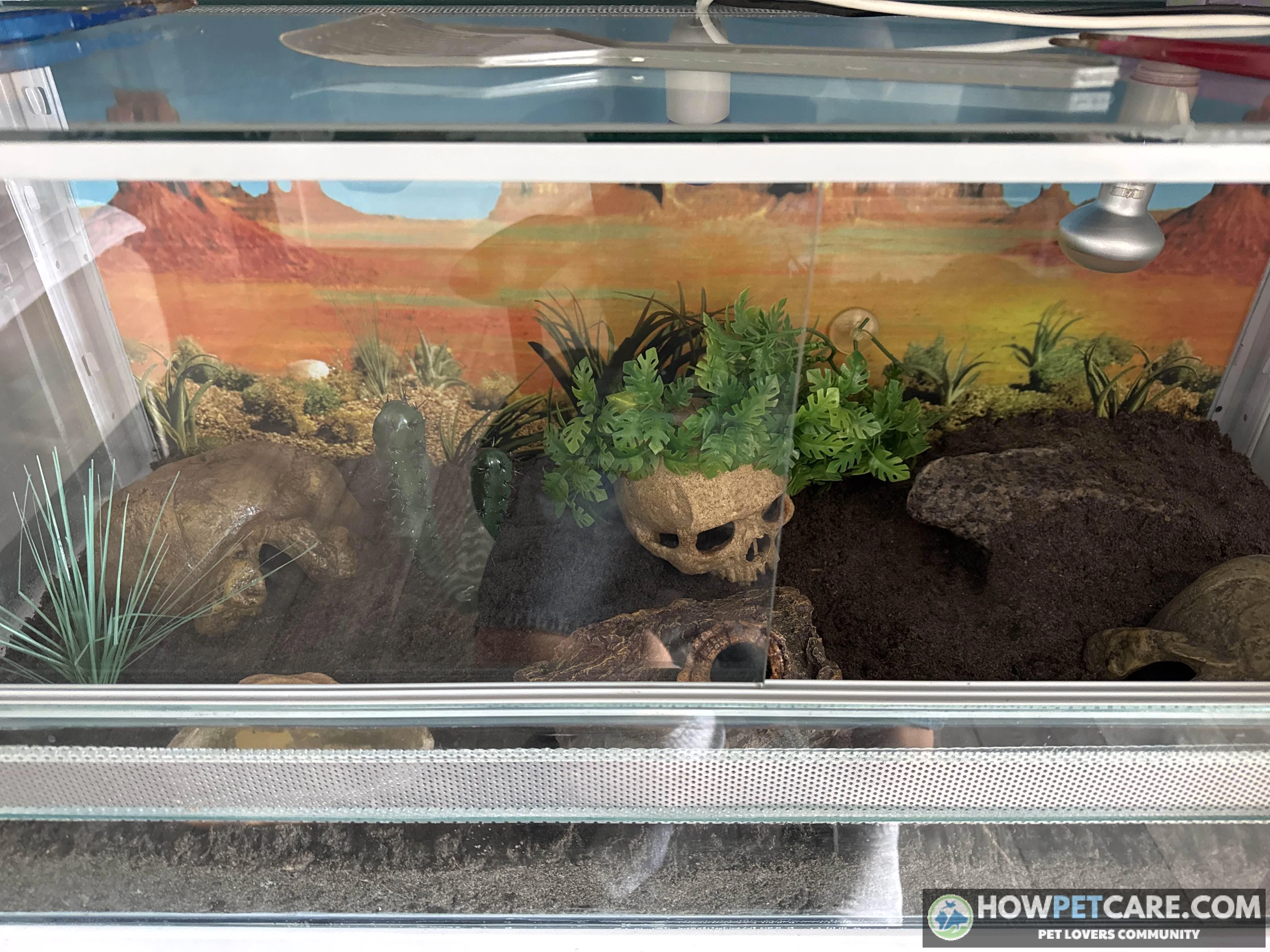
Maintain a warm side around 87–92°F (30–33°C) and a cool side around 70–75°F (21–24°C). Chronic overheating or chilling stresses metabolism and immunity. Humidity should support clean shedding and respiratory health; retained shed, especially around toes and tail tips, is a practical warning sign.
A stable warm-to-cool gradient is one of the first longevity checks because chronic thermal stress affects metabolism, digestion, and immune resilience.
Diet, calcium, and D3 practices
Feed an insect diet sized to age and body condition, and avoid obesity. Insects should be gut-loaded and dusted with calcium and vitamin powder before feeding. Metabolic bone disease can result from calcium deficiency, vitamin D3 deficiency, or inadequate UVB exposure. Chronic calcium or D3 deficiency can contribute to metabolic bone disease and other health problems that may reduce lifespan, so consistency matters more than occasional perfect feedings.
UVB-supported versus diet-only D3
UVB can support D3 synthesis and may benefit long-term health, but it should be used correctly alongside diet and supplementation. Outcomes depend on the full husbandry setup, not on UVB alone.
| Approach | Potential Benefits | Risks or Limits |
|---|---|---|
| UVB-supported D3 synthesis | Supports natural D3 production when lamp type, distance, and replacement schedule are correct | Lamp output declines with age; incorrect placement or excessive exposure can cause problems; still requires monitoring of body condition |
| Diet-only supplementation | Simple, inexpensive, and effective when calcium/D3 dosing is consistent | Missed feedings, inconsistent dusting, or poor supplement storage can create gaps; does not provide the behavioral and physiological context of natural light |

Sex, Breeding Frequency, Genetics, Morphs, and Obesity Risks
Males and females can both live long lives, but repeated breeding can strain females. Breeding frequency should be limited and paired with recovery time and veterinary monitoring. Some morphs or genetic lines may carry health risks that affect longevity, although specific lifespan data by morph are not available in the supplied evidence. Obesity is a modifiable risk linked to fatty liver disease, reduced mobility, and shorter lifespan.
Male versus female lifespan
Males tend to live longer on average because they do not face the energy expenditure and physical stress of reproduction. Females that are not bred, or are bred only with adequate recovery, can also reach the upper range.
Breeding frequency and female health
Females should not be bred continuously. Limit clutches per season, allow recovery time, and monitor body condition closely. Frequent breeding can strain body condition and may reduce longevity. A breeding female should be assessed by a reptile veterinarian when appetite, weight, or egg production changes.
Morph and genetic risk factors
Genetics and morph lines cannot be changed after purchase. When possible, screen breeder health history and avoid lines with known neurological, skeletal, or breeding-related problems. The evidence does not provide specific lifespan numbers for individual morphs, so treat morph-related risk as evidence-informed rather than experimentally quantified.
How to Estimate Age in an Adopted or Rescued Leopard Gecko
Age estimation is a range, not a diagnosis. Use body size, tail thickness, growth rate, sexual maturity, shedding quality, dental wear, joint mobility, and activity level together. Document baseline weight, length, photos, and behavior, then repeat every 4–6 weeks before calling an estimate reliable.
Visual and physical age indicators
| Indicator | Likely Younger Gecko | Likely Older Gecko | Notes |
|---|---|---|---|
| Snout-to-vent length | Under 7.5 cm / 3 in | 8–11 cm / 3.2–4.3 in | Growth slows after sexual maturity |
| Tail thickness | Thin, little fat storage | Thick, rounded tail | Tail stores fat; not reliable alone |
| Sexual maturity markers | No visible pores/follicles or small pores | Prominent pores in males; breeding history in females | Use as a maturity cue, not an exact age |
| Shedding quality | Smooth, complete sheds | Retained shed, especially toes/tail | Skin condition can reflect humidity and age |
| Activity and joints | Fast, agile movement | Slower starts, stiffer joints | Compare over several weeks, not one day |
| Teeth and jaw | Minimal wear | Noticeable wear or irregular bite | Requires gentle handling and vet confirmation |

Tracking weight and behavior over time
A single measurement is less useful than a trend. Weigh monthly, note appetite, stool quality, shedding completeness, and movement. A gecko that is stable, active, and feeding well may be younger or simply well managed; a gecko with retained shed, weight loss, and reduced mobility may be senior even if its size suggests otherwise.
Senior and End-of-Life Care for Aging Leopard Geckos
Senior geckos may need adjusted prey size, softer foods, and easier enclosure access. Monitor weight loss, appetite, mobility, shedding difficulty, and signs of organ disease. Schedule reptile veterinary exams and discuss humane end-of-life options when quality of life declines. Plan enclosure modifications and reduced stress for aging animals.
Senior care adjustments
Reduce climbing strain by placing warm and cool hides, water, and food on the same level. Offer appropriately sized prey; if needed, use softer or pre-killed insects rather than forcing large prey. Keep temperatures stable and avoid unnecessary enclosure changes. Watch for sudden weight loss, because rapid decline is more urgent than gradual aging.

Quality-of-life and veterinary decision points
- Weight is stable or loss is under 5% over 30 days; sudden loss is recorded and reported.
- Appetite remains present, even if prey size or food type needs adjustment.
- Gecko can reach warm side, cool side, hides, and water without climbing strain.
- Shedding completes without retained skin, especially around toes and tail tip.
- Stool output is regular and not consistently abnormal in color or consistency.
- Mobility is adequate for feeding, hiding, and thermoregulating.
- No repeated open-mouth breathing, wheezing, or visible swelling.
- Pain or distress signs (persistent hiding, jaw gaping, limb favoring, unresponsiveness) are documented.
Escalate to a reptile veterinarian if two or more items fail for more than one week, or immediately for rapid weight loss, severe lethargy, prolapse, or breathing difficulty. End-of-life and quality-of-life decisions should be made with a reptile veterinarian.
Lifetime Cost and Budgeting for 10-20 Years of Leopard Gecko Care
A leopard gecko is a long-term commitment. Budget for enclosure, heating, lighting, supplements, food, veterinary care, and replacements. Senior years often increase veterinary and specialized care costs. Include emergency funds for illness, injury, or sudden enclosure failure.
Core recurring costs
| Cost Category | Low Scenario | Typical Scenario | High Scenario |
|---|---|---|---|
| Enclosure and initial setup | $250–$600 one-time | $350–$700 one-time | $600–$1,200 one-time |
| Food insects | $120–$300 per year | $180–$420 per year | $300–$600 per year |
| Supplements | $25–$60 per year | $40–$90 per year | $60–$150 per year |
| Substrate and enclosure replacements | $30–$90 per year | $60–$150 per year | $120–$300 per year |
| Electricity for heat/light | $40–$120 per year | $80–$180 per year | $150–$300 per year |
| Veterinary care | $90–$200 per year | $150–$350 per year | $300–$800+ per year |
For one gecko in a typical U.S. household, a 15-year total can land around $2,500–$3,500 in a low scenario, $4,000–$7,000 in a typical scenario, and $8,000–$12,000 or more when emergencies, chronic illness, or repeated equipment replacement occur. Initial veterinary exam and fecal testing may add $80–$180. Senior years often shift spending toward diagnostics, softer foods, and enclosure accessibility rather than setup costs.
Senior and emergency cost planning
Set aside an emergency fund before problems arise. A practical target is three to six months of expected care plus one urgent veterinary visit. Reptile veterinary access varies by region, so identify a clinic before an emergency.
Longevity Action Plan: Prioritize Care Levers and Next Steps
Audit enclosure temperatures, humidity, diet, supplements, and UVB setup. Set weight and feeding logs plus a preventive veterinary schedule. Reduce breeding-related strain and manage body condition. Create a senior-care and budget plan before problems arise.
30-day husbandry audit
- Record warm-side and cool-side temperatures for one full week, including nighttime lows.
- Check humidity during sheds and remove any retained shed carefully with veterinary guidance.
- Weigh the gecko, photograph it from above and the side, and note tail thickness.
- Review prey size, feeding frequency, gut-loading, and calcium/D3 dusting.
- Inspect UVB lamp age, distance, and placement if used.
- Schedule a baseline reptile veterinary exam if one has not occurred in the last 12 months.
Long-term monitoring checklist
| Care Lever | Likely Longevity Impact | Practical Priority |
|---|---|---|
| Temperature gradient | High | Fix first: chronic chilling or overheating stresses metabolism and immunity |
| Diet quality and prey size | High | Feed age-appropriate insects and avoid obesity |
| Calcium and vitamin D3 | High | Use a consistent supplementation schedule or verified UVB setup |
| UVB-supported D3 | Medium–High | Consider as a long-term D3 strategy, not a replacement for monitoring body condition |
| Weight and body condition | High | Track monthly; fatty liver risk rises with obesity |
| Breeding frequency | Medium–High | Limit clutches, allow recovery, and monitor females closely |
| Genetics/morph line | Medium | Cannot change after purchase; screen breeder health history when possible |
If time is limited, correct temperature, body condition, and supplementation before upgrading less central equipment. The most useful long-term habit is a simple monthly record of weight, feeding, shedding, and behavior; small changes are easier to correct before they become lifespan-limiting problems.

| Care Lever | Likely Longevity Impact | Practical Priority | Associated Risks or Husbandry Context |
|---|---|---|---|
| Temperature gradient | High | Fix first: chronic chilling or overheating stresses metabolism and immunity | Chronic overheating or chilling stresses metabolism and immunity; gradient check required (warm side 87–92°F / 30–33°C, cool side 70–75°F / 21–24°C) |
| Diet quality and prey size | High | Feed age-appropriate insects and avoid obesity | Avoid obesity, which is linked to fatty liver disease, reduced mobility, and shorter lifespan; insects should be age-appropriate and gut-loaded |
| Calcium and vitamin D3 | High | Use a consistent supplementation schedule or verified UVB setup | Chronic calcium or D3 deficiency can lead to metabolic bone disease and other health problems reducing lifespan |
| Weight and body condition | High | Track monthly; fatty liver risk rises with obesity | Overfeeding leads to obesity, a modifiable risk linked to fatty liver disease, reduced mobility, and shorter lifespan; sudden weight loss is also an urgent health signal |
| UVB-supported D3 | Medium–High | Consider as a long-term D3 strategy, not a replacement for monitoring body condition | Supports natural D3 production, but lamp output declines over time; incorrect placement or excessive exposure can cause problems; requires monitoring |
| Breeding frequency | Medium–High | Limit clutches, allow recovery, and monitor females closely | Repeated breeding without recovery carries heavy energy cost, physical strain, and strains body condition for females, which can reduce longevity |
| Genetics/morph line | Medium | Cannot change after purchase; screen breeder health history when possible | Some genetic morphs or lines carry risks for neurological, skeletal, or breeding-related health problems |
FAQ
What is the oldest reliably recorded leopard gecko?
Reliable records are limited, but exceptional leopard geckos can live beyond 20 years. Most well-cared-for pets fall closer to the 10–20 year range.
How often can a female leopard gecko be bred safely?
Females should not be bred continuously; limit clutches per season and allow recovery time. Frequent breeding can strain body condition and may reduce longevity.
Can missed calcium or D3 supplementation shorten lifespan?
Yes, chronic calcium or D3 deficiency can contribute to metabolic bone disease and other health problems that may reduce lifespan. Consistent supplementation is important.
How can I tell if my leopard gecko is senior?
Senior signs may include slower movement, weight changes, reduced appetite, shedding difficulty, and joint stiffness. A reptile veterinarian can help assess age-related health.
Do leopard geckos need UVB to live longer?
UVB can support D3 synthesis and may benefit long-term health, but it should be used correctly alongside diet and supplementation. Outcomes depend on the full husbandry setup.