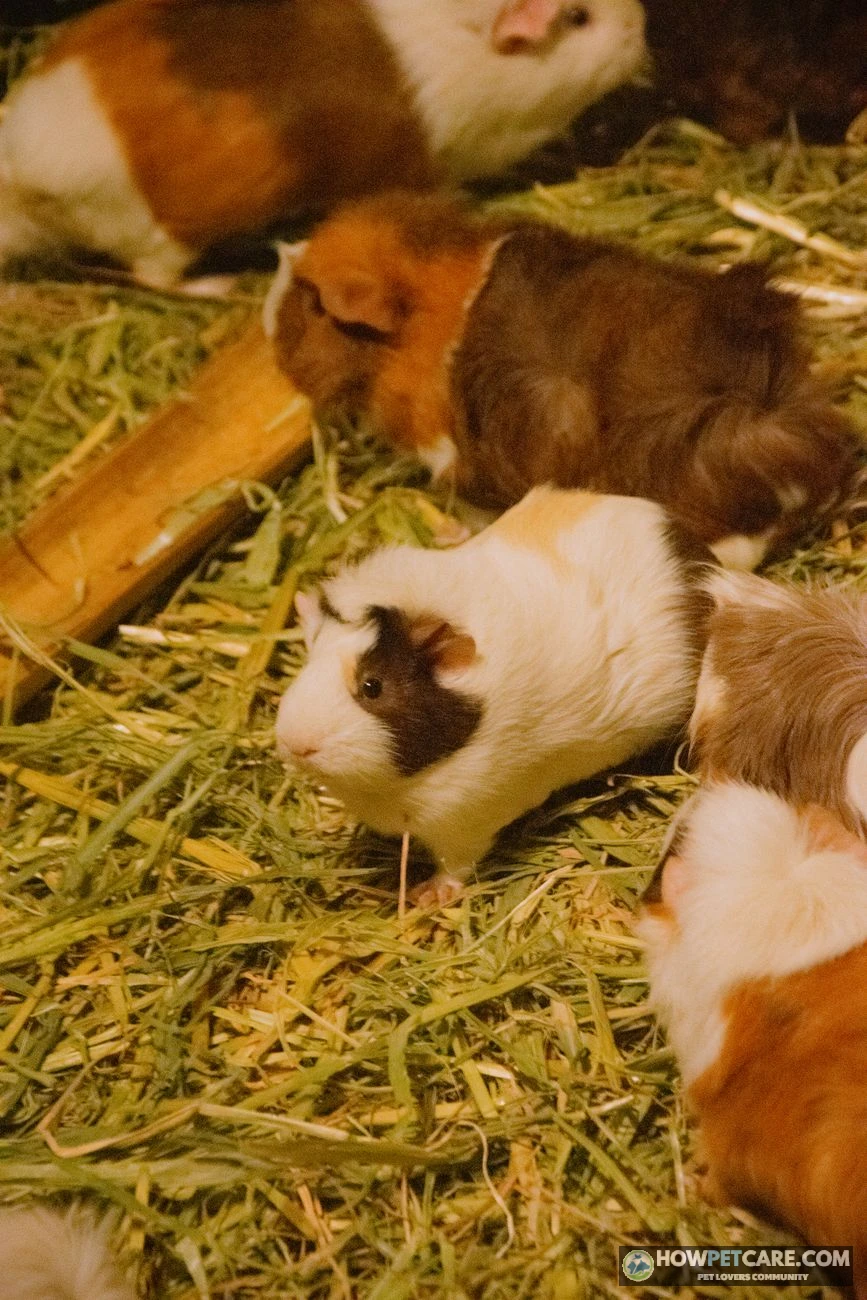

Caring for a guinea pig means providing a spacious indoor enclosure (at least 7.5 square feet for a pair), unlimited timothy hay, about 1/8 cup of pellets and 1 cup of fresh vegetables daily, vitamin C every day, a compatible companion, daily spot-cleaning, and routine exotic-vet care.
Guinea pigs make rewarding pets for beginners, but they aren’t low-effort starter animals. They require fresh hay and water daily, spot-cleaning every day, room to run, and regular health checks. Most live about 5–7 years, so bringing them home is a long-term commitment. A solid care routine centers on unlimited timothy hay, measured pellets, daily vegetables rich in vitamin C, a compatible guinea pig companion, and access to an exotic-animal veterinarian.
Before you commit, make sure an adult is prepared to take responsibility for daily care, cleaning, and veterinary decisions—even if a child will help. Guinea pigs are social, vocal animals that settle into familiar routines and become comfortable with patient handling. They also need more space and daily food preparation than many first-time owners expect.
Are guinea pigs easy pets? The honest answer
They can be a great fit for a prepared household. Their routine is straightforward once established, but it is not optional: hay must always be available, vegetables and water need attention every day, and illness can worsen quickly if it goes unnoticed. Guinea pigs naturally hide signs of illness or pain, so regular observation matters.
A guinea pig needs a large, well-ventilated enclosure, safe bedding, hideouts, unlimited hay, plain guinea pig pellets, daily fresh vegetables, a companion when possible, and routine care from a veterinarian familiar with guinea pigs. A glass aquarium is not a suitable enclosure because it does not provide adequate air circulation.
Guinea pig vs. hamster: which is easier to care for?
Neither pet is automatically easier; their needs are simply different. Guinea pigs are generally active during the day, live for several years, need substantially more floor space than a small-pet cage provides, and do best with another guinea pig. Hamsters are solitary and often active at night. Choose based on the animal’s needs and your household’s capacity, not on the assumption that either is a no-work pet.
Are guinea pigs good pets for children?
They can be, provided an adult serves as the primary caretaker. Children can help offer vegetables, refill hay, and learn gentle handling, but an adult must supervise, keep the enclosure clean, monitor health, and arrange veterinary care. Guinea pigs can wriggle or jump when frightened, so a child should handle one only while seated on the floor with an adult close by.
Guinea Pig Cage Setup: Size, Bedding, Temperature, and Indoor Placement
How big should a guinea pig cage be? Reconciling 7.5 sq ft and 2.5 m²
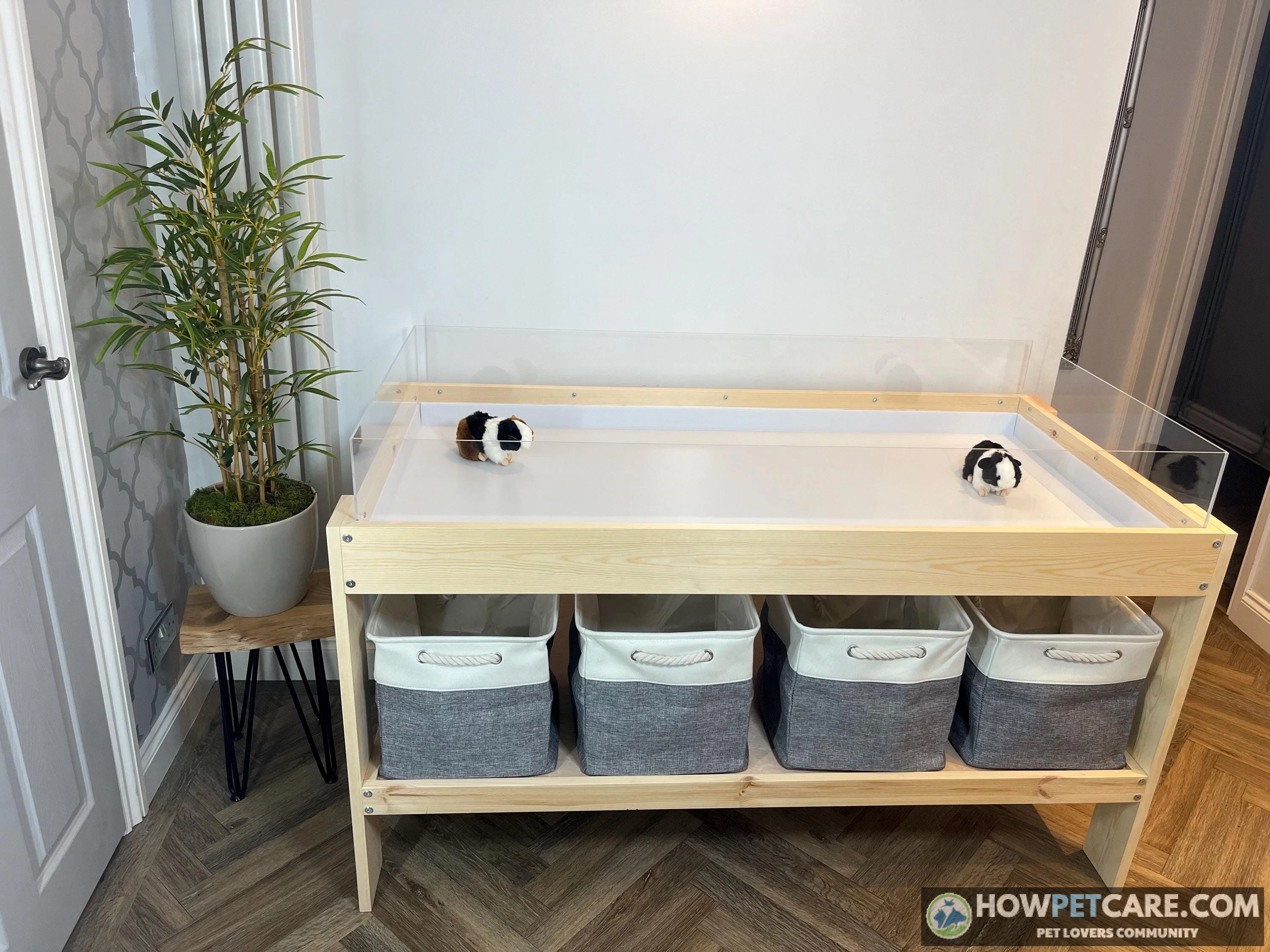
You may encounter two different recommendations: 7.5 square feet (about 0.7 m², roughly 30 by 36 inches) as a practical minimum for one or two guinea pigs, and about 2.5 m² (roughly 27 square feet) as a larger welfare-space recommendation. Both figures appear in guidance, but they represent different levels of space rather than interchangeable targets.
For a pair, treat 7.5 square feet as a floor, not an ideal. Choose a larger enclosure if your home allows it; the larger welfare standard offers more room for movement and enrichment. In short, meet the smaller figure as a bare minimum, but follow the larger welfare standard whenever your space allows. Add about 2 square feet for each additional guinea pig. Prioritize one continuous, flat area: extra height or a narrow ramp does not replace usable floor space. Avoid wire flooring, which can injure feet, and undersized “starter” cages. Guinea pigs are poor climbers, so a wide, single-level layout is usually more useful than a tall one.
Best bedding for guinea pigs: fleece liners vs. paper vs. shavings
Fleece liners with an absorbent layer underneath can be reused, but they need frequent laundering and must stay dry and free of waste. Paper-based bedding is absorbent and easy to replace. Aspen shavings are another option; use a dust-controlled product and check that the bedding remains clean and dry. Provide a deep enough layer for comfort and absorbency; one cited recommendation is 2–3 inches.
Avoid cedar and untreated wood shavings: aromatic oils can harm the respiratory system. Do not use loose, dusty material or wire flooring. Whatever bedding you choose, check the enclosure daily for damp patches and soiled areas.
Safe temperature and humidity range in degrees
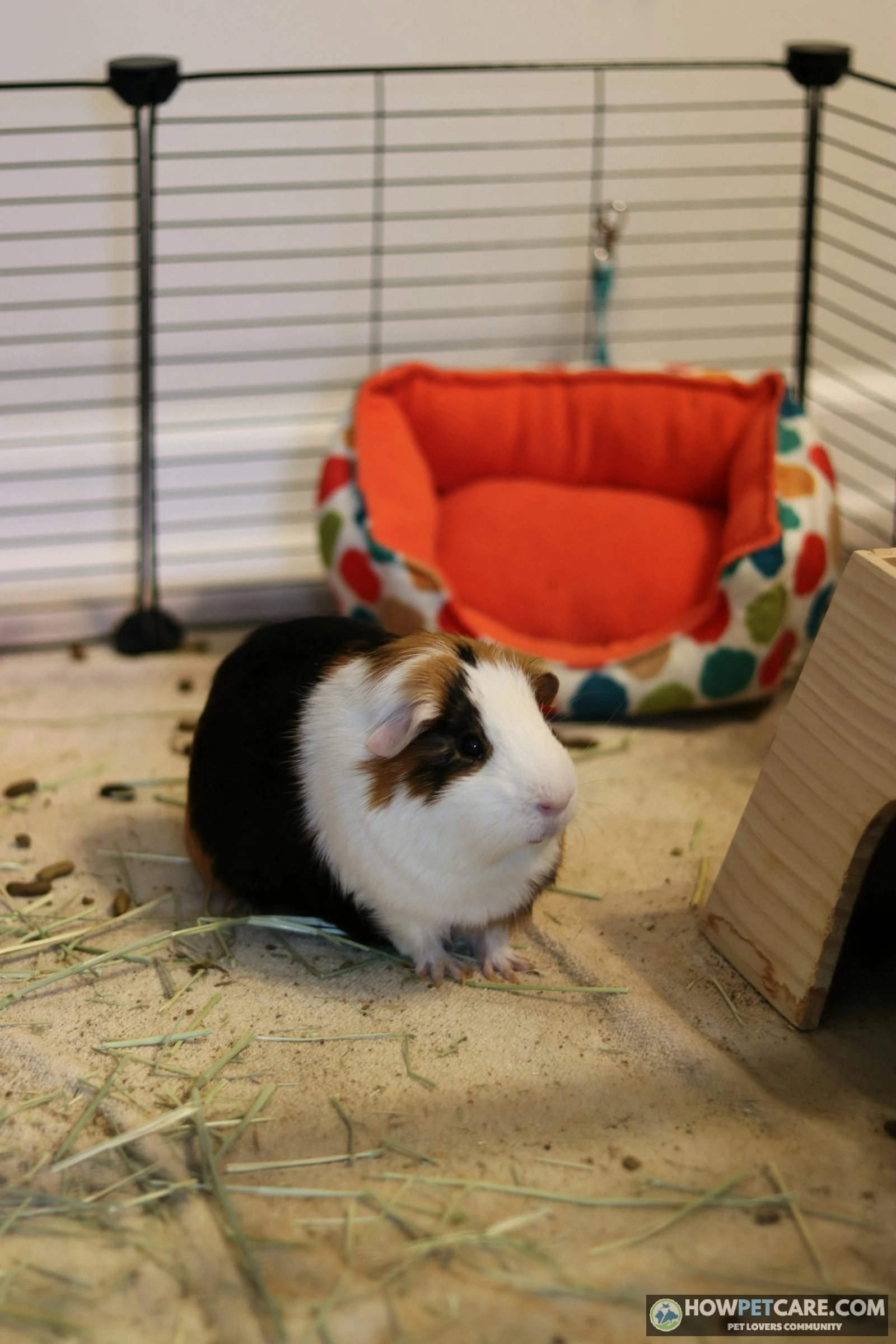
Aim for a room temperature around 65–75°F (18–24°C) and humidity around 40–60%. Treat temperatures above roughly 80°F (27°C) as a heat-stress risk. Keep the enclosure out of direct sun, away from heaters and drafts, and in a room where household activity is calm but the animals are not isolated.
In hot weather, move the enclosure to a cooler shaded room, use a fan that does not blow directly on the guinea pigs, and offer a wrapped frozen water bottle they can move away from. Watch for panting, drooling, or unusual lethargy and call a veterinarian promptly if these appear. In cold weather, keep the enclosure indoors, away from cold windows and doors. A thermometer near the cage is more useful than guessing based on how the room feels to you.
Cage essentials: hideouts, tunnels, water bottle, and hay rack
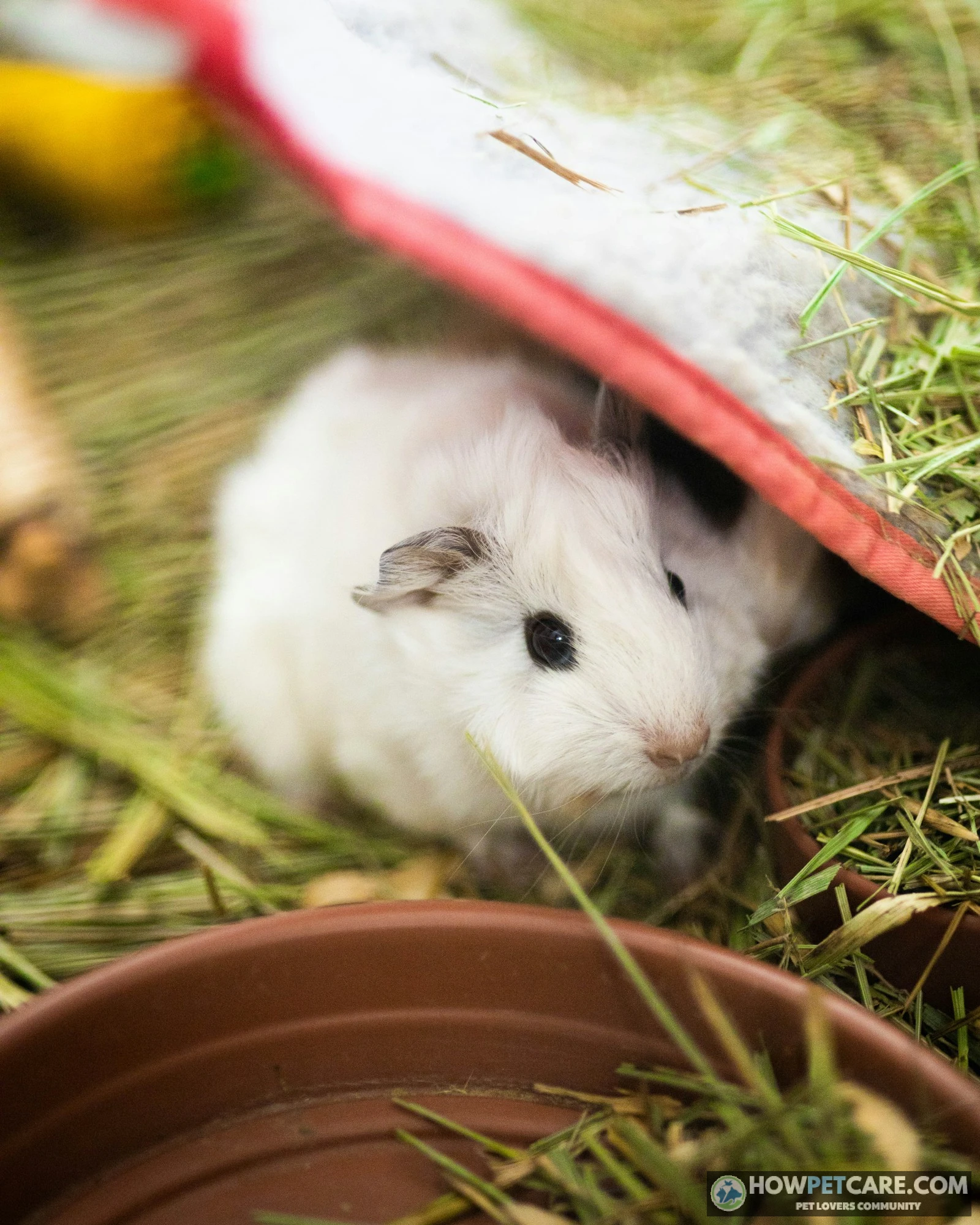
Set up the enclosure before bringing the animals home. Include a heavy ceramic food bowl, a water bottle that you check daily, a hay rack or another clean way to offer hay, and tunnels or hideouts. Provide at least one hideout per guinea pig so each animal can retreat. A second water source can help ensure water is available if a bottle becomes blocked. Add safe chew items and rotate simple enrichment such as cardboard boxes.
Place the enclosure in a quiet, sociable indoor room, away from direct sunlight, kitchens, and other pets. Do not house guinea pigs with rabbits or let them play together: rabbits can carry dangerous infections and may injure them.
Make sure the enclosure is fully furnished, hay and food are on hand, and the room is within the comfortable temperature range before your guinea pig comes home.
What to Feed a Guinea Pig Every Day: Hay, Pellets, Vegetables, and Vitamin C
A simple daily plan is unlimited fresh grass hay, about 1/8 cup of plain guinea pig pellets, and about 1 cup of fresh vegetables per adult. Hay should make up most of the diet; pellets and vegetables round it out. Keep fresh water available at all times.
Timothy hay: why it should make up most of the diet
Offer fresh timothy hay without restriction and replenish it daily. Chewing hay supports normal digestion and helps wear down teeth, which grow continuously. Without enough hay, dental problems such as malocclusion and digestive complications can develop. Alfalfa hay is generally for guinea pigs six months old or younger rather than the routine adult staple.
Pellet food: how much and which kind
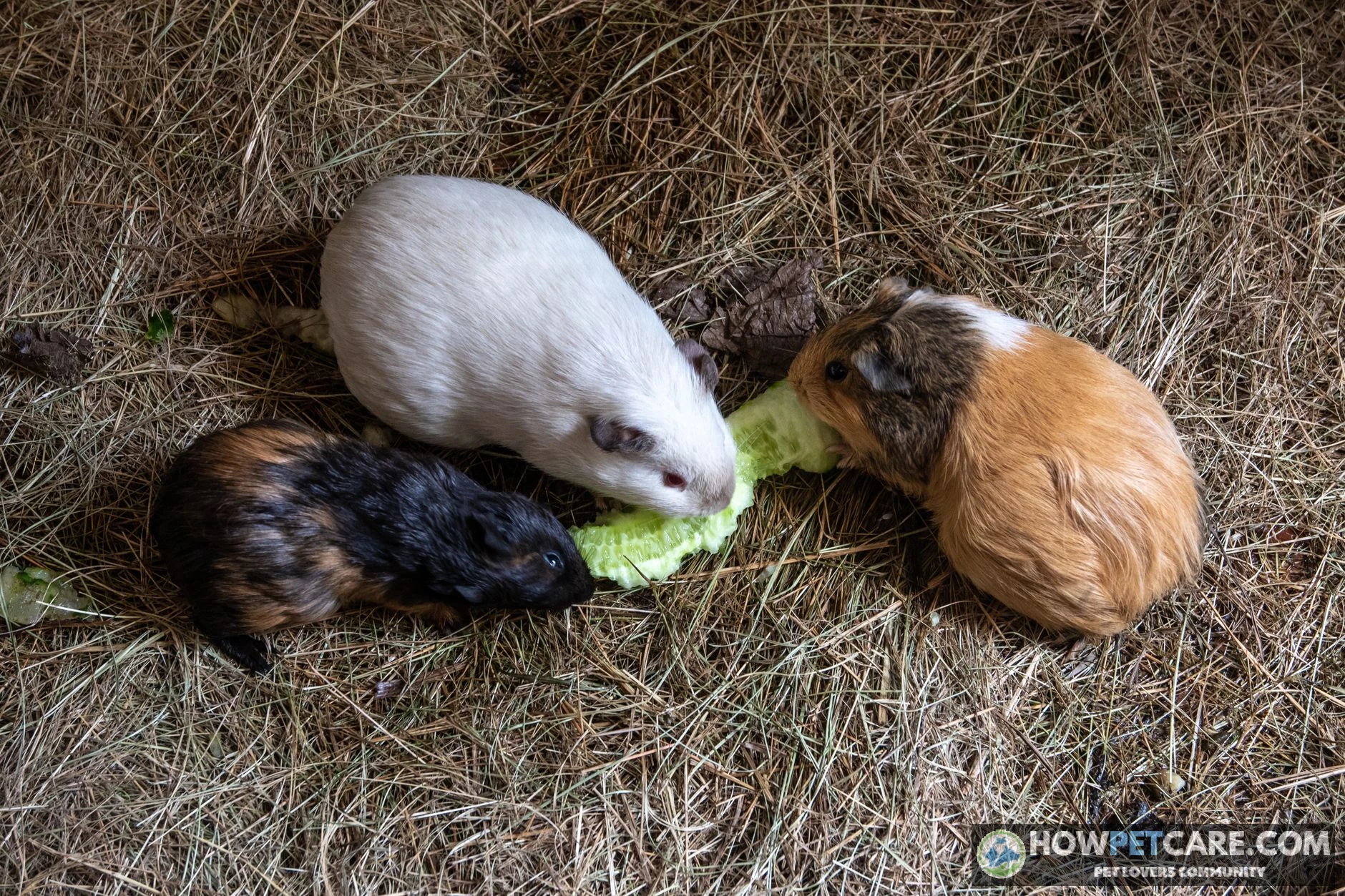
Offer about 1/8 cup of plain, timothy-based guinea pig pellets per adult per day. Choose pellets formulated for guinea pigs and check that vitamin C is included. Avoid mixes with seeds, nuts, or dried fruit, and do not substitute rabbit or hamster food. Store pellets as directed and replace stale food; vitamin C content can decline over time.
Fresh vegetables: portions and rotation
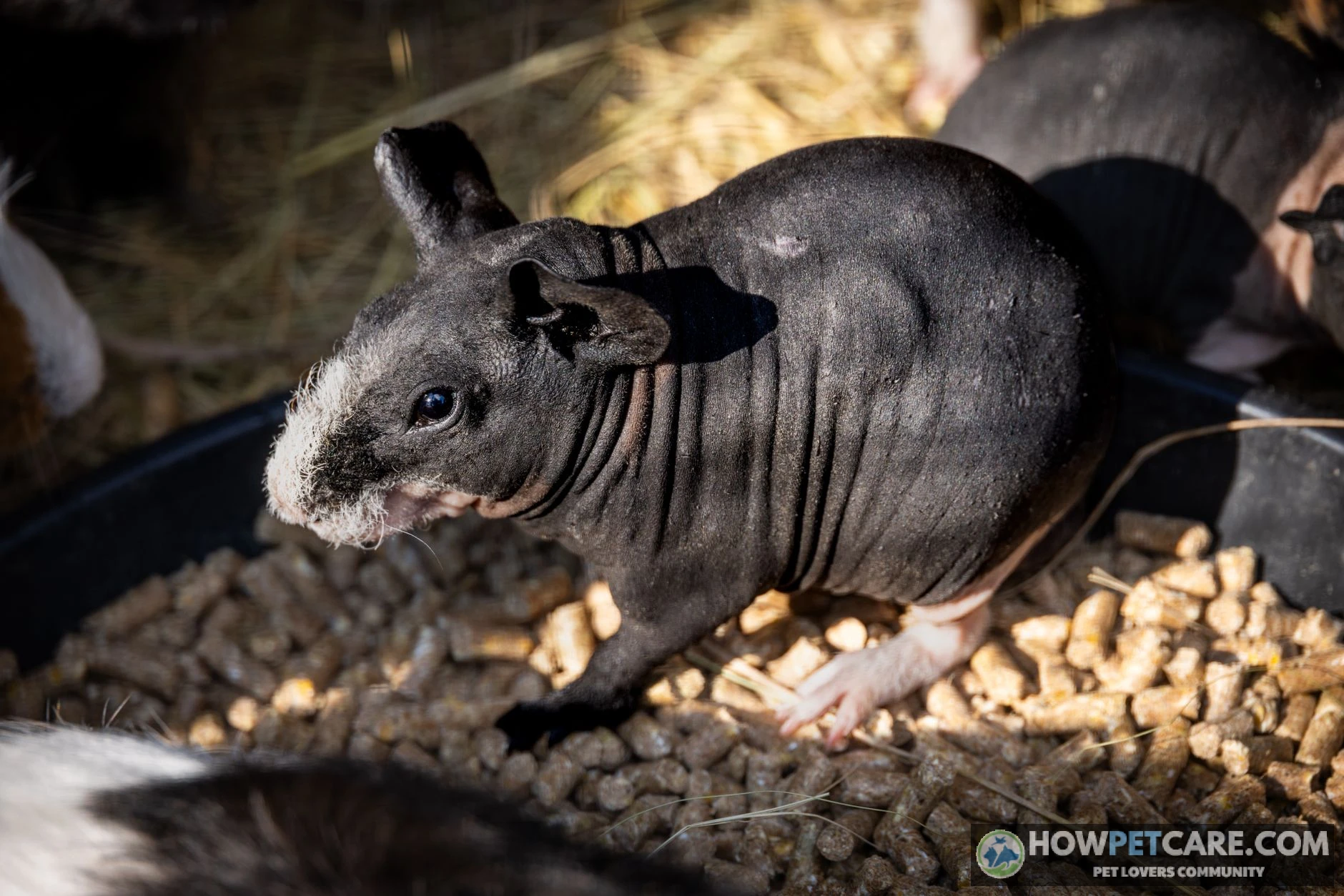
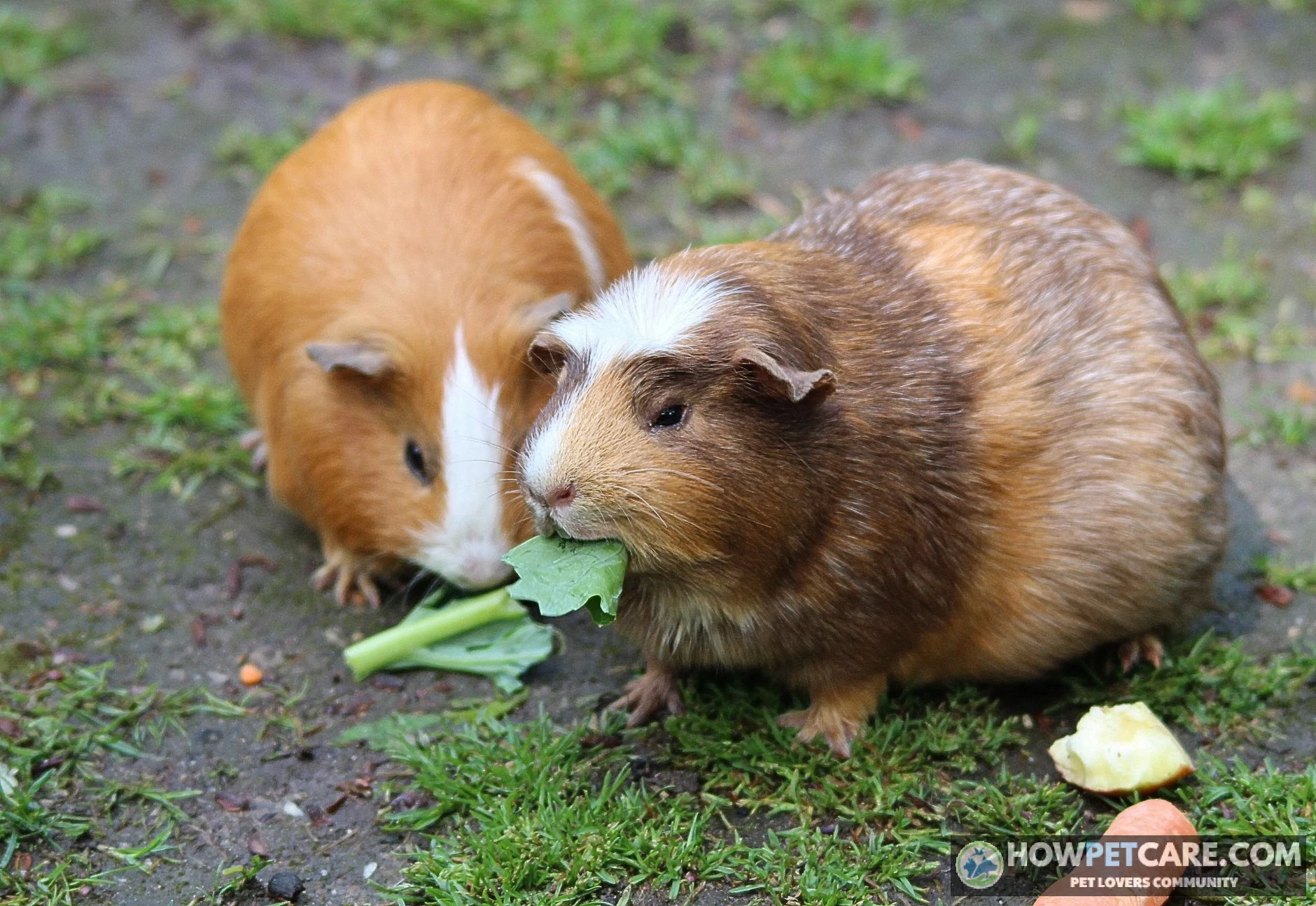
Offer roughly 1 cup of fresh vegetables per guinea pig each day, rotating suitable choices. Bell pepper is a useful regular source of vitamin C. Leafy greens can add variety, but rotate higher-calcium or higher-oxalate choices rather than making them the whole menu. Introduce unfamiliar foods gradually and remove uneaten fresh food before it spoils.
Do guinea pigs need vitamin C supplements?
Yes, guinea pigs need vitamin C every day because they cannot make it themselves. A commonly used daily target is about 10–30 mg per guinea pig, with needs varying by age, health, and life stage. Offer vitamin-C-rich vegetables and fresh, properly stored guinea pig pellets. A strip of bell pepper with a varied serving of greens can provide a substantial amount; exact vitamin C content varies by vegetable and freshness.
Do not add vitamin drops to the water bottle. Vitamin C degrades in water, and additives can affect the water or discourage drinking. If a guinea pig is growing, pregnant, unwell, or not reliably eating vitamin-C-rich foods, ask an exotic veterinarian whether a measured supplement is appropriate rather than guessing a dose.
Safe vs. unsafe foods for guinea pigs
Use the chart as a practical starting point, not a reason to feed a single food every day. Portions are per guinea pig; introduce new foods gradually.
| Food | Safe, limit, or avoid | Serving size and frequency | Vitamin C level and notes |
|---|---|---|---|
| Timothy hay | Safe staple | Unlimited; refresh daily | Not a vitamin C source; supports teeth and digestion |
| Plain guinea pig pellets | Safe | About 1/8 cup daily | Choose a vitamin-C-fortified guinea pig formula |
| Bell pepper | Safe | A few strips daily as part of the vegetable portion | A useful vitamin C source; amount varies by color and freshness |
| Romaine or green- and red-leaf lettuce | Safe in rotation | A leaf or two as part of the daily vegetables | Offers variety; do not rely on it alone for vitamin C |
| Parsley or cilantro | Safe in rotation | A small sprig occasionally | Vitamin C sources; rotate parsley because it is calcium-rich |
| Kale or spinach | Limit | Small amount occasionally | Contains vitamin C but is higher in calcium or oxalates; rotate rather than feed heavily |
| Carrot | Limit | A small piece occasionally | Higher in sugar and not a main vitamin C source |
| Apple or berries | Limit | A small piece or berry occasionally | Sugary treats, not a staple |
| Cucumber | Safe in modest portions | A slice or two occasionally | Mostly water and low in vitamin C |
| Iceberg lettuce | Avoid as a regular food | — | Low nutritional value; large amounts may upset digestion |
| Potato | Avoid | — | Unsafe; do not feed potato or peelings |
| Onion, garlic, leek, or chives | Avoid | — | Potentially toxic; do not feed |
| Chocolate, candy, bread, or dairy | Avoid | — | Not appropriate for guinea pigs |
| Avocado | Avoid | — | Not appropriate; avoid due to toxicity risk |
| Seeds, nuts, and dried-fruit mixes | Avoid | — | Choking and dietary risks; skip these mixes |
| Lawn-mower grass clippings | Avoid | — | Can cause serious digestive upset. |
Fruit should remain an occasional treat because of its sugar. When in doubt about a food, leave it out and check with a veterinarian or a reliable guinea pig nutrition reference.
 You might be wonderingCavy soundsGuinea Pig Sounds and Meanings: What to Do for Each NoiseRead the answer
Do Guinea Pigs Need to Live in Pairs? Choosing, Sexing, and Introducing a Companion
Guinea pigs are social herd animals, a trait shaped by life in the wild, and should generally live with at least one compatible guinea pig. A single guinea pig is a second-best arrangement; it needs substantial daily interaction, but human attention does not fully replace a same-species companion. Plan and budget for a compatible pair from the start.
Single guinea pig vs. a pair
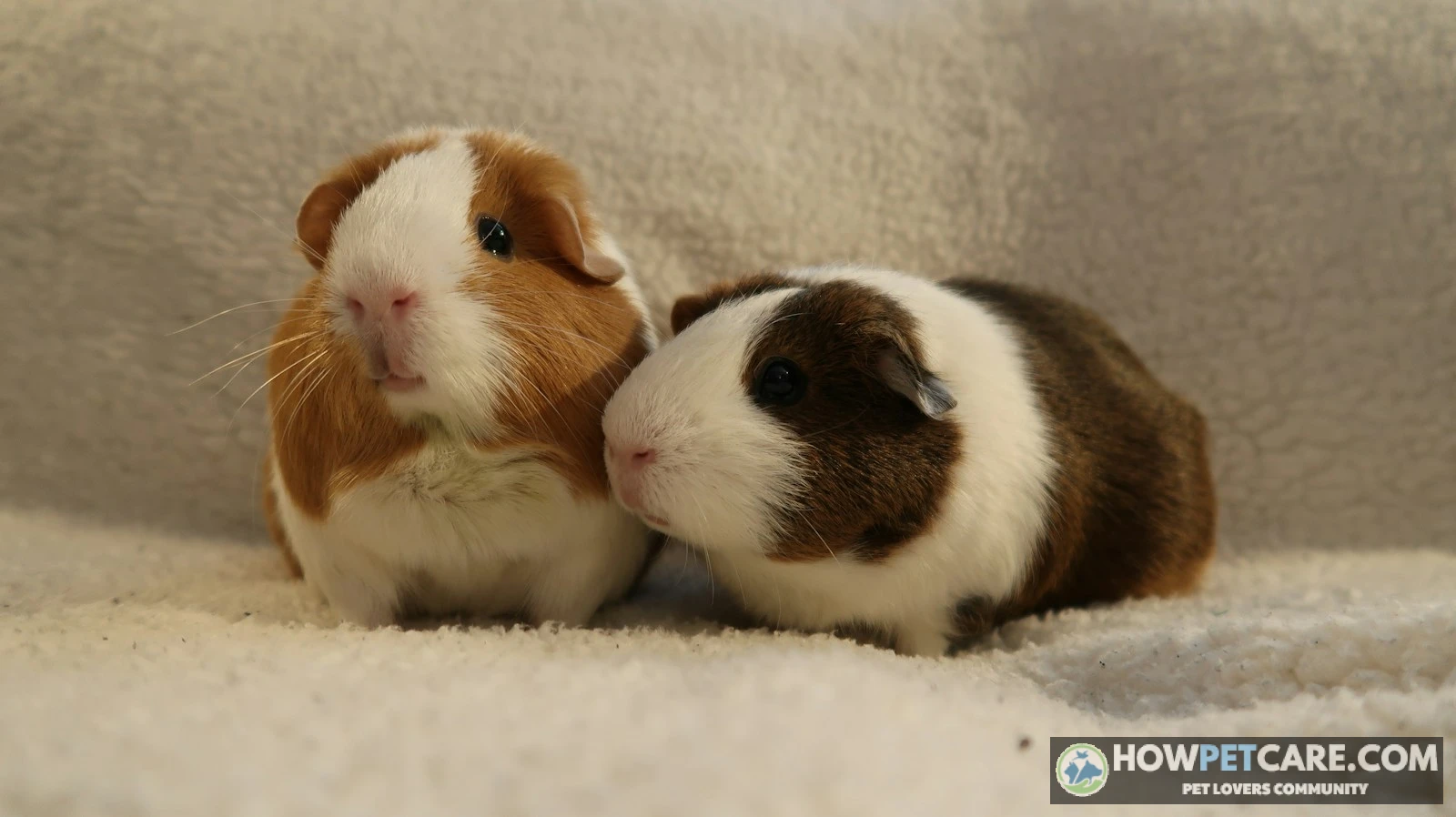
Common pairings include two females, compatible males, or a neutered male with a female. A pair costs more to feed and house, but companionship is part of good welfare. Never put an unneutered male and female together unless you are prepared for pregnancy and responsible for the resulting animals.
How to sex guinea pigs and whether males need neutering
Sexing mistakes can lead to an unexpected litter. Ask an exotic veterinarian or an experienced rescue to confirm each animal’s sex, especially before introducing a new companion. Neutering a male may make a male–female pairing possible, but surgery has anesthetic and recovery risks. Discuss suitability and timing with an exotic veterinarian; do not place a recently neutered male with a female until the veterinarian confirms it is safe.
How to introduce two guinea pigs safely
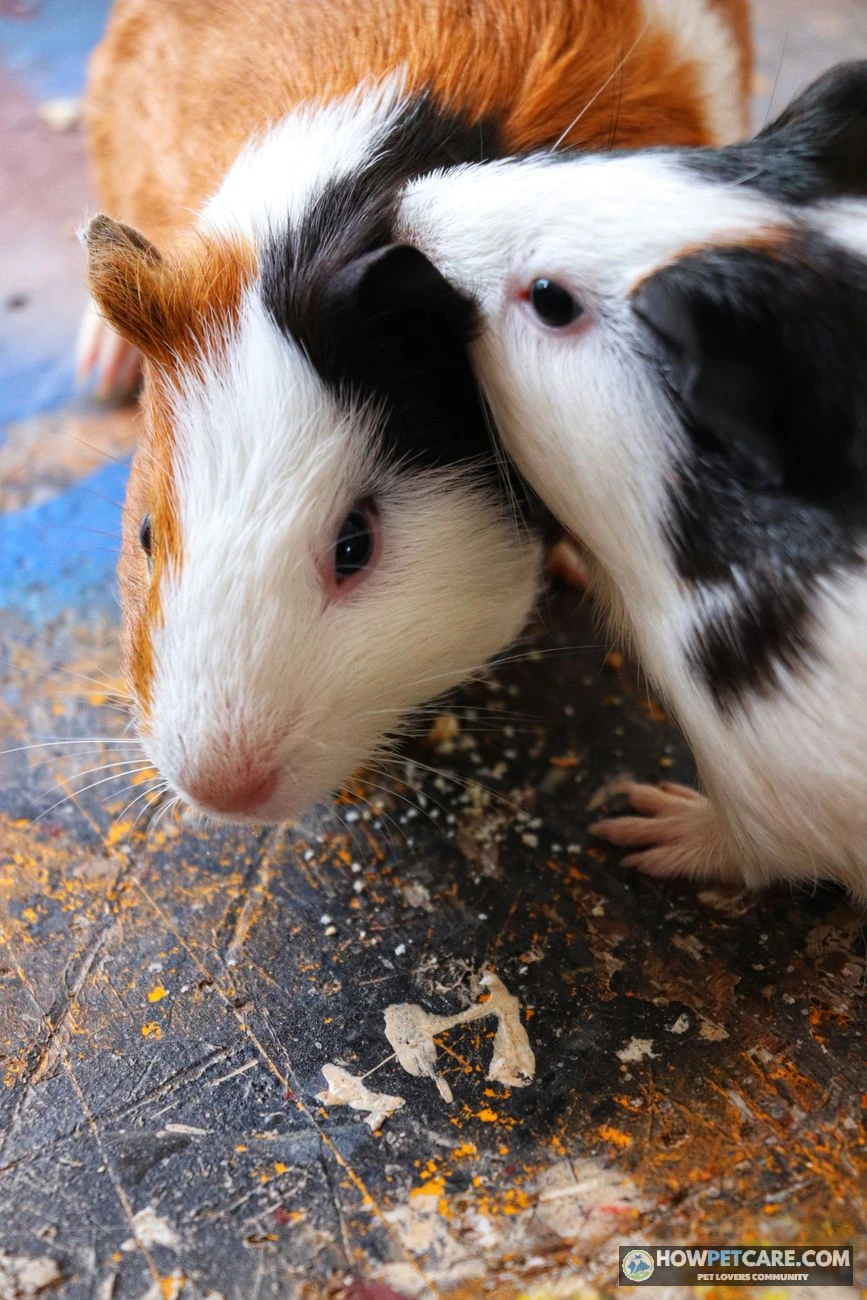
Use a neutral, clean space neither guinea pig considers its territory. Scatter hay and food so they can eat without competing over one bowl, provide room to move away, and supervise continuously. Some rumbling, sniffing, mounting, or brief chasing can occur as they establish a relationship. Separate them if the interaction becomes a genuine fight—biting, lunging, sustained attacks, pulled fur, or blood. Do not put your hands between fighting animals; use a barrier or thick towel and seek experienced help if the introduction is unsafe. Once they are getting along, move them into a thoroughly cleaned enclosure with multiple food and water points and separate hideouts.
-
Prepare neutral ground
Use a clean, spacious area with hay, scattered food, and room for both animals to retreat.
-
Supervise the first meeting
Stay present and watch body language. Allow mild rumbling or brief chasing, but intervene safely if biting or sustained attacks begin.
-
Move them into a clean enclosure
Once they are settled together, provide multiple resources and enough hideouts for each guinea pig.
Guinea Pig Daily Care Routine: Cleaning, Grooming, and a Daily/Weekly/Monthly Checklist
Use this guinea pig daily care routine as a starting point and adjust it to your enclosure, bedding, and number of animals. A larger enclosure may stay cleaner longer; fleece often needs more frequent changes than a deep layer of disposable bedding. Once you learn how to care for a guinea pig day to day, the schedule becomes predictable.
Daily, weekly, and monthly guinea pig care checklist
| Frequency | Task | Time needed | Why it matters |
|---|---|---|---|
| Daily | Refresh hay and keep it available; refill and check water | A few minutes | Maintains access to essential food and water |
| Daily | Offer about 1 cup of vegetables and about 1/8 cup of pellets per adult | A few minutes | Provides a balanced routine and vitamin C sources |
| Daily | Spot-clean wet bedding, soiled areas, and dirty hay | About 5 minutes | Keeps the living area clean and dry |
| Daily | Check appetite, droppings, eyes, nose, movement, and general behavior | About 1 minute | Helps you notice illness or changes early |
| Daily | Provide supervised floor time or enrichment | 15–30 minutes or more | Encourages movement and exploration |
| Weekly | Change bedding and clean the enclosure; brush short-haired guinea pigs | About 20–30 minutes | Removes accumulated waste and checks coat condition |
| Weekly | Weigh each guinea pig and record the result | A few minutes | A weight trend can reveal a change before it is obvious |
| Every 2–3 days | Brush long-haired guinea pigs and check the rear for tangles or debris | About 5–10 minutes | Helps prevent mats and soiling |
| Every 3–4 weeks | Check and trim nails as needed | About 10 minutes | Prevents nails becoming overgrown or curling |
| Monthly | Deep-clean hideouts, bowls, bottles, and toys; check bottle flow | About 20 minutes | Removes buildup and catches clogged equipment |
| Yearly | Schedule a wellness exam with an exotic veterinarian | Allow time for the appointment | Supports preventive care |
Treat the times as estimates, not guarantees. Smaller enclosures, more animals, and absorbent bedding that becomes soiled quickly can all mean more cleaning. A fleece setup may need a liner change every few days. The daily and weekly schedule is more important than a rigid calendar: if bedding is wet or dirty, clean it sooner.
How often to clean a guinea pig cage
Spot-clean every day, removing wet bedding, soiled areas, and damp or dirty hay. Do a full bedding change about once a week, or sooner if the enclosure becomes wet or smelly. Fleece liners may need swapping every few days. To clean, move the guinea pigs to a secure temporary space, remove bedding, wipe the enclosure with a mild pet-safe cleaner or diluted white vinegar, rinse thoroughly, and let it dry before adding clean bedding.
Guinea pig grooming: brushing, nail trimming, and baths
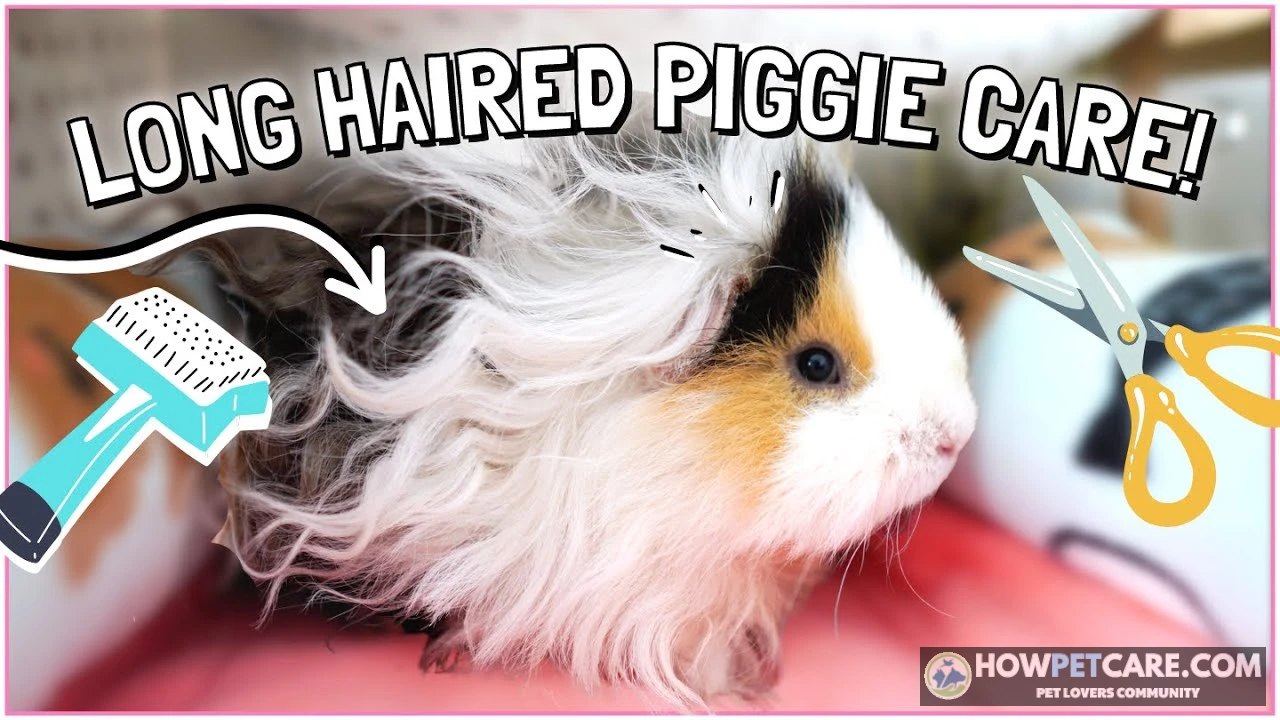
Brush short-haired guinea pigs about weekly. Long-haired breeds need brushing every few days or more often if their coat tangles. Check around the rear for debris and matting. Trim nails roughly every 3–4 weeks, adjusting to how quickly they grow. If you are new to trimming, ask a veterinarian or experienced groomer to demonstrate. Take off a small amount at a time and avoid the quick, the blood vessel inside the nail. Keep styptic powder nearby in case a nail bleeds.
Baths are rarely necessary. Spot-clean dirty fur when possible. If a full bath is needed, use shallow, warm water and a guinea-pig-safe shampoo, keep water away from the face, and dry the animal thoroughly in a warm, draft-free place. Avoid frequent bathing, which can dry or irritate the skin.
How to Pick Up, Tame, and Bond With a Guinea Pig (Including Child-Safe Holding)
A new guinea pig may freeze, hide, or run away when approached. Give it time to learn that your presence predicts calm, routine care rather than being grabbed. Popcorning—brief, excited hops—often signals playfulness. Rumbling may be social communication; teeth chattering can be a warning to give the animal space. Read the whole situation rather than relying on one sound alone.
Step-by-step taming for a nervous guinea pig
-
Let the guinea pig settle
Sit quietly near the enclosure and speak softly. Let the animal observe you without reaching into its hideout.
-
Offer food by hand
Offer a small piece of an appropriate vegetable and let the guinea pig approach. Keep your hand low and still.
-
Build comfort with gentle contact
When it accepts food calmly, try a brief touch along the chest or side. Stop if it becomes distressed.
-
Practice short, supported lifts
Once the guinea pig is more comfortable, lift it gently with both hands and keep it close to your body. End the session calmly and try again later.
Taming can take days or weeks. Keep sessions calm and predictable; never chase a guinea pig around the enclosure to force contact.
How to pick up a guinea pig safely
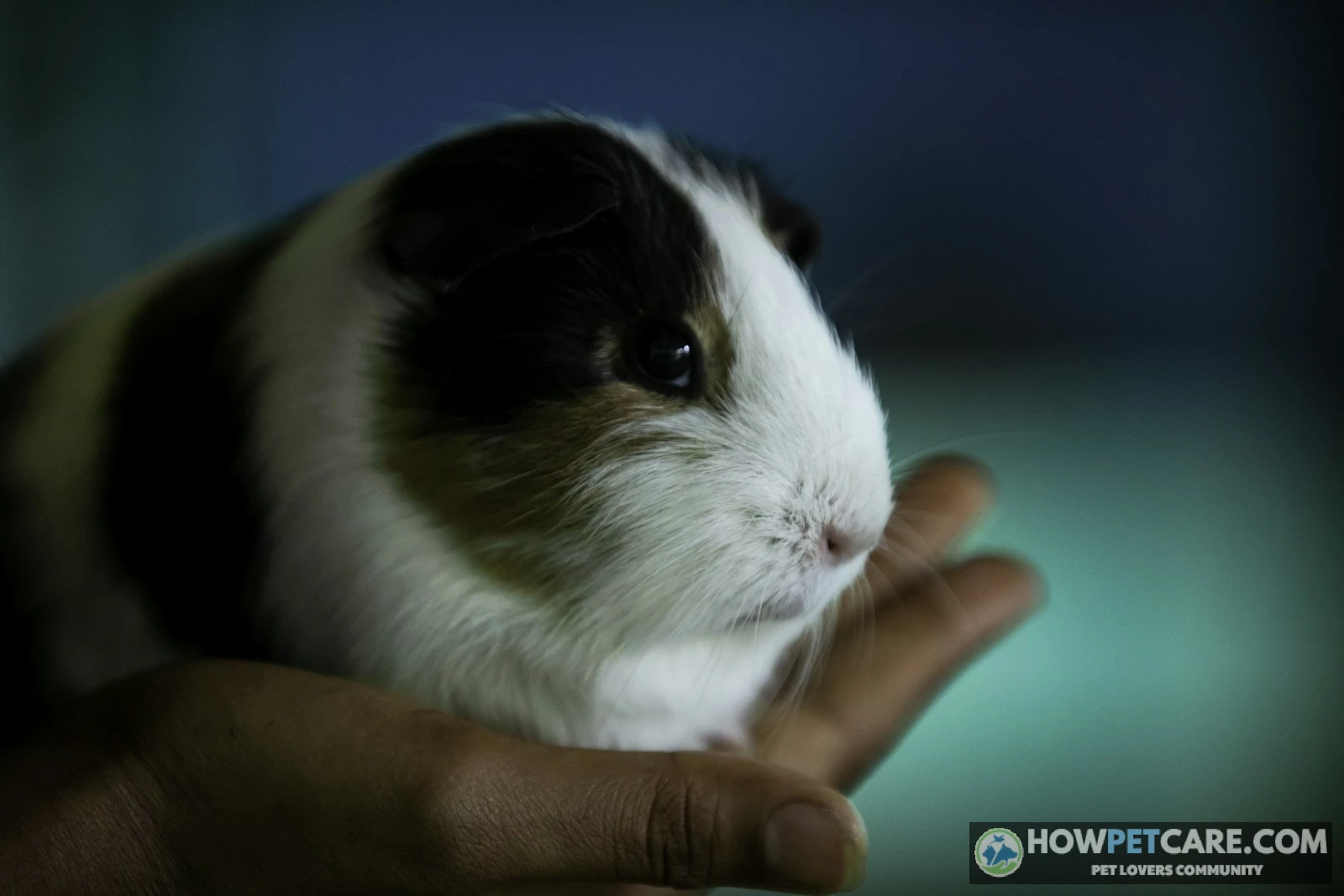
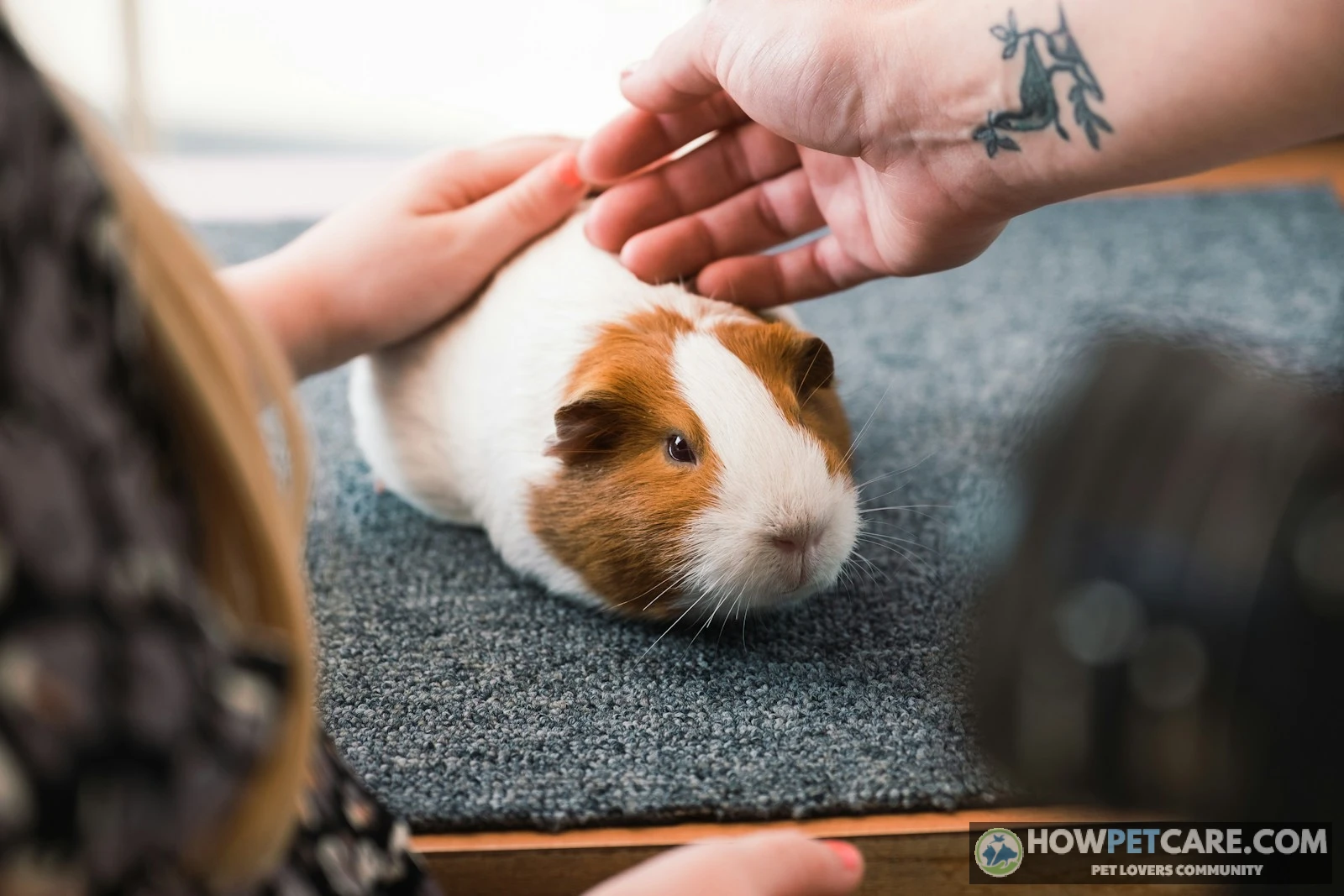
Approach from the front or side where the animal can see you. Slide one hand under the chest and use the other to support the hindquarters. Lift smoothly, keeping the whole body supported and close to your chest. Never lift by the belly or scruff, and do not carry a guinea pig one-handed. If it struggles, lower it safely rather than tightening your grip.
Teaching a child to hold a guinea pig
Have the child sit on the floor and place a towel across their lap. An adult should lift and place the guinea pig onto the child’s lap at first; the child can support it with both hands while the adult stays beside them. Keep handling brief. Explain that guinea pigs can wriggle or leap and can be badly hurt in a fall. If the animal is frightened or the child cannot remain still, return it to its enclosure and try another time.
How Much Does It Cost to Care for a Guinea Pig? Setup, Monthly, and Vet Budget
The following are estimates in U.S. dollars for typical U.S. costs, not fixed prices or quotes. Local prices, enclosure choices, adoption fees, and veterinary needs vary. Budget for a pair because guinea pigs generally do best with a companion.
| Cost category | Item | Estimated range (USD, U.S.) | Notes |
|---|---|---|---|
| One-time setup | Enclosure with at least 7.5 sq ft of floor space | $60–$150 | Larger enclosures can cost more |
| One-time setup | Hideouts, tunnels, and hay setup | $25–$60 | Provide a hideout for each animal; cardboard can be a temporary option |
| One-time setup | Bowl, water bottle, and carrier | $25–$50 | Have a carrier ready before a vet visit |
| One-time setup | Brush, nail clippers, and kitchen scale | $15–$30 | A scale helps track weight trends |
| One-time setup | Adoption or purchase fees for a pair | $20–$80 | Fees vary; check what veterinary care is included |
| Setup estimate | Combined initial setup | About $150–$370 | Fleece liners or a larger enclosure may raise the initial total |
| Monthly | Timothy hay | $15–$30 | Quantity and local prices vary |
| Monthly | Pellets and fresh vegetables | $15–$30 | Expect costs to increase with additional animals |
| Monthly | Disposable bedding or laundry-related costs | $10–$20 | Fleece shifts spending toward laundry and utilities |
| Monthly estimate | Food and bedding | About $40–$80 | A pair costs more than one animal; costs vary by diet and bedding |
| Veterinary | Initial wellness exam | $60–$120 | Ask local exotic clinics for current fees |
| Veterinary | Routine annual exam | $60–$120 | A visit does not cover every possible test or treatment |
| Veterinary | Emergency savings | $300–$600 to set aside | Treatment costs vary widely and can exceed this amount |
These ranges suggest a first-year budget of roughly $500–$800, including setup and routine expenses, before a major medical emergency. Later years may run about $500–$1,100 annually, depending on veterinary care, local prices, and supplies. Treat these as planning estimates rather than guarantees. Exotic-animal veterinary care can be a significant expense, so contact clinics before adopting and ask about exam fees and emergency arrangements.
Hay and vegetables are recurring costs, and a second guinea pig increases food and bedding use. You can reduce expenses without shrinking the enclosure or compromising care: compare hay costs by quantity, use washable liners if you can launder them properly, and ask rescues what supplies or veterinary checks are included in adoption. Keep emergency savings separate from routine monthly spending.
Guinea Pig Health Red Flags: Scurvy, Bumblefoot, GI Stasis, and When to See an Exotic Vet
Spend about a minute each day checking that your guinea pig is eating, producing normal droppings, moving normally, and has clear eyes and nose. Weigh each animal regularly and record the result. A change from that individual’s normal pattern matters; do not wait for a guinea pig to look very sick before calling a veterinarian.
Scurvy: symptoms and prevention
Because guinea pigs cannot make vitamin C, they need a reliable daily dietary source. Possible signs of deficiency include low energy, a rough coat, swollen or painful joints, reluctance to move, reduced appetite, or bleeding gums. These symptoms can have other causes, so they do not confirm scurvy. Contact an exotic veterinarian promptly if you notice them, and review the diet with the vet rather than trying to treat a sick animal with food alone.
Bumblefoot: signs and causes
Look for red, swollen, sore, or scabbed foot pads and limping. These can indicate pododermatitis, often called bumblefoot, but only a veterinarian can diagnose the cause. Arrange a veterinary appointment promptly if you see these signs. Check for wire flooring, dirty or abrasive bedding, and other enclosure conditions that may need correction.
GI stasis: why it is an emergency
Reduced or absent eating, tiny or missing droppings, a bloated-looking belly, and a hunched posture are serious warning signs. Call an exotic veterinarian immediately if your guinea pig stops eating or produces very few or no droppings. Not eating for 12–24 hours is an emergency; do not wait for the full interval if the animal is already unwell. GI stasis is not something to diagnose or manage at home without veterinary guidance.
Emergency vs. non-urgent: when to call the vet
| Urgency | Signs | What to do |
|---|---|---|
| Emergency—call now | Not eating, very few or no droppings, bloating, labored breathing, collapse, severe weakness, or heat exposure with panting or drooling | Contact an exotic vet or emergency clinic immediately |
| Prompt appointment | Sore or swollen feet, limping, rough coat, swollen joints, bleeding gums, persistent sneezing or nasal discharge, drooling, or dropping food | Call an exotic vet promptly; explain the symptoms and when they began |
| Monitor closely and call if persistent | One isolated sneeze or a mild change in behavior while still eating and passing normal droppings | Recheck closely; seek advice if it continues, worsens, or combines with other signs |
Other problems that deserve veterinary attention include respiratory infections (sneezing, wheezing, or nasal discharge), dental disease (drooling or dropping food), mites (intense scratching or hair loss), and diarrhea. Do not use cat or dog flea products unless a veterinarian specifically directs you to do so. Guinea pigs hide illness, so when in doubt, call.
Find an exotic-animal veterinarian before an emergency. Save the clinic’s number and the nearest emergency clinic’s details, and ask where to go after hours. For a first visit, bring a record of food, weight, droppings, symptoms, and any medications or supplements.
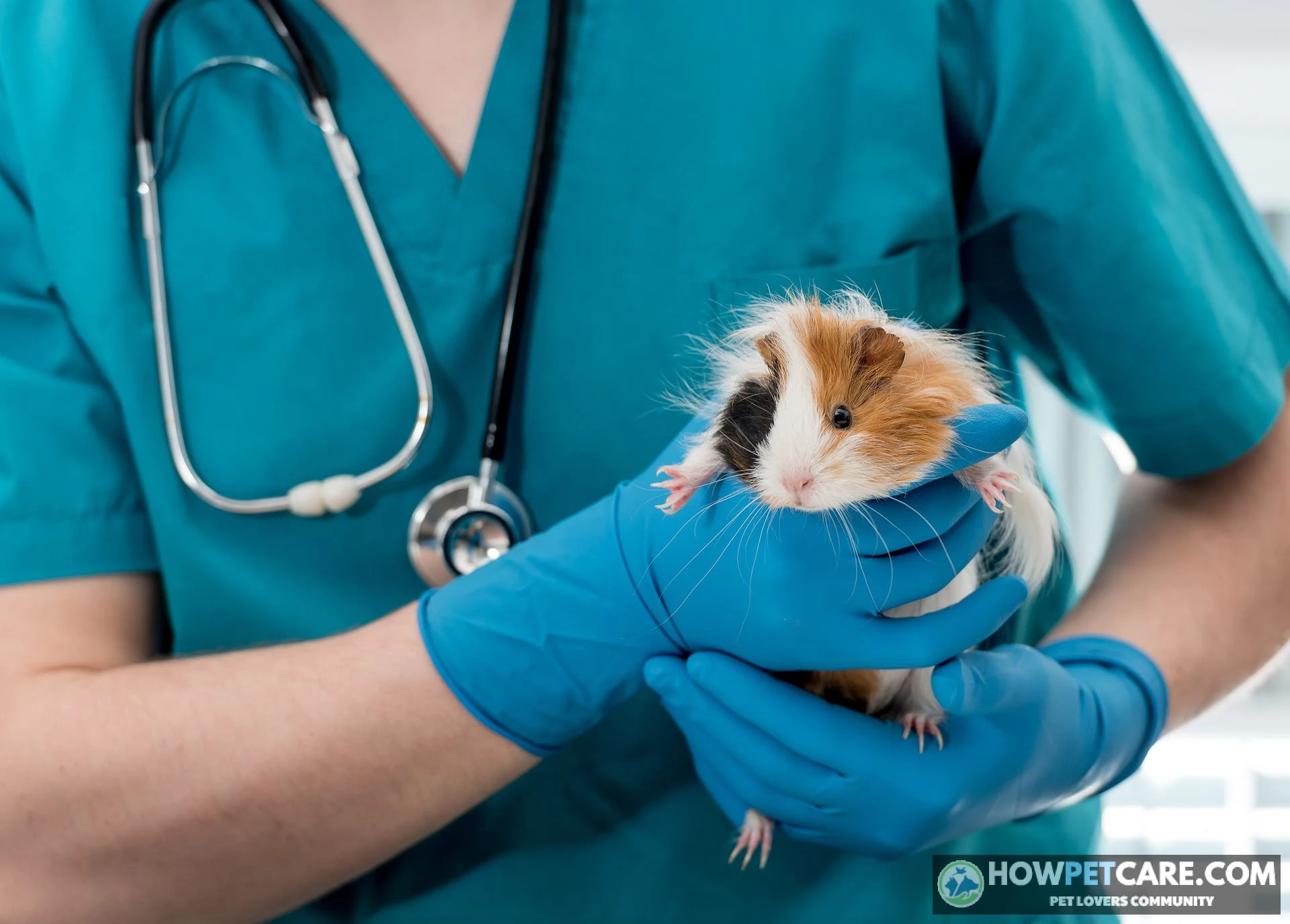
A guinea pig that is not eating or has a marked reduction in droppings needs urgent veterinary advice. Small changes can become serious quickly.
Your Guinea Pig Care Checklist for New Owners: What to Do Before and During the First Week
Before you bring a guinea pig home, make sure you can provide enough floor space, daily care, a compatible companion, and veterinary care. If those needs do not fit your current space, schedule, or budget, wait or consider a different pet. A guinea pig is not a good choice simply because it is small.
Before pickup:
- Set up an indoor enclosure with at least 7.5 square feet of floor space for a pair, and make it larger if you can.
- Add safe bedding, hideouts, a bowl, a water bottle, and a clean way to offer hay.
- Stock unlimited timothy hay, plain guinea pig pellets, and suitable vegetables.
- Confirm the room can stay around 65–75°F and away from direct sun and drafts.
- Locate an exotic veterinarian and ask about an initial wellness exam and emergency care.
- Plan for a compatible pair and verify both animals’ sexes with an experienced professional.
- Set aside funds for ongoing supplies and unexpected veterinary expenses.
During the first week:
- Give the guinea pig a calm place to settle and make sure it is eating and producing droppings.
- Keep its food consistent at first; introduce vegetables gradually if its diet is changing.
- Begin hand-feeding only when it seems settled, and let it approach at its own pace.
- Check water, bedding, and behavior every day. Call a vet if appetite, droppings, breathing, or movement changes.
- Arrange an initial veterinary check within the first week or two, based on the clinic’s advice.
- Start a written routine for feeding, spot-cleaning, weighing, and grooming.
An adult should own that routine even when a child is eager to help. If you can make the space, time, and budget work, a carefully prepared home gives guinea pigs a much better start than a rushed purchase.
 You might be wonderingHow to care for glass parakeets?How to Care for Grass Parakeets: A US Beginner’s GuideRead the answer
FAQ
How long do guinea pigs live?
Most guinea pigs live about 5 to 7 years, and some reach 8 with good diet, housing, and vet care. Plan for that commitment before you bring one home.
Can guinea pigs live outside?
They can in mild weather if the hutch is predator-proof, dry, shaded, and kept within a safe temperature range. Indoor housing is easier to manage and is the better choice for most beginners.
How much time out of the cage does a guinea pig need each day?
Many guinea pig welfare guides suggest at least an hour of supervised floor time daily, in addition to a properly sized cage. The time lets them run, explore, and bond with you.
Can I feed my guinea pig rabbit or hamster food?
No. Hamster mixes contain seeds and nuts that guinea pigs should not eat, and neither rabbit nor hamster food is made to supply the vitamin C that guinea pigs need. Use plain pellets formulated for guinea pigs.
Do guinea pigs smell?
A clean guinea pig has little odor, but a dirty cage will smell quickly. Daily spot cleaning and a full clean each week keep odor under control.