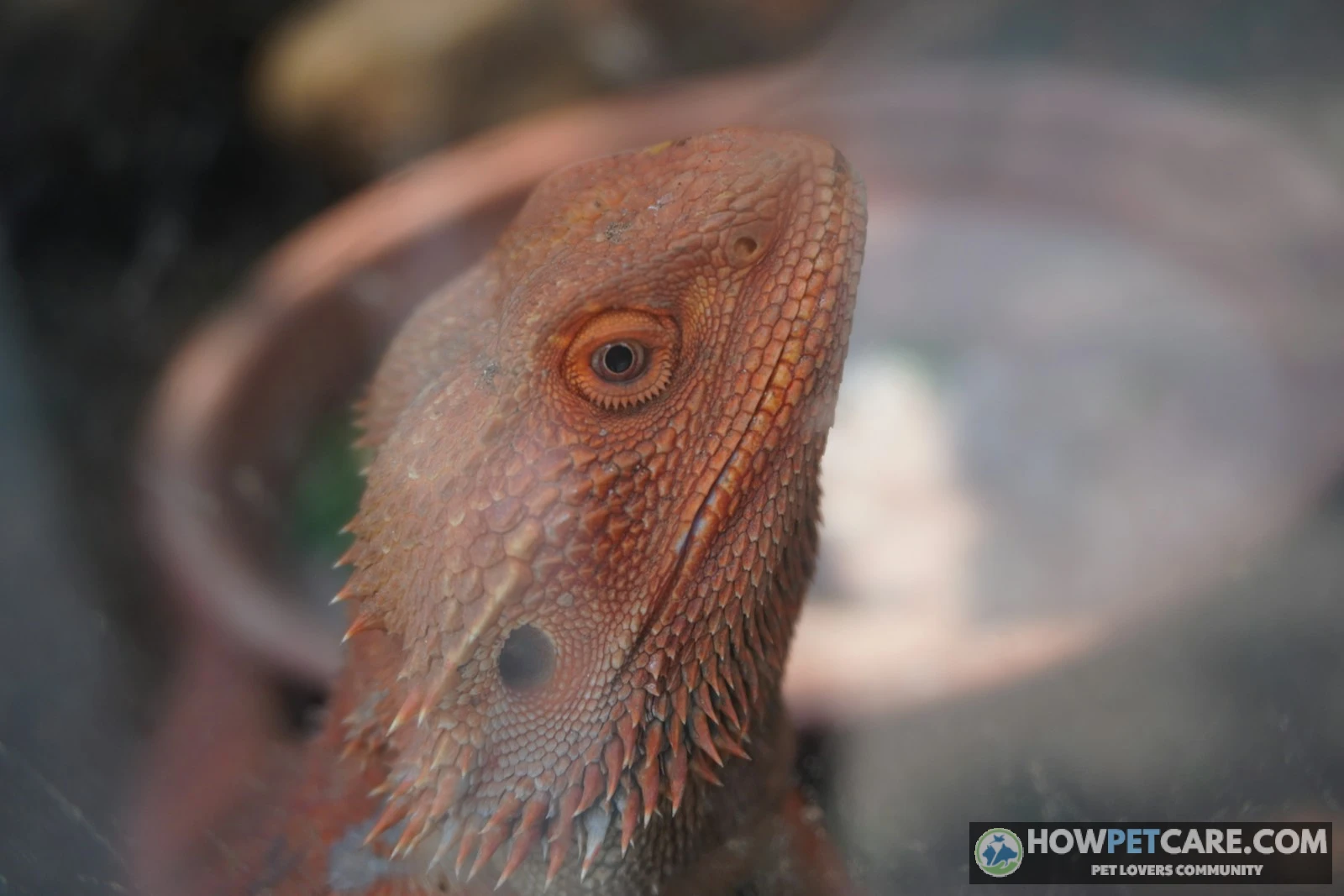

A bearded dragon respiratory infection is a bacterial, viral, or fungal infection of the airways, usually triggered by low temperatures, wrong humidity, or poor UVB. Watch for wheezing, clicking, nasal discharge, and open-mouth breathing at rest. Labored breathing is an emergency—see an exotic vet immediately.
If your bearded dragon is holding its mouth open while resting away from the basking spot, wheezing, clicking, making a crackling sound you can hear across the room, or blowing bubbles from its nostrils or mouth, act today. Call an exotic or reptile veterinarian, and go to an after-hours emergency clinic if breathing looks labored. Respiratory infections in reptiles are medical emergencies that can be fatal without immediate veterinary attention. Reptiles also hide illness until it is advanced, so subtle slowing, appetite loss, and weight loss often appear before obvious breathing trouble.
The guide below explains how to tell a harmless basking gape from signs of an upper respiratory infection or pneumonia. It also covers causes, safe care before an appointment, diagnostics and treatment, U.S. vet costs in 2026, recovery and re-checks, and ways to protect other reptiles in your home. Start with the triage check if you need to make a decision tonight.
This article is educational. It is not a diagnosis, a treatment plan, or a substitute for an exotic veterinarian. Respiratory infections can progress quickly and can be fatal. Only a vet who examines your dragon can confirm what is wrong and prescribe safe, weight-based treatment. If you’re unsure, call a vet rather than wait.
Is Your Bearded Dragon’s Breathing an Emergency? Triage in 60 Seconds
Watch your dragon from a few feet away for one full minute without handling it. Follow the checks in order; when you’re worried, it’s easy to fixate on the wrong detail.
The 60-second check: what to look at and in what order
- Where is it breathing? A dragon gaping under the basking lamp is regulating its temperature. A dragon gaping on the cool side, at night, or while asleep is not.
- Can you hear it? Put your ear within a foot of the enclosure. Quiet, nostril-only breathing is normal. A wheeze, whistle, click, or crackle is not. Lizard lungs sit high in the body and are hard to judge by ear, so audible noise usually means the problem is already advanced.
- Look at the nose and mouth. Dry nostrils are normal. Clear-to-bubbly discharge, crusted nostrils, or foam in the mouth is a red flag.
- Look at posture. A dragon that stretches its neck upward and holds its head high to breathe, or bobs its head with every breath, is working hard for air.
- Check the mouth lining and responsiveness. Healthy gums are pink and moist. Pale, bluish-gray, or tacky gums are an emergency, as is a dragon that doesn’t react when you approach.
- Check appetite and movement. A dragon that’s still tracking food and moving around the enclosure is in a different category from one lying flat and refusing everything.
| What you observe | Normal behavior | Possible early upper respiratory infection | Possible emergency pneumonia |
|---|---|---|---|
| Breathing at rest, away from basking | Quiet, nostril-only breathing | Occasional sniffle or faint wheeze; mostly quiet | Open-mouth breathing at rest, audible clicking or crackling, gasping |
| Mouth position | Brief gape while basking that stops after moving to the cool side | Rare gaping that resolves; may hold the nose slightly upward | Mouth held open persistently, even when cool or resting |
| Discharge | None; clear, dry nostrils | Clear to bubbly nasal discharge, occasional nostril bubbles | Thick mucus, foam in the mouth, repeated bubbling at nose or mouth |
| Posture | Alert, normal basking and flattening | Slightly less active; still basks and reacts normally | Neck stretched out and held upward to breathe; head bobbing with each breath |
| Appetite | Normal interest in food | Slightly reduced but still eats | Refusing all food |
| Energy | Alert, responsive, normal movement | Slower but still moves around the enclosure | Limp, unresponsive, lying flat |
| Gums and inside of mouth | Pink, moist, clean | Pink; may have slight mucus strands | Pale, bluish-gray, or tacky gums |
| What to do | Fix husbandry if anything is off; keep observing | Book the earliest available exotic vet slot this week | Exotic emergency clinic now, do not wait overnight |
Emergency red-flag checklist
Go now if any of these apply. Don’t wait until morning to see if your dragon improves.
- Open-mouth breathing at rest, away from the heat
- A wheeze, click, or crackle you can hear without leaning in
- Bubbles or foam at the nostrils or mouth, or dried crust blocking a nostril
- Gasping with an extended, stretched-out neck
- Blue-gray or very pale gums
- Refusing all food for more than a day alongside breathing changes
- Lying limp, unresponsive, or unable to hold the head up
- Breathing that visibly worsens over the course of an hour
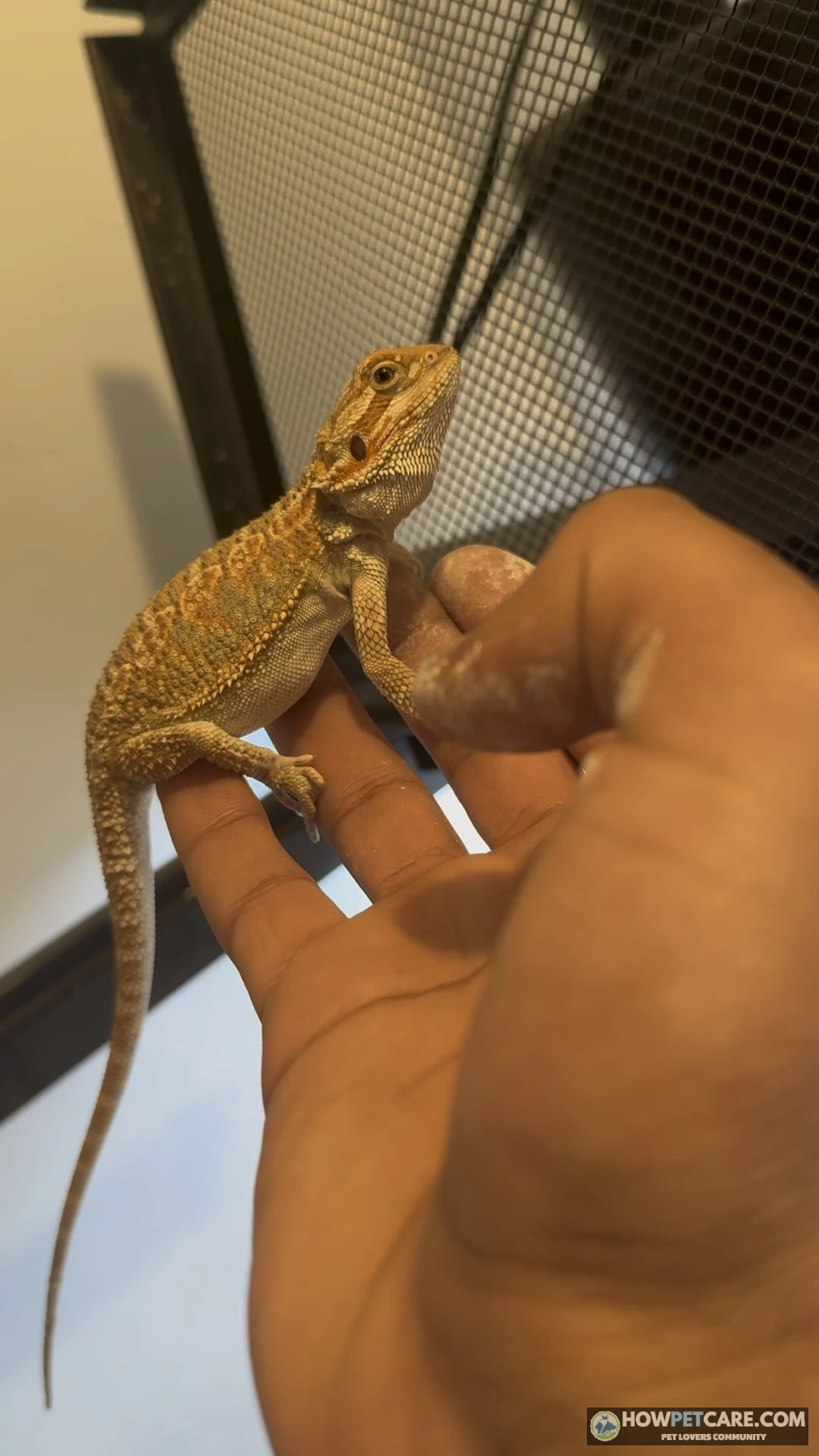
If none of those apply but your dragon’s breathing still looks off, book the earliest available appointment rather than waiting to see what happens.
Film about 30 seconds of your dragon breathing at rest from the side, with the phone close enough to catch any sound. Take one photo of the full enclosure and one of the basking area, too. Dragons frequently breathe normally in an unfamiliar exam room, so footage can make the difference between an obvious diagnosis and a round of expensive tests.
Normal Gaping vs. Upper Respiratory Infection vs. Pneumonia: What You Can Check at Home
Context is the most useful clue: does the behavior disappear when the temperature or situation changes? A dragon that stops gaping within minutes of moving to the cool side is regulating heat. One that keeps gaping after cooling down is showing a symptom.
Normal basking gape and stress behaviors
- Basking gape. The mouth is wide, the eyes are half-closed, and the body is flattened under the lamp. The mouth closes once the dragon moves away. This is how a bearded dragon regulates its temperature, and owners often mistake it for illness.
- Defensive display. The dragon puffs its beard, hisses, and briefly opens its mouth when you reach into the enclosure. The display ends when the perceived threat ends.
- Shedding and food-related mouthing. Your dragon may briefly open its mouth, rub its face, or gape while working a piece of food loose. There’s no discharge or noise, and appetite is normal.
- Breathing hard after exertion. Handling, a bath, or a sprint across the room can leave a dragon breathing visibly for a few minutes. Breathing settles quickly once the dragon is still.
- Gravid females. A female carrying eggs may breathe more heavily as her abdomen fills. Persistent heavy breathing still warrants a vet visit, but it isn’t automatically an infection.
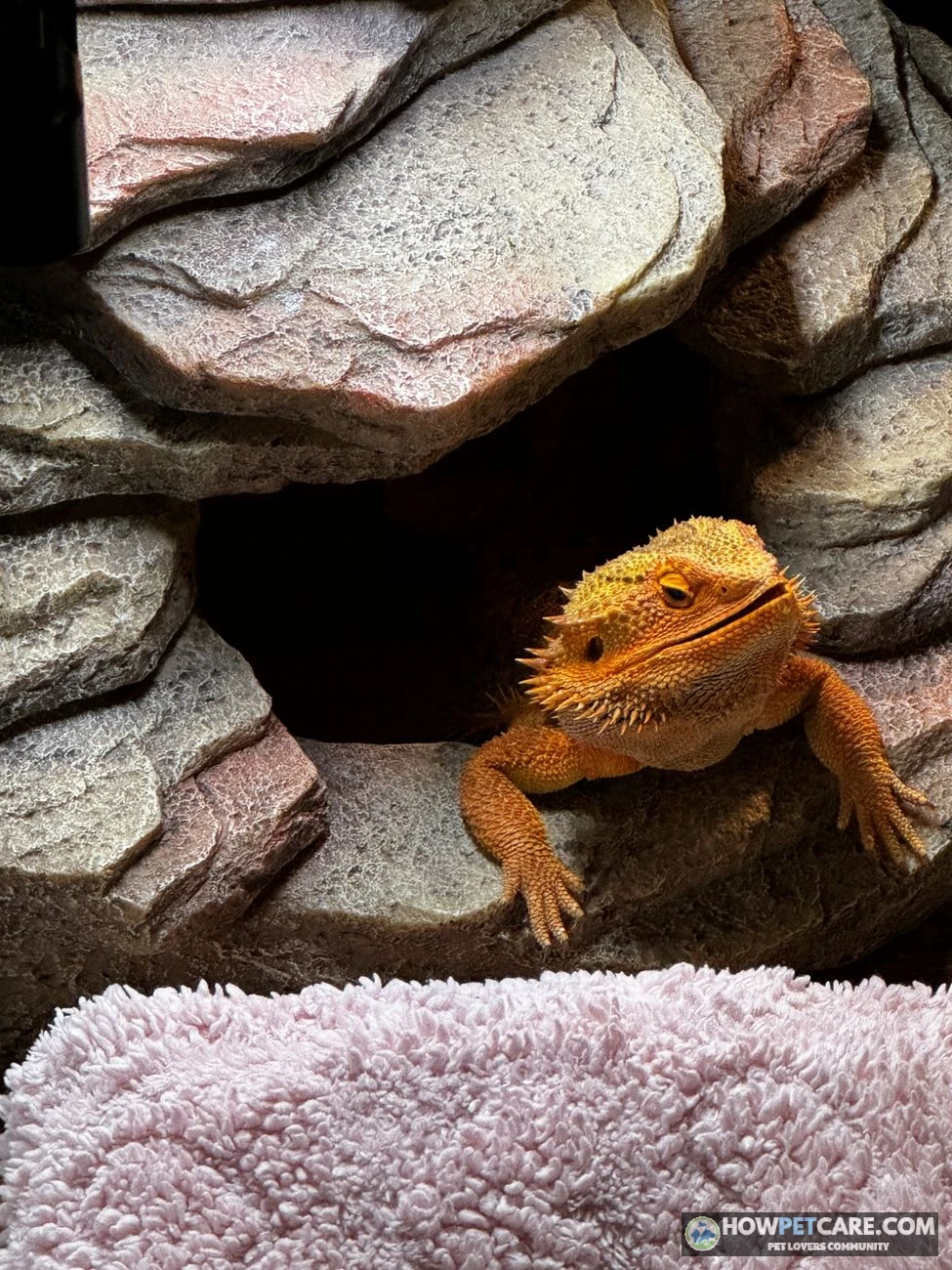
Heavy breathing after brumation
Many dragons that brumated through the winter of 2025–2026 are emerging right now, and owners commonly notice heavier breathing in the first weeks. Some of that is normal re-warming and rehydration. Heavy breathing that lingers, mucus, an appetite that doesn’t bounce back, or open-mouth breathing at rest is not normal. Brumation itself weakens the animal and often coincides with cool, damp, or poorly lit setups, creating conditions in which respiratory infections can take hold. If symptoms are still present a week after emergence, book a vet visit rather than waiting for the next shed.
Upper vs. lower respiratory signs: a severity grading chart
| Severity level | Owner-checkable signs | Likely area affected | Recommended action and timeframe |
|---|---|---|---|
| Mild | Clear nasal discharge or occasional nostril bubbles; slight sniffle; still alert, basking, and eating | Upper tract (nose, throat) | Exotic vet appointment within a few days; film the breathing to show them |
| Moderate | Persistent mucus, visible breathing effort, occasional open-mouth breaths, reduced appetite, less activity | Upper tract, possibly spreading lower | Vet within 24 to 48 hours; correct enclosure temperatures tonight |
| Severe | Open-mouth breathing at rest, audible wheeze or crackle, foamy mouth mucus, stretched neck posture, not eating, lethargic | Lower tract, pneumonia suspected | Emergency exotic care now |
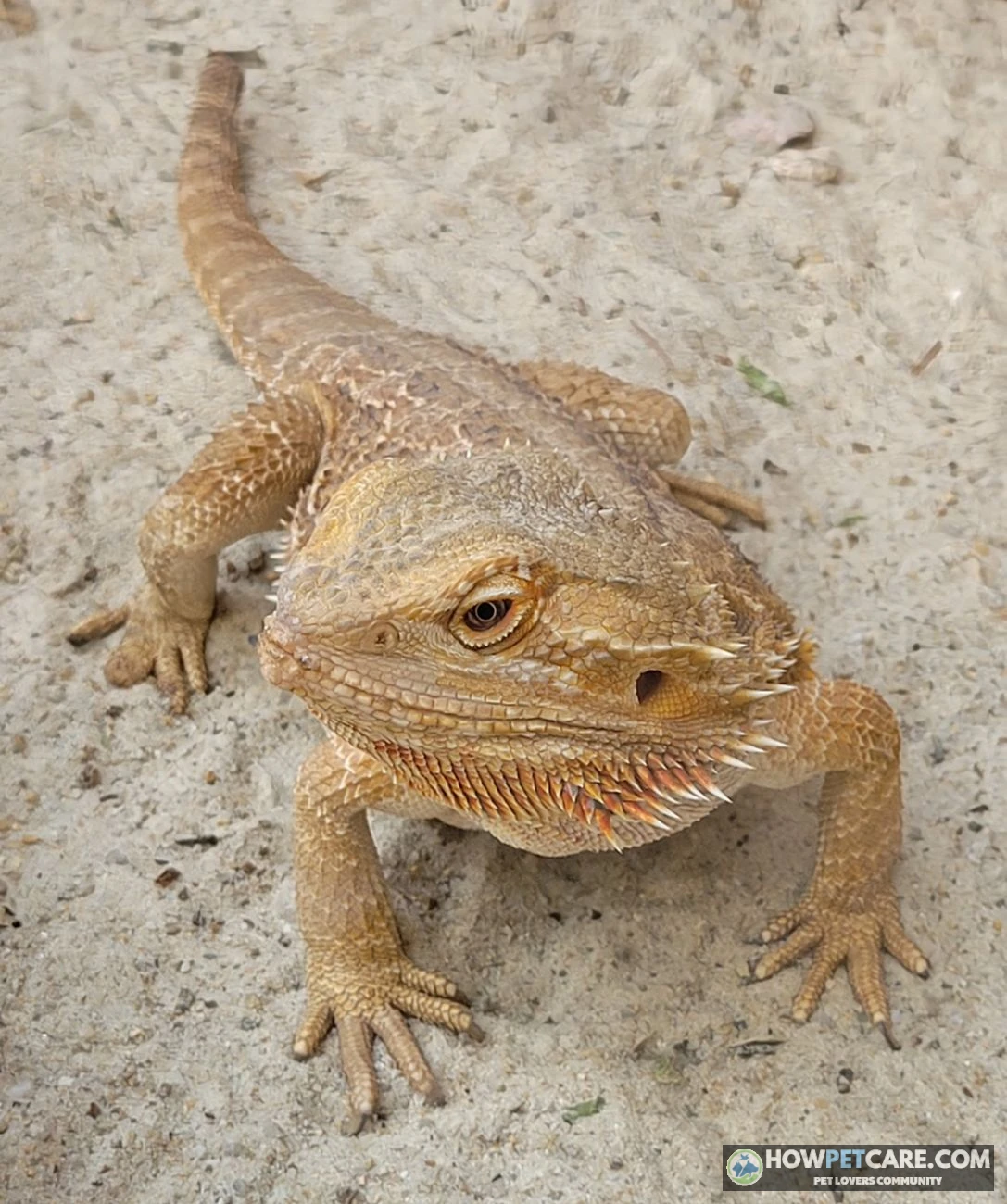
There are limits to what you can judge at home. Crackles and wheezes that reach your ears often mean the condition is already advanced, and only radiographs can confirm whether the lungs are involved.
Other causes that mimic a respiratory infection
Breathing changes aren’t automatically caused by infection. Mouth rot, metabolic bone disease (red flags include rubbery limbs, tremors, dragging, a curved spine, and a swollen jaw), impaction or abdominal masses pressing on the lungs, overheating, stress, and inhaled dust can all produce similar signs. Only a vet can confirm the diagnosis.
What Causes Respiratory Infections in Bearded Dragons: Husbandry First, Pathogens Second
Most respiratory infections in captive bearded dragons trace back to improper husbandry rather than a single germ. Incorrect temperature and humidity can weaken the immune system. A reptile vet will ask about the enclosure, and it’s something you can check and change.
Husbandry audit: temperature, humidity, UVB, ventilation, and cleanliness
- Basking surface. Target roughly 100–110°F, measured on the surface itself with an infrared temp gun, not with a stick-on dial elsewhere in the tank. If the basking spot is too cool, a dragon can’t mount a normal immune response or digest food.
- Thermal gradient. Aim for a cool side around 80–85°F, with a nighttime minimum near 65–70°F. A single warm corner in an otherwise cold tank isn’t enough, even if the thermometer near the lamp looks correct.
- Humidity. Most care guides aim for roughly 30–40% relative humidity for this species. Persistent dampness in the substrate, misting routines borrowed from tropical reptiles, and water bowls spilled under the hide encourage bacterial and fungal growth. Very dry air, meanwhile, irritates airways.
- UVB. Use a T5 HO 10.0 tube for 10–12 hours a day, replace it every six months, and position it at the distance the manufacturer specifies. An expired bulb that still glows, the wrong tube type, or a bulb screened by glass provides no useful UVB and undermines immunity and calcium metabolism.
- Ventilation and cleanliness. Stale, humid air, dusty substrate, waste buildup, and overcrowding raise the pathogen load. So does a tank that only gets spot-cleaned.
- Diet. Offer prey no wider than the space between the eyes. Juveniles need roughly 70–80% insects, shifting toward 70–80% greens in adulthood, with calcium dusting and vet-guided D3 rotation. Poor nutrition compounds the other problems.
Bacteria, fungi, parasites, and viruses: what the vet is looking for
Causative agents include viruses such as adenovirus and nidovirus, and bacteria including Chlamydia pneumoniae and Mycoplasma species. Mycoplasma is difficult to diagnose because it lacks a cell wall and doesn’t Gram-stain. Secondary bacterial invaders, fungi, and parasites can also complicate illness in an animal already stressed by its environment. A vet may therefore take a swab or wash and send it for culture and sensitivity rather than guess at a drug.
Ectothermic reptiles don’t develop fevers, so you can’t check for a temperature spike as you would with a dog or cat. Instead, pay attention to your dragon’s usual behavior: is it basking normally, tracking food, and moving around? Poor husbandry is the primary driver of respiratory infections, but well-kept reptiles can still get sick, so a clean setup is no guarantee. It does sharply lower the odds and make recovery far more likely.
What to Do Tonight Before the Vet Appointment: Safe Home Care and Hard Limits
The steps here are supportive care while you wait for an appointment, measured in hours rather than days. They don’t replace treatment and aren’t a reason to postpone calling a vet.
Tonight’s checklist: what is safe to adjust
- Verify temps with a temp gun on the surfaces, not on a stick-on dial. Check the basking surface (about 100–110°F) and the cool side (about 80–85°F), with a nighttime floor near 65–70°F.
- If the basking surface reads low, raise it toward the upper end of that range and stop there — breathing difficulty plus overheating is worse than breathing difficulty alone. If you’re unsure how far to adjust, call the vet office and ask.
- Position for drainage. Place the dragon on a gentle slope or a rolled towel, with its head slightly elevated, in a quiet, warm space. Never tilt the head downward or put anything into the mouth or nostrils.
- Wipe visible mucus from the nose with a damp cotton swab only if your dragon tolerates it. If not, leave it alone.
- Isolate the dragon from every other reptile in the house, in its own enclosure or at minimum its own room.
- Wash hands before and after handling, and before touching any other animal.
- Offer fresh water and normal food, but don’t force-feed a dragon that’s struggling to breathe.
- Film 30 seconds of the breathing, including any sound, for the vet.
Why home antibiotics and leftover medications are dangerous
Don’t use leftover antibiotics, antibiotics bought online or at a feed store, human cold medicine, essential oils, vapor rubs, steam rooms, or cold baths. Reptile antibiotics are prescription-only and must be dosed by your vet by weight and species. The wrong drug can shut down a dehydrated reptile’s kidneys, the wrong dose can be toxic, and a partial course can mask symptoms long enough for pneumonia to develop. There are no safe dosing instructions in this article because there is no safe dose you can calculate at home.
Monitor vs. vet vs. ER thresholds
- Monitor (with an appointment already booked): Clear nasal discharge only, occasional nostril bubbles, appetite mostly intact, and a dragon that’s alert and basking normally. Keep a written log, correct the enclosure, and keep the appointment you made.
- Vet within 24 to 48 hours: Persistent mucus, visible effort with each breath, occasional open-mouth breaths, dropping appetite, and less activity. Call first thing and say the words breathing difficulty when you book.
- Emergency care now: Open-mouth breathing at rest, audible wheeze or crackle, foam in the mouth, gasping with an extended neck, pale or gray gums, limpness, or worsening over an hour.
What Happens at the Exotic Vet: Diagnosis and Treatment Explained
Bring more than your dragon. Photos and video of the enclosure and breathing, current basking and cool-side readings, the UVB bulb’s age, the diet, whether your dragon recently brumated, and a list of every other reptile in the home can all shorten the visit and often cut the bill.
Step-by-step: the diagnostic workup
- History and physical exam. The vet checks weight, body condition, and hydration, and gives your dragon a full once-over, including the mouth for signs of mouth rot.
- Radiographs. X-rays look for changes in the lungs and air sacs and rule out impaction, masses, or eggs pressing on the airways. This step separates an upper infection from pneumonia.
- Bloodwork. Where indicated, bloodwork checks hydration, organ function, and overall health before an antibiotic is chosen.
- Fecal exam. Parasites can worsen the condition of an already compromised reptile and are easy to miss at home.
- Culture and sensitivity. A swab or wash from the nose, mouth, or airways identifies which organism is present and which antibiotic it responds to. This matters because Mycoplasma doesn’t Gram-stain and resists easy identification.
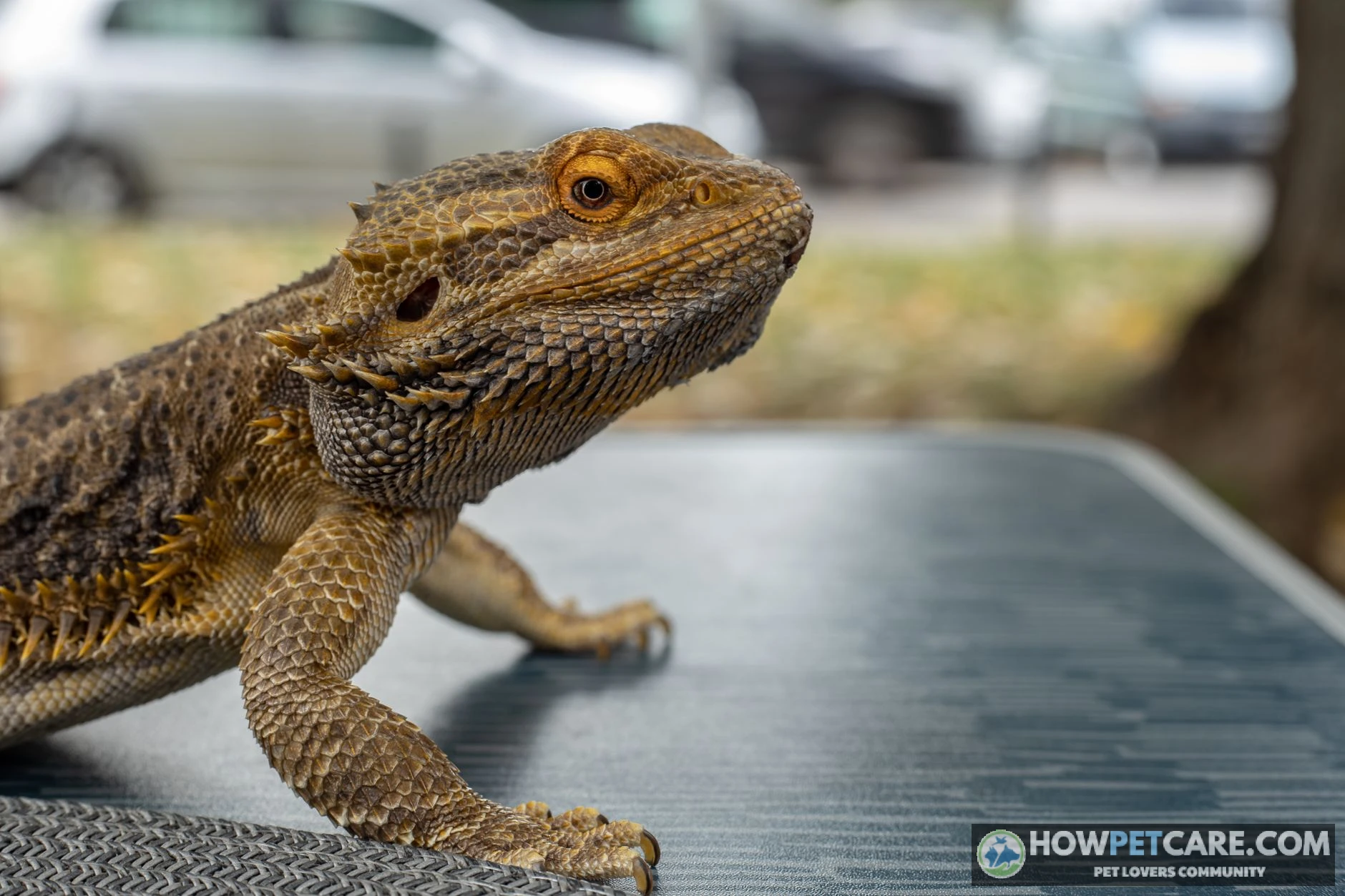
Antibiotics, nebulization, and supportive care
Treatment depends on severity. Vets commonly use prescription antibiotics such as enrofloxacin, ceftazidime, or TMP-sulfa, or nebulized aminoglycosides such as gentamicin or tobramycin, sometimes with N-acetylcysteine to loosen mucus. These are examples of what a vet may choose after examining your dragon and reviewing culture results, not a shopping list. Supportive care can include fluids, assisted feeding, supplemental heat, oxygen, and nebulization sessions that deliver medication or saline directly to the airways. Severe pneumonia may require hospitalization.
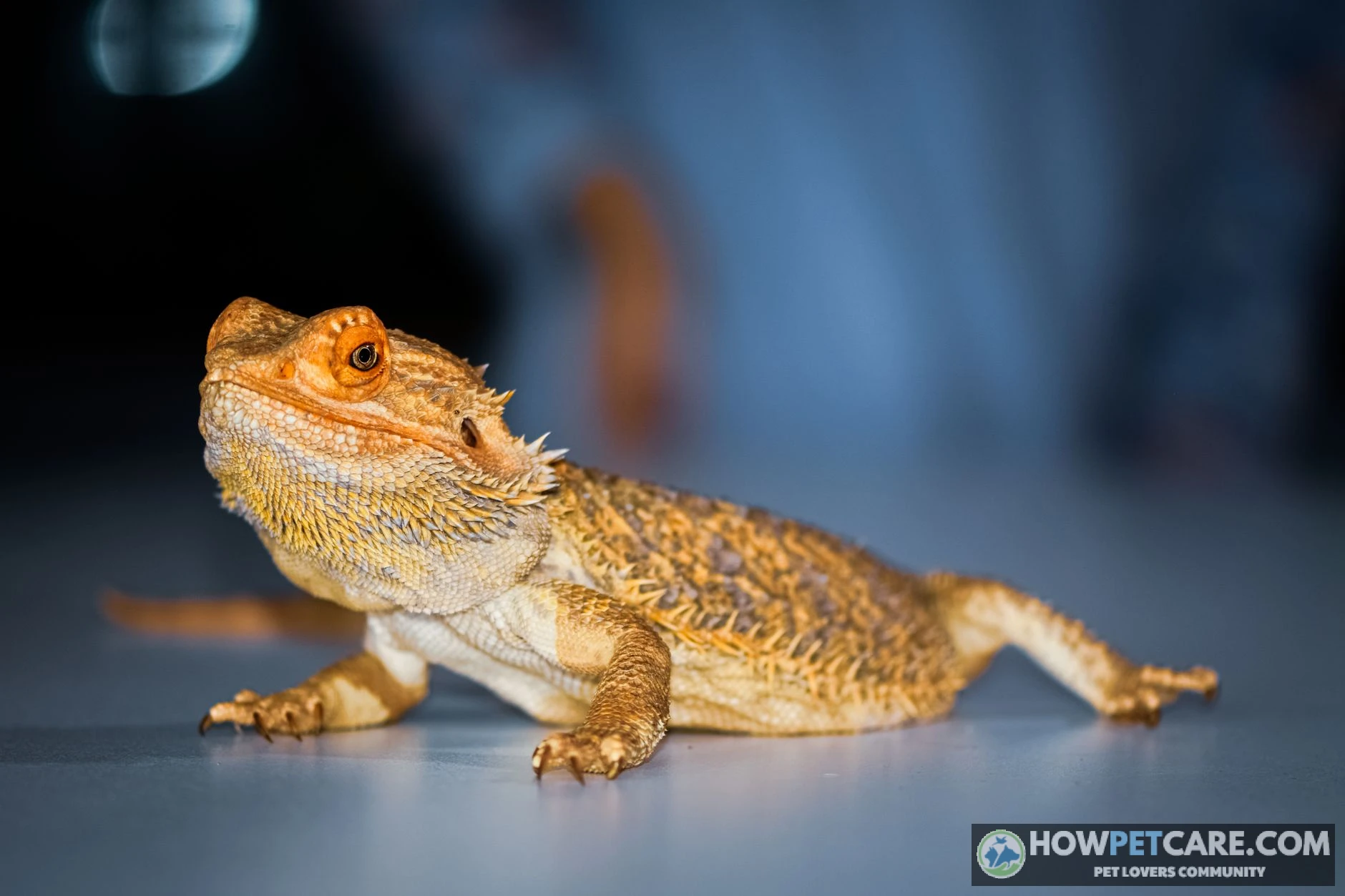
Correcting husbandry is part of treatment, not an add-on. Antibiotics alone frequently fail when the enclosure remains too cool or too damp, because the animal’s immune system doesn’t get a chance to help.
Why dosing is weight-based and prescription-only
Reptile medication is dosed by weight and species, and some drugs are unsafe for dehydrated reptiles or certain species. Every medication mentioned here is prescription-only and vet-directed. Finish the full course, even after your dragon looks better.
How Much Does Treating a Bearded Dragon Respiratory Infection Cost?
Costs vary enormously by region and clinic, and no article can quote your vet’s prices. The figures below are broad 2026 U.S. estimates for planning, not quotes. Ask for a written estimate before authorizing treatment.
Line-item cost table
| Service or item | What it is for | Typical US cost range (labeled estimate) | What drives the price |
|---|---|---|---|
| Exotic vet exam | Physical exam, weight, history | About $75 to $150 | Specialty vs. general clinic; after-hours fees |
| Radiographs (X-rays) | Look for lung changes; rule out impaction or masses | About $150 to $300 | Number of views; sedation if needed |
| Culture and sensitivity | Identify the bacteria and which antibiotics work | About $100 to $250 | Lab used; swab vs. wash sample |
| Bloodwork | Overall health, hydration, organ function | About $80 to $200 | Panel size; reptile-capable lab |
| Fecal exam | Check for parasites that worsen illness | About $25 to $60 | In-house vs. send-out lab |
| Antibiotics (oral or injectable) | Prescription treatment, weight-dosed | About $30 to $100 | Drug choice; course length, often several weeks |
| Nebulization session | Saline or medication delivered to the airways | About $20 to $60 per session | Number of sessions required |
| Fluids and assisted feeding | Support for dehydrated or anorexic dragons | About $40 to $150 | Severity; hospital vs. outpatient |
| Re-check exam | Confirm response, adjust treatment | About $60 to $120 | Whether repeat X-rays are needed |
| Emergency visit or hospitalization | Severe pneumonia, oxygen support | About $300 to $1,500 or more | ER fees, days hospitalized, oxygen and nebulization |
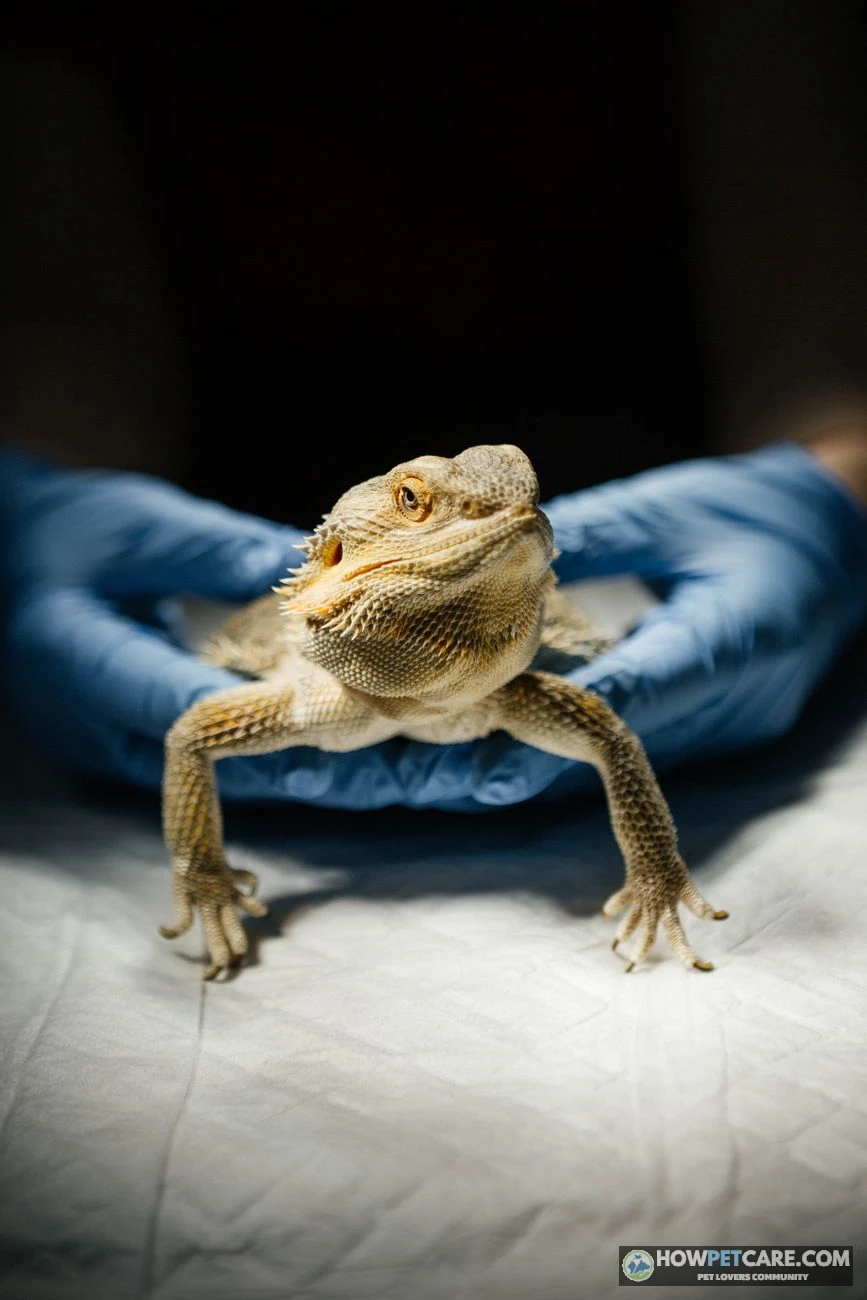
What changes the total, and how to ask for an estimate
- Who you see. An exotic specialty practice typically charges more than a general clinic that sees reptiles, and an after-hours ER charges more again.
- How sick the dragon is. Mild upper infections are usually handled on an outpatient basis. Pneumonia requiring hospitalization is where bills climb fastest.
- Which tests are truly needed. If money is tight, ask which diagnostics come first and which can wait for a re-check.
- Payment options. Ask about payment plans or CareCredit, and check whether exotic pet insurance covers illness. Pre-existing conditions are usually excluded.
Delay can add to the cost: an early upper respiratory infection treated on an outpatient basis is generally far cheaper than advanced pneumonia requiring oxygen and hospitalization.
Recovery Timeline, Re-Checks, and Whether It Comes Back
The outlook depends on how early treatment started, how severe the infection is, and whether the husbandry problem that contributed to it has been fixed. Early upper respiratory infections generally have a better prognosis than advanced pneumonia, and recovery typically takes weeks rather than days. Your vet will give you a timeline specific to your dragon; treat any general schedule as a rough guide.
What recovery usually looks like week by week
- First 3 to 5 days. Breathing shouldn’t get worse. Mucus and bubbling may take a few days to clear, appetite often stays low, and your dragon may sleep more. Call the vet if anything worsens at this stage.
- Week 1 to 2. Breathing becomes quieter, nasal discharge decreases, and your dragon shows the first real interest in food. Basking behavior returns to normal.
- Week 3 to 6. Appetite and activity return to baseline, weight stabilizes or begins climbing, and your dragon handles itself normally. Many antibiotic courses run for several weeks, so don’t stop early because your dragon looks fine.
- After the course. A re-check confirms resolution. Relapse, new symptoms, or continued weight loss means the treatment or diagnosis needs revisiting.
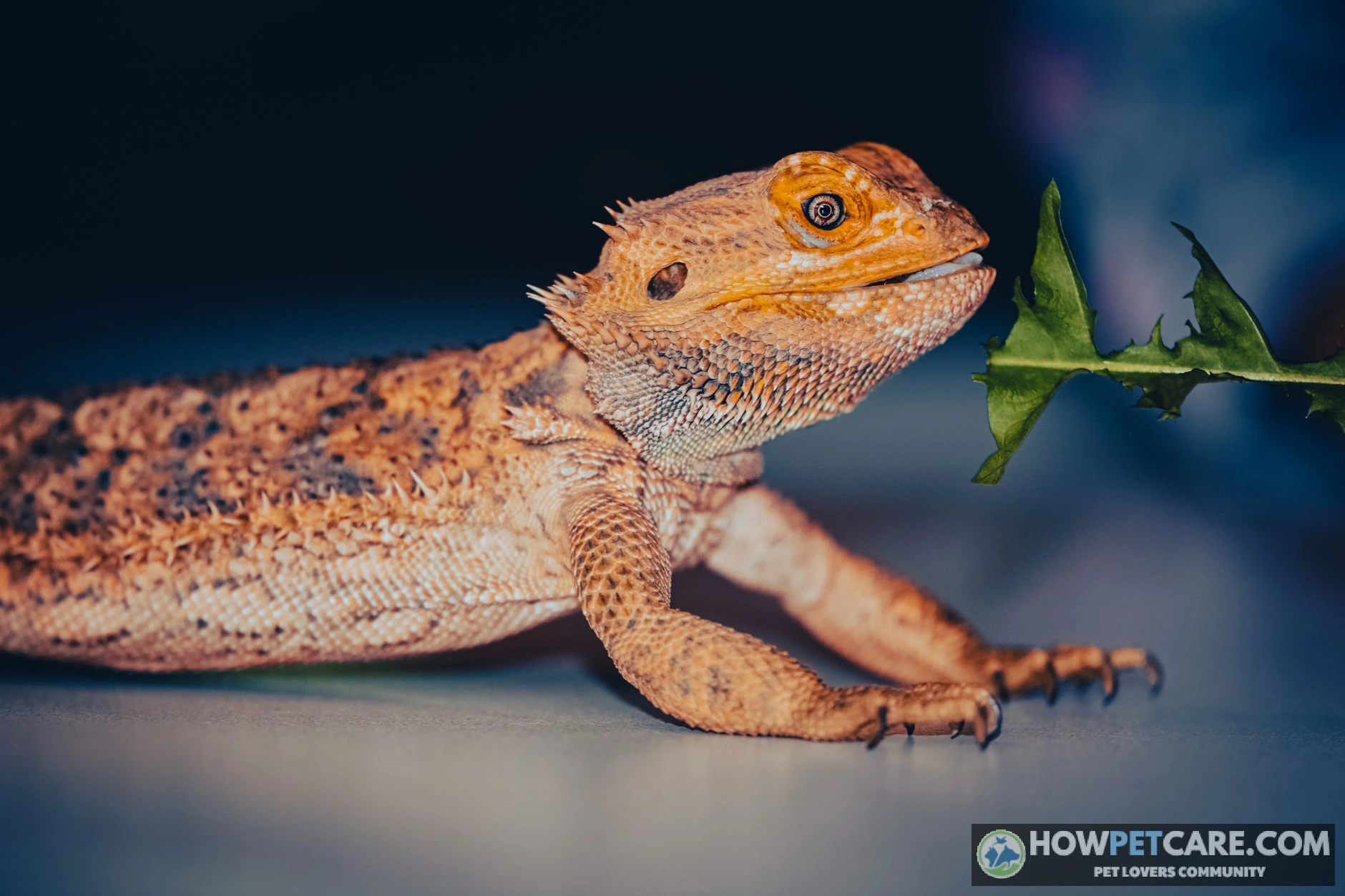
Re-check schedule and what the vet may repeat
Expect at least one follow-up exam, often near the end of the antibiotic course. The vet may repeat radiographs if pneumonia was suspected, repeat a culture if the response is poor, and recheck weight at every visit. At home, track weight on a gram scale weekly and log appetite, breathing rate and sound, droppings, and basking behavior daily. The log gives your vet a quick way to see whether treatment is working.
Preventing a relapse
Recurrence is more likely when the original husbandry problem persists. Keep a short, checkable maintenance list: basking surface near 100–110°F and cool side near 80–85°F, a new UVB tube every six months, humidity in the 30–40% band with no damp substrate, good ventilation, regular deep cleaning, and minimal handling stress during recovery.
Husbandry matters throughout recovery. Antibiotics treat the infection, but a corrected enclosure helps keep it from coming back.
Is It Contagious? Quarantine and Prevention for Multi-Reptile Homes
Some respiratory pathogens can spread between reptiles through shared air space, surfaces, food bowls, and hands. The same flawed setup can also sicken several animals independently. When one dragon is sick, check every other reptile in the house rather than assuming they’re fine.

Isolate the sick dragon immediately, don’t share equipment, and ask your vet how long to keep the animal separate. Reptiles can also carry Salmonella regardless of respiratory illness, so wash your hands after handling and keep the sick enclosure away from kitchen counters, food prep areas, and young children.
Household quarantine, step by step
-
Move the sick dragon to its own room
Separate air space matters as much as separate glass. If a spare room isn’t available, place the enclosure as far from the others as your home allows and keep the sick animal’s air from blowing toward healthy ones.
-
Assign dedicated equipment
Give the dragon its own water bowls, feeding tongs, decor, thermometers, and cleaning tools. Label them so nothing crosses over.
-
Set a care order and stick to it
Feed, clean, and handle the healthy reptiles first and the sick one last, every time.
-
Decontaminate between animals
Wash your hands thoroughly, and change your shirt or wear disposable gloves between the sick dragon and the other animals.
-
Disinfect with a reptile-safe product
Use diluted chlorhexidine or F10 on hard surfaces, rinse thoroughly, and keep fumes away from a dragon that’s already struggling to breathe. Replace porous decor and substrate that can’t be disinfected.
-
Hold quarantine until the vet clears the animal
Quarantine commonly lasts until the full antibiotic course is finished and the dragon has been symptom-free for a couple of weeks. Ask your vet for a specific duration for your case.
-
Apply the same rules to newcomers
Quarantine any new reptile before adding it to the collection, and have unwell animals vet-checked before they share space.
Prevention checklist
- Basking surface about 100–110°F, cool side about 80–85°F, nighttime floor near 65–70°F
- Relative humidity in the 30–40% band, no damp substrate, no tropical-style misting
- T5 HO 10.0 UVB running 10–12 hours a day, replaced every six months
- Good ventilation, no stale humid air
- Weekly deep clean, fresh water daily, waste removed promptly
- Balanced diet with appropriate prey size and calcium dusting
- An annual exotic vet checkup, and a vet you already know before an emergency
- Baseline weights logged so a slow decline gets caught early
1How can an owner distinguish a normal basking gape from a symptom of a respiratory infection?
Moving away from heat eliminates the thermal need to gape, whereas respiratory distress causes gaping regardless of temperature.
2Which of the following physical signs indicates severe pneumonia requiring immediate exotic emergency clinic intervention?
Extending the neck while gaping away from heat indicates the dragon is struggling to move air into compromised lungs.
3When auditing enclosure temperatures to prevent respiratory issues, how should the basking surface temperature be measured and what is the target range?
Infrared temp guns measure actual surface heat where the dragon rests, ensuring the body can reach optimal temperature for immunity.
4What is the recommended relative humidity level for a bearded dragon enclosure, and why can excessive humidity cause respiratory problems?
Maintaining 30–40% relative humidity prevents excess moisture buildup in the enclosure that harbors opportunistic bacteria and fungi.
5What is a safe home support measure to take tonight while waiting for a scheduled exotic vet appointment?
Slightly elevating the head on a sloped surface uses gravity to assist drainage and prevent aspiration in a quiet, warm setting.
6Which diagnostic test performed by an exotic vet specifically differentiates an upper respiratory infection from lower respiratory pneumonia?
X-rays allow veterinarians to visualize structural changes in the lungs and air sacs to identify pneumonia.
7Why might an exotic veterinarian perform a culture and sensitivity swab rather than relying solely on a Gram stain?
Organisms lacking a cell wall do not retain Gram stain reagents, requiring culture testing to identify appropriate antibiotics.
8What scenario typically causes veterinary treatment costs for a bearded dragon respiratory infection to increase most significantly?
Intensive care involving emergency facility fees, multi-day stays, and continuous oxygen support quickly accumulates the highest costs.
9An owner notices heavier breathing in their dragon a week after it emerges from brumation. What is the recommended course of action?
Brumation weakens immune defenses, making dragons emerging in suboptimal conditions vulnerable to lingering respiratory infections.
10When quarantining a sick bearded dragon in a multi-reptile household, which daily care protocol should be followed?
Handling uninfected animals first prevents transferring pathogens on hands or tools to vulnerable enclosure environments.
Your Action Plan: Decide, Prepare, and Follow Through
Choose the path that matches what you see.
- Emergency signs present (open-mouth breathing at rest, audible wheeze or crackle, foam or bubbles, pale gums, limpness): Go to an exotic emergency clinic now.
- Any other respiratory sign (nasal discharge, occasional bubbles, reduced appetite, heavier breathing that doesn’t settle): Book the earliest available exotic vet appointment and start tonight’s supportive checklist.
- Normal basking gape only, dragon otherwise healthy and eating: No vet visit is needed today, but fix any husbandry gap you found and recheck the behavior tonight and tomorrow. If it changes, move up a path.
What to bring to the appointment: 30 seconds of breathing video, temperature and humidity readings, enclosure photos, UVB bulb age, diet and brumation history, a list of other reptiles at home, and a written record of when symptoms started.
Questions to ask the vet: What do you suspect, upper tract or lungs? Which tests do we need first, and what does each one rule out? What is the estimated total, and can I get that in writing? How long is the antibiotic course, and what does recovery look like at home? When is the re-check, and what should make me call back sooner?
If you don’t already have an exotic or reptile vet, find one before you need one. Save the number, confirm they see bearded dragons, and note the nearest after-hours exotic emergency clinic. A respiratory infection isn’t a wait-and-see problem; knowing where to go helps you act when your dragon needs care.
| Service or Item | Purpose | Typical US Cost Range | Cost Drivers |
|---|---|---|---|
| Exotic vet exam | Initial physical exam, weight check, and health history assessment | $75 to $150 | Specialty vs. general clinic; after-hours fees |
| Emergency visit or hospitalization | Urgent care for severe pneumonia and oxygen support | $300 to $1,500+ | Emergency room fees, duration of hospitalization, oxygen therapy, and nebulization |
| Radiographs (X-rays) | Evaluate lung changes and rule out impaction or masses | $150 to $300 | Number of views required; sedation if needed |
| Culture and sensitivity | Identify bacterial pathogens and select effective antibiotics | $100 to $250 | Laboratory used; swab sample vs. tracheal wash |
| Bloodwork | Assess overall health, hydration status, and organ function | $80 to $200 | Panel size; use of reptile-capable diagnostic lab |
| Fecal exam | Screen for internal parasites that worsen respiratory illness | $25 to $60 | In-house analysis vs. send-out diagnostic lab |
| Antibiotics (oral or injectable) | Targeted prescription medication, weight-dosed | $30 to $100 | Specific drug choice; course length (often several weeks) |
| Nebulization session | Direct delivery of saline or medication to the airways | $20 to $60 per session | Number of treatment sessions required |
| Fluids and assisted feeding | Supportive care for dehydrated or anorexic dragons | $40 to $150 | Illness severity; hospital stay vs. outpatient care |
| Re-check exam | Confirm treatment response and adjust care plan | $60 to $120 | Need for repeat X-rays or diagnostics |
FAQ
Can a bearded dragon die from a respiratory infection?
Yes, particularly if pneumonia develops and treatment is delayed. Reptiles hide illness, so by the time breathing is visibly labored the infection may be advanced, which is why early vet care matters.
Why is my bearded dragon wheezing but still eating?
Wheezing with a normal appetite can be an early upper respiratory infection, but it can also come from irritants, dust, or stress. Because it can progress quickly, have an exotic vet examine your dragon rather than waiting to see if it clears.
Can I use a humidifier, steam, or essential oils to help my dragon breathe?
No. Essential oils and vapor products can irritate reptile airways, and added humidity can encourage bacterial growth and make the problem worse. Follow your vet’s guidance on humidity instead.
Can humans catch a respiratory infection from a bearded dragon?
Reptile respiratory infections are not typically passed to people the way a cold is. Reptiles can still carry Salmonella, so wash your hands after handling your dragon or its enclosure and keep it away from food preparation areas.
Is a bearded dragon respiratory infection the same as a cold?
Not really. Reptile respiratory infections are usually bacterial or secondary to husbandry stress and don’t resolve on their own like a mild human cold. They need a vet diagnosis and, often, prescription treatment.