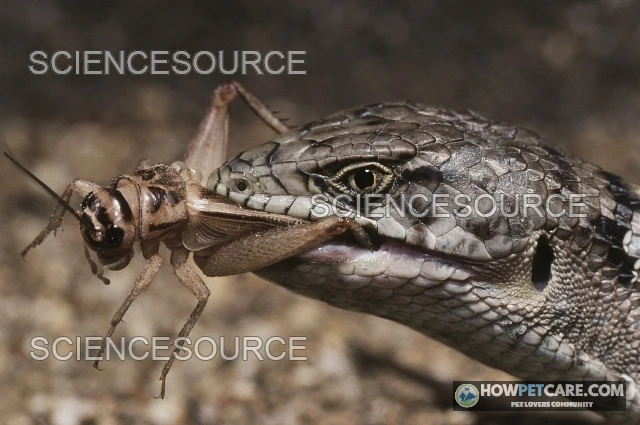

Lizards eat live feeder insects (crickets, dubia roaches), dark leafy greens (collard, dandelion greens), vegetables, safe fruits, or whole vertebrate prey depending on their species. Insectivores eat solely live bugs, herbivores consume fibrous vegetation, omnivores eat both plants and insects, and carnivores require whole-prey rodents or chicks.
Lizards eat a wide variety of live feeder insects, leafy green vegetables, safe fruits, and occasionally small vertebrate prey, depending strictly on their species, biological classification, and age. While a wild fence lizard or anole spends its days hunting small invertebrates, a captive bearded dragon shifts from an insect-heavy juvenile diet to a leafy salad-based adult routine. To feed any lizard safely and effectively, you must understand whether your reptile is an insectivore, herbivore, omnivore, or carnivore, and supply the precise nutrients needed to avoid deadly dietary deficiencies.
Core Lizard Diets: What Lizards Eat by Dietary Category
Every lizard species belongs to one of four nutritional profiles: insectivores, herbivores, omnivores, or carnivores. Knowing which category your reptile occupies determines whether you need a supply of live insects, a vegetable crisper loaded with specific leafy greens, or whole prey items. Lizards are opportunistic feeders that consume creatures and plants suited to their mouth size and physical hunting capabilities.
Insectivores: Live Prey Specialists
True insectivores rely almost exclusively on active, live invertebrates. Common species such as leopard geckos, African fat-tailed geckos, green anoles, and true chameleons belong to this group. Their gastrointestinal systems cannot digest rough fibrous plant matter, nor can they safely process mammalian meats.
In captivity, an insectivore’s staple diet revolves around captive-bred feeder insects: crickets, dubia roaches, and black soldier fly larvae (calci-worms). Occasional additions include mealworms, superworms, and hornworms, while high-fat options like waxworms serve strictly as rare treats. Dried pellets or freeze-dried corpses rarely trigger their predatory hunting response, which depends on visual movement. Dry foods also lack the systemic moisture necessary for kidney health.

Herbivores and Omnivores: Greens, Vegetables, and Occasional Fruit
Herbivorous lizards, such as green iguanas and uromastyx species, feed entirely on plant matter. Their digestive tracts feature specialized hindgut fermentation chambers containing symbiotic microflora capable of breaking down tough plant cellulose. Their daily diet requires dense, calcium-rich leafy greens (collard greens, turnip greens, dandelion greens, and mustard greens) supplemented with fibrous squash (butternut, acorn) and edible flowers (hibiscus, nasturtium). Never feed nutritionally vacant greens like iceberg lettuce or celery, which provide almost zero vitamins and cause watery diarrhea.
Omnivorous lizards, notably bearded dragons and blue-tongued skinks, eat both animal protein and plant vegetation. Their dietary ratios change drastically across their lifespan. While growing juveniles demand abundant protein, mature omnivores require a high-fiber, plant-dominant diet to avoid organ failure, hepatic lipidosis (fatty liver disease), and obesity. Many omnivores and opportunistic wild lizards also consume juicy wild berries and fruits like cherries in modest quantities.

Carnivores: Whole-Prey Feeders
Carnivorous lizards, such as large monitor lizards (Savannah monitors, Nile monitors) and Argentine tegu adults, consume whole vertebrate prey. Their diets include frozen-thawed mice, rats, day-old chicks, raw poultry eggs, and snails. Whole-prey feeders absorb their calcium directly from the skeleton of the prey, eliminating the constant dusting requirements of insect-eating lizards. However, carnivores require strict caloric monitoring because captive enclosures drastically restrict their natural foraging exercise.
Species Diet Matrix: Feeding Bearded Dragons, Geckos, and Chameleons
Different pet lizards require wildly divergent feeding regimens. The table below outlines the nutritional profiles, staple foods, and life-stage macro splits for the most widely kept species.
| Lizard Species | Dietary Classification | Juvenile Food Ratio (Insects vs. Plants) | Adult Food Ratio (Insects vs. Plants) | Primary Staple Foods |
|---|---|---|---|---|
| Bearded Dragon (Pogona vitticeps) | Omnivore | 70–80% Insects / 20–30% Plants | 20% Insects / 80% Plants | Dubia roaches, crickets, collard greens, dandelion greens, butternut squash |
| Leopard Gecko (Eublepharis macularius) | Strict Insectivore | 100% Insects / 0% Plants | 100% Insects / 0% Plants | Crickets, dubia roaches, mealworms, black soldier fly larvae |
| Veiled Chameleon (Chamaeleo calyptratus) | Insectivore (Facultative Herbivore) | 95% Insects / 5% Leaves | 85–90% Insects / 10–15% Leaves | Crickets, silkworms, hornworms, safe live leaves (Pothos, Hibiscus) |
| Green Anole (Anolis carolinensis) | Insectivore | 100% Insects / 0% Plants | 100% Insects / 0% Plants | Pinhead crickets, flightless fruit flies, small mealworms |
| Blue-Tongued Skink (Tiliqua scincoides) | Omnivore | 60% Insects & Meat / 40% Plants | 40% Protein / 60% Greens & Veggies | Snails, dubia roaches, high-end grain-free dog food, dark leafy greens, squash |
| Crested Gecko (Correlophus ciliatus) | Frugivore / Insectivore | 60% Prepared Diet / 40% Insects | 70% Prepared Diet / 30% Insects | Commercial fruit powder diets (Pangea, Repashy), small gut-loaded crickets |
Bearded Dragon Ratios (Juvenile vs. Adult)
A bearded dragon undergoes one of the most radical dietary transitions in the reptile world. During the first four months of life, a hatchling or juvenile requires 70% to 80% of its intake from gut-loaded live insects to fuel intense skeletal and muscle expansion. They should receive live feeders two to three times per day alongside a fresh bowl of finely minced leafy greens.
By 12 to 18 months of age, their growth plate closes, their metabolism slows, and their dietary ratio must flip to 75% to 80% dark leafy greens and 20% feeder insects. Feeding an adult bearded dragon an insect-heavy diet leads to severe obesity, visceral gout, and kidney failure.

Leopard Gecko Insect Selection
Leopard geckos remain strict insectivores for their entire lives. They possess neither the physiological dentition nor the gut flora to digest plants, fruits, or grains. Their diet should consist of a steady rotation of dubia roaches, crickets, and black soldier fly larvae, with mealworms offered in moderate numbers. Feeder insects must always be gut-loaded and dusted with pure calcium to compensate for the invertebrates’ naturally poor calcium-to-phosphorus ratios.
Veiled Chameleon and Arboreal Insectivore Needs
Veiled chameleons are adapted to hunt arboreal invertebrates using their ballistic tongues and zygodactylous feet. They favor active, climbing insects like silkworms, hornworms, roaches, and crickets. Unlike most chameleons, veiled chameleons also ingest living foliage to harvest moisture and roughage during dry seasons in their native Yemen. Owners must place safe, non-toxic live plants such as Epipremnum aureum (Pothos) or Hibiscus directly into their screen enclosures so the chameleon can safely nibble on live leaves.
Feeding Frequency and Portion Sizes: Baby vs. Adult Lizards
Overfeeding is one of the most common causes of early mortality in captive lizards, while underfeeding rapidly stunts growing juveniles. Establishing the correct frequency and prey size preserves your lizard’s hepatic and gastrointestinal health.
The Space-Between-the-Eyes Rule for Feeder Size
The fundamental metric for reptile safety is the eye-to-eye rule: never feed your lizard an insect whose width exceeds the distance between the lizard’s eyes. Lizards possess tiny, sharp teeth capable of holding prey and crushing exoskeletons, but they do not chew their food into fine particles. Ingestion of oversized insects can cause prey to become lodged in the throat or esophagus, or cause mechanical impaction inside the digestive tract, putting pressure on the spinal cord and leading to hind-leg paralysis or sudden death.
Always size feeder insects to the linear distance between the lizard’s eyes (typically 0.8 to 1.5 cm for common pets). When in doubt, feed smaller insects in higher quantities rather than risking an oversized bug.

Life-Stage Feeding Schedules (Hatchling, Juvenile, Adult)
Young lizards have very high metabolic rates and small digestive volumes, requiring smaller, more frequent meals than adults.
- Hatchlings (0 to 3 Months): Feed two times daily. Offer as many properly sized, calcium-dusted insects as the animal can consume within a 10-minute window (typically 10 to 20 small insects per day).
- Juveniles (4 to 12 Months): Feed once daily. Omnivores should receive a bowl of fresh greens every morning, followed by an insect feeding in the afternoon.
- Adults (Over 12 Months): Mature insectivores eat two to three times per week. Mature omnivores receive a fresh salad bowl daily, but protein feeds are limited to two or three times per week.
To calculate daily food amounts based on body weight, use the following operational framework:
Feeding Calculator Worksheet – Weight & Age to Daily Gram Portion
- Record your lizard’s body weight in grams using a digital kitchen scale.
- Apply the baseline classification factor:
- Insectivore: 0.5% (0.005) of body weight daily
- Omnivore: 0.45% (0.0045) of body weight daily
- Herbivore: 0.35% (0.0035) of body weight daily
- Multiply by the life-stage factor:
- Hatchling (0–3 months): 1.5x
- Juvenile (4–12 months): 1.2x
- Adult (>12 months): 1.0x
- Formula: Daily Grams = Weight (g) × Classification Factor × Life-Stage Multiplier
| Species | Weight (g) | Age (Months) | Classification | Daily Gram Portion (g) |
|---|---|---|---|---|
| Leopard Gecko | 12 | 2 (Hatchling) | Insectivore | 12 × 0.005 × 1.5 = 0.09 g (≈ 1–2 pinhead crickets) |
| Bearded Dragon | 250 | 8 (Juvenile) | Omnivore | 250 × 0.0045 × 1.2 = 1.35 g (mix of insects + greens) |
| Green Iguana | 1800 | 18 (Adult) | Herbivore | 1800 × 0.0035 × 1.0 = 6.30 g (fresh chopped leafy greens) |
| Veiled Chameleon | 45 | 5 (Juvenile) | Insectivore | 45 × 0.005 × 1.2 = 0.27 g (≈ 2–3 small crickets) |
| Blue-Tongued Skink | 120 | 14 (Adult) | Omnivore | 120 × 0.0045 × 1.0 = 0.54 g (mix of greens and protein) |
Adjust portions weekly based on weight trends: increase total mass by 5% if losing weight unexpectedly, or reduce by 5% if fat pads bulge behind the neck or near the base of the tail.

| Lizard Species | Dietary Classification | Juvenile Food Ratio | Adult Food Ratio | Primary Staple Foods |
|---|---|---|---|---|
| Bearded Dragon (Pogona vitticeps) | Omnivore | 70–80% Insects / 20–30% Plants | 20% Insects / 80% Plants | Dubia roaches, crickets, collard greens, dandelion greens, butternut squash |
| Blue-Tongued Skink (Tiliqua scincoides) | Omnivore | 60% Insects & Meat / 40% Plants | 40% Protein / 60% Greens & Veggies | Snails, dubia roaches, high-end grain-free dog food, dark leafy greens, squash |
| Crested Gecko (Correlophus ciliatus) | Frugivore / Insectivore | 60% Prepared Diet / 40% Insects | 70% Prepared Diet / 30% Insects | Commercial fruit powder diets (Pangea, Repashy), small gut-loaded crickets |
| Veiled Chameleon (Chamaeleo calyptratus) | Insectivore (Facultative Herbivore) | 95% Insects / 5% Leaves | 85–90% Insects / 10–15% Leaves | Crickets, silkworms, hornworms, safe live leaves (Pothos, Hibiscus) |
| Leopard Gecko (Eublepharis macularius) | Strict Insectivore | 100% Insects / 0% Plants | 100% Insects / 0% Plants | Crickets, dubia roaches, mealworms, black soldier fly larvae |
| Green Anole (Anolis carolinensis) | Insectivore | 100% Insects / 0% Plants | 100% Insects / 0% Plants | Pinhead crickets, flightless fruit flies, small mealworms |
Gut-Loading and Calcium Supplementation Protocol
In the wild, lizards consume hundreds of insect species that forage across rich botanical ecosystems. In captivity, commercial feeder insects are raised on cheap dry bran or cardboard, leaving them deficient in micronutrients. Gut-loading is the mandatory practice of feeding nutrient-dense whole foods to live feeder insects for 24 to 48 hours before offering them to your reptile.
Without gut-loading and calcium supplementation, captive lizards rapidly develop Metabolic Bone Disease (MBD). Feeder insects naturally contain high levels of phosphorus and very low levels of calcium (ratios as poor as 1:9). A lizard requires a dietary calcium-to-phosphorus ratio of at least 2:1. When phosphorus exceeds calcium in the blood, the lizard’s parathyroid gland produces hormones that strip calcium straight from its own skeleton to maintain blood serum levels, resulting in bowed legs, rubbery jaws, tremors, and agonizing death.
24- to 48-Hour Feeder Insect Prep Workflow
Follow this established sequence to ensure your feeder insects provide peak nutrition:
-
Step 1: Set Up the Feeder Bin
Use a clean, ventilated plastic tote. Add unbleached cardboard egg crates to provide surface area. Avoid pine shavings, cedar chips, or damp soil substrates.
-
Step 2: Prepare the Nutrient Mash
Mix 40% grated carrots, 30% sweet potato or butternut squash, 20% dry rolled oats, and 10% dark leafy greens (collard or kale). Avoid citrus, onions, or high-oxalate spinach.
-
Step 3: Hydrate and Incubate
Provide hydration through raw vegetable slices or water crystals (never open water dishes, which drown insects). Maintain the bin at 78–82°F (25–28°C) for 24 to 48 hours to ensure full gut filling.
-
Step 4: Dust Prior to Feeding
Place the loaded insects into a clean plastic cup. Add a pinch of mineral powder, gently shake to coat the insects lightly, and offer them immediately to your lizard.
Calcium and Vitamin D3 Dusting Frequency
Proper supplementation requires a strict balance between pure calcium, Vitamin D3, and multivitamins:

- Pure Calcium Powder (Without D3): Dust insects at nearly every feeding for hatchlings and juveniles. For adults, use pure calcium on 2 to 3 feedings per week.
- Calcium with Vitamin D3: Vitamin D3 facilitates calcium absorption in the gut. Dust with calcium + D3 once per week for juveniles and two to three times per month for adults if using adequate high-output T5 linear UVB lighting. If your lizard has no UVB exposure (such as nocturnal geckos without overhead lighting), use calcium + D3 twice per week.
- Multivitamin Supplement: Dust insects with a reptile multivitamin powder once every two weeks to provide preformed Vitamin A, B-complex, and trace minerals.
Watch closely for early signs of calcium deficiency: twitches or trembling in the lizard’s toes, an underbite or soft, flexible lower jaw ("rubber jaw"), difficulty lifting the belly off the ground when walking, and general lethargy. Catching these symptoms early allows you to reverse bone density loss before permanent skeletal deformities set in.

Toxic Foods and Invertebrate Hazards to Avoid
Feeding the wrong invertebrate or human food can result in fatal toxicity within hours. The following safety table highlights critical items that should never enter your lizard’s enclosure.
| Food Category | Safe / Staple Options | Occasional / Treat Options | Strictly Forbidden / Toxic | Primary Hazard / Reason |
|---|---|---|---|---|
| Insects | Crickets, Dubia roaches, Black soldier fly larvae | Mealworms, Hornworms, Waxworms | Fireflies (Photuris / Photinus) | Lucibufagins – fatal cardiotoxin; kills quickly |
| Vegetables | Collard greens, Mustard greens, Butternut squash | Carrots, Bell peppers, Zucchini | Avocado (Persea americana) | Persin – causes heart failure and fluid accumulation |
| Leafy Greens | Dandelion greens, Turnip greens, Escarole | Bok choy, Kale | Spinach, Swiss chard, Beet greens | High oxalic acid – binds calcium, triggers acute MBD |
| Fruits | None (herbivores), Blackberries, Blueberries | Apples (no seeds), Mango, Papaya | Citrus fruits (oranges, lemons, grapefruits) | Excessive citric acid – causes gut burns and severe diarrhea |
| Garden Flora | Dandelion heads, Hibiscus flowers, Nasturtium | Rose petals | Rhubarb leaves, Azalea, Oleander | Solanine and cardiac glycosides – neurotoxic |
| Human Pantry | Commercial reptile pellets (approved brands) | Plain boiled egg white (skinks only) | Garlic, Onions, Leeks, Chives | Thiosulfates – causes Heinz-body hemolytic anemia |
| Processed Treats | Repashy / Pangea fruit mixes | Commercial freeze-dried bugs | Bread, Crackers, Dairy, Candy, Chocolate | Lactose and theobromine toxicity; deadly gut impaction |
Lethal Insects: Fireflies and Wild-Caught Prey
Fireflies (lightning bugs) are among the most lethal substances a lizard can consume. Fireflies synthesize steroidal compounds called lucibufagins, which act as potent cardiotoxins. Ingestion of a single firefly can kill a full-grown adult bearded dragon within two hours. Lucibufagins disrupt cell membrane pumps in cardiac muscle, triggering severe heart arrhythmia, oral foaming, skin darkening, and fatal respiratory collapse. Never feed your lizard wild beetles or glowing insects gathered outdoors.
Wild-caught insects also present major risks. Backyard crickets, grasshoppers, and earthworms bioaccumulate synthetic lawn pesticides, chemical fertilizers, and heavy metals. They also carry wild internal parasite loads, including pinworms, roundworms, and protozoans (Coccidia), which can overwhelm a captive lizard’s closed digestive tract.
Hazardous Produce: Avocado, Rhubarb, and High-Oxalate Greens
Avocado contains persin, an oil-soluble fungicidal toxin derived from the plant’s fatty acids. In reptiles, persin causes myocardial necrosis, fluid accumulation around the lungs (pulmonary edema), and rapid death.
Similarly, rhubarb contains extremely concentrated levels of potassium oxalate. In the digestive tract, oxalates bind to free dietary calcium and magnesium ions, forming insoluble calcium oxalate crystals. This completely prevents the body from absorbing necessary calcium, rapidly driving the lizard into severe hypocalcemia and kidney failure. For the same biochemical reason, high-oxalate vegetables like spinach, Swiss chard, and beet greens must be excluded from daily salads.
What Backyard and Wild Lizards Eat: Natural Diet and Seasonal Shifts
Curious observers often wonder what backyard lizards eat in gardens across the United States. Common species—such as green anoles, fence lizards (Sceloporus), and garden skinks—act as natural pest control. They are opportunistic invertebrate predators, consuming whatever moving arthropods fit into their jaws. In outdoor environments, lizards track slow-moving prey across the soil or grass by continuously flicking their tongues to detect biochemical scent trails. While they rarely expend excessive energy on active chases, some agile species can jump up to 20 cm into the air to catch flying insects.
Common Garden Lizard Prey in North America
A wild garden lizard’s diet varies depending on whatever is available:
- Small spiders (wolf spiders, jumping spiders)
- Garden beetles and small grubs
- Flies, gnats, and mosquitoes
- Moths and leaf-chewing caterpillars
- Earthworms, garden snails, and small slugs
- Occasional cannibalistic predation on smaller hatchling lizards of their own or competing species
Seasonal Availability and Natural Foraging Adaptations
Wild lizard diets change dramatically between spring and autumn. During early spring, lizards emerging from brumation feed heavily on soft, lipid-rich grubs, beetle larvae, and tender caterpillars. As summer progresses, the diet shifts toward hard-bodied grasshoppers, adult beetles, and flying insects. In late summer and early autumn, wild lizards also forage on fallen ripe fruits, blackberries, wild raspberries, or cherries to harvest sugars and systemic water prior to winter.
Wild lizards survive because they ingest hundreds of distinct insect species across an active ecosystem, naturally balancing their trace mineral intake. Because domestic owners cannot safely duplicate this diverse forage using wild bugs without pesticide exposure, pet owners must replicate this dietary complexity through varied, captive-bred feeders, careful gut-loading, and precise mineral supplementation.

Lizard Hydration: Water Delivery by Habitat Type
Feeding your lizard properly means little if you overlook hydration. How a lizard drinks is hardwired to its native environment. Offering the wrong water source can lead to chronic dehydration, bladder stones, gout, or even fatal aspiration.
Standing Dishes vs. Leaf Droplets and Misting Systems
Not all lizards recognize standing water. Hydration delivery must match your species’ evolutionary background:
+--------------------------------+
| What Habitat is Your Lizard? |
+---------------+----------------+
|
+----------------------+----------------------+
| |
[Desert / Terrestrial] [Arboreal / Tropical]
(Bearded Dragons, Geckos, Skinks) (Chameleons, Anoles, Day Geckos)
| |
+----------v------------------+ +----------v------------------+
Method: Shallow Water Dish Method: Daily Misting • Heavy, un-tippable dish • Hand-spray or auto-mister • Fresh de-chlorinated tap • Dripper over live leaves • Clean daily to stop algae • Lizard licks fresh drops
+-----------------------------+ +-----------------------------+- Terrestrial & Desert Lizards (Bearded Dragons, Leopard Geckos): These lizards understand standing water pools. Provide a heavy, shallow ceramic bowl filled with clean, de-chlorinated water at all times. Desert lizards also absorb significant hydration directly from the moisture inside gut-loaded live feeders and fresh salad greens.
- Arboreal & Tropical Lizards (Chameleons, Green Anoles, Crested Geckos): These species live in trees and bushes. They rarely drop to the forest floor to drink from a puddle. Instead, they only drink water droplets rolling off green leaves. If you provide only a bowl of water to a chameleon, it will slowly dehydrate to death. They require hand-misting two to three times daily, an automated misting system, or a slow dripper dripping onto living plant leaves for 15 to 20 minutes daily.
If an adult bearded dragon or skink refuses to drink from a dish, place it in a shallow container of lukewarm water (85–90°F / 29–32°C) up to its shoulder line for 15 minutes. Note that lizards do not absorb water through their vent (cloaca)—a common myth—but they frequently drink from the bath while soaking.

Monitoring Hydration Through Urates and Skin Turgor
Lizards excrete nitrogenous waste as semi-solid uric acid rather than liquid urine, allowing them to conserve water. This white waste product is called a urate.
- Well-Hydrated: The urate is soft, moist, and bright chalk-white, accompanied by a dark, firm stool.
- Dehydrated: The urate is hard, yellow or orange-tinted, and dry.
- Skin Turgor Test: Gently pinch the skin on your lizard’s side. In a well-hydrated animal, the skin snaps back immediately. In a dehydrated lizard, the skin remains tented or wrinkles stiffly for several seconds. Sunken eyes also indicate severe dehydration.

How to Build a Balanced Feeding Routine: Step-by-Step Plan
Establishing an organized weekly feeding routine keeps your lizard healthy and minimizes feeding errors. Use this checklist and step-by-step framework to manage your pet’s feeding schedule.
Common Beginner Mistakes When Feeding Lizards
- ☐ Feeding prey larger than the eye-to-eye distance (choking and spinal impaction risk)
- ☐ Skipping pure calcium dusting at meals (leads directly to low calcium-to-phosphorus ratios)
- ☐ Using iceberg lettuce as a staple salad base (nutritionally empty, causes diarrhea)
- ☐ Forgetting to gut-load feeder insects 24–48 hours before offering them
- ☐ Using wild-caught insects collected from gardens (parasite and pesticide risks)
- ☐ Leaving live crickets in the enclosure overnight (crickets will bite and injure a sleeping lizard)
- ☐ Feeding only one single food type without providing nutritional variety
- ☐ Over-supplementing Vitamin D3 while strong linear UVB is already present
- ☐ Neglecting to clean slimy biofilm from water dishes daily
- ☐ Skipping monthly weight checks to track juvenile growth or adult obesity
Establishing Your Weekly Feeding Calendar
To build a consistent weekly schedule, follow this step-by-step setup:
- Verify Your Species’ Dietary Split: Check whether your lizard is an insectivore, herbivore, or omnivore. Note whether its current life stage calls for daily feedings or an adult schedule of two to three meals per week.
- Establish a Live Feeder Station: Set up a dedicated plastic storage container with adequate ventilation and cardboard tubes. Stock it with captive-bred dubia roaches or crickets. Feed the colony fresh squash, carrots, and whole oats continuously so insects are fully gut-loaded when needed.
- Map Out a Weekly Rotation:
- For an adult omnivore (e.g., adult bearded dragon): Prepare a fresh chopped vegetable salad (mustard greens, dandelion greens, grated squash) every morning. On Tuesday and Saturday afternoons, offer 5 to 8 dusted gut-loaded dubia roaches.
- For an adult insectivore (e.g., leopard gecko): Schedule feedings for Monday, Wednesday, and Friday evenings. Offer 5 to 7 properly sized gut-loaded insects per session, rotating between crickets, roaches, and occasional mealworms.
- Organize Supplement Days: Keep your supplement powders right next to the enclosure. Use pure calcium for most weekly feedings, and reserve your calcium + Vitamin D3 and multivitamin powders for designated days (such as Saturday) to avoid over- or under-supplementing.
- Track Weight on a Gram Scale: Place your lizard in a plastic container on a digital gram scale once every month. Log the weight in a notebook. Growing juveniles should steadily gain mass each month. Adult weights should remain stable; a sustained loss or gain of more than 5% calls for an immediate adjustment in feeder insect counts.
With the right diet, routine gut-loading, and proper hydration, your lizard will build strong bones, display vibrant natural colors, and live a long, healthy life.

FAQ
Can pet lizards eat frozen or freeze-dried feeder insects?
While freeze-dried insects can serve as emergency backups, live insects are vastly superior because their movement triggers a lizard’s natural hunting response. Additionally, freeze-dried insects lack essential moisture and lose significant nutritional value during processing.
What do house geckos and small lizards eat indoors?
Small indoor lizards feed on indoor household pests including gnats, small moths, mosquitoes, fruit flies, and tiny spiders. They actively hunt near indoor lighting fixtures where phototactic insects congregate at night.
Can lizards eat human table food like cooked meat or bread?
No, pet lizards cannot process processed human food, bread, dairy, or seasoned cooked meat. Their digestive systems lack the enzymes required to break down grains, lactose, and artificial additives, which can trigger severe impaction or toxicity.
How long can a lizard go without eating?
Healthy adult lizards can survive several weeks without food if properly hydrated, and months during seasonal brumation when their metabolisms slow dramatically. However, baby and juvenile lizards should not go more than 24 to 48 hours without food.