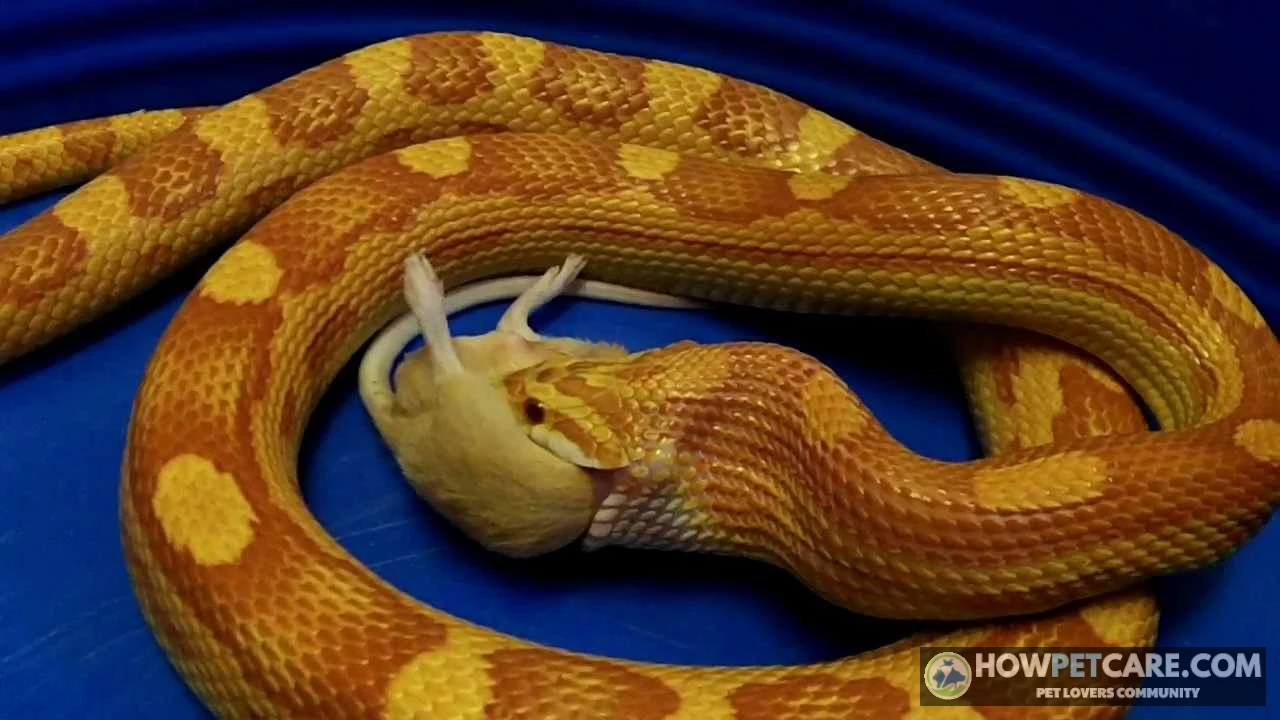

Snakes are obligate carnivores that eat whole animal prey, not plants or fruit. Depending on the species, their diet can include rodents, birds, eggs, fish, amphibians, lizards, insects, worms, and other snakes. Pet snakes usually thrive on correctly sized frozen-thawed whole prey.
What Do Snakes Eat? The Short Answer
The answer to what do snakes eat depends on the species, but all snakes are obligate carnivores: they eat other animals rather than plants, fruit, or vegetables. Most swallow whole prey, including rodents, birds, eggs, insects, fish, amphibians, lizards, and other snakes. All known snake species are carnivorous, with diets shaped by their size, anatomy, habitat, and hunting opportunities.
In the wild, a snake may take whatever appropriately sized prey its surroundings provide. A young garter snake may eat earthworms or tadpoles, while a large constrictor may capture mammals or birds. Feeding a pet doesn’t mean copying every wild meal. The goal is to provide safe, species-appropriate whole prey that supplies muscle, organs, bone, fat, and moisture in useful proportions.
Most pet ball pythons and corn snakes eat frozen-thawed mice or rats. Garter snakes may need earthworms, suitable fish, amphibian-based diets, or occasional pinky parts, depending on the individual and veterinary guidance. Kingsnakes commonly eat frozen-thawed mice. Cooked meat, deli meat, grains, cat food, dog food, and table scraps don’t belong in a snake’s diet.
To match prey size (pinkie, fuzzy, hopper, adult) to your snake’s girth and weight, measure the snake’s widest healthy body diameter: offer prey whose widest point is approximately 1 to 1.25 times that girth, or compare circumferences directly so the prey matches or only modestly exceeds the snake’s torso. For growing juveniles, cross-check weight so the rodent represents roughly 10% to 15% of the snake’s body weight (such as a 1.5-3 g pinkie for hatchlings under 25 g, transitioning to fuzzies, hoppers, and adult mice or rat pups as body mass increases). Use this rule as a reliable baseline before consulting species-specific schedules.
Wild Snake Diet vs. Pet Snake Food
Wild snakes may eat rodents, rabbits, birds, eggs, fish, frogs, salamanders, lizards, insects, slugs, worms, or other snakes. Their place in the food chain reflects the local habitat. A snake near a pond encounters fish and amphibians; one beside a barn encounters rodents. An arboreal snake may find birds, eggs, or tree-dwelling lizards.
Captive diets are narrower because controlled feeding makes meals safer and more consistent. Frozen-thawed rodents remove many risks associated with live prey, including bite wounds and prey escape. They also make meal size easier to measure and feeding schedules easier to record. Never capture wild prey for a pet. It may carry parasites, pesticides, or injuries that aren’t obvious.
| Species | Primary wild diet | Standard captive diet | Why the captive substitute works | Common beginner error |
|---|---|---|---|---|
| Ball python | African soft-furred rats, gerbils, and small birds | Frozen-thawed domestic rats; mice for smaller animals | A whole rodent supplies bone, organs, muscle, and moisture without the biosecurity risks of wild prey | Offering several small mice when one correctly sized rat would be more suitable |
| Corn snake | Native rodents, bird eggs, nestlings, and small lizards | Frozen-thawed domestic mice | Mice suit the species’ slender body and provide complete whole-prey nutrition | Moving to oversized or unnecessarily fatty prey |
| California kingsnake | Lizards, lizard eggs, small rodents, birds, and sometimes other snakes | Frozen-thawed domestic mice | Rodents provide a consistent, safer captive food source | Feeding adults too often because of their strong feeding response |
| Common or plains garter snake | Earthworms, slugs, frogs, toads, minnows, and salamanders | Suitable nightcrawlers, safe fish, and carefully selected pinky portions | A varied plan can provide moisture and nutrients while avoiding wild parasites | Relying on feeder fish that contain thiaminase or offering an unbalanced single food |

Do Snakes Eat Plants or Fruit?
No. Snakes don’t need plants, fruit, vegetables, or grains. Their digestive systems are adapted to animal tissue, and their natural feeding behavior centers on capturing prey. Plant material found in a prey animal’s stomach can look like an exception, but the snake consumes it accidentally rather than deliberately feeding on plants.
Don’t give a snake human food. Cooked meat, processed meat, canned pet food, and leftovers don’t provide the nutritional balance of intact prey. Healthy snakes eating suitable whole prey generally don’t need calcium or vitamin powder either. Unnecessary supplementation can create imbalances. Use supplements only when an experienced reptile veterinarian identifies a specific need.
What Snakes Eat in the Wild, From Insects to Mammals
Opportunity shapes a snake’s diet as much as preference does, reflecting the overall reptile diet. A small snake cannot safely swallow the same prey as a large adult, and a specialist species may ignore food another snake readily accepts. Snakes gather chemical information with their tongues and use vibration and vision to find prey. Some species also detect prey’s body heat.
Small and juvenile snakes commonly take insects, worms, slugs, small fish, tadpoles, frogs, lizards, eggs, and newborn rodents. Similarly, geckos primarily feed on insects. Medium snakes may add mice, young birds, larger frogs, or other reptiles to their diets. Large snakes can take adult rodents, rabbits, birds, and other substantial prey. Still, being able to swallow a large meal doesn’t make every large item safe or nutritionally appropriate.

Baby and Small-Species Diets
Baby snakes in the wild usually eat smaller versions of adult prey, such as insects, worms, tiny frogs, lizards, fish, eggs, or newborn mammals. Some juveniles occupy a different niche, though. A young snake may specialize in earthworms or tadpoles before switching to rodents as it grows.
Identification comes first. A baby garter snake and a baby rat snake have different needs: their body shape, habitat, teeth, and prey preferences differ. In captivity, choose a prey type recommended for the identified species. The smallest item available at a store isn’t necessarily the safest or most suitable food.
Rodent, Bird, Egg, Fish, and Reptile Specialists
Many rat snakes, corn snakes, kingsnakes, and pythons eat rodents. Bird and egg specialists may have narrower dietary requirements, while aquatic and semiaquatic snakes often take fish and amphibians. Some kingsnakes and other predators eat other snakes, including venomous species. That doesn’t make wild reptiles safe feeder animals for beginners.
Choose feeder fish carefully. Some commonly sold fish contain thiaminase, an enzyme that can destroy vitamin B1 when these fish make up too much of the diet. Species-specific advice matters especially for garter snakes and other fish-eating snakes.

The Snake’s Role as Predator and Prey
Snakes hunt other animals, but birds of prey, mammals, larger reptiles, and other snakes also hunt them. Their food choices reflect a balance between calories, handling risk, and availability. Depending on the species, constriction, venom, camouflage, or ambush behavior helps them capture food. Removing rodents, frogs, and insects around a home may reduce the prey that attracts wild snakes.
What Do Small Garden Snakes Eat in a Backyard?
Small garden snakes may eat earthworms, slugs, insects, frogs, salamanders, fish, lizards, nestling rodents, or other snakes. But garden snake isn’t a precise identification. Use appearance, location, behavior, and a local field guide to identify the animal rather than guessing.
| Likely snake group | Habitat clues | Common prey | Typical hunting location | Identification caution |
|---|---|---|---|---|
| Garter snake | Lawns, gardens, field edges, and pond margins | Earthworms, slugs, frogs, fish, and small amphibians | Ground cover, damp soil, and water edges | Color patterns vary widely; do not handle an unknown snake |
| Water snake | Ponds, streams, marshes, and wet banks | Fish, frogs, tadpoles, and salamanders | Water margins, rocks, and vegetation | Harmless water snakes are often confused with venomous species |
| Small rat snake | Sheds, woodpiles, barns, fields, and tree edges | Mice, nestlings, eggs, lizards, and frogs | Rodent trails, low branches, and buildings | Juveniles may look unlike adults |
| Small racer or similar hunter | Open fields, brush, and sunny edges | Insects, lizards, frogs, and small rodents | Daytime ground hunting | Identification should be confirmed locally |
Garter snakes often eat worms, amphibians, and fish. Water snakes tend to follow fish and amphibians, while small rat snakes and similar constrictors increasingly target rodents as they grow. Habitat offers useful clues to their meals. A pond-edge snake is more likely to encounter aquatic prey; one near a shed may be following mice.

Don’t hand-feed wild snakes. Feeding can encourage them to approach people, create bite risks, transmit disease, and expose them to unsuitable food. If a snake enters a building, follow local wildlife guidance rather than trying to capture or feed it.
Pet Snake Feeding Matrix by Species, Age, and Size
Use the following ranges as starting points for healthy animals, not rigid prescriptions. Weigh your snake regularly, monitor its body condition, and confirm the feeding plan with a reptile veterinarian or an established species-care manual. Cold-blooded metabolism is slower and more temperature-dependent than mammalian metabolism. Adult snakes therefore often eat less frequently than growing juveniles.
| Snake species | Life stage | Approximate snake weight | Suitable prey type | Typical prey stage or size | Starting feeding interval | Important dietary notes |
|---|---|---|---|---|---|---|
| Ball python | Hatchling | Up to 200 g | Mouse or rat | Small fuzzy or appropriately sized pup | 5-7 days | Offer one meal; avoid repeated small prey when a suitable item is available |
| Ball python | Juvenile | 200-600 g | Rat | Pup to small weanling | About 7 days | Reduce frequency if body condition rises too quickly |
| Ball python | Adult | Over 600 g | Rat | Small to medium rat matched to girth | 10-21 days | Seasonal fasting can occur; track weight rather than forcing meals |
| Corn snake | Hatchling | Under 15 g | Mouse | Pinky | 5-6 days | Confirm the prey is fully thawed and not wider than the snake’s safe limit |
| Corn snake | Juvenile | 16-90 g | Mouse | Fuzzy to hopper | About 7 days | Increase prey size gradually |
| Corn snake | Adult | About 250-500 g or more | Mouse | Large adult mouse | 10-14 days | Avoid routine overfeeding and unnecessary rat meals |
| Garter snake | Baby | Under 12 inches | Worms, safe fish, or pinky part | Cut nightcrawler or small portion | 3-4 days | A varied, species-appropriate diet is important |
| Garter snake | Adult | Over 18 inches | Worms, safe fish, or pinky portion | Whole nightcrawler, fish portion, or suitable pinky part | 5-7 days | Fish choice and vitamin B1 risk require careful attention |
| Kingsnake | Hatchling | Under 25 g | Mouse | Pinky | 5-6 days | Strong feeding responses can lead to overfeeding |
| Kingsnake | Adult | About 400 g or more | Mouse | Large adult mouse | 10-14 days | Adult animals often need longer intervals than beginners expect |

Growth raises energy demand, so young snakes generally need more frequent meals. For adults, feeding intervals vary with species, body condition, temperature, reproductive status, season, and activity. Some snakes eat several times per week. Others may eat about monthly or fast for much longer periods.
How to Match Pinkies, Fuzzies, Hoppers, and Adult Rodents to Your Snake
Rodent labels vary among suppliers. Measurements are more reliable than stage names alone. Pinkies are newborn mice or rats; fuzzies have begun developing fur; hoppers are more developed juveniles; weaned and adult rodents are progressively larger. Ask the supplier for the actual prey weight and measure your snake rather than choosing solely by the label.
| Rodent stage | Approximate prey weight | Approximate body width | Approximate circumference | Typical snake size range | Prey-to-snake weight percentage | Sizing cautions |
|---|---|---|---|---|---|---|
| Mouse pinky | 1.5-3 g | About 0.4-0.6 in | About 1.25-1.9 in | Very small hatchlings | Often near 10-15% for growing snakes | Do not use a pinky indefinitely if the snake needs a larger meal |
| Mouse fuzzy | 3-6 g | About 0.5-0.8 in | About 1.6-2.5 in | Small juveniles | Often near 10-15% for growing snakes | Supplier sizes differ |
| Mouse hopper | 6-12 g | About 0.7-1.0 in | About 2.2-3.1 in | Growing juveniles | Use weight only as a cross-check | Check the widest torso, not the head |
| Adult mouse | 18-30 g | About 1.0-1.3 in | About 3.1-4.1 in | Larger juveniles and adults | Commonly a smaller percentage for adults | A long mouse can still be too thick |
| Rat pup or weanling | About 15-45 g | Supplier-dependent | Supplier-dependent | Growing pythons and large colubrids | Compare with girth first | Do not assume a rat and mouse of equal weight have identical shape |
The Body-Width and Circumference Method
Find the widest healthy point of the snake’s body, excluding any bulge from a recent meal. Measure its diameter or wrap a flexible tape around its body without squeezing. Then measure around the widest part of the prey’s torso. Keep prey circumference approximately equal to, or no more than about 1.25 times, the snake’s circumference.
For example, if a snake measures 2.5 inches around at its thickest point, begin with prey near 2.5 to 3.1 inches around. Choose a smaller item if the prey is substantially thicker, even when its total weight seems reasonable. A snake’s jaws can expand, but that ability doesn’t make oversized prey safe.
Using Prey Weight as a Cross-Check
Growing snakes are often offered meals around 10% to 15% of body weight. Many adults need a smaller percentage and a longer feeding interval. Treat these as broad starting ranges, not universal formulas. For a 100-gram juvenile, you might consider a meal around 10 to 15 grams, but width, species, body condition, and prey shape still determine the final choice.
Oversized meals can cause prolonged digestion, injury, or regurgitation. Meals that are consistently too small may lead to poor growth or weight loss. A suitable meal usually creates a visible but not extreme bulge, which begins to settle as digestion progresses.
Signs the Prey Is Too Large or Too Small
Watch for an unusually tight bulge, difficulty moving, repeated defensive posture, regurgitation, or a meal that stays visibly undigested for an unusually long time. These can indicate an oversized meal. Food may be too small if the snake shows no meaningful improvement in body condition, loses weight, or needs unusually frequent feeding to maintain condition.
Keep a record of the snake’s weight before feeding, the prey type and weight, acceptance, defecation, and any regurgitation. Looking across those records can reveal trends that are easy to miss when assessing a single meal.
How to Thaw Frozen Rodents and Feed Them Safely
Frozen-thawed prey is a practical option for many pet snakes. Handle it as raw animal tissue: keep it separate from human food, wash hands and equipment, and follow safe food-handling practices. A water bath around 30-35 C can thaw or warm prey, but keep the final water temperature controlled. Many keepers use approximately 38-40 C for the warming stage so the prey resembles body temperature without being cooked.
-
Thaw under refrigeration
Place the sealed prey bag on a dedicated tray in a refrigerator at about 2-4 C for several hours or overnight. This is the preferred method when time allows.
-
Use a cold-water bath when needed
For faster thawing, keep the prey sealed and submerge it in cold water below 15 C. Change the water periodically. Don’t begin warming until the center feels soft rather than icy.
-
Warm the fully thawed prey
Put the sealed bag in fresh water at approximately 35-40 C for 10-15 minutes. The prey should be warm throughout, not hot. Never microwave, boil, or cook a rodent, and don’t use water hot enough to damage tissue or burst the bag.
-
Dry and present with tongs
Dry the prey with a paper towel. Use long feeding tongs, keep fingers out of the strike zone, and offer the prey near the snake’s hide with gentle, realistic movement.
-
Clean up and allow digestion
Promptly remove and discard uneaten prey. Never refreeze a thawed rodent. Wash hands, tongs, and preparation containers. Avoid handling the snake for at least 24-48 hours after feeding.
Safe Thawing and Warming Temperatures
Check that prey is fully thawed, warm it under controlled conditions, and limit its time outside refrigeration. A rodent can feel warm on the surface and still have an icy core. Gently squeeze the torso through the sealed bag. If it feels rigid or crunchy, continue thawing. Keeping the bag sealed prevents waterlogging and reduces contamination.
Tong-Feeding Step by Step
Offer prey during the snake’s normal active period. Nocturnal or crepuscular species often respond better after the enclosure lights go out; many garter snakes are more active during the day. Open the enclosure calmly and present the prey from the side. Use small movements rather than frantic shaking, then release the tongs when the snake strikes so it can secure the meal naturally.
If the snake refuses, remove the prey instead of leaving it overnight in warm conditions. Never offer prey with your fingers. Don’t leave live prey unattended with a snake, either: rodents can inflict serious bites.

Feeding Enclosure vs. Separate Container
Feeding in the snake’s established enclosure is usually less stressful and avoids unnecessary handling just before a meal. A separate container can suit a particular animal or keeper, but moving a snake after it eats may increase stress and the risk of regurgitation. Feeding outside the enclosure isn’t a universal requirement.
Never microwave or refreeze a thawed rodent. Remove refused prey promptly, disinfect feeding equipment, and keep raw prey preparation away from human food surfaces.
How Snakes Hunt, Swallow, and Digest Whole Prey
Snakes use several senses together when hunting. Tongue-flicking transfers chemical information to the vomeronasal organ, while vision, vibration sensitivity, and, in some species, heat detection provide further clues. A snake may ambush prey, pursue it, constrict it, inject venom, or simply seize and swallow a small animal alive.
Constriction, Venom, and Direct Capture
Constriction keeps prey from escaping and helps a snake subdue animals that could otherwise bite or scratch it. Venomous snakes use specialized teeth and venom to immobilize prey or begin digesting it. Small prey may be swallowed directly. These different capture methods help explain why feeding habits vary so widely across snake species.
Why Snakes Swallow Prey Whole
Snakes don’t chew. Flexible connections in the skull and lower jaws let the mouth spread around a meal wider than the head. Muscles then move the prey gradually toward the throat. This adaptation allows snakes to consume whole animals, obtaining nutrients from bone, organs, muscle, and skin.
A wide-opening mouth doesn’t make oversized prey safe. Too large a meal can damage tissues, take too long to digest, or be regurgitated. Whole prey provides a useful combination of nutrients from its different parts, but the animal still needs to be an appropriate size for the snake eating it.
Strong stomach acids, digestive enzymes, muscular movement, and suitable environmental temperature all support digestion. A snake’s cold-blooded metabolism means digestion slows as its body temperature falls. After a meal, the snake needs access to its normal thermal gradient and should be left without unnecessary handling. For contrast, lizard species have distinct dietary requirements.
Low temperatures, stress, excessive movement, and oversized meals can contribute to regurgitation. Don’t treat regurgitation as a routine part of feeding. It removes fluids and digestive material from the snake, so observe the animal carefully and seek veterinary advice if it happens repeatedly.
Feeding Refusal Decision Tree and Keeper Checklist
A missed meal doesn’t automatically mean illness. Shedding, seasonal behavior, breeding activity, recent handling, enclosure changes, incorrect temperatures, unsuitable humidity, stress, or an oversized meal can all reduce appetite. Rather than offering food repeatedly every day, work through the following checks and adjustments.
Step 1: Check Husbandry and Normal Biological Causes
Use reliable instruments to verify temperatures at the snake’s level; don’t estimate them from room temperature. Make sure the enclosure offers a usable warm-to-cool gradient and secure hides. Check humidity against the species’ requirements, then review recent handling, transport, cage changes, and the snake’s shedding cycle.
Dull skin or cloudy eyes may signal an approaching shed, during which a snake may temporarily refuse food. Healthy adults can also fast seasonally. Weigh the snake and compare its body condition with previous records. Appetite alone doesn’t tell the whole story.

Step 2: Adjust Prey Size, Scent, and Presentation
To move from live to frozen-thawed food, begin with the prey type the snake already accepts. Thaw it completely, warm it thoroughly, dry it, and offer it with feeding tongs. If movement makes the snake retreat, place the prey on a clean surface near the warm hide for a short, supervised attempt. Remove it if refused.
Avoid changing prey type, size, enclosure, and feeding time all at once. Make one controlled adjustment, then wait several days before trying again. A quiet interval between attempts is safer than repeated disturbance. For a snake accustomed to mice, transition from live mice to frozen-thawed mice before changing from mice to rats.
Step 3: Recognize Veterinary Warning Signs
Seek an experienced reptile veterinarian if food refusal accompanies continuing weight loss, a sharply protruding spine, loose skin, reduced muscle tone, mouth lesions, abnormal swelling, respiratory sounds, discharge, repeated regurgitation, weakness, or other unusual behavior. A snake that loses more than 10% of its stable adult body weight needs prompt professional assessment, not an improvised force-feeding plan.
Don’t force-feed without veterinary instruction. It can injure the mouth, esophagus, or digestive tract and may worsen stress. Veterinary evaluation is especially important for juveniles that aren’t growing or adults that continue to lose weight.
Pre-Feeding Safety Checklist
Before offering a meal, confirm:
- The species and prey type are correctly identified.
- The prey’s widest point matches the snake’s girth and is not oversized.
- The prey is fully thawed through the center.
- The prey is warmed in sealed packaging with controlled water temperature.
- Long feeding tongs, not fingers, are used.
- The snake has a stable temperature gradient, appropriate humidity, and secure hides.
- Uneaten prey will be removed promptly.
- The snake will not be handled for at least 24-48 hours after eating.
- The feeding record includes date, snake weight, prey weight, acceptance, and observations.
Before each meal, settle three practical points: the prey must suit the species, its size must suit the snake as it is today, and you must be able to thaw, warm, offer, and remove it without unnecessary risk. If you’re uncertain about any of these, pause before feeding. Consult an experienced reptile veterinarian or a species-specific care manual to resolve the concern.


| Snake Species | Life Stage | Approximate Snake Weight | Suitable Prey Type | Typical Prey Stage or Size | Starting Feeding Interval | Important Dietary Notes |
|---|---|---|---|---|---|---|
| Ball python | Hatchling | Up to 200 g | Mouse or rat | Small fuzzy or appropriately sized pup | 5-7 days | Offer one meal; avoid repeated small prey when a suitable item is available |
| Ball python | Juvenile | 200-600 g | Rat | Pup to small weanling | About 7 days | Reduce frequency if body condition rises too quickly |
| Ball python | Adult | Over 600 g | Rat | Small to medium rat matched to girth | 10-21 days | Seasonal fasting can occur; track weight rather than forcing meals |
| Corn snake | Hatchling | Under 15 g | Mouse | Pinky | 5-6 days | Confirm the prey is fully thawed and not wider than the snake's safe limit |
| Corn snake | Juvenile | 16-90 g | Mouse | Fuzzy to hopper | About 7 days | Increase prey size gradually |
| Corn snake | Adult | About 250-500 g or more | Mouse | Large adult mouse | 10-14 days | Avoid routine overfeeding and unnecessary rat meals |
| Garter snake | Baby | Under 12 inches | Worms, safe fish, or pinky part | Cut nightcrawler or small portion | 3-4 days | A varied, species-appropriate diet is important |
| Garter snake | Adult | Over 18 inches | Worms, safe fish, or pinky portion | Whole nightcrawler, fish portion, or suitable pinky part | 5-7 days | Fish choice and vitamin B1 risk require careful attention |
| Kingsnake | Hatchling | Under 25 g | Mouse | Pinky | 5-6 days | Strong feeding responses can lead to overfeeding |
| Kingsnake | Adult | About 400 g or more | Mouse | Large adult mouse | 10-14 days | Adult animals often need longer intervals than beginners expect |
FAQ
Can snakes eat human food?
Snakes should not be given cooked meat, deli meat, pet food, table scraps, or processed human food. Feed intact, species-appropriate whole prey so the snake receives bone, organs, muscle, and other nutrients in suitable proportions.
Do whole-prey diets need vitamin or calcium powder?
Healthy snakes eating varied, correctly raised whole prey usually do not require vitamin or calcium dusting. Unnecessary supplementation can create nutrient imbalances, so use supplements only when an experienced reptile veterinarian recommends them.
What signs indicate that a snake is undernourished?
Warning signs include ongoing weight loss, a sharply visible spine, a triangular or hollow-looking body, loose skin, reduced muscle tone, and poor growth in juveniles. Compare regular weight records and body-condition changes, then consult a reptile veterinarian if the trend continues.
Could a snake eat a cat or another domestic pet?
Most snakes are far too small to consume a cat or dog, although very large constrictors can endanger small animals. Keep pets separated from both captive snakes and large wild snakes, and use a secure, escape-resistant enclosure.
What do snakes eat besides mice?
Depending on the species, snakes may eat rats, rabbits, birds, eggs, fish, frogs, salamanders, lizards, other snakes, insects, slugs, or earthworms. A prey item being natural for one species does not make it nutritionally appropriate for every pet snake.