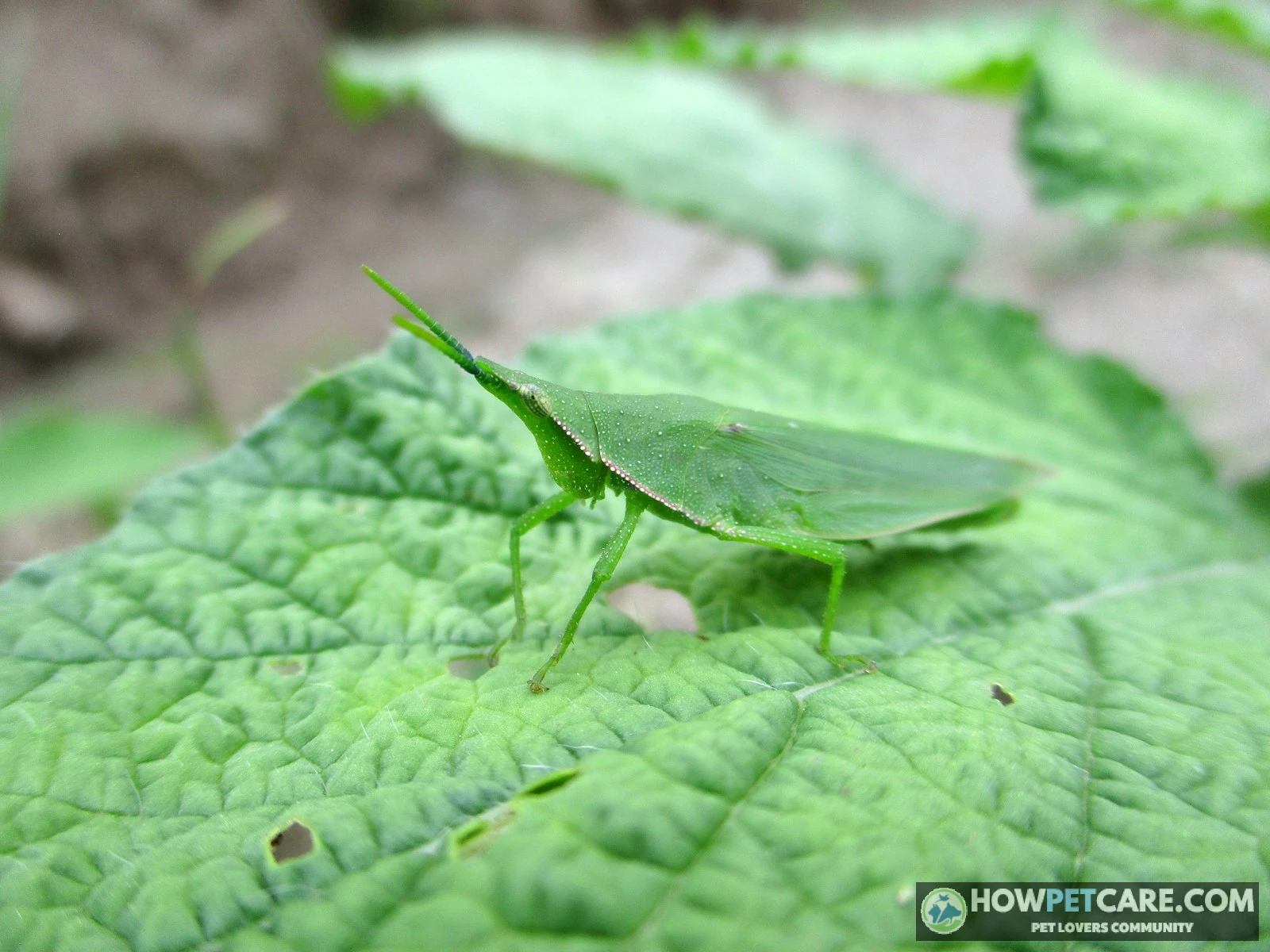

Green anole care means providing a secure vertical setup with measured heat, UVB, water, and live insects:
- House one anole in at least an 18 × 18 × 24-inch vertical terrarium.
- Provide an 88–92°F basking surface, 75–80°F daytime ambient air, and 65–72°F nights.
- Keep humidity near 60–70%, misting morning and evening with a brief rise toward 80%.
- Use a linear T5 HO 5.0/6% UVB tube and a separate thermostat-controlled heat lamp on a 12-hour cycle.
- Feed gut-loaded insects—daily for juveniles, every other day for adults—and dust lightly with plain calcium.
Green anole care begins with a secure, vertical enclosure, a measured temperature gradient, UVB lighting, dependable drinking water, and appropriately sized live insects. Plan to house one anole per enclosure, and set up its habitat before bringing it home whenever possible. A low purchase price doesn’t cover the cost of equipment, feeders, or veterinary care.
Green Anole Care at a Glance: The Complete Parameter Sheet
Use this printable sheet as a starting plan for one adult green anole, Anolis carolinensis. Before choosing equipment, check the detailed lighting and feeding instructions: bulb distance and supplement schedules depend on the products and setup you use.
| Parameter | Requirement | Notes |
|---|---|---|
| Enclosure | At least 18 × 18 × 24 inches for one adult; 24 × 24 × 24 inches offers more room | Choose a secure, ventilated vertical terrarium with climbing space. |
| Basking spot | Aim for 88–92°F on the basking branch | Measure the surface and provide a cooler retreat. |
| Daytime ambient temperature | Aim for 75–80°F, with the cooler area at the low end | Measure temperatures at the animal’s level. |
| Night temperature | Aim for 65–72°F | Use thermostat-controlled, lightless heat if the room drops below the target. |
| Humidity | Aim for 60–70%, rising temporarily toward 80% after misting | Allow ventilation and some drying between mistings. |
| UVB lighting | Low-output linear T5 HO tube, commonly labeled 5.0 or 6%, in a matching fixture | Use the manufacturer’s distance chart for the exact bulb, reflector, and screen; see the lighting section. |
| Light cycle | 12 hours on and 12 hours off | Use a timer for consistent daytime light and nighttime darkness. |
| Adult diet | Appropriately sized, gut-loaded live insects every other day | Start with a few insects and adjust for appetite, body condition, and veterinary advice. |
| Juvenile diet | Appropriately sized insects daily | Use very small feeders and monitor growth. |
| Supplements | Lightly dust feeders with plain calcium; use D3 and multivitamins according to a reptile veterinarian’s plan | Frequency depends on UVB exposure, diet, age, and supplement strength. |
| Water | Mist leaves morning and evening; provide a clean shallow dish | Check that the enclosure does not stay waterlogged. |
| Lifespan | Commonly cited as 4–8 years; some may reach 10 or more | Individual outcomes vary; lifespan claims are not guarantees. |
| Social housing | House singly | Never put two males together. |

Start with a secure, ventilated enclosure, a measured warm basking area and cooler retreat, UVB lighting, and water droplets on leaves. Arrange a reptile-vet appointment promptly if the anole is weak, injured, or breathing with difficulty. Once these essentials are stable, upgrade the furnishings and planting.
Enclosure Setup: Size, Orientation, and Furnishing Requirements
A green anole needs climbing routes, cover, and a choice of temperatures. An empty tank with a heat lamp won’t do. A tall, front-opening enclosure also makes routine access easier. Secure every opening; these lizards move quickly and can escape through surprisingly small gaps.

Minimum vs. Recommended Tank Dimensions
For one adult, use a vertical enclosure at least 18 × 18 × 24 inches. A larger 24 × 24 × 24-inch enclosure leaves more room for foliage, climbing, and temperature choices. Published guidance varies: one source lists a 10-gallon tall tank, while others recommend larger vertical enclosures. The larger option gives beginners more room to create distinct warm and cool areas. It also avoids treating a small tank’s volume as proof that it offers enough climbing space.
House anoles individually. Males are territorial and should never share an enclosure. Female or mixed-sex groups can still face competition and reproductive stress, and a male housed with females may breed. A large enclosure doesn’t guarantee compatibility, so single housing is the simpler, safer choice for beginners.
Creating a Functional Temperature Gradient with Furnishings
Set up sturdy branches at several heights. Put a basking branch beneath the heat and UVB zone, following the lamp manufacturers’ safety instructions and the temperature and UVB guidance below. Add leafy cover and perches away from the lamps, so the anole can retreat without having to go to the floor.
Secure branches so they can’t roll. Keep the heat source out of the animal’s reach, and never use a hot rock. Add a modest layer of reptile-safe coconut fiber or cypress mulch, or use a suitable soil-based mix. Avoid loose gravel and sand, which the anole could swallow, as well as carpet that may snag toes or be hard to clean.
Live Plants and Bioactive Enclosure Benefits
Pesticide-free live plants such as pothos or ficus can provide cover and surfaces for drinking droplets. Rinse plants and remove fertilizer pellets before adding them. Check that each plant is suitable with a reptile veterinarian or a reliable reptile-plant resource.
A bioactive enclosure combines a suitable soil mix, drainage, plants, and small cleanup organisms. It can be rewarding, but it still needs regular care: remove visible waste, prevent stagnant wet substrate, and monitor the anole. Artificial foliage works too, provided it’s secure, easy to clean, and offers ample cover.

 You might be wonderingChicken care guideChicken Care Guide: Everything Beginners Need to KnowRead the answer
UVB Lighting, Basking Heat, and Photoperiod: The Exact Recipe
Anoles need a dependable daytime UVB source to support calcium metabolism and overall husbandry. A linear tube lights a broad area. Pair it with a separate heat lamp rather than assuming one bulb handles both jobs.

Why Compact UVB Bulbs and Dietary D3 Are Not Substitutes
For a straightforward starting setup, choose a low-output linear T5 HO UVB tube commonly sold as 5.0 or 6%, with its matching fixture and reflector. Position it along part of the upper enclosure, over the basking area, while leaving shaded retreats.
There is no safe universal mounting distance for every 5.0 or 6% bulb. Output varies with tube type, reflector, age, and screen mesh. Use the manufacturer’s distance chart for your exact combination. Measure from the tube to the anole’s back on its highest accessible perch. If the chart doesn’t account for your screen, ask the manufacturer or a reptile veterinarian for guidance; a UV meter can help verify exposure. A distance such as 10–12 inches may suit a particular setup, but don’t assume it works for every fixture.
Don’t put glass or plastic between the UVB lamp and the anole; those materials filter UVB. Screen also reduces output, and the amount varies. A visible glow doesn’t mean the tube still produces enough UVB. Follow the replacement interval specified by the manufacturer; it varies by product. Mark the date on your calendar. One published care sheet advises replacement every six months, which shows why a blanket annual rule isn’t reliable.
Dietary D3 doesn’t replace UVB, and adding extra D3 to compensate for an unmeasured light can create another problem. Ask a reptile veterinarian to coordinate the lighting and supplement plan.
Measuring and Adjusting Basking Temperature
Use a separate, thermostat-controlled basking lamp and aim for a branch surface of 88–92°F. Check the surface with an infrared temperature gun, and use digital probe thermometers to monitor the warm and cool areas. The right wattage depends on the enclosure and room. Choose it based on measured results, not a fixed number printed on the package.

Care sheets give different targets: one lists an 85–88°F basking area, another 90–95°F, and another approximately 90°F. This guide’s target offers a practical middle ground; it doesn’t mean every animal needs the same basking spot. Measure the actual perch and keep an accessible cooler zone. One hot reading can’t describe the whole enclosure.
Photoperiod and Timer Setup
Run the UVB and daytime heat lights for 12 hours, followed by 12 hours of darkness. A timer keeps the schedule consistent. If the enclosure needs heat at night, use a thermostat-controlled source that emits no visible light.
A bulb percentage, wattage, or kit label can’t tell you the temperature or UVB level reaching your anole. Check the finished setup with the fixture, screen, and branches in their final positions.
Diet, Feeding Schedule, and Supplement Rotation
Green anoles eat insects. Offer a variety of appropriately sized live feeders, such as small crickets, dubia roaches, and other suitable insects. Choose feeders no wider than the space between the anole’s eyes. Feed juveniles daily and adults every other day.

For an adult, start with a few appropriately sized insects and see how many it eats. The right amount varies with feeder size, body condition, and the individual lizard. Remove uneaten insects, especially loose crickets, rather than leaving them in the enclosure overnight. If the anole’s weight changes or its appetite is poor, ask a reptile veterinarian for portion guidance.
Gut-Loading Feeder Insects for Maximum Nutrition
Gut loading means feeding insects nutritious food before offering them to the anole. Keep feeders on an appropriate insect diet, including suitable fresh greens and vegetables, and provide that food before feeding day. Remove spoiled produce and keep the feeder container clean. A variety of feeder species and foods helps prevent reliance on a single poorly nourished insect.
Supplement Dusting: Calcium vs. Multivitamin Rotation
Put a small amount of supplement powder in a container with the feeders and shake gently until the insects have a light coating. Offer them promptly instead of leaving heavily powdered insects in the habitat.

Use plain calcium as the routine supplement. Ask a reptile veterinarian to set the schedule for calcium with D3 and a reptile multivitamin, based on your anole’s age, diet, UVB setup, and product concentration. Powders don’t all have the same strength, so don’t add D3 at every meal without individualized advice. Mark the planned supplement days on a calendar to keep the rotation consistent.
Temperature, Humidity, and Daily Maintenance Routine
A good setup needs regular checks. Room temperatures change, plants grow toward lamps, and a misting routine that worked in summer may not work in winter. Use a digital hygrometer at the anole’s level, away from direct spray, and track how humidity changes through the day.
Daily Care Checklist
Mist foliage in the morning and evening. Adjust the amount to keep usual humidity around 60–70%, with a temporary rise toward 80% after misting. One published care sheet gives 60–80% as a general range. Provide a shallow water dish as a backup, and clean and refill it daily. Anoles may drink droplets from leaves, but you won’t necessarily see every drink.

Weekly and Monthly Tasks
| Frequency | Task | Why It Matters |
|---|---|---|
| Daily | Check basking and cool-zone temperatures; check humidity; mist as needed | Confirms that heat and moisture remain in range. |
| Daily | Offer food on the age-appropriate schedule and use the planned supplement | Keeps feeding and dusting consistent. |
| Daily | Remove uneaten insects and visible feces; wash and refill the water dish | Limits pests and keeps water and surfaces cleaner. |
| Weekly | Wipe accessible dirty surfaces and inspect plants, branches, screen, and equipment | Finds loose furnishings, mold, and escape gaps. |
| Weekly | Review appetite and behavior notes; weigh only if it can be done without undue stress | Helps identify a concerning trend rather than relying on one observation. |
| Monthly | Check toes, tail tip, and body for retained shed when the animal is visible; inspect substrate and replace soiled material | Helps catch constricting shed and persistent dampness. |
| Monthly | Check the UVB installation date and review the supplement calendar | Prevents missed bulb replacement and inconsistent dosing. |
| As scheduled | Replace the UVB tube according to its manufacturer; arrange veterinary wellness care | A working visible light is not proof of adequate UVB. |
Clean and disinfect furnishings as needed with a reptile-safe product, following its label. Rinse and dry as directed. Replace conventional substrate when dirty or during a thorough enclosure clean. In a bioactive enclosure, remove waste and deal with wet or moldy areas instead of automatically discarding all the established substrate each month.
Troubleshooting Low Humidity
If humidity stays low, check the hygrometer’s location and accuracy, mist foliage more effectively, and add plant cover or suitable moisture-retaining substrate. Partially covering a screen may help hold moisture, but don’t block ventilation or put a cover where it could create a fire risk. If the enclosure stays wet, mist less or improve airflow. Aim for a humidity cycle, not constantly soggy conditions.
Choosing a Healthy Green Anole: Captive-Bred vs. Wild-Caught
Ask whether the animal is captive-bred, how long it’s been in the seller’s care, what it eats, and whether the seller has a feeding or veterinary-treatment record. Captive-bred animals are generally a sensible first choice because their origin and care history may be easier to verify. Still, don’t assume every pet-store animal is wild-caught or that captive breeding guarantees good health.
Visual Health Checklist at the Store
Look for an alert anole that grips and climbs normally, with clear, open eyes, a reasonably filled-out body, and no obvious wounds or swelling. If possible, ask to see it eat. Check that the enclosure has clean water and suitable heat and lighting, and look for signs that animals are competing for resources.

Avoid an animal that is very thin, lethargic, unable to grip, visibly injured, or breathing with its mouth open. A kinked tail or retained shed needs an explanation and veterinary assessment. Color alone doesn’t tell you whether an anole is healthy; green anoles change color for several reasons.
Why Captive-Bred Anoles Have Better Survival Rates
A known captive-bred history can reduce uncertainty about capture, transport, previous diet, and parasite exposure. Wild-caught animals may arrive stressed or carry parasites, but appearance alone can’t establish origin or predict survival. Avoid sellers who can’t answer basic questions about sourcing and care.
Arrange an initial visit with a reptile-experienced veterinarian and ask whether a fecal examination is appropriate. If you already keep reptiles, quarantine the newcomer separately and use separate equipment. Ask your veterinarian how long quarantine should last.
Handling, Taming, and Stress Management
Green anoles are best kept as observation pets. They’re small, fast, and fragile, and a calm animal doesn’t necessarily enjoy being held. Some may learn to associate a person with food, but don’t expect mammal-like bonding.
Stress Signals and When to Stop Handling
Repeated escape attempts, frantic movement, prolonged hiding, rapid breathing, or reduced feeding can signal distress. Brown coloration can also reflect temperature, activity, or communication. Stop if the anole struggles during handling, and review the enclosure if changes persist.
Never grab the tail; an anole can drop it. If handling is essential, stay close to the enclosure floor or another safe surface. Move slowly and, where possible, let the animal step onto a supported hand. Supervise children closely and encourage them to watch rather than hold. Wash hands with soap and water after contact with the animal, enclosure, or equipment. Keep reptile supplies away from food-preparation areas.

Step-by-Step Acclimation for Newly Purchased Anoles
-
Days 1–3
Move the anole into its prepared enclosure, provide water droplets, and keep disturbance to a minimum. Offer appropriately sized food without chasing the animal, then remove uneaten insects.
-
Weeks 1–2
Keep to the usual feeding and cleaning schedule while observing from a distance. Put your hands in only for essential care, and note the anole’s appetite and activity.
-
Weeks 3–4
If the anole is eating consistently and stays calm near you, offer a feeder with suitable tongs. Let it approach; don’t pursue it.
-
Week 5 and beyond
Only if necessary and tolerated, coax the anole onto a supported hand briefly. Stop if it struggles. Many anoles should remain observation-only pets.
These stages are flexible, not deadlines. If a newly acquired anole is weak or won’t eat, contact a reptile veterinarian rather than letting it acclimate indefinitely.
Green Anole Setup and Ongoing Costs: The Real Budget Breakdown
These are illustrative US planning estimates, not verified retail quotes. Prices vary widely by location, enclosure size, equipment quality, and veterinary practice. The initial column excludes the animal. The annual column lists recurring supplies and routine care separately, so replacement bulbs aren’t counted twice.
Initial Setup Cost Breakdown
| Expense Category | Initial Cost | Annual Cost |
|---|---|---|
| Vertical enclosure | $100–250 | — |
| Linear UVB fixture and tube | $50–100 | $25–50 for replacement tubes |
| Heat fixture, bulb, and thermostat | $50–100 | $5–20 for replacement bulbs |
| Digital thermometers, hygrometer, and timer | $30–60 | — |
| Substrate, branches, hides, and foliage | $50–100 | $20–50 for replacement materials |
| Initial supplements and feeder supplies | $20–40 | $10–25 for replenishment |
| Feeder insects | — | $120–300 |
| Electricity | — | $40–100 |
| Routine veterinary exam and fecal testing | — | $100–250, depending on services |
| Illustrative total | $300–650 | $320–795 |
Annual and Monthly Ongoing Expenses
The annual estimate averages approximately $27–66 per month, including the illustrated routine-vet allowance and replacement items. Spending won’t be even each month: insects may be a regular purchase, while a UVB tube or veterinary visit is a larger occasional expense.
Veterinary and Emergency Budget
Before buying an anole, ask local reptile-experienced clinics for their current exam and testing fees. Routine care doesn’t cover emergencies, diagnostics, medication, or hospitalization, so set aside a separate emergency fund. Costs can exceed the estimates above; call ahead to confirm the clinic treats small lizards.
Health Problems, Warning Signs, and When to See a Vet
Find a reptile veterinarian before an emergency happens. A change in behavior can have several causes, and adjusting the habitat isn’t a substitute for having a sick animal examined.
Why Is My Green Anole Turning Brown?
Brown coloration can reflect temperature, stress, activity, or communication; an anole doesn’t have to stay green to be healthy. Consider the whole picture: appetite, body condition, breathing, grip, and access to suitable temperatures and cover. If a persistent color change comes with lethargy, weight loss, or other symptoms, call a veterinarian.

A male may extend its colorful throat fan, or dewlap, during a display. An occasional display alone doesn’t indicate stress or illness.
Metabolic Bone Disease: Causes and Emergency Response
Inadequate UVB or an unbalanced diet can contribute to metabolic bone disease. Warning signs may include weakness, tremors, difficulty climbing, or an abnormal-looking jaw or limbs. Seek prompt care from a reptile veterinarian rather than trying to correct a suspected deficiency with extra supplements at home. The veterinarian can assess the anole, prescribe treatment, and help you correct husbandry problems.
Labored or open-mouth breathing, severe weakness, seizures, paralysis, a prolapse, or an open wound calls for urgent veterinary attention. Mucus around the nose, wheezing, a swollen eye, or shed constricting a toe or tail tip also warrants a prompt call. Don’t pull off stuck shed.
Locating a Reptile Veterinarian Before You Need One
Ask whether the practice regularly treats anoles or other small reptiles, and what to do outside office hours. If a new adult refuses food for several days, contact the clinic for guidance. Call sooner for a juvenile or if refusal comes with weakness, weight loss, or abnormal breathing. A feeding interruption is a reason to assess the whole animal and setup, not a fixed countdown to wait out.
Baby and Juvenile Green Anole Care Adjustments
Juveniles need the same essentials as adults: secure climbing space, cover, a measured warm-to-cool gradient, water, and correctly installed UVB. They also need daily meals. Offer very small insects, such as suitably sized fruit flies or pinhead crickets, and make sure the youngster can find and eat them.

A juvenile can live in a well-furnished adult-size enclosure if it can reach food and water and can’t escape through ventilation gaps. A smaller temporary enclosure may make feeding easier to observe, but it still needs safe heat, correct UVB distances, cover, and a cool retreat. Plan an upgrade before space becomes limiting; age alone isn’t a reason to wait.
Avoid routine handling. Small juveniles have less reserve if they stop eating or become dehydrated, so seek veterinary advice promptly when feeding or activity changes. Ask the veterinarian for a juvenile-specific supplement plan instead of automatically using an adult schedule.
Your Green Anole Care Roadmap: First 30 Days and Beyond
Pre-Purchase Setup Checklist
- Set up a secure vertical enclosure with branches, cover, substrate, a shallow water dish, and accessible retreats.
- Install separate heat and linear UVB fixtures according to their manufacturers’ instructions. Check the distance to the highest reachable perch.
- Run the equipment for at least a full day and night before arrival, and preferably longer, while checking temperatures and humidity throughout the cycle.
- Get appropriately sized feeders and supplements, find a reptile veterinarian, and budget for routine and emergency care.
The Critical First Two Weeks
For the first few days, offer water and age-appropriate food, keep activity around the enclosure quiet, and note what you observe. During the first two weeks, stick to the routine and avoid unnecessary handling. Brown coloration alone isn’t a reason to panic, but act on weakness, breathing problems, weight loss, or ongoing food refusal.
In weeks three and four, try tong-feeding only if the anole is eating and settled. After the first month, keep checking temperature and humidity daily, follow the feeding and supplement calendar, and replace the UVB tube on its product-specific schedule. The goal is an alert anole that can climb, retreat, bask, eat, and maintain its condition—not one that has to tolerate being held.
 You might be wonderingCorn snake careCorn Snake Care: A Complete Beginner Setup and Cost GuideRead the answer
FAQ
Can green anoles live together in the same tank?
Never house two male green anoles together because they are territorial and may fight. Mixed or female groups can still face competition, bullying, and breeding stress, so single housing is the simplest low-risk option for most keepers.
Do green anoles recognize their owners?
Green anoles have limited recognition of individual humans and do not bond like mammals. Some learn to associate a person with food, but most remain observation pets whose main response to handling is stress or escape.
How often do green anoles shed their skin?
Juveniles commonly shed every few weeks while growing, while adults shed less often. Shed usually clears within days; retained shed on toes, tail, or the head can signal dehydration or husbandry problems and should not be pulled off.
What is the dewlap and why does my anole extend it?
The dewlap is the colorful throat fan, usually pink or red, that males extend during territorial displays, courtship, or startle responses. An occasional display is normal, but repeated displaying alongside hiding or poor feeding can indicate stress.
Can green anoles drop their tails, and will it grow back?
Yes. Green anoles can drop their tails when grabbed, stressed, or attacked, and the tail regenerates over months. The replacement is usually shorter, darker, and lacks the original vertebrae, so minimize grabbing and handling stress.