
Caring for a pet reptile comes down to five non-negotiables:
- Pick a species that fits your space and budget — leopard geckos and corn snakes are the easiest first reptiles; bearded dragons and ball pythons demand more room and equipment.
- Buy the adult-size enclosure up front and run heat and lighting for 48 hours before the animal arrives.
- Maintain a thermostat-controlled temperature gradient (warm basking zone to cool retreat), correct humidity, and a humid hide.
- Provide linear T5 HO UVB lighting for diurnal species and gut-load and calcium-dust all feeder insects.
- Quarantine new reptiles for 60–90 days, skip handling for the first 72 hours, and keep a $250–$400 exotic vet fund.
If you want a straightforward answer to which reptile to buy first, start with one of four species: the leopard gecko, corn snake, bearded dragon, or ball python. Each suits a different owner. A leopard gecko fits quiet keepers with limited desk or counter space who are comfortable handling live insects. A corn snake works well if you want an active, docile reptile that needs feeding only once a week and no live bugs. A bearded dragon is a good choice if you want an expressive, interactive pet that enjoys daytime handling, provided you can dedicate a four-foot enclosure and budget for substantial heating and lighting equipment. A ball python offers a calm, slow-moving companion for owners who can consistently maintain tropical humidity levels.
Reptiles aren’t low-maintenance pets. The widespread assumption that they need less effort than a cat or dog regularly leads to early husbandry failures. Unlike traditional domestic mammals, reptiles are ectothermic: their digestion, immune function, and activity levels depend entirely on the thermal gradient, humidity, and lighting you create in their enclosure. Setting up that habitat correctly before bringing an animal home makes the difference between a thriving companion that lives 15 to 20 years and an expensive veterinary crisis.
Best Reptiles for Beginners: Choose by Space, Budget, and Time
Choose a species by looking at your home and lifestyle before browsing animal displays. Every reptile has non-negotiable requirements for adult enclosure volume, daily food preparation, and environmental control. Whether you are weighing a gecko against small pet snake options or deciding between lizards, matching your resources to the animal’s needs helps prevent common beginner frustrations.
Quick picks: which beginner species matches which owner
Use these baseline profiles to find a species that fits your daily habits:
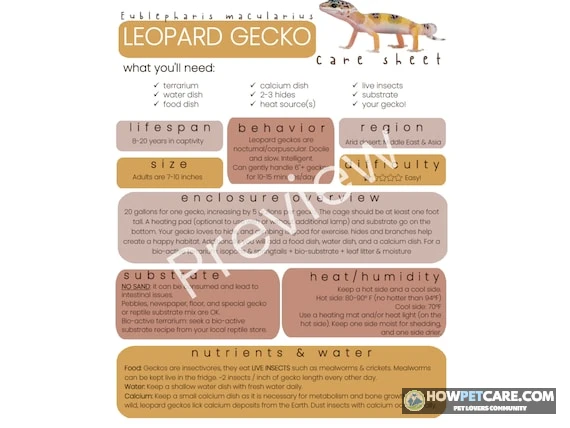
- Leopard Gecko (Eublepharis macularius): Best for apartment dwellers, teens, or first-time keepers who want a calm lizard. They need a modest 20-gallon long to 40-gallon enclosure, tolerate handling well, stay awake in the evening, and eat exclusively live gut-loaded insects.
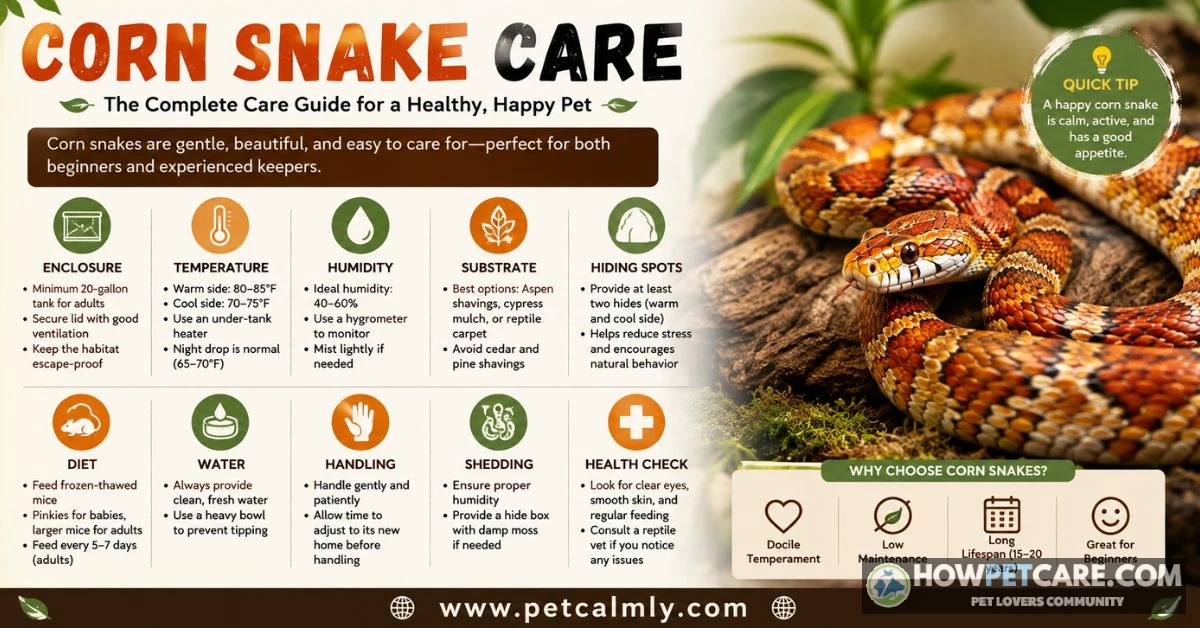
- Corn Snake (Pantherophis guttatus): Best for keepers who want a clean, hardy, easy-to-feed pet and prefer not to keep live insects in the house. They eat frozen-thawed mice, rarely refuse meals, and remain curious during handling.
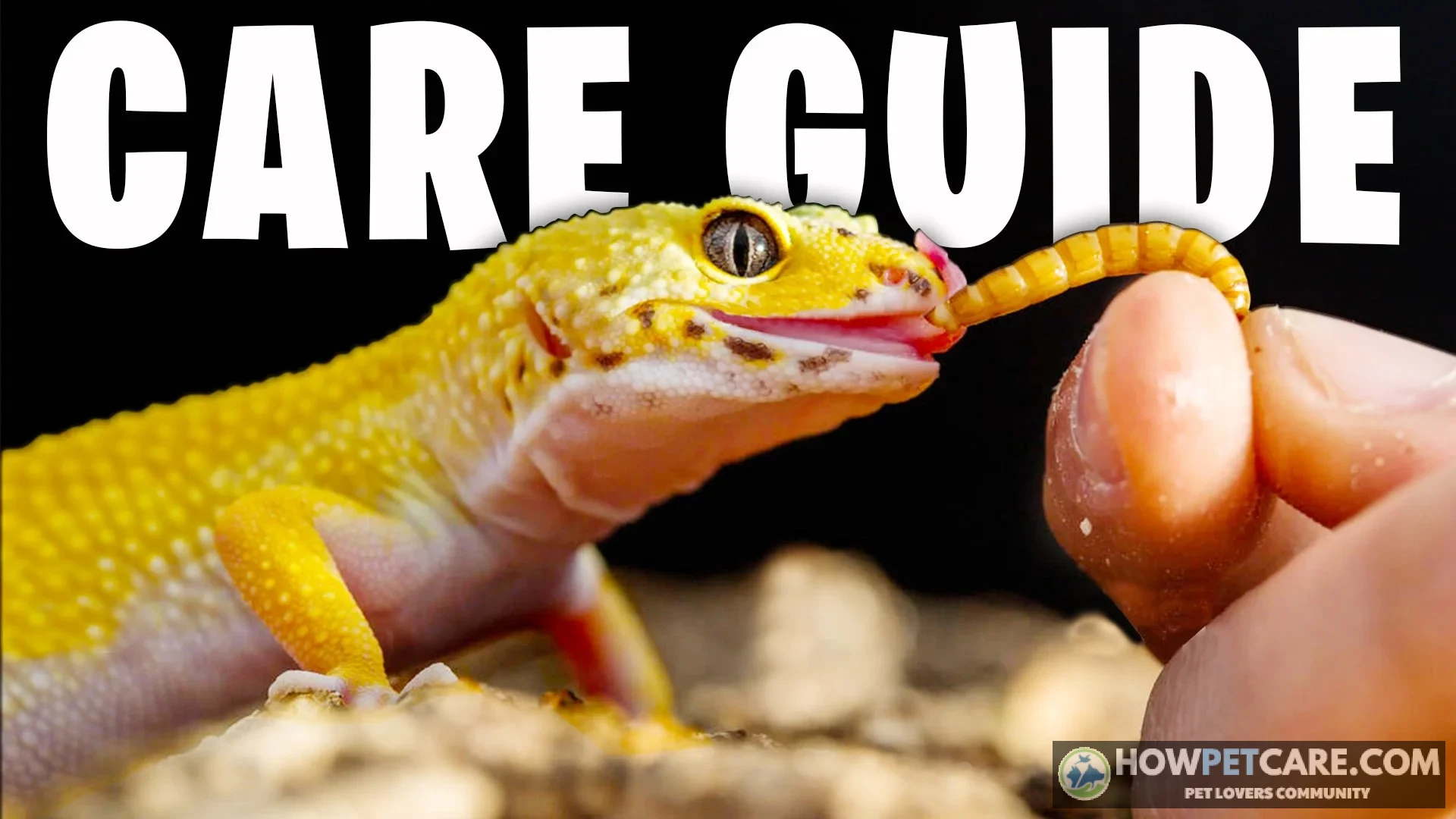
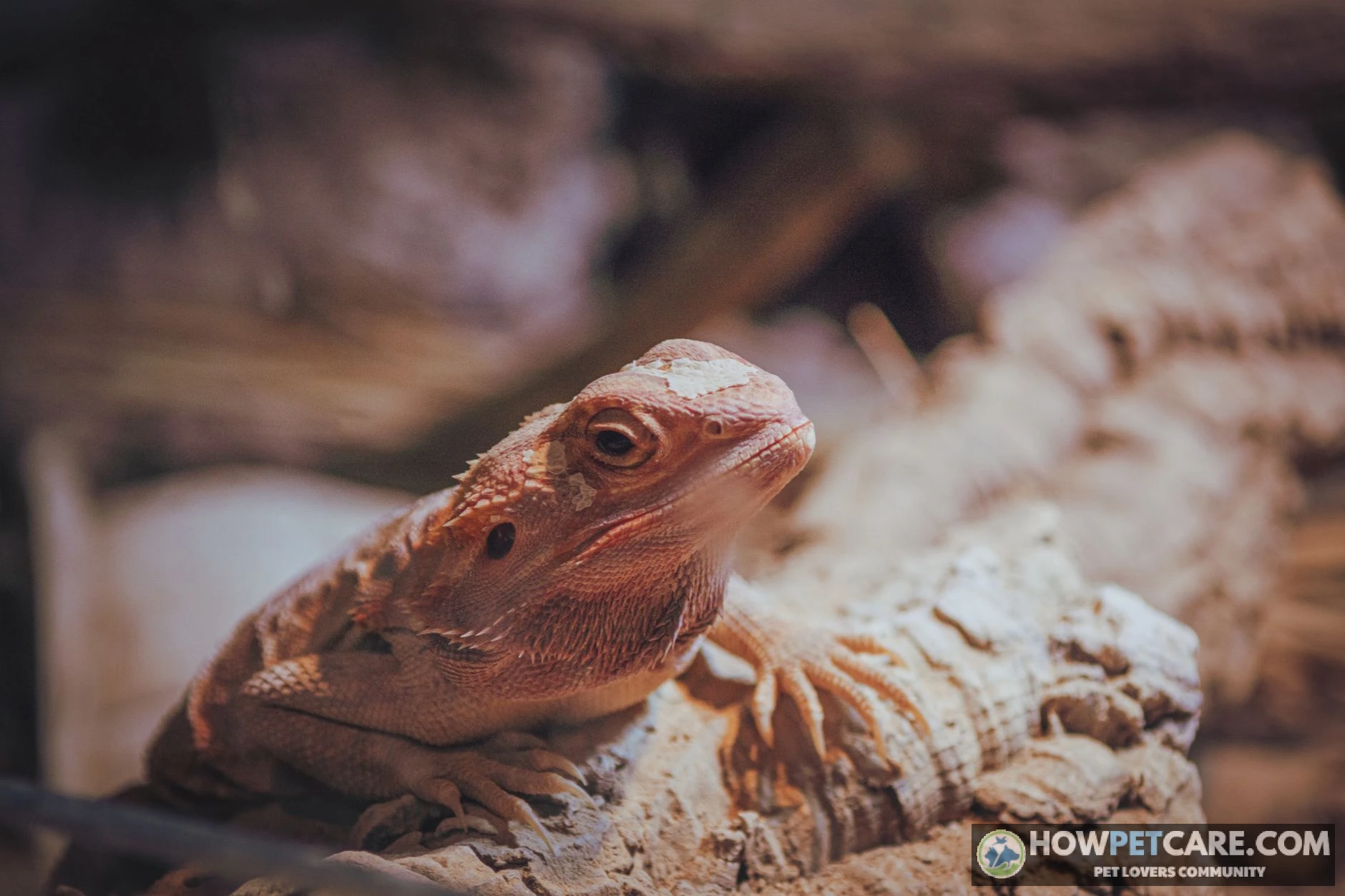
- Bearded Dragon (Pogona vitticeps): Best for keepers who want a social, daylight-active pet with substantial personality. They need a large four-foot enclosure, strong linear UVB lighting, and daily salad preparation along with live feeder insects.
- Ball Python (Python regius): Best for keepers who want a gentle, slow-moving snake that can sit quietly on your arm while you watch television. They need dedicated humidity management (55% to 65% baseline) and can occasionally test your patience by refusing food during seasonal shifts.
- Crested Gecko (Correlophus ciliatus): Best for keepers who want a lizard without heat lamps or live insect requirements. They thrive at average room temperatures, use vertical space, and live primarily on a nutritionally complete powdered fruit diet mixed with water.
Decision framework: space, budget, time, and handling tolerance
To narrow your choice to a single species, assess four practical constraints:
- Dedicated Floor Space: Adult bearded dragons, ball pythons, and blue-tongue skinks need a minimum 4x2x2 foot enclosure (120 gallons), taking up 8 square feet of floor space. If you only have room on top of a standard bedroom dresser (roughly 30×12 inches), your choices are restricted to a leopard gecko or a vertical 18x18x24 inch enclosure for a crested gecko.
- Financial Runway (Upfront and Ongoing): A complete, properly equipped setup for a bearded dragon runs between $800 and $1,500 because of the large-format vivarium, high-output UVB fixtures, and intense heating elements. Add $40 to $80 monthly for fresh produce and live bugs. By contrast, a leopard gecko can be set up correctly for $350 to $600, and a corn snake for less on its budget tier, with ongoing monthly costs between $15 and $35.
- Daily Time Commitment: Bearded dragons need daily care: preparing fresh chopped greens, removing uneaten salads before they spoil, misting or checking water, and spot-cleaning waste. Snakes and nocturnal geckos need only two to five minutes of daily oversight (water refresh, temperature verification, quick spot-check) and dedicated interaction once or twice a week.
- Food and Handling Tolerance: Be honest about your comfort with reptile diets. If keeping live crickets or dubia roaches in your home causes distress, rule out insectivorous lizards. If thawing frozen mice in warm water makes you uncomfortable, rule out snakes. Crested geckos solve both problems with commercial meal replacement powders.
Bearded dragons are celebrated for their outgoing, dog-like temperament, but their husbandry is substantially more difficult than a leopard gecko’s. A bearded dragon needs three times the enclosure space, powerful linear UVB lighting replaced yearly, heavy electricity usage for high-wattage basking lamps, and a complex omnivorous diet of daily fresh greens and gut-loaded insects. A leopard gecko needs a smaller footprint, lower temperatures, and optional low-level lighting, and eats only a few times a week. Choose the bearded dragon only if you have the time and budget for a high-demand diurnal habitat.
Beginner reptile comparison: temperature, humidity, UVB, lifespan, and difficulty
This matrix lists adult requirements for popular beginner reptiles, along with intermediate species often marketed to first-time buyers.
| Species | Adult size | Minimum enclosure size | Basking / warm-end temperature | Cool-end / night temperature | Humidity | UVB need | Diet type | Temperament | Lifespan | Care difficulty | Best for |
|---|---|---|---|---|---|---|---|---|---|---|---|
| Leopard gecko | 7-10 in | 20-gal long or about 30x12x12 in | 88-92 surface | 75-80 day; 70-75 night | 30-40% plus humid hide | Optional low-level UVB; still needs calcium routine | Insectivore | Calm; tolerates gentle handling | 15-20 yrs | Easy | Small space, first lizard, OK with insects |
| Crested gecko | 7-9 in | 18x18x24 in vertical adult tank | No hot basking spot; 75-80 ambient | 68-75 night | 60-80% with daily drying period | Optional low-level UVB | Omnivore: prepared gecko diet plus insects | Docile but jumpy; dislikes restraint | 15-20 yrs | Easy-moderate | Keepers avoiding rodents and hot lamps |
| Bearded dragon | 18-24 in | 4x2x2 ft enclosure | 100-105 surface; juveniles up to 105-110 | 80-85 day; 70-75 night | 30-40% | Strong T5 HO UVB across basking zone | Omnivore | Social, tolerant, interactive | 8-12 yrs | Moderate | Hands-on handling and daily interaction |
| Corn snake | 3-5 ft | 40-gal breeder minimum; 4x2x2 ft better for adults | 85-88 | 72-78 day; 65-72 night | 40-60% | Optional low-level UVB | Carnivore: rodents | Docile, curious, handleable | 15-20 yrs | Easy | Calm first snake; no live insects needed |
| Ball python | 4-5 ft | 4x2x2 ft adult enclosure | 88-92 | 78-80 day; 75-80 night | 55-65%; 70-80% in shed | Optional low-level UVB | Carnivore: rodents | Very calm, shy, sedentary | 20-30 yrs | Easy-moderate | Docile snake if humidity is managed |
| Blue-tongue skink | 18-24 in | 4x2x2 ft enclosure | 95-100 surface | 75-80 day; 70-75 night | 40-60%, varies by species | Recommended moderate UVB | Omnivore | Generally calm and handleable | 15-20+ yrs | Moderate | Handleable lizard with simple diet but big footprint |
| Uromastyx | 10-16 in | 4x2x2 ft enclosure | 120-130 surface | 80-90 day; 70-75 night | 20-35% | Strong T5 HO UVB | Herbivore with seeds and greens | Skittish; tolerates presence more than handling | 15-20 yrs | Hard | Hot dry setup; not ideal for a first reptile |
| Aquatic turtle | 8-12 in shell | 75-125 gal tank plus dry basking dock | Basking platform 85-95; water 75-80 | Air 75-85; night can drop slightly | Water-managed, not ambient humidity | Strong UVB over basking dock plus filtration | Omnivore | Display animal; dislikes handling | 20-30 yrs | Hard | Often sold as easy; poor first reptile due to water filtration and size |
For more on the housing, morphs, and tail anatomy of smaller lizards, see our companion guide on leopard gecko husbandry. If you choose a slender colubrid snake, consult our specialized corn snake keeping guide for target feeding weights.
Reptiles that are poor first pets
Pet stores often market species to beginners that should be avoided by anyone without advanced herpetocultural experience:
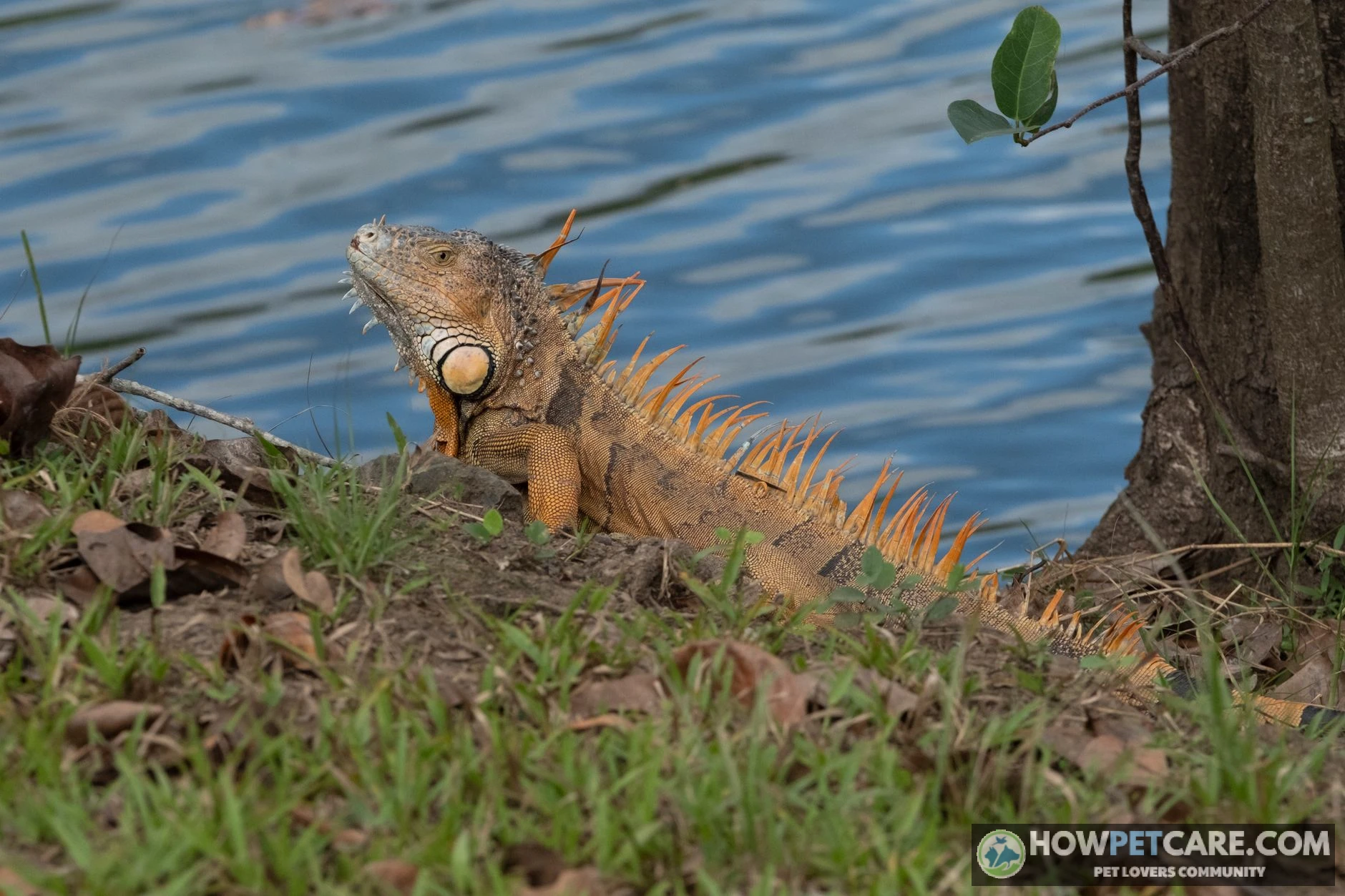
- Green Iguanas (Iguana iguana): These lizards reach six feet in length, develop extreme territorial aggression during breeding seasons, need a room-sized custom enclosure, and can cause serious injuries with their claws and tails.
- Chameleons (Veiled, Panther, Jackson’s): Chameleons are high-stress display animals that deteriorate with frequent handling. They need complex screen cages, live automated misting regimes, and precise hydration drops, and decline quickly when ventilation or humidity parameters slip.
- Aquatic Turtles (Red-Eared Sliders): Sold as tiny, inexpensive juveniles, these turtles quickly reach the size of a dinner plate. They produce immense waste, requiring 100-gallon aquariums paired with commercial canister filters costing hundreds of dollars, alongside frequent, messy water changes.
- Giant Constrictors (Burmese Pythons, Reticulated Pythons, Boa Constrictors): These snakes exceed manageable household sizes, present severe safety risks, require multi-person handling routines, and consume large, expensive whole prey like rabbits.
How Much a Pet Reptile Really Costs: Setup, Monthly, and First-Year Totals
The animal’s purchase price is almost always the smallest line item in reptile keeping. A corn snake or leopard gecko may cost $40 to $100 at an expo, but the equipment needed to keep it alive and healthy in captivity requires an upfront investment of several hundred dollars.
Starter shopping list by category
Before bringing any reptile home, acquire and assemble this baseline equipment:
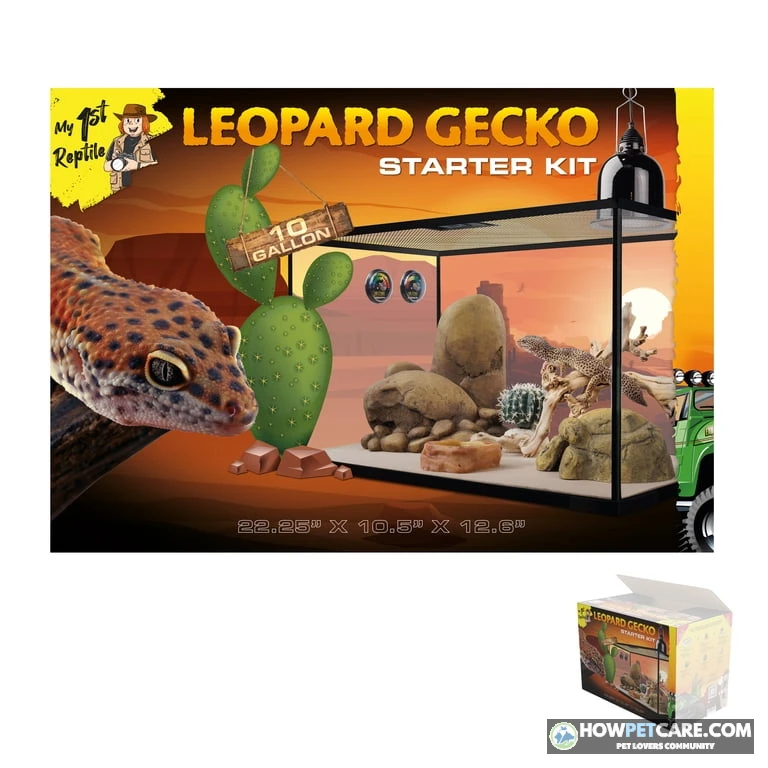
- Primary Enclosure: Glass terrarium with front-opening doors or an insulated PVC vivarium matched to the adult dimensions of your chosen species.
- Secure Screen or Solid Lid: Heavy-duty wire mesh that allows light and heat penetration without warping or allowing escape routes.
- Primary Heat Source: Overhead halogen flood lamp or deep ceramic heat emitter matched to your species’ thermal needs.
- Digital Dimming or Pulse Proportional Thermostat: An essential safety device that regulates heat output and prevents lethal overheating or electrical fires.
- Linear UVB Fixture and Bulb: A T5 HO linear tube fixture and bulb spanning roughly one-half to two-thirds of the enclosure length (where required).
- Digital Monitoring Instruments: Two digital thermometer probes (one for the warm side, one for the cool side) and at least one digital hygrometer. Don’t rely on analog stick-on dials.
- Infrared Non-Contact Temperature Gun: A tool for checking exact surface temperatures on basking rocks, slate, and substrate instantly.
- Hides and Décor: A minimum of two opaque hides (one warm, one cool), a designated humid hide, plus branches, cork bark, and fake foliage for security.
- Substrate: Species-appropriate bedding (paper towels or tile for quarantine; cypress mulch, coconut husk, or organic soil mixes for established setups).
- Water and Feeding Dishes: Shallow, heavy ceramic bowls that cannot be easily tipped over, plus non-puncture feeding tongs.
- Dietary Supplements: High-grade calcium carbonate without vitamin D3, calcium with vitamin D3, and a balanced multivitamin powder.
- Sanitization Supplies: Veterinary-grade disinfectant (such as chlorhexidine or F10SC) and dedicated cleaning sponges.
Budget setup vs properly equipped setup
You can assemble a functional habitat on a budget, but there’s a clear line between thrifty purchasing and dangerous cost-cutting.
A budget setup uses a basic glass aquarium with a secure screen clip lid, an overhead dome fixture, a standard on/off digital thermostat, basic plastic hides, paper towel substrate, and digital probe monitors. This setup keeps the animal completely safe and healthy while controlling upfront costs.
A properly equipped premium setup uses an insulated, front-opening PVC vivarium, dimming proportional thermostats, T5 HO linear UVB fixtures mounted internally with reflectors, naturalistic slate basking stones, deep bioactive-ready soil mixes, custom background ledges, and live plants. Front-opening enclosures greatly reduce handling stress because your hand doesn’t descend from above like an aerial predator.
Never cut corners on your thermostat, accurate digital monitoring tools, or linear UVB lighting. An unmanaged heating element can reach surface temperatures over 140°F in minutes, resulting in fatal thermal burns or house fires. Analog plastic dial thermometers sold in retail blister packs can be inaccurate by up to 10°F to 15°F. Inexpensive compact coil UVB bulbs emit narrow, inconsistent beams that fail to provide adequate radiation across the basking zone, predisposing your pet to Metabolic Bone Disease.
Monthly and first-year cost by species
The table below provides an itemized projection in United States dollars for common beginner reptiles throughout their first twelve months in your home.
| Species | Setup cost (budget tier) | Setup cost (properly equipped tier) | Monthly food and substrate | Monthly electricity (estimate) | Bulb and equipment replacement per year | Vet fund (recommended) | Estimated first-year total |
|---|---|---|---|---|---|---|---|
| Leopard gecko | $180-280 | $350-600 | $15-30 | $5-12 | $40-80 | $150-300 | $550-1,340 |
| Crested gecko | $220-350 | $450-800 | $20-35 | $3-8 | $30-70 | $150-300 | $650-1,500 |
| Bearded dragon | $350-600 | $800-1,500 | $40-80 | $15-35 | $120-220 | $200-400 | $1,500-3,000 |
| Corn snake | $250-450 | $600-1,100 | $15-35 | $8-20 | $50-100 | $150-300 | $700-1,800 |
| Ball python | $300-550 | $700-1,300 | $20-45 | $10-25 | $60-120 | $200-400 | $800-2,200 |
| Blue-tongue skink | $450-800 | $900-1,700 | $40-70 | $15-35 | $120-220 | $200-400 | $1,800-3,400 |
| Uromastyx | $500-900 | $1,000-1,900 | $25-55 | $25-50 | $150-260 | $200-400 | $2,100-4,200 |
| Aquatic turtle | $600-1,100 | $1,200-2,500 | $35-75 | $25-60 | $150-300 | $200-500 | $2,500-5,500 |

Alongside your equipment budget, establish a dedicated emergency veterinary fund of at least $250 to $400 before purchasing the animal; the annual vet fund amounts in the table above represent your yearly contribution toward that reserve. Standard exotic veterinarian intake examinations generally range between $80 and $150, with diagnostic fecal floats running $35 to $60 and imaging or bloodwork quickly exceeding $300.
Buying a secondhand terrarium or vivarium safely
Buying an enclosure secondhand through local marketplaces can cut startup costs by 40% to 60%. Used glass tanks, PVC vivariums, heavy resin rock bowls, and wood decor pieces are good candidates for secondhand purchase. Always choose your reptile species before buying an enclosure, because heat, height, and humidity needs differ drastically across families.
Thoroughly disinfect used items before they come into contact with your pet. Soak non-porous items in a 10% bleach solution or spray them with veterinary chlorhexidine, allowing a full 10-minute contact time before rinsing extensively with clean water. Bake natural driftwoods or cork bark in a kitchen oven at 220°F (105°C) for two hours to eradicate embedded mites, parasitic oocysts, and bacterial pathogens.
Never buy used electrical safety components or lighting: purchase thermostats, heat lamps, and UVB bulbs brand new. Used heating elements and thermostats present unknown failure risks, and used UVB bulbs may have lost all functional radiation output despite continuing to emit visible light.
How to Set Up a Reptile Enclosure: Size, Substrate, Heat, and Humidity
In herpetoculture, "husbandry" refers to the complete scientific practice of managing an animal’s environment, nutrition, and physiological wellness in captivity. Your goal isn’t to decorate a display case; it’s to build an artificial microclimate that meets the biological demands of an ectothermic animal.
Enclosure size and type: terrarium, vivarium, or tub
The terms "terrarium" and "vivarium" are often used interchangeably. Generally, a terrarium is an enclosed container built to house plants or small terrestrial animals, while a vivarium refers specifically to an environment designed with active life-support systems (heating, lighting, and humidity control) to sustain living reptiles long term.
Modern reptile husbandry strongly favors front-opening enclosures over traditional top-loading aquariums. Front-access doors allow calm, horizontal interactions that don’t trigger the predatory escape responses associated with overhead movement. Glass enclosures provide excellent visibility and work well for arid species, but they insulate poorly and allow humidity to escape rapidly through open top mesh screens. Insulated PVC enclosures hold both ambient heat and air moisture exceptionally well, making them a leading choice for tropical species like ball pythons and crested geckos.
Buy the adult minimum size immediately. Purchasing a small starter tank for a juvenile bearded dragon or corn snake wastes money, forcing you to buy duplicate fixtures, hides, and cages within eight to twelve months.
Building the temperature gradient and basking spot
Reptiles control their body temperature by moving between warm and cool areas, a process known as behavioral thermoregulation. If an entire enclosure sits at one uniform temperature, the animal can’t warm up to metabolize food or cool down to rest. You must establish a continuous thermal gradient across the horizontal length of the habitat.
Position all heating elements at one far end of the cage. This creates a focused warm zone with an elevated basking surface directly beneath the lamp, tapering down to an unheated cool zone at the opposite end. An adult bearded dragon needs a surface basking temperature between 100°F and 105°F, an ambient warm side of 85°F, and a cool side settling between 75°F and 80°F. At night, turn off overhead basking lamps to provide a natural nocturnal cool-down, allowing temperatures to decline to 70°F to 75°F. If your room drops below 65°F at night, maintain baseline temperatures using a lightless heat source governed by a thermostat.
Heat lamp, heat mat, or ceramic emitter: what each species needs
Different heating fixtures project heat into an enclosure through distinct wavelengths:
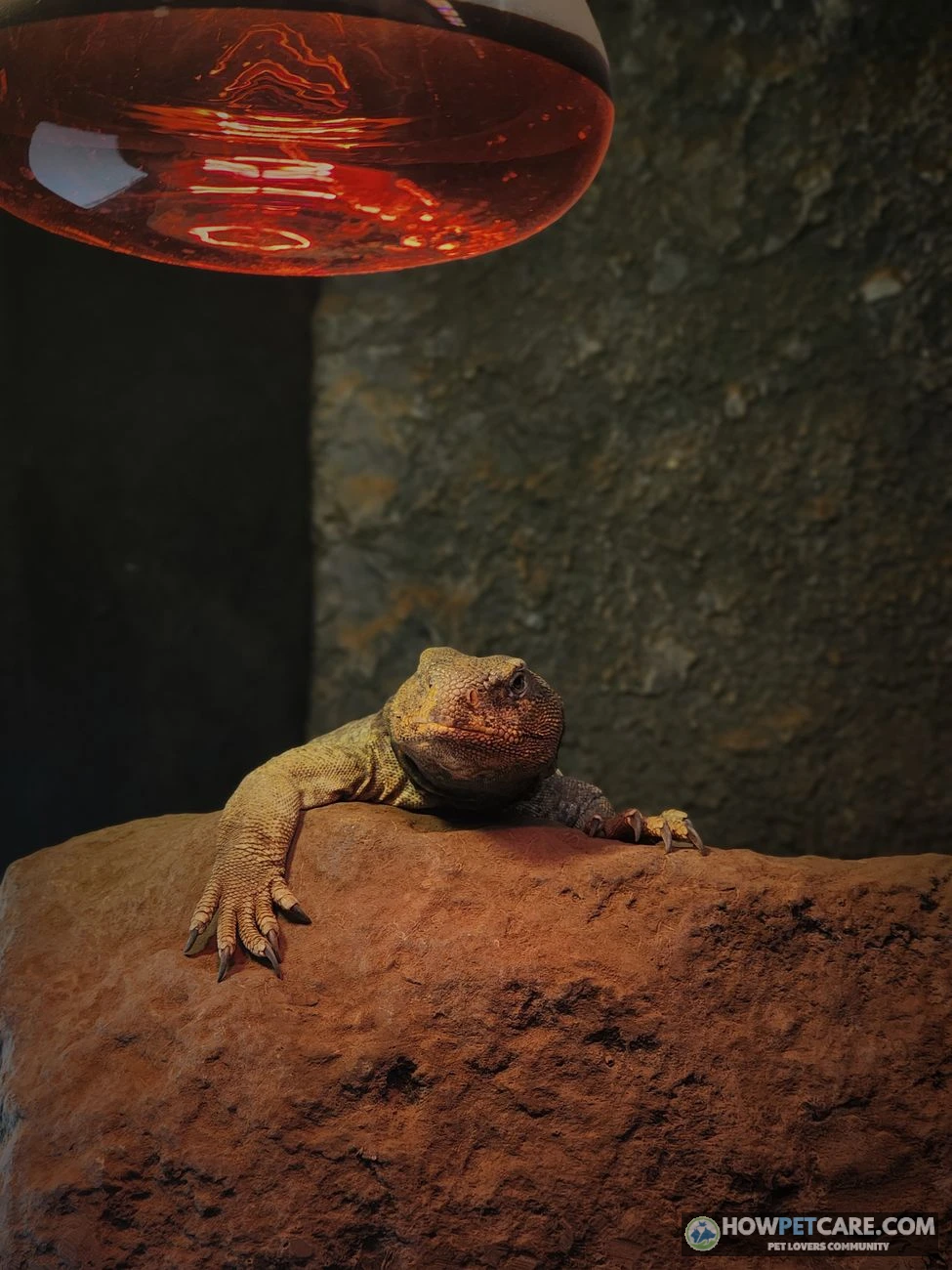
- Halogen Flood Lamps: Emit Infrared-A and Infrared-B radiation, which penetrates deep into animal muscle tissue in the same manner as natural sunlight. Halogens are the superior choice for daytime basking spots for bearded dragons, uromastyx, and diurnal lizards.
- Deep Blue or Ceramic Heat Emitters (CHEs): CHEs emit only lightless Infrared-C, making them poor tools for daytime basking surfaces. They’re ideal, however, for raising ambient background air temperatures and providing safe nocturnal warmth without disrupting day-night circadian rhythms.
- Under-Tank Heat Mats: Provide localized surface conduction heat. Once standard in the hobby, heat mats are increasingly being replaced by overhead fixtures because they don’t raise ambient air temperatures. If used for leopard geckos or nocturnal snakes, a heat mat must be connected to a thermostat with the probe taped directly to the heat element to prevent glass thermal cracking and belly burns.
- Radiant Heat Panels (RHPs): Mounted to the ceilings of large PVC vivariums, RHPs provide safe, diffuse ambient heat over large surfaces and serve as the industry standard for medium-to-large snake enclosures.
Every heating device in a reptile enclosure must be plugged directly into an operational thermostat. Unregulated heat mats can easily exceed 130°F, blistering snake bellies, while unmonitored ceramic emitters can overheat an entire enclosure to lethal levels within hours. Position the thermostat probe securely in the zone regulated by that specific heat source, and check it weekly to make sure the animal hasn’t dislodged it.
Humidity control with a hygrometer
Monitor humidity constantly with a reliable digital hygrometer. Arid species like bearded dragons and leopard geckos need low relative humidity (30% to 40%), which is easily maintained using open screen tops and dry substrates. Tropical species such as ball pythons need ambient humidity maintained continuously between 55% and 65%, rising to 75% to 80% when the animal enters a shed cycle. Maintaining tropical humidity in a screen-topped tank requires covering 70% of the mesh top with foil HVAC tape to block passive evaporation.
To increase humidity, pour water directly into the deep corners of moisture-retentive substrates (like coconut husk or cypress mulch) rather than constantly misting the top surface. Corner pouring saturates the bottom layers, providing steady, slow evaporation into the enclosure air while leaving the top substrate dry and preventing bacterial belly rot.
Every terrestrial reptile setup—regardless of species—benefits from a dedicated humid hide. Pack an enclosed plastic hide box with damp sphagnum moss and place it along the warm-to-neutral zone of the gradient. This provides a microclimate approaching 80% to 90% humidity where the reptile can retreat whenever it prepares to shed its skin.

Substrate, hides, and enrichment
Substrates must balance species safety, ease of cleaning, and opportunities for natural behavior:
- Quarantine and Beginner Substrates: Non-adhesive shelf liner, butcher paper, or plain paper towels are the safest choices for the first 60 to 90 days. Paper substrates make tracking fecal consistency and parasite shedding simple and eliminate any risk of ingestion.
- Arid Loose Substrates: For healthy adult leopard geckos and bearded dragons, a mix of 70% organic topsoil and 30% washed play sand offers natural burrowing capability. Avoid commercial calcium-based sands; these contain calcium carbonate that neutralizes stomach acid when swallowed, clumping internally into life-threatening intestinal impactions.
- Tropical Substrates: Milled coconut coir, cypress mulch, and fir bark blends hold humidity without rotting or promoting mold growth.
Install a minimum of two primary hides: one directly on the warm end and an identical hide on the cool end. If the two hides differ in size, texture, or security, the reptile may prioritize safety over thermal regulation, sitting in a cold hide to feel secure and compromising its digestive health. Add functional enrichment such as sturdy cork bark branches, non-toxic stone platforms (slate tiles provide exceptional thermal retention for basking), and artificial foliage that breaks sightlines, helping shy animals feel secure.
Run a 48-hour test before the animal comes home
Never buy a reptile and its habitat hardware on the same day. Assemble the full enclosure, install the substrate, fixtures, probes, and decor, and run all heating and lighting elements continuously for a minimum of 48 hours before the animal arrives.
Use this trial to monitor your temperature gradient via digital probe readouts, adjust thermostat setpoints, and verify surface basking zones with your infrared temperature gun. Test nighttime drops after the lights click off. Adjust air vents, misting levels, and water bowl positions until the habitat reliably settles into the target parameters without daily wild swings.
Reptile UVB Lighting: Do They Need It, Which Bulb, and When to Replace It
Artificial ultraviolet-B (UVB) light is a critical part of modern captive reptile care. In the wild, reptiles synthesize vitamin D3 in their skin through exposure to solar UVB radiation within the 290–320 nanometer spectrum. Vitamin D3 enables dietary calcium absorption through the gut wall. Without adequate UVB exposure or precise synthetic dietary D3 supplementation, reptiles develop Metabolic Bone Disease (MBD), a painful, debilitating, and frequently fatal condition marked by skeletal softening, tremors, curved spines, and fractured limbs.
Which beginner species need UVB (and which only benefit)
Diurnal lizards that naturally bask in open sunlight—such as bearded dragons, uromastyx, and blue-tongue skinks—have an absolute biological requirement for high-intensity UVB. If denied correct UVB lighting, bearded dragons will inevitably develop bone malformations regardless of dietary calcium intake.
Crepuscular and nocturnal species like leopard geckos, crested geckos, corn snakes, and ball pythons can survive in captivity without direct UVB, relying on precise synthetic dietary vitamin D3 supplementation to absorb calcium. However, veterinary research confirms that almost all captive reptiles benefit from access to low-level Ferguson Zone-appropriate UVB lighting. Gentle, low-output UVB stimulates natural daytime cryptic basking behaviors in nocturnal geckos and snakes, improves skin immune defense, sharpens daytime activity cycles, and supports hormonal balance.
T5 HO vs T8 vs compact UVB bulbs
UVB fixtures don’t all produce the same results. Understanding the three primary delivery technologies helps you choose the right hardware:
- T5 High Output (T5 HO) Linear Bulbs: The gold standard of herpetoculture. T5 HO tubes are slender (5/8 inch diameter), operate on modern electronic ballasts, and produce a powerful, uniform curtain of UVB radiation across wide distances. They project through open wire mesh screens effectively and maintain consistent output over long lifespans.
- T8 Linear Bulbs: An older generation of fluorescent tubes (1 inch diameter). T8s have limited operational projection distances (usually under 10 to 12 inches) and degrade rapidly when placed over wire screen lids. They are largely obsolete for medium and large vivariums.
- Compact Coil UVB Bulbs: Screw-in style fluorescent bulbs designed for standard dome fixtures. Compact coils project UVB in an intense, localized, narrow cone of radiation directly underneath the bulb glass, leaving the rest of the basking zone unexposed. They decay rapidly and have historically been linked to optical eye irritations when installed improperly. Avoid compact coils for any animal requiring moderate to high UVB levels.
UVB strength, distance, and photoperiod
Linear UVB bulbs are marketed under percentage ratings representing their total ultraviolet output relative to visible light:
- 5.0 / 6% Bulbs: Low-to-moderate output tubes designed for forest-dwelling, shade-dwelling, or crepuscular species like crested geckos, leopard geckos, and snakes. Position these bulbs roughly 10 to 15 inches above the animal’s resting surface.
- 10.0 / 12% to 14% Bulbs: High-output tubes engineered for desert species with significant basking requirements, including bearded dragons and uromastyx. Mount these fixtures 12 to 18 inches above the basking stone when shooting through a wire screen mesh, or 16 to 20 inches if suspended inside an enclosure without screen obstruction.
Always mount your linear UVB fixture directly overlapping your primary basking heat lamp. In nature, heat and light arrive simultaneously from the sun. An animal won’t receive UVB benefits if your basking heat source sits at the right end of the tank while your UVB bulb is mounted entirely on the left.
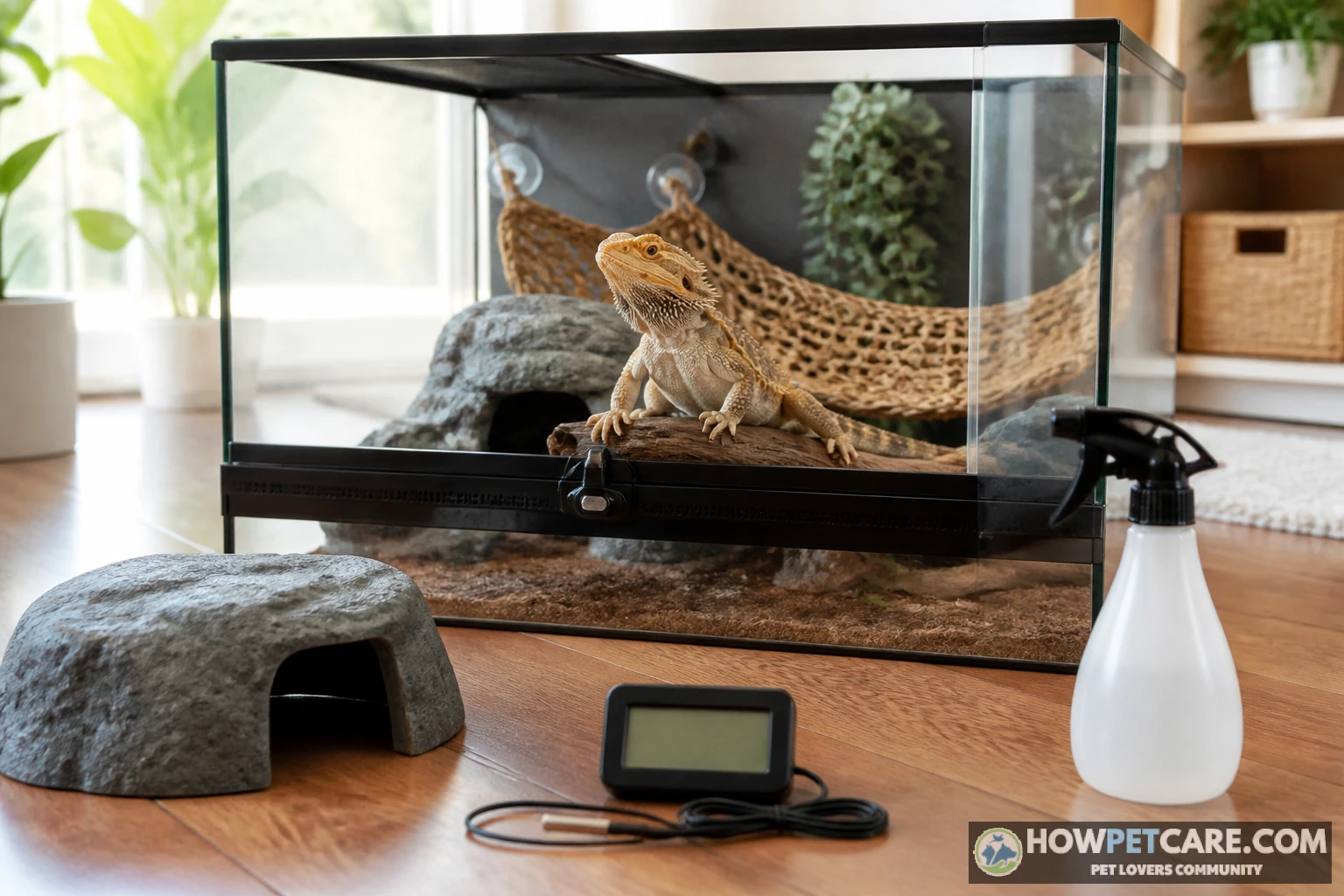
Run all terrarium lighting on a heavy-duty mechanical or digital timer to maintain a consistent 12-hour-on and 12-hour-off photoperiod. In winter months, you can adjust this schedule to 10 hours of light and 14 hours of darkness if you want to emulate subtle seasonal transitions.
Never place a UVB fixture on top of standard window glass, acrylic sheets, or solid plastic enclosure covers. Clear glass and plastic absorb virtually all UV wavelengths below 320 nanometers, blocking every trace of beneficial UVB radiation while allowing visible light through. UVB fixtures must sit over open wire screen mesh with at least 30% to 50% open space, or be mounted directly to the ceiling inside the habitat.
Why you must replace a bulb that still lights up
Fluorescent phosphors degrade under daily electrical operation long before the bulb’s visible light filament burns out. A linear tube can continue to illuminate your enclosure with bright white light for three years despite having ceased producing functional UVB radiation months earlier.
Follow a strict replacement schedule: replace standard T8 tubes every 6 months and high-output T5 HO bulbs every 12 months. When you install a fresh tube, write the operational end date directly onto the metal end-cap of the bulb with a permanent marker. The only way to track actual UV decline in real-time is by investing in a Solarmeter 6.5R ultraviolet index radiometer, an advanced tool used by experienced keepers to verify accurate Ferguson Zone gradients.
What to Feed a Pet Reptile: Schedules and Portion Sizes by Species and Age
Reptile diets fall into three primary categories: insectivores (consuming live invertebrates), carnivores (consuming whole vertebrate prey), and omnivores (consuming a balance of vegetation and animal protein). Offering the wrong food or sizing prey incorrectly can lead to chronic malnutrition, choking, digestive regurgitation, or severe intestinal impaction.
Feeding schedule by species and life stage
The table below outlines baseline prey selections, portion sizing rules, feeding frequencies, and dusting schedules across developmental life stages.
| Species | Life stage | Food type | Portion size | Frequency | Supplement schedule |
|---|---|---|---|---|---|
| Leopard gecko | Hatchling | Gut-loaded crickets, dubia roaches, small mealworms | 4-8 appropriately sized insects per feeding | Daily | Calcium without D3 on most feeds; calcium with D3 2x weekly if no UVB or 1x weekly with low UVB; multivitamin 1x weekly |
| Leopard gecko | Juvenile | Crickets, dubia, mealworms, occasional waxworm treat | 6-10 insects per feeding | Every other day | Same dusting pattern; reduce fatty treats |
| Leopard gecko | Adult | Staple roaches or crickets; occasional hornworm | 6-10 insects per feeding | 2-3x weekly | Calcium without D3 on most feeds; D3 according to UVB setup; multivitamin 1-2x monthly |
| Crested gecko | Hatchling | Prepared crested gecko diet plus tiny insects | Diet available nightly; 2-4 tiny insects | Diet daily; insects 2-3x weekly | CGD is usually complete; dust insects lightly when used |
| Crested gecko | Juvenile | Prepared crested gecko diet plus small roaches or crickets | Diet nightly; 4-6 insects | Diet daily; insects 1-2x weekly | Same as hatchling; avoid overusing fruit-only mixes |
| Crested gecko | Adult | Prepared crested gecko diet; insects optional | Fresh diet every 24-48 hours; 5-8 insects | Diet every 1-2 days; insects weekly | Insects lightly dusted; keep protein moderate |
| Bearded dragon | Hatchling | Small crickets or dubia plus finely chopped greens | 10-20 insects across 2-3 feedings; greens daily | Insects 2-3x daily; greens daily | Calcium without D3 daily; with D3 per UVB strength; multivitamin 2-3x weekly |
| Bearded dragon | Juvenile | Medium roaches or crickets plus chopped salad | 10-15 insects; greens portion about equal to insect volume | Insects 1-2x daily; greens daily | Calcium most days; multivitamin 1-2x weekly |
| Bearded dragon | Adult | Greens daily; roaches, crickets, occasional worms | Salad roughly size of head-to-body length; 8-12 insects | Greens daily; insects 2-3x weekly | Calcium on salads several times weekly; multivitamin weekly |
| Corn snake | Hatchling | Frozen-thawed pinky mice | 1 pinky, about same width as body | Every 5-7 days | No dusting needed with whole prey |
| Corn snake | Juvenile | Frozen-thawed fuzzy to small adult mice | 1 prey item about 10-15% body weight | Every 7-10 days | No dusting needed |
| Corn snake | Adult | Frozen-thawed adult mice | 1 prey item matched to widest girth | Every 10-14 days | No dusting needed; avoid oversized prey |
| Ball python | Hatchling | Frozen-thawed rat pups or small mice | 1 prey item about 10-15% body weight | Every 5-7 days | No dusting needed |
| Ball python | Juvenile | Frozen-thawed small rats | 1 prey item matched to girth | Every 7-10 days | No dusting needed |
| Ball python | Adult | Frozen-thawed medium rats | 1 prey item; not wider than widest body point | Every 14-21 days | No dusting needed; watch obesity |
Follow the sizing rules strictly: for insectivorous lizards, never offer an insect larger than the physical distance between the animal’s eyes. For snakes, select a rodent that is equal to or no more than 1.25 times the widest point of the snake’s mid-body girth.
Gut loading and calcium supplementation made simple
Feeder insects purchased from commercial bait suppliers or pet stores arrive with empty digestive tracts and poor mineral balance. If fed directly to your lizard, they supply little more than chitinous fiber and water. You must "gut load" all feeder insects 24 to 48 hours before offering them to your reptile.
Place your crickets, dubia roaches, or mealworms in a well-ventilated tub and feed them nutritious produce: sweet potatoes, squash, collard greens, carrots, and oats. The insects consume these foods, filling their digestive systems with bioavailable vitamins and minerals that transfer directly into your reptile during digestion.
In addition to gut loading, dust feeder insects with pharmaceutical-grade calcium carbonate powder using the "shake-and-bake" method: place your feeders in a plastic cup with a pinch of supplement powder and swirl gently until the insects wear a fine, light coating. Maintain two separate calcium jars:
- Pure Calcium (No Vitamin D3): Used for daily or frequent insect dusting when high-output UVB lighting is present.
- Calcium with Vitamin D3: Used once or twice weekly for enclosures lacking strong UVB, or once weekly as an insurance supplement under moderate lighting.
- Broad-Spectrum Herpetological Multivitamin: Dust once or twice monthly to deliver vitamin A, vitamin E, and trace minerals.
Avoid insects and greens with upside-down calcium-to-phosphorus ratios. High phosphorus binds with dietary calcium in the gut, blocking absorption. Staple greens like collard greens, mustard greens, turnip greens, and dandelion greens have naturally favorable calcium-rich profiles. Reserve spinach, Swiss chard, and beet greens for rare occasions or avoid them entirely, as their high oxalate content binds dietary calcium.
Safe greens, feeder insects, and frozen-thawed rodents
For omnivores like bearded dragons and skinks, build daily salads around staple leafy greens (collard, mustard, escarole, endive) mixed with shredded butternut squash, bell peppers, and zucchini. Never feed iceberg lettuce (it provides zero nutritional value and triggers diarrhea), avocados (toxic to reptiles), or rhubarb (lethal oxalates).
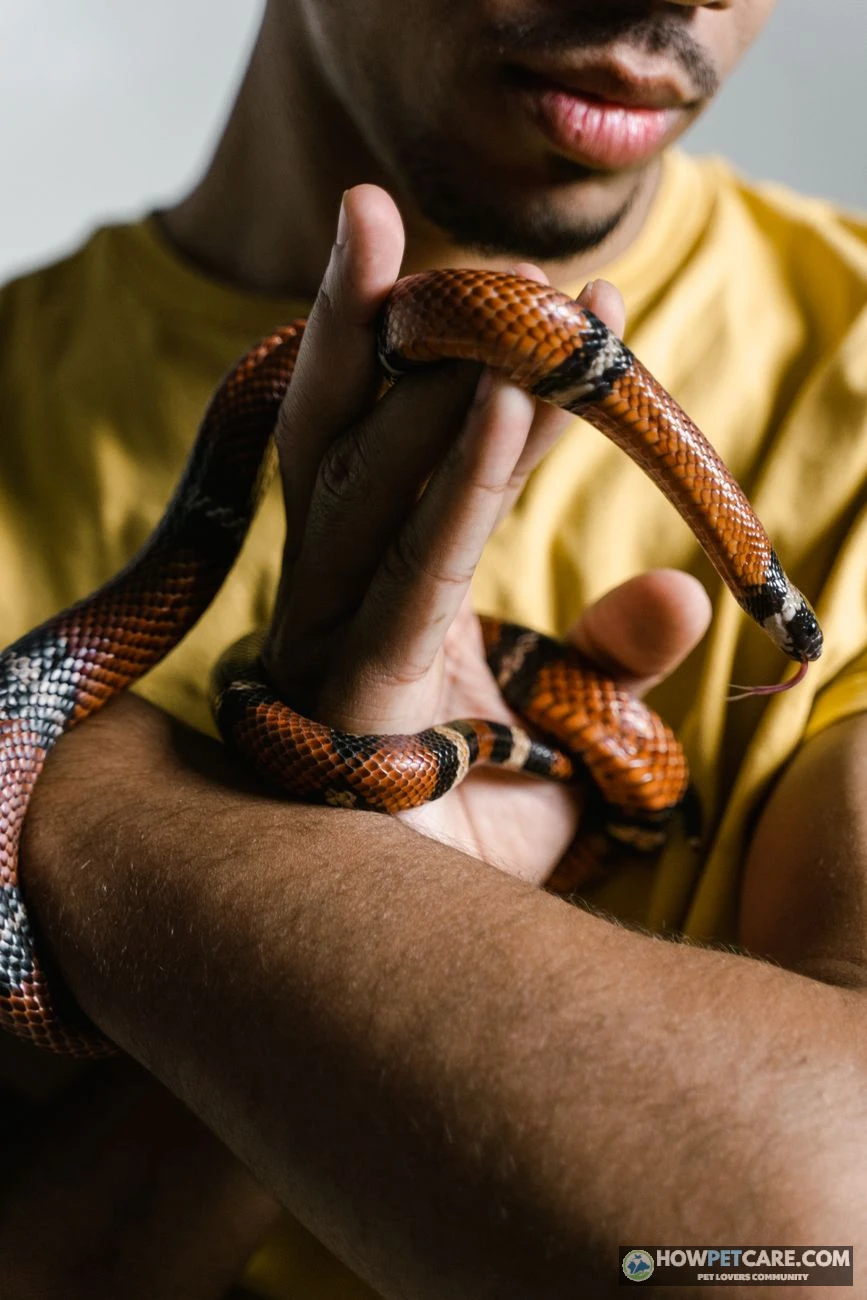
For carnivores, feed frozen-thawed rodents exclusively. Feeding live rodents introduces extreme risks: an uneaten rat or mouse left inside a tank will panic, attacking and chewing through the snake’s skin down to spinal bone within hours. Thaw frozen rodents thoroughly in cold water inside a sealed plastic bag, then submerge the bagged prey in hot tap water for 10 minutes until the rodent’s core reaches roughly 100°F. Offer the warm prey item using dull metal feeding tongs, wiggling it gently to simulate natural movement.
When a reptile refuses food
Reptiles are metabolically conservative and can go surprisingly long stretches without food, but sudden feeding strikes indicate an underlying issue. Work through this troubleshooting sequence:
- Verify Habitat Temperatures: Ectotherms need thermal energy to produce digestive enzymes. If your basking spot or warm zone has dropped by even 4°F to 5°F, the reptile’s natural instinct is to refuse food to prevent undigested prey from rotting in its stomach.
- Check Shedding Status: Reptiles preparing to shed enter an "opaque" or "blue" phase where a milky fluid separates old skin layers from new ones, clouding their vision. Snakes and geckos frequently refuse meals during this period because they feel vulnerable.
- Evaluate Recent Stress and Handling: Overhandling, moving an enclosure to a noisy room, or moving an animal into a new home causes acute stress that suppresses appetite.
- Inspect Prey Presentation: If feeding a snake, ensure the rodent’s head is warm (100°F to 105°F, verified with your infrared temp gun). Scenting prey or switching between mice and rats often resolves stubborn feeding strikes in ball pythons.
Bringing Your Reptile Home: Quarantine, the First 72 Hours, and Safe Handling
The transition into your home is the most vulnerable phase of a reptile’s captive life. Minimizing sensory overload and monitoring physiological baselines during acclimation protects both your new pet and any existing household animals.
How to quarantine a new reptile step by step
Quarantine is a critical biosecurity protocol designed to prevent the introduction of infectious mites, cryptosporidiosis, inclusion body disease (IBD), and internal parasites into a home collection.
-
Isolate in a separate room
House the new arrival in an isolated room physically separated from any other reptiles for a minimum of 60 to 90 days. Keep the door closed to limit airborne vector movement.
-
Establish dedicated husbandry tools
Assign a distinct set of tongs, feeding bowls, hooks, and cleaning buckets solely to the quarantine cage. Never share tools between enclosures without hospital-grade sterilization.
-
Use a sterile enclosure setup
Keep the habitat interior simple: use white paper towel substrate, smooth plastic hides, and heavy ceramic bowls. Avoid complex rock backgrounds or deep soil so you can spot mites or abnormal stools instantly.
-
Service quarantine enclosures last
Always service, feed, and mist your healthy, established animals first. Tend to the quarantine animal last, then thoroughly wash your hands and change clothes before interacting with other pets.
-
Conduct a veterinary baseline check
Collect a fresh fecal sample within the first three weeks and transport it to an exotics veterinarian for microscopic analysis to identify flagellates, pinworms, or coccidia.
The first 72 hours: acclimation timeline
Once you’ve placed your new reptile into its fully tested enclosure, secure the lid, step away, and don’t touch the animal for at least 72 hours. Resist the urge to show the pet to family or photograph it outside the tank.
Make sure fresh, dechlorinated water is accessible. Check digital temperature displays from outside the glass twice daily, ensuring the heating elements operate correctly. Don’t offer food on day one; digestion requires settled nerves and thermal security. Offer the first meal on day four or five. If the animal refuses, clear the food, wait three full days, and attempt feeding again without initiating handling.
How to handle a pet lizard or snake safely
Reptiles don’t crave affection in the mammalian sense; they build tolerance for handling through predictable, low-threat physical interactions. Begin handling only after the animal has fed consistently for two consecutive weeks.
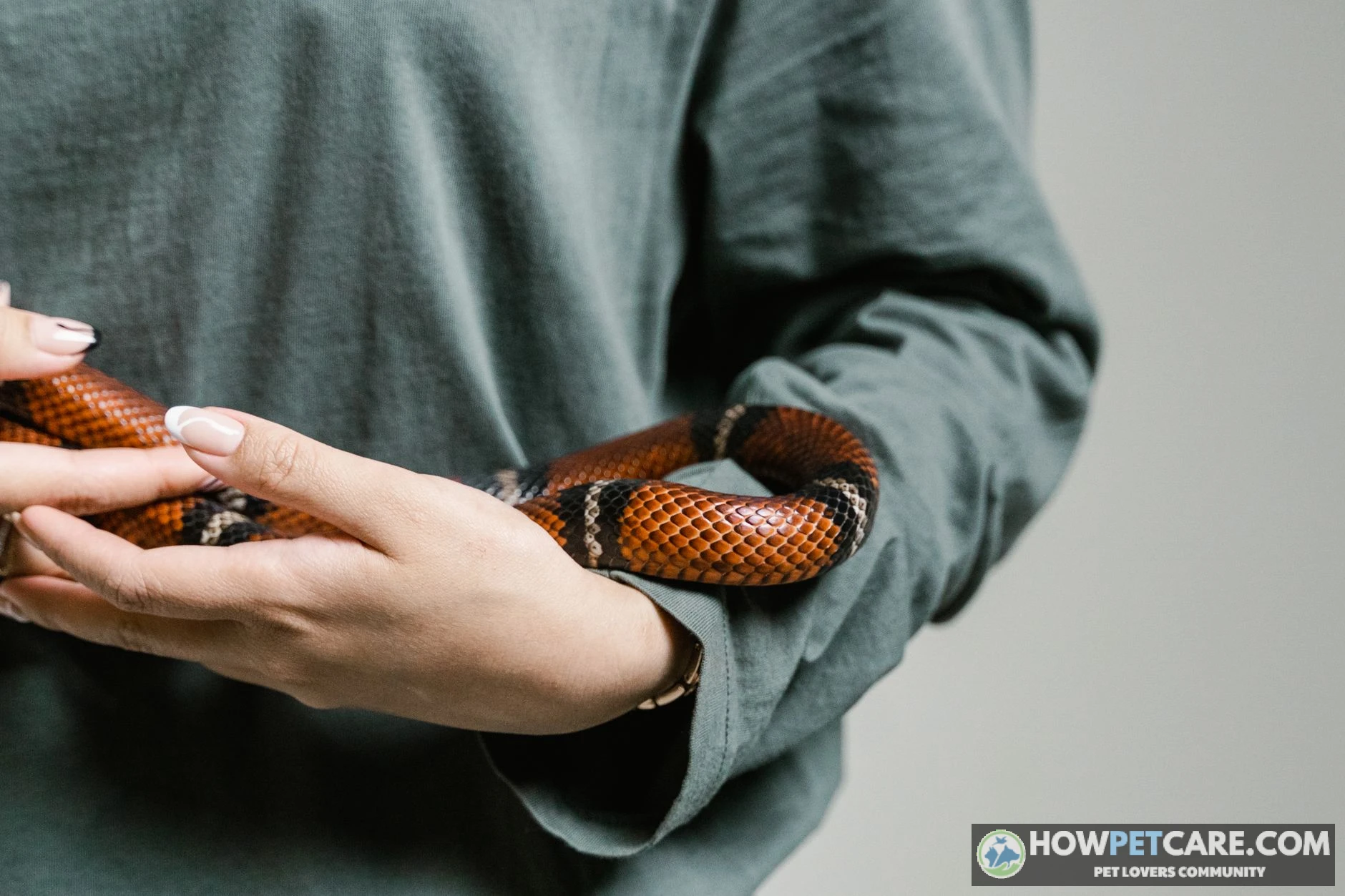
Start with short sessions lasting three to five minutes, two or three times weekly. Always approach the reptile calmly from the side with an open, confident hand. Never descend rapidly from above, which simulates the attack of an avian predator. For snakes, gently support the middle third of the body, allowing the snake to move freely through your fingers without gripping its head or restricting its movement. For lizards, scoop beneath the chest and belly, providing a secure perch for all four feet.
Learn to read species-specific stress signals: open-mouth hissing, tail rattling, rapid throat puffing (bearded dragons), or body flattening indicate that the animal feels threatened. If a lizard becomes highly defensive, don’t grab it by the tail; many species drop their tails via caudal autotomy as an anti-predator defense. While tails frequently regenerate, the new tissue is composed of cartilage rather than bone and demands immense physiological energy to regrow.
Never handle any reptile within 48 hours of eating. Physical compression of the stomach during this window frequently induces regurgitation, which strips the animal’s esophagus with stomach acid and creates life-threatening dehydration.
Salmonella and household safety
All reptiles and amphibians naturally harbor Salmonella bacteria in their intestinal tracts without exhibiting clinical illness. The bacteria are shed intermittently through feces and can contaminate the animal’s skin, cage fixtures, and surrounding habitat surfaces.
To keep your household safe, follow these hygiene practices:
- Wash your hands thoroughly with soap and warm water for at least 20 seconds immediately after touching your reptile or servicing its habitat.
- Never wash terrarium fixtures, water dishes, or cleaning sponges in the kitchen sink or food preparation areas. Use a dedicated utility sink, outdoors hose, or laundry basin.
- Don’t permit reptiles to roam freely across kitchen counters, dining tables, or furniture.
- Supervise children closely: children under the age of five, elderly individuals, and immunocompromised persons face elevated risks of severe salmonellosis and should not handle reptiles directly.
Daily, Weekly, and Monthly Reptile Care Routine, Including Cleaning and Disinfection
A predictable maintenance routine keeps husbandry conditions from degrading and helps you catch hardware failures before they harm your animal.
Daily and weekly care checklist
Divide ongoing responsibilities by frequency:
Daily Routine (3–5 minutes):
- Check digital thermometer displays: verify current basking, warm ambient, and cool ambient temperatures.
- Check digital hygrometer: confirm relative humidity levels fall within the target percentage range.
- Inspect water dish: dump, wipe, and refill with fresh dechlorinated water if dust, substrate, or urates are present.
- Spot-clean: remove visible fecal matter, urates, and shed skin using a dedicated scoop or paper towel.
- Check animal posture: verify the pet is alert and resting comfortably along the gradient.
Weekly Routine (15–20 minutes):
- Refresh humid hide moss: re-dampen or replace dried sphagnum moss inside the humid hide.
- Wipe front glass panels: clear away water spots or nose rubs with a damp microfiber cloth.
- Clean feeding dishes: soak food bowls in warm water with reptile-safe disinfectant.
- Weigh juvenile reptiles: record the animal’s weight in grams on a digital kitchen scale to track growth curves.
Monthly Routine (45–60 minutes):
- Deep-clean the habitat: transfer the reptile to a secure holding tub and perform a comprehensive substrate turnover.
- Calibrate and test equipment: inspect thermostat probe placement and check wiring for any signs of heat wear.
- Verify bulb operating lifespan: check your written installation date on linear UVB fixtures to plan replacements.
How to deep-clean and disinfect a reptile enclosure
Clean the enclosure thoroughly each month to prevent pathogens from accumulating.
First, relocate your reptile into a ventilated plastic holding container lined with clean paper towels and place it in a quiet, warm room. Switch off and unplug all overhead heating lamps and electrical fixtures. Strip out all used substrate and discard it in a trash bag. Remove every hide, branch, rock, and dish.
Scrub the bare enclosure floor, walls, and corners with hot water and mild unscented dish soap to remove organic bio-films. Rinse all soapy residues away with a clean, wet towel. Apply your chosen disinfectant evenly across all interior walls, glass, and non-porous surfaces, ensuring the surfaces stay visibly wet for the full manufacturer-recommended contact time (typically 10 minutes). Wipe the enclosure completely dry with fresh paper towels and open the doors for 15 to 30 minutes to let any residual vapors dissipate. Fill the enclosure with fresh, clean substrate, return the disinfected furnishings, verify the temperatures with your temp gun, and return your reptile to its home.

Reptile-safe disinfectants and what to avoid
Reptiles have sensitive respiratory systems that are especially vulnerable to volatile airborne chemicals. Use only veterinary-approved sanitizers:
- Chlorhexidine Gluconate (2% solution): A non-toxic, odorless veterinary disinfectant. Dilute roughly one ounce per gallon of clean water until the solution turns a light sky blue. Safe for non-porous decor, hides, and tank walls.
- F10SC Veterinary Disinfectant: A hospital-grade broad-spectrum compound that kills bacteria, fungi, viruses, and difficult spores without leaving harmful residues.
- Diluted Household Bleach: A 10% household bleach solution (one part bleach to nine parts water) provides effective sanitation, but requires complete rinsing with fresh water and hours of air-drying until all chlorine scent has evaporated.
Chemical Cleaners to Avoid: Never use cleaning agents containing phenols, pine oils (Pine-Sol), tea tree oil, or concentrated ammonia inside a reptile enclosure. Phenols and pine derivatives cannot be metabolized by a reptile’s liver, accumulating internally and resulting in toxic organ failure.
Reptile Health Problems: Shedding Issues, Warning Signs, and When to See an Exotics Vet
Because reptiles are prey animals in nature, their evolutionary instinct is to mask physical pain and signs of illness until their physiological reserves are exhausted. Spotting subtle warning signs early is essential to successful intervention.
Stuck shed (dysecdysis): what to do and what to avoid
Shedding (ecdysis) is the natural process of sloughing off the keratinized outer epidermis to allow for growth. A healthy snake sheds its skin in one continuous, complete tube from nose to tail tip. Lizards typically shed their skin in large, clean patches over several days. Incomplete or stuck shedding (dysecdysis) occurs when the enclosure lacks adequate ambient humidity, a humid hide is missing, or the animal suffers from systemic dehydration.
If your reptile has stuck shed along its back or flanks, provide a safe warm soak: place the animal in a shallow plastic tub containing lukewarm water (85°F to 88°F—never hot to human touch) filled only to the depth of the animal’s elbows or lower belly. Let the animal soak for 15 to 20 minutes under direct supervision. Afterward, allow the reptile to crawl through a warm, damp washcloth, applying gentle, passive pressure with your fingers to lift the softened skin away naturally.
Never use dry tweezers or your fingernails to pull dry, stuck shed forcefully from a lizard’s toes or a snake’s tail tip. Forcible peeling can strip underlying living tissue, leading to open wounds, severe infection, or complete loss of the toe. Never attempt to pry a retained eyecap (spectacle) off a snake’s eye using tweezers; you risk puncturing the delicate cornea, causing permanent blindness. If a retained eyecap does not resolve after two subsequent humidity cycles, have an exotic veterinarian address it.
Warning signs of illness to watch for
Inspect your pet weekly for these clinical warning signs:
- Respiratory Distress: Wheezing, audible clicking sounds while breathing, mucus bubbling from the nostrils, or open-mouth breathing while sitting at rest. These point directly to acute respiratory infection (RI), commonly triggered by keeping an animal in cold or inappropriately damp conditions.
- Mouth Rot (Infectious Stomatitis): Reddened, swollen gums, white cottage-cheese-like pus lining the jaw margin, or an inability to close the mouth flush.
- Metabolic Bone Disease (MBD): Bowed or swollen legs, a soft or rubbery lower jaw, muscle twitches in the toes, tremors when walking, or an inability to lift the body off the floor.
- Gastrointestinal Dysfunction: Repeated regurgitation of meals, watery foul-smelling diarrhea lasting over 48 hours, cloacal prolapse (pink internal tissue protruding from the vent), or severe weight loss coupled with a visible, protruding spine.
Home troubleshooting vs vet-now signs
Use this triage framework to decide whether to troubleshoot the environment at home or seek emergency veterinary care.
Check enclosure parameters first: warm-side, cool-side, night temperature, humidity, UVB bulb age, and last successful shed.Monitor at home for 24–72 hours while correcting husbandry if all are true:
- Refusing food but still bright, active, alert, and not losing visible body mass; an adult snake has missed meals for under 4 weeks, or an adult lizard has missed meals for under 1 week.
- Mild stuck shed on the main body trunk only after humidity has dipped; skin softens and comes off easily after a warm soak or humid hide visit.
- A single abnormal or loose stool immediately following a shift in diet, with normal behavior and energy returning within 48 hours.
- Brief sluggishness that correlates with a sudden cold snap in the room, resolving immediately once thermostat setpoints are corrected.
See an exotics vet within 48 hours if any are true:
- Retained eyecap, retained shed constricting toes or tail tips, or repeated stuck sheds despite proper humidity parameters.
- Complete food refusal coupled with measurable weight loss on a gram scale, or any juvenile animal refusing food for more than 2 weeks.
- Persistent watery diarrhea, bloody stools, or foul-smelling loose stool lasting more than 48 hours.
- Mouth redness, swelling, cheesy pus, bubbles at the nostrils, wheezing, or frequent open-mouth breathing.
- Swollen limbs, rubbery jaws, toe tremors, or inability to support body weight, signaling Metabolic Bone Disease.
- Any cloacal prolapse, thermal burn, bite wound, suspected egg-binding in females, or extreme dehydration that fails to improve after soaking.
This guide provides environmental husbandry education, not professional veterinary diagnostics. If your animal displays severe lethargy, trauma, respiratory distress, or cloacal prolapse, transport it immediately to a licensed exotic animal veterinarian. Never administer human pharmaceuticals or adjust prescribed medical dosages without veterinary direction.
How to find an exotics vet and what a visit costs
Standard small-animal veterinary practices primarily serve dogs and cats and rarely employ clinicians trained in herpetological medicine. Find an exotics clinician before bringing your reptile home. Consult established practitioner directories provided by the Association of Reptilian and Amphibian Veterinarians (ARAV) at arav.org to find accredited exotics specialists in your region.
Call prospective clinics directly and ask specific questions: "How many reptiles does your practice treat weekly?" and "Do you have an exotics specialist on staff, or a general practitioner who sees exotics?"
A routine exotic physical exam generally costs between $80 and $150. Diagnostic tests, such as fecal flotation checks for parasites, typically run $35 to $60. Full-body radiographs (X-rays) to detect impaction or egg binding range from $150 to $300, and emergency after-hours stabilization fees can exceed $250 before treatment begins.
Bring thorough documentation to the appointment: digital photographs of your enclosure setup, a log of your basking and cool temperatures, your UVB bulb model and installation date, your exact feeding and supplementation schedule, and a fresh stool sample stored in a sealed plastic bag.

Your Reptile Care Checklist: What to Do Before, During, and After Bringing One Home
Use this action plan to organize your transition into reptile keeping, from initial research through your first month of ownership.
Q1 Floor space I can dedicate forever: [A] under 3x2 ft  [B] 4x2 ft or more  [C] I can do water filtration and 75+ gal
Q2 First-year budget including vet fund: [A] under $900  [B] $900-2,000  [C] $2,000+
Q3 Handling and food tolerance: [A] I want handling and can feed insects  [B] I want occasional handling and can thaw rodents  [C] I want mostly display and precise environment
Q4 Commitment horizon: [A] under 12 years  [B] 12-20 years  [C] 20+ years
Scorecard Match Guide:
- Mostly Q1-A + Q2-A + Q3-A: Start with a leopard gecko. If you want a vertical setup that avoids live insects, select a crested gecko.
- Q1-B + Q2-B/C + Q3-A: Choose a bearded dragon if you want daily interaction and have room for a large cage; choose a blue-tongue skink if you want a larger lizard with an omnivorous, low-live-insect diet.
- Q3-B: Choose a corn snake for the most reliable first snake; consider a ball python only if you can hold steady tropical humidity (55% to 65%) and accept potential feeding strikes.
- Q3-C or Q1-C: Pause before buying. Uromastyx lizards demand extreme surface heat (120°F+) and high UVB, while aquatic turtles demand complex 100-gallon water filtration systems. Neither is recommended as a first reptile.
- Q4-C: Select a ball python or turtle only if you’re fully prepared for a multi-decade household commitment (20 to 30+ years).
Pre-purchase checklist
Complete these administrative and environmental tasks before purchasing an animal:
- ☐ Species selected using lifestyle, space, and budget criteria.
- ☐ Local exotic veterinarian identified, with emergency clinic contact numbers saved in your phone.
- ☐ Full-sized adult enclosure assembled and placed in a quiet area away from drafts and direct window sunlight.
- ☐ All heating fixtures installed and wired directly through a functioning digital thermostat.
- ☐ Linear T5 HO UVB fixture installed over the primary basking zone (if required by species).
- ☐ Minimum of two identical opaque hides placed on opposite ends of the temperature gradient, plus a humid hide.
- ☐ Digital probe thermometers and hygrometers positioned and verified.
- ☐ Enclosure test-run continuously for 48 hours, with stable gradient temperatures and humidity recorded.
- ☐ Feeder insect colony or frozen-thawed rodents secured, alongside pure calcium and multivitamin supplements.
- ☐ Quarantine space prepped with paper towels, simple furnishings, and dedicated cleaning supplies.
First-month action plan
Follow this schedule throughout your pet’s first thirty days:
- Days 1–3: Place the reptile directly into the enclosure. Don’t handle the animal. Refresh water daily. Observe baseline posture and check temperature probes twice daily.
- Days 4–7: Offer the first meal inside the enclosure. If the animal feeds, leave it alone to digest under basking heat. If it refuses, remove the food and wait three days before trying again. Continue zero handling.
- Week 2: Once the reptile is feeding reliably, weigh the animal on a digital gram scale to establish an initial growth baseline. Begin short, three-minute handling sessions inside the enclosure once or twice a week if the species permits.
- Week 3: Collect a fresh fecal deposit, store it in a cool sealed container, and bring it to your exotic veterinarian for a baseline parasite screening.
- Week 4: Conduct your first comprehensive enclosure spot-cleaning and substrate check. Assess initial growth, verify shed quality, and adjust thermostat setpoints if external room seasonal temperatures shift.
Common reptile care mistakes to avoid
Avoid these six husbandry errors that account for the vast majority of beginner reptile health issues:
- Operating Without a Thermostat: Never run a heat mat, ceramic emitter, or basking bulb directly from a wall outlet without thermostat control. Unregulated heat causes severe thermal burns.
- Using Compact Coil UVB Bulbs: Don’t rely on screw-in compact coil bulbs for species requiring significant UVB. Use linear T5 HO tubes to cover the entire basking zone evenly.
- Housing Young Lizards on Calcium Sand: Never use loose calcium sand beddings. Swallowed sand neutralizes stomach acid, clumping into lethal intestinal impactions.
- Offering Wrong-Sized Prey: Never feed lizards insects wider than the space between their eyes, or feed snakes rodents wider than their mid-body girth. Oversized meals cause choking and regurgitation.
- Excessive Handling During Week One: Don’t handle a new reptile during its first several days. Overhandling induces severe stress, shutting down the immune system and triggering feeding strikes.
- Cohabiting Solitary Species: Keep beginner reptiles housed singly. Bearded dragons, leopard geckos, and snakes don’t need cage companions; housing them together leads to territorial aggression, chronic stress, severe bite injuries, and competitive starvation.
1An adult bearded dragon requires a minimum enclosure size of 4x2x2 feet (120 gallons). If a keeper only has dedicated surface space on top of a bedroom dresser measuring 30 × 12 inches, which beginner-friendly lizard fits this specific footprint?
An adult leopard gecko thrives in a 20-gallon long or 30 × 12 × 12 inch enclosure, making it compatible with standard dresser dimensions.
2Which of the following setup and equipment choices are mandatory safety practices for preventing thermal injuries and monitoring habitat parameters accurately?
Unregulated heating devices can reach lethal surface temperatures over 130°F, causing severe belly burns or electrical fires.
3When selecting a daytime heat source for a diurnal desert lizard, why are halogen flood lamps superior to ceramic heat emitters (CHEs) for the primary basking zone?
Halogen lamps produce deep-penetrating Infrared-A and Infrared-B wavelengths that mimic natural solar basking energy, whereas CHEs produce only surface-level Infrared-C.
4A T5 HO linear UVB fluorescent light fixture in a desert terrarium still emits bright white light after 14 months of continuous daily use. Why must the bulb be replaced?
Fluorescent UV phosphors break down with daily use, losing beneficial UVB radiation output long before the visible light filament fails.
5When selecting frozen-thawed rodents for a pet snake, which sizing rule should be followed to prevent regurgitation or digestive injury?
Matching prey width to 1 to 1.25 times the snake's widest point allows comfortable ingestion and digestion without risking physical trauma or regurgitation.
6Which of the following species are considered poor choices for beginner reptile keepers due to massive adult size, intense stress reactions, or heavy maintenance requirements?
Green iguanas reach up to six feet in length, require custom room-sized enclosures, and often develop severe territorial aggression.
7A juvenile bearded dragon presents with rubbery lower jaw bones, swollen limbs, muscle twitches in the toes, and difficulty lifting its torso. What condition do these symptoms indicate?
Softened bones, rubbery jaws, swollen legs, and involuntary muscle tremors are classic signs of MBD caused by a lack of calcium absorption or UVB light.
8Why must clear glass or solid plastic covers never be installed directly underneath a linear UVB light fixture in a reptile enclosure?
Standard glass and clear plastic absorb nearly all ultraviolet-B radiation below 320 nanometers, preventing the animal from synthesizing vitamin D3 even though visible light passes through.
Use this reptile care guide to match the species to your space and budget, stabilize its thermal gradient before purchase, and maintain the daily care that can help it thrive for decades to come.
| Species | Adult Size | Minimum Enclosure Size | Basking/Warm-End Temperature | Humidity | Diet Type | Care Difficulty | Estimated First-Year Total Cost |
|---|---|---|---|---|---|---|---|
| Leopard gecko | 7–10 in | 20-gal long (30 times 12 times 12 in) | 88–92°F (surface) | 30–40% (plus humid hide) | Insectivore | Easy | $550–1,340 |
| Crested gecko | 7–9 in | 18 times 18 times 24 in (vertical) | 75–80°F (ambient, no hot basking spot) | 60–80% (with daily drying period) | Omnivore (prepared gecko diet plus insects) | Easy to Moderate | $650–1,500 |
| Corn snake | 3–5 ft | 40-gal breeder minimum (4 times 2 times 2 ft recommended) | 85–88°F | 40–60% | Carnivore (rodents) | Easy | $700–1,800 |
| Ball python | 4–5 ft | 4 times 2 times 2 ft | 88–92°F | 55–65% (70–80% during shed) | Carnivore (rodents) | Easy to Moderate | $800–2,200 |
| Bearded dragon | 18–24 in | 4 times 2 times 2 ft | 100–105°F (surface; juveniles up to 105–110°F) | 30–40% | Omnivore | Moderate | $1,500–3,000 |
| Blue-tongue skink | 18–24 in | 4 times 2 times 2 ft | 95–100°F (surface) | 40–60% (varies by species) | Omnivore | Moderate | $1,800–3,400 |
| Uromastyx | 10–16 in | 4 times 2 times 2 ft | 120–130°F (surface) | 20–35% | Herbivore (seeds and greens) | Hard | $2,100–4,200 |
| Aquatic turtle | 8–12 in (shell) | 75–125 gal tank plus dry basking dock | 85–95°F (basking platform); 75–80°F (water) | Water-managed | Omnivore | Hard | $2,500–5,500 |
FAQ
What is a reptile care sheet and where can I get one?
A care sheet is a one-page summary of a single species’ needs: temperatures, humidity, lighting, diet, and enclosure size. Reliable ones come from exotics vets, reputable breeders, and herpetological society or rescue websites. Cross-check any sheet against at least two sources, because quality varies.
What is the difference between a terrarium and a vivarium?
A terrarium is a general term for an enclosed reptile or plant habitat, and a vivarium usually means one that holds live animals, with heating and lighting built in. Many people use the two words interchangeably. What matters is that the enclosure is the right size, has secure ventilation, and suits the species’ heat and humidity needs.
Can I keep two reptiles in the same enclosure?
Generally no. Beginner species such as bearded dragons, leopard geckos, corn snakes, and ball pythons do best housed alone, because cohabiting animals compete for heat and food and can injure each other. Stress and illness can also go unnoticed in a shared enclosure.
Can I leave my reptile alone while I go on vacation?
Adult leopard geckos, corn snakes, and ball pythons can usually be left for a few days with a full water bowl and a stable thermostat-controlled setup. Bearded dragons need daily fresh greens and a working light schedule, so arrange a sitter for any trip longer than a day or two. Test the setup and write out instructions before you leave.
Do reptiles need heat at night?
Most beginner species tolerate a slight night drop with no basking lamp, but the room should not fall below the species’ minimum, which is higher for ball pythons than for bearded dragons. If room temperature drops below that minimum, use a heat source on a thermostat that gives off no light, such as a ceramic heat emitter or radiant heat panel.