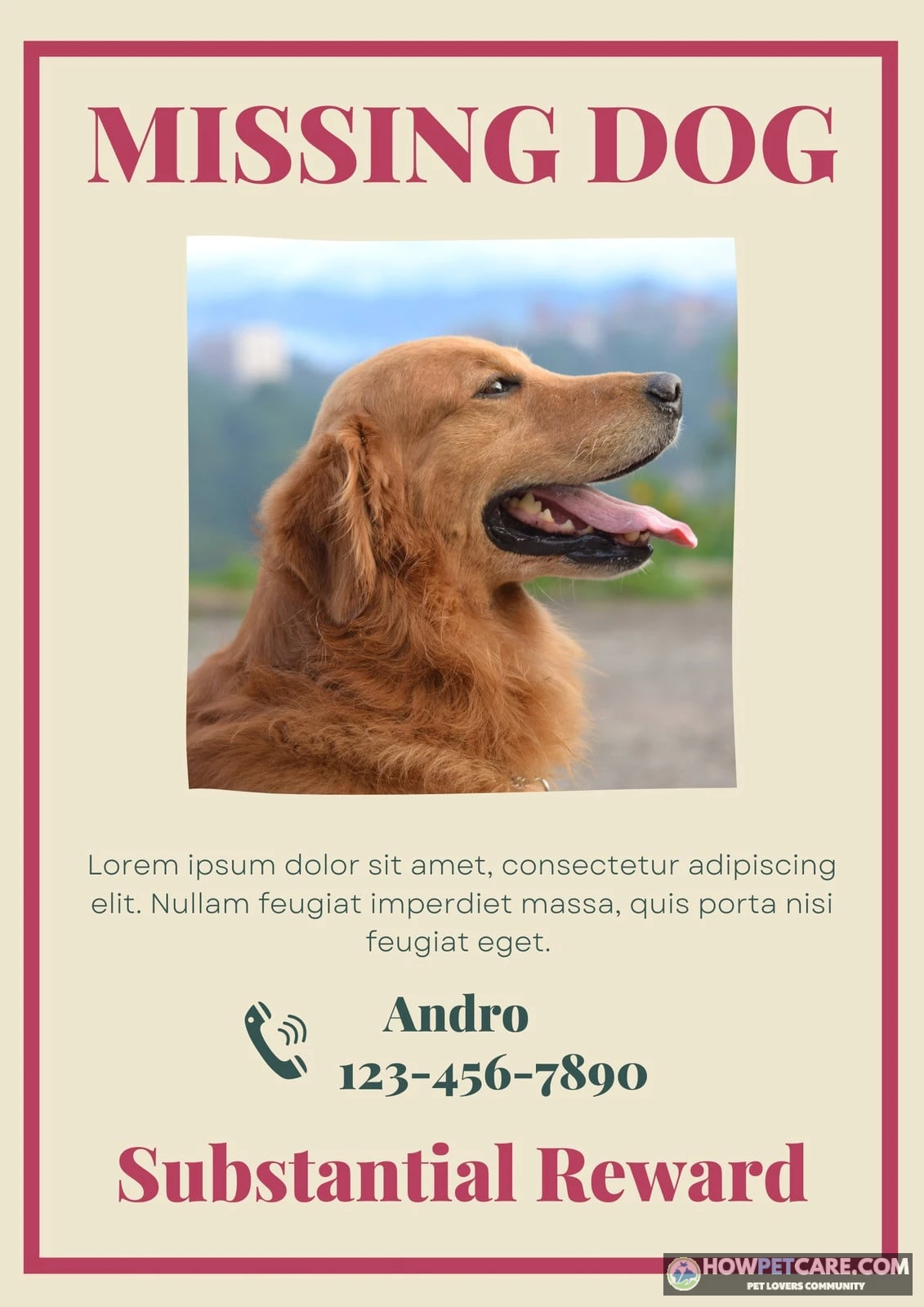

If your pet goes missing, act immediately and work in this order:
- Search your home and property first — check small hiding places, call softly, then pause and listen.
- Call animal control, the nearest shelter, your veterinarian, and the microchip registry with a description and photo.
- Canvass neighbors with a recent photo; ask them to check garages, sheds, porches, and cameras.
- Post flyers and alerts on lost-pet platforms and local groups with one callback number.
- Revisit shelters in person every day or two and keep logging and acting on sightings into week one.
Start by searching your home and property, including small hiding places, while someone gathers a recent photo. Call calmly, then pause to listen. Ask a family member or friend to contact animal control, nearby shelters, and your veterinarian. If you’re wondering how to find a lost pet, start now rather than waiting for them to return on their own.
If someone can help, divide the work: one person can search nearby while another makes calls and prepares an alert. The plan below covers the first hour through the first week, with separate tactics for dogs, cats, and other pets.
The First Hour: What to Do Right Now When Your Pet Goes Missing
Clear your home and property (10 minutes)
Set a timer for an initial sweep, but keep checking places you can’t clear quickly. Your pet may be hiding indoors, even if you think they escaped.
- Check inside first. Look under beds, in closets, behind furniture, and in other dark, tight spaces. Check appliances before operating them, and inspect accessible vents without dismantling anything unsafe.
- Search the property. Look under decks and porches, in sheds and shrubs, around vehicles, and in window wells. Carefully check the engine bay before starting a vehicle.
- Use familiar sounds. Call softly and shake a treat container or food dish. Then stop and listen. A frightened animal may remain silent.
- Prepare a return point. If it’s safe and someone can monitor it, leave an access point open with familiar bedding inside. Don’t leave an unsecured opening if it could endanger other animals or people.
- Keep someone reachable. Ask a helper to stay home or monitor your phone while others search. Save a clear, recent photo to your phone.

Make the first three phone calls
Call local animal control, the nearest animal shelter, and your veterinarian. Give each a description of your pet, a photo if accepted, the escape location, the time last seen, and a phone number you’ll answer. Ask which other agencies serve your address and where animals found nearby are taken.
Next, contact the microchip registry to report your pet missing and confirm your phone number and email. If you don’t know the registry, the microchip section below explains how to find it. Contact nearby emergency veterinary hospitals and other shelters as soon as you can.
What not to do in the first hour
Don’t chase a frightened pet or organize a shouting search party around a hiding place. Don’t assume a collar guarantees a call or that a microchip sends you a location. Avoid waiting until morning to file reports: use after-hours voicemail or online forms where available, then follow up when offices open.
Stop, keep your voice low, and don’t rush toward them. Ask others to give your pet space while you work out a safe way to bring them in.
Hours 1–24: Canvass, Report, and Spread the Word
Neighborhood canvass script and route
Start at the escape point and work outward, keeping track of the streets and properties you’ve checked. Show neighbors the photo and ask permission to inspect likely hiding places, including garages, sheds, porches, and dense shrubs. Ask delivery drivers and other people working nearby if they’ve seen your pet.
Try: “My cat is missing from the corner of Oak and Pine. Could you check your garage and under your porch? If you see her, please call or text me and don’t chase her.” Give people your number and ask for the exact location and time of any sighting.
For a dog, send a helper to check credible sightings promptly while someone else continues the local search. Keep a simple log of who reported what, where, and when. A direction of travel is more useful than an unconfirmed “seen nearby.”
Searching at night safely
Search quiet streets and hiding places with a flashlight. Watch for eyeshine and listen between calls. Move slowly and speak calmly rather than shouting. Bring another person, wear visible clothing near traffic, and get permission before entering private property. Don’t crawl into unstable spaces or put your hands where you can’t see.

Day-one reporting checklist
- Hours 1–6: Search and canvass the closest properties. File lost-pet reports with animal control and shelters serving the escape area, and ask how to submit a photo. Post an alert in a local neighborhood channel.
- Hours 6–12: Expand the search, contact additional shelters and veterinary clinics, and post clear flyers where permitted. Add your pet to lost-pet search platforms.
- Hours 12–24: Follow up on reports, search again when the area is quieter, and check shelter intake listings. Review new sightings and plan the next search around their locations. If your pet is still missing, keep the cycle going into day two with fresh canvass rounds and updated alerts.
When possible, visit shelters in person rather than relying only on a description over the phone. Ask about their procedures before traveling.
Lost Dog vs. Lost Cat: Different Search Strategies and How Far They Travel
How to find a lost dog in the first 48 hours
Start near the escape point, then widen your search along accessible routes and around reported sightings. A dog can move beyond the immediate neighborhood, so a helper on a bike or in a car can cover routes a walking searcher can’t. Search safely; don’t stop in traffic.
For a skittish dog, include “Call or text—do not chase” on alerts. Record each sighting on a map with its time and direction. Revisit the most recent credible location, ask nearby residents to check cameras, and coordinate searchers so they don’t surround or pursue the dog. If you see your dog, turn partly sideways, lower yourself, speak softly, and offer food without advancing.

How to find a lost cat in your neighborhood
Begin with a slow, close search of your property and, with permission, neighboring yards. Check under porches and vehicles, inside sheds and garages, and in thick vegetation. Search again when it’s quiet; a hiding cat may not respond to its name.
Ask neighbors to check enclosed spaces before closing them, rather than just looking out of a window. If your cat normally goes outdoors, include familiar routes and places where neighbors have seen them before; the reasons cats run away can point you toward likely cover.
| Factor | Lost dog | Cat accustomed to outdoors | Indoor-only cat |
|---|---|---|---|
| Starting area | Escape point, then routes and credible sightings | Home, nearby hiding places, and familiar territory | Escape point and nearby hiding places |
| Search method | Walking and vehicle loops; map sightings | Walk, listen, and ask neighbors to check enclosed spaces | Slow, close inspection; repeat when quiet |
| If spotted | Avoid pursuit; offer food and space | Approach calmly; don’t block the only exit | Stay quiet; allow space and consider a camera or trap |
| Useful next step | Ask for camera footage along the reported route | Recheck sheds, garages, and known routes | Seek help with a camera or humane trap if too frightened to approach |

What the distance and recovery data actually say
No reliable distance can tell you where an individual pet must be. Start close because frightened animals may hide nearby, especially in the first hours, but expand or redirect the search when evidence points elsewhere. There is no dependable recovery percentage or typical travel distance that fits every dog or cat — and neither would predict what happened to your pet.
How to Find a Lost Indoor Cat That Escaped
An indoor cat in unfamiliar surroundings may hide rather than approach. Start at the exit and carefully check the nearest cover: under porches, in dense shrubs, window wells, crawl-space entrances, and neighboring garages. Search a few houses outward, but don’t treat that as a maximum distance.
The litter-box scent trick, step by step
Familiar scents may be worth trying, but a used litter box isn’t a proven way to bring a cat home. It can also attract other animals. Bedding or an unwashed shirt placed in a sheltered, monitored location is a more controlled first option.
- Put familiar bedding near the escape point, where it will stay dry and you can watch it.
- If it’s safe and permitted, offer a small amount of warmed wet food or another familiar, strong-smelling food at a time when you can monitor it.
- Watch quietly from a distance or use a camera. Remove uneaten food rather than leaving it out indefinitely.
- If you try the used litter box, monitor the area and remove it if it attracts wildlife or creates a problem for neighbors.

The “search close first” rule
At dusk or after dark, use a flashlight to inspect hiding spaces and look for eyeshine. Call softly, then wait and listen. Ask neighbors to check garages, sheds, and basements and review doorbell footage. If you see your cat but can’t approach, or a thorough search produces no sightings, contact a shelter or rescue about a camera or humane trap. Don’t wait for a fixed deadline if your cat is in immediate danger.
Escalation: Humane Traps, Trail Cameras, and Scent Lures for Frightened Pets
A camera can show whether your pet is visiting a location and when. A humane trap may be appropriate for a cat or small pet that’s present but too frightened to approach. Before setting one, ask an animal shelter or experienced rescue for equipment, instruction, and any local rules.
Trail camera and feeding station setup
With the property owner’s permission, choose a sheltered location near a credible sighting or the escape point. Aim a trail or night-vision camera at the approach to a small food station, not just at the food itself. Test its view and check images on a schedule. Familiar bedding may help establish a recognizable spot, but neither bedding nor food guarantees a return.

Avoid leaving food where it exposes your pet to traffic or attracts wildlife. If other animals visit, change the plan with a local rescue rather than assuming every visit is your pet.
Humane trap step by step
-
Get the right trap
Borrow an appropriately sized humane trap from a shelter or rescue and ask for a demonstration, loan terms, and local requirements.
-
Choose a safe site
With permission, place it on level ground in a sheltered location, away from traffic, direct sun, and hazards.
-
Introduce the trap
If the rescue advises it, secure the door fully open and place food inside so your pet can enter and leave while getting used to it.
-
Set and monitor
Follow the lender’s instructions for baiting and setting it. Stay close enough to monitor it continuously and respond immediately when it closes.
-
Handle a capture safely
Approach calmly, cover the trap with a breathable towel, and contact the rescue or veterinarian for handling instructions. Keep your hands away from the openings.
Never leave a set trap unattended, including overnight. Don’t set it in extreme heat, cold, heavy rain, or other unsafe weather. A trapped animal can be injured or distressed, and an unintended animal may also enter. Don’t open a trap outdoors unless a trained person directs you to do so safely.
Before setting a trap, arrange a secure room or carrier. Know whom you’ll call if the animal is injured, isn’t your pet, or needs help transferring safely.
When to bring in professional help
Ask a rescue for advice as soon as a frightened pet is seen but repeatedly avoids capture. Consider a reputable pet-recovery specialist if sightings are difficult to interpret or a safe capture requires skills you don’t have. Ask for references, a written scope, equipment and animal-welfare practices, and a clear fee schedule. Avoid anyone who guarantees a reunion or pressures you to pay immediately. Verify the business independently before agreeing to any deposit.
Digital Tools Compared: Petco Love Lost, PawBoost, Nextdoor, Facebook Groups, and Microchip Lookups
Which tool for which situation
Use a photo-matching service and at least one active local channel alongside shelter reports. Features, reach, and prices can change, so check the current terms before paying.
| Tool | What it does | Best for | Cost | Limitations | When to use it |
|---|---|---|---|---|---|
| Petco Love Lost | Uses photo matching to help compare lost and found pet listings | A pet that may have been found or brought to a participating shelter | Free search and listing | Can’t search every shelter or guarantee a match | Day one; upload clear photos and check for matches |
| PawBoost | Shares lost-pet alerts and offers optional promotion | Reaching people beyond your own contacts | Free listing; optional paid features | Local reach and paid options vary | Day one; review any promotion terms before buying |
| Nextdoor | Shares a post with a local neighborhood audience | Nearby sightings and requests for camera checks | Free basic use | Only reaches people using the service in the relevant area | First few hours |
| Local lost-pet Facebook groups | Lets community members share alerts and sightings | Areas with active local groups | Generally free | Posts can be missed or buried; group rules differ | Day one; update the original post |
| Ring Neighbors and doorbell footage | Helps neighbors share local information or review camera clips | Establishing a possible direction and time of travel | Basic options may be free; equipment and services vary | Depends on available footage and participating neighbors | After an escape or sighting, request the relevant time window |

A platform alert doesn’t replace a report to animal control or a shelter visit. Use the same callback number and identifying description across every post—including social media and local lost-pet groups—and correct outdated sightings so volunteers don’t search the wrong place.
How to check and update your microchip registration
A microchip is an identification chip, not a GPS tracker. Someone must scan your pet and use the registration information to contact you.
- Find the chip number on adoption paperwork, veterinary records, or a previous registration email. If you can’t find it, ask your veterinarian or the shelter that placed the chip to check their records.
- Use the American Animal Hospital Association’s Universal Pet Microchip Lookup Tool to identify participating registries associated with the number. The lookup doesn’t itself display the owner’s private contact information.
- Contact the registry or registries identified, sign in or call, and confirm your phone numbers, email, and mailing address. Ask how to flag your pet as missing.
- If no registry appears, contact the chip manufacturer or the veterinary practice for help identifying the next step. Keep searching and filing reports while you resolve registration.

A collar and ID tags can help a finder contact you directly, but a missing pet may lose a collar or be found without one.
If your pet has a GPS tracker
Check the tracker’s app immediately for its latest location and timestamp. A GPS pet tracker can be more actionable than a chip, but a location may be old or inaccurate. Battery life and coverage can also limit updates. Approach cautiously: the collar could have come off, and your pet may move before you arrive.
Lost Pet Flyers That Work: Required Fields, Layout, and a Template
Flyer template: fields in order
Use a large, clear color photo and a bold heading. Include the last-seen intersection rather than your home address. Describe your pet accurately, but keep one identifying detail private so you can screen callers.
LOST [DOG / CAT / OTHER PET]

[LARGE, CLEAR COLOR PHOTO]

Name: [optional]
Breed or description: [breed or closest description]
Color and visible markings: [leave one detail private]
Size: [approximate weight or height]
Last seen: [street and nearest cross street]
Date last seen: [month/day]

CALL OR TEXT: [phone number]
[DO NOT CHASE, if appropriate]
[REWARD OFFERED, if you choose]
Make the heading and phone number easy to read from a distance. Repeat the number on tear-off tabs if useful. Protect flyers from rain, and ask permission before posting at veterinary offices, groomers, pet stores, and other businesses. Check local sign rules and postal restrictions before posting on public property or mailboxes.
QR code and online flyer tip
A QR code is optional, not a substitute for a readable phone number. Link it to a public page with additional photos and current information:
- Create an accessible lost-pet listing or public post and copy its address.
- Use a QR-code generator to create an image and place it in a bottom corner of the flyer.
- Test the printed code with another phone, including one that isn’t signed in to your account.
- Keep the destination page available and update it as the search changes.

Shelters, Stray Holds, and Reclaim Logistics: Deadlines, Fees, and What to Bring
Report the loss to municipal animal control, city and county shelters, nearby humane societies, and relevant rescues. Ask which facilities take animals found in neighboring jurisdictions. A pet found across a boundary may be taken somewhere other than your nearest shelter. Call veterinary clinics and emergency hospitals too.
Check listings daily and, where the facility permits, visit every day or two. Descriptions and photos may not match how you describe your pet, so ask to see animals that could be a match, including those in areas not shown online. Bring a photo and ask staff how often to return.
What to bring to the shelter
Ask the facility what it accepts before you go. Useful items include:
- Government-issued photo identification.
- Veterinary records, adoption or purchase paperwork, license records, or microchip registration details.
- Photos of you with your pet and photos showing distinctive markings.
- Vaccination records, if requested.
- A secure leash and collar, or an appropriate carrier, plus a way to pay any required fees.

If staff can’t confirm a possible match by phone, ask whether they can share a photo or intake description and whether you can visit to identify the animal. Ask what to do if your name or address differs across documents.
Understanding stray-hold timing and fees
A stray hold is the period an agency keeps a found animal before it may be eligible for another outcome under applicable rules. Holds may be only a few days, though some jurisdictions keep animals longer; the exact deadline, exceptions, and procedures vary by jurisdiction and facility. Ask exactly when the hold starts and ends, whether identification changes the process, and what happens afterward. Don’t assume an online report extends the deadline.
Reclaim costs can include impoundment, boarding, licensing, vaccination, or other charges. Fee amounts vary widely by jurisdiction and facility, so ask for the current itemized fee schedule, what documents are required, and whether a waiver, payment plan, or first-time policy is available.
Rewards, Scams, and Suspected Theft: How to Verify a Finder Safely
Reward decision guide
A reward is optional. It may encourage some people to pay attention, but it can also attract fraudulent messages. If you decide to offer one, “reward offered” without a dollar amount gives you flexibility. Avoid promising money you can’t pay, and don’t send a reward before verifying and recovering your pet.
Red flags in finder messages
Ask a caller for a current photo or short video, where and when the animal was found, and a description of the detail you left off the flyer. Don’t supply that detail first. A genuine finder may not be able to photograph or transport an animal immediately, so use several checks rather than treating any single answer as proof.
Propose meeting at a veterinarian’s office or shelter, where staff may be able to scan a microchip. Confirm the location and its hours independently. Meet in daylight, bring a friend, and choose a public place. A police-station lobby may be an option if the station permits it.
Be wary of advance shipping or treatment demands, gift cards, wire transfers, and requests for a verification code sent to your phone. Don’t share account codes or pay a stranger before verifying and recovering your pet.
Report suspicious messages to the platform and, in the United States, to the Federal Trade Commission through ReportFraud. Keep screenshots and contact details.
If a finder won’t return your pet
Stay calm and avoid trespassing, threats, or attempting a confrontation. Preserve messages, sightings, and proof of ownership; notify animal control, the microchip registry, and local shelters. If you suspect theft or can’t resolve a refusal, make a police report and ask an attorney or local legal-aid organization about the rules and options in your jurisdiction. A microchip record is useful evidence but isn’t necessarily the only proof of ownership.
Week One and Beyond: Your Ongoing Recovery Checklist (Plus Birds, Rabbits, and Reptiles)
Week-one checklist
Keep one person responsible for updating the sighting log and answering calls. Refresh damaged flyers, recheck online found-pet listings, and tell helpers when a lead has been ruled out. Revisit shelters according to their instructions and continue checking the microchip contact information.
| Time window | Priority actions | Dog-specific tactics | Cat-specific tactics | Done? |
|---|---|---|---|---|
| First hour | Clear home and property; gather photo; call animal control, shelter, vet, and chip registry | Search nearby routes; don’t chase | Inspect small hiding spaces; pause and listen | ☐ |
| First 24–48 hours | Canvass; file reports; post alerts and flyers; follow sightings | Map sightings and widen routes as evidence warrants | Recheck nearby cover and enclosed spaces; search quietly | ☐ |
| Week one and beyond | Revisit shelters; refresh posts and flyers; review camera and sighting logs | Re-canvass around recent credible sightings | Consider rescue-assisted camera or humane trap if needed | ☐ |
Lost birds, rabbits, and reptiles
Birds: Look up as well as out. Check trees, roofs, and ledges near the escape point. Use familiar calls and let neighbors and local bird groups know. If it’s safe, place the bird’s familiar cage and food where it can be monitored, but don’t leave a companion bird exposed as a lure. Ask an avian veterinarian or rescue for capture advice before attempting a risky climb.
Rabbits: Search low, sheltered spaces close to the escape point, including under decks and in thick vegetation. Move quietly and avoid chasing. Ask a rabbit rescue about a species-appropriate humane trap and continuous monitoring if the rabbit won’t approach.
Reptiles: Check protected, warm places appropriate to the species, including around—but not inside operating—appliances and in sheltered outdoor spots. Ask a reptile veterinarian or experienced rescue about safe containment. Don’t use glue traps or a trap that could overheat or injure the animal.

Prevention in brief
Once your pet is home and safe, arrange veterinary care if needed. Confirm that microchip registration and contact details are current, replace missing collar and ID tags where appropriate, and save a recent clear photo. Then close out the search: notify shelters and helpers, update online posts, and remove flyers.
1During the first 10 minutes of discovering a pet is missing, what area should be searched thoroughly even if you suspect the animal escaped outdoors?
Frightened animals frequently hide in dark, tight indoor spaces such as under beds, behind furniture, or inside appliances before actually venturing outside.
2When creating an alert or flyer for a skittish lost dog, which instruction helps prevent searchers from driving the animal out of the area?
Instructing the public to report sightings without pursuing prevents well-meaning individuals from scaring a timid dog into fleeing further.
3What is a key tactical distinction between searching for a lost dog and searching for an indoor-only cat?
Dogs frequently travel open paths across broader neighborhoods, whereas indoor cats usually conceal themselves in nearby dense vegetation or low structures close to the exit point.
4What potential complication is associated with using a used litter box as an outdoor scent lure for a missing cat?
Strong outdoor scent lures like used litter boxes can draw wildlife or aggressive local animals, potentially scaring away the missing cat.
5When setting up a trail camera near a designated feeding station, how should the camera be aimed for maximum effectiveness?
Positioning the camera to capture the approach route reveals how and when the animal enters the area, providing crucial context for recovery planning.
6Which safety guideline must be strictly followed when setting a humane live trap for a frightened pet?
Continuous monitoring ensures that captured pets or unintended wildlife are handled promptly and safely without suffering injury or environmental distress.
7Why is it recommended to leave one identifying physical detail off public lost pet flyers?
Keeping one specific marking or feature private allows the owner to test whether a caller actually possesses the pet before arranging recovery or rewards.
8What is the primary purpose of using the American Animal Hospital Association (AAHA) Universal Pet Microchip Lookup Tool?
The AAHA tool cross-references microchip numbers against participating databases to tell owners and finders which registry holds the contact details.
9When responding to a potential finder who contacts you about your lost pet, which procedure ensures owner safety and proper verification?
Asking for visual proof and choosing a public facility like a veterinary clinic ensures safety and provides access to microchip scanning equipment.
10What specific caution applies when attempting to lure a missing pet bird back to its escape location?
Placing a companion bird outdoors exposes that secondary pet to outdoor hazards, severe stress, weather, and predators.
| Tool | What it does | Best for | Cost | Limitations | When to use it |
|---|---|---|---|---|---|
| Petco Love Lost | Uses photo matching to help compare lost and found pet listings | A pet that may have been found or brought to a participating shelter | Free search and listing | Can't search every shelter or guarantee a match | Day one; upload clear photos and check for matches |
| PawBoost | Shares lost-pet alerts and offers optional promotion | Reaching people beyond your own contacts | Free listing; optional paid features | Local reach and paid options vary | Day one; review any promotion terms before buying |
| Nextdoor | Shares a post with a local neighborhood audience | Nearby sightings and requests for camera checks | Free basic use | Only reaches people using the service in the relevant area | First few hours |
| Local lost-pet Facebook groups | Lets community members share alerts and sightings | Areas with active local groups | Generally free | Posts can be missed or buried; group rules differ | Day one; update the original post |
| Ring Neighbors and doorbell footage | Helps neighbors share local information or review camera clips | Establishing a possible direction and time of travel | Basic options may be free; equipment and services vary | Depends on available footage and participating neighbors | After an escape or sighting, request the relevant time window |
FAQ
How long do lost pets usually stay missing?
It varies widely: many pets are found within days, while others take weeks or months. Keep searching and keep reports and microchip details current rather than assuming a pet is gone.
Will a microchip alone get my lost pet back?
A microchip helps only if it is registered and your contact details are current, and if someone takes the pet to a vet or shelter to scan it. It is not a tracker, so keep searching actively.
Should I search for my pet at night?
Yes, especially for cats and shy pets, since they often move when it is quiet. Use a flashlight to catch eyeshine, move slowly, and avoid chasing.
Do lost pet apps like Petco Love Lost and PawBoost work?
They can widen your reach, with Petco Love Lost matching photos to shelter listings and PawBoost sending local alerts. Use them alongside flyers, shelters, and neighborhood groups.
What if my pet was picked up by someone who won’t give it back?
Gather proof of ownership such as vet records, microchip paperwork, and photos, then file a police report and notify the microchip registry and local shelters. Consider legal advice if the person still refuses.