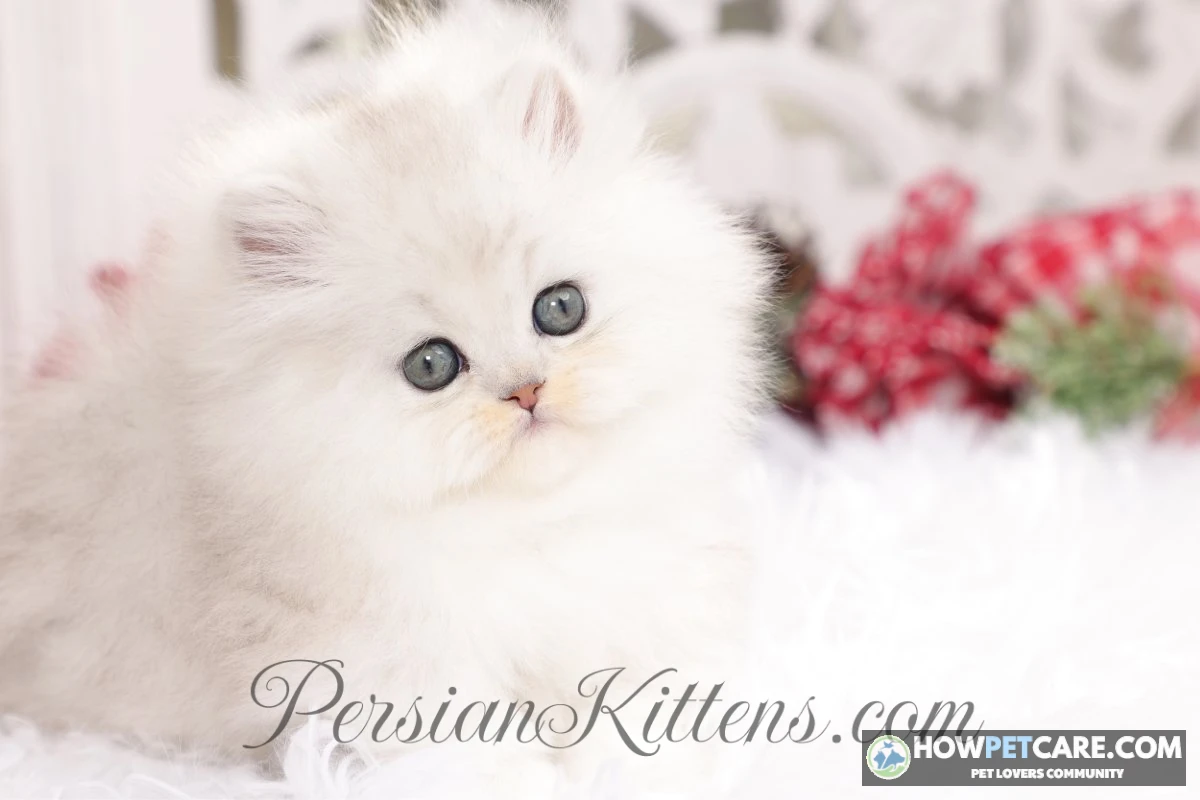

A teacup cat is not a recognized breed: it is a marketing label for an unusually small kitten or cat. TICA, CFA, and GCCF do not recognize a teacup standard, so judge the individual cat’s records, growth, health screening, and independent veterinary exam—not the label.
A teacup cat is not a recognized breed. “Teacup” is a marketing term for a cat advertised as unusually small, not a genetic or veterinary classification. TICA and CFA do not recognize a teacup breed or size standard, so the label tells you little about a kitten’s adult size or health [#N].
That doesn’t mean every small kitten is unhealthy. It does mean buyers should look beyond the label, ask why a kitten is small, and arrange an independent veterinary assessment before committing. If you simply want a small companion, an adult rescue cat or a health-screened small breed may be a more predictable choice.
Teacup Cats Aren’t a Real Breed: What the Term Actually Means
A seller may use “teacup” to describe a small Persian, a kitten from small parents, or a cat with short legs. These cats don’t share a reliable adult weight, appearance, or health profile. One commonly advertised range is around 4–6 pounds, but sellers use different definitions; some describe teacup cats as weighing under 4 pounds. For comparison, many adult domestic cats weigh roughly 8–10 pounds, although a healthy weight depends on the individual’s frame.

A “Persian teacup cat” is generally a Persian marketed for its small size, not a separate Persian breed. A Munchkin cat has a short-legged trait associated with a naturally occurring genetic mutation; short legs don’t automatically mean the whole cat will be exceptionally small.
Teacup cat vs miniature cat: is there a difference?
“Teacup,” “miniature,” and “micro cats” are loose descriptions, not consistent measures. A seller might use any of them for a naturally small cat, a kitten that’s undersized for its age, or a dwarf cat. Ask what breed or mix the kitten is, what its parents weigh, and whether a veterinarian has reviewed its growth.
Why registries don’t recognize ‘teacup’ as a breed
A breed has an identifiable population and a registry’s breed standard. A sales adjective establishes neither. TICA and CFA do not recognize “teacup” as a breed or genetic category. A registered Persian parent, for example, doesn’t make a “teacup Persian” a separately recognized breed.
How Teacup Kittens Are Produced and the Health Problems That Follow
Small size can result from ordinary inherited variation, selective breeding, a short-legged genetic trait, or poor growth caused by illness or inadequate nutrition. These are different situations, and the word “teacup” doesn’t tell you which applies.
Runts and stunted growth
The smallest kitten in a litter can grow into a healthy adult. But a kitten that isn’t gaining appropriately needs an examination, not a sales label. Parasites, illness, and inadequate nutrition are among the possibilities a veterinarian may investigate.
There are reports of unethical sellers restricting food to keep kittens small. That’s a welfare concern, not a claim that every seller does so. Ask for dated weight records, feeding information, and veterinary notes. Never restrict a kitten’s food to preserve its size.
Dwarfism breeding and genetic health issues
The Munchkin’s short legs are associated with an autosomal dominant mutation; Munchkin cats and cats marketed as teacups are not interchangeable categories [#N]. Deliberately selecting for extreme smallness raises welfare concerns, including skeletal, metabolic, and congenital heart problems. An individual cat’s risk depends on its genetics and health, not the advertisement alone.
For a Persian-type kitten, discuss the parents’ health and screening with a veterinarian. Persian lines can have inherited problems such as polycystic kidney disease, and a flat face can cause breathing or eye concerns. Request test results relevant to the actual breed rather than accepting “vet checked” as a substitute for health testing.

Hypocalcemia and other early-life risks
A fragile kitten may need prompt help if it isn’t eating or is weak. Low blood sugar, or hypoglycemia, is one concern associated with extreme-size breeding. Hypocalcemia means low blood calcium; it can’t be diagnosed from a kitten’s size or an advertisement. A veterinarian must determine whether it applies.
Dental crowding, delicate bones, and anesthesia concerns may also need individual assessment. Don’t assume that every small cat has these problems or that a particular treatment will be needed. Ask the examining veterinarian about body condition, teeth, heart, mobility, feeding, and any precautions for procedures.
Before buying, arrange an examination with a veterinarian you choose. This article provides general information, not veterinary advice; a seller’s health promise cannot replace an individual assessment.
 You might be wonderingThailand korat catKorat Cat Breed Guide: Traits, Health, Cost, and CareRead the answer
Is It Ethical to Breed or Buy Teacup Cats? How TICA, CFA and GCCF Treat the Label
A small cat deserves a home. The ethical question is whether paying a seller rewards breeding or management that puts extreme size ahead of health. Buying from a kitten mill or a seller deliberately producing unhealthy extremes can support more of the same practices.
What registries say about teacup marketing
TICA and CFA do not recognize “teacup” as a breed or genetic category. TICA recognizes the Munchkin as a breed; CFA does not. The UK-based Governing Council of the Cat Fancy, or GCCF, also does not recognize the Munchkin and takes a welfare-focused approach to breeds involving abnormal skeletal development. GCCF does not have a recognized teacup breed category.
These judgments aren’t interchangeable: recognition of a breed isn’t an endorsement of every breeder, while nonrecognition doesn’t diagnose an individual cat. Registry policies and breed lists can change, so check the relevant organization’s current documents before relying on a seller’s claim.
A simple ethics checklist before you buy
Look for a breeder who can explain the cat’s ancestry, supply relevant parent health-test results, share complete kitten records, and welcome an independent examination. Registered parents are useful documentation, not proof of responsible breeding. Scrutinize a seller who promises the smallest possible adult cat rather than discussing health and soundness.

If you’re uncomfortable supporting selection for extreme size or short legs, adopt a small adult cat or investigate a naturally small breed instead.
Teacup Kitten Price and the Real Cost of Owning One
A commonly reported market range for cats sold as teacups is $500 to $2,000 or more, while one seller advertises its “Teacup Rug Hugger” kittens starting at $7,500 [#N]. These are reported asking prices, not verified sale prices, a representative national survey, or a guarantee of what you’ll pay. The available evidence doesn’t establish a dated sample of current US listings; request current written quotes before budgeting.
A high teacup kitten price may reflect rarity claims or marketing. It doesn’t prove health testing, good care, registration, or a predictable adult weight.
What ‘teacup cats for sale’ listings actually charge
When comparing listings, ask what the price includes: vaccinations, parasite treatment, microchipping, spay or neuter, registration paperwork, transport, and any initial veterinary examination. A low advertised price can rise once extras are added, and an expensive kitten can still need substantial care.
Look closely at insurance before buying. Ask insurers in writing how they treat pre-existing, congenital, and hereditary conditions, along with waiting periods, deductibles, reimbursement limits, and exclusions. A policy may not cover a problem already noted in the kitten’s records.
Lifetime cost worksheet: teacup-marketed vs standard vs adopted cat
This planning illustration isn’t a survey of typical prices or a prediction of medical costs. Replace every assumption with local quotes. The example uses a $3,500 teacup-marketed kitten, a $1,500 standard-breed kitten, and a $150 adopted adult cat. It assumes 15 years of ownership, $1,000 in first-year care and supplies, $800 annually for the next 14 years, and a separate $2,000 emergency reserve for each cat.
| Cost category | Teacup-marketed kitten | Standard-breed kitten | Adopted cat | Notes and sources |
|---|---|---|---|---|
| Acquisition | $3,500 | $1,500 | $150 | Illustrative assumptions, not current listing averages; the reported teacup range is broader. |
| First-year care and supplies | $1,000 | $1,000 | $1,000 | Example allowance for food, litter, supplies, and routine veterinary care; check what an adoption fee includes. |
| Routine costs, years 2–15 | $11,200 | $11,200 | $11,200 | Illustrative $800 per year for 14 years; actual costs and lifespan vary. |
| Emergency reserve | $2,000 | $2,000 | $2,000 | Money set aside, not an assumed bill; a serious illness could cost more. |
| Planning total | $17,700 | $15,700 | $14,350 | Includes the reserve; unused reserve remains yours. Does not include inflation or every possible expense. |

In this scenario, the first-year purchase and care budget is $4,500 for the teacup-marketed kitten and $1,150 for the adopted cat, before setting aside the emergency reserve. The lifetime planning gap is $3,350, driven entirely by the assumed acquisition prices—not by a proven difference in veterinary spending.
Use this formula: acquisition price + first-year expenses + annual expenses for remaining years + emergency reserve. Add insurance premiums if you plan to buy a policy, and avoid counting an expense twice if it’s already covered by the adoption fee or insurance reimbursement. A cat with a chronic or congenital condition may need more than the reserve; there’s no reliable teacup-specific figure to plug into the worksheet.
Teacup Cat Lifespan: How Long Do They Live Compared to Standard Cats?
Many domestic cats live into their teens, but an individual cat’s lifespan depends on health, environment, and care. There is no reliable long-term study comparing the lifespan of cats sold as “teacup” with that of standard-size cats; the label doesn’t identify a consistent population. A precise teacup lifespan or mortality percentage would therefore be misleading.
A healthy small-framed cat may have a different outlook from a kitten whose growth is affected by serious illness. Ask what explains the cat’s size, what the examination shows, and whether the parents have relevant health-test results. An independent pre-purchase exam, appropriate feeding, and ongoing veterinary care help you make decisions for the individual cat, though none can guarantee a lifespan.

How to Verify a ‘Teacup’ Claim: Kitten Growth Benchmarks and Scam Red Flags
A seller can estimate adult size from the parents and a kitten’s growth, but can’t reliably guarantee an exact adult weight. Checking growth helps identify questions for a veterinarian—it doesn’t certify a kitten as a genuine teacup.
Kitten weight benchmarks at 8, 12 and 16 weeks
A rough shelter-care rule of thumb is about 1 pound per month during early kittenhood. The ranges below are broad screening examples derived from that rule, not validated cutoffs or breed-specific standards. Age, sex, ancestry, and individual development matter; a kitten outside a range isn’t automatically ill.
| Age | Typical weight range | What a notably low weight may signal | Action to take |
|---|---|---|---|
| 8 weeks | About 1.5–2.5 lb | The kitten may be younger than claimed, naturally small, or growing poorly. | Confirm age and ask a vet to review feeding, body condition, and parasite history. |
| 12 weeks | About 2.5–4 lb | A low or slowing weight may warrant investigation. | Request dated weights and veterinary records rather than relying on one measurement. |
| 16 weeks | About 3.5–5.5 lb | Persistent poor gain can have several causes. | Arrange an independent examination and review the full growth trend. |

A steady upward trend is useful information, but it doesn’t rule out disease, and a naturally small kitten won’t necessarily follow the bottom edge of this chart. Ask the vet to assess body condition, activity, hydration, teeth, mobility, and the kitten’s history together. Don’t try to diagnose underfeeding from a photo or a single weight.
Red-flag checklist for fake size guarantees and pressure deposits
Walk away from a seller who refuses an independent exam or uses pressure or deceptive payment tactics. Other concerns call for verification; don’t treat a numerical score as proof that a transaction is safe.
- An exact adult-size guarantee: An estimate is reasonable; a promise of a specific tiny weight is not.
- Pressure to pay immediately: Refuse a deposit deadline designed to prevent checks or a veterinary visit.
- Risky payment demands: Gift cards, wire transfers, or payment apps without buyer protection can make recovery difficult.
- No live view or visit: Ask to see the kitten with the seller by video or in person; verify that the animal exists and matches the listing.
- Missing veterinary records: Request dated exam, vaccination, and parasite-treatment records, with the clinic’s details.
- No growth history: Ask for age, weights over time, feeding details, and an explanation of the kitten’s small size.
- Unverifiable registration claims: Check parent and kitten paperwork with the relevant registry when registration is claimed. A rescue cat need not have pedigree papers.
- No parent health-test results: Request actual results appropriate to the breed, not a verbal assurance.
- Very early handover: Ask when the kitten can leave and why; discuss the timing with your veterinarian. Many responsible breeders keep kittens until at least 12 weeks.
- Repeated or suspicious photos: Search listing images and ask for a fresh live video; copied pictures can indicate a scam.
- Several breeds constantly advertised: Ask who bred each kitten and where it was raised; a broker or high-volume operation may obscure its history.
- No written terms: Review the contract, refund conditions, health provisions, and return policy before paying.

A price far below—or far above—other quotes warrants questions, but price alone can’t establish fraud or quality. If you suspect a scam, report the listing to the platform and the Federal Trade Commission. For suspected animal neglect, contact local animal control or the appropriate humane organization.
How to vet a breeder step by step
-
Identify the cat
Ask for the actual breed or mix, the kitten’s birth date, and the parents’ adult weights. Treat “teacup” as advertising, not identification.
-
Check the records
Request parent health tests, kitten veterinary records, a dated weight history, and registration details where applicable. Verify claims independently.
-
Meet and examine
Visit or arrange a live video call, then schedule a pre-purchase examination with a veterinarian you select.
-
Review the agreement
Read the contract and payment terms, including what happens if the exam reveals a problem. Pay only when you understand and accept the terms.
Naturally Small Cats to Get Instead: Singapura, Munchkin, Toybob and More
If you want a healthy small companion rather than a particular label, consider the whole cat: size, temperament, documented health, and the welfare implications of the traits being selected. A recognized breed isn’t automatically healthy, and an individual cat may be larger or smaller than the ranges below.
Side-by-side: teacup-marketed cats vs recognized small breeds
| Cat type | Typical adult weight | Known health considerations | Temperament | Registry status | Typical price range (sourced) |
|---|---|---|---|---|---|
| “Teacup” Persian or other teacup-marketed cat | No standard; some are advertised around 4–6 lb | Depends on breed and reason for small size; extreme-size breeding raises welfare concerns. | Varies with the individual and underlying breed. | “Teacup” is not a TICA or CFA breed. | Reported teacup market range: $500–$2,000+; one seller’s Rug Hugger listing starts at $7,500. |
| Singapura | About 4–8 lb | Ask about breed-relevant screening and the individual cat’s health. | Often described as active and people-oriented; individuals vary. | Recognized by TICA and CFA. | No reliable breed-specific US listing sample supplied; request quotes. |
| Munchkin | Varies; short legs do not guarantee a tiny body. | Short-legged genetic trait and associated welfare debate; discuss mobility and health with a vet. | Often playful; individuals vary. | Recognized by TICA, not CFA or GCCF. | No reliable breed-specific US listing sample supplied; request quotes. |
| Toybob | Small, but individual weights vary. | Rare breed; ask about health records and what is known about the family line. | Often described as sociable; individuals vary. | Recognized by TICA; check each registry’s current breed list. | No reliable breed-specific US listing sample supplied; request quotes. |
| Domestic cat | Varies with frame and individual. | Health history and care matter more than a small-size label. | Varies widely. | Not necessarily pedigreed; household-pet categories are separate from breed recognition. | Adoption fees vary by shelter; request a local quote. |

Which small breed fits which household
A Singapura is a starting point if you want a naturally small, active cat; reported adult weights are about 4–8 pounds. Ask breeders about health testing and whether their cats’ energy level fits your home. Toybobs are another small-breed option, although rarity can make finding and evaluating a breeder harder.
The Munchkin belongs in the comparison because shoppers encounter it in searches for miniature cat breeds. It isn’t a straightforward substitute if your goal is to avoid the welfare debate around deliberately breeding short-legged cats. Discuss that trade-off with a veterinarian rather than assuming registry recognition settles it.
Registry breeder directories can help you find leads, not endorsements. Apply the same records, contract, and independent-exam checks to any breeder you contact.
Adopt a Small Cat or Care for One You Already Have
Where to adopt a naturally small cat
Start with local shelters, foster-based rescues, and adoption databases such as Petfinder. Ask staff about adult cats with a small frame, their current weight, known medical history, and observations about temperament. Breed-specific rescues may also have small pedigreed cats or mixes, but availability varies.
Meeting an adult lets you see its actual size and personality rather than relying on a kitten’s projected growth. It doesn’t guarantee future health, so review the records, ask what the adoption fee covers, and arrange a veterinary visit after adoption.

Care setup for a very small or dwarf cat
- Feed for the individual. Ask your vet for a complete diet, portions, and feeding schedule appropriate to age and condition. Kittens should not be kept small by limiting food.
- Make warmth available. Provide a draft-free resting place and a comfortable bed; make sure the cat can move away from any heat source.
- Lower barriers. A low-entry litter box, stable steps, and accessible food and water can help a cat with short legs or mobility limitations.
- Reduce fall hazards. Offer low, stable climbing options rather than assuming every cat can safely reach high perches. Handle a fragile cat gently and supervise young children.
- Plan routine care. Ask your veterinarian how often this cat needs visits and whether its teeth, heart, mobility, or nutrition need closer monitoring. Frequency depends on age and medical findings.

Contact a veterinarian promptly if a kitten or small cat is unusually lethargic, not eating, trembling, or limping. Severe weakness, collapse, or breathing difficulty warrants urgent veterinary care.
Your Next Steps: Decide, Verify or Adopt
If the word “teacup” appeals to you, reconsider what it promises: the label comes with no recognized size standard. If you want a small cat, start by meeting small adults at a shelter or researching a recognized small breed whose health and temperament fit your household.
Before buying any kitten, verify the claimed breed and registration, review parent health tests and the kitten’s dated records, compare its growth history with your veterinarian’s assessment, and read the contract. Arrange an independent exam before committing wherever possible. Walk away from pressure, an exact adult-weight guarantee, or a refusal to provide meaningful records.
Build a budget from local veterinary and supply quotes and set aside an emergency reserve. TICA and CFA can help you check breed information; GCCF offers an additional welfare and registry perspective. Local rescues and adoption databases offer a practical route to a small adult cat without paying for an extreme-size label.
 You might be wonderingBig cat breedsBig Cat Breeds: Wild Species and Large Domestic CatsRead the answer
FAQ
What is the difference between a teacup cat and a miniature cat?
Neither is an official category. ‘Miniature’ is often used for naturally small or dwarf-gene breeds, while ‘teacup’ is usually a sales label for an unusually small cat, which may be a runt or stunted kitten.
Are Munchkin cats the same as teacup cats?
No. The Munchkin is a recognized breed defined by short legs from a dwarfism gene, not by overall tiny size, and some registries and vets raise welfare concerns about it.
Can a breeder guarantee how small a kitten will be as an adult?
No. Adult size depends on genetics and nutrition and cannot be reliably guaranteed, so a guaranteed adult weight is a red flag.
Where can I find a teacup cat for sale near me?
Be wary of any listing using the term. A safer route is a registered breeder of a naturally small breed found through TICA or CFA directories, or a local shelter or rescue.