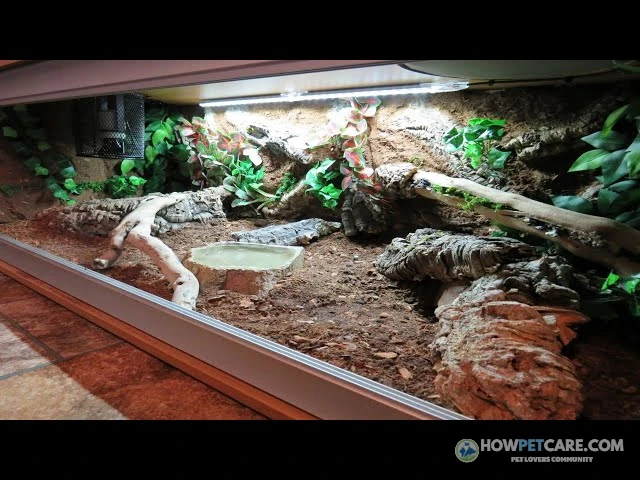

Ball python care centers on a secure enclosure with an 88–92°F warm hide, a 76–80°F cool side, and 50–60% everyday humidity (60–70% during shedding), plus appropriately sized frozen-thawed rodents and regular health monitoring. With consistent heat, humidity, feeding, and veterinary access, ball pythons can thrive for 15–30 years.
Good ball python care rests on five essentials: a secure enclosure, a thermostat-controlled temperature gradient, humidity suited to the enclosure and shed cycle, appropriately sized frozen-thawed rodents, and regular health monitoring. For most beginners, practical targets are an 88–92°F (31–33°C) warm hide, a 76–80°F (24–27°C) cool side, and roughly 50–60% everyday humidity. Raise that to about 60–70% during shedding or when dehydration is a concern.
No single humidity number works for every enclosure. Ventilation, substrate, heating method, and hygrometer placement all affect the reading. The aim is hydrated skin and complete sheds without leaving the enclosure persistently wet.
This ball python care sheet explains how to establish and maintain those conditions, choose prey, troubleshoot food refusal, clean the habitat, recognize illness, and budget for long-term care.
Is a Ball Python a Good First Snake?
Yes, a ball python can be a good first snake for an owner who is prepared to monitor heat and humidity carefully. These snakes generally tolerate calm handling, eat relatively infrequently, and do not need an enormous room-sized habitat. They are still a long-term commitment.
A ball python may live 15–30 years in captivity, and properly cared-for individuals can live 30 years or more. Adults commonly reach approximately 3–5 feet, although size varies by sex and individual. Before buying one, make sure you can provide an adult enclosure, pay for an exotic veterinarian, store frozen rodents, and maintain the equipment through power outages or household moves.
A ball python may not be the right first reptile if you want an animal that eats reliably every week, stays active throughout the day, or can tolerate imprecise habitat conditions. Ball pythons are crepuscular ambush hunters, so spending much of the day concealed is normal. Their occasional feeding refusals can also concern inexperienced owners.
Choose a captive-bred, established feeder when possible. A well-started ball python that already accepts frozen-thawed rodents is generally less likely to arrive with feeding or parasite problems than a wild-caught animal. Color and pattern morphs do not replace an assessment of body condition, breathing, skin, feeding history, and overall health.
What to Expect in Your First Year
The first year is mostly about building consistent routines. During the first one to two weeks at home, minimize handling while the snake settles. Provide water, confirm temperatures daily, and let the animal use its hides without repeated disturbance. Once it has adjusted and eaten successfully, begin short handling sessions while supporting its entire body.
Plan to weigh the snake periodically, log meals and sheds, clean waste promptly, and replace worn heating or monitoring equipment. Find your nearest exotic veterinarian before an urgent problem occurs. A general dog-and-cat clinic may not have the equipment or reptile experience needed for Python regius care.

Ball Python Enclosure Setup by Life Stage
A good ball python enclosure setup gives the snake enough room to stretch out while keeping both ends secure and well furnished. A smaller starter enclosure is optional rather than mandatory: a hatchling can live in a larger enclosure if it has snug hides, visual cover, and no escape gaps.
PVC enclosures retain heat and humidity efficiently and are lightweight. Glass terrariums can also work, but screened tops tend to release humidity faster. If you use glass, covering three exterior walls may provide additional security, while partially covering a screen can reduce moisture loss. Never obstruct required ventilation or place flammable material near a heat source.
Hatchling vs Adult Enclosure Dimensions
The dimensions below are practical planning minimums rather than universal legal or veterinary standards. Select a larger enclosure for an unusually long adult, and make sure the snake can fully extend along at least one meaningful axis.
Ball Python Enclosure Size by Life Stage
| Life Stage | Minimum Enclosure Size | Key Setup Notes |
|---|---|---|
| Hatchling to small juvenile | 30 × 12 × 12 in (76 × 30 × 30 cm) | Use several snug hides and substantial cover; check every door and cable opening for escape gaps. |
| Growing juvenile | 36 × 18 × 18 in (91 × 46 × 46 cm) | Increase branch strength, floor space, and hide size as the snake grows. |
| Typical adult | 48 × 24 × 24 in (122 × 61 × 61 cm) | Provide enough floor space to extend, two correctly sized hides, and sturdy enrichment. |
| Large adult | Larger than 48 × 24 × 24 in as needed | Size the habitat to the individual rather than relying only on age or sex. |
Older care sheets often recommend tanks by volume; for example, some sources describe 10–20 gallons for juveniles and 40 gallons or more for adults. Dimensions are more useful because two enclosures with the same gallon rating can have different floor space and height.
Essential Setup Checklist
Complete the ball python tank setup before bringing the animal home:
- ☐ Choose a secure, ventilated enclosure: at least 30 × 12 × 12 in (76 × 30 × 30 cm) for a hatchling or juvenile; plan for at least 48 × 24 × 24 in (122 × 61 × 61 cm) for an adult.
- ☐ Fit a thermostat-controlled heat source. Secure its probe where the snake can access the warm area, then verify surface temperature with an infrared thermometer.
- ☐ Add two snug hides, one on the warm side and one on the cool side. The curled snake should touch the hide’s sides.
- ☐ Provide a stable water bowl large enough for soaking but shallow and accessible enough for safe entry and exit.
- ☐ Add a sturdy climbing branch and visual cover between the hides.
- ☐ Add 2–3 in (5–8 cm) of substrate, adjusting depth near the water bowl if necessary to keep the surface dry.
- ☐ Run the empty enclosure for 48 hours. Confirm an 88–92°F (31–33°C) warm hide, a 76–80°F (24–27°C) cool side, and stable humidity.
- ☐ Inspect doors, vents, lid edges, and cable openings for gaps the snake could push through.

A thermostat is a safety control, not an optional thermometer. Connect each heat source to an appropriate thermostat, secure the probe, and verify readings with separate digital instruments.
Temperature and Humidity Targets for Ball Pythons
Measure ball python temperature and humidity where the snake actually experiences them. Use digital probe thermometers at the warm hide and cool side, a digital hygrometer near the enclosure’s middle, and an infrared thermometer for surface checks. Do not rely only on adhesive analog dials mounted high on a wall.
Temperature Gradient Targets
Maintain the warm hide at 88–92°F (31–33°C) and the cool side at 76–80°F (24–27°C). This gradient lets the snake regulate its body temperature by moving rather than being heated uniformly. Other published guidance uses nearby ranges, including an 86–90°F basking area with a 72–80°F cool side.
Heat can come from an overhead lamp, ceramic heat emitter, Deep Heat Projector, or under-enclosure heat mat, provided the equipment suits the enclosure and is thermostat-controlled. Overhead heating often creates a more useful air-and-surface gradient. A heat mat mainly supplies localized belly heat and may not warm the air sufficiently, especially in a tall or cool room.
The answer to whether ball pythons need a heat lamp or heat mat is straightforward: they need safe, regulated heat, not one mandatory device. Never use an unregulated heat mat, and do not place the enclosure where direct sunlight can cause rapid overheating.
If you use lighting, maintain a regular day-night cycle. Low-level UVB is not strictly required for survival, but it may support natural behavior and vitamin D3 synthesis. Provide shade and follow the fixture’s safe placement requirements.
Humidity Range Decision Logic
Conflicting advice often comes from treating 30–50% and 60–80% as interchangeable universal targets. Some established guidance recommends 60–80%. In practice, interpret the reading alongside ventilation, shed quality, substrate moisture, and whether surfaces remain dry.
-
Measure in a representative location
Place a digital hygrometer near the middle of the enclosure, away from the water bowl and not pressed against damp substrate.
-
Set the everyday target
For a ventilated enclosure with a dry top layer, aim for about 50–60%. A brief 30–50% reading may be manageable if the snake is hydrated and shedding cleanly, but persistently low humidity should not be the goal.
-
Adjust for shedding
When a shed approaches or the habitat runs dry, raise humidity to about 60–70% by moistening lower substrate layers or adding a humidity hide lined with damp sphagnum moss.
-
Correct low readings
Below 50%, check the water supply, bone-dry substrate, excessive ventilation, and hygrometer accuracy. Change one factor and recheck after several hours.
-
Correct wet conditions
If humidity remains above 75–80% while surfaces are damp, increase ventilation and remove saturated or soiled substrate. Keep hides and the top substrate layer dry to the touch.
A humidity hide creates a moist microclimate without making the entire terrarium wet. Place it where it stays warm but not overheated, and replace dirty moss promptly. Wrinkled skin, sunken eyes, lethargy, or repeated incomplete sheds may indicate dehydration; correct the environment and contact a reptile veterinarian if signs persist.
The practical rule is simple: humidity should support hydration and clean shedding, while the snake should not have to live on wet substrate.


Ball Python Feeding Schedule and Prey Size Chart
Feed one appropriately sized rodent at a time. The prey should be roughly the same width as the widest part of the snake, or only slightly wider. Use body condition and weight trends—not pressure for rapid growth—to adjust meal size and frequency.
Prey Size by Age
Age provides a starting point, but two snakes of the same age may need different prey. Weigh the snake and, periodically, its prey. A healthy ball python should have a gently rounded triangular body rather than a sharply ridged spine or deep folds of fat.
Frozen-thawed rodents are generally safer than live prey because a live rodent can bite and injure the snake. Thaw prey completely in a sealed bag in the refrigerator, then warm it in warm water until near body temperature. Dry it and offer it with long feeding tongs. Never microwave a rodent, and never leave live prey unattended in the enclosure.
Feeding Frequency Table
Feeding Frequency and Prey Size Chart
| Age or Size | Feeding Frequency | Prey Size | Notes |
|---|---|---|---|
| Hatchling, under about 6 months | Every 5–7 days | One mouse approximately equal to the snake’s widest point, or slightly wider | Track weight and avoid oversized meals intended to accelerate growth. |
| Juvenile, about 6–18 months | Every 7–10 days | One rat pup or suitable mouse close to the snake’s widest point | Transition to rats when the snake can safely take an appropriate size. |
| Adult, over about 18 months | Every 10–14 days | One rodent roughly equal to the snake’s widest point | Use the longer interval if the snake is gaining excess weight. |
| Any stage during shedding | Resume the normal schedule after the shed or at the next feeding opportunity | Keep the usual prey size | One skipped meal around shedding can be normal. |

This schedule agrees with the broader guidance of weekly feeding for juveniles and feeding adults every one to two weeks. Offer food in the normal enclosure to avoid unnecessary handling before and after the meal. Remove uneaten frozen-thawed prey within one to two hours, and avoid handling for about 48 hours after a successful feeding.
Why Ball Pythons Stop Eating and How to Troubleshoot
Food refusal does not automatically mean illness. Ball pythons may skip meals during shedding, after a move, because of seasonal behavior, or when temperatures, prey presentation, or enclosure security are unsuitable. Its significance depends on age, weight trend, duration, and accompanying symptoms.
Common Refusal Triggers
Check the environment before changing prey repeatedly. A cold warm hide can impair digestion and suppress feeding. An exposed enclosure, oversized hides, frequent handling, excessive noise, or repeated feeding attempts can prolong stress. Prey that is too large, incompletely thawed, or insufficiently warmed may also be rejected.
Some adults maintain weight through extended refusals, but juveniles have fewer reserves. A refusal paired with weight loss, respiratory signs, mouth lesions, mites, regurgitation, or lethargy deserves more concern than an isolated missed meal in an alert adult.
Troubleshooting Steps
- ☐ Record the last meal, prey type and size, current weight, and whether a shed is approaching. Do not offer food more often than every 5–7 days.
- ☐ Verify the warm hide at 88–92°F (31–33°C) and cool side at 76–80°F (24–27°C) with independent probes.
- ☐ Check for roughly 50–60% everyday humidity, fresh water, two snug hides, and minimal disturbance.
- ☐ After several quiet days, offer one correctly sized, completely thawed and warmed rodent with tongs.
- ☐ Remove uneaten prey within one to two hours. If the snake remains alert and maintains weight, wait until the next normal interval.
- ☐ Do not force-feed or repeatedly switch prey without veterinary guidance.

Contact a reptile veterinarian promptly for weight loss of 10% or more, repeated regurgitation, marked lethargy, mouth lesions, wheezing, nasal mucus, bubbles, or difficulty breathing. Arrange an examination if an adult refuses food for about three months or a juvenile for about one month—sooner if weight falls or other symptoms appear.
Substrate Selection and Cleaning Trade-offs
Substrate affects humidity, sanitation, burrowing opportunities, and maintenance. There is no single correct choice for every ball python terrarium setup, but the material should be non-toxic, manageable, and compatible with the enclosure’s ventilation.
Substrate Trade-offs
| Substrate | Humidity Performance | Cleaning and Use Trade-offs |
|---|---|---|
| Paper towels or unprinted paper | Low moisture retention | Easy to inspect and replace; useful during quarantine or health monitoring, but offers little opportunity to burrow. |
| Coconut fiber or coconut husk | Good moisture retention | Useful in dry or screened enclosures; lower layers can be dampened while the surface stays dry. |
| Cypress mulch | Good moisture retention | Supports naturalistic cover but can conceal waste, so inspect it carefully during spot cleaning. |
| Aspen | Low to moderate | Easy to replace but performs poorly where additional humidity is needed; avoid keeping it damp because it may mold. Moisture-retaining alternatives are often preferred. |
| Bioactive soil mixture | Variable, depending on composition | Can support plants and cleanup organisms but requires more planning, monitoring, and maintenance than a basic beginner setup. |

Coconut fiber, cypress mulch, and suitable topsoil-based mixes can retain moisture effectively. Use approximately 2–3 in (5–8 cm) for a conventional setup, with deeper material in selected areas if the snake uses it for burrowing. One husbandry source recommends about 2 inches of bioactive soil.
Avoid aromatic cedar or pine shavings. Whatever substrate you choose, do not leave the entire layer saturated. Moistening lower layers while maintaining a dry top surface supports humidity without forcing constant skin contact with wet material.
Cleaning Routine
Spot-clean feces, urates, shed skin, and wet substrate as soon as you find them. Wash and refill the water bowl whenever it is soiled and at least often enough to keep the water fresh. Check beneath hides because waste may not be visible from the front.
For a full cleaning, move the snake to a secure temporary container, unplug heating equipment as appropriate, discard substrate, and wash the enclosure and furnishings with a reptile-safe disinfectant. Follow the product’s contact time, rinse when directed, and let surfaces dry before replacing substrate and restoring the temperature gradient. Replace conventional substrate when odor, contamination, pests, or moisture make spot cleaning inadequate; some care guidance recommends monthly replacement. Bioactive habitats require a different maintenance plan and are not maintenance-free.

Record temperatures, humidity, meals, refusals, weight, sheds, waste, and cleaning dates. Trends often reveal a husbandry problem before a single observation does.
Health Warning Signs and When to See a Reptile Vet
Daily observation should be brief but deliberate. Look at breathing, posture, eyes, mouth, skin, movement, and body condition without constantly removing the snake from its hide. Early veterinary advice is safer than experimenting with home remedies when respiratory, digestive, or neurological signs appear.
Illness Warning Signs
Respiratory warning signs include wheezing, clicking, open-mouth breathing, repeated elevation of the head, mucus, or bubbles around the nostrils. Mouth redness, swelling, pus-like material, or difficulty closing the mouth may indicate an oral problem. These signs warrant prompt veterinary attention.
Watch for mites appearing as tiny moving dark specks, persistent soaking, unusual rubbing, raw skin, blisters, swelling, burns, or areas of discolored scale. An incomplete shed limited to small patches can sometimes improve after correcting humidity, but retained eye caps, constricting shed around the tail, or repeated poor sheds need professional assessment. Do not pull off retained eye caps.
Digestive and systemic warning signs include repeated regurgitation, diarrhea, blood in waste, a swollen or painful-looking abdomen, rapid weight loss, severe lethargy, loss of coordination, or inability to right the body. Wrinkled skin and sunken eyes can accompany dehydration.

Vet Thresholds
Seek urgent reptile veterinary care for difficulty breathing, significant trauma, uncontrolled bleeding, suspected burns, severe weakness, neurological signs, prolapse, or repeated regurgitation. Contact a veterinarian promptly when weight falls by 10% or more, a juvenile refuses food for about one month, or an adult refuses for about three months. Do not wait for those time thresholds when other symptoms are present.
Choose an exotic veterinarian who routinely treats snakes. Before the visit, record enclosure temperatures and humidity, diet, last meal, last shed, weight history, and symptom timeline. Transport the snake in a secure ventilated container, kept at a safe temperature. Bring a fresh fecal sample only if the clinic requests one.
Cost of Owning a Ball Python Over Its Lifespan
The purchase price is often one of the smaller long-term expenses. The enclosure, thermostat, monitoring instruments, food, substrate, electricity, replacement equipment, and veterinary care make up the real cost of ball python husbandry.
Startup Costs
The following 2026 planning ranges use US dollars and assume a new keeper buys a secure enclosure and reliable controls rather than assembling a breeding rack. Local prices, enclosure material, snake morph, shipping, and veterinary fees can change the total substantially.
Lifetime Cost of Ownership
| Cost Category | Startup Range | Ongoing or Annual Range |
|---|---|---|
| Snake and initial examination | $50–$250 | — |
| Enclosure, secure doors, and basic furnishings | $200–$700 | $20–$100 for repairs or replacements |
| Thermostat, heat source, digital thermometers, and hygrometer | $100–$250 | $20–$80 for replacement bulbs or equipment |
| Initial substrate, hides, bowl, and enrichment | $60–$180 | $80–$240 for substrate and cleaning supplies |
| Food | — | $100–$300 |
| Electricity | — | $30–$120 |
| Routine veterinary care | $50–$150 | $50–$200 |
| Emergency veterinary reserve | Set aside $300–$1,000 if possible | Add to the reserve as needed |
| Estimated total | $460–$1,530 | $300–$940 per year, excluding emergencies |
Annual and Lifetime Costs
A reasonable first-year planning range is approximately $760–$2,470 before an emergency: startup expenses plus one year of routine ongoing costs. For a 25-year lifespan, ongoing expenses alone could total approximately $7,500–$23,500 before inflation, major enclosure upgrades, or emergency treatment. Because ball pythons may live 15–30 years, budgeting should extend beyond the first enclosure and first bag of substrate.
Before bringing the snake home, complete the enclosure checklist, run the habitat for 48 hours, identify an exotic veterinarian, and establish an emergency reserve. Record stable warm-side, cool-side, and humidity readings for two full day-night cycles. Then add the snake, let it settle quietly, and begin the feeding and health log that will guide its care over the coming decades.
| Substrate Material | Humidity Performance | Cleaning and Maintenance Trade-offs | Best Use Cases |
|---|---|---|---|
| Coconut fiber or coconut husk | Good moisture retention | Useful in dry or screened enclosures; lower layers can be dampened while the surface stays dry. | Dry or screened enclosures |
| Cypress mulch | Good moisture retention | Supports naturalistic cover, but can conceal waste, so inspect it carefully during spot cleaning. | Naturalistic cover |
| Bioactive soil mixture | Variable, depending on composition | Can support plants and cleanup organisms, but requires more planning, monitoring, and maintenance than a basic beginner setup. | Bioactive habitats supporting plants and cleanup organisms |
| Aspen | Low to moderate moisture retention | Easy to replace, but performs poorly where additional humidity is needed; avoid keeping it damp because it may mold. Moisture-retaining alternatives are often preferred. | Setups where additional humidity is not needed / dry setups (moisture-retaining alternatives preferred where extra humidity is required) |
| Paper towels or unprinted paper | Low moisture retention | Easy to inspect and replace; useful during quarantine or health monitoring, but offers little opportunity to burrow. | Quarantine or health monitoring |
FAQ
Can I handle my ball python right after bringing it home?
Wait about one to two weeks before handling so the snake can settle into its enclosure. Start with short, calm sessions and support the full body.
Should I feed frozen-thawed or live rodents?
Frozen-thawed rodents are generally safer and recommended for most keepers. Warm them to about body temperature and use feeding tongs to avoid accidental bites.
How do I know if my ball python is dehydrated?
Watch for wrinkled skin, lethargy, sunken eyes, or difficulty shedding. Improve humidity, provide fresh water, and contact a reptile veterinarian if signs persist.
Do ball pythons need UVB lighting?
UVB is not strictly required for ball pythons, but low-level UVB may support natural behavior and vitamin D3 synthesis. If used, provide shade and a proper day-night cycle.