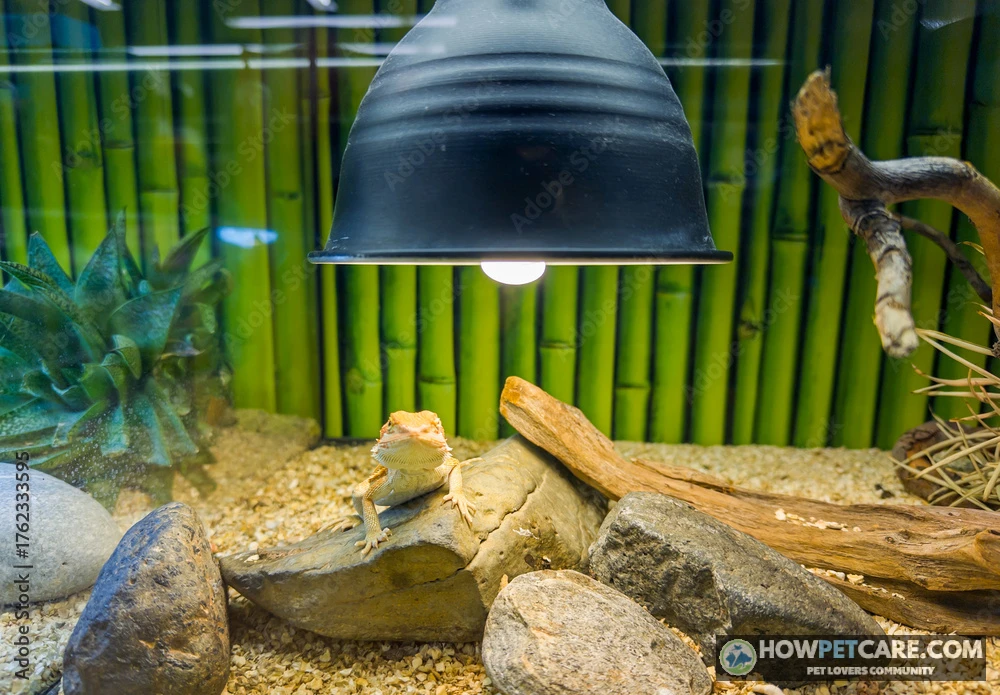

Pet bearded dragons typically live 8 to 12 years in captivity. With excellent UVB lighting, temperature control, diet, hygiene, and veterinary care, some reach 10 to 15 years. Wild dragons generally have shorter, less certain lifespans because they face predation, drought, and environmental extremes.
A well-cared-for pet bearded dragon (Pogona vitticeps) typically lives 8 to 12 years, with 10 to 15 years achievable under strong husbandry and regular veterinary care. That single planning figure is the answer most beginners actually need — but it only makes sense once you understand why sources disagree so wildly.
The confusion on page one comes from mixing categories. Breeder and owner anecdotes cluster around 6 years because early husbandry failures (bad UVB, poor diet, no vet) cut lives short. Veterinary and experienced-keeper consensus lands on 8–10 years as a realistic baseline. Broader keeper ranges of 7–12 or 7–15 years capture normal variation in genetics, diet, and care quality. And the famous ~18-year record (Sebastian, a UK dragon who died in 2016) is one exceptional animal, not a benchmark.
| Commonly cited figure | Setting, sex, or species context | Source type | Confidence label | How to read it; caveat |
|---|---|---|---|---|
| 6 years | Captive; breeder/owner reports | Forum anecdotes | Low | Often reflects early husbandry failures, not a biological limit |
| 8–10 years | Captive Pogona vitticeps; no established male/female split | Veterinary and experienced keeper consensus | Moderate–High | Best single planning figure for a well-cared-for pet |
| 7–12 years | Broad captive range | Broad captive keeper range | Moderate | Captures normal variation in diet, UVB, genetics, and vet care |
| 7–15 years | Captive; varies with husbandry | Wide husbandry-dependent range | Moderate | Useful for commitment planning, not a promise |
| ~18 years | Captive record; one exceptional animal | Documented outlier record | Low for planning | Not a typical outcome or a lifespan to expect |
| No reliable sex-based difference established | Captive males and females | Anecdotal reports; limited evidence | Low | Female reproductive risks can affect individual outcomes |
| Species averages vary; data for some commonly kept species are sparse | Captive Pogona vitticeps, Eastern bearded dragons, and other species | Species-specific reports | Provisional | Do not treat cross-species averages as directly comparable |
Captive vs. Wild Lifespan: How Setting Changes the Odds

Wild bearded dragons generally live shorter lives than captive ones, but confidence in the comparison is limited. Wild estimates are sparse and uncertain — typically quoted at 3–8 years or 4–10 years — because long-term wild population studies are limited and dated. Treat those as low-confidence estimates rather than established facts. Captive estimates are more useful for planning, though they also vary by source and care conditions.
Captive animals can outlive wild ones for straightforward reasons: consistent nutrition, no predation, controlled temperatures, and access to veterinary care. These advantages may reduce risks from drought, predation, and temperature extremes, but they do not guarantee a longer life for every captive dragon.
Wild lifespan figures come from limited, dated observation rather than controlled population studies. Plan your commitment around captive data.
Lifespan by Sex, Species, and Age Stage
Sex. There is no strong evidence that males or females consistently outlive each other; most reported differences are anecdotal. A sex-based lifespan difference is not established. What is documented is female-specific risk: egg binding and follicular stasis can shorten individual lives, and these are preventable or manageable with veterinary care.
Species. Pogona vitticeps (central bearded dragon) is the species most captive figures refer to, averaging around 12 years in captivity. Captive Eastern bearded dragons average about 9.9 years. Rankin’s and other commonly kept species have sparser data, so treat any species comparison as provisional.
Age stages and commitment. Map the years you’re signing up for against life stages:

| Life stage | Approximate age range | Ownership focus | Veterinary checkpoint |
|---|---|---|---|
| Hatchling | 0–2 months | Daily feeding, safe temperatures, growth tracking | Baseline exam and parasite screen |
| Juvenile | 2–8 months | High-protein insect feeding, UVB verification, rapid growth monitoring | Weight/growth check and diet review |
| Sub-adult | 8–18 months | Transition toward adult diet, enclosure upgrade planning | Body condition and calcium review |
| Adult | 18 months–7 years | Stable maintenance, enrichment, routine supplementation | Annual reptile vet exam |
| Senior | 7+ years | Easier basking access, softened foods, closer weight and hydration monitoring | Semiannual or symptom-triggered exam |
Care Factors That Most Affect Longevity, Ranked by Impact
When you can’t fix everything at once, prioritize these factors in this order, based on their likely effect on preventable health risks:
- UVB lighting — Replace on schedule, provide correct distance and gradient; this is the foundation for vitamin D3 synthesis and calcium use.
- Basking temperature gradient — Verify the hot spot and cool side with a reliable thermometer; digestion and immune function depend on it.
- Enclosure footprint — Upgrade before the dragon outgrows the tank; cramped space limits movement and thermoregulation.
- Diet and calcium — Gut-load insects, offer appropriate produce, and use calcium without chronic over-supplementation.
- Hydration and hygiene — Clean water access, regular enclosure cleaning, and fecal/parasite awareness.
- Preventive veterinary care — Establish a reptile vet relationship before an emergency, especially for females.

Inadequate UVB or calcium can contribute to metabolic bone disease, a leading preventable killer. Diet shifts matter too — juveniles need insectivore-heavy feeding, while adults transition toward more plant matter.
If your budget allows only one change this month, make it verified UVB lighting with a fresh bulb at the correct distance. Nothing else compensates for a bad lamp.
Preventable Causes of Early Death and Female Reproductive Risk
Leading preventable causes in captive dragons include metabolic bone disease, dehydration, impaction, respiratory infection, and husbandry-related stress. Poor lighting, unsuitable temperatures, poor diet, and lack of veterinary care are owner-controllable risk factors, though not every early death can be prevented.
Female reproductive risk. Egg binding and follicular stasis are female-specific longevity factors. Prevention includes proper nesting substrate, appropriate calcium and hydration, and a relationship with a reptile veterinarian before symptoms appear.
Questions to raise with your reptile veterinarian:
- What signs of follicular stasis or egg binding should I watch for in my female?
- What nesting substrate and enclosure changes do you recommend before she may lay?
- Should I adjust calcium, vitamin D3, hydration, or diet during reproductive months?
- At what point should I bring her in for imaging if she is gravid or straining?
If she is straining without laying, has an enlarged abdomen, or stops eating, contact a reptile veterinarian promptly — these are not wait-and-see symptoms.
Aging, Senior Care, and When to Call the Vet
A bearded dragon typically enters senior years around 7+ years. Normal aging signs can include reduced activity, slower eating, longer basking, and gradual weight change over months. Brumation — a normal seasonal cycle — can be confused with decline, especially in older animals; know your individual’s pattern.
Monitor at home (contact vet if persistent): slower appetite in winter, reduced activity, mild stool changes after diet adjustment, gradual slowing with stable weight.
Call a reptile veterinarian promptly: noticeable weight loss over days to weeks, prolapse, inability to walk/stand/right itself, egg-bound straining or swollen abdomen, sudden lethargy outside brumation, respiratory sounds, or collapse.
Senior adjustments: easier basking access, softened foods, closer monitoring of calcium, hydration, and weight.

Your Lifespan Action Plan: Milestones and Vet Checkpoints
- First 30 days: confirm UVB fixture strength and replacement schedule, verify basking spot temperature gradients, set calcium supplementation routine, and schedule an initial reptile veterinarian visit.
- Juveniles: intensive feeding and growth monitoring; upgrade enclosure as they grow.
- Adults: stable maintenance, enrichment, annual vet exam.
- Seniors (7+): enhanced monitoring, semiannual exams, softened foods, easier basking access.
Translating an 8–12 year captive lifespan into a commitment means planning for roughly a decade of consistent care, enclosure upgrades, and veterinary costs. When evaluating new advice, check whether it cites evidence types (breeder consensus, veterinary guidance, registry record, anecdote) rather than a single number.
The honest bottom line: plan for 8–12 years, treat 10–15 as an achievable ceiling under excellent care, and recognize that the single biggest lever you control is husbandry — especially UVB, temperature, and diet — not genetics.

| Life Stage | Approximate Age Range | Ownership Focus | Veterinary Checkpoint |
|---|---|---|---|
| Hatchling | 0–2 months | Daily feeding, safe temperatures, and growth tracking | Baseline exam and parasite screen |
| Juvenile | 2–8 months | High-protein insect feeding, UVB verification, and rapid growth monitoring | Weight/growth check and diet review |
| Sub-adult | 8–18 months | Transition toward adult diet and enclosure upgrade planning | Body condition and calcium review |
| Adult | 18 months–7 years | Stable maintenance, enrichment, and routine supplementation | Annual reptile vet exam |
| Senior | 7+ years | Easier basking access, softened foods, and closer weight and hydration monitoring | Semiannual or symptom-triggered exam |
FAQ
How long do bearded dragons live as pets?
Most pet bearded dragons live about 8 to 12 years in captivity, with 10 to 15 years possible under strong husbandry and veterinary care. Individual results depend heavily on UVB, diet, temperature, and genetics.
Do male and female bearded dragons have different lifespans?
There is no strong evidence that one sex consistently outlives the other; most lifespan differences are anecdotal. Females do face reproductive risks such as egg binding that can affect individual longevity.
What is the most common cause of death in bearded dragons?
Preventable husbandry issues are leading causes, especially metabolic bone disease from inadequate UVB or calcium, along with dehydration, impaction, and respiratory infection. Good enclosure setup and veterinary care substantially reduce these risks.
How do you tell when a bearded dragon is getting old?
Normal aging signs include reduced activity, slower eating, and gradual weight loss over months. Sudden decline, labored breathing, or prolonged lethargy are not normal aging and warrant a reptile veterinarian visit.
How often should a bearded dragon be held, and does handling affect lifespan?
Handling frequency should match the individual dragon’s temperament; gentle, regular handling can support socialization but does not directly extend lifespan. Excessive or stressful handling can cause harm, so watch for stress signals.