
Core veiled chameleon habitat parameters at a glance:
| Parameter | Target Range |
|---|---|
| Basking surface | 85–95°F (29–35°C) |
| Ambient daytime | 70–85°F (21–29°C), warm-to-cool gradient |
| Nighttime | 60–70°F (15–21°C), no lighting |
| Humidity | 40–60% baseline; 80–100% misting spikes |
| UVB | T5 HO 5.0/6% linear tube, 6–8 in above basking branch |
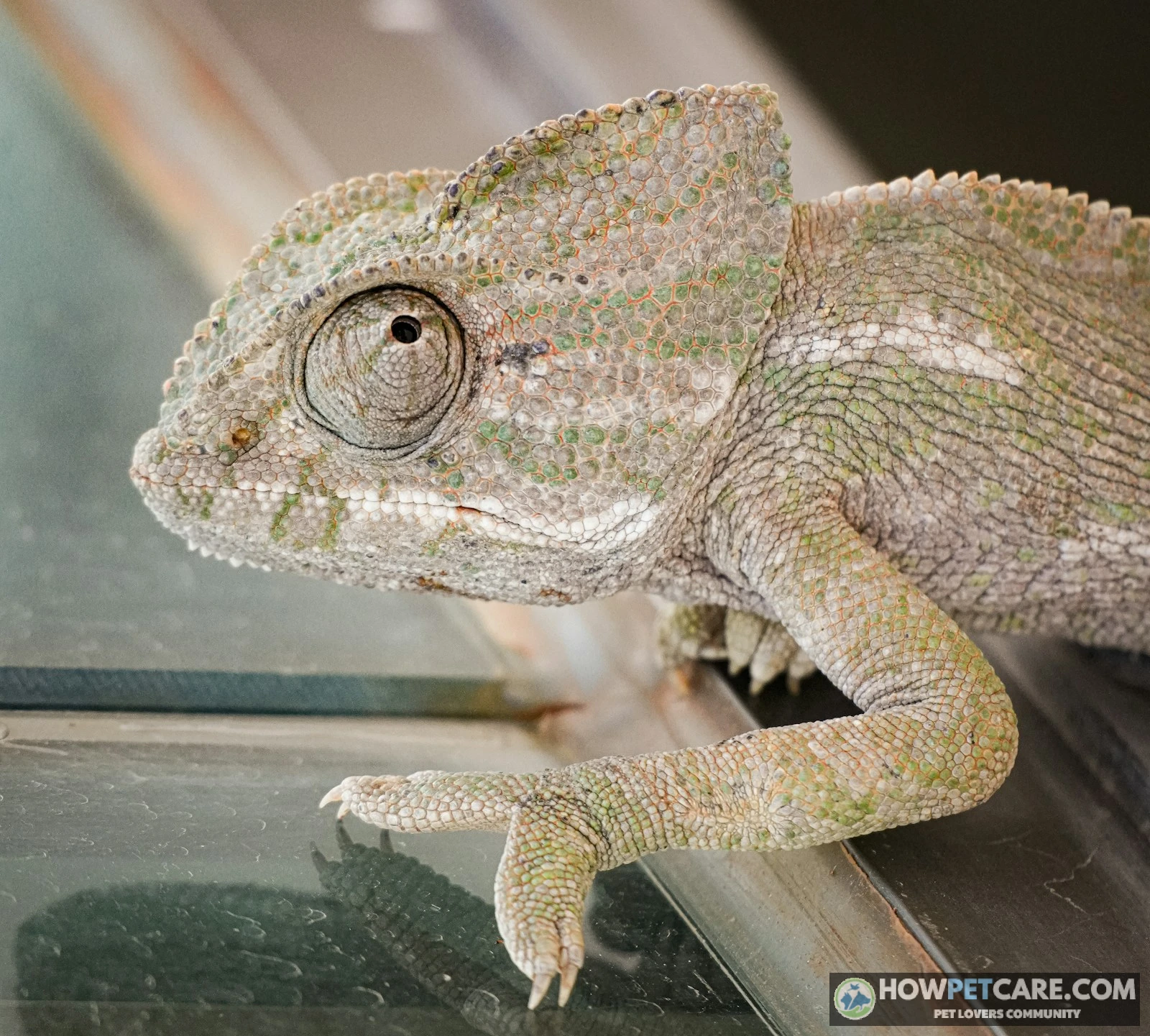
Setting up a habitat for a veiled chameleon (Chamaeleo calyptratus) requires precise environmental controls, not general estimates. Also known as the Yemen chameleon, this arboreal Old World lizard thrives when its temperature gradient, humidity cycles, linear UVB exposure, and feeding schedule are carefully maintained.
Many care sheets recommend a "warm basking" area or "moderate humidity" without giving measurements. This veiled chameleon care guide pdf reference provides numeric thresholds in Imperial and Metric units, life-stage schedules, disease prevention protocols, and a downloadable, print-ready care sheet formatted for US Letter and A4 printing.
Core Parameters at a Glance: Temperature, Humidity, and UVB
A healthy veiled chameleon setup requires three distinct thermal zones across a vertical gradient, daily humidity fluctuations, and precise ultraviolet radiation. Install reliable digital monitoring equipment so you can verify these figures before introducing your reptile.
Temperature Zones Explained
Veiled chameleons are ectothermic: they rely on external heat gradients to regulate metabolism, digest prey, and sustain immune defenses. Maintain a vertical temperature gradient inside the enclosure with an overhead incandescent or halogen heat lamp directed at an elevated basking branch.
| Enclosure Zone | Temperature (°F) | Temperature (°C) | Notes |
|---|---|---|---|
| Basking Surface | 85–95°F | 29–35°C | Measure directly on branch surface using an infrared temp gun or digital probe |
| Ambient Warm (Upper Mid) | 80–85°F | 27–29°C | Upper canopy surrounding the basking site |
| Ambient Cool (Lower Half) | 70–80°F | 21–27°C | Shaded foliage zone allowing thermal retreat |
| Nighttime Low | 60–70°F | 15–21°C | Natural drop required; never use colored or ceramic night heat unless room drops below 55°F (13°C) |

Never use red, blue, or "moonlight" heat bulbs at night. Chameleons have advanced color vision and parietal photo-reception. Artificial light at night disrupts circadian rhythms, causes chronic stress, and impairs immune response.
Humidity and Misting Schedule
Maintain daytime ambient humidity between 40% and 60%. Prolonged, unventilated humidity exceeding 70% during the day encourages lower respiratory infections. Short spikes to 80–100% humidity should occur during morning and evening misting cycles to mirror natural montane dew patterns.
Use both misting sessions and a controlled dripper to provide hydration:
- Morning Mist: Mist for 2 to 3 minutes before cage lights turn on, raising ambient relative humidity to 80–100% and creating dense droplets on foliage.
- Evening Mist: Mist for 2 to 3 minutes immediately after the main lights switch off to support nighttime hydration.
- Mechanical Dripper: Run for 4 to 8 hours during mid-day. Direct the drip over dense live foliage rather than the cage floor. Chameleons don’t drink standing water from bowls; they lap moving droplets from live leaves.

UVB Bulb Specifications and Placement
Metabolic bone disease (MBD) is the most common captive ailment in juvenile chameleons and results directly from improper UVB lighting or insufficient dietary calcium. Compact fluorescent screw-in coil bulbs are inadequate for arboreal species because their effective coverage footprint is too narrow.
- Bulb Type: Use a T5 High Output (HO) linear tube fixture equipped with a 5.0 (Zoo Med ReptiSun) or 6% (Arcadia) UVB tube.
- Mounting: Place the fixture horizontally across the top screen panel. Standard screen mesh filters out 30% to 40% of UV energy.
- Safe Distance: Secure the primary basking perch exactly 6 to 8 inches (15 to 20 cm) below the linear bulb fixture. This configuration provides an optimal Ferguson Zone 2 to 3 UV Index (UVI 1.5–3.0) at the reptile’s spine.
- Photoperiod: Use an automated digital timer to maintain 12 hours of light and 12 hours of uninterrupted darkness daily.
- Service Life: Replace linear T5 HO bulbs every 6 months (or 12 months for select Arcadia T5 kits), regardless of visible light output. Phosphors degrade over time, eliminating ultraviolet emission while the bulb continues to cast white light.

**VEILED CHAMELEON — DAILY PARAMETER CARD**
Post beside the enclosure. Check parameters daily; adjust hardware if out of range.

HEAT
- Basking surface: 85–95°F / 29–35°C
- Ambient warm side: 80–85°F / 27–29°C
- Cool side: 70–80°F / 21–27°C
- Night: 60–70°F / 15–21°C; zero nocturnal lighting

WATER & HUMIDITY
- Baseline daytime humidity: 40–60%
- Mist: Morning & evening, 2–3 min each (spike to 80–100%)
- Dripper: 4–8 hours/day, directed onto dense leaves
- Urates: Pure white. Orange or yellow signals dehydration

LIGHTING
- UVB: T5 HO 5.0 or 6% linear tube spanning cage top
- Distance: 6–8 in / 15–20 cm between bulb and basking branch
- Lifespan: Replace bulb every 6 months
- Photoperiod: 12 hours light / 12 hours dark

FEEDING & DUSTING
- Prey sizing: No wider than the space between the chameleon's eyes
- Age 0–6 months: Plain calcium every feeding; Calcium+D3 2x/week; Multivitamin 1x/week
- Age 6–12 months: Plain calcium every other feeding; Calcium+D3 1x/week; Multivitamin 1x/week
- Adult (12+ mo): Plain calcium every other feeding; Calcium+D3 every 2 weeks; Multivitamin every 2 weeks

CLINICAL RED FLAGS (CONTACT REPTILE VET)
Loss of branch grip • Falling • Audible breathing/wheezing • Open-mouth gaping • Anorexia >10 days • Prolapse
Enclosure Size, Layout, and Interior Arrangement
Veiled chameleons are solitary, strictly arboreal lizards that need tall enclosures made with fine aluminum or nylon screening. Solid glass aquariums severely restrict ventilation, creating stale, humid air pockets that can precipitate fatal bacterial respiratory conditions.
Juvenile vs. Adult Enclosure Dimensions
The enclosure must grow with the chameleon as it reaches physical maturity. Juveniles can start in smaller screen enclosures, where it’s easier to monitor feeding and defecation. Housing an adult in cramped quarters, however, causes chronic stress and physical lethargy.
| Life Stage | Minimum Size (in) | Minimum Size (cm) | Recommended Size (in) | Key Notes |
|---|---|---|---|---|
| Juvenile (<6 mo) | 16×16×30 in | 41×41×76 cm | 18×18×36 in | Allows tracking of feeder consumption and drop recovery |
| Adult Male (9+ mo) | 24×24×48 in | 61×61×122 cm | 24×24×60 in (or larger) | Large physical stature and casqued head require substantial vertical climb |
| Adult Female (9+ mo) | 18×18×36 in | 46×46×91 cm | 24×24×48 in | Must feature permanent floor clearance for a dedicated nesting container |

Veiled chameleons must be housed individually. Never place two chameleons in the same enclosure, regardless of gender or cage volume. Co-housing causes intense visual stress, competition for resources, immune suppression, and severe physical injury.
Step-by-Step Interior Arrangement
A well-designed interior balances open basking perches with dense plant cover, giving the chameleon places to regulate its temperature and feel secure.
TOP SCREEN PANEL
[ T5 HO UVB 5.0/6% ---- spans 2/3 cage width, inside top ]  [BASKING DOME at rear]
        |                                                     |

        | 6-8 in / 15-20 cm                                   | heat aimed down

        v                                                     v
[BASKING BRANCH: flat, horizontal, textured, 85-95F target]
   digital probe tied at branch surface        live plant wall for cover
                                                           /
           MID-LEVEL DIAGONAL ROUTES: 2-3 crossing branches /
           allows cool-down from basking zone               /
           v                                               v
[COOL SIDE 70-80F]        [DRIPPER nozzle above leaf cluster]
                              drip -> leaves -> drainage tray
FLOOR: bare paper towel/drainage only -- no loose substrate, no feeder escape
Use these structural principles when setting up the interior:
- Branch Network: Anchor natural branches (manzanita, grape wood, or thoroughly sanitized oak) horizontally and diagonally across the cage. Choose diameters that match the animal’s foot span, so its opposing zygodactylous toes can curl completely around each branch.
- Basking Perch: Secure a primary horizontal basking branch 6 to 8 inches (15–20 cm) below the overhead screen, directly beneath the heat lamp and linear UVB tube.
- Live Foliage: Place live, non-toxic potted plants in the upper and mid sections. Safe species include Epipremnum aureum (Pothos), Ficus benjamina (Weeping Fig), Hibiscus rosa-sinensis, and Schefflera arboricola (Umbrella Plant). Wash all nursery plants and repot them in organic topsoil without chemical fertilizers or systemic pesticides before placing them in the enclosure.
- Cage Floor: Keep the bottom screen panel bare or line it with plain unprinted paper towels. Avoid bark chips, coconut coir, sand, and gravel. Loose substrate can cause impaction if accidentally ingested during insect tongue strikes, and it harbors damp fungal spores.
- Drip Placement: Position the external mechanical dripper on the top screen so gravity carries drops over middle leaves before they collect in an external catchment basin or drainage tray below the screen base.

 You might be wonderingChinchilla care guideChinchilla Care Guide: Setup, Costs, Vet Care & Daily RoutineRead the answer
Diet, Gut-Loading, and Age-Based Feeding Schedule
Veiled chameleons are specialized insectivores that also display facultative herbivory, occasionally consuming wild vegetative shoots, leaves, and blossoms. Feeders should be healthy, well-nourished, and dusted with specific minerals to mirror natural dietary complexity.
Feeder Insect Roster and Gut-Loading Protocol
Never feed your chameleon insects captured outdoors, which routinely carry heavy parasite burdens or traces of lethal insecticides. Choose commercially captive-bred feeder insects no wider than the distance between the chameleon’s eyes.
- Primary Staples: Banded crickets (Gryllodes sigillatus), brown house crickets (Acheta domesticus), and Dubia roaches (Blaptica dubia).
- Secondary Rotation Feeders (2–3 times weekly): Silkworms (Bombyx mori), hornworms (Manduca sexta), black soldier fly larvae (sold as Calci-worms or Phoenix Worms), and captive-hatched blue bottle flies.
- Treat Feeders (1–2 per month only): Waxworms, superworms, and mealworms. These contain high levels of fat and have chitinous exoskeletons that challenge intestinal digestion.
- Fresh Greens: Offer fresh, pesticide-free hibiscus blossoms, dandelion greens, and collard greens 2 to 3 times per week. Suspend the leaves from cage clips near basking perches.

Gut-Loading Protocol: Commercially bred feeder insects have minimal baseline nutritional value until properly conditioned. For 24 to 48 hours before feeding, house them in clean plastic containers supplied with fresh, calcium-rich, low-oxalate vegetables. Suitable foods include collard greens, mustard greens, squash, sweet potato, sliced carrots, and organic apple slices. Avoid high-oxalate foods like spinach and beet greens: their oxalic acid compounds bind calcium and prevent intestinal absorption.

Juvenile vs. Adult Feeding Frequency
Feeding frequency changes as skeletal development slows and adult maintenance begins. Overfeeding adult veiled chameleons causes rapid obesity, hepatic lipidosis (fatty liver disease), and excessive, life-shortening egg clutches in females.
- Juveniles (0 to 6 months): Offer 10 to 15 appropriately sized feeders daily. Let the animal eat as much as it wants within a 15-minute window each morning.
- Sub-Adults (6 to 12 months): Offer 8 to 10 feeders every other day.
- Adult Males (12+ months): Offer 6 to 8 feeders every other day, or 4 to 5 feeders 3 times per week.
- Adult Females (12+ months, Non-Gravid): Offer 4 to 6 feeders 3 times per week. Restricting caloric intake and maintaining daytime basking temperatures near 82–85°F (28–29°C) keeps female clutch sizes at a manageable 20–30 eggs rather than dangerous clutches of 60–80 eggs.
Supplementation Schedule: Calcium and Vitamins by Life Stage
In captivity, plain feeder insects have inverted calcium-to-phosphorus ratios (often 1:9), whereas reptilian physiology demands an optimal dietary ratio near 2:1. Correct this imbalance with calibrated dusting routines using phosphorus-free supplements.
| Life Stage | Age Range | Plain Calcium (No D3) | Calcium with D3 | Reptile Multivitamin |
|---|---|---|---|---|
| Juvenile | 0–6 Months | Every single feeding | 2 times per week | 1 time per week |
| Sub-Adult | 6–12 Months | Every other feeding | 1 time per week | 1 time per week |
| Adult | 12+ Months | Every other feeding | Every 2 weeks | Every 2 weeks |
| Gravid Female | Reproductive | Every single feeding | 1 time per week | 1 time per week |

Vitamin D3 helps the gastrointestinal tract absorb calcium, but excess fat-soluble D3 cannot be excreted. It builds to toxic levels (hypervitaminosis D), causing fatal soft tissue and renal mineralization. Use a "dust and shake" method in a plastic bag so insects carry an ultra-thin, translucent coating rather than a heavy white shell.
Pre-Purchase Checklist: Every Item Needed Before Day One
Before purchasing a veiled chameleon, assemble and test the entire habitat to confirm that conditions remain stable.
Must-Have Equipment
- ☐ Screen Enclosure: Full aluminum mesh cage (minimum 24×24×48 in for adult males; 18×18×36 in for adult females). Estimated cost: $110–$220.
- ☐ UVB Linear Lighting: 24-inch T5 HO fixture with a 5.0 or 6% linear tube bulb. Estimated cost: $60–$90.
- ☐ Basking Heat Lamp: Wide-dome fixture with an incandescent spot or halogen flood bulb (50W–75W). Estimated cost: $20–$35.
- ☐ Environmental Monitors: Two digital thermometer/hygrometer units with wired probes (one at the basking site, one at the lower cool zone). Don’t rely on analog dial gauges. Estimated cost: $20–$35.
- ☐ Infrared Temp Gun: Handheld digital tool for checking surface temperatures on perches. Estimated cost: $18–$30.
- ☐ Heavy-Duty Appliance Timers: Two standard timers or one dual-outlet digital power strip to automate photoperiods. Estimated cost: $15–$30.
- ☐ Hydration Tools: Pressure pump sprayer (1–2 liter capacity) and an overhead drip reservoir. Estimated cost: $25–$40.
- ☐ Live Non-Toxic Plants: 2 to 3 pesticide-free potted selections (Pothos, Ficus, Schefflera). Estimated cost: $30–$60.
- ☐ Interior Branches & Climbing Vines: Assorted natural non-toxic perches of various thicknesses. Estimated cost: $20–$45.
- ☐ Dusting Powders: Plain calcium carbonate, calcium + D3, and a high-grade multivitamin powder. Estimated cost: $25–$40.
- ☐ Feeder Insect Keeper: Well-ventilated keeper tub with organic gut-loading foods. Estimated cost: $15–$25.
- ☐ Female Laying Bin (Mandatory for all females over 5 months old): 5-gallon bucket or opaque tote filled with a 12-inch depth of moist, packable 50/50 play sand and organic topsoil. Estimated cost: $15–$25.

Optional Upgrades Worth Considering
- Automated Misting System: Programmed misting units (such as MistKing or Exo Terra Monsoon) provide dependable cycles while you’re at work. Estimated cost: $110–$190.
- Catchment Pan/Sub-Cage Drainage Tray: Custom plastic base pan designed to route mist runoff directly into an under-cabinet wastewater bucket. Estimated cost: $40–$80.
- Digital Environmental Controller: Automated thermostat system that cycles heat lamps based on live ambient readings. Estimated cost: $50–$110.
Total Estimated Initial Capital Outlay: $370 to $850. Run all equipment continuously for 48 to 72 hours before housing the animal so you can resolve temperature or humidity anomalies.
Recognizing Illness Early: MBD, Respiratory Infection, and Dehydration
In the wild, chameleons are prey animals that mask signs of physical distress until their physiological reserves are depleted. Catching behavioral and physical warning signs early is essential for successful clinical intervention.
| Observation | Most Likely Pathology | Immediate First Response | Escalate to Reptile Vet When… |
|---|---|---|---|
| Sunken eyes, dull epidermal color, skin tents when gently pinched, orange/yellow urate paste | Acute or Chronic Dehydration | Extend hand misting to 4 minutes; run dripper 8 hours; offer silkworms or hornworms for hydration | Urates stay dry/dark orange past 48 hours; eyes remain persistently sunken into cranial sockets |
| Bowed or rubbery limbs, inability to grasp branches, soft casque, jaw deformities, muscle tremors | Metabolic Bone Disease (MBD) | Confirm T5 HO UVB bulb is under 6 months old; review calcium dusting; drop basking branch lower to prevent falls | Limbs present visible fractures; chameleon cannot climb, rests on floor, or demonstrates muscle spasms |
| Audible wheezing, gurgling, wet mucus bubbles at nares/mouth, continuous open-mouth gaping | Respiratory Infection (RI) | Increase cage ventilation; verify ambient daytime humidity drops to 40–50%; confirm night temps stay above 65°F (18°C) | Mucus strings appear in oral cavity; chameleon keeps neck vertically stretched to breathe; immediate vet evaluation required |
| Chronic dull black/charcoal patterning outside defensive posturing, prolonged floor sitting | Extreme Systemic Stress or System Failure | Relocate cage above human eye level; eliminate room cross-traffic; visually screen nearby reptile tanks | Black color continues beyond 48 hours; accompanied by complete food refusal or physical collapse |
| Complete food refusal for 4 to 8 consecutive days | Environmental stress, low temperatures, overfeeding, or pre-ovulatory state | Audit basking branch with temp gun; introduce varied small live feeders; place lay container for females | Fasting surpasses 10 days; noticeable weight loss or skeletal prominence at hips and spine |
| Inability to grasp perches, losing balance, falling to floor | Advanced systemic illness, late-stage MBD, severe trauma | Pad cage floor with clean towels; drop all perch heights below 10 inches; provide accessible water | Immediate Emergency: Transport animal safely to an ARAV-accredited veterinary facility |
| Pink, red, or purple tissue protruding from vent, or egg-bound straining | Cloacal Prolapse / Dystocia (Egg Binding) | Coat exterior protruding tissue in sterile saline gel; maintain high local humidity; isolate on moist paper towels | Immediate Emergency: Life-threatening condition requiring clinical surgical reduction |
Metabolic Bone Disease (MBD): Signs and First Response
Nutritional Secondary Hyperparathyroidism, or Metabolic Bone Disease, develops when a chameleon draws calcium from its own skeleton to maintain vital cardiac and neuromuscular function. Classic signs include crooked, bowed forearms, broken or "hinged" casques, shortened lower jaws that expose tongue tips, and an inability to clasp branches securely.

If you notice early structural soft spots or mild grip weakness, replace the UVB tube immediately with a fresh linear T5 HO 5.0/6% lamp positioned at an unobstructed distance of 6 to 8 inches. Lower climbing perches to within a few inches of the floor to prevent fall fractures. Consult a qualified reptile exotics vet for prescription liquid calcium glubionate dosing.
Respiratory Infection: Signs and First Response
Lower respiratory tract infections (pneumonia) in chameleons stem from excessive continuous humidity paired with stagnant air, unwashed substrate, or chronically low ambient temperatures. Early signs include frequent throat puffing, subtle wheezing, resting with the nose pointed vertically, or thick, clear mucus pooling at the jaw corners.
Check the enclosure for active airflow; solid glass terrariums must be swapped for full screen units immediately. Let cage foliage dry out completely between misting cycles. Respiratory infections in reptiles don’t resolve through environmental changes alone. A qualified veterinarian must culture the pathogen and prescribe systemic antibiotics such as ceftazidime or enrofloxacin.
Dehydration and Stress: Reading Color and Behavior
Dehydration damages chameleon kidneys rapidly. Healthy veiled chameleon urates appear as clean, creamy white solids accompanying dark fecal matter. If a urate deposit turns light yellow, increase daily drip intervals. Dark yellow or deep orange urates indicate clinical dehydration.
Color changes can also reveal physiological conditions:
- Resting Normal: Varied pastel greens, light yellows, and subtle beige markings.
- Excited / Territorial Display: Bright turquoise, vivid lemon yellow, deep forest green spots, and a flattened vertical body shape.
- Cold / Basking State: Dark olive or mottled brown across the side facing the heat lamp, maximizing thermal absorption.
- Severe Stress / Illness: Persistent muddy brown, slate charcoal, or uniform black, often accompanied by tucked limbs and sunken eyes.

To find an experienced veterinary professional, search the Association of Reptilian and Amphibian Veterinarians (ARAV) registry at arav.org.
Daily, Weekly, and Monthly Care Calendar
Consistent routines can prevent husbandry issues from developing into medical problems. Use this maintenance schedule:
-
Step 1: Daily Protocol (Morning and Evening)
Run the morning misting session (2–3 minutes) before the lights turn on. Set UVB and basking fixtures on a 12-hour timer cycle. Once the basking spot reaches its target temperature (85–95°F / 29–35°C), offer freshly dusted, gut-loaded feeders appropriate for the animal’s life stage. Run the drip system for 4 to 8 hours over dense foliage. Complete an evening misting session (2–3 minutes) as the lights shut off. Check for proper urate color, alert eye movements, and clean branch perching.
-
Step 2: Weekly Maintenance
Remove unconsumed insects, dried leaves, and fecal matter from the cage floor or bare bottom screen. Rinse and scrub mechanical dripper containers and mist reservoir tanks thoroughly to prevent bacterial biofilms. Replenish feeder insect colonies with fresh, high-calcium gut-loading vegetables. Prune overgrown live plant branches to preserve an unobstructed 6-to-8-inch clearance zone under the linear UVB fixture.
-
Step 3: Monthly Deep Clean
Sanitize soiled perches, structural branches, and fake vines with a veterinary-approved disinfectant (such as dilute chlorhexidine or F10SC solution). Wipe down interior aluminum screen panels with warm water and a clean microfiber cloth. Check mechanical misting nozzles for calcium and mineral buildup; soak them in white vinegar if spray distribution has narrowed.
-
Step 4: Semi-Annual and Annual Reviews
Every 6 months: Replace the linear T5 HO UVB tube without exception. Weigh your chameleon using a digital gram scale (healthy adult males weigh approximately 140–200 grams; adult non-gravid females weigh 60–120 grams). A sudden 10% drop in mass warrants a clinical veterinary exam. Annually: Schedule a routine wellness evaluation with an ARAV-certified reptile veterinarian, and bring a fresh fecal sample for parasite flotation analysis.
First 30 Days: New Owner Protocol
During your initial month of ownership, follow these four phases:
- Pre-Arrival Habitat Burn-In (48–72 Hours Prior): Assemble the cage, lights, and automated misters. Run all systems and measure temperatures with a digital probe at the basking perch, middle foliage, and lower screen floor. Verify that daytime ambient humidity falls back to 40–60% between misting cycles.
- Week 1 (Quiet Acclimation): Place the enclosure in a low-traffic room, elevated so the top of the cage sits higher than human eye level. Limit interactions to feeding, misting, and hydration monitoring. Don’t handle the chameleon. Confirm that it’s feeding and produces a clean white urate within the first 3 to 4 days.
- Week 2 (Establishing Routines): Settle into fixed 12-hour photoperiod schedules. Observe the chameleon’s feeding response to determine whether it prefers cup feeding or free-range hunting on screened walls. Confirm that it alternates between the upper basking perch and shaded mid-level foliage.
- Weeks 3 & 4 (Husbandry Checkpoint): Log body weight using a small perch mounted to a digital kitchen scale. Verify that prey dusting leaves a fine, translucent coating rather than heavy white powder. For female chameleons approaching 5 to 6 months of age, confirm that the permanent egg-laying bin is prepared and accessible.
Download and Print the Veiled Chameleon Care Sheet
This care guide serves as both an in-depth reference manual and a single-sheet habitat tool. The accompanying downloadable PDF condenses the husbandry metrics onto two pages formatted for home printing on standard US Letter or A4 paper.
Keep the printed reference sheet near the habitat or inside your maintenance cabinet to guide daily care:
- Avoid Dry Hydration Routines: Relying entirely on occasional hand spraying without a sustained dripper system is a frequent cause of chronic low-grade renal failure in captivity. Daily access to moving water droplets over foliage is mandatory.
- Maintain Strict Solitary Housing: Don’t introduce a cage-mate. Veiled chameleons don’t benefit from social company. Housing two together produces severe territorial stress, immunosuppression, and physical aggression.
- Complete the 72-Hour Burn-In Period: Don’t purchase a chameleon and its enclosure on the same afternoon. Running cage hardware for 48 to 72 hours beforehand lets you catch faulty thermostats, adjust perch heights, and stabilize baseline temperatures safely before introducing your pet.
Download the printable guide using the document link below. Mount the daily parameter card on the wall beside the enclosure, record the initial UVB installation date on the fixture, and cross-check environmental metrics weekly to maintain a stable, healthy habitat.
[Download the Free Printable Veiled Chameleon Care Guide PDF Here]
 You might be wonderingLovebird care guideLovebird Care Guide: Cage Setup, Diet, Taming & Vet BasicsRead the answer
FAQ
How long do veiled chameleons live in captivity?
Males typically live 5–8 years with proper husbandry; females average 3–5 years because repeated egg production places significant physiological demands on the body. Females kept slightly cooler to reduce egg-cycling frequency may exceed that average.
How often does a veiled chameleon UVB bulb need to be replaced?
Every 6 months, even if the bulb is still visibly emitting light. UVB output degrades well before visible light output does, and a depleted bulb is a leading cause of metabolic bone disease. Write the installation date on the bulb with a marker so you do not lose track.
What live plants are safe to use inside a veiled chameleon enclosure?
Pothos (Epipremnum aureum), hibiscus (Hibiscus rosa-sinensis), ficus (Ficus benjamina), and umbrella plant (Schefflera arboricola) are widely used and generally considered safe. Always source plants from pesticide-free suppliers and rinse thoroughly before placing them in the enclosure.
Can two veiled chameleons share the same enclosure?
No. Veiled chameleons are strictly solitary and highly territorial. Co-housing causes chronic stress, suppressed immune function, and physical injury from combat — even when animals appear to be ignoring each other. Each animal requires its own dedicated enclosure.
Do veiled chameleons drink from a water bowl?
Rarely, and most ignore standing bowls entirely. Veiled chameleons instinctively drink water droplets from leaves and cage surfaces. A dripper that deposits water onto foliage combined with twice-daily misting sessions are the reliable hydration methods; a bowl can be offered as a backup but should not be the primary water source.