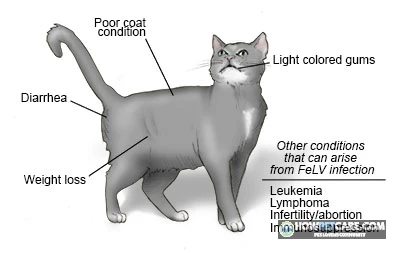

Feline leukemia virus (FeLV) is a contagious retrovirus that weakens a cat’s immune system and can cause anemia and cancers such as lymphoma. It spreads mainly through saliva and close contact. A positive test is not a death sentence — confirmatory testing and the infection stage determine the real outlook.
Feline leukemia virus (FeLV) is a retrovirus that spreads between cats and weakens the immune system. It can also damage bone marrow, cause anemia, and lead to cancers such as lymphoma. If your cat has just tested positive, know that the result is not an automatic death sentence. Some cats keep the virus under control for years, and a meaningful share fight it off entirely. Much depends on the type of infection, how it was detected, and what you do over the next days and weeks. This guide covers symptoms, transmission, testing and costs, along with a practical plan for living with an FeLV-positive cat.
What Feline Leukemia Virus Is, and What a Positive Result Does and Doesn’t Mean
FeLV belongs to the retrovirus family, the same broad group as feline immunodeficiency virus (FIV), though the two viruses behave differently. It’s often called cat leukemia virus, but despite the name it’s a virus, not a cancer — "leukemia" refers to one of the cancers it can cause. Worldwide, roughly 1–2% of cats carry FeLV; in the United States, the figure is about 2–3%. The virus infects immune cells and the bone marrow that produces blood cells. Over time, it suppresses the immune system, leaving a cat vulnerable to secondary infections that a healthy immune system would normally defeat. FeLV can also disrupt red-blood-cell production, leading to anemia, and turn normal blood-cell development cancerous, producing lymphoma or leukemia.
A positive result doesn’t mean you need to make an end-of-life decision today. Nor does it mean your cat will definitely become sick soon. FeLV exists on a spectrum: some cats mount a strong immune response and never become contagious, while others control the virus for years before illness appears. A small group becomes progressively ill. The sections ahead can help you understand where your cat may fall on that spectrum and what you can do to protect your cat and any other cats at home.
This article is written for cat owners by a publication that researches veterinary and welfare topics. It isn’t a substitute for an individual diagnosis or treatment plan from a licensed veterinarian. Always confirm test results and care decisions with your vet.
How FeLV weakens the immune system
FeLV enters through the mouth or nose and travels to the lymph tissue, then to the bone marrow. There, it hijacks the cells that make white blood cells, red blood cells, and platelets. When that production is disrupted, the cat develops immunosuppression and may become anemic or prone to bleeding problems. The day-to-day danger usually comes not from the virus itself but from ordinary bacteria, viruses, fungi, or parasites that take advantage of the weakened immune system. That’s why FeLV-positive cats often have recurring dental disease, skin infections, upper respiratory infections, diarrhea, or slow-healing wounds.
FeLV vs FIV in one short comparison
Both FeLV and FIV are retroviruses that suppress immunity, but they differ in how they spread and in their typical outlook. FeLV passes most easily through prolonged close contact, shared saliva, and from mother to kitten. FIV spreads mainly through bite wounds. FeLV is usually more dangerous to kittens and can shorten life expectancy more directly; FIV-positive cats often live near-normal lifespans with good care. Each virus needs its own test; a cat can theoretically have both, and FIV symptoms in cats often follow a different course.
How Cats Get FeLV: Transmission, Risk Factors, and Whether Humans or Dogs Are at Risk
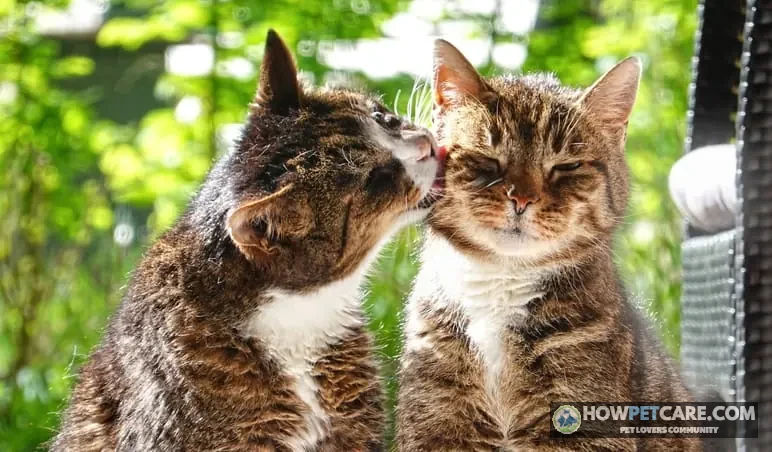
Cats get feline leukemia virus mainly through close, sustained contact with an infected cat. The virus lives in saliva, nasal secretions, milk, and urine. Mutual grooming, shared food or water bowls, and bites can all pass it on. An infected mother can also transmit the virus to her kittens before birth or through nursing. Casual contact, such as passing in a hallway, is far less efficient than prolonged cohabitation. The virus doesn’t travel well through the air and is fragile outside the cat’s body; it generally doesn’t survive more than a few hours on dry surfaces.
Higher-risk situations include outdoor access, contact with cats of unknown status, living in a multi-cat household where one cat is positive, and time in a shelter or feral colony. Young cats are also at greater risk. Kittens are especially vulnerable because their immune systems are immature. Cats older than about four months at exposure are more likely to clear or control the virus.
Can FeLV spread to humans or dogs?
No. FeLV infects only members of the cat family, including domestic cats and some wild cats such as lions. It doesn’t infect humans, dogs, or other household pets. If you’re immunocompromised, you should still follow routine hand-washing and general pet-hygiene advice, but FeLV itself is not a zoonotic concern.
Which cats are at highest risk
Cats at highest risk include unvaccinated kittens, outdoor cats, cats who fight with neighborhood cats, cats adopted from crowded shelters or colonies, and any cat living with an FeLV-positive housemate. Outdoor cats have a greater chance of meeting an infected cat and being bitten. Multi-cat households without testing and vaccination are also common sites of spread. If your cat falls into one of these groups and shows feline leukemia virus symptoms, testing is the right next step.
FeLV Symptoms in Cats: Early Warning Signs and When to Call the Vet
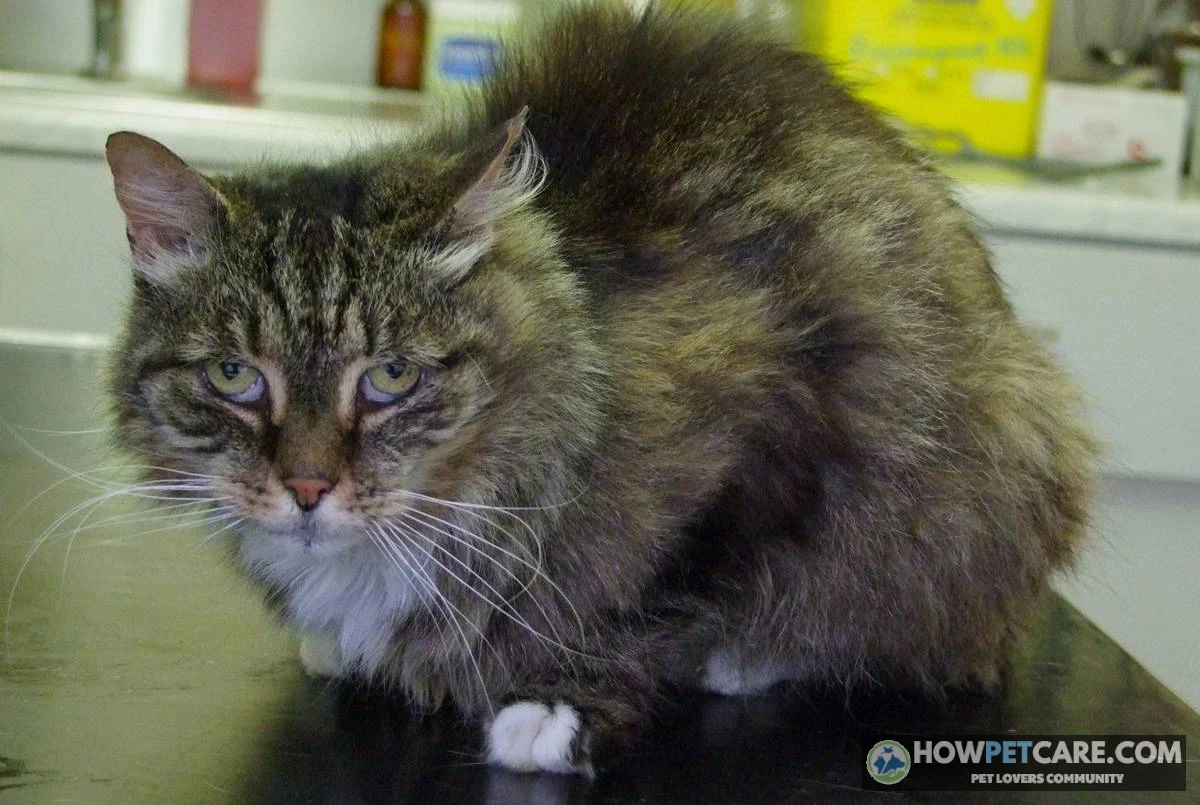
Many FeLV-positive cats look healthy for months or even years. Feline leukemia virus symptoms are often vague and can mimic many other conditions, so a symptom list can’t diagnose FeLV. Only a blood test can. The following signs are common in cats whose infection has started to cause problems:
- Gradual weight loss or poor appetite
- Pale or yellow-tinged gums
- Recurring fevers
- Enlarged lymph nodes
- Chronic gum or dental disease
- Persistent respiratory infections
- Skin or ear infections that keep returning
- Chronic diarrhea or vomiting
- Lethargy or reduced interest in play
- Slow-healing wounds
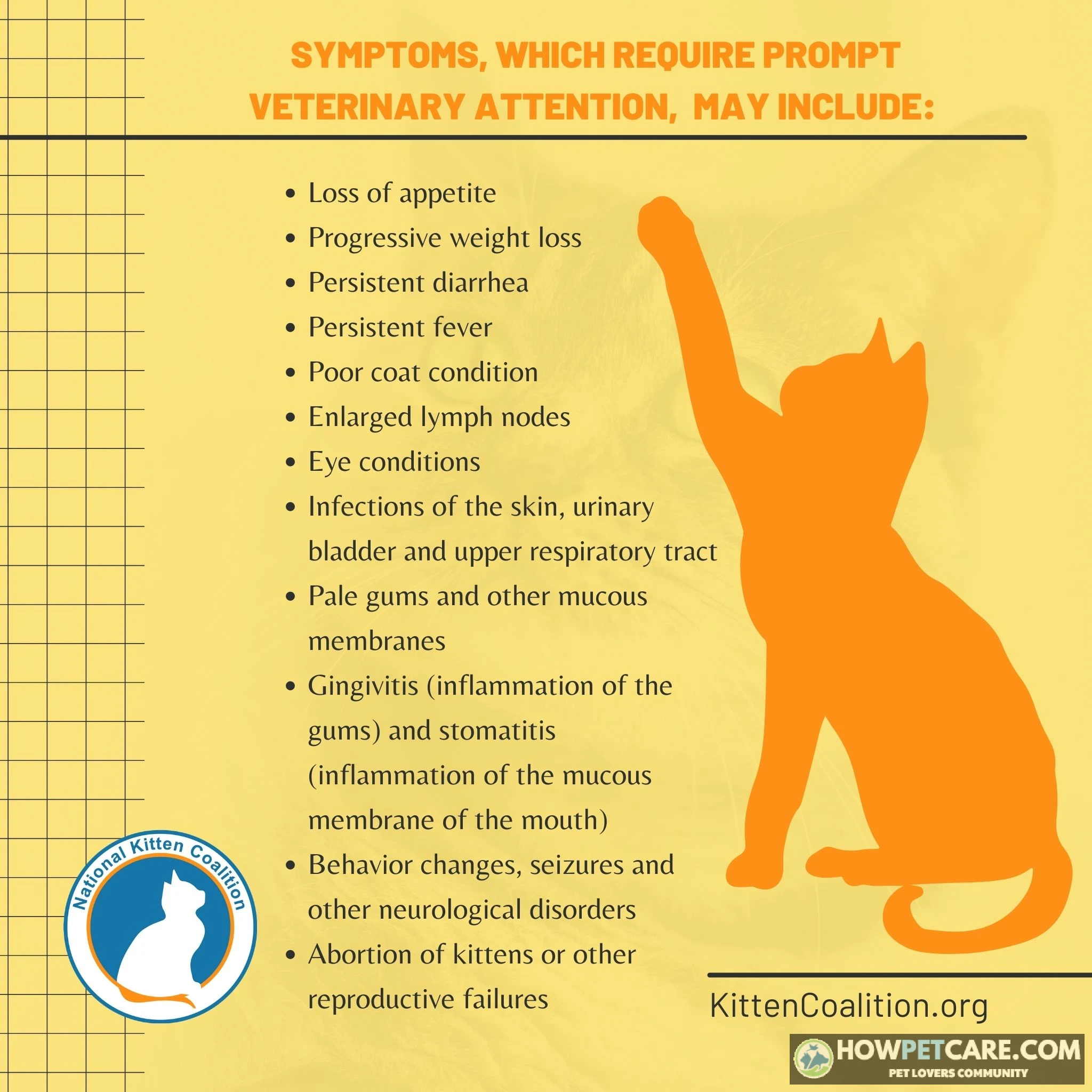
These signs reflect immunosuppression, anemia, or bone-marrow disease. In some cats, FeLV leads directly to lymphoma or leukemia.
Signs that can show up in an apparently healthy cat
A cat in the regressive or latent stage may carry the virus without showing outward signs. The only clue might be a positive test during a routine adoption exam or pre-surgical screening. Even an apparently healthy FeLV-positive cat can develop illness later, especially if the immune system is stressed by another disease, poor nutrition, or environmental change.
Red flags that mean call the vet today
Some symptoms warrant same-day or emergency veterinary care:
- Labored breathing or open-mouth breathing at rest
- Collapse or extreme weakness
- Pale or yellow gums
- Refusing food for more than 24 hours
- Persistent vomiting or diarrhea
- A swollen abdomen or sudden weight loss
- Bleeding, bruising, or blood in urine or stool
- Fever over 103°F or a very low body temperature
These signs can signal life-threatening anemia, a severe secondary infection, or cancer progression.
Progressive, Regressive, Abortive, and Latent Infections: How Long Can a Cat Live With FeLV?
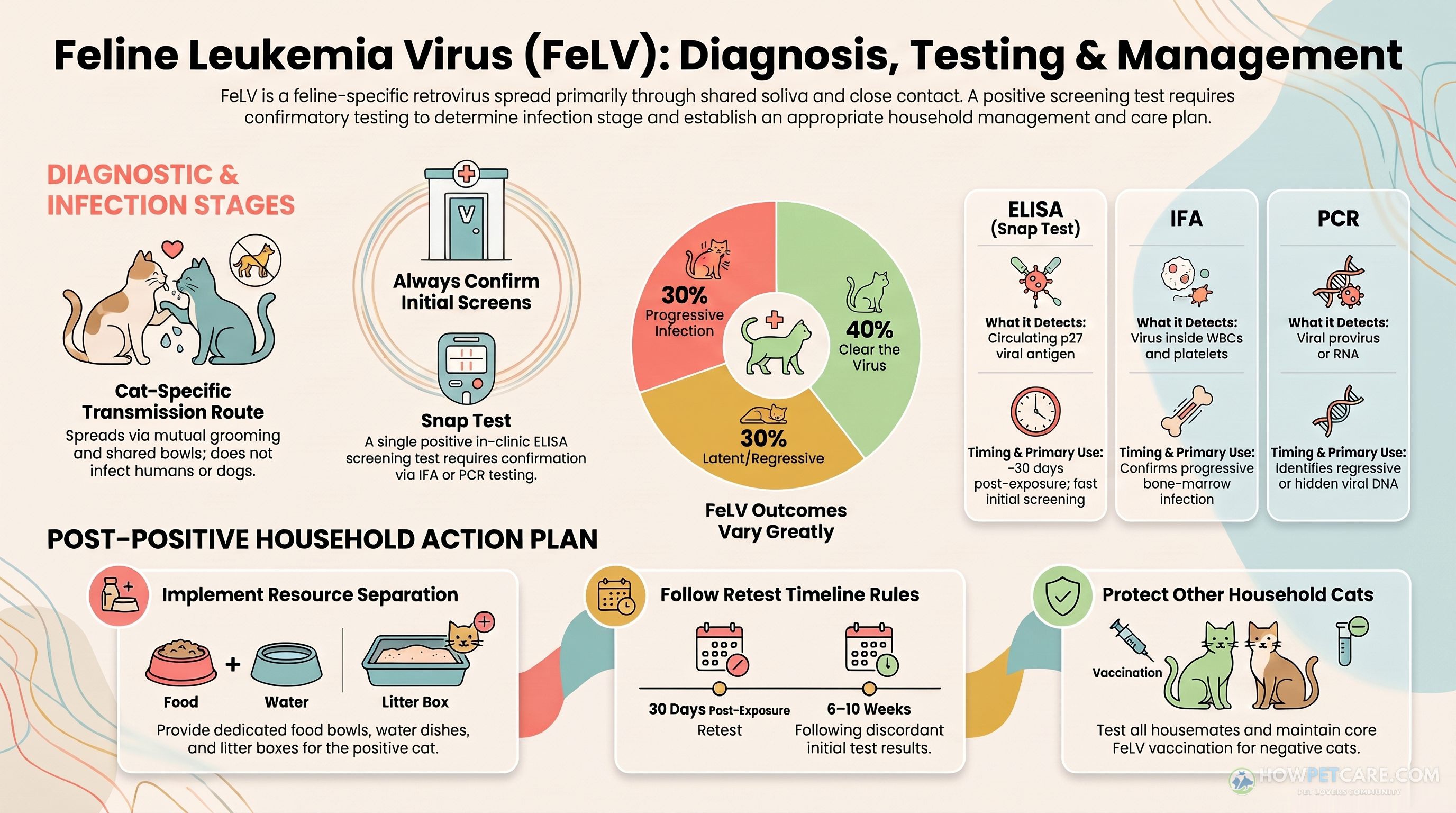
Two cats exposed to the same virus can have very different outcomes. Age and immune response matter a great deal. After exposure, research reviews estimate that roughly 40% of cats clear the virus within the first three months, about 30% develop progressive infection, and about 30% become latent carriers. Kittens are far more likely to develop progressive infection than healthy adult cats.
| Outcome | What is happening in the cat | Typical test pattern | Can it infect other cats? | General outlook |
|---|---|---|---|---|
| Progressive | The immune system never controls the virus; it keeps replicating and reaches the bone marrow | ELISA positive, IFA positive, PCR positive — persistently | Yes — actively sheds virus in saliva and other secretions | Most guarded. Higher risk of anemia, lymphoma, and secondary infections; needs the closest monitoring and strictest separation from other cats |
| Regressive | The immune system largely suppresses the virus, but viral DNA remains hidden in the body | ELISA often negative or only briefly positive, IFA negative, PCR positive | Usually not shedding — but the virus can reactivate under severe stress or immunosuppression, and blood from these cats could theoretically transmit FeLV | Considerably better. Many of these cats live near-normal lives, though FeLV-related illness is still possible later |
| Abortive | The immune system eliminates the infection before it takes hold | May never test antigen-positive; antibody evidence of exposure only; PCR negative or transiently positive | No | Best outcome — the cat fought the virus off |
| Latent / focal (terminology varies) | Virus sequestered in tissues such as marrow or lymph nodes, not actively circulating | Blood antigen tests usually negative; virus may be found in tissue or marrow samples | Risk is low but not zero, particularly if the infection reactivates | Variable; the main concern is reactivation if the cat becomes immunosuppressed |
A positive screening test alone doesn’t tell you which row your cat is in. That’s why confirmatory testing and the retest timeline described later are so important.
Can a latent or regressive carrier still infect other cats?
Cats with progressive infection actively spread the disease. Regressive and latent cats usually don’t shed enough virus to infect housemates through normal daily contact. The virus can reactivate, however, if the cat becomes severely stressed or immunosuppressed. Research reviews estimate that about one in ten latent carriers may reactivate and become ill after severe stress. Blood from a regressive cat could also transmit FeLV through a transfusion. Although regressive status carries a better prognosis, it still makes sense to manage the household carefully and keep the cat indoors.
How long can a cat live with feline leukemia?
The honest answer is that it depends on the infection stage and the care the cat receives. Once a cat has confirmed persistent progressive infection, published reviews estimate that about 85% die within three years, with an average survival around 2.4 years. Those figures describe the group with the worst prognosis. Cats with regressive infection, and some cats managed with strong supportive care, can live comfortably for much longer, and a meaningful fraction clear the infection entirely. Age at exposure matters: cats exposed after four months of age are more likely to resist progressive disease than young kittens.
ELISA vs IFA vs PCR: Which FeLV Test Did Your Vet Run, and What Do Conflicting Results Mean?
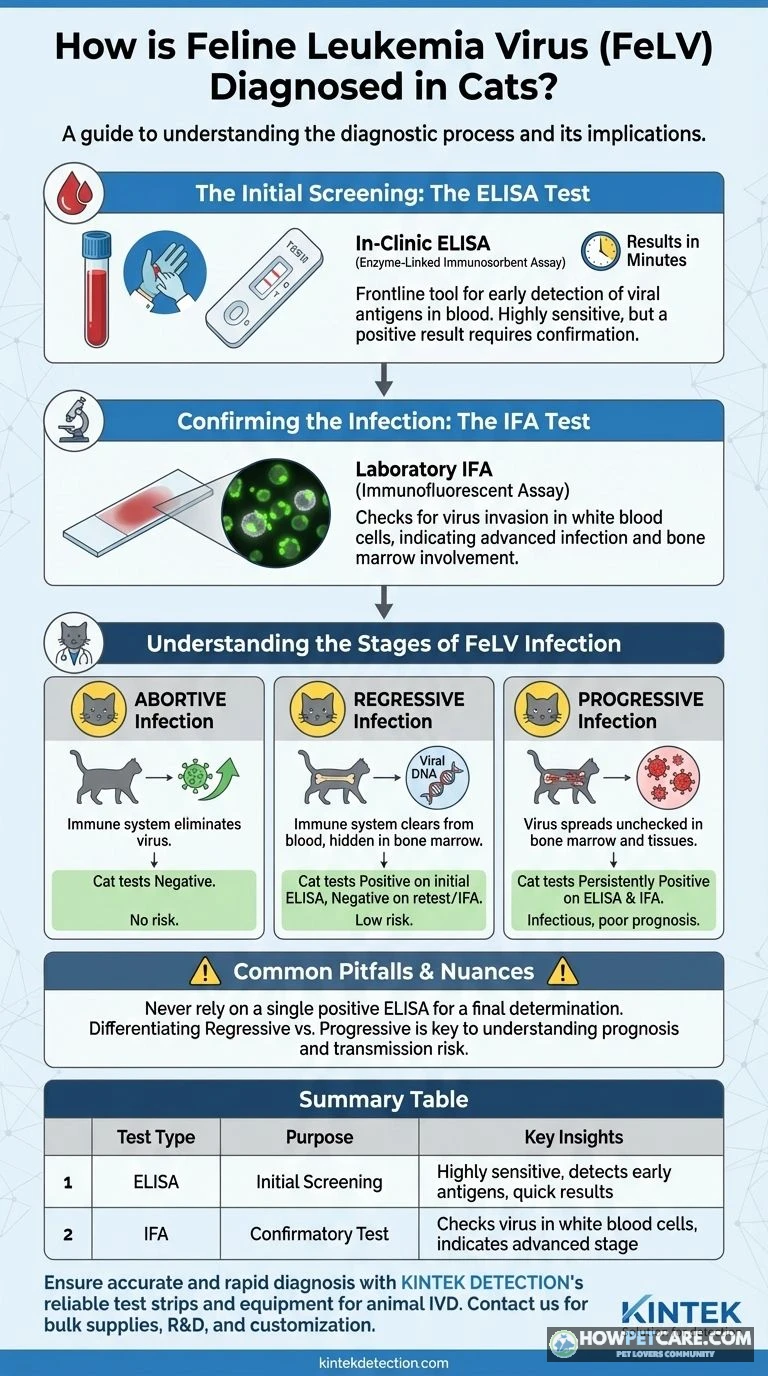
Feline leukemia testing has three main tools: the ELISA snap test, the IFA test, and PCR testing. Knowing which one your vet used helps you interpret a positive result and decide whether to retest.
| Test | What it detects | Where it is run | Timing after exposure | Accuracy limits and false positives | Best use | Typical US cost tier* |
|---|---|---|---|---|---|---|
| ELISA (snap test) | Viral protein (p27 antigen) circulating in blood | In the clinic, results in minutes | Usually reliable from about 30 days after exposure; earlier results can be falsely negative | Can give false positives, especially in healthy, low-risk cats; a single positive screen should be confirmed | Fast screening of new cats, sick cats, and cats after exposure | $ (lowest tier; often bundled into an exam fee) |
| IFA | Virus inside infected white blood cells and platelets, which signals the infection has reached the bone marrow | Sent to an outside laboratory, results in days | Turns positive later than ELISA — only once infection has progressed to the marrow | Rarely falsely positive, but can miss early or regressive infections, so a negative IFA does not rule FeLV out | Confirming an ELISA-positive result and checking whether infection is progressive |
(mid tier; lab fee plus draw/handling fee) |
| PCR | Viral genetic material (provirus or viral RNA) in blood, marrow, or other samples | Sent to a reference laboratory | Can detect infection earlier than antigen tests and can find virus that antigen tests miss | Quality varies between labs and assays; a positive PCR with negative antigen tests often indicates regressive infection, not active shedding | Resolving conflicting results and identifying regressive or hidden infection |
$ (highest tier; specialist lab test) |
Cost tiers are relative, not fixed prices. Published US clinic prices vary widely by region, whether the test is bundled with an exam, and which laboratory is used. Ask your clinic for its current fee rather than budgeting from a national average.
FeLV test accuracy and why false positives happen
The in-clinic ELISA test is fast and convenient, but it’s a screening test, not a final verdict. A single positive ELISA in a healthy, low-risk cat is more likely to be a false positive than a true infection. False positives can occur because of technical errors, cross-reacting proteins, or a transient exposure the cat is already clearing. Current veterinary guidance therefore recommends confirming any positive screening test with a different method, usually IFA or PCR, before making major decisions.
Reading discordant results
A discordant result means one test says positive and another says negative. Here’s how to read the most common patterns:
- ELISA positive, IFA negative: This often means either an early infection the immune system may still clear or a false positive on the ELISA. Your vet will usually repeat testing rather than diagnose FeLV from this alone.
- ELISA negative, PCR positive: This pattern frequently points to a regressive infection. The antigen level has dropped below ELISA detection, but viral genetic material is still present. The cat is usually not actively contagious.
- ELISA positive, IFA positive: This pattern is most consistent with progressive infection and active viral replication in the bone marrow.
- All three negative: If exposure was recent, the cat may still be in the window period. Retesting in about 30 days is the usual recommendation.
If your vet uses words like "discordant" or "equivocal," ask for the exact tests, dates, and laboratories. Bring a written copy of every result to the next appointment.
A single positive in-clinic ELISA should not lead to rehoming, euthanasia, or permanent separation of your cats before a confirmatory test. False positives do happen, and acting too fast can carry a high emotional and practical cost.
Your Cat Tested Positive for FeLV: A Step-by-Step Plan for the Next Days and Weeks
The hours after a positive test are often the hardest. The goal is to avoid panic, protect other cats, and confirm what the result means.
First 48 hours
- Ask which test was run and what the result says. Write down the test name, date, laboratory, and exact wording.
- Ask whether a confirmatory test with a different method is appropriate. If the first test was an in-clinic ELISA, the next step is usually an IFA or PCR from a fresh sample.
- Keep the cat separated from other cats in the home, especially kittens and unvaccinated cats, until the picture is clearer. This is a temporary precaution, not a permanent verdict.
- Stop outdoor access. An FeLV-positive cat should remain indoors to protect neighborhood cats and to protect the cat from infections its immune system may not handle.
- Gather the other cats’ vaccine and test records. You’ll need them for conversations about risk.
- Call the shelter, breeder, or previous owner to report the result. They may need to test littermates or other cats from the same environment.
The retest decision tree: why 30 days, 6–10 weeks, and 3 months all appear
-
Identify what was actually run
Ask: was this an in-clinic ELISA snap test, a lab IFA, or a PCR? Write it down along with the date and the lab. Every later decision depends on this.
-
Decide whether the positive needs confirmation
If the positive was a screening ELISA on a healthy, low-risk cat, do not accept the diagnosis yet. Request a confirmatory test using a different method — IFA or PCR — from a fresh sample. False positives happen most often in this scenario. If the positive was an IFA, PCR, or an ELISA on a sick or high-risk cat, the result is more trustworthy, but confirmation is still standard practice.
-
Pick the right retest window
The confusing numbers answer three different questions.
- About 30 days: the minimum wait after a suspected exposure if the first test was negative. ELISA antigen takes roughly a month to become detectable, so a test done days after a fight or adoption can be falsely reassuring.
- About 6–10 weeks: the common window for repeating tests after a discordant result, such as ELISA positive but IFA negative. Cats in the process of clearing the virus can flip to negative on retest.
- About 3 months: used when trying to distinguish a transient positive from an established progressive infection, and in some kitten retesting protocols after possible milk-borne exposure.
-
Branch on the retest outcome
- Retest negative: likely a cleared or regressive infection, or an initial false positive. Your vet may recommend one more confirmation, especially for kittens.
- Retest positive on antigen tests: consistent with progressive infection — move to the management plan.
- Antigen negative but PCR positive: likely regressive — far better outlook, but keep the cat’s status on file because the virus persists in the body.
-
Keep interim protections in place
Until the picture is clear, keep the cat separated from other cats, avoid outdoor access, and schedule a baseline workup with a complete blood count, chemistry panel, and urinalysis.
What to ask your vet at the first visit
Bring this checklist:
- Which test did you run, and what laboratory processed it?
- Should we confirm with a different test method?
- When should we retest, and what question will that retest answer?
- Is my cat showing signs of anemia, immunosuppression, or cancer on bloodwork?
- What is my cat’s infection stage likely to be, based on test patterns?
- Which of my other cats need testing or vaccination?
- What signs should prompt an emergency visit?
Create one folder for every lab report, vaccine record, and recheck date. Decisions over the next year depend on the exact sequence of results, and it’s easy to mix up dates when you’re stressed.
Can Feline Leukemia Be Cured? Treatment Options, Interferon Omega, and What Supportive Care Costs
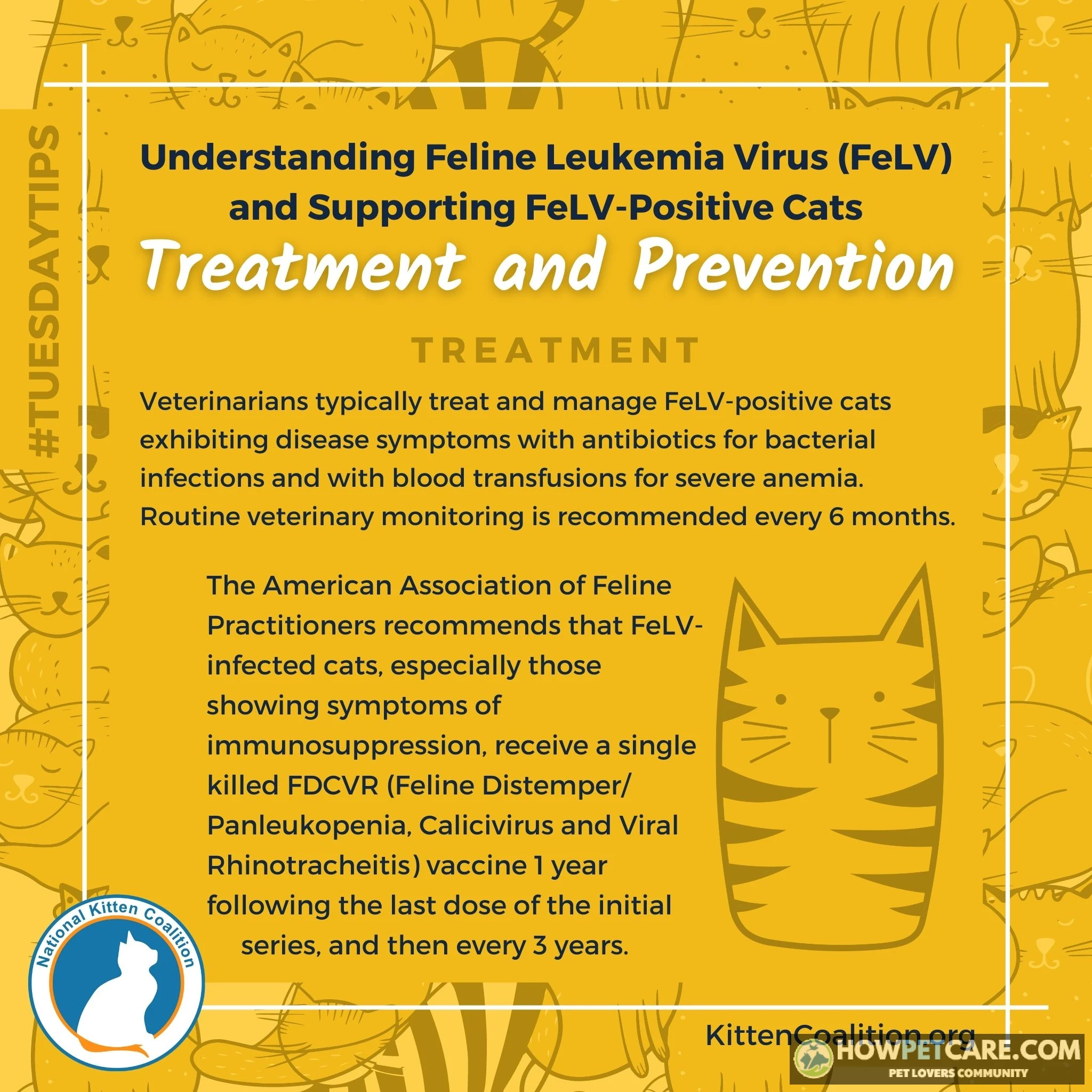
There is currently no cure that reliably removes FeLV from a cat’s body. Care aims to support the immune system, treat secondary problems quickly, and maintain quality of life. Many cats, especially those in the regressive stage, live comfortably for extended periods with routine veterinary care, good nutrition, and a low-stress environment.
Does interferon omega actually work?
Feline interferon omega is an immunomodulator that some vets prescribe to support cats with viral infections, including FeLV. It’s intended to modulate the immune response, not to kill the virus. Published studies show limited and mixed results, and interferon omega isn’t considered a cure for FeLV. Availability differs by country, and it’s usually used alongside supportive care rather than as a standalone treatment. Ask your vet whether it’s appropriate for your cat’s stage and symptoms, and what outcomes are realistic.
Medications you should never give without a vet
Never give a cat leftover human antivirals, antibiotics, pain relievers, or other human medications. Many human drugs are toxic to cats. Acetaminophen, ibuprofen, and some antiviral compounds can be fatal even in small doses. There are no proven at-home cures for FeLV, and self-medicating can turn a manageable case into an emergency.
Cats metabolize drugs differently than people. A medication that helps a human with a viral illness can destroy a cat’s liver or kidneys. Leave prescription decisions to a veterinarian.
What ongoing care costs: categories and ranges
Budgeting for FeLV care is often one of the first practical questions after a diagnosis. The table below lists broad 2026 US cost categories. These are estimates, not fixed prices; fees vary widely by region and clinic.
| Expense | When it applies | Estimated US range* | Ways to reduce cost |
|---|---|---|---|
| ELISA screening test | Initial clinic visit, screening new cats | $25–$75 | Often bundled into a wellness exam |
| IFA confirmatory test | After a positive or discordant ELISA | $50–$150 | Low-cost clinic, bundled wellness panels |
| PCR test | Resolving confusing results or identifying regressive infection | $100–$300 | Prices vary by lab; ask for a written estimate |
| FeLV vaccine series (two doses) | Kittens under 1 year; at-risk adults | $40–$100 total | Vaccine clinics, shelter packages |
| Annual FeLV test / recheck | Monitoring positive cats or at-risk adults | $30–$80 | Wellness plans, low-cost clinics |
| Routine supportive care (checkups, bloodwork, dental care, parasite control) | Ongoing management for a positive cat | $300–$1,000/year | Pet insurance, payment plans, preventive care |
| Treatment of secondary infections or complications | Flare-ups, anemia, lymphoma, hospitalization | $200–$3,000+ per episode | Emergency fund, Care Credit, veterinary schools |
Ranges are rough 2026 US estimates. Actual prices vary by region, clinic, and whether the test is bundled with an exam. Always ask for a written estimate before agreeing to services.
For owners on a tight budget, low-cost vaccine and testing clinics, veterinary schools, payment plans, and nonprofit rescue resources can help. Pet insurance purchased before a diagnosis may also cover some ongoing care, but pre-existing conditions are usually excluded.
Living With an FeLV-Positive Cat: Multi-Cat Households, Vaccination, and Disinfection
A positive FeLV result changes household routines, but it doesn’t necessarily mean giving up your cat or rehoming other pets. The right plan depends on the infected cat’s stage, the test status of other cats, and how much risk everyone is comfortable managing.
Should I vaccinate my indoor cat for FeLV?
Under the 2020 AAHA/AAFP Feline Vaccination Guidelines, the FeLV vaccine is considered core for all kittens under one year of age. For at-risk kittens, the initial series commonly starts as early as 9 weeks of age with a booster 3 weeks later. Adult cats are vaccinated based on lifestyle risk. A strictly indoor adult with no contact with outdoor cats is generally considered low risk and may not need the vaccine. An adult that goes outside, lives with an outdoor cat, or is exposed to a positive cat is a stronger candidate. The vaccine isn’t 100% protective, but it substantially reduces the risk of infection in exposed cats.
Can a vaccinated negative cat live with a positive cat?
This common household question doesn’t have a simple yes-or-no answer; it depends on risk. A fully vaccinated, healthy adult FeLV-negative cat is at lower risk than an unvaccinated kitten, but no vaccine guarantees protection. If the positive cat has progressive infection and actively sheds virus, the safest choice is full separation or extremely limited, supervised contact. If the positive cat is regressive with negative antigen tests, many veterinarians consider supervised cohabitation acceptable, especially when the other cats are vaccinated and household stress is low.
Key factors that change the answer:
- The positive cat’s infection stage (progressive vs. regressive)
- The age and vaccine status of the other cats
- Whether the cats groom each other or fight
- The layout of your home and whether resources can be kept separate
- Your ability to monitor everyone for illness and take repeat tests
The multi-cat checklist below offers concrete steps.
Multi-cat household safety checklist when one cat is FeLV-positive
- ☐ Test every other cat in the home, even if they look healthy.
- ☐ Confirm each negative cat is current on the FeLV vaccine; keep written records.
- ☐ Give the positive cat its own food and water bowls, clearly marked or a different color.
- ☐ Provide a separate litter box.
- ☐ Feed in separate rooms or at separate times to limit bowl-sharing.
- ☐ Discourage mutual grooming and rough play that could draw blood.
- ☐ Keep kittens and unvaccinated cats fully separated until tested and vaccinated.
- ☐ For vaccinated healthy adults, discuss supervised contact vs. separation with your vet.
- ☐ Minimize stress; stress weakens the positive cat’s health and increases conflict behaviors.
- ☐ Keep the positive cat indoors.
- ☐ Quarantine and test any new cat before introducing it to the household.
Current FeLV vaccines don’t normally make a cat test positive on standard ELISA or IFA antigen tests, though a rare transient positive in the days right after vaccination is possible. Tell your vet when your cat was vaccinated so results can be interpreted correctly.
How to disinfect bowls, litter boxes, and surfaces
FeLV is fragile outside the cat and doesn’t survive long on dry surfaces. Routine cleaning goes a long way. Wash bowls daily in hot soapy water. Scoop litter boxes daily and wash the box itself weekly. For hard surfaces, use a diluted bleach solution — roughly 1:32, or about half a cup of household bleach per gallon of water — or another veterinary-recommended disinfectant. Let the surface stay wet for the label’s contact time, keep cats away until it’s dry, and never mix bleach with ammonia. Because the virus dies quickly once exposed to air and cleaning, extreme disinfection isn’t necessary. Consistent, ordinary hygiene is enough.
Quality of Life With FeLV: A Checklist for Good Days, Bad Days, and End-of-Life Decisions
Living with an FeLV-positive cat means paying attention to trends. A single bad day isn’t a reason to give up; a steady downward trend is a signal to talk honestly with your vet.
A quality-of-life checklist you can use at home
The HHHHHMM scale (Hurt, Hunger, Hydration, Hygiene, Happiness, Mobility, More good days) is a tool veterinarians use to assess quality of life. The scorecard below adapts it for FeLV. Score each row 0–10 once a week, where 10 means normal for your cat and 0 means as bad as it could be.
WEEK OF: __________        CAT: __________

HURT (pain): score ___/10
   Anchors: 10 = moves and is handled normally. Below 5 = hunched
   posture, hiding, flinching, growling when touched, grinding teeth.

HUNGER: score ___/10
   Anchors: 10 = normal appetite. Below 5 = eating less than half of
   normal, or needing to be coaxed to eat most days.

HYDRATION: score ___/10
   Anchors: 10 = drinking normally, gums moist. Below 5 = tacky gums,
   skin that stays tented when gently pinched, visibly reduced drinking.

HYGIENE: score ___/10
   Anchors: 10 = self-grooming normally. Below 5 = unkempt or matted
   coat, soiling itself, avoiding the litter box.

HAPPINESS / INTEREST: score ___/10
   Anchors: 10 = plays, seeks you out, watches the window. Below 5 =
   no interest in things it used to enjoy, withdrawn most of the day.

MOBILITY / BREATHING: score ___/10
   Anchors: 10 = jumps and breathes normally. Below 5 = won't jump,
   labored breathing, resting breaths obviously faster than usual.

MORE GOOD DAYS THAN BAD: score ___/10
   Count this week's good vs. bad days. Below 5 = bad days
   outnumbered good ones.

FeLV-SPECIFIC ROW — INFECTION LOAD: score ___/10
   10 = no illness this week. Below 5 = a new secondary infection
   (respiratory flare, mouth sores, fever, GI upset) OR the third or
   more illness episode this quarter. Recurring infections are the
   pattern that most often changes the prognosis conversation.

TOTAL: ___/80     GOOD DAYS: ___   BAD DAYS: ___
NOTES FOR THE VET: ____________________________
There’s no magic total that makes the euthanasia decision for you. What matters is the trend. A total that slides week over week, bad days consistently outnumbering good ones, or a cluster of low scores in Hurt, Hunger, and Breathing means it’s time for a frank conversation with your vet.
1A cat owner is concerned about how Feline Leukemia Virus (FeLV) is transmitted between cats in a household. Which of the following exposure scenarios represents the primary route for FeLV transmission?
FeLV is shed in high concentration in saliva and nasal secretions, making prolonged close contact such as mutual grooming and shared bowls the primary transmission route.
2Both Feline Leukemia Virus (FeLV) and Feline Immunodeficiency Virus (FIV) are retroviruses that suppress a cat's immune system. Which of the following statements correctly distinguish FeLV from FIV?
FeLV viral shedding in saliva allows friendly contact like grooming to transmit infection, while FIV requires the deep inoculation of saliva through skin typical of territorial fight bites.
3A veterinarian performs an in-clinic point-of-care ELISA snap test on a healthy, low-risk indoor cat during a routine adoption screening, and the test comes back positive. What is the most appropriate next step?
A single ELISA screening positive in a healthy, low-risk cat carries a higher risk of being a false positive, so confirmation via IFA or PCR is standard veterinary protocol.
4A cat tests positive for FeLV on an initial in-clinic ELISA snap test, but a secondary Immunofluorescence Assay (IFA) sent to a laboratory comes back negative. How should this discordant test result be interpreted?
ELISA detects soluble viral antigen in blood while IFA detects virus inside white blood cells; a negative IFA means the virus has not established in the bone marrow, suggesting early infection, clearing, or a false-positive ELISA.
5A cat owner expresses worry that their newly diagnosed FeLV-positive cat might transmit the virus to the family dog or to human family members. Which statement accurately describes the host range of FeLV?
FeLV is strictly specific to felids (domestic and wild cats); it is not a zoonotic pathogen and cannot infect dogs or humans.
6Which of the following interventions are recommended safety steps when managing a household where one cat has tested positive for FeLV and other cats reside?
Testing every housemate is essential to establish baseline status before deciding on isolation or vaccination strategies.
7According to standard veterinary vaccination guidelines (such as the AAFP guidelines), how is the FeLV vaccine categorized for young kittens versus adult indoor cats?
Kittens are exceptionally vulnerable to progressive FeLV infection, making vaccination core for all kittens; adult cats are vaccinated based on outdoor access or exposure to positive cats.
Palliative care and knowing when it may be time
Palliative care for FeLV focuses on comfort: pain management, appetite support, hydration, warm bedding, gentle hygiene help, and prompt treatment of secondary infections. In-home hospice and in-home euthanasia services are available in many areas and can reduce stress for both cats and owners.
Concrete signs that it may be time to consider euthanasia include:
- Persistent refusal to eat or drink
- Labored or rapid breathing that cannot be controlled
- Pain that medication no longer manages
- Loss of interest in people, play, and normal routines
- Repeated crises or hospitalizations
- Bad days consistently outnumbering good days
The decision calls for judgment, not a formula. The scorecard gives you evidence to share with your vet so you can make the decision together.
Choosing euthanasia is sometimes the last act of care. The goal is never to extend life at the cost of suffering.
Your FeLV action checklist
Use this as your closing to-do list:
- ☐ Confirm the diagnosis with a second test method before making permanent decisions.
- ☐ Schedule the correct retest window: about 30 days after exposure, 6–10 weeks for discordant results, or about 3 months for staging kitten retests.
- ☐ Get a baseline workup: complete blood count, chemistry panel, urinalysis.
- ☐ Set up the household: separate resources, restrict outdoor access, test and vaccinate other cats.
- ☐ Plan the budget using the cost table; ask your clinic for written estimates.
- ☐ Set a recheck schedule with your vet.
- ☐ Start a weekly quality-of-life log.
- ☐ Know the emergency red flags and when to call the vet.
- ☐ Consider pet insurance, payment plans, or low-cost resources before a crisis.
- ☐ Build a support system for yourself; this is a marathon, not a sprint.
FeLV is serious, but it is also manageable. With the right testing, an understanding of infection stages, and a practical care plan, you can give your cat the best chance at a comfortable life while keeping your other cats as safe as possible.
| Test | What it detects | Where it is run | Timing after exposure | Accuracy limits and false positives | Best use | Typical US cost tier |
|---|---|---|---|---|---|---|
| ELISA (snap test) | Viral protein (p27 antigen) circulating in blood | In-clinic, results in minutes | Usually reliable from about 30 days after exposure; earlier results can be falsely negative | Can give false positives, especially in healthy, low-risk cats; a single positive screen should be confirmed | Fast screening of new cats, sick cats, and cats after exposure | $ (lowest tier; often bundled into an exam fee) |
| IFA | Virus inside infected white blood cells and platelets, which signals the infection has reached the bone marrow | Reference laboratory, results in days | Turns positive later than ELISA — only once infection has progressed to the marrow | Rarely falsely positive, but can miss early or regressive infections, so a negative IFA does not rule FeLV out | Confirming an ELISA-positive result and checking whether infection is progressive | (mid tier; lab fee plus draw/handling fee) |
| PCR | Viral genetic material (provirus or viral RNA) in blood, marrow, or other samples | Reference laboratory | Can detect infection earlier than antigen tests and can find virus that antigen tests miss | Quality varies between labs and assays; a positive PCR with negative antigen tests often indicates regressive infection, not active shedding | Resolving conflicting results and identifying regressive or hidden infection | $ (highest tier; specialist lab test) |
FAQ
Will the FeLV vaccine make my cat test positive?
No. The vaccine does not cause a positive result on standard FeLV antigen tests (ELISA or IFA). Tell your vet about any vaccination so they can interpret results correctly.
Can an FeLV-positive cat go outside?
Veterinary guidelines generally advise keeping FeLV-positive cats indoors. This protects neighborhood cats from infection and protects your cat from other infections and injuries. A secure enclosure or supervised harness time can offer enrichment.
Can kittens be born with FeLV?
Yes. An infected mother can pass the virus to her kittens before birth or through nursing. Kittens from an infected mother should be tested and followed up with retesting as your vet advises.
Is FeLV the same as FIV?
No. Both are retroviruses that weaken a cat’s immune system, but they are different viruses. They spread differently and carry different outlooks, and each needs its own test.
Can a cat with FeLV test negative later?
Yes, in some cases. A cat that clears the infection or has a regressive infection may test negative on antigen tests later. Your vet may use PCR or repeat testing to interpret the result.