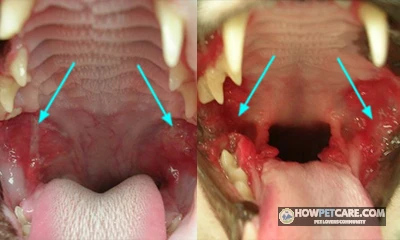

Feline stomatitis is a painful immune-mediated inflammation of the mouth that often causes drooling, bad breath, weight loss, and difficulty eating. Treatment may include pain control and medication, but partial or full-mouth tooth extraction offers the best chance of long-term improvement. Cats usually adapt well after healing.
Feline chronic gingivostomatitis (FCGS) is a severe, immune-mediated oral disease that causes painful, widespread inflammation throughout a cat’s mouth. When your cat approaches their food bowl hungry, tries to eat, and suddenly cries out, drops the kibble, or bolts from the room, they are dealing with intense oral pain. This condition goes far beyond routine tartar buildup or typical bad breath. It is a debilitating mucosal inflammation that turns eating, swallowing, and routine grooming into agonizing experiences.
Learning that your cat may need full-mouth tooth extractions is daunting, but surgery offers a dependable path back to a comfortable life. About 70% to 80% of affected cats achieve substantial clinical improvement or complete resolution once the plaque-retentive surfaces of their teeth are gone. Knowing how to tell ordinary dental tartar from deep caudal inflammation, budgeting for veterinary expenses, and understanding post-operative recovery will help you make confident decisions for your pet.
What Is Feline Stomatitis? Recognizing the Red Flags of Severe Mouth Pain

Feline stomatitis causes widespread oral ulceration that extends past the margins of the gums to affect the lips, tongue, palate, and caudal oral mucosa. In a healthy mouth, a cat’s gums are pale pink, smooth, and firm against the enamel. In cats with chronic stomatitis, the tissues look cobblestoned, fiery red, ulcerated, and fragile. They often bleed at the slightest touch.
Because cats instinctively mask pain, mild oral disease frequently goes unnoticed until the inflammation turns severe. Look for these clear physical and behavioral indicators:
- Pseudorexia (Apparent Hunger with Inability to Eat): The cat acts ravenous, pacing near the bowl or begging for meals, but hesitates, drops food after one bite, or cries out while chewing.
- Ptyalism (Excessive Drooling): Thick, ropey, or blood-tinged saliva pools along the lips or stains the front paws and chest.
- Unkempt, Matted Haircoat: Grooming requires dragging a rough, bristled tongue over inflamed tissue. Cats with severe stomatitis stop self-grooming, leaving their fur greasy, clumped, or matted.
- Pawing at the Mouth: Cats bat at their muzzle or rub their face against furniture and carpets to dislodge perceived pain.
- Severe Halitosis: Ulcerated tissue and secondary bacterial growth generate a putrid, rotten odor far worse than typical feline breath.
- Progressive Weight Loss and Muscle Wasting: Chronic calorie restriction from meal avoidance leads to noticeable weight loss and lethargy.
Gingivitis vs. Caudal Stomatitis: The Key Clinical Differences

Distinguishing standard periodontal disease from feline chronic gingivostomatitis is essential. Gingivitis is the initial stage of periodontal disease, representing a reversible inflammatory response limited strictly to the marginal gum tissue right next to the tooth crowns. It does not spread onto the surrounding mucosal walls.
Caudal stomatitis—also called caudal mucositis or faucitis—is the hallmark of FCGS. Here, inflammation travels past the alveolar margins to engulf the palatoglossal folds, lateral throat walls, and the back of the mouth where the jaws meet. A cat can carry heavy periodontal tartar without ever developing stomatitis. Conversely, a cat with almost no visible plaque can suffer from blinding, ulcerated caudal stomatitis driven by a hyperactive immune system.
Emergency Warning Signs: When Oral Distress Can’t Wait
Stomatitis is typically a chronic, progressive condition, but acute flare-ups can escalate into emergencies. If a cat stops taking food or water completely for more than 24 hours, their metabolism shifts toward hepatic lipidosis (fatty liver syndrome), a life-threatening complication. Seek immediate veterinary attention if you observe:
- Complete refusal of all food, liquid, or purees for 24 continuous hours.
- Inability to swallow water, seen as crouching over the dish while drooling without lapping.
- Clinical dehydration, marked by sunken eyes, dry gums, and skin that stays tented over the shoulders.
- Acute oral hemorrhaging, with bright-red blood steadily dripping from the mouth.
- Marked lethargy, hiding in dark corners, or extreme agitation when the head is touched.
Human non-steroidal anti-inflammatory drugs (NSAIDs) such as ibuprofen, naproxen, and aspirin, as well as acetaminophen (Tylenol), are toxic to cats and frequently fatal. Even a fraction of an adult pain tablet causes acute kidney failure, toxic liver necrosis, or methemoglobinemia. Only administer analgesics specifically prescribed for your cat by a licensed veterinarian.
Underlying Causes and the Veterinary Diagnostic Workup
The exact trigger of feline stomatitis remains under study, but veterinary consensus points to an inappropriate immune response to oral bacterial plaque. The cat’s immune system mounts an aggressive, destructive inflammatory attack against normal, microscopic plaque deposits on the tooth surfaces.
Viral Triggers: The Link to Feline Calicivirus, FIV, and FeLV

Infectious agents often act as co-factors for this immune dysregulation. Clinicians isolate feline calicivirus (FCV) from a high percentage of cats suffering from caudal stomatitis, making it a prominent risk factor. Retroviruses that alter immune function—specifically Feline Immunodeficiency Virus (FIV) and Feline Leukemia Virus (FeLV)—are also routinely evaluated during the workup.
Stomatitis itself is not contagious. A healthy companion cat will not develop the condition simply by sharing a water dish with an affected cat. However, the viral triggers that contribute to oral inflammation—most notably feline calicivirus—spread easily through respiratory secretions, sneezes, and shared bowls. Keeping core feline vaccinations up to date and testing new cats for retroviruses before introductions protects the rest of your home.
The Sedated Oral Exam, Radiographs, and Biopsy Protocol

An accurate diagnosis cannot be made on an awake cat. Prying open the jaws of an animal with active caudal mucositis causes intense pain and risks tissue trauma. A comprehensive diagnostic workup under general anesthesia is necessary to map the extent of disease:
- Pre-Anesthetic Blood and Urine Profiles: A complete blood count (CBC), chemistry profile, and urinalysis assess kidney and liver function, rule out systemic conditions, and establish a baseline for anesthesia safety.
- Retroviral Screening: In-clinic ELISA testing confirms or excludes FIV and FeLV status.
- Full-Mouth Dental Radiographs: Intraoral dental X-rays are mandatory. Up to 60% of a cat’s tooth structure lies hidden under the gumline. Radiographs detect underlying tooth resorption, retained root fragments, bone loss, and osteomyelitis.
- Histopathology (Biopsy): Oral tumors like squamous cell carcinoma and inflammatory conditions like eosinophilic granuloma complex can resemble caudal stomatitis. Biopsy samples confirm classic lymphocytic-plasmacytic inflammation and rule out cancer.
Use this decoder table to translate common terms from your cat’s dental chart:
| Term in the Record | Plain-English Translation | What It Usually Changes |
|---|---|---|
| Alveolar or marginal gingivitis | Red, swollen tissue immediately bordering the tooth crown. | Differentiates localized gum disease from caudal stomatitis; may respond to targeted hygiene or localized extraction. |
| Caudal stomatitis | Severe, cobblestoned, ulcerated inflammation behind the molars at the back of the oral cavity. | Confirms FCGS; indicates that routine scaling alone will not resolve the disease. |
| Faucitis | Inflammation of the palatoglossal folds framing the entrance to the throat. | Explains vocalizing during swallowing; signals high priority for surgical extraction. |
| Lymphocytic-plasmacytic infiltration | Dense clusters of white blood cells (lymphocytes and plasma cells) seen under a microscope. | Confirms an immune-mediated inflammatory reaction; helps rule out malignant oral neoplasia. |
| Tooth resorption | Breakdown and dissolution of tooth dentin and enamel by the cat’s own cells. | Identifies painful underlying structural destruction requiring surgical extraction of the tooth and roots. |
| Retained root | A fractured or incomplete root tip left behind in the alveolar jawbone. | Pinpoints hidden drivers of chronic bone inflammation; requires surgical retrieval and post-op X-rays. |
| Osteolysis | Radiographic evidence of localized bone destruction or erosion surrounding tooth roots. | Guides surgical margins and flap design to prevent jaw fractures during extraction. |
| Suture dehiscence | The breakdown or premature opening of a surgically closed gingival incision flap. | Requires veterinary evaluation to check for exposed bone, foreign debris, or secondary infection. |
Treatment Pathways: Medical Management vs. Surgical Tooth Extractions

Treating feline stomatitis comes down to choosing between medical palliation and definitive surgery. Medical regimens attempt to control inflammation with drugs, whereas surgery removes the plaque-retentive structures that trigger the immune attack in the first place.
| Approach | Primary Treatments Used | Success / Cure Rate | Pros & Cons |
|---|---|---|---|
| Medical Palliation | Broad-spectrum antibiotics, systemic corticosteroids (prednisolone), buprenorphine, gabapentin. | < 10% long-term cure rate; temporary symptom relief followed by recurrence. | Pros: Avoids immediate surgery; lower initial upfront cost. Cons: High risk of secondary diabetes, organ stress, and antibiotic resistance; inflammation rebounds rapidly once medications taper. |
| Partial-Mouth Extraction (PME) | Surgical extraction of all premolars and molars, complete root removal, surgical flap closure. | ~60%–70% achieve substantial clinical improvement or complete remission. | Pros: Preserves cosmetic front canines and incisors; less surgical time than full extractions. Cons: May require a second surgery to pull remaining canines if rostral inflammation persists. |
| Full-Mouth Extraction (FME) | Surgical extraction of all teeth (incisors, canines, premolars, and molars) with alveolar debridement. | ~70%–80% clinical cure or marked improvement requiring minimal ongoing therapy. | Pros: Highest definitive success rate; eliminates all plaque-retentive dental structures in one intervention. Cons: Higher upfront financial investment; requires skilled surgical execution and specialized monitoring. |
Why Long-Term Antibiotics and Steroids Fall Short

Veterinarians once managed stomatitis with repeated courses of broad-spectrum antibiotics and high-dose systemic steroids like prednisolone or methylprednisolone injections. Corticosteroids do blunt the immune response temporarily—often sparking a short-lived appetite surge—while antibiotics suppress surface bacteria. But medical palliation rarely provides lasting relief.
Within days or weeks of tapering the dosage, bacterial plaque recolonizes the teeth, and the immune system attacks again. Over time, cats develop tolerance or side effects. Prolonged steroid therapy carries real hazards, including diabetes mellitus, immunosuppression, secondary infections, and liver stress. Medications serve best as short-term stabilization while arranging definitive surgery.
Partial vs. Full-Mouth Extractions: Evidence and Success Rates

Peer-reviewed dental research shows that surgical tooth extraction is the definitive treatment for FCGS. Removing the teeth permanently eliminates the surfaces where bacteria thrive, calming the hyperactive oral tissues.
- Partial-Mouth Extractions (PME): Removes all premolars and molars while preserving the canines and incisors, as long as the rostral gums are clinically healthy. PME works well when inflammation is confined strictly to the back of the mouth. Still, roughly 30% of cats that receive PME eventually need a second surgery to remove the remaining front teeth if inflammation spreads forward.
- Full-Mouth Extractions (FME): Involves the surgical removal of every tooth, including incisors, canines, premolars, and molars. Surgeons favor this approach when inflammation spans the entire dental arcade or when multiple teeth show severe resorption.
Clinical studies indicate that 70% to 80% of cats undergoing extraction therapy experience substantial clinical remission or complete resolution of pain. Most live comfortable lives without daily anti-inflammatory drugs. For the remaining 20% to 30% with persistent, refractory inflammation, extractions lower the overall disease burden, making ongoing medical management much more effective.
How Much Does Cat Stomatitis Treatment Cost? Real-World US Pricing
Total costs depend on disease severity, whether your cat needs partial or full-mouth extractions, and whether the procedure is handled by a general practitioner or a board-certified veterinary dentist (Diplomate of the American Veterinary Dental College, or AVDC).
Transparent pricing helps you plan financially without sacrificing safety. The breakdown below outlines typical US veterinary fees.
| Diagnostic / Treatment Stage | General Practice Estimate (USD) | Board-Certified Specialist Estimate (USD) | What It Covers |
|---|---|---|---|
| Initial examination and pain relief | $100–$300 | $180–$450 | Oral assessment, weight and hydration check, and short-term prescription pain control. An awake exam cannot rule out disease below the gumline. |
| Pre-anesthetic bloodwork plus FIV/FeLV screening | $180–$400 | $250–$550 | CBC and chemistry panel to assess anesthesia risk, plus retroviral testing when status is unknown. |
| Anesthetized oral exam and full-mouth dental radiographs | $400–$900 | $700–$1,400 | Anesthesia, detailed probing, and images of every tooth and root. Biopsy may add approximately $200–$600. |
| Dental scaling and polishing without extraction | $700–$1,500 | $1,200–$2,500 | Removes visible plaque and calculus but leaves plaque-retentive teeth in place. It may provide brief improvement, but durable remission is uncommon in established caudal stomatitis. |
| Partial-mouth extraction | $1,200–$2,500 | $2,500–$4,500 | Usually removes all premolars and molars, closes extraction sites with surgical flaps, and includes pre- and post-extraction radiographs. In appropriately selected cats, meaningful improvement is often reported in roughly 60%–70%, but additional extractions may be needed if inflammation persists around remaining teeth. |
| Full-mouth or near-full-mouth extraction | $1,800–$3,500 | $3,500–$5,500+ | Removes all teeth, or all teeth except clinically healthy canines and incisors when the surgeon considers retention appropriate. Across extraction studies, approximately 70%–80% of cats achieve substantial improvement or resolution; some still require medication. |
| Refractory-disease follow-up | $75–$250 per month | $150–$400 per month | Rechecks, periodic laboratory monitoring, analgesics, and prescribed immunomodulating medication for cats with persistent inflammation. |
Budget Guardrail: When comparing estimates, verify whether the quote covers continuous multiparameter anesthesia monitoring, local nerve blocks, complete pre- and post-extraction radiographs, absorbable sutures for flap closure, and take-home medications. An unusually cheap quote often skips post-extraction X-rays. Leaving even one microscopic root fragment behind can perpetuate bone inflammation and cause surgical failure.
General Practice vs. Board-Certified Veterinary Dentist Pricing
Many general practitioners perform feline extractions routinely and skillfully. That said, severe stomatitis cases—particularly those with brittle, resorbing roots or concurrent health issues (such as hyperthyroidism in older cats)—often warrant a referral to a board-certified veterinary dentist. Specialists rely on dedicated surgical suites, veterinary anesthesiology teams, and high-magnification gear. Their fees run higher, but their speed and precision reduce total anesthesia time and minimize trauma to the jawbone.
Long-Term Medical Care and Follow-Up Costs
If your cat is among the 20% to 30% that deal with refractory inflammation after surgery, expect ongoing medical costs. Maintenance runs between $75 and $250 per month, covering prescription immunomodulators like oral cyclosporine, blood panels every 6 to 12 months to monitor internal organs, and periodic pain medications.
Ask your clinic about options to keep costs manageable. Some practices offer staged extractions (operating on one side of the jaw at a time to spread out payments), or accept third-party financing such as CareCredit and Scratchpay. Keep in mind that pet insurance providers usually exclude stomatitis if any mention of bad breath, red gums, or gingivitis appears in the medical chart before the policy waiting period ends.
| Term in the Record | Plain-English Translation | What It Usually Changes |
|---|---|---|
| Caudal stomatitis | Severe, cobblestoned, ulcerated inflammation behind the molars at the back of the oral cavity. | Confirms FCGS; indicates that routine scaling alone will not resolve the disease. |
| Faucitis | Inflammation of the palatoglossal folds framing the entrance to the throat. | Explains vocalizing during swallowing; signals high priority for surgical extraction. |
| Lymphocytic-plasmacytic infiltration | Dense clusters of white blood cells (lymphocytes and plasma cells) seen under a microscope. | Confirms an immune-mediated inflammatory reaction; helps rule out malignant oral neoplasia. |
| Alveolar or marginal gingivitis | Red, swollen tissue immediately bordering the tooth crown. | Differentiates localized gum disease from caudal stomatitis; may respond to targeted hygiene or localized extraction. |
| Tooth resorption | Breakdown and dissolution of tooth dentin and enamel by the cat's own cells. | Identifies painful underlying structural destruction requiring surgical extraction of the tooth and roots. |
| Retained root | A fractured or incomplete root tip left behind in the alveolar jawbone. | Pinpoints hidden drivers of chronic bone inflammation; requires surgical retrieval and post-op X-rays. |
| Osteolysis | Radiographic evidence of localized bone destruction or erosion surrounding tooth roots. | Guides surgical margins and flap design to prevent jaw fractures during extraction. |
| Suture dehiscence | The breakdown or premature opening of a surgically closed gingival incision flap. | Requires veterinary evaluation to check for exposed bone, foreign debris, or secondary infection. |
Post-Extraction Recovery Roadmap: Pain Control and Feeding Without Teeth
The prospect of your cat losing their teeth sounds alarming, but removing chronically ulcerated teeth provides profound relief. Cats eating commercial diets do not need teeth to thrive, and their recovery is usually faster and smoother than caregivers anticipate.
Day-by-Day Post-Op Timeline (Days 1–14)

A consistent home-care routine keeps surgical recovery on track:
Days 1–3: Prioritize Pain Control and Hydration
- Give all prescribed pain medications on schedule. Transmucosal buprenorphine (absorbed through the cheek pouches) and oral gabapentin form an effective multimodal pain plan.
- Offer small portions of room-temperature pâté, wet food slurry, or veterinary recovery diets every 3 to 4 hours.
- Check the litter box to confirm your cat urinates within 24 hours of returning home.
- Watch for issues: lightly blood-tinged drool is normal initially, but active red bleeding, sudden facial swelling, repeated vomiting, or obvious breakthrough pain warrants an immediate call to your vet.
- Crucial: Never force a feeding syringe into your cat’s mouth unless directed by your veterinarian. Syringe tips can puncture fresh tissue flaps, pop fragile sutures, and cause food aspiration.
Days 4–7: Watch for Steady Improvement
- Keep pain management steady even if your cat acts energetic. Stopping pain meds early risks breakthrough discomfort and sudden appetite drops.
- Look for a noticeable reduction in drooling alongside normal behaviors like grooming and greeting you.
- Keep the diet strictly soft. Ensure hard kibble, crunchy treats, and rigid chew toys stay out of reach.
- Inspect the mouth from the outside without pulling the lips back hard. Check for bad odors or white discharge.
Days 8–14: Confirm Healing Before Changing the Diet
- Feed soft textures until your veterinarian finishes the formal recheck, usually set for 10 to 14 days after surgery.
- Bring your cat in for that follow-up so the vet can check gum flap closure, verify that sutures are dissolving, and evaluate the back of the throat for residual redness.
- Reintroduce dry kibble only after direct veterinary clearance. Start by soaking dry food in warm water for several days to ease the transition.
Buprenorphine is absorbed directly across the oral mucosa, not through the stomach. Gently insert the needleless dosing syringe inside your cat’s cheek pouch or corner of the lips and dispense the liquid slowly. Do not squirt it down their throat; swallowing the medication reduces its analgesic efficacy.
Dietary Modifications: From Broth Gruel to Soft Pâté

Healing tissues are sensitive to both temperature and texture. Serve food at room temperature or slightly warm; cold food straight from the fridge can trigger nerve sensitivity. Blend smooth canned pâté with warm water or unsalted pet-safe bone broth into a lickable soup that requires no chewing.
Skip chunky shreds or stew-style foods with firm morsels that could snag on incision lines. Raising food and water bowls 3 to 4 inches off the floor eases neck strain and helps prevent drooling and reflux during meals.
How Cats Eat and Thrive Without Teeth
A common misconception is that toothless cats are permanently impaired. Domestic cats do not chew canned food the way humans do. In nature, feline teeth grasp, puncture, and tear prey—they do not grind food. Cats lap up meals using the backward-curving papillae on their tongues, swallow wet food whole, and digest it without issue in the stomach.
After extractions, the gum tissue over the jaw ridges hardens into a firm, durable surface. Once rid of the constant pain of biting against raw ulcers, cats routinely gain weight, show renewed energy, and return to their regular grooming habits.

Managing Refractory Stomatitis: Advanced Options When Surgery Isn’t Enough
In 20% to 30% of cases, cats experience continuing or recurrent mucosal inflammation after partial or full-mouth extractions. While disappointing, refractory stomatitis does not mean the surgery was pointless. Extractions strip away the primary plaque reservoir, making residual inflammation much easier to treat medically.
Before settling on a refractory diagnosis, the vet must verify that no retained root tips linger in the jaw. Even a splinter of root embedded in the bone can harbor bacteria and drive inflammation. Reviewing detailed post-extraction X-rays confirms that all root structures are gone and the bone is quiet.
Immunomodulatory Protocols: Cyclosporine and Interferon

Once clear radiographs confirm complete tooth removal, medical protocols focus on modulating the exaggerated immune response:
- Microemulsified Cyclosporine (Atopica for Cats): Cyclosporine suppresses T-cell activation and blunts the inflammatory cascade without the heavy metabolic side effects of steroids. Given as a daily liquid, it often brings about significant remission in refractory cases. Routine blood work monitors safe long-term use.
- Feline Recombinant Omega Interferon: This antiviral and immunomodulator helps reset irregular local immune responses and curbs viral replication, particularly in cats carrying calicivirus. It is typically given as an oral rinse or through periodic injections.
- Low-Dose Corticosteroids: When needed, low-dose oral prednisolone serves as a reliable maintenance therapy to calm tissue and prevent painful flare-ups.
Emerging Therapies: Laser Dentistry and Stem Cell Treatments
Veterinary dentistry continues to develop specialized options for refractory patients:
- CO2 Surgical Laser Ablation: Surgical lasers vaporize hyperplastic, inflamed tissue along the caudal mouth and palatoglossal folds. By sealing microscopic nerve endings and smoothing tissue margins, lasers reduce local swelling and offer prolonged pain relief.
- Mesenchymal Stem Cell (MSC) Therapy: Research institutions have evaluated intravenous autologous and allogeneic mesenchymal stem cells derived from adipose tissue. MSCs modulate systemic immunity, helping calm hyperactive inflammatory signaling. Early trials show meaningful improvement across a significant group of refractory patients.
With structured monitoring and a tailored plan, cats with refractory stomatitis can maintain good body condition, stay pain-free, and enjoy life at home.
Your Action Plan: Preparing for Your Cat’s Veterinary Dental Consultation
Addressing Stomatitis in Cats early spares your pet months of progressive mouth pain and prevents nutritional decline. Taking practical steps at home while preparing for your surgical consult ensures a productive veterinary visit.
Immediate Supportive Adjustments at Home
- Rely on Soft Textures: Switch completely off dry kibble to smooth, nutrient-dense wet pâté. Mix meals with warm water or pet-safe broth to create an easy puree.
- Raise the Food Station: Elevate food and water bowls 3 to 4 inches off the floor to make swallowing comfortable.
- Stop Mechanical Dental Care: Do not brush the teeth, use abrasive wipes, or apply over-the-counter gels while the mouth is inflamed. Rubbing ulcerated tissues causes intense pain and cannot resolve caudal stomatitis.
- Monitor Food and Weight: Weigh your cat weekly on a baby scale and keep a daily log of food intake to verify they meet baseline caloric needs.
Essential Questions for Your Veterinary Dental Surgeon
Take this list to your appointment to discuss the diagnosis and surgical plan clearly:
- "Will you take full-mouth intraoral dental radiographs both before and after extractions to verify complete root removal?"
- "Do your surgical protocols include regional local nerve blocks and multimodal pain management during and after the procedure?"
- "Based on the oral exam, do you recommend a partial-mouth extraction (premolars and molars) or a full-mouth extraction?"
- "Will mucosal biopsies be sent for histopathology to confirm lymphocytic-plasmacytic stomatitis and rule out other diseases?"
- "What specific pain medications will my cat take home, and what is the protocol if they refuse to eat after 24 to 36 hours?"
- "What is your plan if my cat experiences persistent caudal inflammation after the extraction sites have fully healed?"
FAQ
Is stomatitis in cats contagious to other pets?
Stomatitis itself is an individual immune-mediated condition and cannot spread directly to other cats or household pets. However, if your cat’s stomatitis is triggered by an underlying virus like feline calicivirus, that viral component can be transmitted to other cats through respiratory droplets or shared bowls.
Can stomatitis in cats be cured without pulling teeth?
A permanent cure without tooth extractions is exceptionally rare. Medical therapies like antibiotics and corticosteroids can temporarily reduce oral swelling and pain, but inflammation often returns as plaque re-accumulates on the tooth enamel.
How long do cats live with stomatitis?
With appropriate surgical intervention and consistent pain control, cats with stomatitis can have a normal life expectancy. The disease is painful and debilitating, but it is not directly fatal when severe dehydration and starvation are prevented through timely veterinary care.
Can I give my cat over-the-counter pain relievers for mouth pain?
Never give your cat human over-the-counter pain medications like acetaminophen (Tylenol), ibuprofen, or aspirin, as they are highly toxic and frequently fatal to cats. Only use prescription analgesics specifically dispensed by your veterinarian, such as transmucosal buprenorphine.