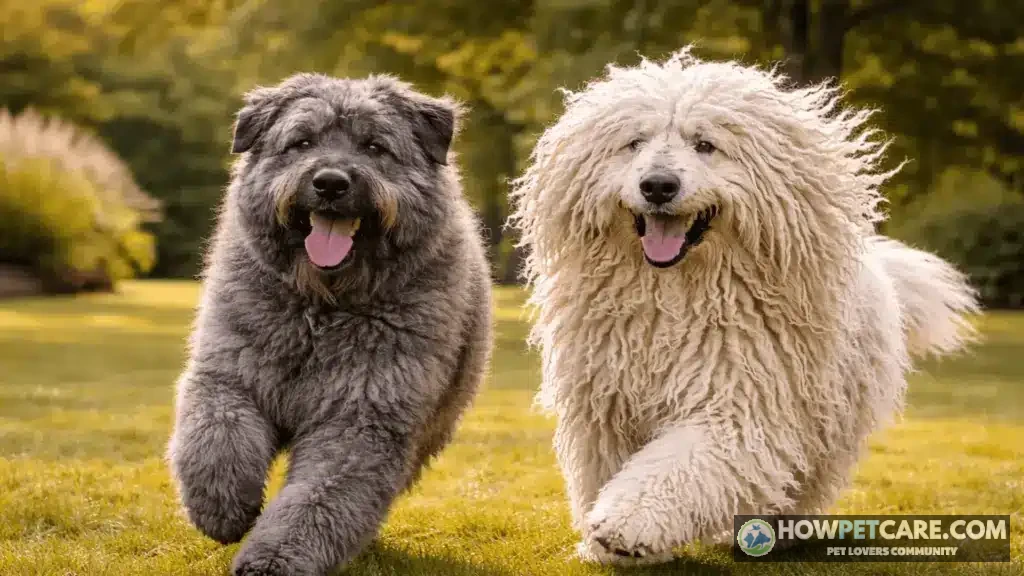

Fluffy dog breeds range from small companions such as Havanese, Shih Tzus, and Pomeranians to large breeds such as Samoyeds, Great Pyrenees, and Newfoundlands. Compare adult size, exercise needs, shedding, grooming, temperament, and climate fit before choosing. No breed is allergen-free, and every dog needs a care plan suited to its coat and household.
Choose a fluffy dog breed by home, climate, and care capacity
The right fluffy dog is one whose exercise, grooming, and handling needs fit your household—not simply the one with the fullest coat. In a small home, compare the Havanese and Shih Tzu if you can keep up with a long or regularly trimmed coat. A Pomeranian needs little space, but sheds heavily and may be a less suitable match for households with very young children. Families considering a larger dog can look at the Newfoundland, Samoyed, and Great Pyrenees, which differ in size, activity, independence, and coat-care needs.
No fluffy breed is automatically comfortable in a hot, humid climate. Make sure there’s air-conditioned indoor space, fresh water, and time for exercise during cooler hours. A low-shedding coat may mean less loose hair around the home, but it doesn’t guarantee a dog will suit someone with allergies.
Monthly coat-care costs depend on local grooming prices, coat condition, and how much work you do yourself. For a budget, divide the quoted annual cost of professional appointments by twelve, then add an allowance for shampoo, tool replacement, and other supplies. Get local quotes; the evidence available for this guide doesn’t establish a reliable monthly figure.
Small fluffy dogs for apartments and first-time owners
Havanese: for a small household that wants a companion. Havanese are generally responsive to reward-based training and can adapt to apartment living with daily walks, play, and company. Their soft coat needs frequent brushing if you keep it long. A shorter trim reduces some brushing, but still needs upkeep. This can be a good starting point for a first-time owner with time for both companionship and grooming.
Shih Tzu: for a smaller home with a grooming plan. Shih Tzus can suit people looking for a small companion who needs moderate daily activity. Their long coat requires regular care, even when clipped short. Their short muzzle makes heat a particular concern, so provide reliable cooling and avoid strenuous exercise in hot or humid weather. Patient, consistent training helps establish handling and household routines.
Pomeranian: for an owner comfortable with brushing and a lively personality. This very small dog has a substantial double coat, so a small body doesn’t mean little shedding. Plan for regular brushing, daily activity, and training around barking. Pomeranians may not be the best match for very young children; careful supervision and gentle handling matter.

Large fluffy dogs that may suit families with children
Newfoundland: for a family prepared to handle a giant dog. Newfoundlands are among the fluffy breeds identified as family-friendly. Their size, thick coat, and drying needs call for space, a capable adult handler, and a realistic budget. Start training early: even a gentle, large dog can accidentally knock over a child.
Samoyed: for an active household that accepts shedding. A Samoyed’s dense double coat needs frequent brushing, especially during heavy seasonal shedding. These dogs need substantial activity and consistent training. A busy family should decide in advance who’ll provide both. Heat management is essential in warm weather.
Great Pyrenees: for experienced handling and an independent guardian. This large breed can be affectionate with its household, but its independent nature calls for ongoing socialization and patient training. Consider the dog’s adult strength, tendency to alert bark, and access to suitable exercise. A large yard alone isn’t a complete plan.

A dog’s behavior depends on the individual, upbringing, health, and environment. Supervise interactions between dogs and children, teach children to leave a resting dog alone, and give the dog a place to retreat.
Compare fluffy dog breeds by size, shedding, grooming, and trainability
The table shows typical tendencies, not guarantees about an individual dog. Size categories describe adults; check the relevant breed standard and the dog’s expected adult size and weight before committing. Grooming frequencies are starting points and can vary with coat length, season, and matting.
| Breed | Adult size and weight | Coat type | Shedding | Grooming frequency | Hypoallergenic status | Trainability | Apartment and climate fit |
|---|---|---|---|---|---|---|---|
| Pomeranian | Toy; very small | Dense double coat | Moderate to heavy, often seasonal | Brush several times a week; trim as needed | Not generally considered low-shedding; not allergen-free | Quick to learn; may be vocal or independent | Small-space friendly with daily activity; needs heat precautions |
| Havanese | Small | Long, soft coat | Relatively low | Brush frequently when long; arrange regular trims if clipped | Often described as lower-shedding; not allergen-free | Generally responsive to reward-based training | Can suit apartments with walks and company; maintain cooling in hot weather |
| Shih Tzu | Small | Long, dense coat, often kept shorter | Relatively low | Brush frequently; professional upkeep for a maintained trim | Often described as lower-shedding; not allergen-free | Patient, consistent training helps | Can suit a smaller home; short muzzle makes heat precautions especially important |
| Bichon Frise | Small | Curly, dense coat | Relatively low | Frequent brushing and regular professional coat care | Often described as lower-shedding; not allergen-free | Generally responsive with consistent rewards | Can suit an apartment with activity and a grooming budget |
| Siberian Husky | Medium to large | Dense double coat | Heavy, particularly during seasonal shedding | Brush regularly and more often during heavy shedding | Not generally considered low-shedding; not allergen-free | Intelligent and independent; needs consistent training | Requires substantial daily exercise and secure management; plan for heat |
| Samoyed | Medium to large | Dense double coat | Heavy, with seasonal shedding | Brush several times a week; increase as needed | Not generally considered low-shedding; not allergen-free | Bright but can be independent | Best matched to an active home that can manage coat care and heat |
| Chow Chow | Medium to large | Dense double coat | Heavy | Brush frequently, especially during shedding | Not generally considered low-shedding; not allergen-free | Independent; experienced, patient handling helps | Consider handling experience and cooling as well as available space |
| Great Pyrenees | Giant | Weather-resistant double coat | Moderate to heavy | Brush at least weekly; more during shedding | Not generally considered low-shedding; not allergen-free | Independent guardian; ongoing training and socialization matter | Size, handling, barking, and heat management require planning |
| Newfoundland | Giant | Thick, water-resistant double coat | Moderate to heavy | Brush several times a week; dry thoroughly after baths | Not generally considered low-shedding; not allergen-free | Often steady; early training is important given adult size | Needs substantial handling capacity, space, and heat management |

A Chow Chow’s independent temperament may make it a better prospect for an experienced owner than a first-time owner. A Husky’s exercise and secure-containment needs can also be a bigger commitment than its appearance suggests.
How to read shedding and grooming ratings
“Shedding” means loose hair; “grooming” covers brushing, bathing, drying, and any coat trimming. A lower-shedding dog can still need extensive grooming, since hair left in the coat may tangle. Ask a groomer familiar with the breed how often your preferred coat length needs attention. Check adult height and weight against the applicable American Kennel Club breed standard or national breed club guidance.
Fluffy coats versus long-haired coats
A fluffy coat looks full because of its texture, density, or the way the hair stands away from the body. Long hair, by contrast, can lie flat. Some bushy dog breeds have a double coat—a protective outer layer over a softer undercoat—but not every fluffy-looking dog has the same coat structure. Shaggy and curly-coated dogs may need different tools, even when their coats look similarly abundant.

Estimate grooming costs and lifetime care before choosing
Monthly coat-care costs: DIY versus professional grooming
The evidence available for this guide doesn’t establish reliable local grooming prices or a verified monthly cost for each breed. Get actual quotes rather than treating a national estimate as a bill. Ask salons what the service your dog needs will cost, how often they’ll recommend it, and whether size, coat condition, drying, or matting adds to the price.
A mostly DIY plan can reduce appointment costs, but it still takes suitable tools and time; you may also need occasional professional help. A large, dense-coated dog can take more work to wash and dry than a small dog. Ask local groomers about the difference rather than assuming a fixed price gap.
A basic kit may include a coat-appropriate brush, a metal comb, dog shampoo, and a nonslip surface. For routine brushing of a suitable long coat, a pin brush may sometimes replace a gentle slicker. Neither brush replaces a comb for checking tangles near the skin. An undercoat rake isn’t right for every coat, and it shouldn’t be used instead of professional help to remove tight mats.

Budgeting from puppyhood through the senior years
Coat care is only one part of ownership. Food, preventive veterinary care, training, insurance if chosen, and unexpected treatment can cost more than grooming. The table is a worksheet, not a price quote: reliable stage-specific figures weren’t supplied, and health costs vary too much to predict for an individual dog.
| Life stage | Breed size | Professional grooming | DIY tools and supplies | Food and routine veterinary care | Insurance and health costs | Estimated monthly total | Estimate assumptions |
|---|---|---|---|---|---|---|---|
| Puppy: Havanese example | Small | Quote for puppy introduction and planned trims | Starter kit plus supplies | Food and scheduled preventive visits | Get an age- and breed-specific quote; reserve emergency savings | Add the monthly equivalents of these amounts | Include first-year equipment and training separately if not already counted |
| Adult: Havanese example | Small | Quote for the chosen coat length and appointment interval | Replacement supplies | Adult food and preventive care | Premium if selected, plus savings for uncovered costs | Add the monthly equivalents | Assumes a maintained coat and routine home brushing |
| Senior: Havanese example | Small | Ask about shorter, comfortable appointments | Supplies adjusted for mobility and tolerance | Senior food and preventive visits as advised | Recheck premiums and reserve for additional care | Add the monthly equivalents | Individual health may change both grooming and veterinary needs |
| Puppy: Newfoundland example | Giant | Quote for bathing and drying as the dog grows | Larger-coat starter kit and supplies | Growing-dog food and preventive visits | Get a breed-specific quote; reserve emergency savings | Add the monthly equivalents | Adult size will change food, equipment, and handling requirements |
| Adult: Newfoundland example | Giant | Quote for the planned mix of home care and professional bathing | Shampoo and tool replacement | Adult food and preventive care | Premium if selected, plus savings for uncovered costs | Add the monthly equivalents | Assumes regular home brushing and space to dry the coat |
| Senior: Newfoundland example | Giant | Ask about handling, access, and appointment length | Supplies suited to comfort and mobility | Food and preventive visits as advised | Recheck premiums and reserve for additional care | Add the monthly equivalents | More assistance or veterinary care may be needed |
For a lifetime plan, estimate the cost of each life stage using your own quotes, multiply by the time you expect the dog to spend in that stage, and add one-time expenses and an emergency reserve. This gives you a planning scenario, not a prediction of lifespan or medical bills. Insurance may have deductibles, exclusions, and reimbursement limits; check what you can afford out of pocket as well.
A lower-shedding coat may mean less hair on the sofa but more paid trimming. Compare the annual cost and time of the complete routine, not shedding alone.
Use the right brush and a safe weekly coat-care routine
Choose tools that suit both the coat and the dog’s tolerance. A slicker brush can lift loose hair and work through suitable coats, but its fine pins can irritate skin if you press too hard or repeatedly brush the same spot. A pin brush can work well on longer, softer furnishings. An undercoat rake can help remove loose undercoat from a suitable dense double coat; use it gently and ask a groomer to show you the right pressure and technique. A metal comb helps check whether a brushed section is still tangled.
If you’re an older adult or have limited grip strength, consider a lightweight tool with a comfortable handle. Keep sessions short and work on a stable, nonslip surface. Never lift a large dog onto a table without a safe handling plan.

A beginner-friendly brush, bath, and dry sequence
Use this weekly routine as a starting point. Some long or easily tangled coats need attention more often; an experienced groomer can adjust the routine to your dog. For a rescue dog with an unknown coat history, start with a brief inspection and build tolerance gradually instead of attempting a complete makeover in one session.
-
Inspect the coat
Check behind the ears, under the collar, in the armpits, around the belly and tail, and between the legs and toes. Look for tangles, dampness, redness, debris, or tenderness. Stop and seek veterinary advice if skin is painful or inflamed.
-
Brush in small sections
Part the coat and gently brush a layer at a time, working tangles from the ends toward the skin without pulling. Check each section with a comb. If it catches, pause rather than yank.
-
Loosen minor tangles
Hold the hair near the skin to limit pulling and use your fingers or a suitable coat tool to separate a small, loose tangle. Stop if the dog is uncomfortable or the tangle won’t come apart easily.
-
Finish with a reward
Recheck friction areas and reward calm cooperation. Keep sessions short enough for the dog to stay comfortable; note recurring tangles or skin changes for a groomer or veterinarian.
On bath day, work through manageable tangles first. Wetting a tangled coat can make it harder to brush out. Use a dog shampoo suited to the coat and skin, rinse thoroughly, and dry completely. Part a dense coat to check for dampness close to the skin, then gently brush and comb through the dry coat. Bath frequency depends on coat, lifestyle, skin condition, and product; ask your groomer or veterinarian for a schedule suited to your dog.

Introduce a dryer gradually. Reward the dog for looking at it while it’s switched off, then for hearing it at a comfortable distance, and finally for brief exposure to airflow. Use a low, comfortable setting, keep the air moving, and stop if the dog becomes distressed or overheated. Never leave a dog unattended under a dryer. If you can’t dry the undercoat thoroughly, ask a groomer for help.
When home dematting is not safe
Tight, widespread, or skin-close mats aren’t a DIY challenge. Don’t pull them apart or cut them with scissors; skin can be caught inside the hair. A qualified groomer can assess the coat and explain whether careful clipping is necessary. A veterinarian should assess painful, inflamed, or injured skin. Sometimes clipping is the humane option, even for a double-coated dog.
When choosing a groomer, describe the coat type, any mats, the dog’s handling history, and your preferred finish. Ask how they work with dense undercoats or curly coats, how they dry the dog, and what they do if the dog gets stressed. Agree on a plan before the appointment instead of assuming a short clip will always be avoided.
Protect coat health with nutrition and realistic allergy guidance
What low-shedding claims can and cannot tell you
No dog is guaranteed to be allergen-free. Allergens can come from dander, saliva, and urine—not just shed hair. Havanese, Shih Tzus, and Bichons are often described as lower-shedding, but that label can’t predict how an allergic person will react to an individual dog. The distinction matters even when a breed is called hypoallergenic.

If allergies affect your choice, consult an allergist and spend time with the individual dog before committing. Discuss a practical trial and cleaning plan with the rescue or other responsible placement organization. A brief meeting can’t guarantee how symptoms will behave at home.
Designer mixes aren’t guaranteed to shed less. A Cockapoo or Groodle can inherit different coat traits from either parent, and puppies in the same litter may differ. Where possible, ask about the individual adult coat and observe shedding. Budget for grooming rather than relying on a mix’s label.
Nutrition basics for a healthy coat
Choose a complete and balanced dog food appropriate for the dog’s life stage. Omega-6 fats support normal skin and coat health, while omega-3 fats can come from fish ingredients or other dietary sources. Zinc and biotin also play roles in normal skin and coat function. A properly formulated diet is the starting point; extra oil, zinc, or biotin isn’t a proven quick fix for every dull coat.

Ask a veterinarian before adding supplements, especially if the dog has a health condition or takes medication. Too much or inappropriate supplementation can cause problems. Persistent itching, redness, flakes, bald patches, or a brittle coat call for a veterinary assessment, not an assumed nutritional diagnosis.
Handle summer heat, shedding seasons, and common coat-care myths
Should you shave a fluffy dog in summer?
No—not as a general cooling strategy. A double coat helps shield the skin from sun and the environment. Shaving can expose skin to sunburn and may alter regrowth; it doesn’t remove the need for cooling or make exercise in heat safe. A veterinarian or experienced groomer may recommend clipping for an individual medical or matting-related reason.
Give dogs access to a cool indoor space, shade, and fresh water. Walk during cooler hours and avoid strenuous activity in heat or humidity. A dense coat is only one risk factor; short muzzles, age, health, and exertion matter, too. Some fluffy dogs can live in warm climates with careful management, but no breed is guaranteed to tolerate hot, humid conditions.

If a dog seems distressed in the heat, move the dog to a cool place and contact a veterinarian urgently. Don’t wait for a grooming appointment or assume a haircut will resolve the problem.
Managing shedding without damaging the coat
Many double-coated dogs shed more heavily at certain times of year. Brush gently more often as loose coat accumulates, and use deshedding tools only when they suit the coat. Pressing harder or repeatedly brushing the same spot can irritate the skin. Stop if you see redness or the dog becomes uncomfortable. A groomer can show you how to remove loose undercoat without stripping the coat aggressively.

Coat care also gives you a chance to notice changes, but it doesn’t replace preventive care. Pomeranians, Shih Tzus, and Havanese can have breed-associated health concerns; ask a veterinarian and the relevant breed organization about appropriate screening and the needs of the individual dog. For a Shih Tzu, discuss breathing and heat tolerance as well as coat maintenance.
Build a shortlist and test your grooming plan before committing
Choose two or three breeds from the comparison, then score each candidate using the factors below. Check your assumptions against adult dogs and breed-club guidance; a puppy’s current size or coat doesn’t tell the whole story.
| Factor | 0 points: poor fit | 1 point: workable with a plan | 2 points: good fit |
|---|---|---|---|
| Home and exercise | Adult size or activity needs do not fit | Daily walks or household changes would make it workable | Space and exercise plan fit the likely adult dog |
| Climate | No reliable way to keep the dog cool | Cooling and cooler-hour walks need careful planning | Cooling, water, shade, and suitable exercise are consistently available |
| Budget | Routine or potential emergency care is unaffordable | Costs fit only with a defined savings or DIY plan | Routine costs and an emergency reserve fit the budget |
| Grooming | No one can maintain the coat or arrange care | Time or appointments are available but tight | A named person can manage brushing, bathing, drying, and appointments |
| Experience and handling | Adult strength or training needs exceed household capacity | A class or experienced support could close the gap | The household can manage likely training and handling needs |
Add the scores for a total out of ten. A score of seven to ten is a reason to investigate further; four to six calls for a concrete change to the weak areas; zero to three suggests setting the breed aside for now. These are planning bands, not a compatibility test. Take any zero seriously for safe handling, heat management, or affordable care, regardless of the total.
Before bringing a dog home, meet adults with similar coats when possible. Confirm adult size, temperament, health screening, and grooming expectations with the relevant breed organization and a responsible rescue or other placement source. Ask a groomer to demonstrate the proposed brush-and-comb routine, get local appointment quotes, and decide who’ll handle care when the usual caregiver is unavailable.

| Breed | Adult size and weight | Coat type | Shedding | Grooming frequency | Hypoallergenic status | Trainability | Apartment and climate fit |
|---|---|---|---|---|---|---|---|
| Pomeranian | Toy; very small | Dense double coat | Moderate to heavy, often seasonal | Brush several times a week; trim as needed | Not generally considered low-shedding; not allergen-free | Quick to learn; may be vocal or independent | Small-space friendly with daily activity; needs heat precautions |
| Havanese | Small | Long, soft coat | Relatively low | Brush frequently when long; arrange regular trims if clipped | Often described as lower-shedding; not allergen-free | Generally responsive to reward-based training | Can suit apartments with walks and company; maintain cooling in hot weather |
| Shih Tzu | Small | Long, dense coat, often kept shorter | Relatively low | Brush frequently; professional upkeep for a maintained trim | Often described as lower-shedding; not allergen-free | Patient, consistent training helps | Can suit a smaller home; short muzzle makes heat precautions especially important |
| Bichon Frise | Small | Curly, dense coat | Relatively low | Frequent brushing and regular professional coat care | Often described as lower-shedding; not allergen-free | Generally responsive with consistent rewards | Can suit an apartment with activity and a grooming budget |
| Siberian Husky | Medium to large | Dense double coat | Heavy, particularly during seasonal shedding | Brush regularly and more often during heavy shedding | Not generally considered low-shedding; not allergen-free | Intelligent and independent; needs consistent training | Requires substantial daily exercise and secure management; plan for heat |
| Samoyed | Medium to large | Dense double coat | Heavy, with seasonal shedding | Brush several times a week; increase as needed | Not generally considered low-shedding; not allergen-free | Bright but can be independent | Best matched to an active home that can manage coat care and heat |
| Chow Chow | Medium to large | Dense double coat | Heavy | Brush frequently, especially during shedding | Not generally considered low-shedding; not allergen-free | Independent; experienced, patient handling helps | Consider handling experience and cooling as well as available space |
| Great Pyrenees | Giant | Weather-resistant double coat | Moderate to heavy | Brush at least weekly; more during shedding | Not generally considered low-shedding; not allergen-free | Independent guardian; ongoing training and socialization matter | Size, handling, barking, and heat management require planning |
| Newfoundland | Giant | Thick, water-resistant double coat | Moderate to heavy | Brush several times a week; dry thoroughly after baths | Not generally considered low-shedding; not allergen-free | Often steady; early training is important given adult size | Needs substantial handling capacity, space, and heat management |
FAQ
How often should a fluffy dog be bathed?
Bathing frequency depends on coat type, skin condition, lifestyle, and the products used. Follow veterinary or groomer advice, rinse thoroughly, and dry the coat fully to reduce skin irritation and matting.
Are fluffy designer mixes such as Cockapoos guaranteed to shed less?
No. Coat texture and shedding can vary between individual dogs, even within the same litter, so a designer mix is not a guarantee of a low-shedding or allergy-friendly coat.
Can a fluffy dog live comfortably in a hot, humid climate?
Some can, but dense coats, humidity, activity, and individual health affect heat risk. Provide cool indoor space and water, limit exercise during hot hours, and ask a veterinarian about breed-specific precautions.
What should I do if a rescue dog has severe mats?
Do not cut mats close to the skin or pull painfully at them; skin can be trapped inside. Have a qualified groomer or veterinarian assess tight or widespread mats, then build a gradual, reward-based brushing and dryer routine.