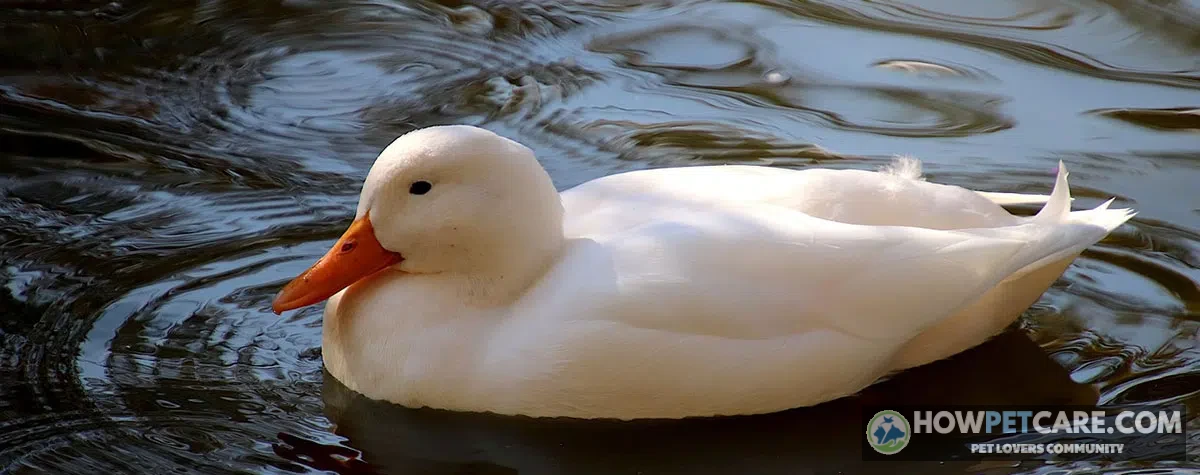

Most ducks live about 5–10 years overall: wild ducks often reach only 5–7 years, while protected domestic ducks commonly reach 8–12 years and occasionally 15–20 years. Breed, setting, and first-year mortality all shift the number, so match expectations to the specific bird.
How long do ducks live? Most ducks make it 5 to 10 years, though the spread is wide: wild ducks often manage only 5–7 years, while domestic ducks commonly reach 8–12 years when they’re protected from predators and get steady food, water, and veterinary care. A handful of ducks in protected captivity have hit 15–20 years, but that’s a maximum recorded age, not a typical lifespan. The figure you see online depends on breed, sex, egg-production strain, and whether the bird is wild, a backyard pet, a farm flock member, or a zoo resident.
Average Duck Lifespan: The Short Answer First
Across species and settings, the average duck lifespan is best given as a range: about 5–10 years. Domesticated and captive ducks usually outlast wild ones because they dodge predation, migration hazards, and starvation; protected birds can live 8–12 years and sometimes reach 20 years. Wild ducks often average 5–7 years, and many individuals never get that far — predation, weather, habitat loss, and migration hazards cut them short.
Conflicting numbers circulate for another reason too: maximum recorded ages. Banding, recapture, and captive records include outliers that exceed typical lifespans by several years, so a 20-year duck is real but not what to expect from an average backyard bird. First-year mortality drags the averages down as well. For some species, only about one in ten ducklings survives to breeding age, and at best about 7.5% of eggs become flying ducks.
Wild Duck Lifespan vs. Domestic Duck Lifespan

Predation and Habitat Risks
Wild ducks face the full set of natural survival pressures. Mallards live about 5–7 years in the wild, while many waterfowl species average 5–10 years. Ducklings take the worst of it: only about 15 of 100 duck eggs hatch, and roughly half of hatched chicks die before they can fly. Mallards offset this with large clutches — about 12 eggs on average — but heavy early mortality keeps wild averages modest.
Captive Protection Advantages
Domestic ducks gain years from shelter, consistent nutrition, parasite control, and veterinary care. Domesticated and captive ducks typically live 8–12 years and can reach 20 years. Pekins often live about 5 years, while Muscovy ducks may live 8–12 years or more, and Muscovy ducks in captivity can reach 20 years. Medium and light breeds such as Cayugas, Blue Swedish, and Runners may outlive the largest breeds by 2 to 3 years.
 You might be wonderingHow long do bunnies live?How Long Do Bunnies Live? Detailed Pet Rabbit Lifespan by BreedRead the answer
Duck Lifespan by Breed and Living Situation
Mallards and Wood Ducks
Mallards are the reference point for many lifespan estimates. They live 5–10 years in the wild, and well-cared-for homestead birds can reach up to 30 years — a figure to read as an exceptional protected maximum, not a normal expectation. Wood Ducks are less commonly kept as pets, but their protected lifespan is similar to other small-to-medium waterfowl, while wild birds still face heavy first-year losses.
Pekin, Muscovy, and Mandarin Ducks
Pekin ducks are large, fast-growing meat-type birds and often live about 5 years, with protected birds sometimes living longer. Muscovy ducks are comparatively long-lived, often 8–12 years or more and up to 20 years in captivity. Mandarin ducks are ornamental birds with wild lifespans closer to small waterfowl, but protected birds can live much longer than wild ones.
| Breed | Wild | Backyard Pet | Farm Flock | Zoo or Protected |
|---|---|---|---|---|
| Mallard | 2–5 years | 8–12 years | 5–10 years | 15–20 years |
| Pekin | Rarely wild | 5–10 years | 4–8 years | 12–18 years |
| Muscovy | 8–12 years | 8–12 years | 6–10 years | 15–20 years |
| Wood Duck | 3–5 years | 8–12 years | 5–8 years | 12–18 years |
| Mandarin | 3–5 years | 8–12 years | 5–8 years | 12–18 years |
| Khaki Campbell | Not applicable | 8–12 years | 5–9 years | 12–18 years |
| Indian Runner | 1–2 years | 8–12 years | 5–9 years | 12–18 years |
| Call | Not applicable | 8–12 years | 5–8 years | 12–15 years |
| Cayuga | Not applicable | 8–12 years | 5–9 years | 12–18 years |
| Blue Swedish | Not applicable | 8–12 years | 5–9 years | 12–18 years |

These ranges are typical estimates, not guarantees; individual ducks may live shorter or longer lives. Khaki Campbells are reported to live up to 15 years, though 8–10 years is typical, and Indian Runners average 8–12 years domesticated but only 1–2 years in the wild.
Common Causes of Death and Lifespan-Shortening Risks

Predators and Disease
Predators are often the highest first-year loss for backyard and farm flocks, causing sudden death rather than gradual decline. Disease, parasites, nutrition problems, and environmental challenges are also major survival factors. Avian influenza, parasites, and injury can shave months to years off a lifespan, especially in dense flocks or shared ponds. Parasites may cause weight loss and anemia over time, while accidents can cause immediate injury or death in any setting.
Egg Production and Reproductive Strain
Heavy egg production can shorten life, particularly in high-laying domestic breeds. Egg strain can lead to reproductive complications and exhaustion, which is why balanced calcium, rest periods, and veterinary monitoring matter for laying ducks. The largest breeds also tend to have the shortest lifespans, seldom exceeding 5 to 7 years.
| Risk | Typical Impact | Most Affected Setting | Prevention |
|---|---|---|---|
| Predators | Sudden death; often highest first-year loss | Backyard and farm flocks | Secure nighttime housing; predator-proof fencing |
| Disease | Reduced lifespan by months to years | Dense flocks and ponds | Biosecurity, clean water, veterinary care |
| Parasites | Weight loss and anemia over time | Outdoor flocks | Regular fecal checks and targeted treatment |
| Egg strain | Reproductive complications and exhaustion | High-laying domestic breeds | Balanced calcium, rest periods, veterinary monitoring |
| Accidents | Immediate injury or death | All settings | Safe enclosures, predator guards, hazard removal |
How to Help a Pet Duck Live Longer
Three actions carry the most practical weight: predator-proof housing, balanced diet and weight management, and veterinary care with biosecurity. Housing and predator-proofing means providing a locked, ventilated shelter every night; using hardware cloth rather than chicken wire; adding a buried skirt or apron around the run; and removing attractants such as spilled feed. Diet and weight management means feeding a balanced waterfowl or poultry ration; keeping treats under 10% of intake; providing clean water deep enough for head dipping; weighing ducks monthly; and adjusting feed if weight rises. Veterinary care and biosecurity means establishing a relationship with an avian or farm-animal veterinarian; scheduling fecal parasite checks; quarantining new birds for 30 days; and cleaning waterers and feeders weekly.

-
Lock up at night
Move every duck into a ventilated, predator-proof shelter before dusk and check latches.
-
Feed and weigh consistently
Use a balanced waterfowl ration, limit treats, and weigh each duck monthly.
-
Plan veterinary care
Find an avian or farm-animal veterinarian and schedule parasite checks.
Signs a Duck Is Aging and Human-Equivalent Age
Pet owners can watch for dull, brittle, or slow-to-regrow feathers after molt; a stiff gait or reluctance to climb ramps; gradual weight loss or reduced interest in feed; fewer eggs, irregular laying, or longer breaks between clutches; cloudy eyes, overgrown nails, or bumblefoot that heals slowly; and less social activity, more resting, or reduced alertness. Seek veterinary help promptly for sudden weight loss, breathing difficulty, inability to stand, severe lameness, or any rapid behavior change.
| Duck Age | Approximate Human Equivalent | Common Aging Signs |
|---|---|---|
| 1 year | 10–12 years | Growth complete; adult plumage established |
| 2 years | 20–24 years | Peak activity and egg production |
| 3 years | 30–36 years | Slight feather wear; steady routine |
| 5 years | 50–60 years | Slower molt recovery; more resting |
| 8 years | 80–96 years | Reduced mobility; lower egg output |
| 10+ years | 100+ years | Marked stiffness; needs closer monitoring |

This is an approximate comparison for pet-owner context, not a medical conversion.
Sex, Breed Source, and Buyer Expectations
Do male or female ducks live longer? The answer depends more on breed and egg-production strain than on sex alone. Female ducks that lay heavily may experience more reproductive strain, while males of the same breed often face fewer egg-related complications. Buyers should ask sellers about expected adult size, laying intensity, parasite history, and the age at which birds were acquired. Ducks sold at farm stores are often young, fast-growing production birds, so expect shorter average lifespans for large meat-type breeds than for lighter ornamental or pet breeds.
Your Duck Longevity Checklist
- Choose breed and setting expectations before buying: match the bird to the space, climate, and your willingness to provide nightly shelter.
- Set up predator-proof housing and a veterinary plan before the duck arrives.
- Track age, weight, egg production, and health changes in a simple log.
- Recheck lifespan estimates against cited ranges annually and adjust care as the duck ages.
- Revisit feed, parasite control, and housing whenever egg production, weight, or mobility changes.
For most backyard pets, plan for 8–12 years, but budget for the possibility of a shorter life with large breeds and a longer life in a protected setting.
 You might be wonderingHow long do horses live?How Long Do Horses Live? Average Lifespan by Breed & CareRead the answer
FAQ
Can a duck live 20 years?
A few ducks in protected captivity have reached 15–20 years, but that is a maximum recorded age rather than a typical lifespan. Most ducks live closer to 5–10 years depending on breed and setting.
Do ducks recognize their owners as they age?
Many pet ducks can recognize familiar people throughout life, though behavior changes with age, health, and environment. Recognition is not a reliable measure of how long a duck will live.
What is the oldest recorded duck age?
Maximum recorded ages come from banding and captive records and can exceed typical lifespans by several years. These records should be read as outliers, not expectations for an average duck.
How often should a pet duck see a veterinarian?
A baseline exam with an avian or poultry-experienced veterinarian is useful when you acquire a duck, followed by visits when symptoms appear. Preventive parasite checks and nutrition reviews can support longer life.