
Go to an emergency vet now—calling ahead from the car—if your dog shows any of these signs:
- Blue, gray, pale, white, or brick-red gums or inner eyelids
- Neck stretched forward, elbows out, refusing to lie down
- Belly heaving, flared nostrils, or noisy, wet, or open-mouth breathing at rest
- Collapse, unresponsiveness, or too weak to stand
- Suspected choking with poor air movement
If none apply, count the resting breathing rate; repeated calm counts above about 30 breaths per minute warrant a same-day vet call.
If your dog is struggling to breathe, has blue, gray, or very pale gums, is collapsing, or cannot settle into a normal resting position, go to an emergency veterinarian now and call the clinic on the way. If none of those signs is present, use the guide below to decide whether to call a vet today or briefly monitor at home.
Is Your Dog’s Breathing an Emergency? A 60-Second Triage
Difficult or labored breathing is called dyspnea; abnormally fast breathing is called tachypnea. Either can have several causes, and visible breathing distress is a veterinary emergency—not something to diagnose at home.
The 60-second decision tree
Start here. If any answer is yes, treat it as an emergency: leave now and call the nearest emergency vet from the car.
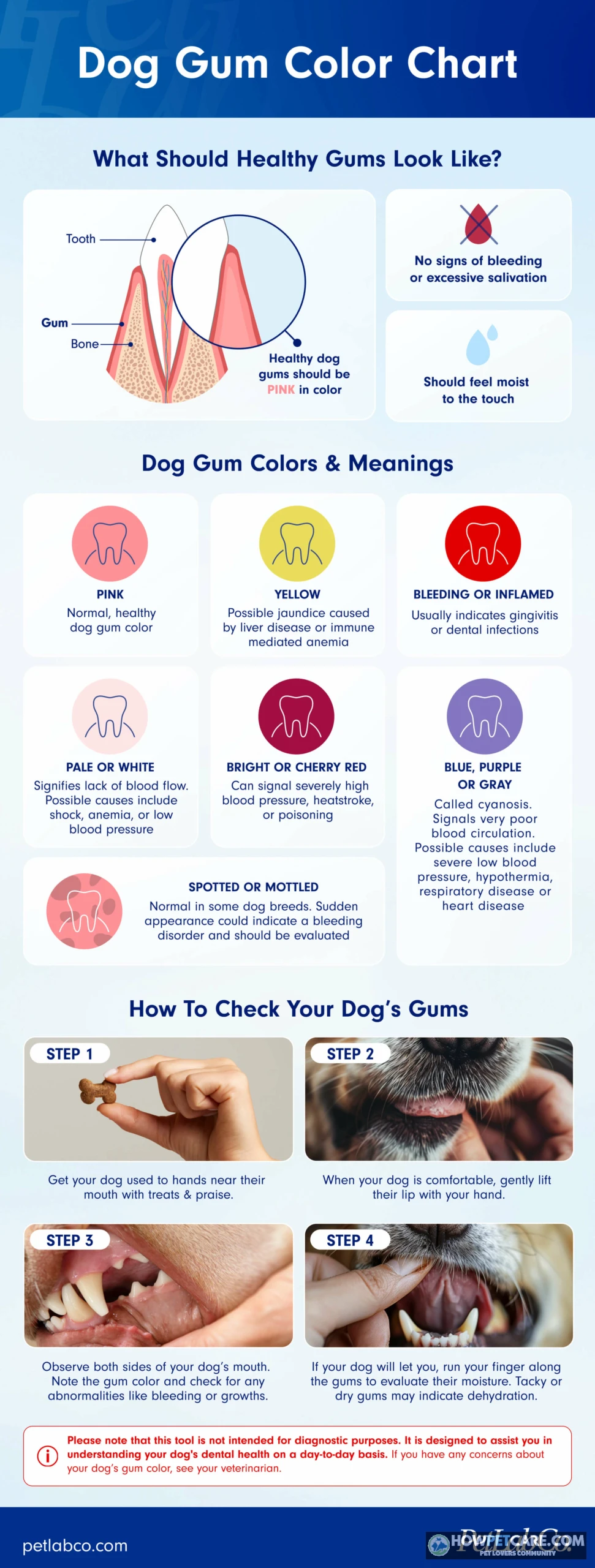
- Gums: Are the gums or inner eyelids blue, gray, pale or white, or unusually brick red? If the gums are naturally dark, check the inner eyelid or lip lining if you can do so safely. Blue, gray, or pale gums can signal inadequate oxygen or poor circulation.
- Posture: Is your dog sitting or standing with the neck stretched forward, elbows held away from the chest, refusing to lie down, or pacing anxiously? Dogs in significant distress may adopt this posture because it helps them breathe.
- Effort: Is the belly pushing with each breath, are the nostrils flaring, or is breathing noisy, wet, or open-mouthed while your dog is calm and cool?
- Collapse: Has your dog collapsed, become unresponsive, or become too weak to stand?
- Possible choking: Did this start suddenly after chewing a toy, bone, or ball, with pawing at the mouth or gagging? If your dog cannot move air, treat it as an emergency.

If every answer is no, count the resting breathing rate using the method below. Recheck in 30–60 minutes if your dog is comfortable. Call a vet today for repeated resting rates above about 30 breaths per minute, a new cough, or breathing that remains unusual. Monitor only when breathing settles promptly, gums stay pink, posture is normal, and your dog can rest.
Orthopnea means a dog can breathe comfortably only in an upright posture. Look for a dog standing or sitting with its head and neck extended, elbows out, and unwilling to lie down. Do not force the dog to lie on its side to examine it.
Red-flag signs: gum color, posture, effort, and collapse
In addition to the decision-tree signs, seek emergency care for choking with poor air movement, pink or foamy fluid from the nose or mouth, or a wet, gurgling breathing sound. Avoid a prolonged struggle to inspect the mouth or gums if handling makes breathing worse. Darkly pigmented gums can make color changes difficult to see; use the inner eyelid or lip lining only if this is easy and safe.
Call-a-vet-soon signs that are not yet an emergency
Call your regular veterinarian or an emergency clinic the same day if your dog has repeated resting rates above about 30, new or worsening coughing, panting at rest without a clear trigger, or noisy breathing that is new even if your dog still seems comfortable. A dog that is breathing fast while sleeping may be dreaming or warm, but repeated high counts or a cough merit a call.
When watching at home is reasonable
Brief panting after exercise, heat, excitement, or stress may settle after your dog is cool and calm. Short reverse-sneezing episodes can also resolve on their own when the dog is otherwise normal. Recheck rather than assuming: worsening effort, a changed gum color, collapse, or breathing that fails to settle means escalate.
| Level | What you see | Gum color and posture | Action |
|---|---|---|---|
| Go to the ER now | Struggling to breathe; belly heaving; flared nostrils; noisy or wet breathing; collapse; open-mouth breathing at rest; choking with poor air movement | Blue, gray, pale or white, or brick-red gums; neck stretched out; elbows out; refuses to lie down | Leave now. Call the emergency clinic from the car and say, “My dog is having trouble breathing.” |
| Call a vet today | Repeated resting rate above about 30; new or worsening cough; panting at rest or at night without a clear trigger; new noisy breathing while comfortable | Gums pink; may be restless but can settle and change position | Count twice, note sounds and triggers, and call your vet or an emergency triage line today. |
| Monitor and recheck | Panting after exercise, heat, excitement, or stress that settles when cool and calm; brief reverse sneezing in an otherwise normal dog | Gums pink; normal posture; can lie down and rest | Recount in 30–60 minutes. Escalate if the rate stays high, coughing starts, gums change, posture changes, or effort increases. |
This guide is not a substitute for veterinary care. If you are unsure whether your dog is in distress, call an emergency clinic; its staff can help you decide whether to come in.
What to Do Right Now: First Aid, Choking Steps, and Safe Transport
Immediate steps while someone drives
Call the nearest emergency veterinarian before leaving so staff can prepare for your arrival. If possible, have someone else drive while another person watches the dog. Keep the car cool and ventilated; air conditioning can help a dog that is panting from heat. Let your dog choose its position and minimize handling.
Phone script:
“My dog is having trouble breathing. I am coming in now / I am minutes away. It started at __. The gums look . The resting rate is breaths per minute. I saw (cough, choking, heat, toxin exposure, anesthesia, or injury). My dog takes these medications: . Should I come straight in?”
Bring a medication list. If it is safe, take a short video of the breathing pattern and note when the signs began.
What not to do
Do not force your dog onto its side, tighten a collar, use a muzzle, or restrain it unnecessarily. Use a harness or support the body without pressure on the neck; a harness can also reduce tracheal irritation in dogs that pull on a leash. Do not give human medications, food, or water to a dog struggling to breathe unless a veterinarian specifically instructs you to.
For suspected heatstroke, use cool or room-temperature water on the body while traveling and keep the car cool. Avoid ice-cold water and do not wrap the dog in wet towels, which can interfere with heat loss. Do not delay transport to try home treatments.
Dog choking and Heimlich maneuver, step by step
Choking often begins suddenly, sometimes after chewing a toy, bone, or ball. Signs can include pawing at the mouth, gagging, drooling, and panic. A dog that can cough, breathe, or vocalize is moving some air; get veterinary help rather than continuing thrusts. The steps below are for a suspected fully blocked airway while arranging emergency transport.
- Open the mouth and look. If you can do so safely, look for an object. Remove it only if it is visible and you can grasp or hook it easily. Do not blindly sweep a finger into the throat or pull at an object lodged deep inside; that can push it farther in or injure the airway.
- Give back blows. For a small dog, hold the dog with its head angled downward and give firm blows between the shoulder blades. For a larger dog, raise the hind legs so the head is lower, if you can do this safely, and give firm back blows.
- Use abdominal thrusts if back blows do not clear the blockage. Place a fist just behind the rib cage and push firmly inward and upward in quick thrusts. Use controlled force; do not press directly on the ribs.
- Recheck the mouth. After each short cycle, look for an object that has moved into view and remove it only if it is easy to grasp. Stop thrusts once the object is out or the dog is moving air, and go to the vet.
- Transport for veterinary examination. Any dog that has choked should be checked by a veterinarian, even if it seems better, because the airway may be injured or swollen.
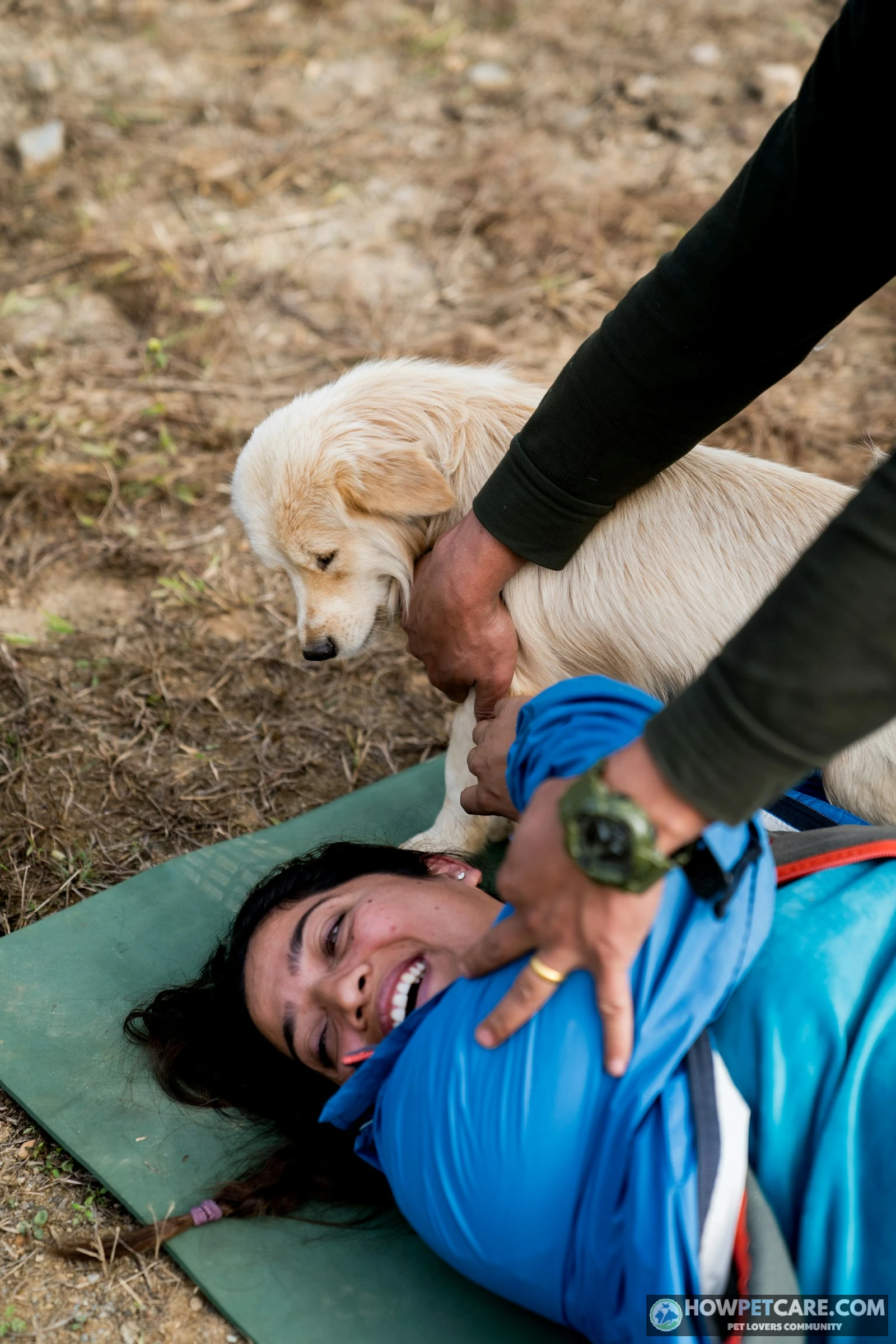
If the dog becomes unresponsive and stops breathing, someone should contact the emergency clinic and follow current veterinary CPR guidance, such as the RECOVER initiative’s protocol, while another person drives, if available. CPR is not a substitute for emergency veterinary care.
How to move a dog that’s struggling to breathe
Keep the dog in its chosen posture and support its chest and body without squeezing. Avoid pressure around the throat. If the dog is too weak to walk, use a blanket as a stretcher with another person, taking care not to compress the chest. Call ahead, confirm where to enter, and tell the clinic if choking, heat exposure, toxin exposure, or a recent procedure may be involved.
 You might be wonderingDog digestive problemsDog Digestive Problems: Is It an Emergency? Symptoms & CareRead the answer
How to Count Your Dog’s Resting Respiratory Rate (and the One Number to Use)
A resting or sleeping respiratory rate is more useful than a count taken during panting, play, or excitement. Most healthy dogs have a resting rate around 10–30 breaths per minute, although veterinary sources publish somewhat different ranges: Red Cross gives 10–30, Cornell 12–30, VEG ER 15–30, and Tufts Cummings uses below 35 for resting or sleeping dogs. Those ranges reflect different measurement contexts and safety margins. For a practical home rule, repeated calm or sleeping counts above about 30 deserve a call to your vet. A persistent rate in the 40s or higher, or any elevated rate with visible effort, abnormal gum color, or inability to settle, needs faster action. The dog’s own veterinarian can set a personal threshold.
Step-by-step counting method
- Wait until your dog is asleep or fully relaxed and not panting. Do not count just after a walk, meal, excitement, or stress.
- Watch the chest. One rise and fall counts as one breath.
- Count for 30 seconds and multiply by two. If breathing is irregular, count for a full 60 seconds.
- Repeat the count two or three times and record the lowest steady result, along with the time and whether your dog was asleep or resting.
- Track the result over time. A sustained upward trend from your dog’s usual rate can matter even before it reaches the threshold.

Why sources give different “normal” ranges
Published ranges include 10–30, 12–30, and 15–30 breaths per minute; another veterinary source describes sleeping or resting rates below 35. Some references describe calm rest while others use broader ranges. Panting is different from resting respiration: it can be very rapid and is used to cool the body, so do not apply the resting threshold to a panting dog.
The action threshold in one table
| Breaths per minute (calm, resting or sleeping) | What it usually means | What to do |
|---|---|---|
| About 10–30 | Within the common resting range for many healthy dogs | Compare with your dog’s usual baseline; seek care for effort or other red flags regardless of the number. |
| Repeatedly above about 30 | Higher than the practical home-call threshold | Call your vet the same day, especially if the count is rising or there is a new cough. |
| Persistent 40s or higher | More concerning, particularly if measured while asleep or fully resting | Seek urgent veterinary advice; go to the ER for visible effort, abnormal gums, posture change, or weakness. |
Dog breathing fast while sleeping
Dreaming, warmth, or a brief disturbance can temporarily speed breathing. Wait until your dog is settled, count again, and note whether the fast breathing persists. Repeated sleeping counts above about 30 merit a call; visible effort, coughing with distress, abnormal gum color, or inability to lie comfortably means do not wait for another count.
Worked example: At 9 p.m., your dog is asleep and not panting. You count 17 chest rises in 30 seconds: 17 × 2 = 34 breaths per minute. Two repeat counts are 32 and 36. Because the sleeping rate remains in the 30s, call the vet today. Go to the ER if any effort, gum-color, posture, or collapse sign is present.
Use a simple notebook or spreadsheet:
| Date/time | Asleep or resting? | Counted for | Chest rises | Breaths/min | Notes (cough, heat, medication, trigger) |
|---|---|---|---|---|---|
| 2026-– 9:00 p.m. | Asleep | 30 sec | __ | × 2 = | |
| 2026-– 9:00 p.m. | Resting | 60 sec | __ | __ |
Normal Panting vs. Heavy or Labored Breathing: How to Tell the Difference
When panting is normal
Dogs commonly pant after exercise, in warm weather, or during excitement and stress. Normal cooling panting should ease when the trigger is removed and the dog can settle in a cool, quiet place. Panting can be much faster than ordinary resting breaths, so counting during panting does not give a meaningful resting rate.
When panting becomes a warning sign
Panting excessively at rest, at night, or without an obvious trigger deserves attention—especially when paired with restlessness, drooling, weakness, abnormal gums, or a posture change. Pain, anxiety, fever, and some medications can also cause panting. A dog breathing heavy but not panting may be taking short, shallow breaths or using the belly and chest muscles to move air; visible effort matters more than the sound alone.

What the sounds mean: wheeze, honk, stridor, snore, gurgle
- Wheezing in dogs is a whistling sound that may come from narrowed airways in the lungs. Allergies and other airway disease are possibilities, but sound alone cannot identify the cause.
- A honking cough can occur with tracheal collapse, particularly in small dogs.
- Stridor is a harsh, high-pitched noise, usually on inhalation, that can suggest narrowing in the upper airway.
- Snoring or loud breathing may be common in some flat-faced dogs, but persistent noisy breathing should not automatically be treated as normal.
- Wet, bubbling, or gurgling sounds alongside breathing effort warrant urgent veterinary assessment.
A brief reverse sneeze is a noisy inward snort; dogs often return to normal quickly. Frequent, prolonged, or distressing episodes need veterinary advice. Coughing or gagging may be associated with kennel cough, allergies, tracheal collapse, or heart disease, among other causes. These clues guide a veterinary examination; they do not establish a diagnosis.
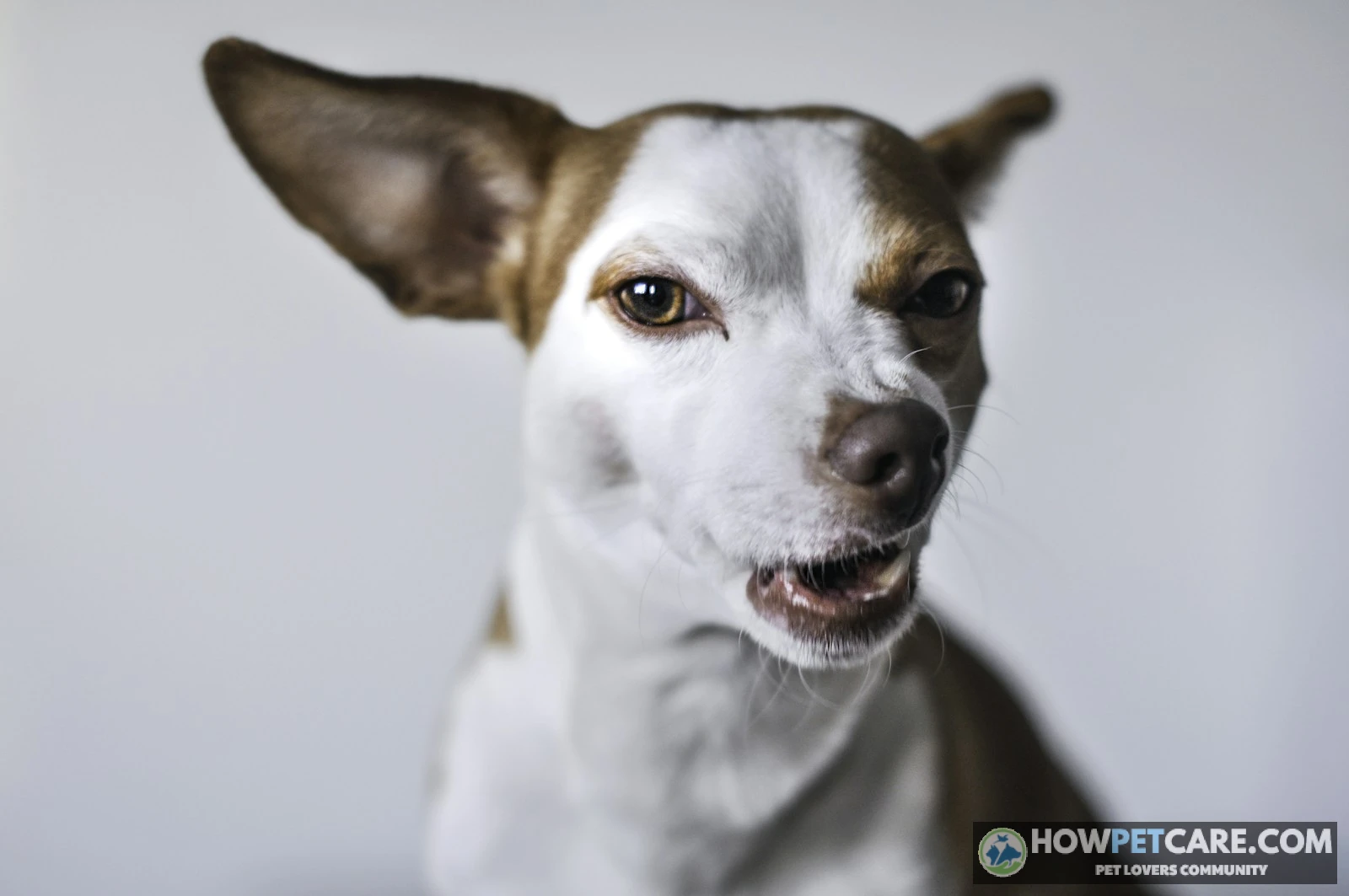
What Causes Breathing Problems in Dogs? Organized by Body System
A dog may breathe fast because of heat, exertion, stress, or pain, but breathing difficulty can also come from obstruction, lung disease, heart disease, or problems carrying oxygen in the blood. Dyspnea is difficult or labored breathing; symptoms alone cannot tell you which condition is responsible.

Airway causes: nose, throat, and windpipe
Brachycephalic airway syndrome affects some flat-faced breeds and can narrow the upper airway. Bulldogs, pugs, and French bulldogs may have noisy breathing and can struggle more with heat or excitement. Laryngeal paralysis, more often a concern in older large dogs, can cause noisy inhalation or a change in bark. A foreign object can obstruct the airway suddenly.
Tracheal collapse can cause a characteristic honking cough, often in toy and small breeds. Kennel cough commonly causes coughing and may be accompanied by gagging. Nasal disease can cause nasal discharge or noisy airflow. These patterns are clues—not a reliable way to distinguish one condition from another.
Lung causes: pneumonia, allergies, and fluid
Pneumonia, including aspiration pneumonia after material enters the airways, can cause cough, rapid breathing, low energy, or fever. Allergies and other airway inflammation may cause wheezing or coughing. Fluid in or around the lungs can make breathing difficult; causes include heart disease, injury, and other illness. Sudden breathing trouble after an injury can involve air around the lungs, such as pneumothorax, and needs emergency assessment.
Heart causes: congestive heart failure
Congestive heart failure can lead to fluid buildup in the lungs and faster or more effortful breathing. A rising sleeping respiratory rate, nighttime cough, reduced exercise tolerance, or known heart disease should prompt a call to the veterinarian. Older small dogs with a known heart murmur may need a monitoring plan tailored to their diagnosis.
Blood, heat, and toxin causes
Anemia reduces the blood’s capacity to carry oxygen and may cause pale gums, weakness, and rapid breathing. Heatstroke can develop after exposure to high temperatures or strenuous exercise, especially in dogs that cannot cool themselves efficiently. Smoke, toxins, severe allergic reactions, fever, pain, obesity, and metabolic or hormonal problems can also affect breathing.
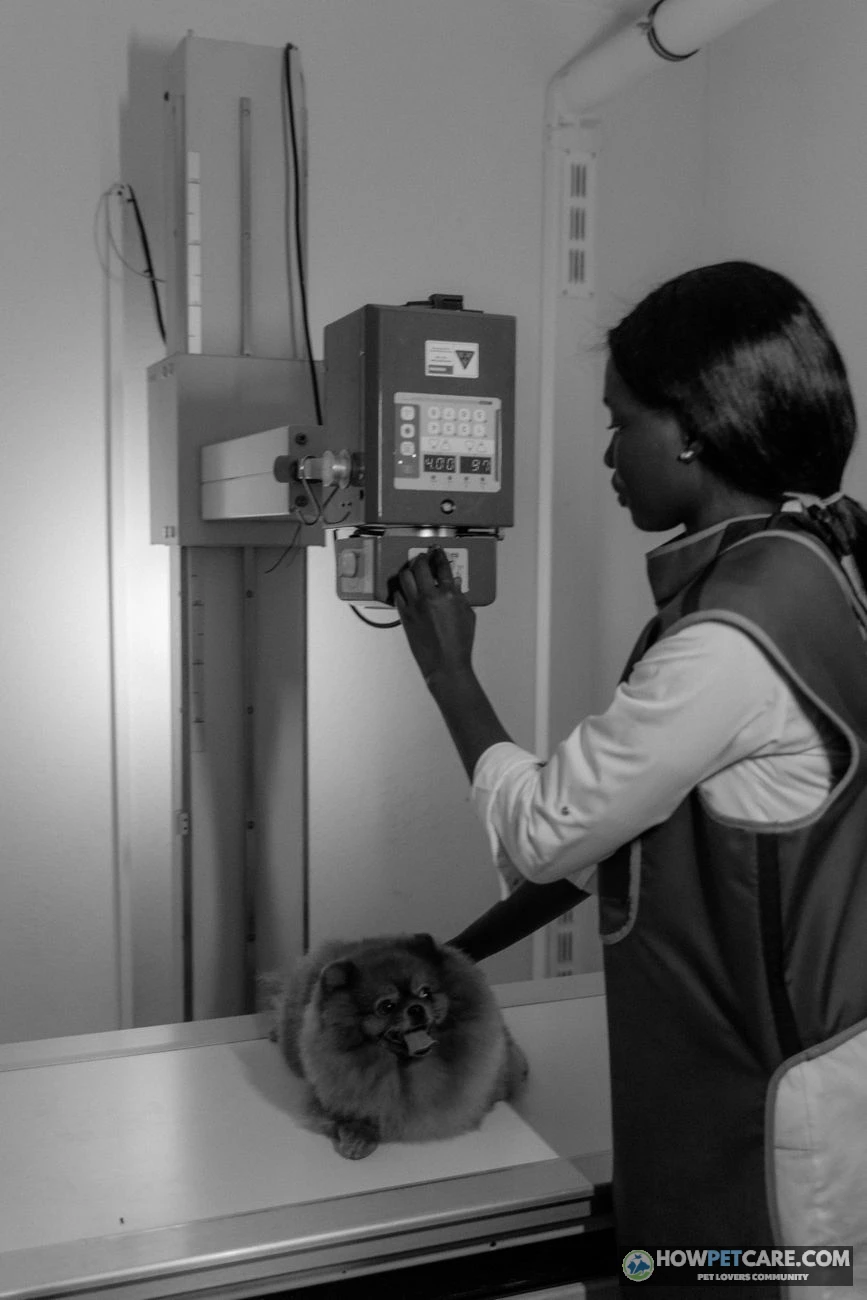
The veterinarian may use a chest X-ray to assess the lungs, heart, and chest; pulse oximetry to estimate oxygen saturation; and bloodwork to look for issues such as anemia or infection. The choice of tests depends on how stable the dog is and what the examination suggests. Treatment depends on the cause; do not try to select medication based on a sound or symptom.
Which Dogs Are Most at Risk: Breeds and Situations That Need Faster Action
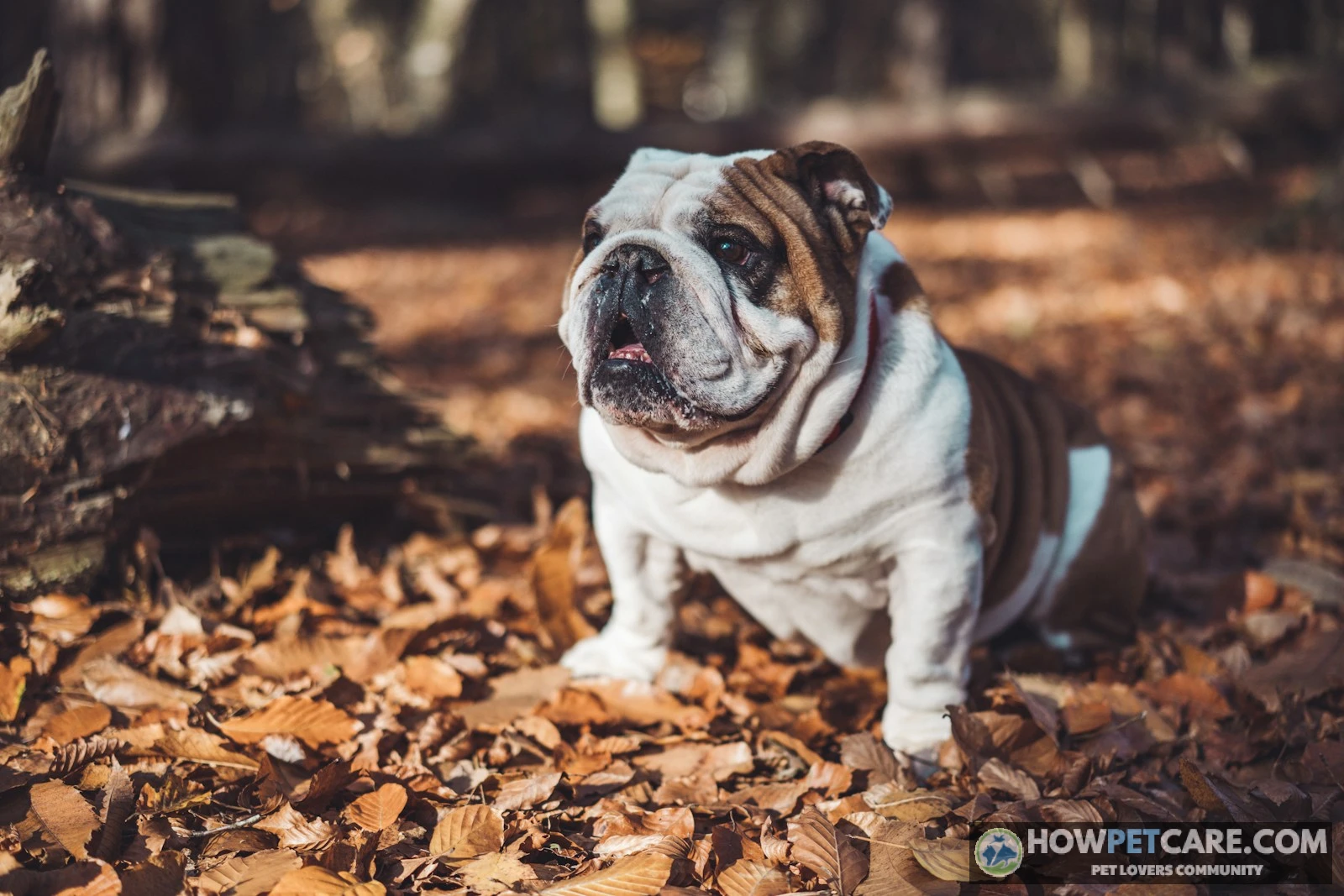
Flat-faced breeds and brachycephalic breathing problems
Bulldogs, pugs, and French bulldogs are examples of brachycephalic breeds. Their airway structure can contribute to brachycephalic airway syndrome and noisy, difficult breathing. Do not dismiss persistent noise as simply normal for the breed. Heat and excitement can make breathing harder, so act early if effort increases or your dog cannot settle.
Toy breeds and collapsing trachea
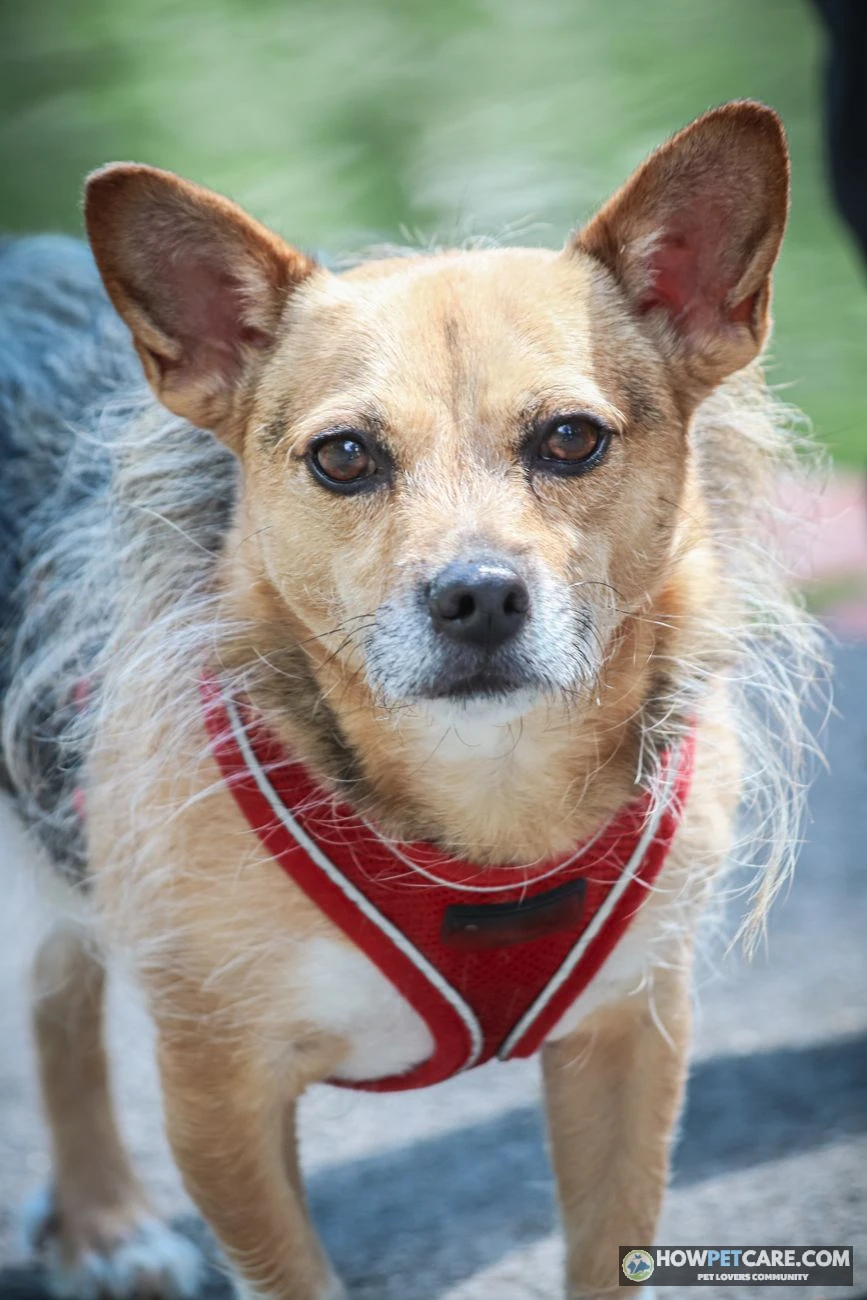
Toy and small dogs are more prone to conditions such as tracheal collapse, which may cause a honking cough. Use a harness rather than putting pressure on the neck; a harness may reduce tracheal irritation in dogs that pull. New breathing effort still needs veterinary assessment.
Senior dogs and heart disease
Senior dogs may have heart disease, airway problems, tumors, or other illnesses that affect breathing. Older large dogs can develop laryngeal paralysis; older small dogs may have heart disease. A change from a senior dog’s established sleeping breathing rate is worth reporting to its vet.
Heat, post-anesthesia, and nighttime episodes
Lower your threshold for calling a vet after heat or strenuous exercise, after anesthesia or sedation, following vomiting or regurgitation, or after possible smoke or toxin exposure. Call the clinic that performed a recent procedure if breathing becomes labored or worsens during recovery. Nighttime restlessness or a sustained rise in sleeping rate is not something to explain away without checking.
Breed risk is a tendency, not a prediction, and any dog can develop breathing problems. For dogs with an existing diagnosis, ask the vet what signs and personal rate should trigger a call or emergency visit.
What the Emergency Vet Will Do and What It Costs
What happens when you arrive
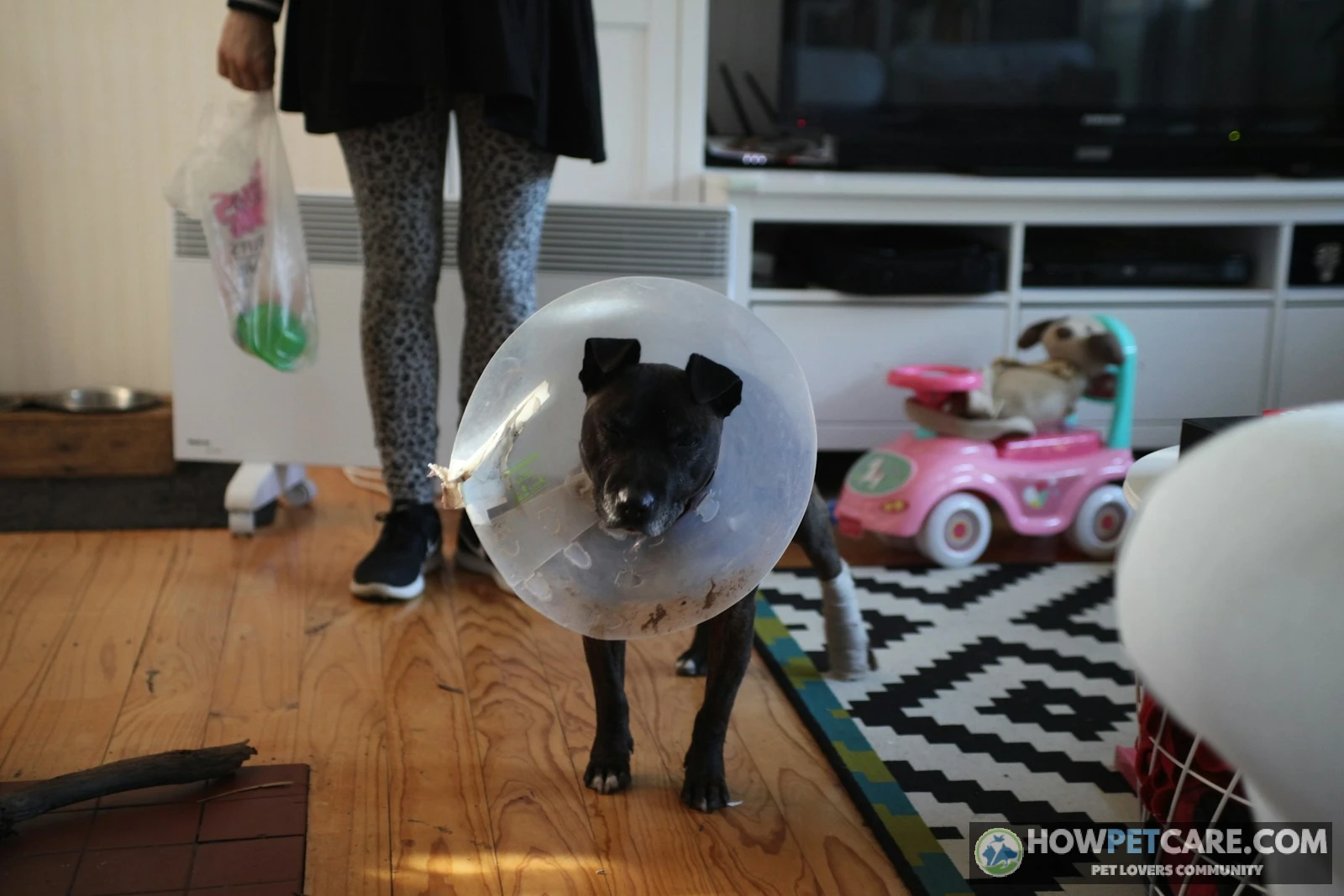
The team will triage your dog promptly and assess breathing, circulation, and stability. They may provide oxygen by flow-by, mask, or oxygen cage, while limiting handling to reduce stress. Once your dog is stable enough, the team may recommend chest X-rays, pulse oximetry, bloodwork, or ultrasound. Some dogs need hospitalization and repeated monitoring. The order of steps depends on your dog’s condition; a critically distressed dog may need stabilization before diagnostic tests.
What to tell the vet
Share when the breathing change began, whether it is getting worse, resting-rate counts, coughs or unusual sounds, possible choking, heat or toxin exposure, recent anesthesia, injury, and current medications. Mention known heart or airway disease. A short video can help show a pattern that changes before the examination, if you could record it without delaying care.
Emergency cost breakdown
These are approximate U.S. ranges, not quoted prices. Costs vary widely by region, clinic type, the dog’s size, and the amount of oxygen and hospitalization needed. Call ahead to ask about the triage or exam fee, and request a written estimate once the team has assessed your dog.
| Service | What it involves | Typical range (varies by region and clinic) | Notes |
|---|---|---|---|
| Emergency exam and triage | Immediate assessment and decision about oxygen or stabilization | $100–$300 | Specialty and 24-hour hospitals may charge more. |
| Oxygen therapy | Flow-by or mask oxygen, or an oxygen cage | $150–$1,000+ | May be charged by time; longer support increases the cost. |
| Chest X-rays | Images of the lungs, heart, and chest | $200–$500 | Sedation, if needed and safe, may add cost. |
| Bloodwork | Tests that may help identify infection, anemia, or organ problems | $150–$400 | The tests selected depend on the case. |
| Sedation, catheter, initial stabilization | Handling support, IV access, and emergency treatment as needed | $200–$800+ | Varies substantially with the dog’s condition and care required. |
| Overnight hospitalization | Ongoing monitoring and oxygen or intensive care | $500–$1,500 per night; ICU may cost more | The total depends on duration and level of care. |
| Common first-visit total | Exam, oxygen, X-rays, and basic bloodwork | Roughly $800–$2,500 | Stabilization is not necessarily the full cost of ongoing treatment. |
Oxygen duration, intensive care, repeat imaging, airway procedures, transfusion, surgery, or treatment for heatstroke or heart failure can raise the bill. These figures are practical estimates rather than verified national averages; ask the clinic for its current fees and a case-specific estimate.
Ways to manage the bill without delaying care
Tell the team early if cost is a concern and ask for a written estimate, a prioritized treatment plan, or a discussion of what must happen immediately. Depending on your circumstances, options may include existing pet insurance, a clinic payment plan, a veterinary teaching hospital, or local assistance funds. Availability varies. Do not delay an emergency call while looking for financing; ask the clinic what options it accepts.
Home Monitoring and Prognosis After a Diagnosis
Tracking sleeping respiratory rate over weeks
If your dog has heart or lung disease, ask the veterinarian for a personal threshold and monitoring schedule. Count at roughly the same time each day while the dog is asleep, using the method above, and record the result in a notebook or spreadsheet. Include coughing, medication changes, heat, exercise, and other relevant events. Bring the log to appointments. A sustained upward trend or a reading above your vet’s limit is a reason to call, even if your dog still seems comfortable.

Are apps and pulse oximeters worth using?
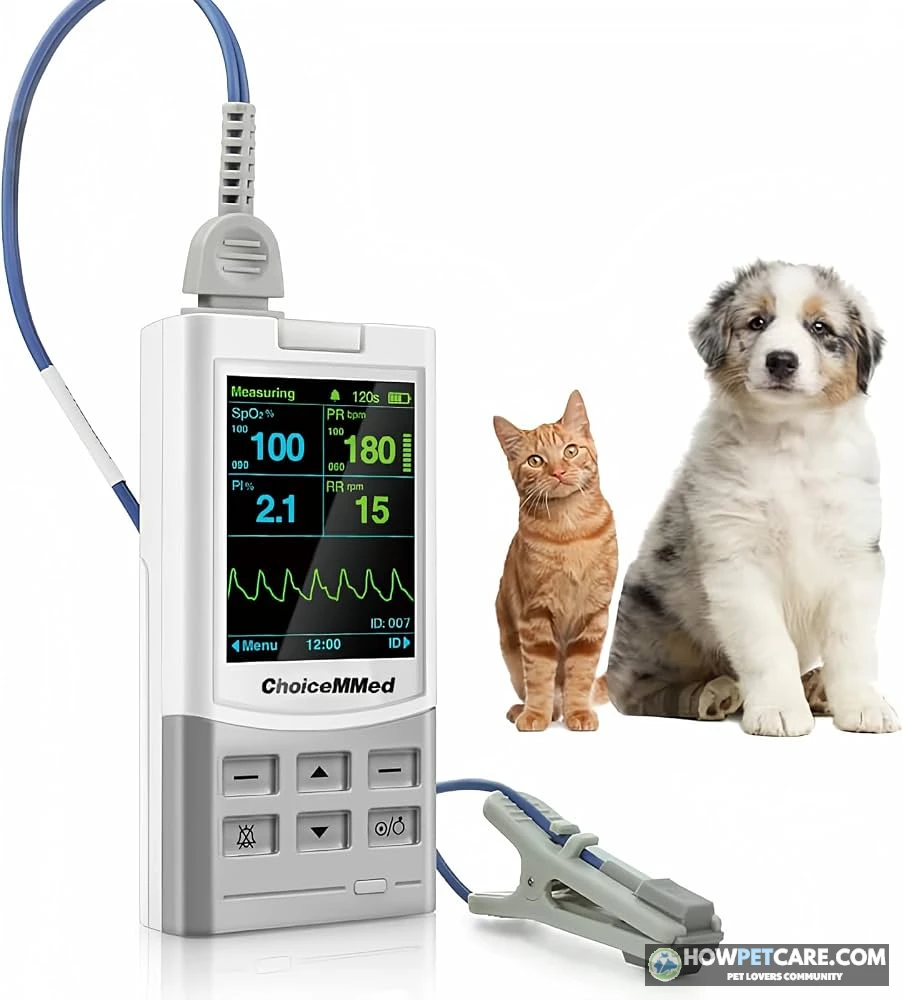
A respiratory-rate app may help organize counts, but it cannot confirm that a dog is safe. Consumer pulse oximeters can give unreliable readings when a dog moves or when the device is used on furred or pigmented tissue. Treat these tools as supplementary trend aids, not diagnostic devices. A normal device reading never overrides visible breathing distress.
Nebulizers and home oxygen: when a vet prescribes them
Use a nebulizer or home oxygen only when a veterinarian prescribes it for a specific condition and explains how and when to use it. Ask what signs mean the plan is not working and when to go to the ER. Do not improvise oxygen equipment or delay veterinary care while trying to arrange it.
What outcomes look like: heart failure, tracheal collapse, pneumonia
Congestive heart failure is generally managed rather than cured, and an individual dog’s outlook depends on the underlying heart disease, its stage, and response to treatment. Tracheal collapse can often be managed medically; surgery may be considered for selected dogs. Pneumonia can improve with prompt, appropriate treatment, but severity and complications affect recovery. Ask the treating veterinarian what the diagnosis means for your dog and what changes should trigger urgent reassessment.
For mild chronic conditions, a cool, calm environment, weight management, trigger avoidance, and using a harness rather than a collar may support the veterinarian’s plan. These measures do not treat sudden breathing trouble or replace an examination.
Your Next Steps: A Quick Action Checklist by Triage Level
If you’re still unsure: choose the safer option
ER now
- Call ahead and leave now for blue, gray, pale, or brick-red gums; collapse; severe effort; a stretched-neck, elbows-out posture; or suspected choking with poor air movement.
- Keep your dog calm and cool, let it choose its position, and bring the medication list.
- Say clearly: “My dog is having trouble breathing.”
Call a vet today
- Count the resting rate twice while your dog is asleep or fully relaxed.
- Note when the change started and any cough, sound, heat, choking, toxin exposure, or recent anesthesia.
- Call your regular vet or an emergency clinic for guidance if counts repeatedly exceed about 30 at rest, the rate is rising, or a new cough or unusual breathing persists.
Monitor and recheck
- Use this option only if breathing settles quickly, gums are pink, posture is normal, and your dog can rest.
- Recount in 30–60 minutes and keep your dog cool and calm.
- Escalate for a persistent high rate, new cough, gum-color change, posture change, increased effort, or weakness.
Save this checklist for the next time
Save the number and address of a nearby 24-hour emergency clinic, and ask your regular vet what resting-rate threshold applies to your dog. When your dog is healthy, practice counting a sleeping rate so you know its usual baseline. That baseline can make a change easier to spot—but any red-flag sign means act on the sign, not the number.
 You might be wonderingDog paw careDog Paw Care: Weekly Routine and When to Call the VetRead the answer
FAQ
Can I give my dog Benadryl or other human medicine for trouble breathing?
Do not give human medicine to a dog with breathing difficulty unless a veterinarian tells you to. The cause may be heart, airway, or lung disease, and the wrong drug or dose can delay proper treatment or cause harm. Call your vet or an emergency clinic first.
Is it normal for a dog to breathe heavily after anesthesia?
Mild changes can occur during recovery, but labored breathing, blue or pale gums, or breathing that gets worse should be treated as an emergency. Call the clinic that performed the procedure right away and tell them when the anesthesia occurred.
Can anxiety or stress cause fast breathing in dogs?
Yes, fear, stress, and excitement commonly cause panting and fast breathing. The breathing usually slows once the dog calms down. If it stays fast at rest, or comes with effort or gum color change, a medical cause needs to be ruled out.
Is reverse sneezing the same as a breathing emergency?
Reverse sneezing is usually a brief episode of loud snorting where the dog otherwise acts normal and recovers quickly. Frequent or prolonged episodes, or any with blue gums, collapse, or continued distress, need veterinary attention.
Are there safe home remedies for a dog with breathing problems?
No home remedy treats sudden breathing trouble. For mild, vet-diagnosed chronic problems, keeping the dog cool, using a harness, managing weight, and avoiding smoke or allergens can help, but only as part of your vet’s plan.