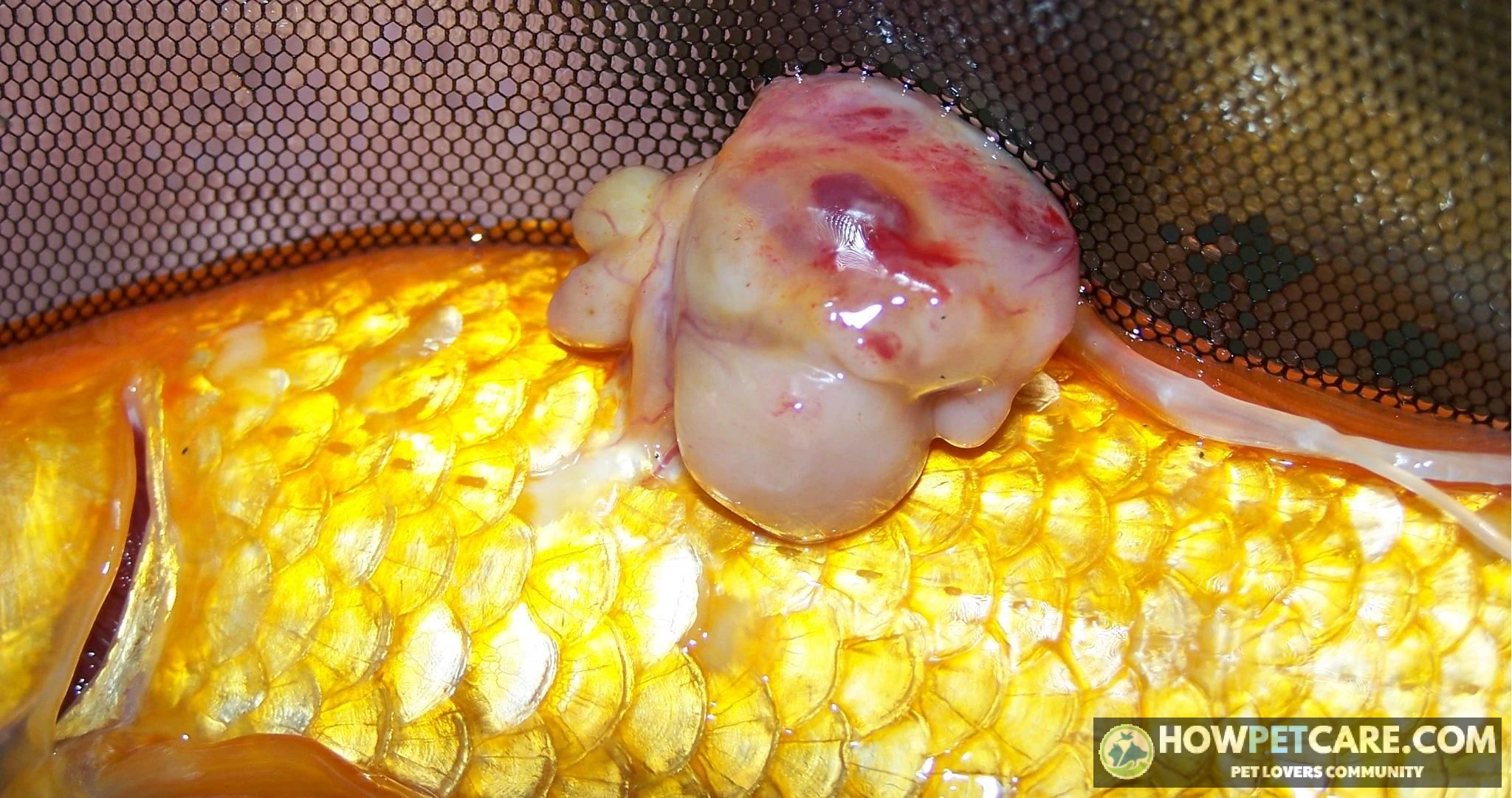

Yes, fish can get cancer. Benign and malignant tumors have been documented in wild, farmed, and aquarium fish, including goldfish, koi, bettas, and tropical species. However, many lumps are parasites, infections, or viral growths rather than cancer, so only a veterinarian can confirm the diagnosis.
Yes, Fish Can Get Cancer, and Pet Fish Are No Exception
People often ask, can fish get cancer? Yes. Fish develop neoplasia—abnormal tissue growth—and benign and malignant tumors have been documented in freshwater, marine, wild, farmed, and aquarium fish, including goldfish, koi, bettas, and tropical species. A lump is not automatically cancer: it could be a parasite, infection, cyst, injury, or viral growth.
A benign tumor stays localized. A malignant tumor can invade nearby tissue or spread. Only examination and, when appropriate, lab testing can distinguish them reliably. Cancer is probably underreported in pet fish because many never receive veterinary examinations or a tissue diagnosis.
Use this guide to judge a lump’s urgency, understand species-specific growths, decide whether to contact an aquatic veterinarian, and weigh treatment, costs, prognosis, and prevention. The claim that sharks never get cancer is wrong too; documented shark tumors, reported in the scientific literature for more than a century, disprove it.
What a Tumor on a Fish Looks Like, and How to Check a Lump Step by Step
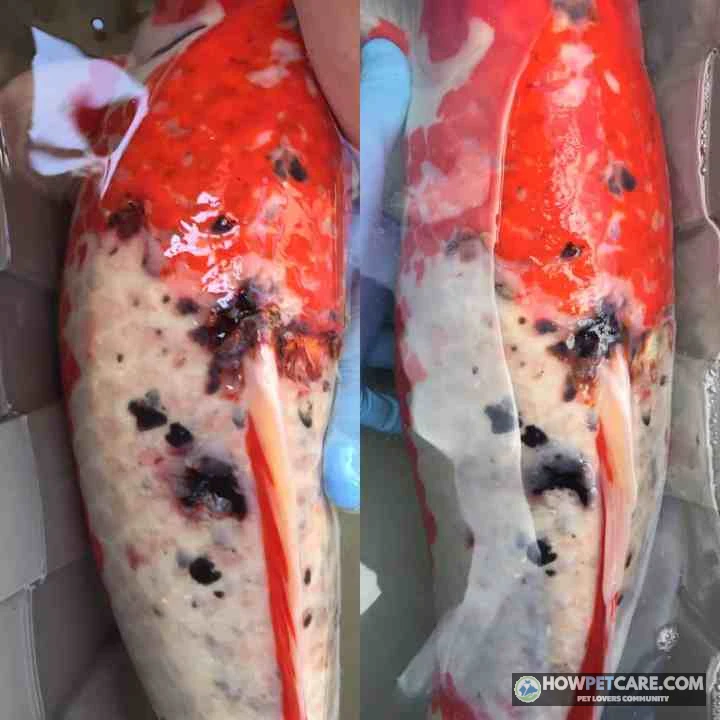
Fish cancer symptoms depend on the tumor’s location. A visible mass may be raised, smooth, cauliflower-like, pale, darkly pigmented, or ulcerated. Internal tumors may show up as a swollen or asymmetrical belly. Other possible signs include bulging eyes, weight loss despite eating, lethargy, trouble swimming, or difficulty breathing. None of these signs is specific to cancer.
Work through this six-question check to decide how urgently to act. It can help you observe the fish, but it can’t diagnose cancer.
-
1. Where is the growth?
Note whether it is on the skin, fin, mouth, gill, eye, or belly. Mouth and gill growths deserve prompt attention because they can interfere with eating or breathing. A one-sided belly bulge could reflect an internal mass; note whether the fish can still swim level.
-
2. How quickly is it changing?
A growth that appeared over days or is visibly getting bigger week to week is concerning. A lump that looks unchanged over a month may be less urgent, but slow growth does not prove it is benign.
-
3. What does the surface look like?
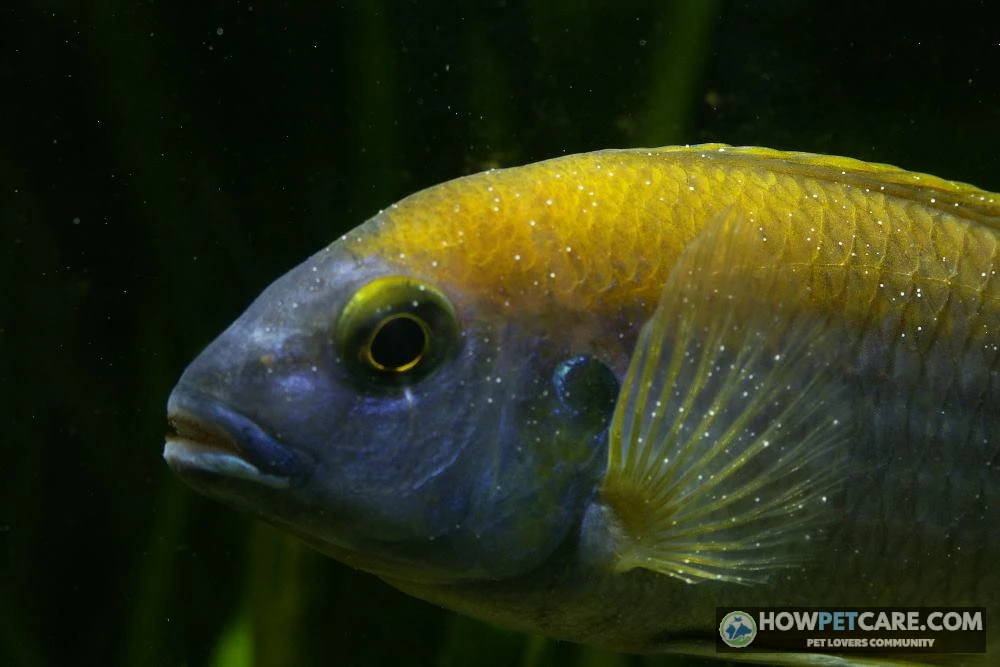
Salt-like white specks can indicate ich, a parasite. White or gray cauliflower-like clumps may be lymphocystis, a viral condition. Fuzzy tufts can suggest a fungal problem. A smooth, firm, skin-colored or dark mass could be a tumor. Open, bleeding, or ulcerated tissue is a red flag.
-
4. Is it one lump or several?
Multiple similar spots, especially if tankmates also have them, make an infectious or viral cause worth considering. A single isolated mass can be consistent with a tumor, but appearance alone cannot confirm that.
-
5. Is the fish behaving normally?
Eating, swimming level, and breathing calmly are reassuring signs for the moment. Refusing food, listing to one side, gasping, or persistent hiding calls for faster action.
-
6. Are other fish affected?
If yes, separate the fish if you can do so safely and consider the cause potentially infectious until assessed. If no, continue monitoring the individual fish while checking water quality.
Tumor, parasite, cyst, or infection: how to tell the difference
The table offers clues, not a home diagnosis. Some conditions look alike, and several can occur together.
| Condition | What it looks like | Typical speed of change | Other signs | Contagious to other fish? | Next step |
|---|---|---|---|---|---|
| Tumor | A single smooth, firm, pigmented, or irregular lump | Often gradual, but varies | May cause local interference or no behavior change | Usually no | Photograph and contact an aquatic vet if growing, ulcerated, or affecting function |
| Ich or another parasite | Ich can look like grains of salt; other parasites may cause spots or raised areas | Often changes over days | Flashing, rubbing, or multiple spots may occur | Some parasites spread | Check the whole fish and tank; seek species-appropriate diagnosis and treatment |
| Fungal growth | White or gray fuzzy tufts | Can change over days | Damaged skin may be present | The underlying problem may affect tankmates | Check water and ask a vet or qualified fish-health professional about treatment |
| Bacterial infection or abscess | Red, swollen, pale, or open area; may resemble a lump | Can worsen quickly | Redness, ulceration, or reduced activity | Some infections can spread or reflect shared conditions | Prompt assessment, especially with open tissue or declining behavior |
| Lymphocystis | Often cauliflower-like growths on skin or fins | Variable; may persist | Fish may otherwise seem well | Viral lesions can spread between fish | Isolate while the cause is uncertain and seek guidance |
| Cyst or injury scar | Localized swelling or healed-looking mark | Variable | May follow injury; appearance varies | Usually not by itself | Monitor or arrange an exam if it grows, opens, or affects function |
Red flags that mean contact an aquatic vet now
Arrange prompt veterinary advice for a fast-growing lump, bleeding or ulcerated tissue, a growth on the mouth or gills, a firm belly bulge, or worsening appetite, breathing, buoyancy, or activity. Seek help if several fish develop similar lesions. If the fish is gasping, cannot stay upright, or cannot eat, treat it as urgent.
If a lump is small, smooth, apparently stable, and the fish is acting normally, take clear photos with a ruler or coin for scale and compare them weekly. A vet may recommend a fine-needle sample or biopsy; cytology and histopathology can help identify what the growth contains. No home checklist can establish whether a mass is benign or malignant.
 You might be wonderingCan cats have popcornCan Cats Have Popcorn? Safe Amounts, Hazards & Vet GuideRead the answer
Can Betta, Goldfish, Koi, and Tropical Fish Get Cancer? Species-by-Species Risks
Yes, bettas, goldfish, koi, and other aquarium fish can develop tumors. Reports describe different growth types in different species, but reliable prevalence figures for most pet fish are not available. A species association is not a prediction that an individual fish will develop that tumor.
Can betta fish get cancer?
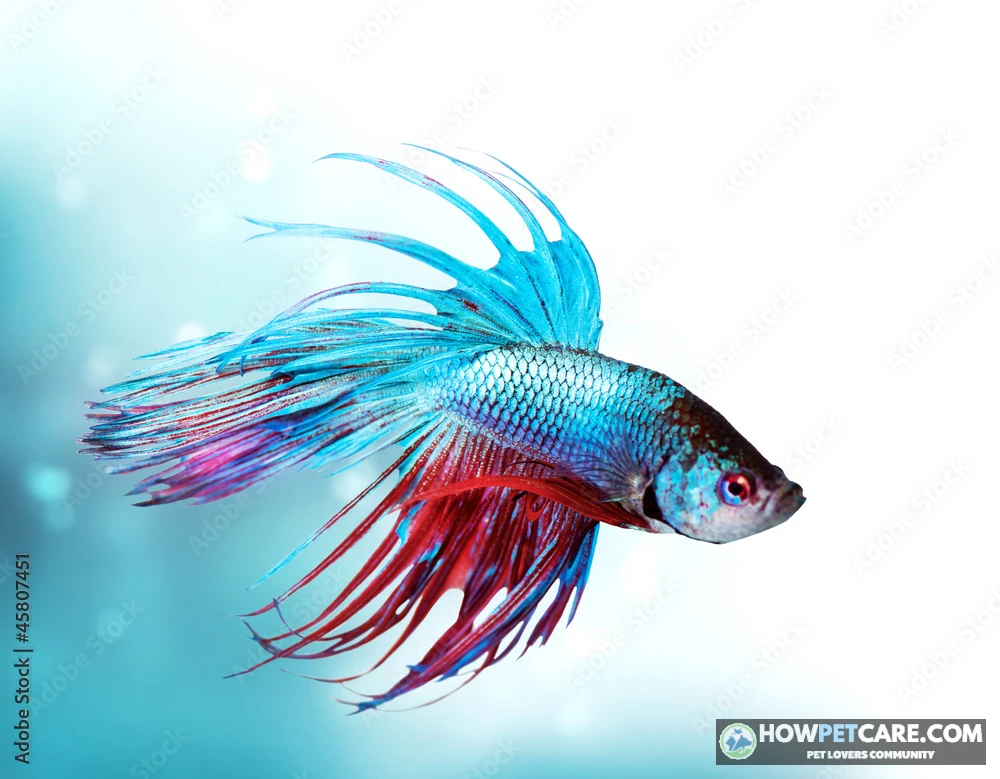
Yes. Betta fish can develop lumps and internal masses, but published information about the frequency and specific risks in pet bettas is limited. A belly enlargement is not proof of a tumor; reproductive, digestive, infectious, and other problems can also cause swelling. If the belly is enlarging or the fish’s behavior changes, arrange an aquatic veterinary assessment.
Can goldfish and koi get cancer?
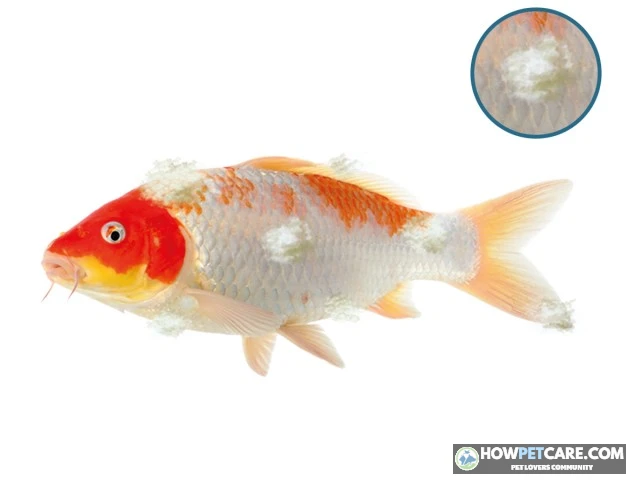
Goldfish can develop skin and soft-tissue growths, including fibromas and fibrosarcomas, as well as internal masses. Benign nerve sheath tumors have been reported in goldfish as raised, pimple-like nodules that may be mainly cosmetic.
Koi can develop external and internal tumors. Gonadal sarcomas, particularly in female koi, may only become noticeable when the abdomen enlarges; internal tumors are difficult to identify early and may be advanced by the time they are found. Koi also get carp pox, a viral condition that causes waxy skin or fin patches; it is not the same as cancer. Hikui, a reddish skin growth reported in koi, has been described as a benign tumor rather than a parasite.
Tropical aquarium fish most often affected
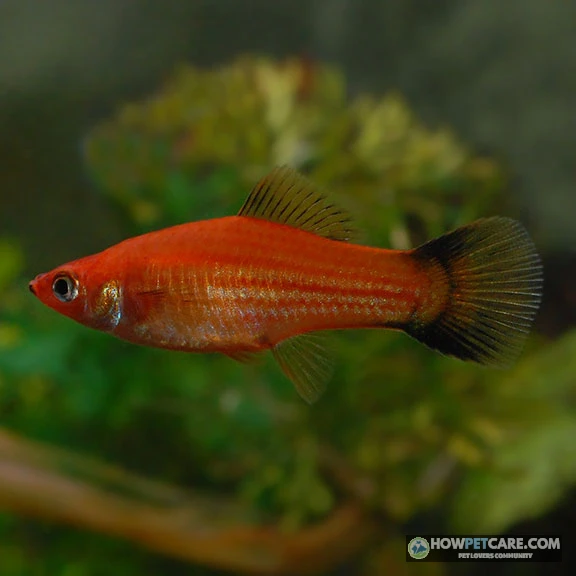
Platies and swordtails in the Xiphophorus group are known for a genetic association with melanoma; certain hybrid crosses are a documented example. Bettas and other tropical species can also develop tumors, while angelfish and many other fish may develop lymphocystis, a viral lookalike rather than a malignant tumor. Growths in tetras, guppies, and other tropical fish should be assessed based on the individual fish, not assumed to be cancer.
| Tumor or growth type | Typical species affected | Common location | Benign or malignant | Severity and outlook | Usual treatment |
|---|---|---|---|---|---|
| Fibroma | Goldfish, koi | Skin, fins | Benign | Often slow-growing; may be mainly cosmetic | Monitor or consider removal if it interferes with function |
| Fibrosarcoma | Goldfish, koi | Skin, soft tissue | Malignant, potentially locally invasive | Can damage nearby tissue and may recur | Vet assessment; removal may be considered |
| Papilloma | Koi, goldfish | Skin, lips | Usually benign | Often limited unless it affects feeding or movement | Monitor; vet may discuss removal if function is affected |
| Carp pox | Koi, carp | Skin, fins | Benign viral lesion, not cancer | Often a low-level skin problem | Vet guidance and good conditions; avoid treating as a tumor without diagnosis |
| Melanoma | Xiphophorus platy-swordtail hybrids | Skin, often pigmented areas | Can be malignant | Risk varies; may be serious | Veterinary assessment; options depend on extent and fish welfare |
| Lymphocystis | Bettas, angelfish, and many tropical fish | Skin, fins | Viral growth, usually benign | Often self-limiting, but can persist | Isolation as appropriate, stable conditions, and veterinary guidance |
| Gonadal tumor | Goldfish, koi, bettas | Internal abdomen | May be benign or malignant | Often difficult to detect early | Imaging and possible surgery if operable; otherwise supportive care |
| Chromatophoroma | Koi and goldfish, including outdoor pond fish | Around the eye, dorsal fin, or face | Depends on tumor type | Location and growth determine impact | Veterinary assessment; treatment depends on diagnosis and access |
These are reported examples, not a complete list. A fish’s species and the lump’s appearance cannot establish tumor type or severity.
What Causes Tumors in Pet Fish: Genetics, Viruses, Carcinogens, and Water Quality
There is no single cause of fish tumors. Some arise with inherited traits, viruses, age, or exposure to carcinogens; in many individual pet fish, the cause is never identified.
Genetics: Selective breeding and genetic predisposition can play a role. Melanoma in some platy-swordtail hybrids is a documented example. That does not mean all selectively bred fish are likely to get cancer.
Viruses: Some viruses cause growths that resemble tumors. Carp pox and lymphocystis are examples. Other virus-associated tumors are described in fish, but a viral lesion does not automatically mean a fish has an aggressive cancer.
Environmental carcinogens: Pollutants in natural water, including some industrial chemicals and petroleum-related compounds, have been associated with skin and liver tumors in wild freshwater fish. In aquaculture, contaminated feed—such as feed affected by aflatoxins—can also be a concern. These findings do not show that ordinary home aquarium conditions cause cancer.
Can fish get cancer from aquarium water?
Poor aquarium water quality can harm fish and contribute to stress and disease. Keep ammonia and nitrite at zero and nitrate controlled for the species and system. However, direct evidence that routine poor water quality causes tumors in pet fish is limited. Don’t assume that a lump means you caused cancer by making a water-care mistake; test the water because it matters for fish health, not as a way to diagnose a tumor.

Age, chronic injury or inflammation, nutrition, and excessive sunlight may also matter in some cases, but they do not explain every tumor. The practical approach is to reduce avoidable exposures while getting concerning growths assessed.
Is Fish Cancer Contagious to Other Fish, Tankmates, or Humans?
Most fish tumors are not contagious. Cancer cells do not ordinarily pass from one aquarium fish to another. Some viral growths, including lymphocystis and carp pox, can spread between fish; those are infectious lesions, not proof that a malignant cancer is spreading through the tank.
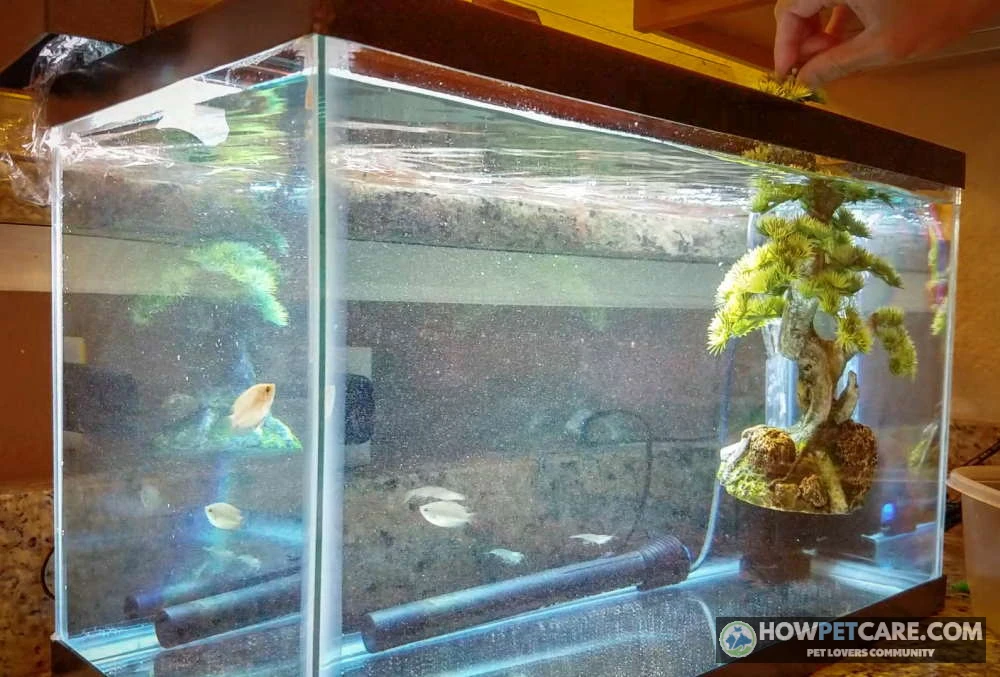
If you don’t know what a growth is, use a separate quarantine tank when feasible, avoid sharing nets and other equipment, and wash your hands after aquarium work. Watch tankmates for similar lesions. A vet can help decide whether isolation is appropriate, since moving a sick fish can add stress.
Can a viral tumor spread through the tank?
A virus-linked lesion may be transmissible, depending on the virus and circumstances. That is different from saying all tumors are contagious. Until the cause is clear, reasonable precautions include separating affected fish where practical, keeping equipment clean, and not moving water or fish between tanks unnecessarily.
The transmissible catfish cancer, explained for pet owners
Research reported in 2024 described a rare transmissible cancer in wild brown bullhead catfish associated with Lake Memphremagog. It is a scientifically notable finding, not evidence that tumors routinely spread among aquarium fish. The route of transmission is still unknown, and this finding provides no evidence that it threatens home aquarium fish or people.
Fish cancer itself is not known to spread to humans. Some fish-associated infections can infect people through broken skin—for example, Mycobacterium marinum can cause a skin infection sometimes called fish tank granuloma. Cover cuts, wear gloves when handling fish or tank water if you have broken skin, and wash your hands afterward.
Do not eat a fish with a visible tumor or unexplained lesion. The growth could be an infection or parasite rather than cancer, and a visibly diseased fish may present other food-safety concerns. If you’re unsure whether a fish is safe to consume, don’t eat it.
Diagnosis, Treatment Options, Costs, and Prognosis for a Fish Tumor
A veterinarian experienced with fish may begin with a physical examination and questions about the aquarium or pond, water tests, diet, and the growth’s history. To identify an external mass, a vet may recommend sampling cells with a fine needle or taking a small biopsy for histopathology. Internal masses can be harder to detect; imaging such as ultrasound or radiographs may help locate them. Internal tumors are often found late, when surgery may no longer be practical.
Treatment depends on the mass, its location, the fish’s condition, and whether it is affecting essential functions. Options can include monitoring, surgical removal under anesthesia, or procedures such as cryotherapy for selected superficial growths. Some specific non-cancerous conditions have their own veterinary treatments; don’t try iodine treatments, freezing, cutting, or medication at home. Chemotherapy and radiation are uncommon options in pet fish care and are generally considered in unusual cases.

Home remedies and salt baths do not reliably shrink a true tumor. Supportive care means maintaining appropriate water conditions and treating a confirmed or strongly suspected lookalike under veterinary direction—not attempting to remove the mass yourself.
| Option | What it involves | Estimated cost range (varies by region) | Best suited for | Typical outcome and recurrence risk |
|---|---|---|---|---|
| Aquatic vet exam | Examination and review of fish care and history | Roughly $75–$250 | First assessment of a suspicious lump | Helps set next steps; does not necessarily identify the tumor type |
| Water-quality workup | Additional professional testing | Roughly $25–$100 | When water conditions may be contributing to illness | Helps assess environmental problems, not whether a lump is cancer |
| Fine-needle aspirate or cytology | Cells sampled from a mass for examination | Roughly $100–$300 | Selected external lumps | Can help distinguish causes; may not be definitive |
| Biopsy with histopathology | Tissue sample analyzed by a lab | Roughly $200–$500+ | When identifying the growth matters to treatment | Often gives a more definitive diagnosis; availability varies |
| Cryotherapy | Freezing a selected superficial growth | Roughly $100–$400 | Small external lesions a vet considers appropriate | May control a lesion; regrowth is possible |
| Surgical removal | Anesthesia and excision, sometimes with lab testing | Roughly $300–$1,000+ | Removable masses, including selected cases involving valuable koi or pet fish | Some benign external masses do well; recurrence remains possible |
| Imaging | Ultrasound, radiographs, or other imaging | Roughly $150–$600+ | Suspected internal mass | Helps locate a mass and inform options; does not always determine its type |
These are broad US ballparks, not quotes or guaranteed 2026 prices. Costs vary by region, clinic, fish species, procedure, anesthesia, lab fees, and whether a koi veterinarian makes a pond visit. Confirm current pricing with a local aquatic vet before deciding.
Survival expectations, recurrence, and when euthanasia is the kind choice
A fish may live with a slow-growing external mass if it does not interfere with eating, swimming, or breathing. A benign tumor that can be completely removed may have a good outcome, but recurrence is possible. Internal, invasive, or fast-growing cancers generally have a more guarded outlook. Reliable survival percentages and recurrence rates for pet fish are not available, so a veterinarian cannot responsibly promise a specific timeline from general statistics.
Quality of life matters alongside the diagnosis. Refusal to eat, inability to swim or stay upright, labored breathing, or a bleeding or ulcerated mass that cannot be managed are reasons to discuss humane euthanasia with a fish veterinarian. A vet can advise on an appropriate method, including anesthetic overdose. Don’t improvise a method or dose based on advice intended for a different species.
A visit may be worthwhile for a beloved pet, a valuable koi, a growth that affects essential functions, or a possible infectious condition. If extensive diagnostics or surgery would cause disproportionate stress or cost and the fish is declining, ask the vet about comfort-focused care and humane euthanasia.
How to Prevent Tumors and Cancer in Your Aquarium or Pond Fish
Prevention can reduce avoidable stress and exposure risks, but it cannot guarantee that a fish will never develop a tumor. Age and inherited traits are not under an owner’s control.
Cancer-risk prevention checklist for tanks and ponds
- Test the water: Keep ammonia and nitrite at zero and nitrate within a suitable range for the species and setup. Check promptly when a fish acts unwell, and avoid abrupt pH changes.
- Store food well: Keep dry food sealed, cool, and dry; discard food that is damp, musty, or rancid. Mold-contaminated feed can contain aflatoxins, a known carcinogen in fish-farming contexts.
- Offer an appropriate diet: Use fresh, species-appropriate food and vary it sensibly rather than relying on stale food or an unsuitable single product.
- Choose fish carefully: Buy from reputable sources. Where you have a choice, ask about breeding practices and avoid lines with known inherited health problems.
- Quarantine new arrivals: Keep new fish separate for an observation period before introducing them to established tankmates. This can help identify visible infectious conditions before contact.
- Limit pond exposures: Provide shade over part of the pond, particularly for pale or thin-skinned fish, and reduce exposure to lawn chemicals, pesticides, and driveway runoff. Avoid overcrowding.
- Avoid unnecessary treatments: Use aquarium chemicals and medications only when there is a clear reason and according to appropriate guidance; rinse new equipment and decor before use.
- Check fish regularly: Take a slow look at each fish at least weekly. Photograph any new growth with a date and a ruler or coin for scale.
Tank management for betta and tropical fish
For bettas and tropical community fish, focus on stable, species-appropriate conditions, avoid ammonia and nitrite exposure, and observe fish closely. A weekly check during feeding can make a new lump or behavior change easier to notice. Quarantine new fish rather than introducing them directly to the display tank.
Pond management for koi and goldfish
For koi and goldfish, test pond water, reduce runoff risks, maintain moderate stocking, and provide shaded areas. These measures support overall health and reduce avoidable environmental stress; they are not a guarantee against genetic or age-related tumors.
What to Do Today: A Next-Steps Checklist for the Fish With a Lump
- Take clear photos from several angles. Include a ruler or coin for scale and write down the date.
- Note the fish’s appetite, swimming, breathing, and whether the lump is changing. Check whether any tankmates have similar marks.
- Test ammonia, nitrite, nitrate, and pH. Correct water problems carefully, but do not treat the lump as a tumor—or medicate the whole tank—without considering lookalikes.
- If other fish are affected or the growth looks infectious, separate the fish if practical and use dedicated equipment while you seek advice.
- Contact an aquatic veterinarian for rapid growth, an open or bleeding mass, a mouth or gill growth, a belly bulge, or any decline in eating, breathing, or swimming. If monitoring seems reasonable, keep dated weekly photos and seek care if the lump changes or persists.
- Before a visit, gather the fish’s species, tank or pond size, water test results, diet, photos, and history of new fish or tankmates. Set a budget and discuss what options are realistic.
- Ask your veterinarian about their experience with fish and whether a sample or imaging would change the plan. The Association of Aquatic Animal Veterinarians directory may help you locate a fish-experienced professional.
A photo log and basic water tests cannot diagnose cancer, but they give a veterinarian useful information and help you spot change without guessing. If the fish is struggling to breathe, eat, or stay upright, don’t wait for a monitoring period.
 You might be wonderingCan cats have milkCan Cats Have Milk? Safety, Amounts & AlternativesRead the answer
FAQ
Do sharks really never get cancer?
No. That claim is a myth. Sharks and their relatives, such as rays, develop both benign and malignant tumors, and cases have been documented in veterinary and aquarium literature.
Is it safe to eat a fish that has a visible tumor?
It is best not to. Fish tumors are not known to spread to people, but a lump can also be an infection or parasite, and a diseased fish may carry other pathogens. Food safety agencies generally advise discarding fish with visible lesions or growths.
Can a fish tumor go away on its own?
True tumors rarely disappear. Some viral growths such as lymphocystis or carp pox can shrink or clear as the fish’s immunity improves, which is one reason a vet should identify the cause.
Can fish live a long time with a tumor?
Some do, especially with slow-growing, benign external masses that do not block eating, swimming, or breathing. Fish with fast-growing, ulcerated, or internal tumors often decline sooner, and a vet can give a better estimate for a specific case.
Do wild fish get cancer more often than aquarium fish?
Fish in heavily polluted waters have shown higher tumor rates in several studies, which points to environmental carcinogens. Aquarium fish are rarely exposed to those levels, but their longer lifespans and selective breeding bring other risks.