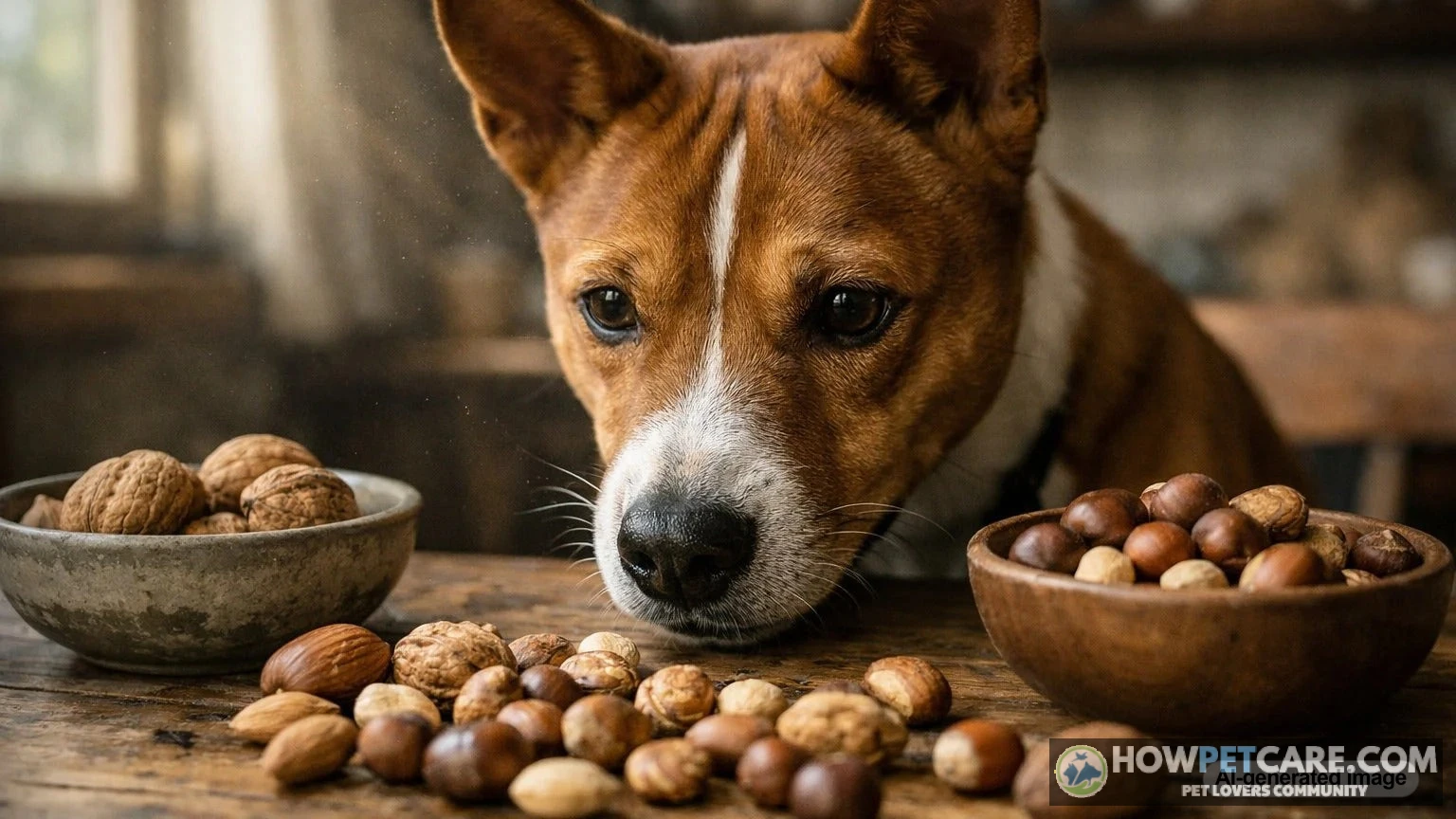

Most nuts aren’t safe treats for dogs. Macadamias are toxic, and walnuts, pecans, pistachios, and almonds are best avoided due to fat, mold, and choking risks. Tiny amounts of plain, shelled peanuts or cashews may be tolerated, but dogs don’t need nuts—call a vet after a toxic or uncertain exposure.
Can Dogs Eat Nuts? The Quick Verdict and Safety Rule
Most nuts aren’t worth the risk for dogs. A few plain nuts may be tolerated in tiny amounts, but some are toxic. Macadamia nuts are toxic to dogs. Even nuts that aren’t inherently poisonous can cause choking, digestive upset, or problems because of their high fat content.
A healthy dog may tolerate plain, unsalted, shelled peanuts or cashews now and then, but neither is a necessary treat. If your dog ate macadamias, a product containing xylitol, moldy nuts, or an unknown mix, call a veterinarian or poison control promptly. Don’t wait for symptoms.
Read the nut chart before deciding what to do
Find the nut below, then consider how much your dog ate, your dog’s size, and whether the food included shells or other ingredients. If your dog is struggling to breathe or swallow, collapses, has severe weakness or tremors, or is getting worse quickly, go to an emergency veterinarian now.
Safe, Toxic, or Avoid: A Quick Chart of Common Nuts
“Caution” means a small, plain amount may be tolerated; it doesn’t make the food a recommended treat. “Avoid” means don’t offer it intentionally. An accidental bite doesn’t automatically mean poisoning. Fat, mold, shells, and toxic additives pose different hazards from a nut’s inherent toxicity.
| Nut or product | Verdict for dogs | Primary risk | What to do |
|---|---|---|---|
| Peanuts, plain and shelled | Caution | Fat and choking; coatings add risks | For a tiny amount in a well dog, ask your vet whether monitoring is appropriate. Call for shells, a large amount, symptoms, or a high-risk dog. |
| Cashews, plain, roasted and shelled | Caution | Fat and digestive upset | Treat a tiny amount like a peanut exposure; check mixed products for dangerous ingredients. |
| Almonds | Avoid | Choking, obstruction and digestive upset | Call for shells, multiple nuts, symptoms, or exposure in a small dog. |
| English walnuts | Avoid | Fat, shells and possible mold toxins | Call if moldy, shelled, eaten in quantity, or followed by symptoms. |
| Black walnuts or unidentified walnuts | Avoid; greater concern | Species uncertainty, shells and possible mold toxins | Call a vet or poison control promptly, especially if found outdoors or moldy. |
| Pecans | Avoid | Fat, shells and possible mold | Call for mold, shells, a large amount, symptoms, or a vulnerable dog. |
| Macadamia nuts | Toxic | Weakness, vomiting, tremors and difficulty walking | Call a vet or poison control promptly, even if your dog seems normal. |
| Pistachios | Avoid | Fat, salt, shells and possible mold | Call if shells or mold were eaten, the amount was substantial, or symptoms develop. |
| Hazelnuts | Avoid as a treat | Choking, fat and coatings | For a tiny plain amount, ask whether monitoring is appropriate; call for shells or symptoms. |
| Brazil nuts | Avoid | Large size, choking and high fat | Call for more than a taste, exposure in a small dog, shells, or symptoms. |
| Pine nuts | Avoid as a treat | Fat and ingredients in prepared dishes | Check the whole dish; call if it contains garlic or other concerning ingredients, or if symptoms develop. |
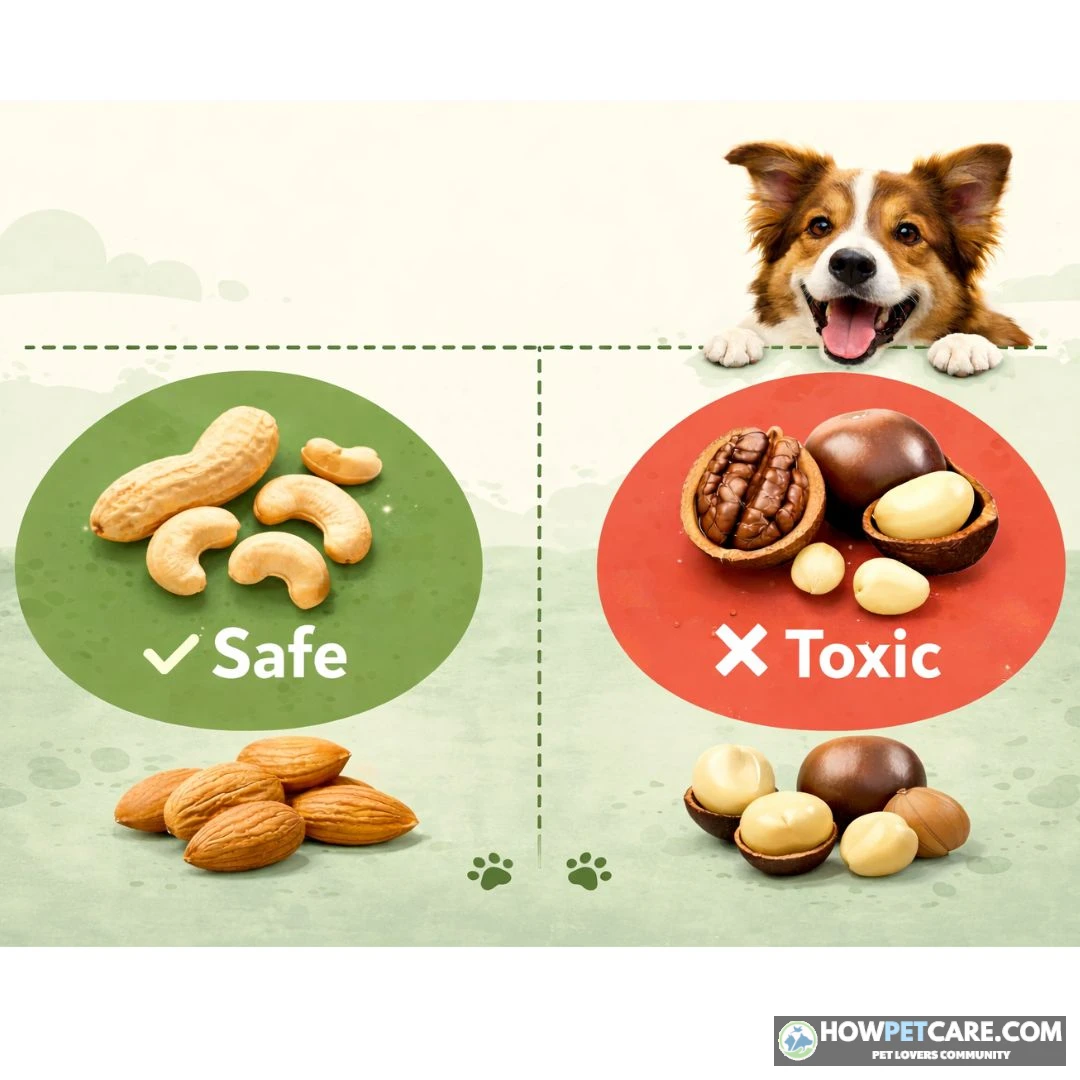
Macadamias are recognized as toxic to dogs. High-fat nuts and shells can cause digestive upset, pancreatitis, choking, or obstruction through different mechanisms.
Why walnut advice differs by species and mold risk
Some sources call walnuts non-toxic while still advising against them. The distinction matters: a fresh English walnut kernel isn’t the same exposure as an unidentified walnut from the ground, a swallowed shell, or a moldy nut. Walnuts can pose fat and obstruction risks, and mold can produce toxins that cause tremors.
Some guidance gives black walnuts stronger warnings, while other sources discuss walnuts more generally. Don’t assume a black or unidentified walnut is safe just because another source says English walnuts are non-toxic. Mold and uncertainty about the species are practical reasons to call promptly. You don’t need to establish whether juglone or another substance caused the risk before seeking help.
Portion Guidance by Dog Weight—and Why There Is No Universal Safe Dose
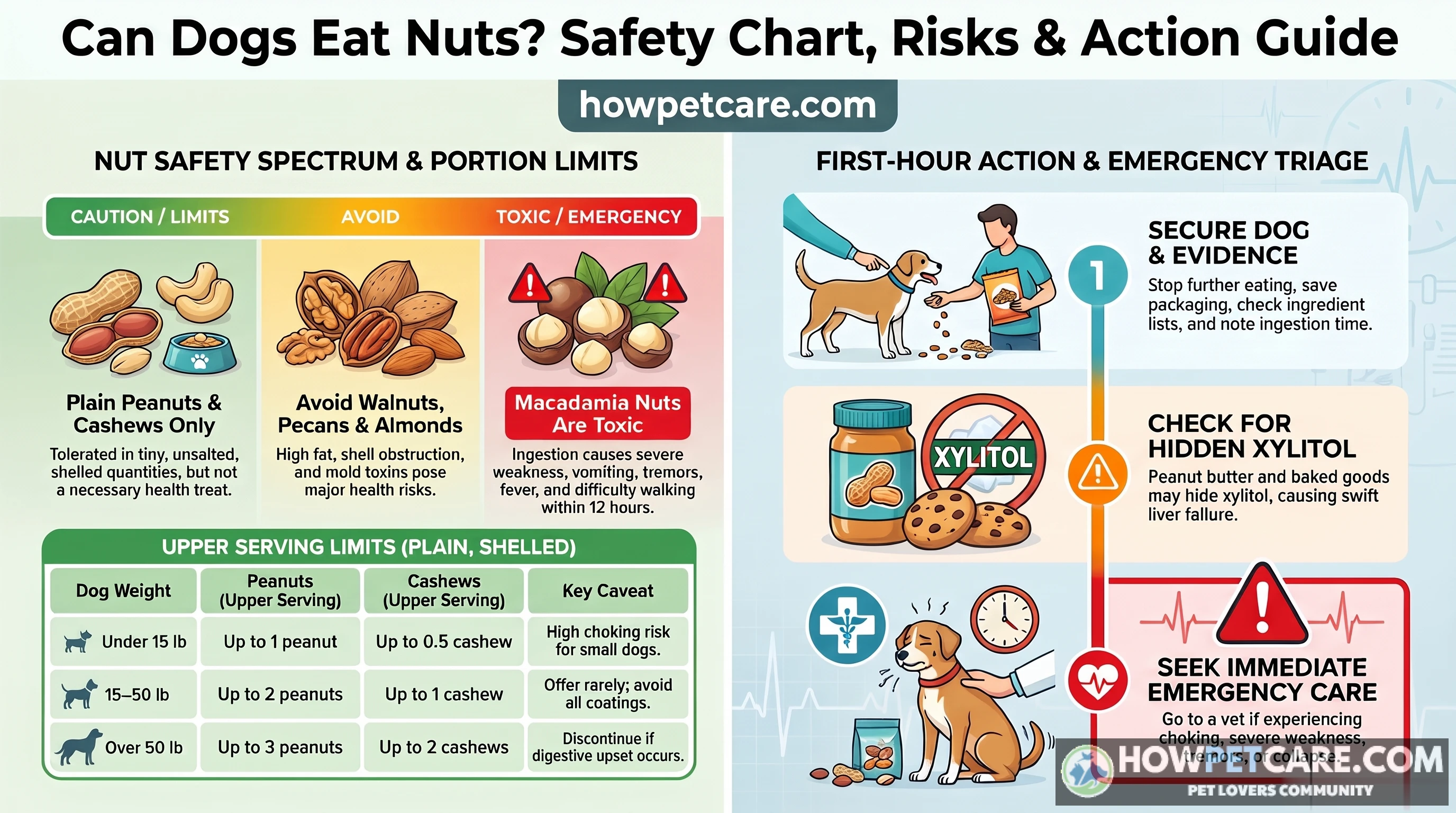
The amounts below are conservative editorial examples for an occasional offering to a healthy adult dog. They aren’t proven safe doses or a feeding recommendation. Your dog doesn’t need nuts. A smaller amount—or none—may be appropriate, and even these amounts can cause problems for an individual dog. Use only plain, unsalted, shelled peanuts or plain, unsalted, roasted, shelled cashews. Break them into small pieces to reduce choking risk.
| Dog size or weight range | Peanuts: occasional upper serving | Cashews: occasional upper serving | Important caveat |
|---|---|---|---|
| Under 15 lb | Up to 1 peanut | Up to half a cashew | Small dogs face a greater choking concern; skip nuts for puppies and dogs with relevant health problems. |
| 15–50 lb | Up to 2 peanuts | Up to 1 cashew | Offer rarely, not daily, and avoid coatings, seasoning and shells. |
| Over 50 lb | Up to 3 peanuts | Up to 2 cashews | Larger size doesn’t make nuts risk-free; stop if digestive symptoms occur. |
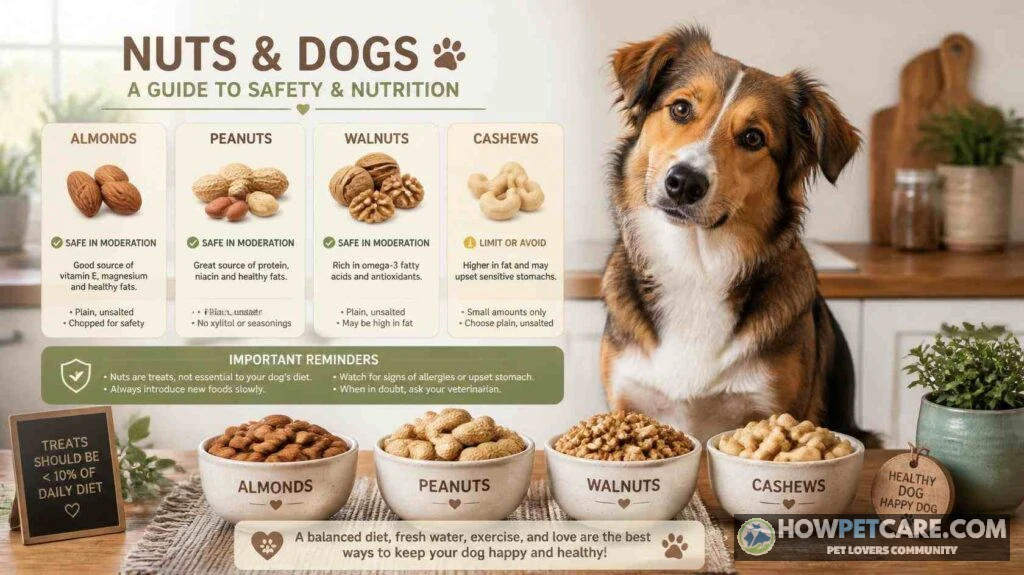
These amounts aren’t thresholds for deciding that an accidental ingestion is harmless. Call your vet if the amount is substantial or uncertain, your dog has symptoms, or your dog has a history of pancreatitis or digestive sensitivity. This guide doesn’t recommend intentionally serving almonds, hazelnuts, pine nuts, Brazil nuts, pecans, pistachios, or walnuts.
Macadamia exposure: use weight to estimate dose, not to delay a call
Any macadamia ingestion warrants a prompt call. The evidence available for this article doesn’t establish a verified numerical toxicity threshold, so don’t use a calculation to rule out danger. Tell the professional your dog’s weight and the estimated number or weight of kernels eaten. Signs of macadamia exposure can appear within 12 hours and include weakness, incoordination, vomiting, tremors, and elevated body temperature.
Nut Poisoning, Choking, and Pancreatitis: Symptoms and Triage
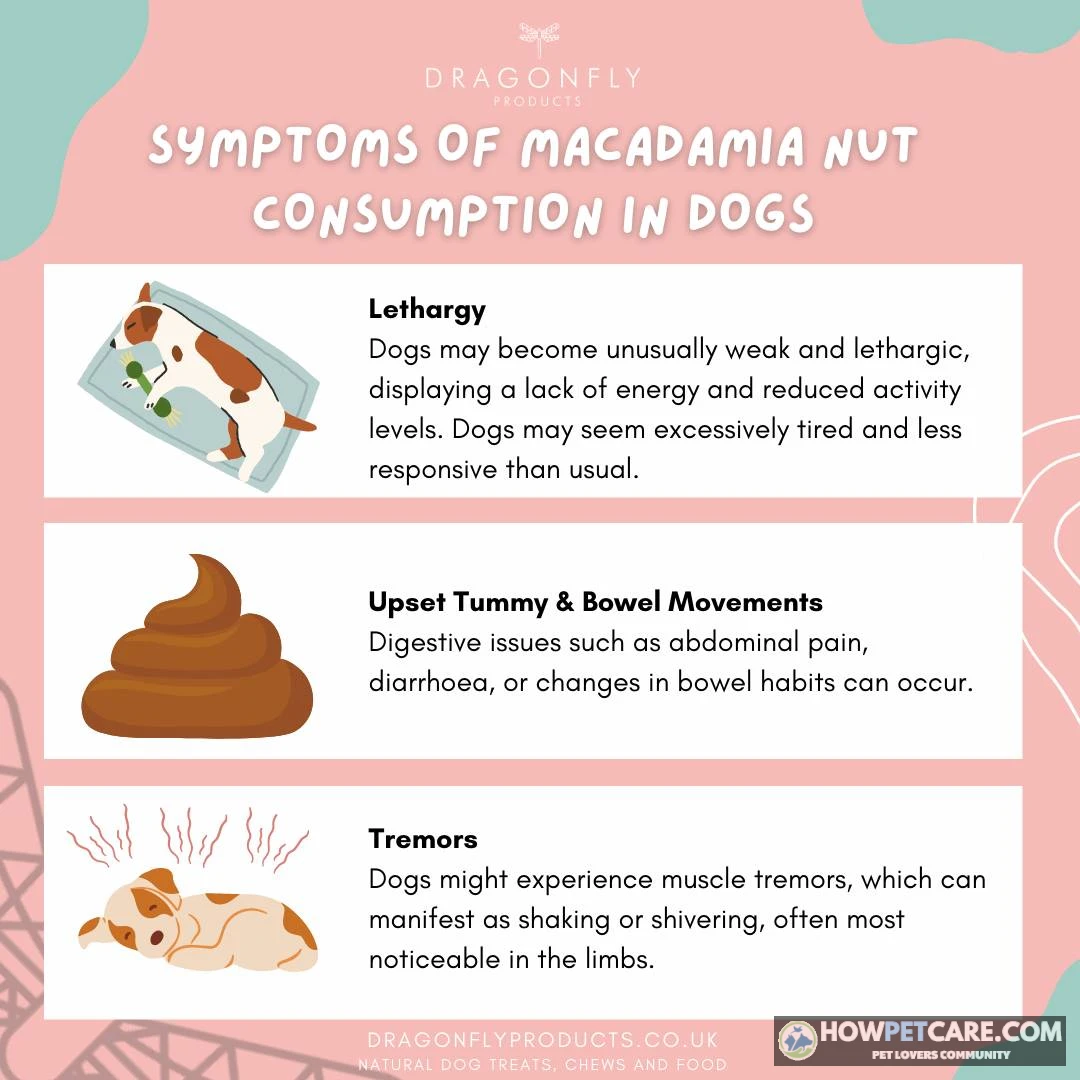
Look for vomiting, diarrhea, poor appetite, unusual tiredness, and abdominal discomfort. A painful belly, vomiting, and lethargy can signal pancreatitis, a potentially serious inflammation of the pancreas. High-fat foods can contribute to the risk. Gagging, difficulty swallowing, or trouble breathing may point to choking. Persistent vomiting, bloating, or difficulty passing stool can also warrant an assessment for obstruction.
Weakness, wobbliness, tremors, fever, or collapse deserve particular attention after macadamias or potentially moldy food. A dog may look normal right after eating a dangerous ingredient and still need treatment. Don’t wait for symptoms after exposure to macadamias, xylitol, or mold.
Monitor at home only when the exposure is clearly low risk
| Exposure or sign | Recommended action | Details to provide |
|---|---|---|
| Tiny, known amount of a plain, non-toxic nut; dog is well | Ask a vet or poison-control professional whether home monitoring is appropriate. | Nut type, amount, dog weight and health history. |
| Macadamias, xylitol, moldy or unknown nuts, a swallowed shell, or a substantial or uncertain amount | Call a vet or poison control promptly, even if the dog looks well. | Time eaten, estimated amount, shell exposure and product label. |
| Mild digestive signs or exposure in a puppy, toy breed, senior, or dog with pancreatitis history | Call your veterinarian the same day; seek faster advice if signs worsen. | Symptoms, amount, age, weight and medical conditions. |
| Breathing or swallowing difficulty, collapse, severe weakness or tremors, repeated vomiting, or rapidly worsening signs | Go to an emergency veterinarian now. | Bring packaging if readily available; do not delay departure to find it. |
What to Do in the First Hour After a Dog Eats Nuts
- Prevent more exposure. Move your dog away from the nuts, shells, wrappers, and remaining food. If your dog is choking or otherwise in distress, head to emergency care immediately.
- Identify what was eaten. Note the nut type, estimated amount, and time of ingestion, along with whether your dog swallowed shells or packaging. If you can’t identify the nut, say so rather than guessing.
- Check the whole product. Save the package and photograph its ingredient list. Look for xylitol, also called birch sugar; raisins or currants; chocolate or cocoa; macadamias; salt; and onion or garlic seasoning. Check for visible mold, too.
- Call for individual advice. Contact your veterinarian promptly if the food contained a concerning ingredient or mold, your dog swallowed shells, the amount was large or uncertain, symptoms appear, or your dog is vulnerable. In the United States, call the ASPCA Animal Poison Control Center at (888) 426-4435; a consultation fee may apply.
- Follow the professional’s instructions. Have your dog’s weight, age, medical history, the product label, amount, and ingestion time ready. Don’t induce vomiting or give home remedies unless a veterinary professional tells you to.
Call now rather than waiting for symptoms
Xylitol exposure is an emergency, even when the amount seems small. Macadamias, moldy nuts, and potentially obstructive shells also warrant prompt advice before symptoms appear. If your veterinarian recommends monitoring, ask which signs to watch for, how long to watch, and when to call back. Seek help immediately if your dog develops serious or worsening signs.
Nut Butters, Nut Milks, Trail Mix, and Baked Goods: Check the Whole Ingredient List
A spoonful of a nut product isn’t necessarily the same as a plain nut. Peanut butter is calorie-dense, and some sugar-free versions contain xylitol, which can cause liver failure in dogs. Check the ingredient list every time, even if you’ve bought the product before. If it contains xylitol or birch sugar, call a veterinarian or poison control immediately.
Check the labels on almond butter, cashew butter, mixed-nut butter, and nut milks, too. Avoid products with macadamias, xylitol, excessive salt, or ingredients you can’t identify. Even without a toxic additive, nut butter may be too fatty for a dog with a history of pancreatitis or a prescribed low-fat diet.
Xylitol and other red-flag ingredients
Trail mix, granola, cookies, and other baked goods can contain multiple hazards. Raisins, grapes, chocolate, and xylitol can make a mixed food more concerning than the nuts alone. Fruit pits can add a separate hazard, so use our can dogs eat cherries guide when a mix includes stone fruit. Check for currants, macadamias, cocoa, onion or garlic powder, and salty coatings as well. Call for advice if the label is missing or you can’t determine what your dog ate.
Plain, unsalted seeds may be tolerated in small amounts, but safety depends on the seed and how it was prepared. A salted or seasoned seed mix isn’t automatically a safe substitute. Check dried-fruit mixes ingredient by ingredient, especially for raisins or currants. If you’re unsure, keep the package and call.
How Dog Size, Age, and Health History Change the Risk
The same number of nuts is a larger exposure for a smaller dog. Toy breeds and puppies also have less room for a large nut or shell to pass safely, so choking or obstruction is a particular concern. Shells aren’t a treat for any dog.
Seniors may have underlying medical conditions or dietary needs that make an upset more consequential. Dogs with a history of pancreatitis, obesity, gastrointestinal sensitivity, or a prescribed low-fat diet should avoid nuts and nut butters. Consult your veterinarian even after a modest exposure. High fat is a concern regardless of whether the nut itself is considered toxic.
For any vulnerable dog, call sooner if the amount or ingredients are uncertain. Choose a dog-appropriate treat instead of offering nuts intentionally.
Use This Nut-Ingestion Checklist to Choose the Next Step
- Go to emergency care now: Your dog has trouble breathing or swallowing, collapses, has severe weakness or tremors, vomits repeatedly, or is rapidly getting worse.
- Call promptly: Your dog ate macadamias, xylitol, moldy or unknown nuts, shells, or a substantial or uncertain amount—or is a high-risk dog with a concerning exposure. Call the ASPCA Animal Poison Control Center at (888) 426-4435 if needed; a fee may apply.
- Monitor only with professional guidance: The exposure was a known, tiny amount of a plain, non-toxic nut, your dog is well, and your veterinarian or poison control agrees that monitoring is appropriate.
- Keep the evidence: Record the time and estimated amount, save the package, and have your dog’s weight and health history ready. Call back or seek urgent care if symptoms appear or worsen.
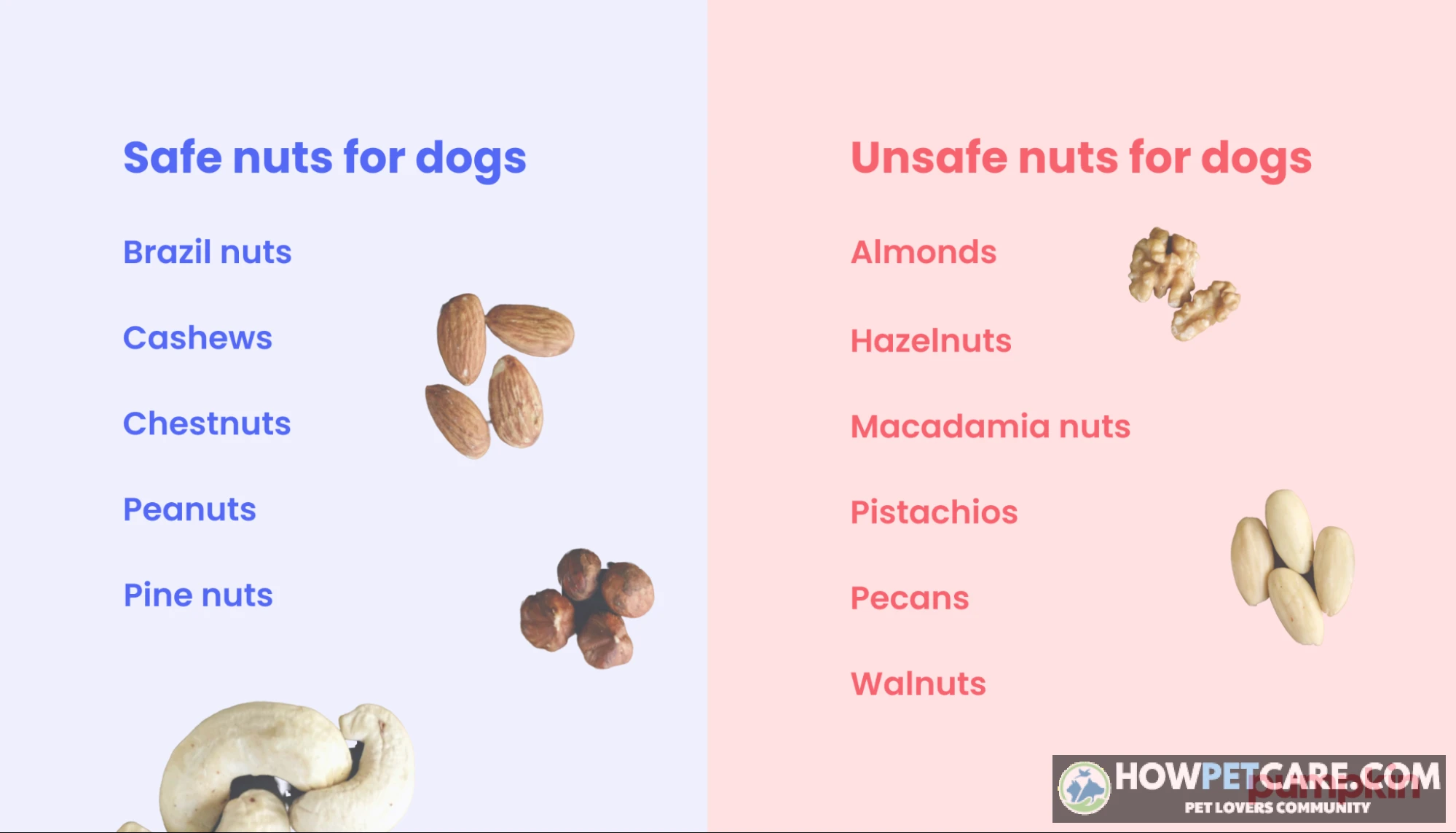
| Nut or Product | Verdict for Dogs | Primary Risk | What to Do |
|---|---|---|---|
| Macadamia nuts | Toxic | Weakness, vomiting, tremors, and difficulty walking | Call a vet or poison control promptly, even if your dog seems normal. |
| Almonds | Avoid | Choking, obstruction, and digestive upset | Call a vet for shells, multiple nuts, symptoms, or exposure in a small dog. |
| English walnuts | Avoid | Fat, shells, and possible mold toxins | Call a vet if moldy, shelled, eaten in quantity, or followed by symptoms. |
| Black walnuts or unidentified walnuts | Avoid; greater concern | Species uncertainty, shells, and possible mold toxins | Call a vet or poison control promptly, especially if found outdoors or moldy. |
| Pecans | Avoid | Fat, shells, and possible mold | Call a vet for mold, shells, a large amount, symptoms, or a vulnerable dog. |
| Pistachios | Avoid | Fat, salt, shells, and possible mold | Call a vet if shells or mold were eaten, the amount was substantial, or symptoms develop. |
| Brazil nuts | Avoid | Large size, choking, and high fat | Call a vet for more than a taste, exposure in a small dog, shells, or symptoms. |
| Hazelnuts | Avoid as a treat | Choking, fat, and coatings | For a tiny plain amount, ask a vet whether monitoring is appropriate; call for shells or symptoms. |
| Pine nuts | Avoid as a treat | Fat and ingredients in prepared dishes | Check the whole dish; call a vet if it contains garlic or other concerning ingredients, or if symptoms develop. |
| Peanuts, plain and shelled | Caution | Fat and choking; coatings add risks | For a tiny amount in a well dog, ask your vet whether monitoring is appropriate. Call a vet for shells, a large amount, symptoms, or a high-risk dog. |
| Cashews, plain, roasted and shelled | Caution | Fat and digestive upset | Treat a tiny amount like a peanut exposure; check mixed products for dangerous ingredients. |
FAQ
Can dogs eat salted or seasoned nuts?
Avoid salted or seasoned nuts because excess salt and flavorings can upset a dog’s stomach or add other risks. Check for onion or garlic seasoning, and call a veterinarian if the amount was large or your dog develops symptoms.
Are pistachios poisonous to dogs?
Pistachios are not generally treated as a specific dog poison, but their fat, shells, and possible mold make them a poor choice. Contact your veterinarian if your dog ate shells, moldy pistachios, a large amount, or shows symptoms.
Can dogs eat seeds instead of nuts?
Some plain seeds may be tolerated in small amounts, but safety depends on the seed, preparation, and portion. Avoid salted or seasoned mixes and ask your veterinarian about seeds if your dog has a medical condition.
How long after eating macadamia nuts can symptoms appear?
Signs can develop within hours, but timing varies and a dog may initially appear normal. Call a veterinarian or poison control as soon as you know macadamias were eaten rather than waiting for symptoms.