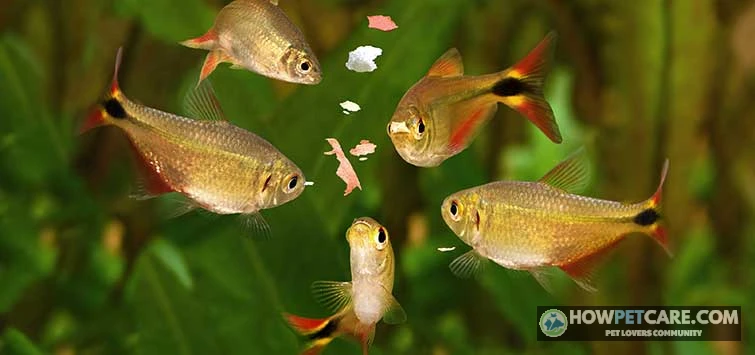

Fish eat what their species, habitat, and life stage demand—algae, plankton, aquatic plants, insects, crustaceans, worms, larvae, and detritus in the wild. Herbivores graze plants, carnivores eat animal prey, and omnivores eat both. In ponds and aquariums, use a formulated staple matched to mouth size and feeding position, plus measured supplemental foods.
Fish eat what their species, habitat, and life stage demand: algae, plankton, aquatic plants, insects, crustaceans, worms, larvae, and detritus in the wild, while pond and aquarium fish usually need a formulated staple plus measured supplemental foods. Match the diet to the fish rather than using one generic food for every tank or pond.
What Fish Eat in the Wild vs in Captivity
Wild fish forage according to mouth size, water temperature, and habitat. Herbivore fish graze algae and aquatic plants. Carnivore fish hunt insects, crustaceans, worms, larvae, and smaller fish. Omnivore fish mix plant and animal matter, including detritus. In ponds and aquariums, owners replace that varied foraging with scheduled feeding, so captive diets must supply balanced protein, fat, vitamins, and minerals in a form fish can finish quickly.
Fish nutrition depends on species, age, size, and environment. Goldfish and koi are omnivores that need both protein and plant matter. Bettas are obligate carnivores and cannot digest plant protein. Water temperature directly controls metabolism and appetite.
Herbivore, carnivore, and omnivore fish: what the terms mean
- Herbivores rely heavily on algae, biofilm, and aquatic plants.
- Carnivores need concentrated animal protein, often 45% to 70% protein in prepared diets.
- Omnivores need a mixed diet and often do well on quality pellets or flakes plus occasional vegetables or meaty foods.
Typical wild diet by habitat: freshwater, saltwater, and pond ecosystems
Freshwater fish may eat zooplankton, insect larvae, worms, aquatic plants, and detritus. Saltwater fish may eat plankton, crustaceans, algae, and small prey. Pond fish often combine natural pond foods with supplemental pellets when growth, breeding, or stocking levels exceed natural food production.

What Aquarium Fish Eat: Food Types and How to Choose
Aquarium fish eat flakes, pellets, frozen, freeze-dried, and live foods, but the best choice depends on mouth size, feeding position, and species type. Match sink rate to where the fish feeds: surface, mid-water, or bottom. Match protein level to herbivore, omnivore, or carnivore needs.
| Food type | Best for | Sink rate | Nutrition profile | Tank cleanliness impact |
|---|---|---|---|---|
| Flakes | Small community fish, surface feeders | Slow floating; some sink after a few minutes | Good daily staple; can lose vitamins if stored poorly | Moderate; uneaten flakes dissolve quickly |
| Pellets | Medium to large fish; species-specific diets | Floating, slow-sinking, or fast-sinking options | Concentrated nutrition; easy to portion | Lower mess if sized correctly |
| Frozen | Carnivores and omnivores needing meaty foods | Sinks; thaw before feeding | High protein and moisture; less vitamin loss than freeze-dried | Moderate; thaw water can add nutrients |
| Freeze-dried | Treat feeding; travel backup | Floats until saturated | Retains nutrients but is dry; expands when wet | Low if pre-soaked; high if fed dry |
| Live | Picky eaters, conditioning breeders, fry | Variable; often swims or sinks | Very high palatability; nutrition varies by prey | Higher; uneaten prey can die and decay |

Selection rule: match sink rate to where the fish feeds—surface, mid-water, or bottom—and match protein level to herbivore, omnivore, or carnivore needs.
Saltwater aquariums may require attention to minerals and vitamins because marine diets and water chemistry differ from freshwater setups. Use species-appropriate marine foods and avoid assuming freshwater flakes are sufficient for all saltwater fish.
Fish flakes vs fish pellets vs frozen vs freeze-dried vs live food
Flakes suit small surface feeders but can be overfed easily. Pellets are easier to count and portion. Frozen foods are useful for carnivores and omnivores needing meaty nutrition. Freeze-dried foods should be pre-soaked to reduce expansion in the fish. Live foods are highly palatable but carry higher disease and decay risk; frozen food is a safer routine substitute for many tanks.
Safe and unsafe human foods for aquarium fish
Safe human foods, in small amounts only:
- ☐ Blanched zucchini slices, 1 thin coin per 2-3 small fish
- ☐ Blanched peas with skins removed, 1-2 peas per medium fish
- ☐ Blanched spinach or lettuce, a piece no larger than the fish’s eye
- ☐ Plain cooked shrimp, finely minced, no seasoning, 1 tiny pinch
- ☐ Plain cooked white fish, finely minced, no seasoning, 1 tiny pinch

Preparation rules:
- ☐ Blanch vegetables 30-60 seconds, then cool completely
- ☐ Remove uneaten food within 2 minutes
- ☐ Feed human foods no more than 1-2 times per week
- ☐ Cut pieces smaller than the fish’s mouth opening
Never feed:
- ☐ Bread, crackers, cereal, or pasta
- ☐ Oily snacks, fried foods, or seasoned meats
- ☐ Raw meat, raw poultry, or raw seafood
- ☐ Dairy, cheese, butter, or milk
- ☐ Avocado, onion, garlic, chocolate, or salty foods
Bread is especially harmful because fish cannot digest yeast and gluten, which can cause bloating and constipation.
What Pond Fish Eat: Natural Foraging and Supplemental Feeding
Pond fish eat algae, plankton, insects, crustaceans, worms, larvae, and detritus when available. In a lightly stocked pond, natural food may support some foraging, but most garden ponds need supplemental feeding, especially for koi and goldfish.
Natural food sources in a garden pond
Natural foods include algae on surfaces, zooplankton, insect larvae, worms, and organic debris. These foods help, but they are unpredictable. Supplemental feeding becomes necessary when fish are large, densely stocked, breeding, or when natural food is reduced by cold weather or heavy filtration.

Seasonal pond feeding guide by water temperature
Water temperature controls metabolism and appetite. Fish stop eating entirely below about 40-45 F / 4.4-7.2 C. Optimal active feeding is above about 60 F / 15.5 C.
| Water temperature | Feeding frequency | Food type | Portion guidance |
|---|---|---|---|
| Above 64 F / 18 C | 1-2 times daily | Pellets or sticks | Amount fish can eat in 2-3 minutes |
| 50-64 F / 10-18 C | 2-3 times weekly | Low-protein pellets | Small portions; stop if fish are sluggish |
| Below 50 F / 10 C | Do not feed | None | Stop feeding; metabolism is too slow |
| Below 40-45 F / 4.4-7.2 C | Fish do not eat | None | No supplemental food |
In winter, pond fish metabolism slows sharply, so feeding must be reduced or stopped depending on temperature. Do not feed when water is cold enough that fish cannot digest food.
How Much and How Often to Feed Fish
Most adult aquarium fish do well with 1-2 feedings per day. Fry usually need 3-4 feedings per day. A feeding should last no more than about 3-5 minutes; sources vary between 3 minutes and 3-5 minutes.
| Fish size or species | Body-length / stomach rule | Food type | Pieces per feeding | Feedings per day | Temperature adjustment |
|---|---|---|---|---|---|
| Small community fish, 2-4 cm | Feed an amount equal to one eyeball-sized pinch | Flakes or micro pellets | 2-4 flakes or 1-2 micro pellets per fish | 1-2 | Reduce if water is below 22 C / 72 F |
| Medium fish, 5-10 cm | Feed what fits in the stomach area behind the gills; about 2-3% of body weight | Pellets | 2-4 small pellets per fish | 1-2 | Reduce portions by one-third below 20 C / 68 F |
| Large fish, 10+ cm | Feed a portion no wider than the fish’s head | Pellets or large granules | 3-6 pellets per fish | 1-2 | Feed only when active and water is above 18 C / 64 F |
| Fry and juveniles | Feed tiny amounts they can finish in 30-60 seconds | Crushed flakes or fry food | A dusting, not a counted portion | 3-5 | Keep temperature stable; do not overfeed |
| Breeding adults | Slightly increase protein but keep portions small | Frozen or live foods | 3-5 small pieces per fish | 2 | Return to normal portions after spawning |
| Pond fish in warm water, above 18 C / 64 F | Feed amount fish can eat in 2-3 minutes | Pellets or sticks | As many as consumed in the time window | 1-2 | Stop feeding below 10 C / 50 F |
Two-minute rule: remove uneaten food after 2 minutes in aquariums and 3 minutes in ponds; if fish are slow eaters, use smaller sinking pieces instead of more food.
A betta’s stomach is about the size of its eye, so feed very small portions. Healthy fish can often go 7-10 days without food in warm water, but that is not a routine feeding plan.
Feeding frequency by species and life stage
Fry need more frequent tiny meals because growth demands energy. Juveniles can usually move to 2-3 feedings. Most adults need 1-2 feedings. Breeding fish may benefit from slightly more protein, but portions should stay small to protect water quality.
Exact portion examples per feeding
Use body size, not habit, as the portion guide. A small fish needs only a few flakes. A medium fish needs a few appropriately sized pellets. Large fish need controlled portions based on head width. If food remains after the feeding window, reduce the next feeding.

Temperature and life-stage feeding matrix
The matrix above combines portion, frequency, and temperature. In cooler water, reduce portions before reducing frequency so fish still receive nutrients without excess waste.
DIY Fish Food: Safe Recipes and Preparation
DIY fish food can supplement commercial food, but it should be balanced and introduced gradually. A simple batch template:
Base ratio for one small batch (about 10-12 cubes):
- 40% blanched vegetables (zucchini, peas, spinach)
- 40% seafood (shrimp, white fish, or mussels)
- 15% binder (unflavored gelatin or agar-agar)
- 5% optional extras (spirulina powder, crushed fish flakes, or vitamin supplement)
Preparation steps:
- Blanch vegetables for 30-60 seconds; cool and drain.
- Finely mince or blend vegetables and seafood into a paste.
- Dissolve binder in warm water following package directions.
- Mix binder into the paste until it holds together.
- Spoon into an ice cube tray or silicone mold.
- Freeze for at least 4 hours.
- Store cubes in a sealed freezer bag for up to 30 days.

Feeding cautions:
- Thaw one cube in tank water before feeding.
- Start with one-quarter of a cube for a small tank and adjust.
- Introduce DIY food over 7-10 days by replacing one commercial feeding at a time.
- Never include raw meat, seasoning, dairy, bread, or oily foods.
- Expect slightly more waste than pellets; reduce portions and siphon uneaten food promptly.
DIY food can increase waste compared with pellets, so monitor ammonia and nitrate. Do not use raw meat, seasoning, dairy, bread, or oily foods in homemade fish food.
Why Fish Stop Eating and What Overfeeding Does to Water Quality
Fish stop eating for many reasons: stress, poor water quality, temperature swings, illness, bullying, or recent environmental changes. Overfeeding causes uneaten food to decompose, raising ammonia and nitrate and stressing fish. If you need to interact with fish, review petting fish safely before handling them.
Troubleshooting decision tree: fish not eating
- Check water first: test ammonia, nitrite, nitrate, and temperature before changing food.
- If ammonia or nitrite is above 0 ppm: stop feeding, perform a partial water change, and retest in 24 hours.
- If temperature is outside the species range: adjust the heater or shade the tank and wait 24-48 hours.
- If water is normal: observe for 2-3 feedings and note which fish are not eating.
- Check stress and bullying: look for chasing, hiding, clamped fins, or missing scales; separate aggressive fish if needed.
- Review recent changes: new fish, new decorations, medication, or a loud environment can suppress appetite.
- Try a small high-value food: offer one tiny piece of thawed frozen food or live food to test interest.
- If only one fish refuses food for more than 3 days: isolate it and inspect for bloating, white stringy feces, spots, or labored breathing.
- If multiple fish stop eating with bloating or lethargy: treat as a possible illness and contact an aquatic veterinarian or specialist.
- If appetite returns: resume normal portions slowly and avoid overfeeding to compensate.
Overfeeding warning signs and water-quality impact
Warning signs include uneaten food, cloudy water, clogged filters, bloated fish, lethargy, and rising ammonia or nitrate. Remove uneaten food promptly and reduce portions. Persistent swim bladder or digestive symptoms, or illness in multiple fish, should be evaluated by an aquatic veterinarian or specialist.

Your Fish Feeding Action Plan
- Choose food by species type: herbivore, carnivore, or omnivore.
- Use a staple food matched to mouth size and feeding position.
- Feed adults 1-2 times daily and fry 3-4 times daily.
- Use the portion matrix and remove uneaten food within the feeding window.
- Adjust portions for temperature, growth, and breeding.
- Test water weekly and after any feeding change.
- Keep human foods to 1-2 small treats per week.
- Contact an aquatic veterinarian or specialist for persistent appetite loss, bloating, or digestive trouble.
A simple starter routine is one measured staple feeding in the morning, one small feeding in the evening for adults, and water testing after any change in food or portion size.

| Fish Size or Species | Body-Length / Stomach Rule | Food Type | Pieces per Feeding | Feedings per Day | Temperature Adjustment |
|---|---|---|---|---|---|
| Small community fish, 2-4 cm | Feed an amount equal to one eyeball-sized pinch | Flakes or micro pellets | 2-4 flakes or 1-2 micro pellets per fish | 1-2 | Reduce feeding if water temperature is below 22 °C / 72 °F |
| Medium fish, 5-10 cm | Feed what fits in the stomach area behind the gills; about 2-3% of body weight | Pellets | 2-4 small pellets per fish | 1-2 | Reduce portions by one-third if water temperature is below 20 °C / 68 °F |
| Large fish, 10+ cm | Feed a portion no wider than the fish's head | Pellets or large granules | 3-6 pellets per fish | 1-2 | Feed only when active and water temperature is above 18 °C / 64 °F |
| Fry and juveniles | Feed tiny amounts they can finish in 30-60 seconds | Crushed flakes or fry food | A dusting, not a counted portion | 3-5 | Keep temperature stable; do not overfeed |
| Breeding adults | Slightly increase protein but keep portions small | Frozen or live foods | 3-5 small pieces per fish | 2 | Return to normal portions after spawning |
| Pond fish in warm water, above 18 °C / 64 °F | Feed amount fish can eat in 2-3 minutes | Pellets or sticks | As many as consumed in 2-3 minutes | 1-2 | Stop feeding if water temperature is below 10 °C / 50 °F |
FAQ
Do fish eat the same way humans do?
No. Fish do not chew food like humans; most swallow food whole or grind it in a pharyngeal mill, and their digestion depends heavily on water temperature and species type.
What do small fish eat in the wild?
Small wild fish typically eat plankton, zooplankton, insect larvae, tiny crustaceans, worms, and detritus depending on their habitat and mouth size.
What can you feed fish besides fish food?
You can offer blanched vegetables such as zucchini, peas, and spinach, or small portions of unseasoned seafood; avoid bread, dairy, oily snacks, and anything with salt or spices.