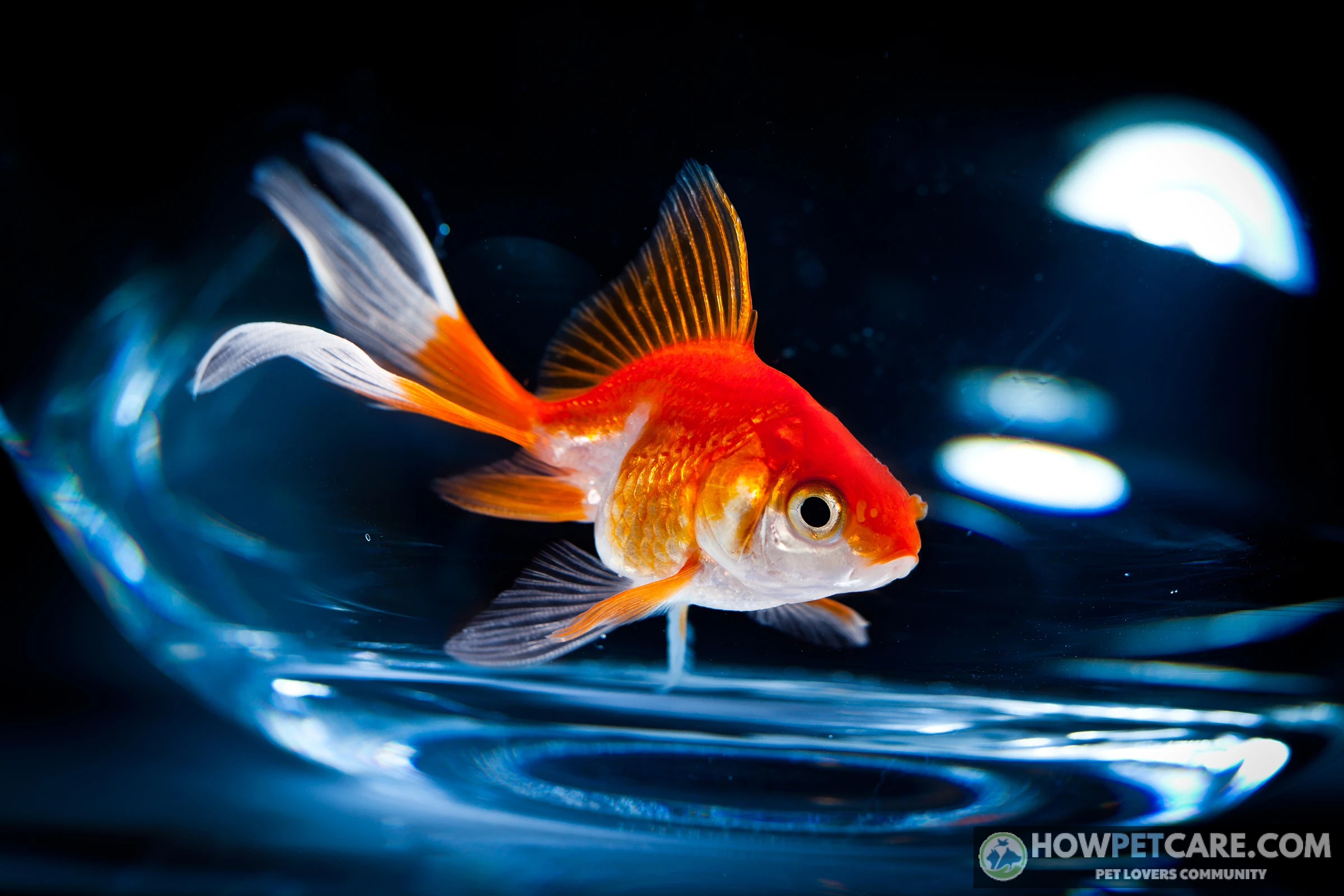

To take care of a goldfish, cover these core habits:
- House it in a filtered aquarium of at least 20 gallons for a fancy, or 55+ gallons for a common or comet—never a bowl.
- Condition all tap water and test ammonia, nitrite, and nitrate regularly.
- Cycle the tank and keep ammonia and nitrite at 0 ppm.
- Feed a small measured portion once or twice daily, removing leftovers.
- Change 25–50% of the water every week.
To care for a goldfish, give it a spacious, filtered aquarium with conditioned water. Test for toxic waste, feed small measured portions, and change some of the water each week. A fish bowl isn’t a suitable permanent home: goldfish need room to swim and produce enough waste to foul a small volume of water quickly.
Plan on at least 20 gallons for one fancy goldfish; more space is better. For a common or comet goldfish, plan on at least 55 gallons for an adult, or a suitable secure pond. Even a small juvenile will grow. If your fish came home tonight and you don’t have a tank yet, use the temporary plan below while you prepare a proper setup.
Goldfish care tonight: the tank, space, and water they need
Fair or carnival fish: a same-night triage plan
A fish won at a fair is often a common or comet goldfish. Until you know its variety, assume it will need a large adult home. If it’s still in a bag, keep the bag away from direct sun, heaters, and drafts while you prepare temporary water. Don’t leave the bag sealed longer than necessary.
- Find a temporary container. Use a clean, food-safe tub or bucket that has never held soap or chemicals. Aim for at least 5 gallons if practical. This is temporary housing, not a substitute for an aquarium.
- Condition the water. Fill the container with tap water close to the bag’s temperature. Add a water conditioner labeled to neutralize both chlorine and chloramine, following its dose for the volume used. If you don’t have conditioner, get it as soon as possible; don’t put the fish straight into untreated tap water.
- Acclimate the fish. Float the sealed bag for about 15–20 minutes to help equalize temperatures. Open it, then add a little conditioned container water every 5 minutes for another 15–20 minutes. Gently transfer the fish without pouring bag water into its new home.
- Provide surface movement. Run an air pump and air stone if available. Use a loose, breathable cover to help prevent jumping, and keep electrical equipment clear of splashes.
- Skip food tonight. In a small, unfiltered container, extra food adds to the waste in the water. Get a filter, test kit, and suitable tank as soon as possible.

Test ammonia and nitrite as soon as you have a kit. Until then, replace some of the temporary water with temperature-matched, conditioned water. If the fish is distressed, do this promptly. A new tank with a running filter is a better next step than keeping the fish in a small bowl indefinitely, though a new tank needs careful daily monitoring while it cycles.
Goldfish tank vs. bowl: choosing a realistic home
A large, rectangular aquarium gives a goldfish more room to swim and more water to dilute its waste than a small bowl. It’s also easier to filter effectively. For one fancy, 20 gallons is a starting minimum—not a reason to add a second fish. A larger tank leaves more room for growth and maintenance errors. Some care guidance recommends about 29 gallons for a fancy.
Common and comet goldfish grow larger and swim more actively. A juvenile might need less space temporarily, but plan on at least 55 gallons for one adult and consider a larger aquarium or suitable pond. Additional fish need additional space and filtration; don’t treat a gallons-per-fish formula as permission to overcrowd.

Set up a goldfish tank step by step
Place the aquarium on a level stand designed to support its filled weight. Keep it away from direct sun, radiators, and drafts. Then set it up in order.

-
Rinse the equipment
Rinse the tank, decorations, and any aquarium gravel with water only. Never use soap. A bare bottom is easier to clean; avoid gravel small enough for the fish to swallow.
-
Fill and condition
Add tap water and the correct dose of water conditioner for chlorine and chloramine. Install a thermometer and arrange a secure lid.
-
Start filtration
Run an aquarium filter rated for at least the tank volume, with adequate capacity for a goldfish’s waste. Keep it running continuously and aim the outlet to gently disturb the surface.
-
Establish the cycle
If no fish is home yet, cycle the aquarium without one. If the fish is already home, transfer it to the prepared tank and follow the fish-in testing plan below.
-
Check conditions
Test the water and record the readings. During fish-in cycling, respond to any detectable ammonia or nitrite with conditioned partial water changes.
An air pump isn’t always necessary if the filter moves the surface enough for gas exchange. Add an air stone if movement is weak or the fish is gasping, and check water quality too. Without a filter, waste can build up quickly, and beneficial bacteria have less dependable support. An unfiltered container is an emergency arrangement, not a sensible long-term goldfish tank setup.
Shopping checklist and realistic setup costs
These are rough US planning estimates for 2026, not verified retailer prices. Tank size, local prices, sales, and what a kit includes can all affect the total.
- ☐ Tank, lid, and suitable stand: approximately $120–$400 or more for a larger setup; a sturdy existing aquarium stand may reduce the cost.
- ☐ Filter and media: approximately $30–$80, unless included with the tank. A sponge filter also needs a compatible air pump.
- ☐ Water conditioner for chlorine and chloramine: approximately $5–$15.
- ☐ Liquid test kit for ammonia, nitrite, nitrate, and pH: approximately $25–$45.
- ☐ Siphon and fish-only bucket: approximately $15–$30.
- ☐ Thermometer and goldfish food pellets: approximately $10–$25 combined.
- ☐ Optional air pump and air stone: approximately $15–$35; substrate and smooth decorations cost extra.

A practical starting budget is roughly $200–$600 or more, especially for a 55-gallon setup with a proper stand. Set aside roughly $10–$30 a month, or $120–$360 a year, for electricity, water, food, conditioner, test supplies, and occasional media replacement. These are budgeting allowances, not quotes; utility rates, feeding, maintenance needs, and equipment all vary. Veterinary care and replacement equipment cost extra.
Cycling a tank with or without a fish already in it
The nitrogen cycle is the process in which beneficial bacteria convert fish waste from ammonia to nitrite, then to nitrate. Ammonia and nitrite are dangerous to fish; water changes are the main way to manage nitrate. Clear water doesn’t tell you whether these invisible substances are present.
Fishless cycling, before bringing a fish home:
- Fill and condition the tank, install the filter media, and run the filter continuously. Use a pure, aquarium-suitable ammonia source without perfumes or cleaning additives, following its instructions to reach approximately 2 ppm. Don’t add a fish.
- Test ammonia and nitrite every day or two. Ammonia will show up first; later, nitrite should appear as the first group of bacteria establishes. Cycling can take several weeks, and timing varies.
- Follow the ammonia product’s directions to maintain a food source for the bacteria without repeatedly adding large doses. Test nitrate as the cycle progresses.
- The tank is ready when a measured ammonia dose of about 2 ppm converts to zero ammonia and zero nitrite within 24 hours, with nitrate present. Change enough conditioned water to bring nitrate below 20 ppm before adding the fish. Test again after the fish arrives.
Fish-in cycling, when the fish is already home:
- Run the filter continuously and test ammonia and nitrite every day. Record the results and water changes; check nitrate regularly too.
- If either ammonia or nitrite is detectable, promptly change 25–50% of the water with conditioned, temperature-matched water. Retest once the new water has mixed. Repeat partial changes as needed to bring readings toward zero. Don’t wait until the next day if the reading remains elevated or the fish is distressed.
- Feed once daily in a small portion. Remove leftovers, and feed less if readings rise. Never add ammonia to a tank containing a fish.
- Keep the filter media in place. When it needs cleaning, gently swish it in removed tank water rather than untreated tap water. Don’t replace all the media at once.
- Continue daily testing until ammonia and nitrite remain at zero for at least a week under normal feeding, with nitrate detectable. Cycling often takes several weeks and can take longer. Let the readings, not the calendar, guide the switch to routine monitoring.

If readings stay elevated despite water changes, check the test instructions and expiration date, test the source water, confirm the conditioner treats chloramine, and make sure the filter is running. Keep changing the water and seek help from an experienced aquarium keeper or aquatic veterinarian rather than leaving the fish in unsafe water.

Use water test results to keep the aquarium safe
A liquid kit can check water that looks perfectly clear. Test the source water too if a reading surprises you, especially before repeatedly adjusting pH or nitrate. If you are unsure what a healthy range looks like, start with goldfish water temperature basics before changing heaters or room placement. The targets below are practical starting points. Stability and prompt correction matter more than chasing an exact number.
Water-parameter targets and what to do when readings spike
| Parameter | Target | Warning reading | Immediate action |
|---|---|---|---|
| Ammonia | 0 ppm | Any detectable amount | Promptly change 25–50% with conditioned, temperature-matched water; retest after mixing and repeat as needed. Reduce feeding and check filtration. |
| Nitrite | 0 ppm | Any detectable amount | Make the same partial change, retest, and repeat as needed. Increase aeration, especially if the fish is gasping. |
| Nitrate | Ideally below 20 ppm | Rising above the target, especially above 40 ppm | Change water and retest; increase the frequency or amount of routine changes. Check source water if nitrate remains high. |
| Water temperature | Roughly 65–72°F for common/comet goldfish; 68–74°F for most fancies | A rapid change or sustained reading outside the suitable range | Check the thermometer and room conditions. Correct gradually and match replacement water to the tank. |
| pH | Roughly 7.0–8.0, stable | A sudden swing or a reading outside the usual range | Retest tank and source water. Check maintenance and seek advice for a persistent crash; avoid rapid chemical corrections. |

For ammonia or nitrite, confirm a surprising result, but don’t delay a water change while you investigate. Keep filtration and aeration running, remove uneaten food, and test again after the replacement water has mixed. A 50% change won’t necessarily remove half the reading if the replacement water also contains the substance, so test the source when needed.
Don’t try to solve a cloudy tank or a toxic reading by replacing all the filter media. The established media houses beneficial bacteria that help process waste.
Feed measured portions and match care to the goldfish variety
A concrete feeding schedule and portion check
Feed a suitable-size goldfish pellet once or twice a day. Start with a small counted pinch—only as many pellets as your fish can comfortably finish in about 30–60 seconds. Pellet and fish sizes vary too much for one count to suit every aquarium. Count what you offer, watch the fish eat, and adjust the next portion based on its appetite and body condition.

If food remains after a minute, remove it with a net or siphon and feed less next time. Uneaten food, accumulating debris, bloating, and worsening water readings can point to overfeeding, though illness can have other causes. If a substantial amount was left in the tank, test ammonia and nitrite and change water if either is detectable. Small, softened pieces of suitable vegetables can add occasional variety, but shouldn’t replace a balanced staple food.
Comet, Oranda, Ranchu, and Bubble Eye care differences
| Variety | Body type | Care consideration | Compatibility note |
|---|---|---|---|
| Comet | Slim-bodied, single tail | An active swimmer that needs a large adult home and open swimming space. | Can outcompete slower fancies for food; choose similarly active goldfish if adding companions. |
| Oranda | Fancy, rounded body with head growth | Allow easy access to food and avoid sharp decorations that could damage delicate tissue. | Generally better matched with similarly paced fancy goldfish. |
| Ranchu | Rounded fancy without a dorsal fin | Provide gentle flow, open space, and food it can reach without competing with fast fish. | Avoid housing with fast comets that may monopolize food. |
| Bubble Eye | Fancy with delicate eye sacs | Use smooth decor and protect it from strong intake suction and rough handling. | Best kept without nipping or boisterous tank mates; feeding needs close observation. |

Goldfish don’t need a companion to receive good care. If you add fish, provide enough space, match swimming speed and water needs, and quarantine newcomers with appropriate advice before introducing them. Don’t assume a tropical species or another goldfish variety is compatible just because it fits in the tank.
Follow a weekly water-change and cleaning routine
For an established tank, start with a 25–50% water change every week. Test nitrate beforehand to see whether the schedule is working; use a larger or more frequent change if nitrate consistently rises above your target. Test again afterward when you need to check the effect. A cycling tank may need partial changes every day or more often, depending on ammonia and nitrite readings.
How to change water safely
- Unplug equipment that must not run dry, following its instructions. Use a siphon to remove 25–50% of the water into a dedicated bucket. Vacuum accessible waste from the substrate without disturbing the fish unnecessarily.
- Prepare replacement tap water at approximately the tank’s temperature. Add conditioner according to the label for the volume of new water, then mix before adding it.
- Pour the water in gently, restart equipment, and check that the filter is flowing normally. Don’t remove the fish for ordinary maintenance.
- If filter flow is reduced, gently swish reusable media in the removed tank water. Replace worn media only as needed, preferably in stages so established media stays in the filter.

Never clean the aquarium or equipment with soap. Activated carbon is optional for routine filtration. If you use it, follow the product’s replacement guidance without discarding all established biological media along with it.
Printable family maintenance schedule
| When | Task | Who handles it? |
|---|---|---|
| Daily | Feed the measured portion and remove leftovers. Observe appetite, breathing, fins, and swimming. | Child with supervision; adult checks the amount. |
| Daily while cycling | Test ammonia and nitrite; change water whenever either is detectable. | Adult handles tests, conditioner, and equipment. |
| Weekly | Test nitrate before maintenance; change 25–50% of the water and siphon debris. | Adult leads; a child can help safely. |
| Weekly | Wipe algae from viewing glass and check that the filter is flowing. | Child may wipe glass with supervision. |
| Monthly | Inspect cords, tubing, and supplies; swish filter media in removed tank water if flow has slowed. | Adult. |
Spot illness early and respond to warning signs
Poor water quality can contribute to disease, but a symptom alone doesn’t establish a diagnosis. Test the water first, correct unsafe readings, and contact a veterinarian experienced with fish for severe, worsening, or persistent problems. An open sore or a fish struggling to breathe needs prompt attention.
Symptom-to-action guide for common goldfish problems
| Warning sign | Possible concern | First action | When to seek expert help |
|---|---|---|---|
| Gasping at the surface | Poor water quality or low oxygen | Test ammonia and nitrite, increase aeration, and make a 25–50% conditioned water change. | Contact an aquatic vet promptly if breathing is labored or distress continues. |
| Clamped fins or unusual lethargy | Stress, water-quality problems, or illness | Test water, check temperature, and correct unsafe conditions. | Seek advice if severe, worsening, or not improving after correction. |
| Floating sideways or struggling to stay level | A buoyancy problem with several possible causes | Check water quality and make sure the fish can reach food; avoid guessing at a diagnosis. | Contact a vet promptly if the fish cannot swim or eat normally, or the problem persists. |
| White spots | Possible parasite or another condition | Check water and aeration; observe and photograph the spots. | Consult a vet for identification and treatment, especially if spots spread. |
| Refusing food | Stress, unsuitable food, or illness | Test water and check pellet size and freshness. Remove uneaten food. | Seek advice if appetite does not return or other symptoms develop. |
| Red streaks, sores, or ulcers | Injury or disease | Test water, correct unsafe readings, and photograph the affected area. | Contact an aquatic vet promptly for an open or spreading sore. |
Don’t add medication just because a photograph looks similar to your fish. Treatments can affect fish and filter bacteria, and the right approach depends on the cause. Isolate a sick fish only if you can provide an appropriate filtered, cycled hospital tank. Ask a vet for guidance on quarantine and treatment.

Turn the care guide into a plan your household can follow
Goldfish can live for many years; one care source gives a typical range of about 10–15 years, with some reaching 20 years. That makes tank space and a reliable maintenance routine a long-term family commitment, not just a first-week project.
In the end, how to take care of a goldfish comes down to a few steady habits: enough space, clean and tested water, measured food, and daily observation.
Kid-readable daily and weekly checklist
Every day
- ☐ Look at the fish. Is it swimming and breathing normally?
- ☐ Feed only the portion an adult has prepared. Tell an adult if the fish doesn’t eat.
- ☐ Tell an adult if the filter stops or the fish looks different.
Every week
- ☐ Remind an adult it’s water-change day.
- ☐ Help wipe the outside or viewing glass as directed.
- ☐ Check that the food container and care supplies aren’t running low.
Adults should handle water testing, conditioner, electrical equipment, and the water-change schedule. If your household can’t provide the adult tank size, filtration, and ongoing care, contact a reputable aquarium rescue, fishkeeping organization, or experienced keeper about responsible rehoming. Never release a goldfish into a local waterway.
| Variety | Body Type | Care Consideration | Compatibility Note |
|---|---|---|---|
| Comet | Slim-bodied, single tail | Requires open swimming space and a large adult home due to active swimming. | Should be paired with similarly active goldfish; can outcompete slower fancy varieties for food. |
| Oranda | Rounded fancy body with head growth (wen) | Requires easy access to food; avoid sharp decorations to prevent damage to delicate tissue. | Best matched with similarly paced fancy goldfish. |
| Ranchu | Rounded fancy body without a dorsal fin | Requires gentle water flow, open space, and easy access to food without competition. | Avoid housing with fast varieties like Comets that may monopolize food. |
| Bubble Eye | Fancy body with delicate fluid-filled eye sacs | Requires smooth decor and protection from strong filter intake suction and rough handling; monitor feeding closely. | Best kept without nipping or boisterous tank mates. |
FAQ
How long do goldfish live with proper care?
Goldfish can live for many years, and some live for decades, but lifespan varies with variety, genetics, and care. A suitable tank, stable water quality, and consistent maintenance give them a better chance of a long life.
Can goldfish live without an aquarium filter?
A filter is strongly recommended because it supports beneficial bacteria and helps remove waste. Without one, water quality can deteriorate quickly, so frequent testing and water changes are essential; an unfiltered bowl is not a safe long-term setup.
Do goldfish need an air pump?
Not always: a filter that sufficiently agitates the surface may provide enough gas exchange. Add an air pump and air stone if surface movement is weak, oxygen is low, or fish are gasping, while checking water quality at the same time.
How can I tell if I am overfeeding my goldfish?
Uneaten food, leftover debris, bloating, or worsening water readings can signal overfeeding. Feed a small measured portion, remove leftovers promptly, and reduce the next portion if the fish does not finish it within about a minute.