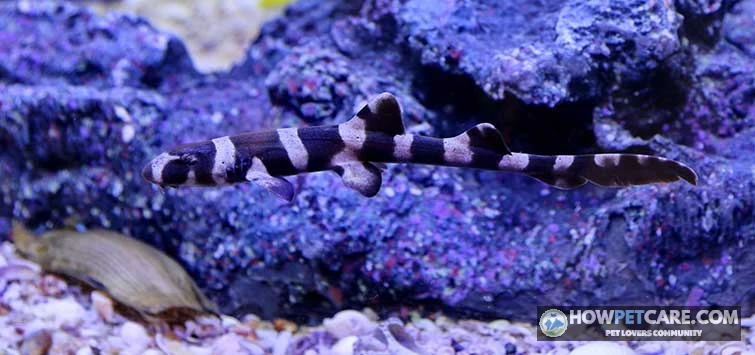

Only a few small, bottom-dwelling species work as saltwater aquarium sharks: brownbanded and white-spotted bamboo sharks (up to ~42 in, 300+ gal), epaulette sharks (~35 in, 250+ gal), and coral catsharks (~28 in). All need a long, low tank, heavy filtration, and an experienced keeper.
Can You Keep a Saltwater Shark at Home? The Feasibility Check First
The short answer is yes – but only for a very narrow slice of the hobby. A handful of small, egg‑laying species such as brownbanded bamboo sharks and epaulette sharks can survive the confined environment of a home marine tank, and they do it best when the keeper is an experienced, long‑time saltwater aquarist with a large, stable system. Most sharks people search for will never fit inside a residential aquarium, and the temptation to buy a juvenile that later outgrows the tank ends in abandonment, resale problems, or worse.
Who this is realistic for, and who should stop here
- Footprint: A true shark tank is not measured in gallons alone. A bottom‑dwelling shark needs length and width to turn and explore. Realistic floor space is at least 8‑9 feet long and 3‑4 feet wide – a minimum of 250‑300 gallons of system volume. A tall 250‑gallon cube does not satisfy the turning radius of a 30‑inch animal.
- Experience: You must have run a marine aquarium for at least 1‑2 years, managed bioload‑heavy fish, performed regular water changes, and have a quarantine protocol in place.
- Budget: The animal itself is usually the cheapest part of ownership. Expect to spend $4,000‑8,000 upfront for the system (tank, stand, filtration, sump, skimmer, heater/chiller, lighting, substrate, live rock, quarantine tank, test kits, power protection, and shipping). Ongoing annual costs run $800‑2,000 per year for food, electricity, salt mix, replacement media, and specialist advice.
- Lifecycle plan: Small marine sharks live 20‑25 years and can reach three feet in length. Decide before purchase where you will re‑home or dispose of the animal if you move, downsize, or can no longer care for it.
- Legal check: Verify state and local regulations for the species you want. Some states restrict the import or possession of certain sharks, and sellers must be able to provide proof of legal origin.
If any of those five boxes fails, the realistic answer is to rule out a shark now. A 200‑gallon reef tank with large lionfish, a pair of clowns, or a giant moray eel can give you the visual impact of a predatory marine animal without the long‑term commitment and risk.
Why the true minimum tank size is larger than most sellers state
Retail sites often cite a 125‑180‑gallon minimum for sharks, but those numbers reflect the absolute survival threshold, not a thriving environment. Peer‑reviewed husbandry guides and public‑aquarium records show that a 30‑inch bamboo shark needs roughly 300 gallons of water to maintain stable parameters and provide adequate swimming room. The difference comes from the fact that sharks are heavy‑fed apex predators; they produce a lot of waste, require strong flow for oxygen delivery, and need a substrate that mimics their natural benthic habitat.
A study of captive‑bred brownbanded bamboo sharks in Europe reported that individuals kept in 200‑gallon systems grew slower, displayed more stress behaviors, and had higher mortality rates than those housed in 300‑350‑gallon systems.
In practice, experienced keepers advise a “multiply by three” rule: the tank length should be at least three times the adult body length of the shark. A 36‑inch shark needs a tank that is roughly 108 inches long, which translates to a long, low‑profile aquarium of 250‑300 gallons. Adding a sump and protein skimmer pushes the total footprint even higher, because water must be pumped, filtered, and oxygenated efficiently.
Bottom line for the self‑screening reader
If you do not have a stable, large marine system already running, if your budget is limited to the price of the fish alone, or if you cannot commit to a 25‑year timeline, you should stop reading now. The rest of this guide assumes you have passed that first hurdle and are ready to explore which shark species are realistically keepable.
Best Sharks for Home Aquariums: Species Compared Side By Side
How the species were chosen
We limited the list to species that meet five criteria:
- Adult size that fits a home footprint – maximum 40 inches total length.
- Established captive‑breeding record – the species can be reliably farmed and sold as captive‑bred.
- Tolerance of captive water conditions – able to thrive in typical marine aquarium parameters (temperature 74‑85°F, pH 7.8‒8.4, specific gravity 1.020‒1.030).
- Temperament compatible with a single‑individual display – not overly aggressive toward conspecifics and capable of sharing a tank with large, non‑swallowable tankmates.
- Reasonable price range for a hobbyist – typically under $1,000 for a healthy juvenile or egg.
Species that meet all five are:
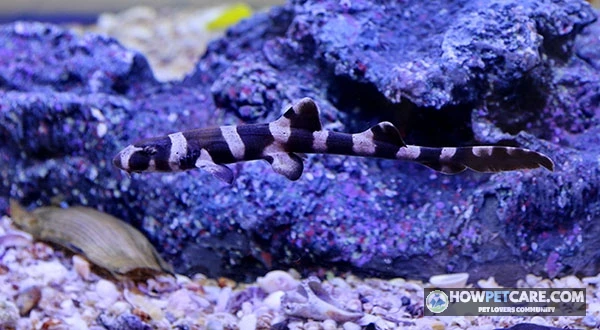
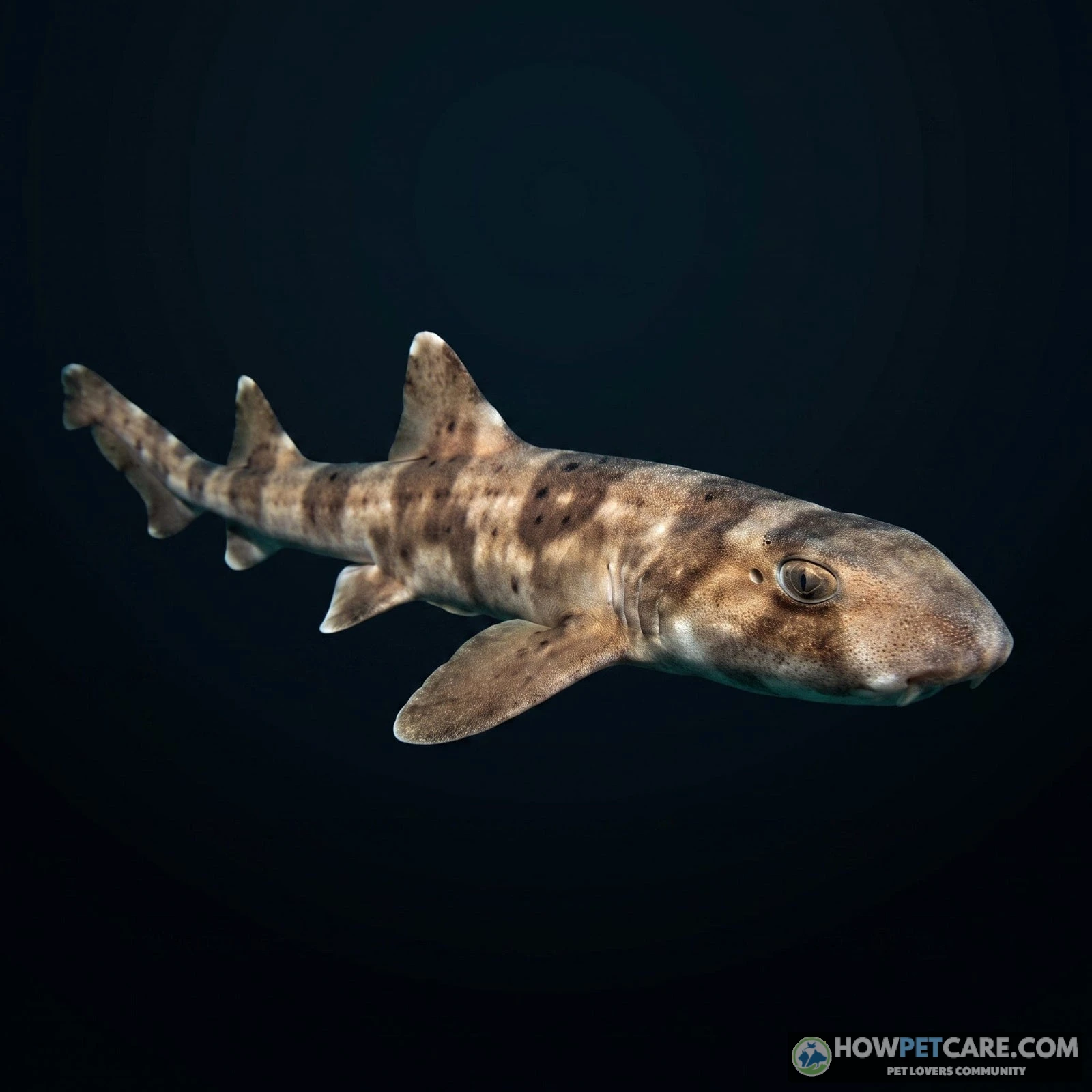
- Brownbanded bamboo shark (Chiloscyllium punctatum) – brown‑striped, bottom‑dwelling, widely bred in aquaculture.
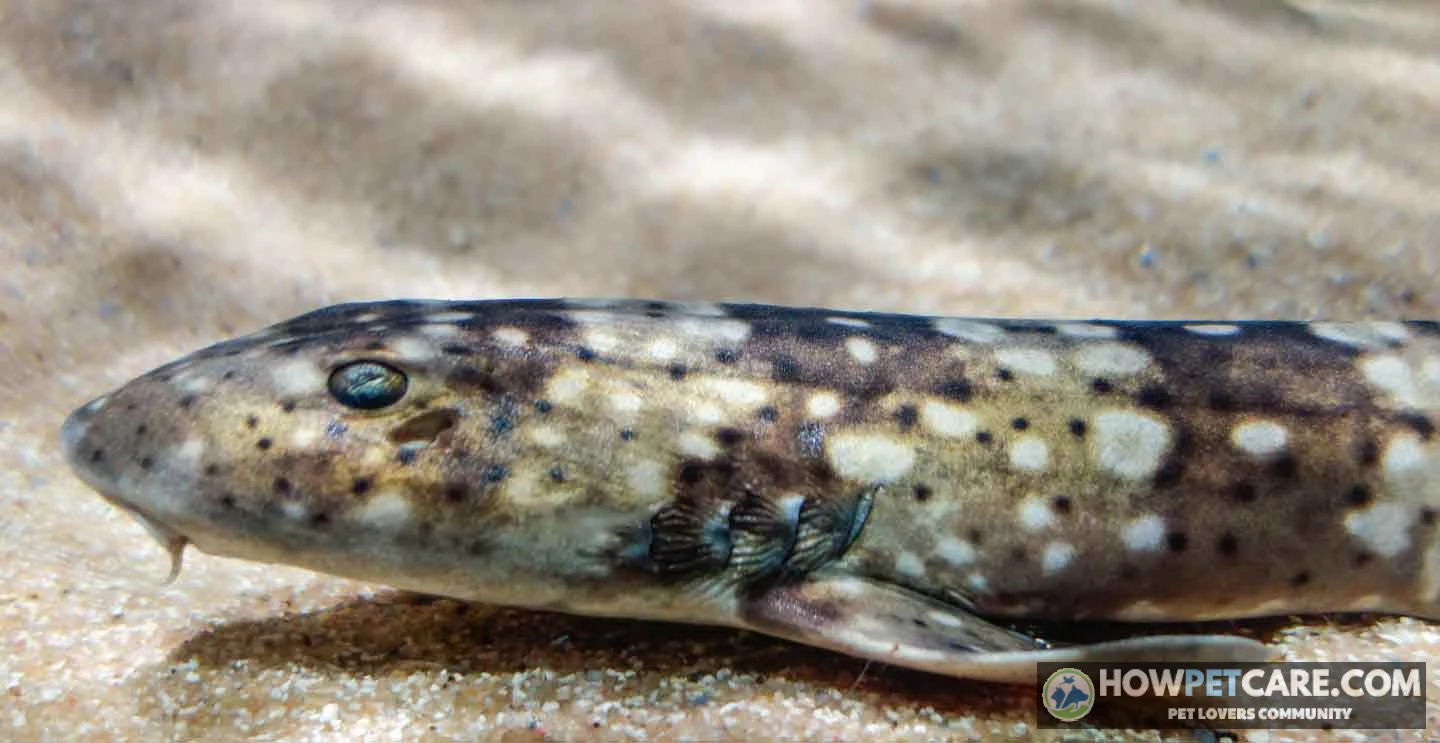
- White‑spotted bamboo shark (Chiloscyllium plagiosum) – similar to brownbanded but with a paler pattern.
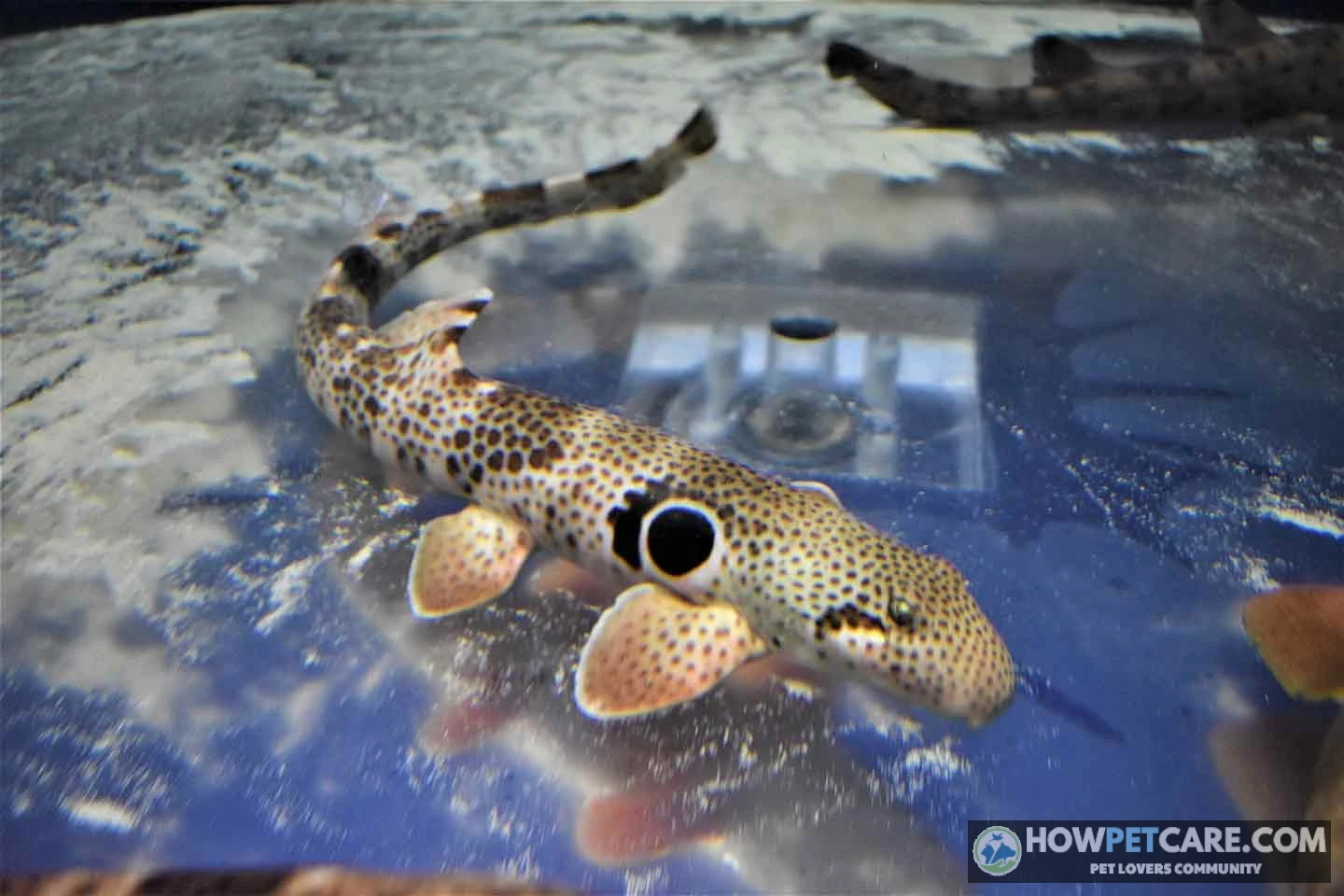
- Epaulette shark (Hemiscyllium ocellatum) – small, “walking” shark that tolerates low oxygen and is increasingly captive‑bred.
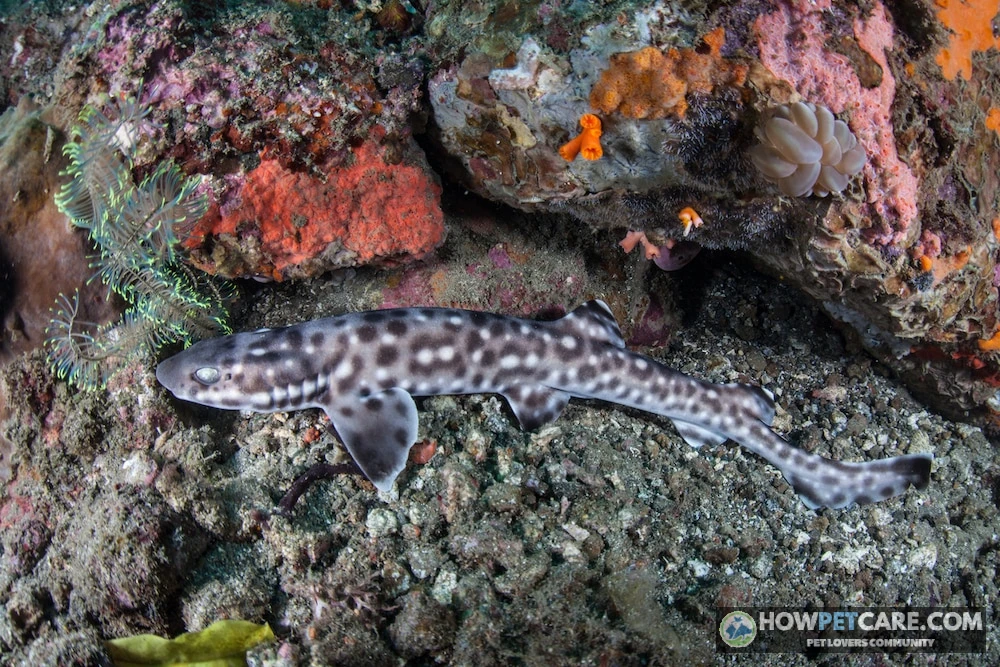
- Coral catshark (Atelomycterus marmoratus) – small, nocturnal, but rarely captive‑bred, making it a specialist choice.
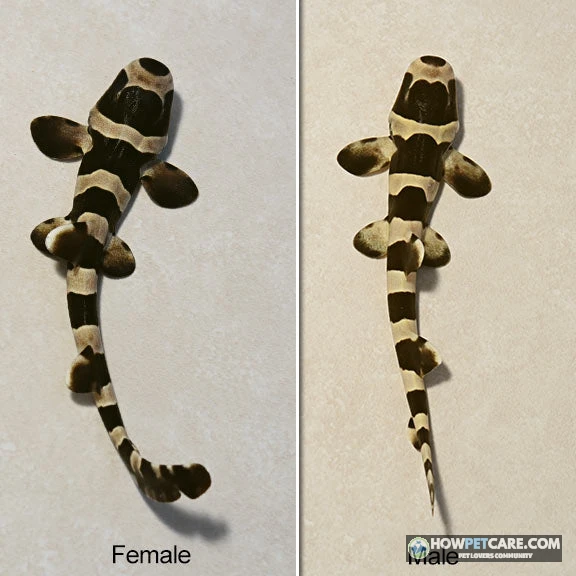
These four are the only sharks that have a documented track record of living for more than ten years in home aquariums without requiring a public‑aquarium‑scale system.
Bamboo shark vs epaulette shark for a home tank
Both species are roughly the same size range (27‑42 inches) but have distinct husbandry needs:
- Hardiness: Bamboo sharks are generally more forgiving of minor parameter fluctuations and accept a wider range of temperatures. Epaulette sharks are more sensitive but have an extraordinary ability to survive in low‑oxygen water, which can be useful during power outages if a backup pump is not immediately available.
- Activity pattern: Bamboo sharks are more active swimmers and will patrol the sand bed for food throughout the day. Epaulette sharks tend to be more sedentary, using their pectoral fins to “walk” over the substrate and often resting in crevices.
- Feeding acceptance: Bamboo sharks readily accept frozen foods after a short acclimation period, whereas epaulettes may take longer and often prefer live or thawed shrimp. However, both will eventually learn to feed on a regular schedule.
- Space requirements: Because bamboo sharks grow slightly longer (up to 42 inches), they need a minimum of 300 gallons with a long footprint. Epaulette sharks, topping out around 35 inches, can be housed in a 200‑250‑gallon system if the tank is low and wide.
- Price tier: Captive‑bred brownbanded bamboo sharks are typically $150‑450, while epaulette sharks command $350‑900, reflecting their rarer breeding success and the visual appeal of their spot pattern.
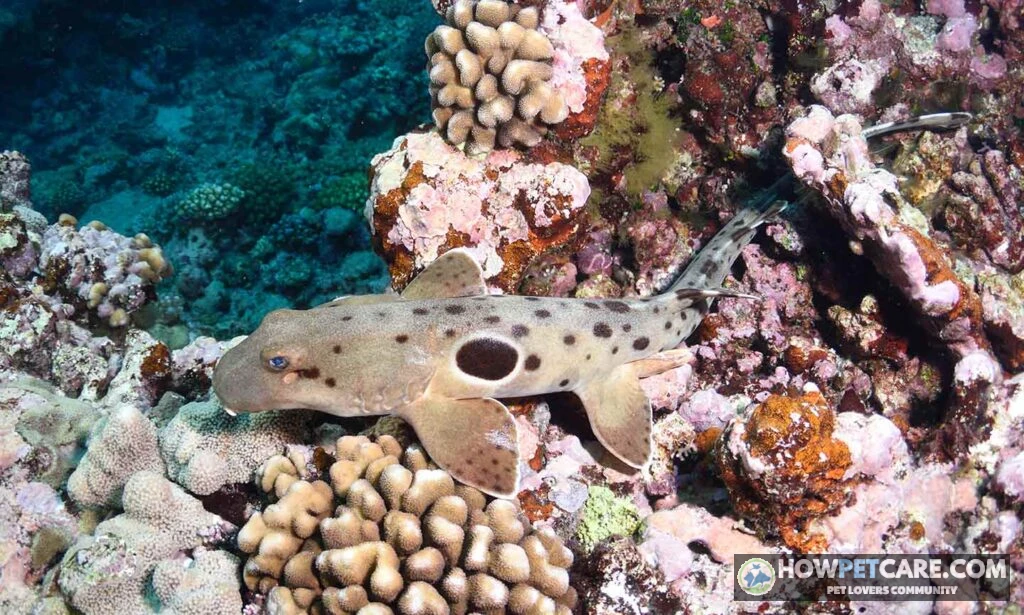
If you want a shark that is easy to feed, grows a bit larger, and is almost always captive‑bred, choose a bamboo shark. If you prefer a smaller animal that can tolerate brief oxygen dips and you want a “walking” display, the epaulette is the better match.
Cat sharks: small but specialist
Coral catsharks stay under 28 inches, which makes them attractive for a smaller system. Their nocturnal behavior means they are less visible during the day, and they are more easily outcompeted for food by diurnal tankmates. Because they are mostly wild‑caught, they often arrive with parasites and may be less inclined to accept frozen diets. For these reasons, catsharks are recommended only for keepers who have sourced a well‑fed, quarantined specimen and can provide a dedicated, dimly lit tank where the shark can claim a hiding place.
Sharks to Rule Out Entirely: Why Popular Picks Fail in Home Tanks
A common mistake is to see a juvenile shark for sale and assume it will remain that size. The adult size of many advertised species is dramatically larger than the showroom animal, and the systems required are beyond what a residential aquarium can safely support.
Reef sharks and pelagic species
- Blacktip reef shark (Carcharhinus melanopterus) – adults reach about five feet and need thousands of gallons of open‑water swimming space. They are constant swimmers and will dash at the glass in confined systems, causing stress and injury. Population declines also make them a conservation concern.
- Pelagic species (hammerhead, lemon, tiger, great white) – these are open‑ocean hunters that require massive, specially engineered tanks with high flow and temperature stability. Several are listed on CITES and protected by international law. Their physiology does not adapt to recirculating aquarium systems, and they rarely survive transport.
Juveniles that outgrow any home system
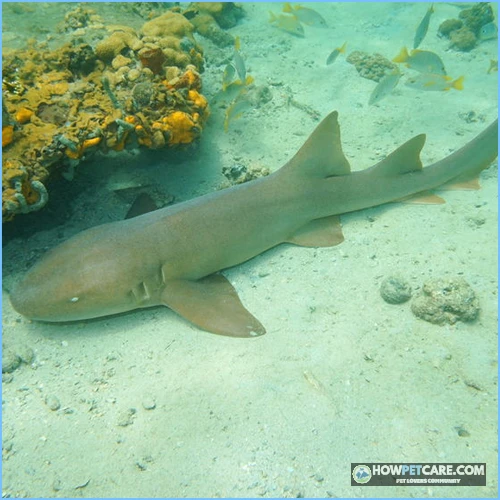
- Nurse shark (Ginglymostoma cirratum) – juveniles look manageable at 12 inches, but adults can exceed eight feet and produce an enormous waste load. A single adult would need a tank larger than most public aquariums can accommodate.
- Zebra shark (Stegostoma tigrinum / fasciatum) – attractive juvenile striping, but adults reach 8‑9 feet and are listed as Endangered by the IUCN. They need a specialized flat‑bottom tank with strong currents.
- Leopard shark (Triakis semifasciata) – temperate species that cannot tolerate warm reef temperatures, making them unsuitable for typical marine aquariums. They also grow to five feet.
- Large wobbegong sharks – ornate and camouflaged, but many species exceed three feet and act as ambush predators that eat tankmates. Smaller dwarf wobbegongs are niche, rarely captive‑bred, and often imported from the wild.
Why availability is not suitability
Retail availability is driven by what wholesalers can import and ship legally, not by what a home system can sustain. A juvenile blacktip reef shark may be for sale because it fits into a 50‑gallon transport container, not because the species is appropriate for a 200‑gallon home tank. Always ask the seller for the adult size in a public aquarium setting before making a purchase.
Freshwater “sharks” are unrelated
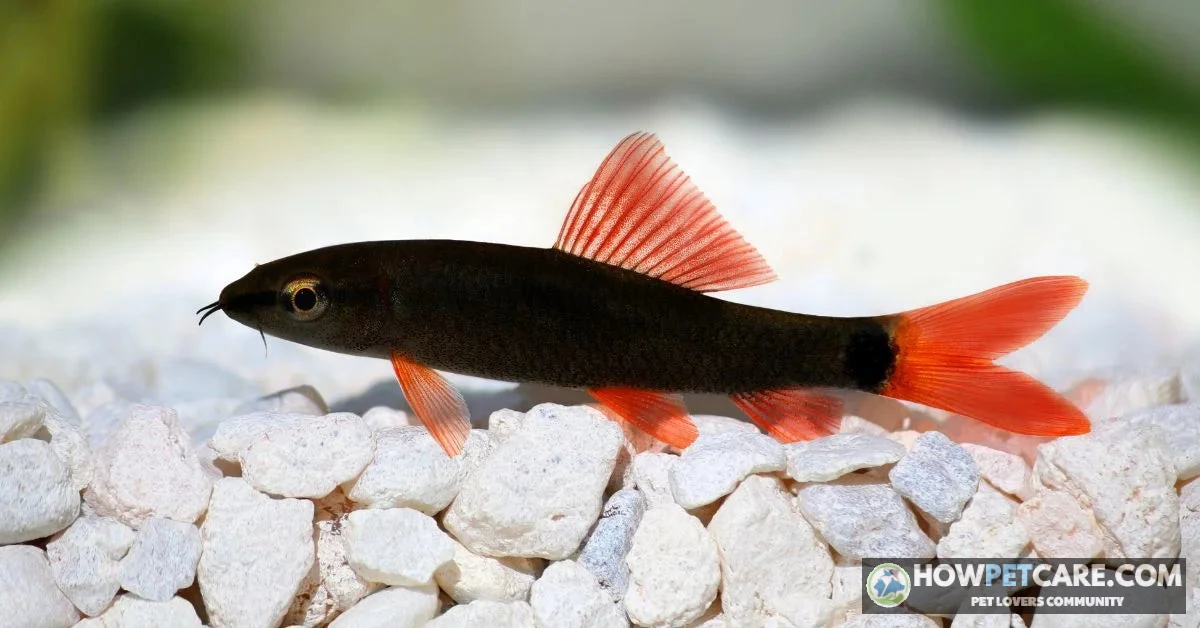
Some hobbyists confuse red‑tailed sharks (Epalzeorhynchos bicolor), rainbow sharks (Gymnocorymbus ternetzi), and bala sharks (Balantiocheilos melanopterus) with marine sharks. These are cyprinids and require completely different water parameters, social structures, and tank conditions. They are not covered by this guide, which focuses on true marine sharks.
How to Set Up a Shark Tank: Size, Filtration, Substrate and Flow
Tank dimensions and the footprint rule
The shape of the aquarium is more important than its volume. A long, low tank (ideally 8‑9 feet long and 2‑4 feet wide) gives a shark room to turn and swim without feeling confined. The general rule: the tank length should be at least three times the adult body length of the shark. A 36‑inch shark needs roughly 108 inches of linear swimming space, which translates to a 300‑gallon long tank of about 8‑9 feet in length.
Height is secondary; a tall cube wastes swimming area and makes water exchange less efficient. Also avoid sharp decorations or rough substrate that can damage a shark’s delicate pectoral fins and snout.
Filtration and protein skimmer sizing
Sharks are heavy feeders and produce a high bioload. A filtration system must handle at least double the nominal tank volume:
- Mechanical filtration: Prefilter and foam insert to capture uneaten food and waste.
- Biological filtration: Sump with at least 50‑gallon volume, populated with live rock (1‑2 pounds per gallon) and bio‑balls. The surface area of live rock should be >200 sq in per gallon.
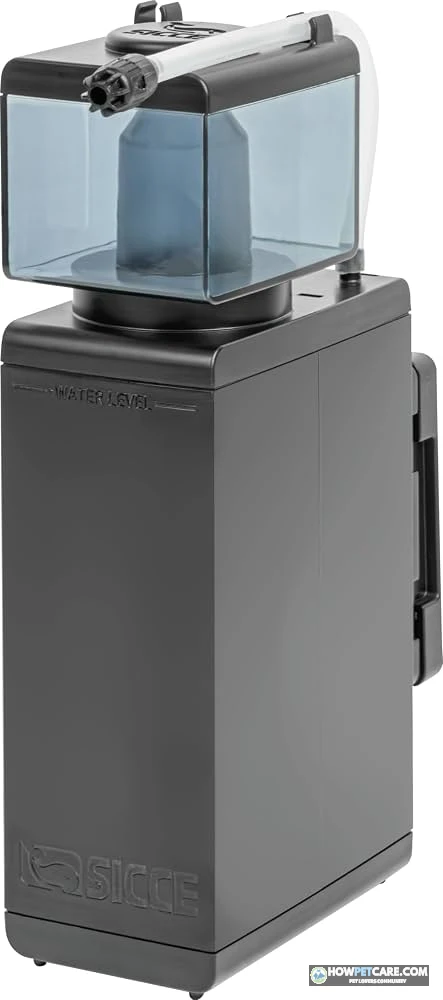
- Protein skimmer: Choose a skimmer rated for 2‑3 times the tank volume. For a 300‑gallon system, a skimmer rated for 600‑900 gallons is appropriate. Skimmer performance is measured by its ability to remove dissolved organic compounds; a high‑capacity skimmer is essential for shark waste.
- Water pump and flow: Minimum turnover of 6‑9 times per hour, with a strong return pump to create laminar flow and surface agitation for gas exchange. Position return nozzles away from the shark to avoid direct current.
Water parameters, substrate and flow targets
Target marine aquarium parameters that match the species:
- Temperature: 74‑85°F (species‑specific; e.g., bamboo sharks prefer the lower end).
- pH: 7.8‒8.4.
- Specific gravity: 1.024‒1.026.
- Ammonia & nitrite: 0 ppm.
- Nitrate: <20 ppm (regular water changes to keep lower).
Keep a refractometer, salinity test, and pH test kit readily available. Perform a 10‑20 % water change weekly, using reverse‑osmosis water adjusted to the target salinity.
Substrate: Use a fine, smooth sand (1‑2 in depth) to mimic a natural benthic environment and prevent injuries to the shark’s ventral side. Avoid crushed coral or sharp gravel, which can abrade the skin.
Flow: Moderate, laminar flow with a few strong jets to move water through the sump. Ensure surface agitation for gas exchange but avoid strong jets that could blow food or stress the shark.
Live rock: Choose robust, heavy‑set pieces that will not topple when the shark brushes against them. Provide hiding places and crevices, but leave open swimming lanes.
Equipment safety: Cover heaters and pump intakes with grilles. Sharks can be electrically sensitive; a grounding probe and GFCI protection are mandatory.
A pre‑purchase timeline
- Build and cycle the tank – 4‑8 weeks of stable parameters, including a successful test for ammonia cycling.
- Add live rock and sand – allow biological colonization for 2‑4 weeks.
- Install filtration and skimmer, run for 1‑2 weeks with testfish (e.g., small damselfish) to verify stability.
- Run the system for at least 2‑3 months with regular maintenance before purchasing the shark.
- Set up a quarantine tank – a separate 75‑100‑gallon system for acclimation and observation of new arrivals.
Skipping any step dramatically raises the risk of disease, parameter crashes, and shark loss.
What Aquarium Sharks Eat and Which Tankmates Are Safe
Feeding schedule and monthly food budget
A marine shark’s diet is primarily meaty marine proteins:
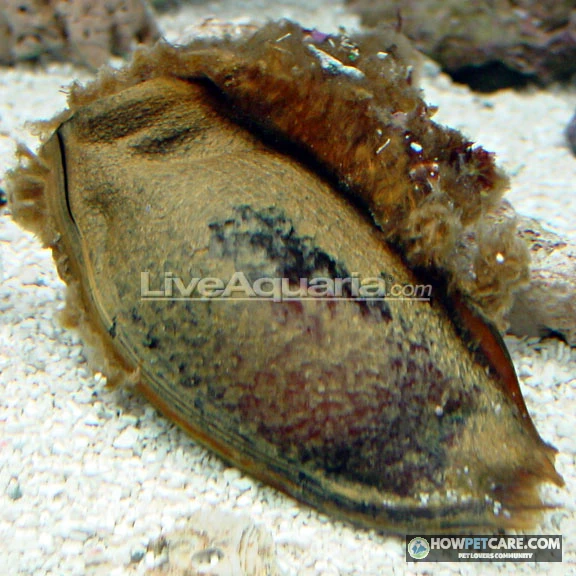
- Primary foods: Fresh or frozen shrimp, squid, clam, and silversides.
- Supplemental items: Whole fish (e.g., bait fish) can be offered occasionally but should be gut‑loaded and vitamin‑supplemented.
- Frequency: Juvenile sharks may eat daily; adults typically accept food 2–3 times per week. Feed an amount they can consume within 5‑10 minutes; excess food fouls water and stresses the system.
- Vitamin supplementation: Use a marine‑shark specific vitamin packet mixed into frozen foods once per month.
Monthly food cost estimate: Assume an average of $30‑50 per month for a 30‑inch adult shark, depending on the types of frozen foods and local market prices. This figure is indicative only and should be adjusted based on actual supplier quotes.
Fish, invertebrates and corals that can share the tank
Sharks are apex predators; anything that fits in their mouth may be eaten. Safe tankmates must be too large to be swallowed and not aggressive toward the shark.
- Large, robust fish: Grouper species (e.g., coconut grouper), tarpon, and large wrasses (e.g., eye‑spot foxface) can coexist if they are introduced after the shark is established and if they are larger than the shark’s mouth.
- Invertebrates: Most crustaceans are risky; they may be seen as prey. Exceptions are large, armored species such as giant Pacific crabs (if the tank is large enough) and sea urchins that are too big for the shark to consume.
- Corals: Full reef ecosystems are generally unsuitable because sharks can accidentally knock corals while foraging. If corals are desired, place them in a separate display tank or use hardy, encrusting species that are out of reach.
- Egg‑laying behavior: Bamboo and epaulette sharks can lay egg cases in a well‑decorated tank. These “mermaid purses” appear on the substrate and are not a sign of breeding unless fertilized. Unfertilized eggs are common and should be removed to keep water quality high.
Observation is key: Even compatible species may be stressed or injured by a shark’s presence. Monitor feeding behavior, aggression, and any signs of bullying. If a tankmate is consistently under‑fed or hidden, consider removing it.
Total Cost of Owning a Saltwater Shark: First‑Year and Ongoing Numbers
Upfront system buildout
| Cost category | What it covers | One‑time estimate (USD) |
|---|---|---|
| Tank and stand (new, mid‑grade) | 300‑gallon long aquarium, durable stand | $1,800‑3,000 |
| Sump, plumbing, return pump | Additional chamber, plumbing, circulation | $400‑800 |
| Protein skimmer | Rated for 600‑900 gallons, high‑capacity | $450‑800 |
| Heater and/or chiller | Temperature control, often need chiller for sharks | $300‑900 |
| Pumps, powerheads, lighting, lid | Water movement, illumination, safety cover | $250‑500 |
| Sand bed, live rock, salt, RODI unit | Substrate, biological media, water prep | $400‑700 |
| Quarantine tank (75‑100‑gal) | Separate system for acclimation | $300‑600 |
| Test kits, equipment, GFCI/grounding, backup power | Safety, monitoring, UPS | $300‑600 |
| Shark purchase (captive‑bred juvenile) | Cost varies by species and source | $150‑450 |
| Overnight shipping | Live‑arrival transport | $80‑150 |
| System subtotal | – | ~$4,100‑7,900 |
Key point: The shark itself represents under 10 % of the total upfront cost. Most hobbyists underestimate the price of the supporting hardware.
Monthly and annual running costs
| Cost category | What it covers | Annual or monthly estimate (USD) |
|---|---|---|
| Food (frozen silversides, shrimp, squid, clam) | 3 feeds/week, seasonal variation | $30‑50 (monthly) |
| Electricity | Total running watts × 24 × 365 ÷ 1000 × local kWh rate | $800‑2,500 (annual) – example: 700 w at $0.17/kWh ≈ $1,040/yr |
| Salt mix, water, filter media replacement | Monthly salt, occasional media refresh | $200‑400 (annual) |
| Test kits, spare parts | Reagent refills, pump seals, etc. | $100‑200 (annual) |
| Annual subtotal | – | ~$1,400‑6,200 |
Shipping, guarantees and hidden extras
Overnight shipping is common for live sharks because they cannot survive several days in transit. Expect a $80‑$150 fee on top of the animal price, plus a live‑arrival guarantee that typically requires a photo of the animal within 2‑4 hours of delivery and a claim window of 24‑48 hours. Some vendors also charge a handling fee for large or aggressive species.
Used equipment can cut upfront costs by 30 % to 50 %. Many experienced keepers start with a used 300‑gallon long tank package that includes a sump and skimmer. However, verify the age of the equipment and the warranty on critical components.
Where to Buy a Shark Responsibly: Captive‑Bred vs Wild‑Caught, Shipping and Quarantine
Captive‑bred or wild‑caught: what to choose
| Factor | Captive‑bred | Wild‑caught |
|---|---|---|
| Hardiness | Generally higher; adapted to aquarium diets | More stress‑prone; higher disease risk |
| Feeding acceptance | Accepts frozen food quickly; easier acclimation | May refuse frozen food; requires live feeders |
| Conservation impact | Reduces pressure on wild populations; supports aquaculture | Contributes to overfishing; may involve illegal harvest |
| Cost | Often higher due to breeding program overhead, but price stabilizes | Prices can vary; sometimes cheaper for juveniles, but hidden costs (health, permits) can be higher |
| Legal documentation | Easy to obtain health certificates, origin records | May require CITES permits; documentation can be complex |
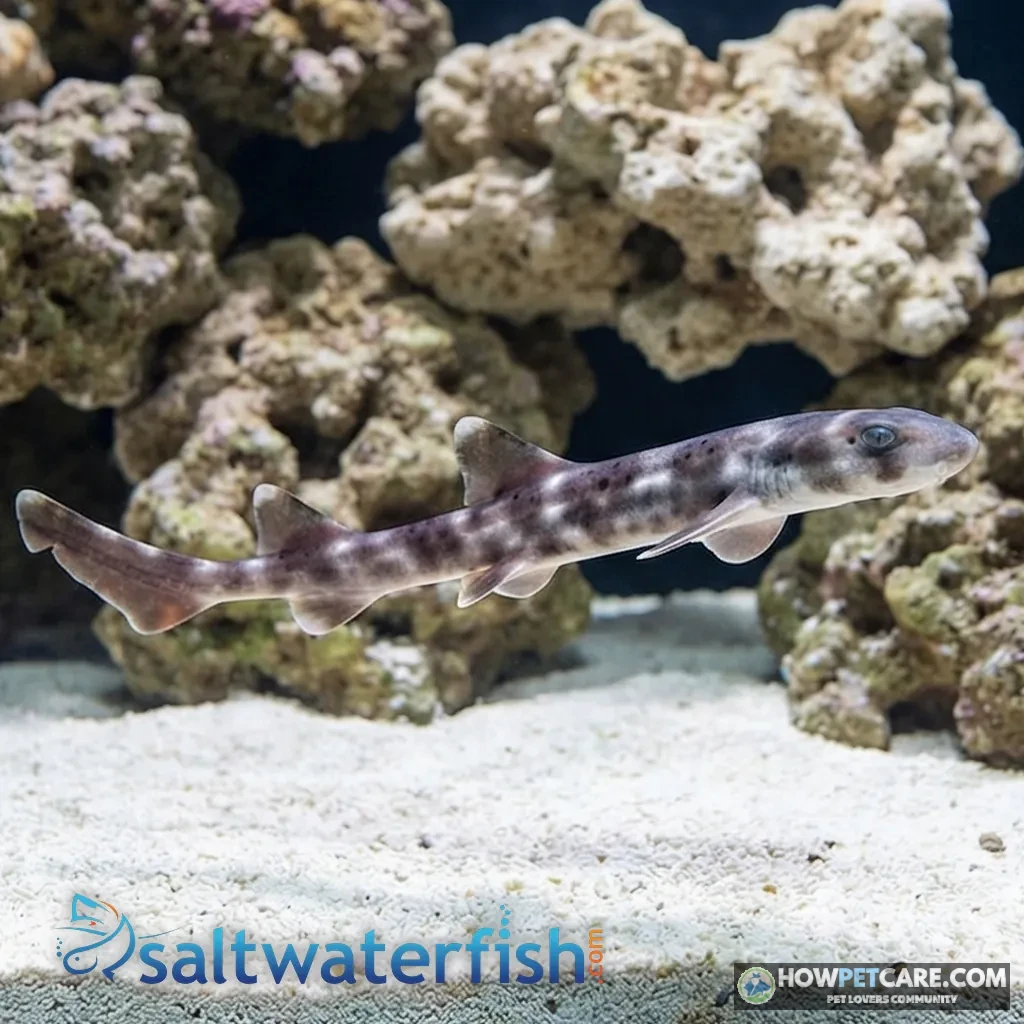
For bamboo and epaulette sharks, captive‑bred specimens are widely available and are strongly recommended. Catsharks are rarely captive‑bred, so if you choose one, verify health records and origin thoroughly.
How to vet a seller and verify claims
Use this script before you transfer any money:
- Ask for proof of captive‑breeding – hatch date, facility name, photos or video of the actual specimen feeding.
- Request current diet – confirm the shark already accepts frozen foods and the feeding schedule.
- Inquire about health history – ask if the animal has been through quarantine, what treatments it received, and if there are any known parasites.
- Check live‑arrival policy – find out the refund or replacement window, required documentation (photos, vet check), and any fees for dead‑on‑arrival claims.
- Ask about shipping method – overnight carrier, use of insulated containers, temperature control, and weather‑hold procedures.
- Enquire about buy‑back or rehoming – does the seller offer a take‑back if the shark outgrows the tank?
Automatic walk‑away red flags
- No live‑arrival guarantee, or a guarantee that requires you to refuse a dead animal at the door.
- "Tank‑raised" or "aquacultured" without a hatch date or facility details.
- Juveniles of reef sharks, nurse sharks, zebra sharks, or leopard sharks marketed as beginner sharks.
- Seller cannot tell you what the animal is currently eating, or says "it will eat anything."
- No video or photo of the specific animal feeding.
- No quarantine or health holding period before shipping.
Shipping, arrival and a quarantine protocol
Shipping expectations
- Carrier: UPS Next Day Air, FedEx Express, or similar overnight service.
- Container: Insulated, sealed, with enough water for the journey (usually 2‑4 hours). Some vendors add ice packs for temperature control.
- Weather holds: If delivery is delayed, the carrier may hold the package in a temperature‑controlled facility. Clarify who pays for additional storage.
Quarantine and acclimation
- Set up a dedicated quarantine tank – size 75‑100 gallons, with the same water parameters as the main tank. Include a gentle flow and a secure lid.
- Drip acclimation – over 1‑2 hours, slowly adding small amounts of marine water to the transport bag, monitoring temperature and specific gravity.
- Observe – keep the shark covered for 30‑45 minutes to reduce stress, then open the lid and allow it to explore.
- Feed – offer a small piece of thawed shrimp or squid; wait 15‑30 minutes to see if the shark eats.
- Health check – look for signs of gasping, excessive slime, or abnormal behavior. Note any injuries to the fins or skin.
- Duration – most sellers recommend a 30‑day quarantine before introducing to the main tank. During this period, perform daily water tests and partial water changes if parameters drift.
- Transfer – if the shark remains healthy and active, slowly acclimate to the main tank using a net or a floating transfer container.
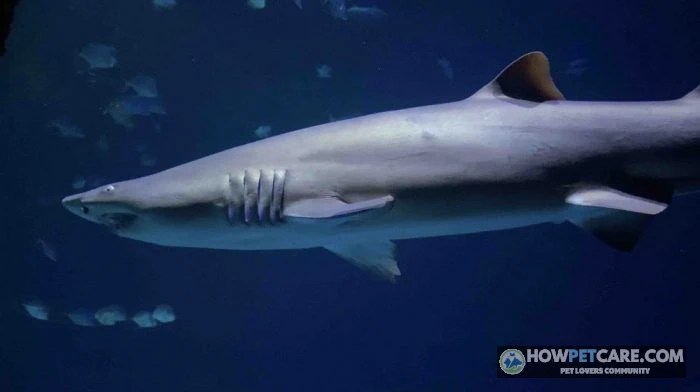
Following this protocol dramatically reduces the risk of introducing diseases into an established system.
Legality, Ethics and the 25‑Year Problem: Permits, Conservation and Rehoming
State rules, permits and conservation listings
Federal law does not ban private ownership of most small marine sharks, but each state may have its own regulations:
- California: Requires a Marine Aquarium permit for certain species and prohibits the take of some sharks from the wild.
- Florida: No specific permit for small sharks, but sellers must provide documentation of legal source.
- Hawaii: Strict controls on many marine species, including certain bamboo sharks.
- Other states: Usually regulate through fishing license rules and wildlife importation statutes.
Always contact your state fish and wildlife agency (often the Department of Fish and Wildlife) and ask for the exact species name (scientific name) before purchasing. Request a copy of the seller’s origin documentation; reputable vendors will provide this.
Conservation status: Check the IUCN Red List and CITES Appendix for the species. For example, the zebra shark is listed as Endangered (CITES Appendix I). Owning one may require special permits and is discouraged for hobbyists.
What happens when a shark outgrows the tank
Planning for the day the shark exceeds the tank dimensions is essential:
- Breeder buy‑back: Many captive‑breeding facilities will take back juveniles or sub‑adults at a reduced price. This option is only available if the seller is known and trusted.
- Hobbyist networks: Large‑aquarium clubs sometimes have members willing to house surplus sharks, but this requires a stable, large system and trust.
- Public aquariums: Most public aquariums will not accept privately owned sharks unless they are part of a dedicated surplus program or have a special donation arrangement. Success rates vary widely.
- Specialist rescues: A few non‑profit groups focus on marine predator rescue, but they often have waiting lists and may euthanize if space is unavailable.
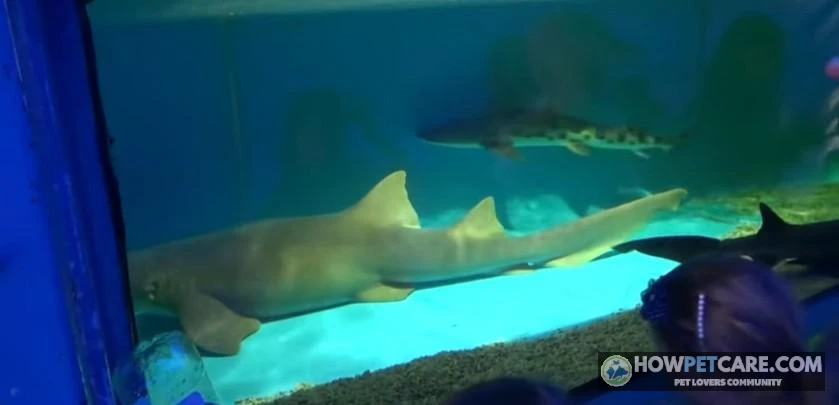
Never release a shark into the wild – this is illegal, unethical, and harmful to native ecosystems.
End‑of‑life planning: Write a simple directive stating your preferred rehoming option and share it with a trusted friend or family member who could act on it if you become unable to care for the animal. This reduces the chance of the shark ending up in a bad situation.
Your Decision Checklist: Rule Out a Shark or Choose a Species and Buy
Go or no‑go: a five‑point check
Score each item honestly. Fail any single one and the answer is no – these are hard thresholds, not weighted criteria.
- ☐ Footprint: I have space, floor load capacity, and budget for a system of at least 250‑300 gallons with a length of roughly 3× the shark’s adult body length. (A tall cube does not count.)
- ☐ Experience: I have run an established, stable marine system for 1‑2+ years, including managing bioload‑heavy fish and a quarantine process.
- ☐ Budget: I can cover ~$4,000‑8,000 upfront plus ~$800‑2,000 / year for the next two decades – not just the animal’s sticker price.
- ☐ Lifecycle plan: I have a named rehoming path (breeder buy‑back, hobbyist network, specialist keeper) chosen before purchase, and my household accepts a 20‑25 year commitment that survives moves and outages.
- ☐ Legal check: I’ve confirmed with my state fish/wildlife agency that the specific species is legal to buy, transport, and keep at my address.
If you passed all five: pick a species by footprint (bamboo for 300+, epaulette for 250+), build and cycle the system, run it stable for 3+ months, set up quarantine, then vet sellers.
If you failed any: a large predator‑style fish tank (e.g., a big lionfish, grouper, or eel system) delivers most of the experience at a fraction of the footprint – and ruling out a shark now is cheaper than rehoming one later.
Step‑by‑step plan if you proceed
- Select species based on tank footprint and experience level (bamboo shark for 300+ gallons, epaulette shark for 250+ gallons).
- Build and cycle the main tank (4‑8 weeks) and quarantine tank (separate, similar parameters).
- Run the main system for at least 2‑3 months, verifying stability with weekly water tests.
- Research vendors using the vetting script above. Request photos, feeding videos, and origin documentation.
- Choose a seller that meets all criteria. Arrange payment only after receiving written confirmation of live‑arrival guarantee.
- Place order with overnight shipping. Track the package and prepare the quarantine tank.
- Upon arrival, perform drip acclimation directly into the quarantine tank. Observe feeding and behavior for 30 days.
- Transfer to the main tank if the shark remains healthy. Continue regular maintenance.
- Document the shark’s growth and any behavioral changes in a logbook (optional but helpful for future owners).
- Reevaluate annually – does the system still meet the shark’s needs? Are water parameters stable? Is the shark thriving?
Final tip: Keep a copy of this guide in a waterproof folder near your aquarium equipment. As the shark grows, revisit the footprint and budget calculations – what was feasible at 20 inches may become impossible at 40 inches.
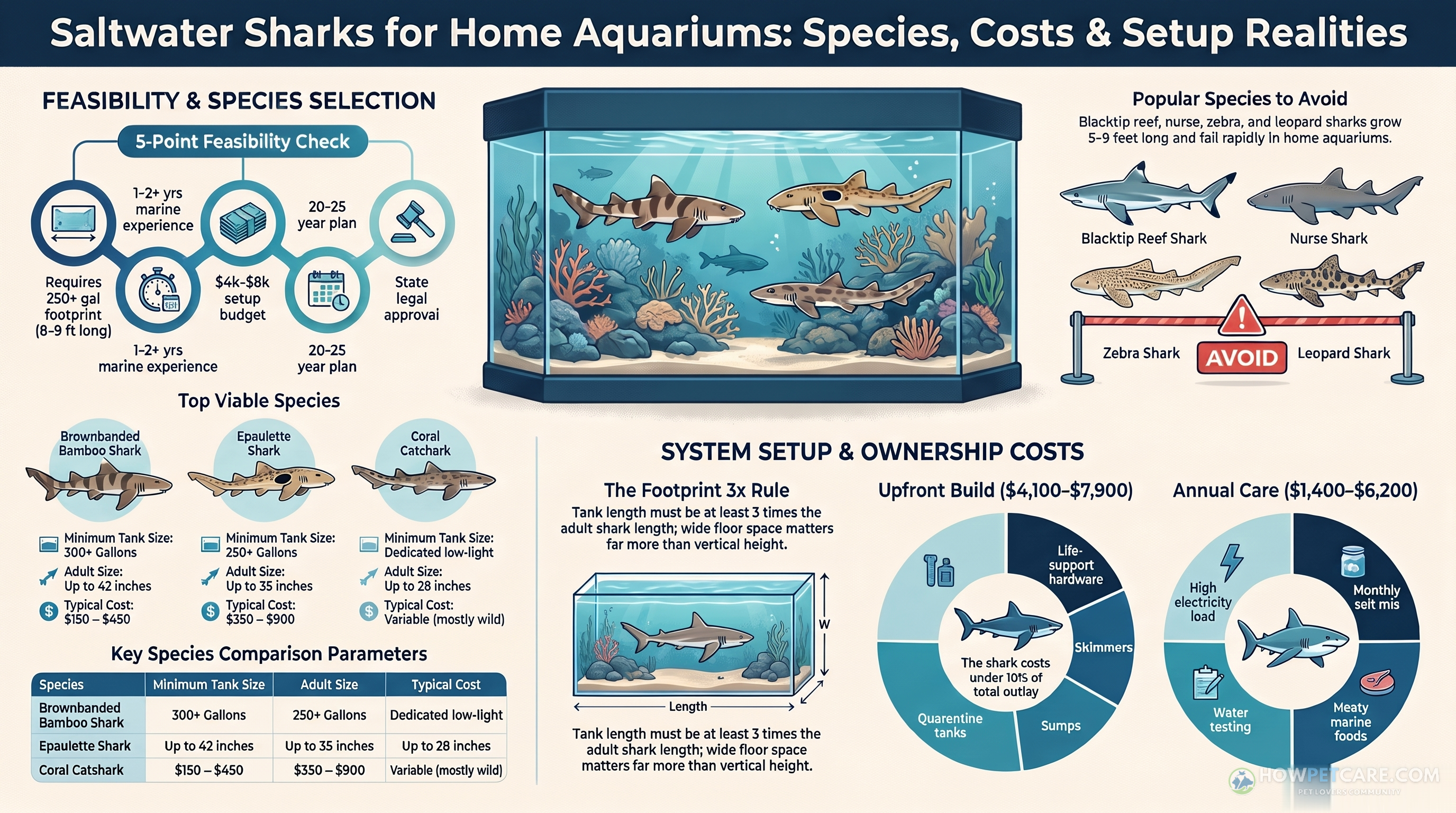
Species Name Scientific Name Max Adult Length Minimum Tank Size Temperament & Behavior Diet & Feeding Captive Breeding Status Estimated Price (USD) Brownbanded bamboo shark Chiloscyllium punctatum Up to 42 in 300+ gal Brown-striped, bottom-dwelling, more active swimmer that patrols the sand bed for food throughout the day. Hardier and forgiving of minor parameter fluctuations. Readily accepts frozen foods (meaty marine proteins like fresh or frozen shrimp, squid, clam, silversides) after a short acclimation period. Captive-bred (widely bred in aquaculture) 150–450 Epaulette shark Hemiscyllium ocellatum ~35 in 200–250+ gal More sedentary, "walking" shark that uses pectoral fins to move over substrate, rests in crevices. Tolerates low oxygen. May take longer to accept frozen foods; often prefers live or thawed shrimp. Captive-bred (increasingly captive-bred) 350–900 White-spotted bamboo shark Chiloscyllium plagiosum Up to 40–42 in 300+ gal Bottom-dwelling, similar to brownbanded but with a paler pattern. Meaty marine proteins (fresh or frozen shrimp, squid, clam, silversides). Captive-bred (reliably farmed and sold as captive-bred) Under $1,000 Coral catshark Atelomycterus marmoratus <28 in Not in source Shy, nocturnal, less visible during the day, claims a hiding place; easily outcompeted for food by diurnal tankmates. May be less inclined to accept frozen diets; requires well-fed frozen or live diets. Wild-caught (rarely captive-bred) Under $1,000 Blacktip reef shark Carcharhinus melanopterus About 60 in (5 ft) Thousands of gallons Constant swimmer, open-water swimming, will dash at glass in confined systems. Not in source Wild-caught Not in source Leopard shark Triakis semifasciata 60 in (5 ft) Not in source Temperate species, cannot tolerate warm reef temperatures. Not in source Wild-caught Not in source Zebra shark Stegostoma tigrinum / fasciatum 96–108 in (8–9 ft) Specialized flat-bottom tank with strong currents (public-aquarium scale) Attractive juvenile striping, listed as Endangered by IUCN. Not in source Wild-caught Not in source Nurse shark Ginglymostoma cirratum Exceeds 96 in (8 ft) Larger than most public aquariums Produces an enormous waste load. Not in source Wild-caught Not in source
FAQ
How long do aquarium sharks live?
Small species such as bamboo and epaulette sharks are commonly reported to live around 20-25 years in good captive conditions. Plan for that commitment before buying.
Are bamboo sharks dangerous to people?
Small bamboo and epaulette sharks are generally considered low risk to humans, but they can bite if handled or during feeding. Keep hands out of the tank at feeding time and follow standard aquarium safety.
Are red-tailed ‘sharks’ and other freshwater sharks the same as saltwater sharks?
No. Freshwater ‘sharks’ are unrelated fish, such as minnows and catfish, with entirely different care needs. This guide covers true sharks kept in marine systems.
Can you keep a shark in a reef tank?
It is rarely a good match, because sharks can damage corals and eat small fish and invertebrates. A large, shark-focused system with sturdy decor suits them better than a reef display.
Can bamboo sharks breed in a home aquarium?
Bamboo sharks lay egg cases in captivity and have been bred by aquarists, usually with a male and female pair. Raising the pups needs extra tank space and a plan for rehoming them.
Do aquarium sharks need a tank lid?
Yes. A secure cover helps prevent jumping or climbing out and keeps the animal protected, so choose a tank design with a well-fitted lid and no sharp edges inside.