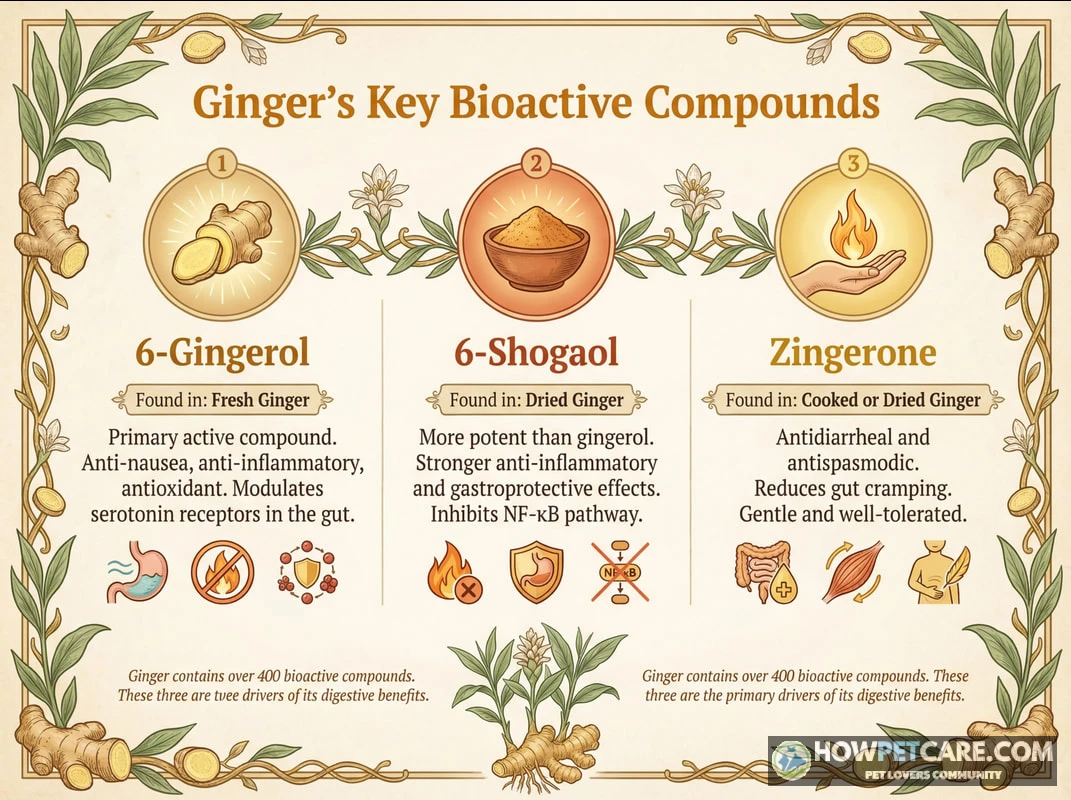

Yes—most healthy adult dogs can have a small amount of plain ginger. Keep servings tiny, use only fresh grated root or pure powder, and avoid ginger products containing xylitol, nutmeg, chocolate, or raisins. Skip ginger if your dog takes medication, has a health condition, or is a puppy—ask your vet first.
Yes—most healthy adult dogs can have a small amount of plain ginger. The bigger risks are giving too much or offering a ginger product with unsafe ingredients. If your dog ate plain ginger, a small taste usually isn’t cause for panic. If they ate gingerbread, a cookie, or a sugar-free product, check the ingredients for xylitol, nutmeg, chocolate, and raisins and follow the ingestion steps below.
Ginger contains gingerol, a compound with antioxidant and anti-inflammatory properties, but that doesn’t make ginger a treatment for illness. Form and serving size matter: fresh root and pure powder are easier to assess than sweetened, pickled, or baked products. Use the dosage table as a cautious starting point, and check the pre-feeding list before offering ginger to a dog with a medical condition or one that takes medication.
Can Dogs Have Ginger? The Quick Verdict by Situation

Plain ginger root can be a reasonable occasional food topper for a healthy adult dog when served in a small, measured amount. Ginger is not one of the common toxic foods for dogs, but it can irritate the stomach, and human ginger products may contain ingredients that are dangerous to dogs.
If your dog just ate something with ginger in it
- A small taste of plain root or pure powder: Usually means watching at home for stomach upset.
- Gingerbread, ginger snaps, or candied ginger: Check the package or recipe for xylitol, nutmeg, chocolate, and raisins. If xylitol may be present, call a veterinarian or animal poison hotline promptly.
- Pickled ginger or ginger ale: These are not good treats. A small taste is often more likely to cause stomach upset than ginger toxicity, but check labels and monitor your dog.
Skip ahead to the forms chart or the five-step ingestion protocol if your dog has already eaten a product.
If you want to try ginger for your dog
Check the contraindication list first. If your dog is healthy, use plain, finely grated fresh root or pure ginger powder, start with half the table amount, and mix it into food. If you are also weighing other kitchen herbs, check which herbs are safe for dogs before sharing them. Ginger may not suit every dog, and it should not delay veterinary care for ongoing vomiting or other concerning symptoms.
Ginger Dosage for Dogs by Weight (Including Puppies and Tiny Dogs)
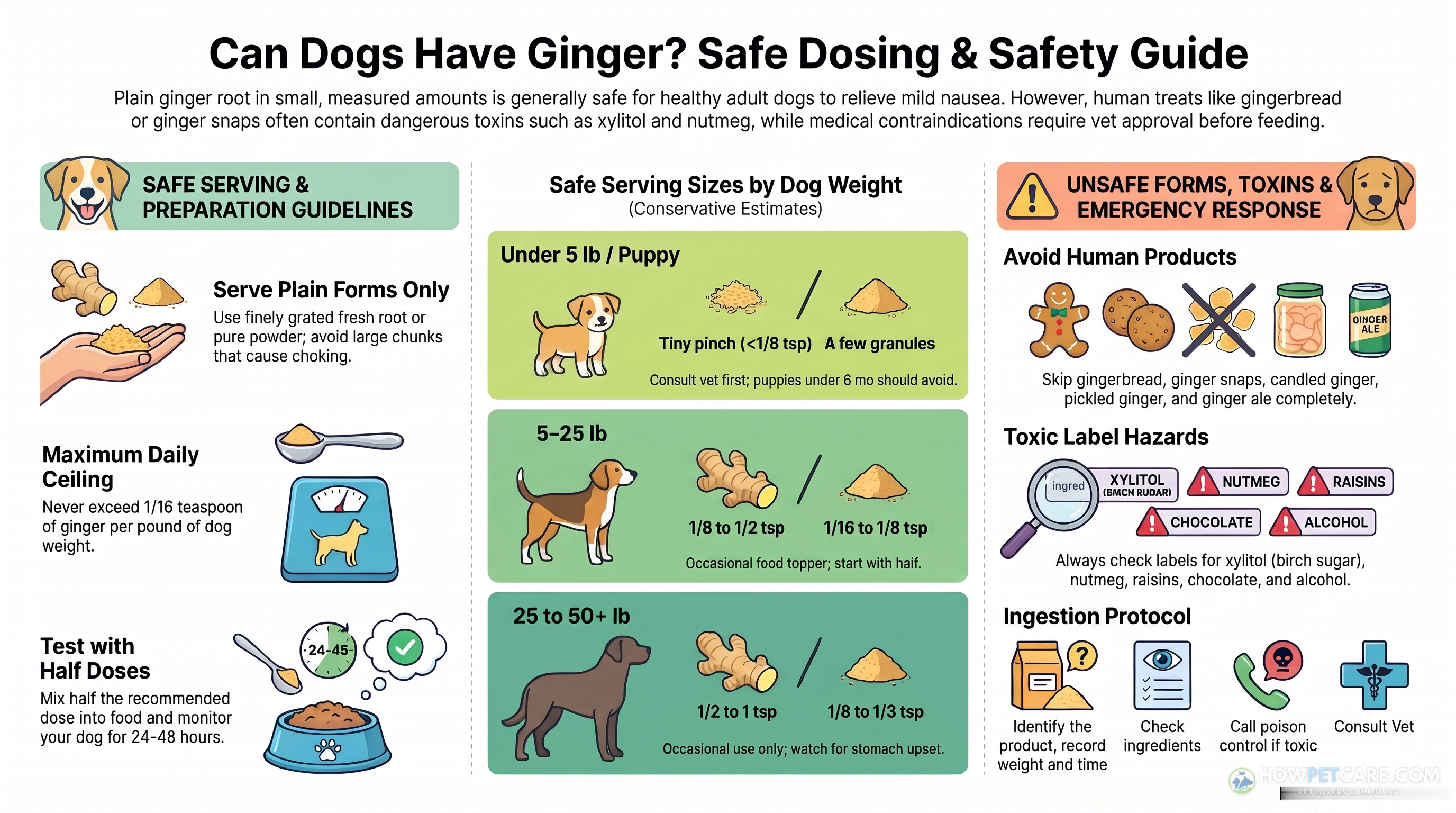
There is no universally established, FDA-approved ginger dose for dogs. Published recommendations vary: the AKC gives a rule of thumb of no more than 1/16 teaspoon per pound, while another reference gives a range of 20–50 mg per kilogram. The amounts below are conservative food-topper guidance—not a treatment dose or a guarantee of safety. When in doubt, ask your veterinarian, especially for a dog under 5 pounds or one taking medication.
Weight-by-weight serving size table
| Dog weight | Fresh grated ginger (per serving) | Pure powdered ginger (per serving) | Frequency | Notes |
|---|---|---|---|---|
| Under 5 lb | Tiny pinch, less than 1/8 tsp | A few granules | Ask your vet before use | Very small dogs have little room for measuring error. |
| 5–10 lb | 1/8–1/4 tsp | About 1/16 tsp | Occasional; ask vet before repeated use | Start with half the amount. |
| 10–25 lb | 1/4–1/2 tsp | 1/16–1/8 tsp | Occasional; ask vet before repeated use | Mix thoroughly into food. |
| 25–50 lb | 1/2–3/4 tsp | 1/8–1/4 tsp | Occasional; ask vet before repeated use | Watch for stomach upset. |
| 50+ lb | 3/4–1 tsp | 1/4–1/3 tsp | Occasional; ask vet before repeated use | Do not treat this as a daily target. |
| Puppy under 6 months | No routine amount | No routine amount | Vet guidance only | There is no established puppy dose. |
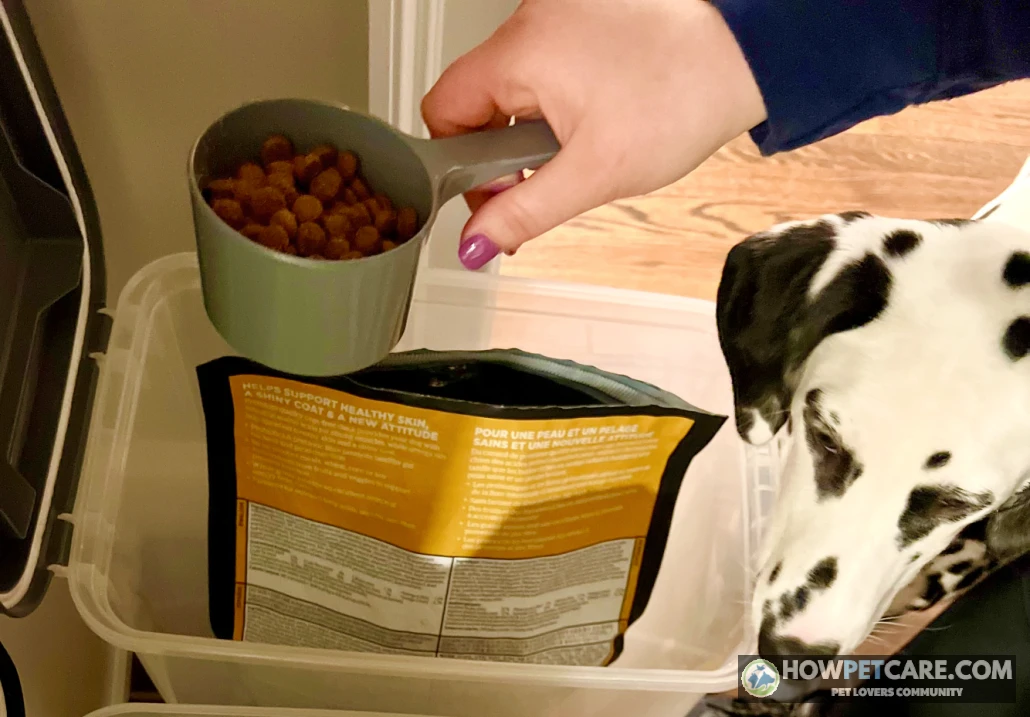
These serving ranges don’t replace the per-pound maximum cited above; for a small dog, that rule may call for less than the table’s upper end. Use the lower amount, and don’t exceed the more conservative limit. The AKC rule of no more than 1/16 teaspoon per pound is a ceiling, not a recommended target.
Fresh ginger vs. powdered ginger
Powder is more concentrated than fresh root. As a practical conversion, use about one-quarter as much powder as fresh ginger. Measure pure powder—not a spice blend—and don’t estimate with a heaped spoon. Peel fresh ginger if needed, then grate or mince it finely; skip large chunks, which can be hard to chew and swallow.
Puppies and dogs under 5 pounds
Don’t use ginger routinely for puppies under 6 months. Their small body size makes precise dosing harder, and safety information for this age group is limited. Ask a veterinarian before giving any amount. For dogs under 5 pounds, even a tiny pinch may be too much for an individual dog; veterinary guidance is the safer choice.
How to serve it safely
Start with half the amount you plan to offer, stir it into a meal, and observe your dog for 24–48 hours after the first serving. Stop if you see vomiting, diarrhea, reduced appetite, or other unusual signs. Don’t increase the dose just because the first serving seemed to have no effect.
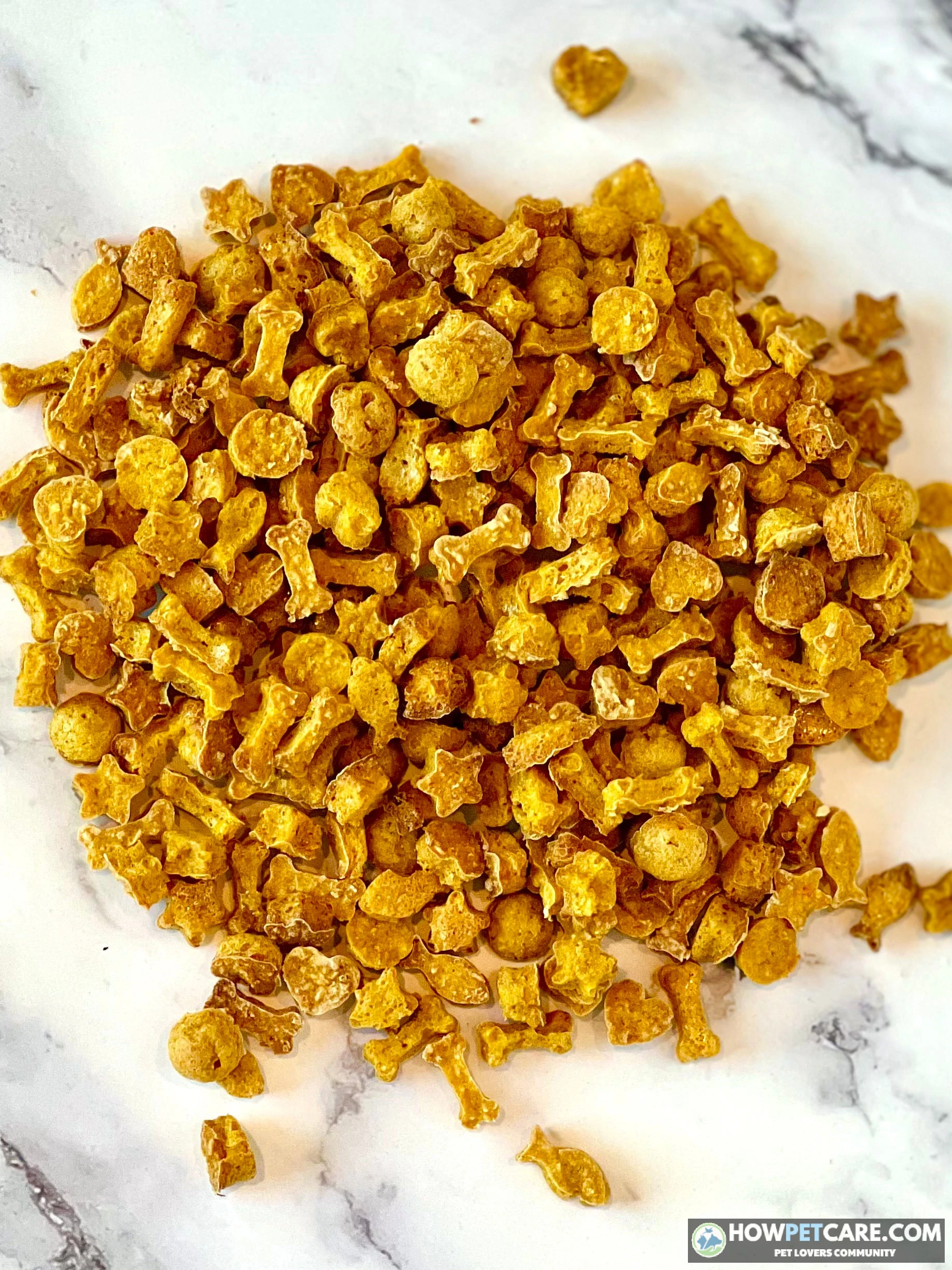
Safe vs Unsafe Forms: Ginger Root, Gingerbread, Ginger Snaps, Ginger Ale and More
| Ginger form | Verdict | Why | Hidden risks to check | What to do |
|---|---|---|---|---|
| Fresh ginger root, grated or minced | Generally safe in a small amount | Plain root makes the dose easier to control | Large pieces can be hard to chew and swallow | Grate finely and measure. |
| Pure powdered ginger | Generally safe in a small amount | Concentrated form of ginger | Spice blends or added ingredients | Use only plain ginger powder. |
| Plain ginger tea, cooled | Occasional small taste may be okay | Usually a diluted amount | Caffeine, sweeteners, other herbs, added oils | Offer only unsweetened, caffeine-free tea. |
| Ginger juice | Caution | Concentrated and easy to over-serve | Added sweeteners or other ingredients | Avoid spoonfuls; ask your vet before using. |
| Pickled ginger | Avoid as a treat | Often salty, sugary, and acidic | Xylitol in some sweetened products | Check the label; call if xylitol is listed or possible. |
| Candied or crystallized ginger | Avoid | High in sugar | Xylitol in sugar-free versions | Check ingredients and contact a vet if xylitol may be involved. |
| Ginger snaps or ginger biscuits | Avoid | Sugar and fat offer no benefit to dogs | Xylitol, nutmeg, chocolate | Check ingredients and estimate how much was eaten. |
| Gingerbread | Avoid | Often high in sugar and fat | Nutmeg, xylitol, raisins, chocolate | Treat ingestion as an ingredient-check situation. |
| Ginger ale | Avoid | Often sugary or artificially sweetened, with little useful ginger | Xylitol in some diet versions | Check the label; do not use it for nausea. |
| Ginger supplements or chews | Caution | Concentration and dose vary | Xylitol, garlic, or other inactive ingredients | Use only a dog-formulated product approved by your vet. |
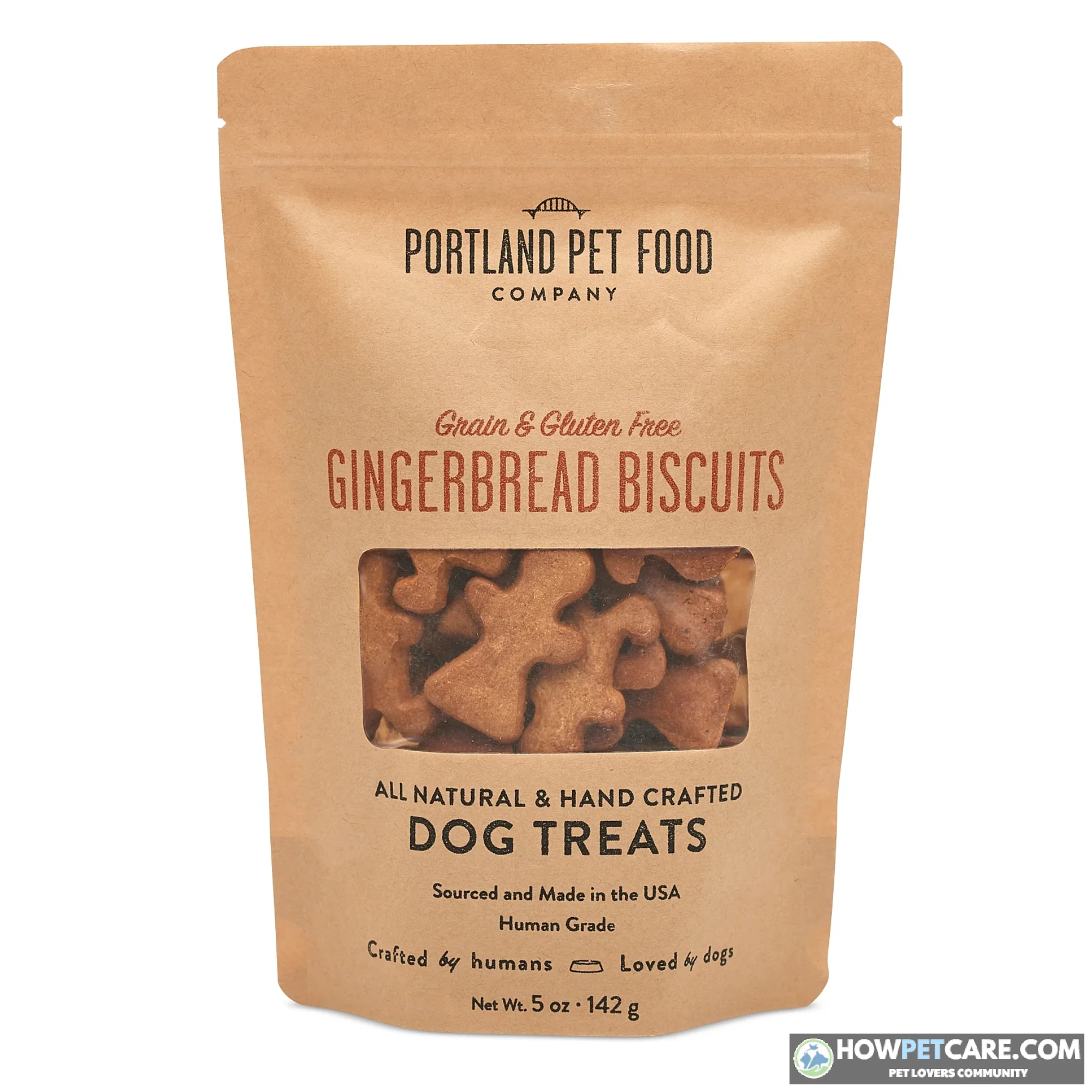
Gingerbread and other baked ginger products aren’t equivalent to plain ginger. Nutmeg can be harmful in sufficient quantities, and xylitol is a serious hazard for dogs. A small nibble of a cookie doesn’t automatically mean poisoning, but the recipe, amount, and dog’s size matter.
Can dogs have ginger snaps or ginger biscuits?
They’re best avoided. The cookie’s sugar and fat can upset the stomach, and recipes vary. Check the ingredient list rather than assuming a ginger snap contains only ginger and flour. If it includes xylitol, raisins, or chocolate—or you can’t identify the ingredients—call your veterinarian for advice.
Can dogs have ginger ale?
Don’t give ginger ale as a home remedy. It may contain a lot of sugar or artificial sweetener, and carbonation can add discomfort. Some diet products may contain xylitol. A small lick of regular ginger ale isn’t the same as drinking a large amount, but check the label and monitor for symptoms.
Hidden toxic ingredients to check on the label
Look for xylitol, sometimes called birch sugar, as well as nutmeg, chocolate, raisins, and alcohol. If the product is sugar-free or the label is unavailable, don’t guess: contact a veterinarian or poison hotline with the product name and your dog’s weight.
Does Ginger Actually Help Dogs? Benefits Graded by Evidence
Gingerol and related compounds have antioxidant and anti-inflammatory activity, but findings from laboratory or human research don’t prove that a particular dose will help a dog. The grades below describe how useful the evidence is for a practical claim about dogs; they aren’t formal clinical ratings.
Nausea and upset stomach
Evidence: limited for dogs; stronger in human research. Ginger has been used for nausea, including motion-related and chemotherapy-related nausea, but that doesn’t establish a reliable home dose for a dog. A small amount might help mild queasiness in some healthy adult dogs, but it isn’t a proven fix for vomiting or the cause of an upset stomach.
Motion sickness and car rides
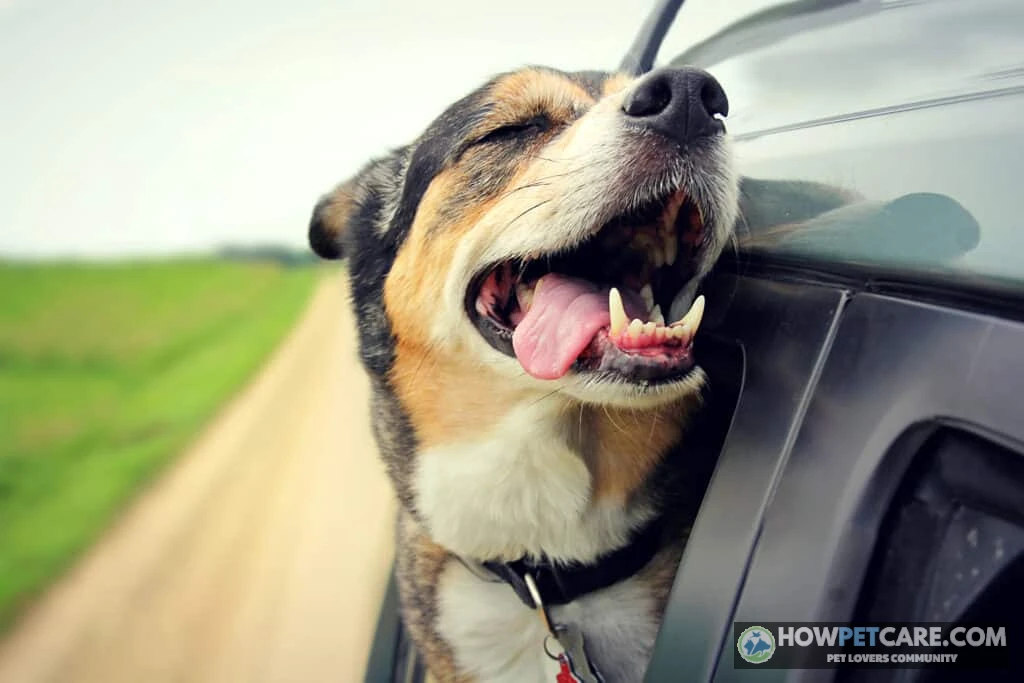
Evidence: limited and less predictable than veterinary treatment. Ginger may be worth discussing for mild, occasional queasiness, but don’t rely on it when a dog vomits on most trips. A veterinarian can assess whether motion sickness or another problem is causing the symptoms.
Joints and inflammation
Evidence: preliminary. Gingerol has anti-inflammatory properties, but that alone doesn’t show that feeding ginger relieves arthritis pain in dogs. Don’t substitute ginger for prescribed pain relief or delay an exam for stiffness or mobility changes.
Claims to ignore
There isn’t enough dog-specific evidence to rely on ginger for heartworm prevention, cognition, cancer prevention, or cholesterol control. One reported study found a reduction in heartworm microfilariae, but that isn’t proof that ginger prevents heartworm infection or replaces an approved preventive. Use veterinary-recommended parasite prevention.
30-Second Checklist: Which Dogs Should Not Have Ginger
Answer each question before feeding ginger. A “yes” means don’t start without veterinary advice; the risk depends on the dog, medication, and amount.
| Check | Verdict if yes |
|---|---|
| Is your dog taking a blood thinner or antiplatelet medicine? | Don’t feed unless your veterinarian approves; ginger may affect clotting. |
| Is your dog taking an NSAID, such as aspirin or another anti-inflammatory drug? | Ask the vet first; avoid combining supplements or foods with medication without guidance. |
| Is surgery planned within about two weeks? | Don’t give ginger without the surgical team’s approval because of possible clotting effects. |
| Does your dog have a bleeding disorder or unusual bruising? | Don’t feed until your vet advises you. |
| Is your dog diabetic or taking insulin or glucose-lowering medication? | Ask the vet first; ginger may affect blood sugar. |
| Does your dog have heart disease or take heart medication? | Ask the vet first; ginger may affect blood pressure. |
| Does your dog have gallbladder disease, GERD, or diagnosed gastrointestinal disease? | Ask your vet whether ginger is appropriate. |
| Is your dog pregnant or nursing? | Don’t use routinely; ask your veterinarian because safety information is limited. |
| Is your dog under 6 months old? | No DIY dose; ask your veterinarian. |
| Has your dog reacted badly to new foods or supplements? | Avoid introducing ginger without veterinary advice. |
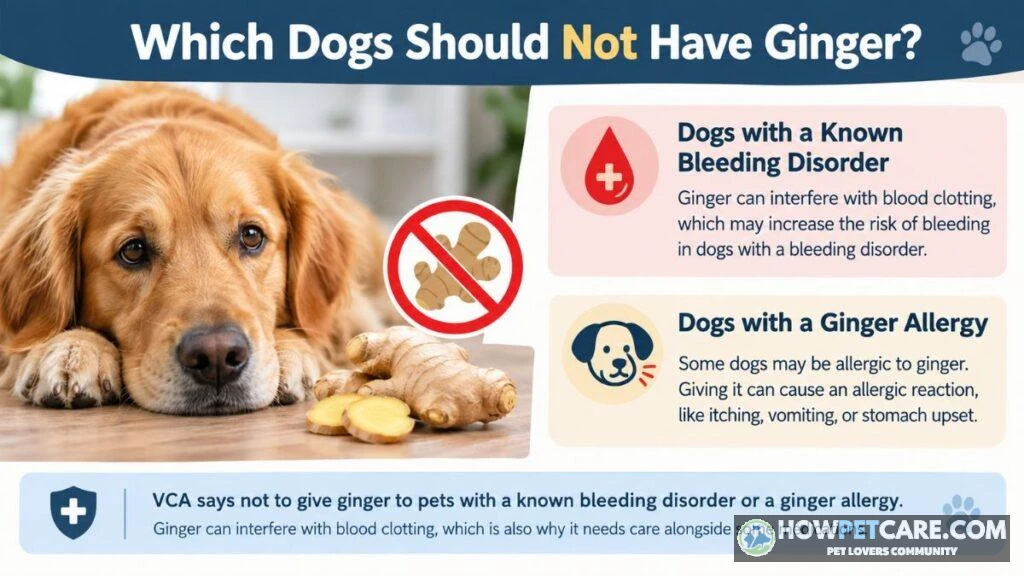
Ginger may affect clotting, blood sugar, and blood pressure, so these checks matter most for dogs with relevant conditions or medications. If your dog takes any daily prescription, ask the prescribing veterinarian before adding ginger.
My Dog Ate Too Much Ginger: Symptoms and Step-by-Step Response
A little gas, burping, loose stool, or brief lip-licking after tasting spicy ginger can be a mild reaction. Vomiting, repeated diarrhea, heavy drooling or foaming, lethargy, or abdominal pain are more concerning, especially after a large amount or a product with other ingredients. These signs don’t identify the cause, so consider the whole product and your dog’s condition.
First-hour action steps
- Remove the food and identify what was eaten. Note whether it was plain root, powder, pickled ginger, candied ginger, a cookie, or a drink. Keep the package or recipe.
- Estimate the amount and time. Record your dog’s weight, how much may be missing, and when the ingestion happened.
- Check the ingredients immediately. Look for xylitol (also called birch sugar), nutmeg, chocolate, raisins, and alcohol. If xylitol is listed or might be present, call a veterinarian or animal poison hotline now; don’t wait for symptoms.
- Don’t induce vomiting unless a veterinarian specifically instructs you to. Don’t give another home remedy to counteract the food.
- Call for advice when the amount is large, ingredients are uncertain, or symptoms develop. For a small taste of plain ginger with no symptoms, offer water and monitor. Ask a vet how long to monitor based on the product and your dog; don’t withhold water or food for an extended period without veterinary direction.

When you call, have the package, your dog’s weight, the estimated amount, and the time eaten ready. In the United States, ASPCA Animal Poison Control can be reached at (888) 426-4435 and Pet Poison Helpline at (855) 764-7661; fees may apply.
When to go straight to the emergency vet
Seek urgent veterinary help for collapse, weakness, tremors, seizures, a swollen or painful abdomen, repeated vomiting, or blood in vomit or stool. Call promptly for any possible xylitol ingestion, even if your dog seems normal. Puppies, senior dogs, and very small dogs warrant a lower threshold for a call because the same amount can represent a larger exposure for them.
If your dog licks their lips or foams slightly after tasting ginger, the spicy taste may be irritating their mouth. Offer water and monitor; call a veterinarian if the foaming persists, worsens, or comes with vomiting, weakness, or other symptoms.
How Often Can Dogs Have Ginger? Occasional Treat vs Daily Use
For a healthy adult dog, keep ginger occasional rather than make it a daily supplement. A small food topper a few times a week may be tolerated, but there isn’t enough evidence to establish a universally safe long-term schedule. If you’re considering daily use, talk with your veterinarian first—especially if your dog has a condition or takes medication.
Stop if your dog develops loose stool, vomiting, reduced appetite, unusual bruising, or bleeding. Don’t raise the amount to chase extra benefits. Long-term or repeated use may carry risks related to stomach irritation, blood sugar, clotting, or medication interactions; those concerns are reasons for veterinary oversight, not proof that every dog will experience them.
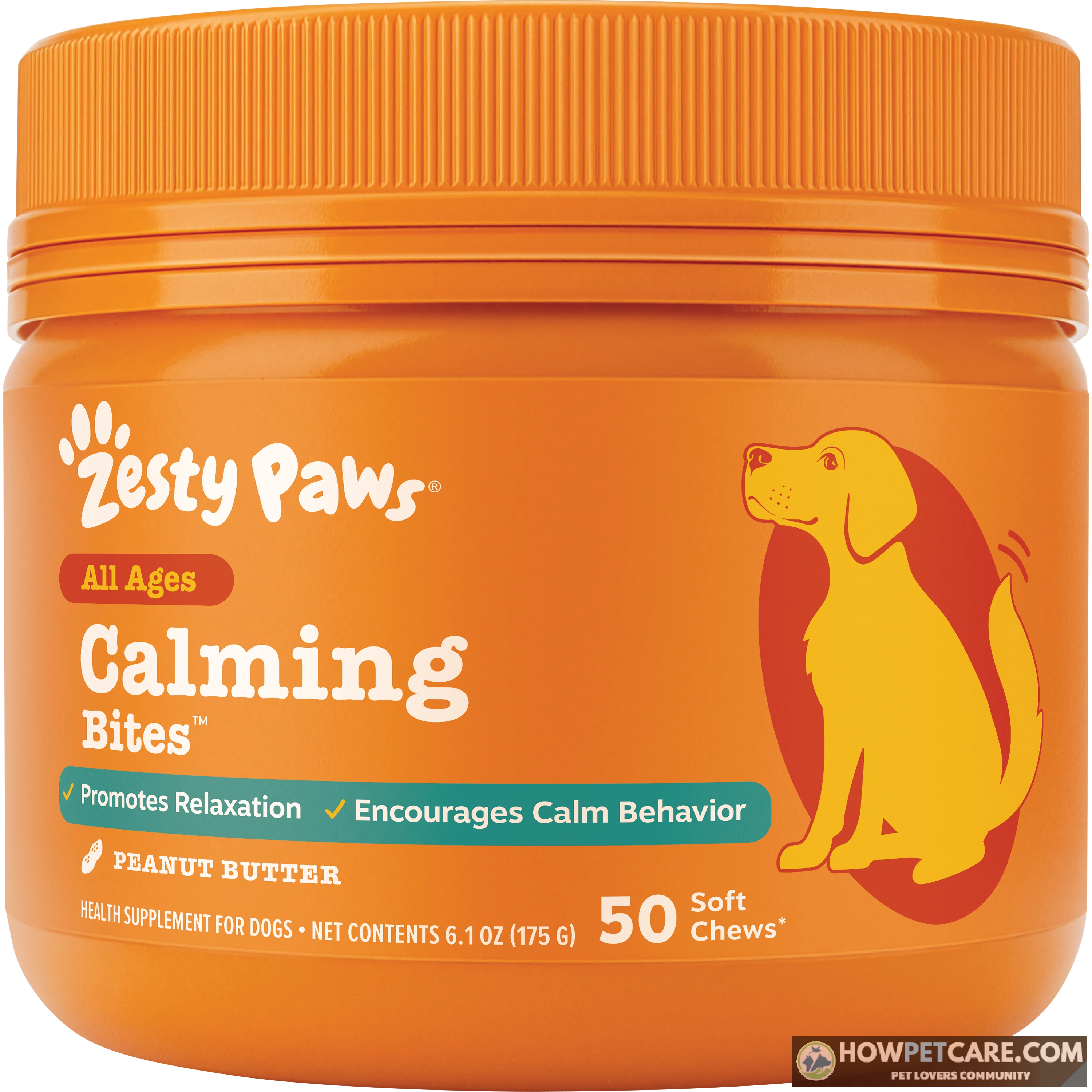
Dog-formulated products may offer a more consistent measured serving than human foods, but they still need an ingredient and medication-safety check. Don’t assume a supplement is safe just because it’s marketed for pets.
When Ginger Isn’t Enough: Vet Care and Anti-Nausea Drugs Like Maropitant
Contact a veterinarian rather than rely on ginger if vomiting is repeated, comes with diarrhea or blood, your dog can’t keep water down, or your dog seems weak, lethargic, painful, or bloated. Seek advice sooner for a puppy, senior, or very small dog. Suspected toxin ingestion or a possible blockage isn’t a home-remedy situation.
Ginger vs. maropitant for car sickness
Maropitant, sold as Cerenia, is a prescription anti-nausea medication with an established veterinary role in preventing vomiting from motion sickness. Ginger is a food ingredient with less predictable effects and no equivalent dosing reliability. Your veterinarian can decide whether maropitant is appropriate and explain its use for your dog; don’t use another dog’s prescription.
| Option | Best suited to | Evidence and dosing | Limitations |
|---|---|---|---|
| Plain ginger | At most, mild occasional queasiness in a healthy adult dog, with vet approval where needed | Evidence for dogs is limited; food amounts are not a prescription dose | May not work; can irritate the stomach and interact with health conditions or medicines. |
| Maropitant (Cerenia) | Motion sickness or vomiting when a veterinarian recommends it | Prescription medication with a veterinary dosing plan | Requires veterinary assessment; follow the prescription and label. |
| Peppermint or essential oils | Not a default home treatment | Concentrated products have different risks from food | Ask a vet before using; do not give essential oils by mouth. |
For mild car queasiness, ask your veterinarian whether ginger is reasonable for your dog. If vomiting happens on most trips, discuss maropitant or another veterinary plan instead of increasing ginger. Persistent vomiting after a trip needs assessment, not another dose.

Your Ginger Decision Guide: What to Do Next
- Run through the contraindication checklist. If your dog is on medication, has a relevant health condition, is pregnant or nursing, or is under 6 months, ask your veterinarian first.
- Choose a plain form only: finely grated fresh root or pure powder. Skip cookies, gingerbread, pickled ginger, candied ginger, and ginger ale.
- Use the weight table conservatively. Start with half the listed amount, and keep small dogs’ lower per-pound limit in mind.
- Mix it into food and watch for a reaction. Stop if your dog develops vomiting, diarrhea, reduced appetite, or unusual signs.
- If your dog ate a human ginger product, check the label for xylitol, nutmeg, chocolate, raisins, and alcohol. Call promptly for possible xylitol or any severe symptoms.
- Use ginger only as an occasional food addition, not as a treatment plan. Contact your veterinarian for persistent nausea, repeated vomiting, motion sickness that disrupts travel, or any concern about your dog’s health.
This guide provides general food-safety information, not a diagnosis or treatment plan. A veterinarian who knows your dog should advise on ginger, nausea, motion sickness, medication interactions, and accidental ingestion.
FAQ
Can dogs eat raw ginger root?
Yes, in small amounts. Peel and finely grate or mince it rather than giving chunks, which can be a choking hazard and are tough to digest.
Is ginger safe for dogs with an upset stomach?
For mild queasiness, a small dose of plain ginger mixed into food may help in healthy adult dogs. If vomiting continues beyond a day or shows up with other symptoms, see a vet.
Can dogs have ginger tea?
A small amount of cooled, unsweetened, caffeine-free ginger tea is generally OK occasionally. Avoid blends with sweeteners, caffeine, or other herbs.
Is ginger or peppermint better for dog nausea?
Ginger has more support as a mild antiemetic. Peppermint isn’t a safe default, since concentrated forms like essential oils can irritate or harm dogs.
Can pregnant or nursing dogs have ginger?
Ask your vet first. There’s not enough safety data to recommend it routinely during pregnancy or nursing.
Does ginger prevent heartworm in dogs?
No. There is no good evidence that ginger prevents heartworm, so use a vet-prescribed preventive.