

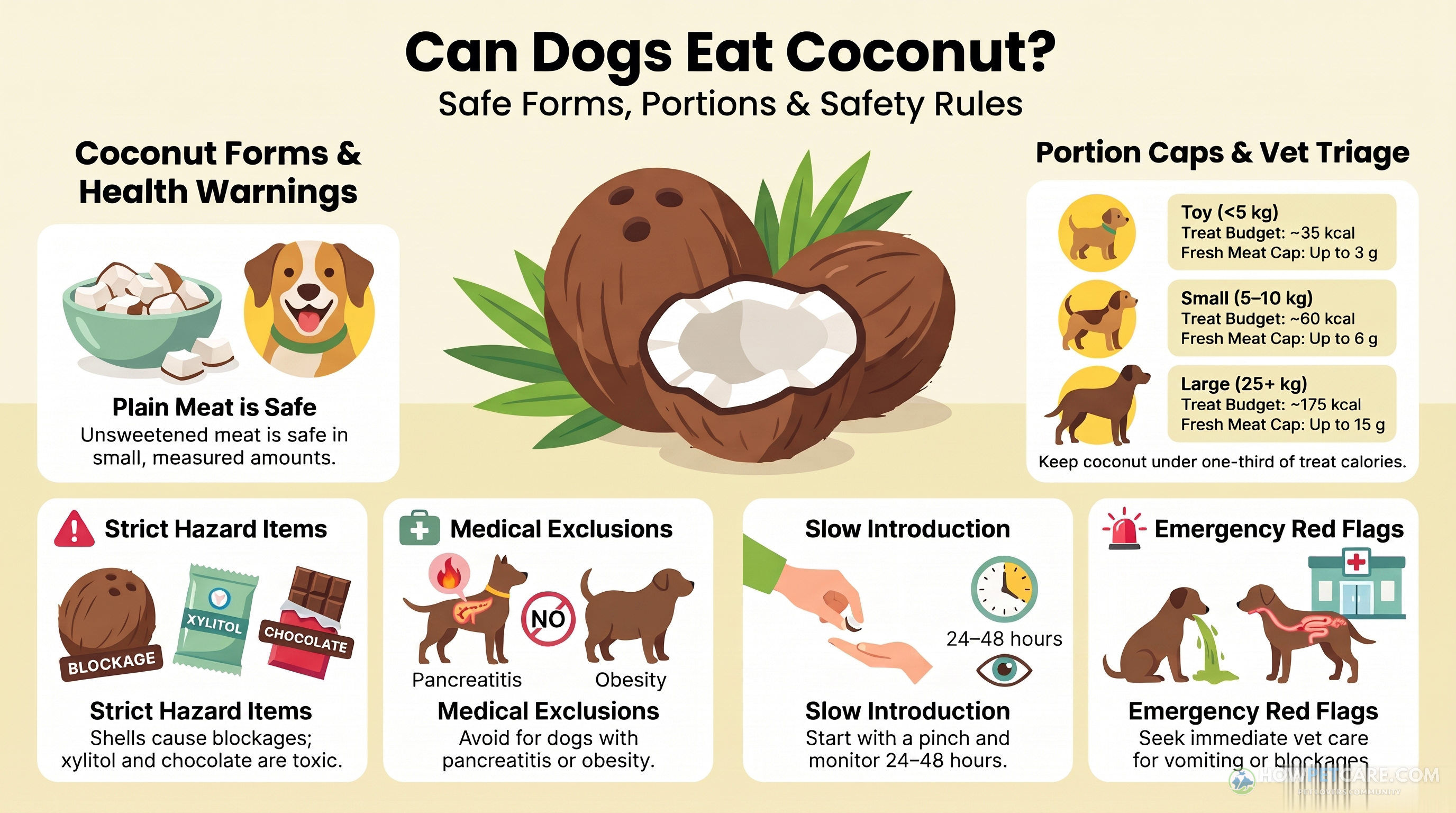
Yes — plain coconut meat is safe for most dogs in small, measured portions; coconut isn’t toxic to them. The real risks are its high fat and calorie load, stomach upset, sugary or xylitol-containing products, and choking or blockage from shell and husk. Follow weight-based caps and skip coconut for dogs prone to pancreatitis.
Yes—most dogs can eat plain coconut meat in measured portions; coconut isn’t toxic to dogs. The main concerns are its high fat and calorie content, stomach upset, risky additives, and the choking or blockage hazard from shell and husk. If your dog already ate coconut, go to “My Dog Ate Coconut” below for the right next step.
Fresh coconut meat has about 33 g of fat and 354 calories per 100 g. Even a modest portion can take up a meaningful share of a dog’s treat calories. Too much may cause vomiting or loose stool, and high-fat foods can be a concern for dogs prone to pancreatitis. The ASPCA lists coconut and coconut oil as non-toxic, but notes that they can cause gastrointestinal upset.
Coconut is safe for many dogs, but it’s calorie-dense. The portions below are conservative ceilings, not targets; start with less. They’re estimates, not veterinary prescriptions. Ask your veterinarian before adding coconut if your dog has a medical condition or a history of digestive trouble.
Coconut Meat, Oil, Water, Milk, Flour, Sugar and Shell: Safe, Risky or Off-Limits
Use this table to identify each product and its main concern. Values are approximate and vary by product and preparation. “Daily cap” refers to the portion guidance below; it doesn’t mean you should feed coconut every day.
| Coconut form | Verdict | Calories and fat per typical serving | Main risk | Daily cap |
|---|---|---|---|---|
| Fresh coconut meat | Safe in measured amounts | About 3.5 kcal and 0.33 g fat per gram | Excess fat can upset the stomach | Use no more than about one-third of the treat budget; see portion table |
| Unsweetened dried or shredded coconut | Safe in measured amounts | About 6.5 kcal per gram | Concentrated calories; easy to overfeed | About half the fresh-meat gram amount |
| Sweetened flakes or macaroons | Avoid as a treat | Often 6 or more kcal per gram; varies | Added sugar, fat, and potentially toxic mix-ins | None recommended |
| Coconut oil | Use with caution | About 40 kcal per teaspoon | Nearly all fat; diarrhea or pancreatitis risk | Conservative ceiling: 1 tsp per 10 kg daily; start at one-quarter of that |
| Plain coconut water | Use with caution | About 19 kcal per 100 ml | Sugar and potassium | Occasional, within the weight-based cap; never a water replacement |
| Coconut milk or cream | Use with caution | Full-fat canned milk: about 2 kcal per ml | Very fat-dense; sweetened versions add sugar | Only a few milliliters; see portion table |
| Unsweetened coconut yogurt | Use with caution | Roughly 1–2 kcal per gram; check label | Fat, sugar, and possible xylitol | One small spoonful if ingredients are safe, counted within the coconut calorie cap |
| Coconut flour | Use sparingly | About 4.5 kcal per gram | Dense fiber may cause gas or loose stool | Tiny pinches only, counted within the coconut calorie cap |
| Coconut sugar | Avoid | About 3.8 kcal per gram | Added sugar with no nutritional need | None |
| Coconut-flavored snacks, bars, or ice cream | Avoid | Varies; often high in sugar or fat | May contain xylitol, chocolate, raisins, or macadamias | None |
| Shell and husk | Never feed | Not applicable | Choking, splinters, or intestinal blockage | Zero |
Coconut meat, flakes and dried or shredded coconut
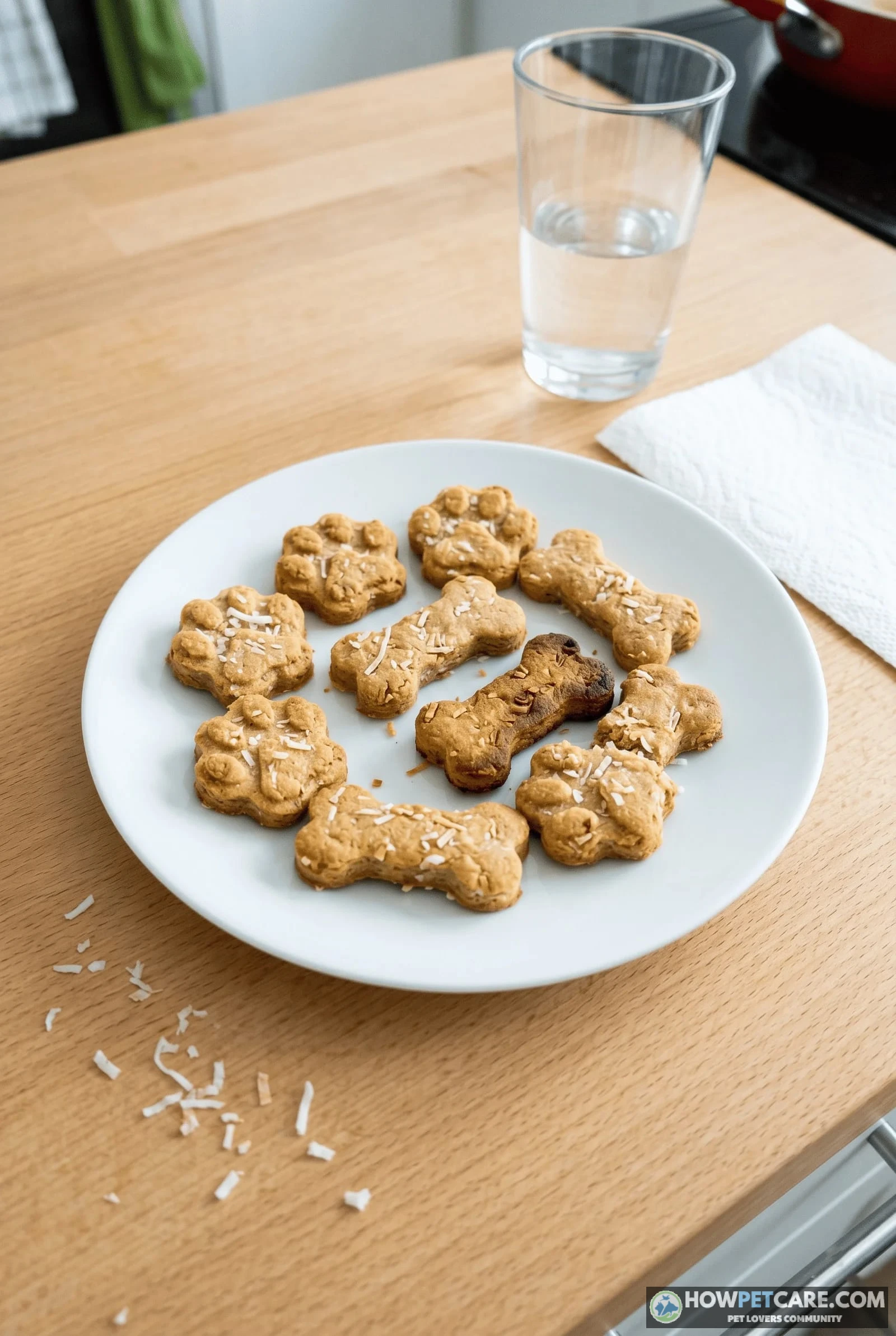
Dogs can eat plain fresh coconut meat, and unsweetened dried coconut is also acceptable in small amounts. Dried coconut has more calories per gram than fresh meat, so use roughly half as much by weight. Remove the brown outer skin if it’s tough, cut the meat into small pieces, and never offer the shell.
Why sweetened and toasted coconut is a poor choice
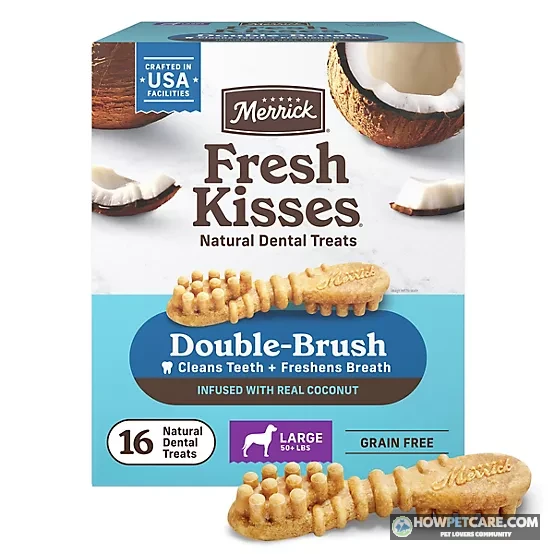
Sweetened flakes, macaroons, and toasted coconut snacks add sugar and calories to an already fatty food. Baked goods may also contain chocolate, raisins, or macadamia nuts. Don’t share them. If your dog has eaten a product with a dangerous ingredient, follow the emergency guidance below.

How Much Coconut Can a Dog Eat? Grams, Teaspoons and Milliliters by Body Weight
These figures are conservative maximums for a healthy adult dog. Choose one coconut form on a given day rather than giving the maximum in every column. Coconut should account for no more than about one-third of your dog’s treat-calorie budget. Other treats and table scraps still count toward the overall 10% treat rule.
| Dog weight | Approx. daily calories (adult, neutered) | 10% treat budget (kcal) | Fresh meat (g) | Dried unsweetened flakes (g) | Coconut oil (tsp) | Coconut water (ml) | Full-fat coconut milk (ml) |
|---|---|---|---|---|---|---|---|
| Under 5 kg (toy) | About 375 | About 35 | Up to 3 g (about 11 kcal) | Up to 1.5 g (about 10 kcal) | Up to 0.1 tsp (about 4 kcal) | Up to 50 ml (about 10 kcal) | Up to 5 ml (about 10 kcal) |
| 5–10 kg (small) | About 630 at 10 kg | About 60 | Up to 6 g (about 21 kcal) | Up to 3 g (about 20 kcal) | Up to 0.25 tsp (about 10 kcal) | Up to 100 ml (about 19 kcal) | Up to 10 ml (about 20 kcal) |
| 10–25 kg (medium) | About 1,060 at 20 kg | About 105 | Up to 10 g (about 35 kcal) | Up to 5 g (about 33 kcal) | Up to 0.5 tsp (about 20 kcal) | Up to 150 ml (about 29 kcal) | Up to 15 ml (about 30 kcal) |
| 25 kg and over (large) | About 1,780 at 40 kg | About 175 | Up to 15 g (about 53 kcal) | Up to 7.5 g (about 49 kcal) | Up to 1 tsp (about 40 kcal) | Up to 250 ml (about 48 kcal) | Up to 25 ml (about 50 kcal) |
Calorie needs are estimates, not a substitute for your dog’s feeding plan. A common starting estimate for a neutered adult is about 70 × body weight in kilograms raised to the 0.75 power, then multiplied by about 1.6. Individual needs vary with age, activity, body condition, and health. Treat calories should generally stay at or below 10% of the day’s calories. The same 10% rule governs blueberry portions for dogs and other fruit treats.
The calorie figures use approximate standard values: fresh meat about 3.5 kcal per gram, dried coconut about 6.5 kcal per gram, oil about 40 kcal per teaspoon, water about 19 kcal per 100 ml, and canned full-fat milk about 2 kcal per ml. Products vary, so check labels where available. These caps deliberately limit coconut to roughly a third of the treat budget; they aren’t a complete daily allowance for all treats.
Working out your dog’s 10% treat budget
For a 10 kg neutered adult, an estimate of 630 kcal per day gives a treat budget of about 60 kcal. One-third of that is about 20 kcal for coconut. That might be around 6 g of fresh meat, 3 g of dried flakes, or half a teaspoon of oil. Count coconut water and milk too, even though their calorie values differ.
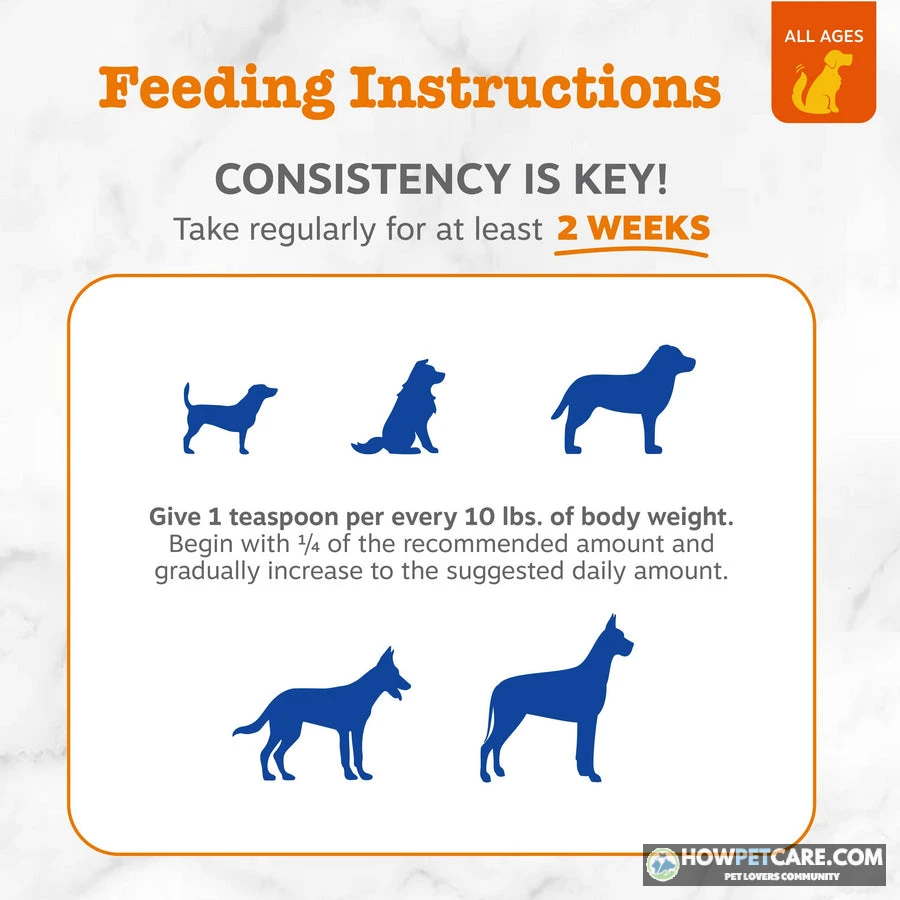
If your dog has already had other treats or fatty table scraps that day, reduce the coconut portion or skip it. For oil, don’t exceed the conservative ceiling of 1 teaspoon per 10 kg per day, and start at one-quarter of that amount. Where this ceiling and the portion table differ, use the lower amount. This ceiling doesn’t mean oil is beneficial or suitable for every dog.
How to introduce coconut without upsetting the dog’s digestive system
Start with a pinch or one small piece, and introduce only one new food at a time. Watch for changes in stool, vomiting, gas, or appetite over the next 24–48 hours. Stop if your dog’s stool softens or your dog seems unwell. Skip coconut on days when your dog has other fatty treats. Use the same slow approach for other fruit treats, such as plain watermelon flesh for dogs.
Coconut Oil for Dogs: What the Evidence Supports and What Is Folklore
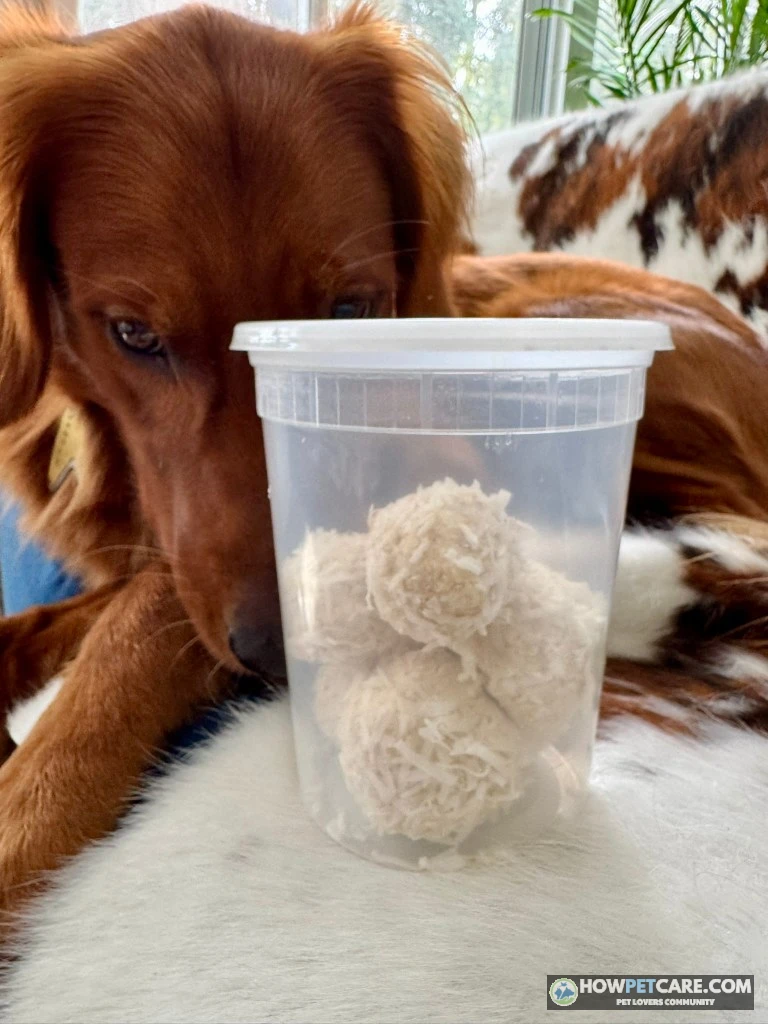
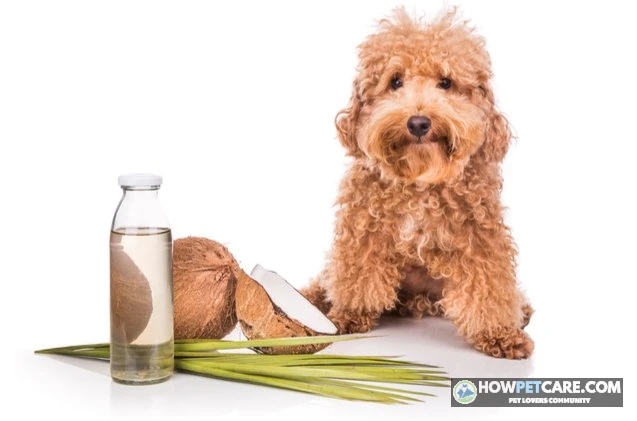
Coconut oil contains medium-chain triglycerides (MCTs), including lauric acid. Kitchen coconut oil isn’t interchangeable with purified MCT oil, and evidence about one doesn’t prove benefits from the other. Coconut oil is high in saturated fat, so it adds calories quickly and may cause digestive upset.
| Claim | Evidence level | What owners should know |
|---|---|---|
| Adds shine to skin or coat | Unproven for coconut oil as a treatment | Controlled evidence in dogs is scarce; persistent skin problems need veterinary assessment |
| Relieves itching or dermatitis | Unproven | Don’t use it instead of diagnosing allergies, infection, or another skin condition |
| Supports cognition in senior dogs | Limited and indirect | Canine research has examined MCT-enriched diets, not established kitchen coconut oil as a treatment |
| Improves digestion or immunity | Unproven | Overfeeding can instead cause loose stool or other GI upset |
| Antiviral, antifungal, or antibacterial effects in dogs | Unproven as a reason to supplement | Laboratory or general claims don’t establish a safe, effective canine treatment |
| Freshens breath or supports dental health | Unproven | Coconut oil doesn’t replace tooth brushing or veterinary dental care |
Claims about coconut oil for coat, skin, digestion, and other benefits are widespread, but available evidence doesn’t support treating it as a proven supplement. Fish oil, which supplies omega-3 fatty acids, has stronger evidence for some veterinary skin and inflammatory uses. Ask your veterinarian whether it suits your dog. Olive oil and coconut oil both provide about 40 calories per teaspoon, but neither is required in a complete diet, and olive oil isn’t a proven substitute for veterinary care.
If your veterinarian approves coconut oil, mix the measured amount into food rather than giving it on an empty stomach. A dog that licks oil applied to its skin swallows it, too, so count those calories. Dogs with a history of pancreatitis, obesity, or a high-fat diet should generally skip it unless their veterinarian says otherwise.

Coconut Water, Coconut Milk, Yogurt, Flour and Sugar: Where Added Ingredients Create the Danger
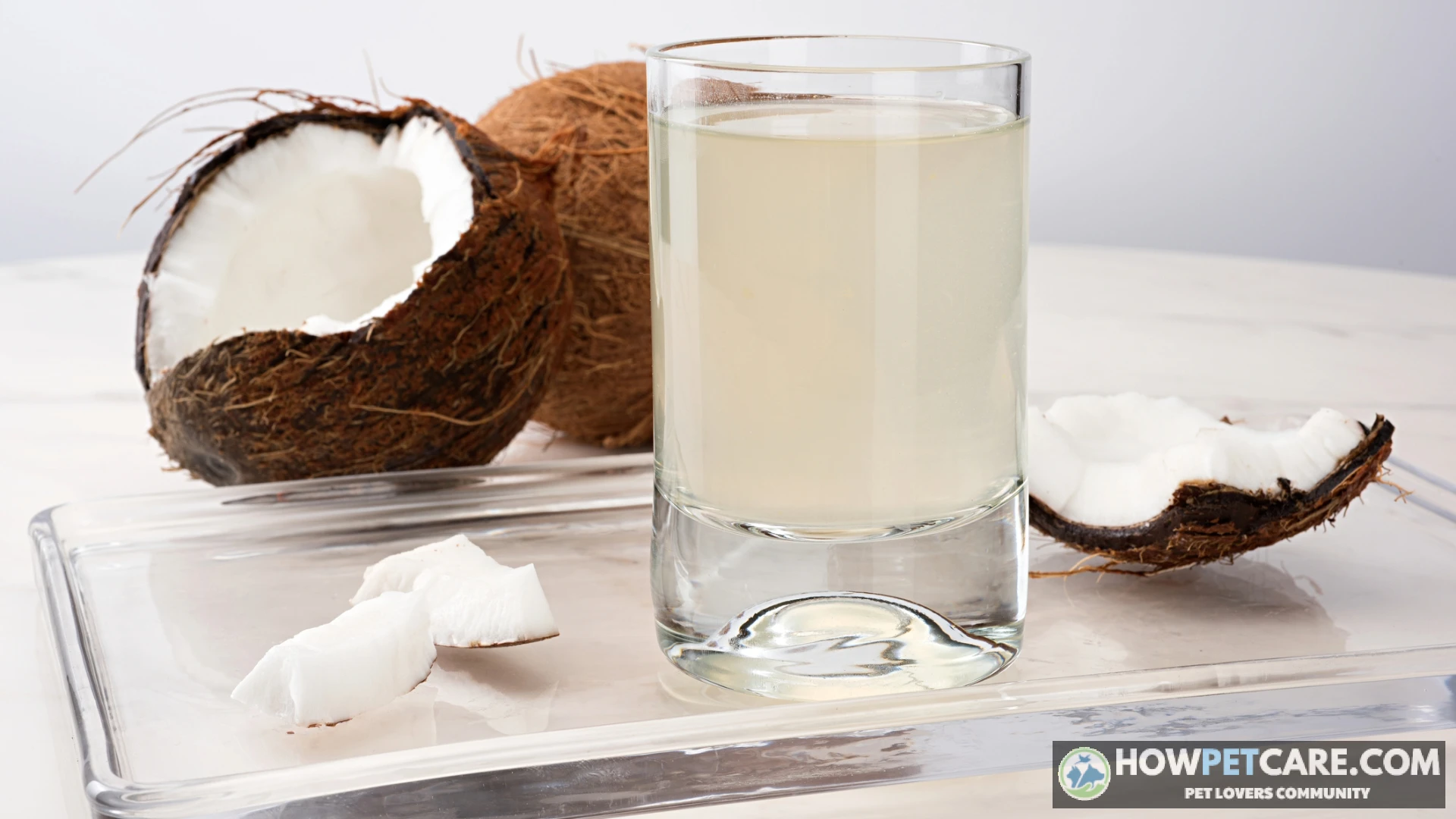
You can offer plain, unsweetened coconut water occasionally within the portion cap, but it should never replace fresh water. It contains sugar and potassium. Avoid flavored versions and products with added sugar, caffeine, or human electrolyte blends. Dogs with kidney disease or electrolyte problems shouldn’t have coconut water unless their veterinarian specifically approves it.
Is coconut milk safe for dogs to drink?
A small taste of unsweetened coconut milk isn’t automatically toxic, but full-fat canned milk and cream pack a lot of calories and fat. Carton beverages are often more diluted, but their ingredients and nutrition vary. Don’t assume a carton drink is safe just because it says “coconut”; check the label and keep portions very small. Avoid sweetened milk and cream.
Can dogs have coconut yogurt?
Consider only a small spoonful of plain, unsweetened coconut yogurt, and only if its ingredient list is free of unsafe additives. Be especially careful with sugar-free products, which may contain xylitol. “Sugar-free” doesn’t guarantee safety.
Coconut flour isn’t toxic, but its high fiber content and calorie density make it a poor standalone treat. Coconut sugar is still added sugar and offers dogs no benefit. Skip both as routine treats.
Coconut products containing xylitol or chocolate
Before sharing a packaged coconut snack, check the full ingredient list for:
- Xylitol, also called birch sugar or wood sugar. Any suspected ingestion is an emergency; don’t wait for symptoms.
- Chocolate or cocoa, including in bars, macaroons, and granola.
- Raisins or sultanas, which can cause kidney injury.
- Macadamia nuts, which can cause weakness and tremors.
- Added sugars and syrups, which increase calories without making the food more suitable for dogs.
- Caffeine or coffee, including in coconut-coffee snacks.
A coconut flavor doesn’t mean a product contains plain coconut. If your dog has eaten a product containing xylitol, chocolate, raisins, or macadamias, call a veterinarian or animal poison-control service now, even if your dog seems well. Our guide to safe and toxic fruit for dogs covers grape and raisin emergencies step by step.

Coconut Shell and Husk: Blockage Risk, Timeline and What to Do First
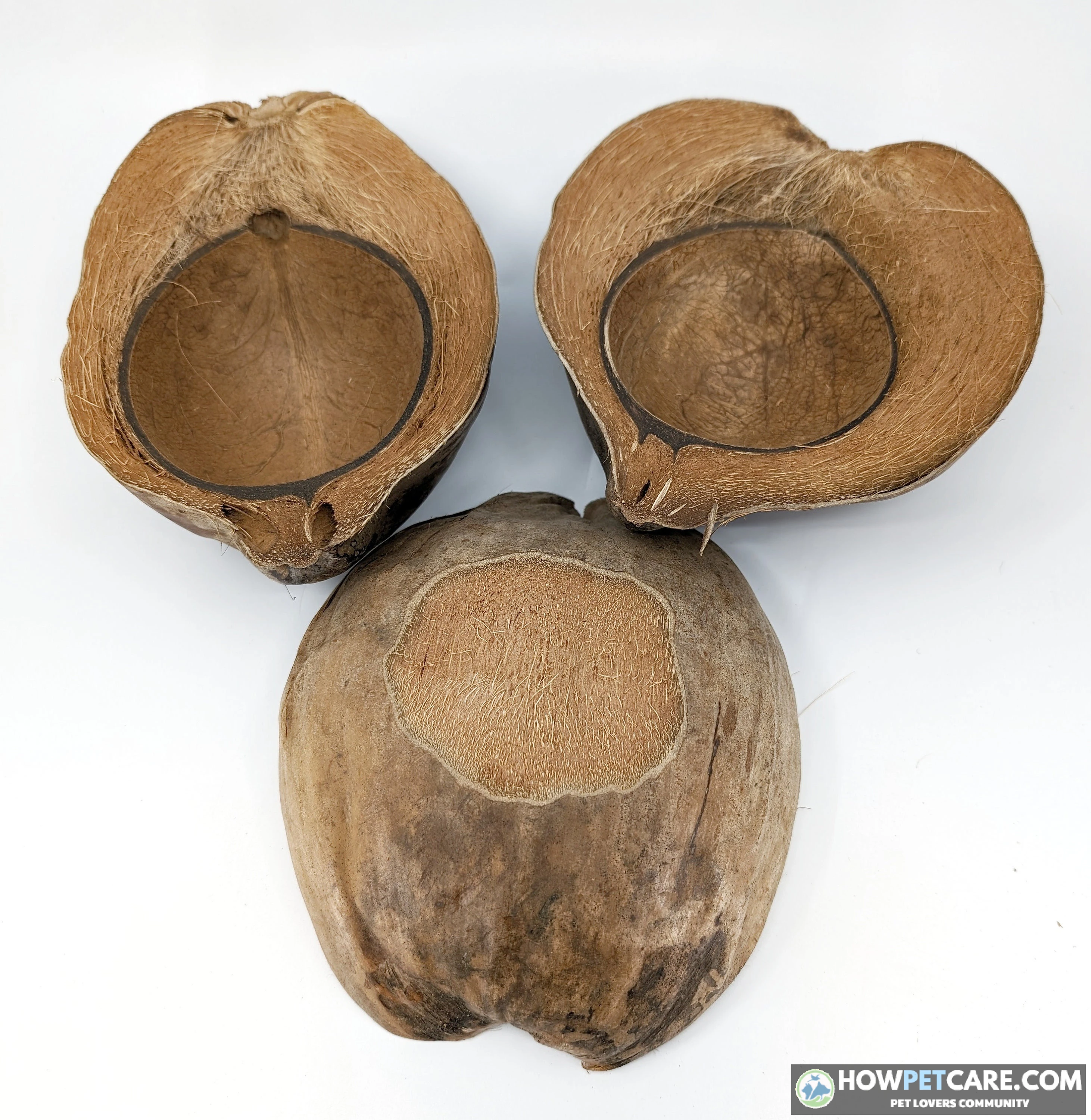
Shell and husk aren’t food. They’re hard or fibrous, difficult to digest, and can cause choking, mouth or throat injury, or an intestinal blockage. A swallowed shell chunk is more concerning than a few chewed fibers, but a veterinarian should assess the amount and your dog’s size. Contact a veterinarian if your dog swallows coconut shell. Other fruits carry similar hard-part hazards—see what to do if a dog swallows a pineapple core.
My dog swallowed coconut husk: first steps
- Remove any remaining coconut pieces and keep the rest out of reach.
- Don’t induce vomiting unless a veterinarian tells you to.
- Call your veterinarian with your dog’s weight, the type and estimated amount swallowed, and when it happened. Don’t give more food while you’re getting advice.
- Follow the veterinarian’s instructions. They may recommend monitoring or an examination, and imaging may be needed if your dog swallowed a larger piece.
Small fibers may pass, but you can’t safely tell at home. Larger pieces and small dogs are more concerning. Vomiting, loss of appetite, or lethargy may begin within hours. Repeated vomiting, abdominal pain, straining, or failure to pass stool can develop over the following 24–72 hours. Seek urgent veterinary care if these signs appear.
To prevent another incident, cut the meat away from the shell before offering it. Never give shell halves as chew toys, and keep whole coconuts out of reach.
Coconut for Puppies, Senior Dogs and Dogs with Pancreatitis, Obesity, Diabetes, Cushing’s or Kidney Disease
| Dog group | Verdict | Why | Practical limit or next step |
|---|---|---|---|
| Weaned puppy | Okay with limits | Young dogs may be more sensitive to dietary changes and fat | Start at half the weight-based amount; introduce no other new food that week; never offer shell |
| Healthy adult | Okay with limits | Main concerns are calories, fat, and tolerance | Follow the portion table; keep coconut to about one-third of the treat budget |
| Senior dog | Okay with limits | Age itself is not a ban, but other health issues are more common | Halve the starting amount and check for weight, kidney, or pancreatic concerns |
| Pancreatitis history | Avoid unless vet approves | High-fat foods may be unsuitable for dogs prone to pancreatitis | Avoid oil, meat, and milk unless your veterinarian approves them |
| Obesity or weight-loss plan | Vet first; usually skip | Coconut is calorie-dense and not nutritionally necessary | Skip it or use only the lowest portion if your veterinarian agrees; count every calorie |
| Diabetes | Vet first | Added sugar and total calories need consideration | Avoid sweetened products and coconut water; ask before offering plain meat |
| Cushing’s disease | Vet first | The condition and its treatment may affect blood fats and pancreatitis risk | Ask your veterinarian before offering a high-fat food |
| Kidney disease or electrolyte issue | Avoid coconut water unless vet approves | Coconut water contains potassium; meat also contributes minerals | Skip water and ask your veterinarian about meat or other forms |
| Chronic GI sensitivity | Use cautiously or skip | Fat and dietary changes can trigger soft stool | Start with a pinch only if your vet agrees; stop at the first sign of upset |

Weaned puppies can try a pinch of plain meat, but use half the adult weight-band amount and introduce nothing else new that week. Seniors don’t have an automatic coconut ban, but start with half the usual amount and account for any other health conditions. MCT research in senior dogs isn’t a reason to supplement with kitchen coconut oil.
For dogs with kidney disease, coconut water’s potassium is a particular concern; don’t offer it without veterinary approval. If your dog has pancreatitis, a history of it, diabetes, Cushing’s disease, obesity, or chronic digestive problems, ask your veterinarian before adding coconut. A veterinary nutritionist can assess a supplement or diet change against your dog’s full nutritional plan.
My Dog Ate Coconut: Watch at Home or Call the Vet Now
Choose the lane that matches what your dog ate and how your dog is acting. If you don’t know whether a product contains a dangerous ingredient, call rather than waiting for symptoms.
Mild GI upset after coconut: monitor at home
If your dog ate a small amount of plain meat, oil, or water and is alert and acting normally, keep fresh water available and offer no more coconut. A little gas, one episode of vomiting, or one or two loose stools may be mild digestive upset. Check the label, then watch your dog over the next 24–48 hours. Don’t routinely withhold food; if your dog’s stomach seems unsettled, ask your veterinarian whether to pause the next meal.
Signs that mean call your vet today
Call your veterinarian the same day if your dog swallowed any shell or husk, ate a large amount of fatty coconut, vomits more than twice, has diarrhea lasting longer than 24 hours, refuses food, becomes lethargic, or has a hunched or tender belly. Contact the vet sooner if a puppy, senior, or dog with a pancreatitis history develops symptoms.
Emergency signs: go now
Seek emergency veterinary care for repeated vomiting or retching, severe abdominal pain, straining without passing stool, collapse, tremors, marked weakness, facial swelling, or trouble breathing. Suspected xylitol or chocolate exposure is an emergency, even before symptoms start. Raisin or macadamia ingestion also needs prompt veterinary advice.
Pancreatitis can cause vomiting, abdominal pain, a “prayer position” with the front end lowered, fever, and lethargy. Signs may appear 12–72 hours after a fatty meal. Don’t wait for every symptom to appear before calling if your dog is at risk or seems unwell.
When you call, have your dog’s weight, the product and ingredient label, the estimated amount eaten, and the time of ingestion ready. Your veterinarian can advise whether your dog needs monitoring, an examination, or immediate treatment.
Your Coconut Decision Checklist for Dogs
Before offering coconut, work through these steps:
- Identify the form and check its verdict in the comparison table. Meat, oil, water, milk, and yogurt aren’t interchangeable.
- Read the full label. Don’t share products containing xylitol, chocolate, raisins, or macadamias; avoid sweetened snacks.
- Check your dog’s age and health. Ask your veterinarian first if your dog has a condition listed above.
- Look up the weight-based cap and count its calories against the day’s treat budget. Reduce or skip coconut if your dog has already had other treats or fatty scraps.
- Start with a pinch, offer only one new food, and check for digestive changes over 24–48 hours. Stop if symptoms appear.
- Call the veterinarian promptly for shell or husk ingestion, dangerous additives, or any red-flag symptoms.
Coconut is optional; dogs don’t need it for a complete diet. If you’re considering it as a supplement, ask your veterinarian or a veterinary nutritionist whether it fits your dog’s needs.
FAQ
Can dogs eat coconut every day?
Plain coconut meat or a small oil dose can be given daily if it stays within your dog’s weight-based cap and the 10% treat budget. Because it is high in saturated fat, many owners do better with a few times a week, and dogs prone to pancreatitis should not have it daily.
Can dogs eat coconut ice cream?
It is best avoided. Coconut ice cream is high in fat and sugar, and some brands contain xylitol or chocolate, which are dangerous for dogs. Check the label, and if xylitol or chocolate is listed, call your vet.
Can dogs be allergic to coconut?
Coconut allergy in dogs appears to be uncommon but possible. Itching, hives, vomiting or diarrhea after eating coconut suggest a reaction, and facial swelling or trouble breathing is an emergency.
Can I rub coconut oil on my dog’s skin or paws?
A thin layer is generally low-risk, but dogs lick it off, so it counts toward their fat and calorie intake. Evidence that it treats skin conditions is limited, and persistent itching or sores need a vet visit.
Are coconut macaroons or coconut cookies safe for dogs?
No. They are usually loaded with sugar and sometimes contain chocolate, macadamia nuts or raisins, which are harmful to dogs. A bite of a plain one may only cause an upset stomach, but check the ingredients and call your vet if any of those are present.