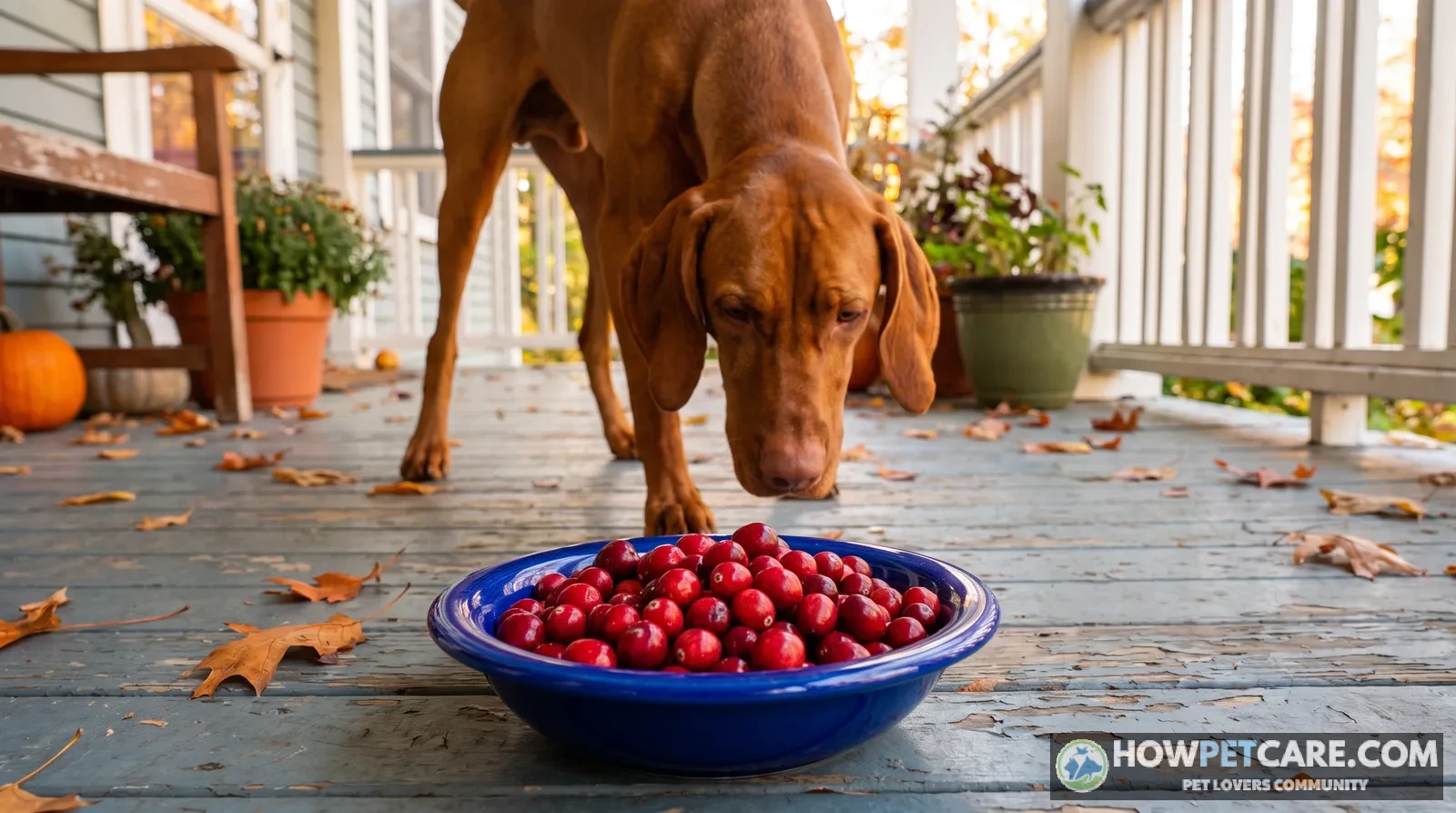

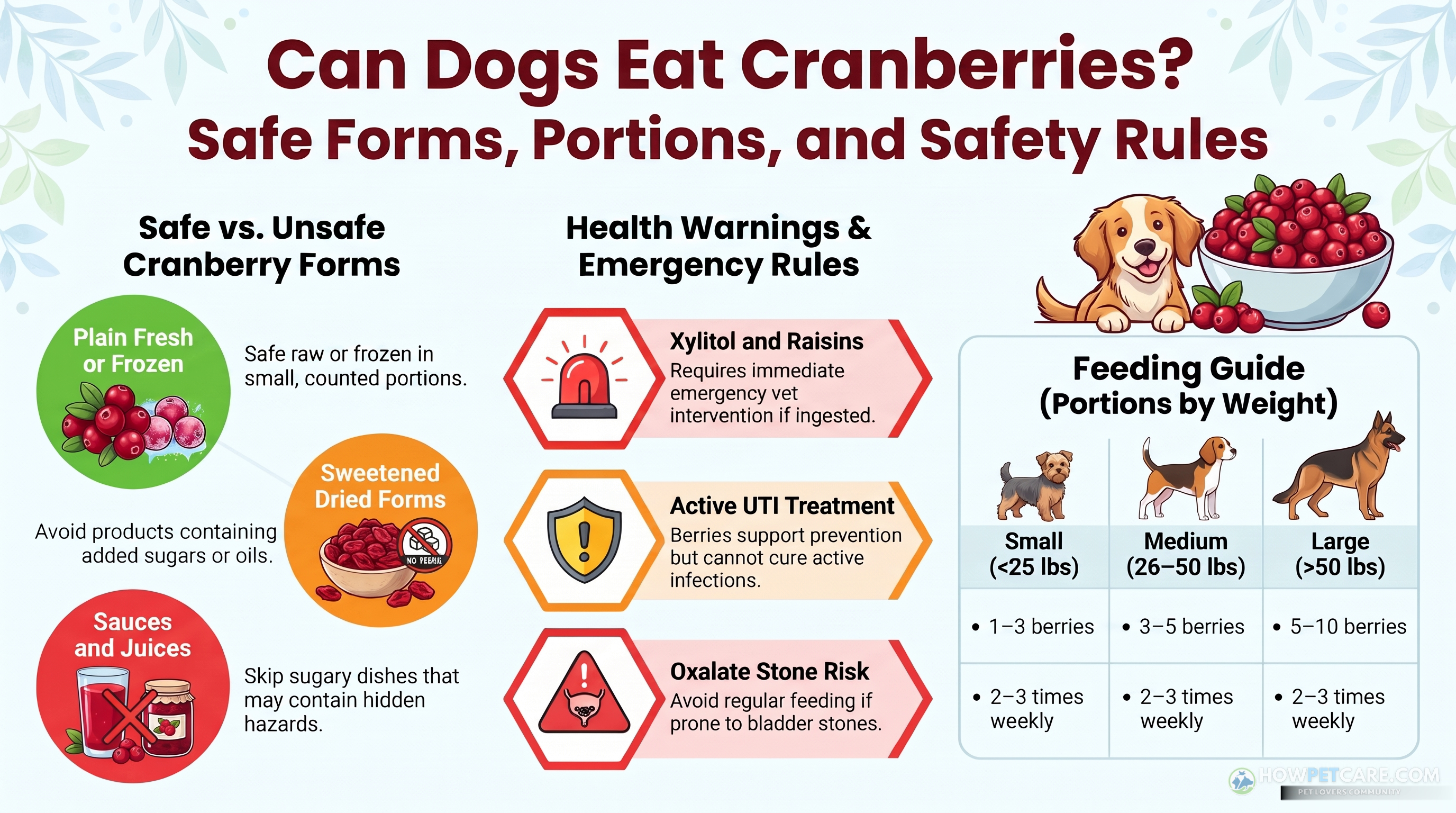
Yes—plain fresh or frozen cranberries are safe for most dogs in small, counted portions. Avoid sweetened dried cranberries, sauce, juice and mixed products with xylitol, raisins, grapes or chocolate; those can be dangerous. Keep cranberries occasional and within the 10% treat rule.
Plain fresh or frozen cranberries are non-toxic to dogs when served in counted portions. The answer changes with the form: dried cranberries, sauce, juice, and mixed products may contain added sugar, xylitol, or raisins—ingredients that can make a cranberry snack dangerous.
This guide covers which forms are safe, how many berries fit your dog’s weight and life stage, what the evidence says about UTIs, and what to do if your dog eats a product with xylitol or raisins.
Yes, Plain Cranberries Are Safe for Dogs. Check the Form Before You Share
Plain cranberries aren’t on the list of toxic foods for dogs. A few fresh or frozen berries are safe for most healthy dogs. They’re tart and fibrous, though, so too many can cause vomiting or loose stool. That’s stomach upset, not poisoning.
The form matters more than the berry itself:
- Ate a few plain fresh or frozen cranberries: monitor at home. Use the portion grid below and watch for digestive upset.
- Ate dried cranberries, craisins, sauce, juice, or a cranberry dish: check the label for xylitol, raisins, grapes, chocolate, or added sugar, then use the form table in the next section.
- Ate anything with xylitol, raisins, or grapes: go to the emergency protocol now. Do not wait for symptoms.
For the berry count by weight, go straight to the portion grid. If your dog has diabetes, pancreatitis, a history of bladder stones, kidney disease, or eats a urinary prescription diet, check the special-population section before offering any cranberry product.
Cranberries are among the fruits dogs can eat, but they offer little everyday nutrition compared with sweeter options such as blueberries. They’re mainly discussed for urinary-tract support, and that support is real but limited, as explained later.
Cranberry Safe vs. Unsafe Table: Fresh, Frozen, Dried, Sauce, Juice and Supplements
Use this table to check the form you have on hand.
| Form | Verdict | Why | What flips the verdict | Suggested serving |
|---|---|---|---|---|
| Fresh, raw | Safe | Non-toxic; risks are tartness-related GI upset and choking | Excess amount; small dog swallowing whole berries | Per portion grid; halve for dogs under 25 lbs |
| Frozen | Safe | Same as fresh; no thawing needed | Choking risk—halve for small dogs and fast eaters | Same counts as fresh |
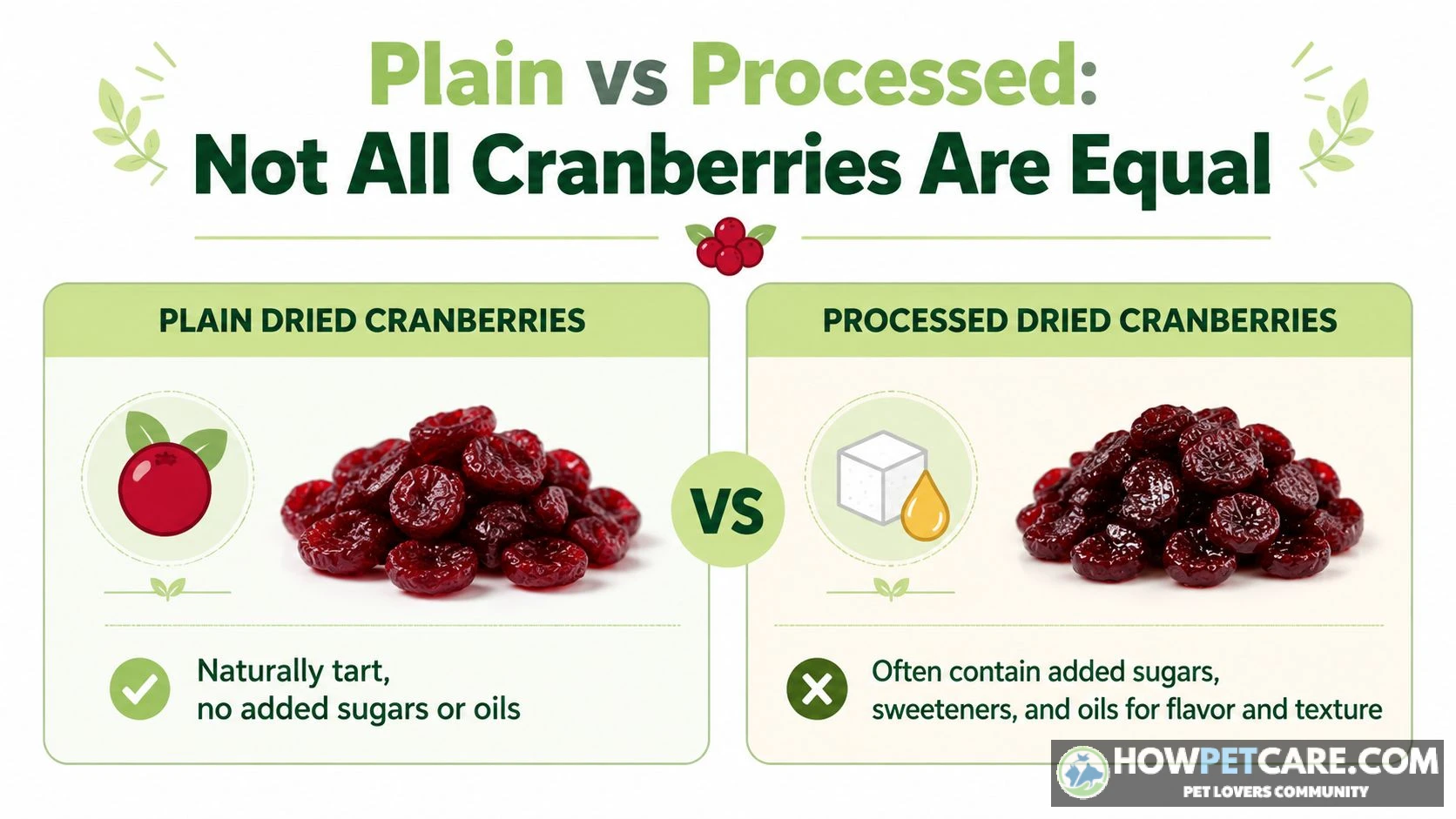
| Dried / craisins | Limited | The berry is fine, but most are sweetened and oil-coated | Any xylitol, ‘birch sugar,’ raisins, or chocolate on the label = Avoid | About one-third the fresh-berry count, unsweetened only |
| Cranberry sauce | Avoid | Canned sauce is mostly sugar; homemade often hides raisins, orange zest, nuts, spices, or alcohol | A single lick of plain homemade sauce is low-risk, not a serving | None as a treat |
| Cranberry juice (cocktail) | Avoid | Mostly sugar water; no benefit over whole berries | — | None |
| Cranberry juice (100% unsweetened) | Limited | No established safe dose for dogs; very tart, GI upset likely | — | Not recommended; a few whole berries are a better choice |
| Cranberry supplements for dogs | Ask your vet | PAC content and quality vary widely by brand | Human supplements = Avoid (possible xylitol, wrong doses) | Only per vet direction, dog-labeled product with stated PAC content |
| Mixed items (trail mix, baked goods, cranberry dishes) | Avoid | Raisins, chocolate, xylitol, nuts, and fat are the real hazards | None—the label is too unpredictable | None |
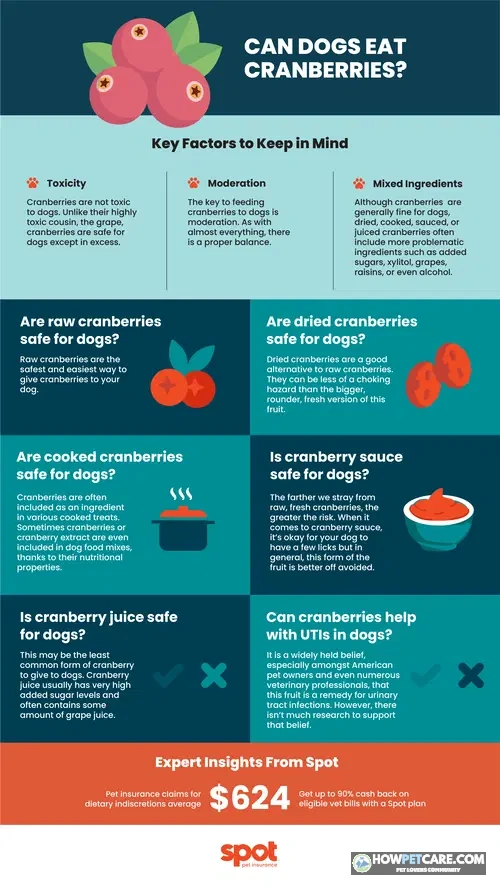
‘Not toxic’ doesn’t mean ‘healthy.’ A dog can eat a few plain cranberries without gaining a meaningful health benefit. A lick of sugary sauce may not poison the dog, but it’s still a poor treat.
Dried Cranberries, Craisins, Cranberry Sauce and Juice: What Changes the Answer
Does Added Sugar Make Craisins Unsafe?
Most dried cranberries and craisins are sweetened and oil-coated. The berry isn’t the problem; the sugar load is. Dried fruit is calorie-dense, so a small handful can contain far more sugar and calories than the same number of fresh berries. If the label lists xylitol, ‘birch sugar,’ raisins, grapes, chocolate, or trail-mix nuts, the product is unsafe no matter how few pieces your dog ate.
- Red flags—put it back: xylitol or ‘birch sugar’; raisins, grapes, currants, or sultanas; chocolate or yogurt coating; ‘sugar-free’ or ‘reduced sugar’ claims; macadamias or other nuts; added sugar or juice concentrate as a top-three ingredient.
- Acceptable—occasionally: single-ingredient ‘cranberries’ only, unsweetened, no oil coating. Even then, count at about one-third the fresh-berry portion.
- Rule of thumb: if the bag came from the snack aisle rather than the baking aisle, assume it is sweetened.
Cranberry Sauce and Juice on the Holiday Table
Can dogs eat cranberry sauce for Thanksgiving? A single lick of plain homemade sauce is generally low-risk, but a bowl can cause sugar-related and gastrointestinal problems. Canned sauce is high in sugar. Homemade recipes may include orange zest, raisins, nuts, spices, or alcohol, all of which change the safety picture. Onion or garlic in a savory cranberry dish adds another toxicity risk.
Can dogs drink cranberry juice? Avoid sweetened juice cocktail; it’s mostly sugar water. There’s no established safe dose of 100% unsweetened juice for dogs, and its tartness can cause GI upset. Juice offers little that a few whole berries don’t, and it should never be used to treat a UTI.
If you want to share cranberry at a holiday meal, choose plain, unsweetened, cooked cranberry mash and offer only a lick-sized amount. Leave out sugar, orange, spices, and alcohol. Keep sauce plates and dessert trays out of reach, and ask guests not to share table scraps.

My Dog Ate Craisins or Cranberry Sauce With Xylitol or Raisins: Symptoms and a First-Hour Plan
Two serious toxicity risks can hide in cranberry products: xylitol and raisins or grapes. Any known exposure calls for an immediate veterinary or poison-control call. Don’t wait for symptoms.
Step 1: First Minutes
Take the product away and keep the package. Estimate how much your dog ate and when, and note your dog’s weight. Don’t induce vomiting at home unless a veterinarian or poison-control line specifically tells you to.
Step 2: Call Now
Call your veterinarian, an emergency clinic, or a pet poison hotline right away. ASPCA Animal Poison Control can be reached at 888-426-4435, and Pet Poison Helpline at 855-764-7661; both may charge a fee. Have the product label ready so you can read the ingredients.
Symptom Checklist: Xylitol vs. Raisins vs. Simple Overeating
| Exposure | Typical symptoms | Onset window | Risk level | Action |
|---|---|---|---|---|
| Xylitol (in ‘sugar-free’ dried cranberries, baked goods) | Vomiting, weakness, wobbling, tremors, seizures; liver injury can follow | Blood-sugar drop often within 10–60 minutes; liver damage 12–72 hours | Emergency—small amounts can be life-threatening | Call vet or poison line now; do NOT induce vomiting unless told to |
| Raisins or grapes (in craisin blends, trail mix) | Vomiting, lethargy, poor appetite; later, changes in urination from kidney injury | Signs can lag 6–24+ hours | Emergency—toxic dose is unpredictable; any amount can harm | Call vet or poison line now, even if the dog seems fine |
| Many plain cranberries (overeating) | Vomiting, gas, loose stool; dog otherwise bright and alert | Within a few hours | Low—monitor at home | Withhold treats, offer water, watch 24 hours; call vet if symptoms persist past a day or the dog seems unwell |
The First-Hour Timeline
-
Minutes 0–15
Remove the food, secure the packaging, and note the time, amount, and your dog’s weight.
-
Minutes 15–30
Call a vet, emergency clinic, or poison line. Read the ingredient list for xylitol or raisins.
-
Minutes 30–60
Follow the professional’s instructions. Transport to a clinic if advised. Do not treat at home without direction.
Xylitol
Xylitol can trigger a rapid insulin release in dogs, causing blood sugar to drop, often within 10 to 60 minutes. Signs include vomiting, weakness, wobbling, tremors, and seizures. Liver injury can develop over 12 to 72 hours. Even a small amount can be dangerous, especially for a small dog.
Raisins and Grapes
The toxic dose is unpredictable; there’s no ‘safe’ number of raisins. Raisin or grape exposure can injure the kidneys. Signs include vomiting, lethargy, reduced appetite, and later changes in urination. Symptoms may take 6 to 24 hours or longer to appear. Even if your dog seems fine at first, call for veterinary advice.
Plain-Berry Overeating
If your dog ate a large quantity of plain cranberries but remains bright and alert, vomiting or diarrhea within a few hours is usually a monitor-at-home situation. Withhold treats, offer water, and watch your dog for 24 hours. Call the vet if symptoms last beyond a day, your dog becomes lethargic, or you know xylitol or raisins were involved.
When Monitoring at Home Is Reasonable
Monitor at home only if your dog ate plain cranberries, with no xylitol, raisin, grape, chocolate, or unknown-label exposure, and is alert, drinking, and not vomiting repeatedly. Call now if your dog collapses, has tremors or seizures, vomits repeatedly, ate xylitol or raisins, or you can’t confirm what was in the product.
Do Cranberries Help Dogs With UTIs? What the Evidence Does and Doesn’t Show
Cranberries are often suggested for urinary tract infection (UTI) prevention, but evidence in dogs is limited. One proposed mechanism is that proanthocyanidins, or PACs—specifically A-type PACs—may make it harder for E. coli bacteria to stick to the bladder wall. Most of the research comes from laboratory and human studies, not dogs.
PACs: What Is Known and What Isn’t
There’s no established canine PAC dose in milligrams per kilogram of body weight. Human trials sometimes cite around 36 mg of PACs per day, but that’s a human reference and can’t be safely scaled to dogs. A handful of whole berries typically provides little measurable PAC, and the amount varies by berry and preparation. Whole cranberries aren’t a reliable UTI dose.
Whole Berries vs. Cranberry Supplements for Dogs
Cranberry extract supplements for dogs can concentrate PACs, but PAC content, standardization, and bioavailability vary widely by brand. If your veterinarian recommends a supplement, ask about its stated PAC content and whether it’s made for dogs. Never give your dog a human cranberry supplement; it may contain xylitol or a dose that isn’t suitable for dogs. This article doesn’t provide supplement dosing; a veterinarian should guide the brand and dose.
Urine pH and Gut Microbiome: Where the Claims Run Out
Cranberries have small and inconsistent effects on dog urine pH. Making urine more acidic isn’t automatically helpful, because the wrong pH shift can affect different stone types. Evidence about cranberry’s effects on the canine gut microbiome is limited, so no claim is warranted.
The Honest Bottom Line
Cranberries may support urinary tract health through anti-adhesion mechanisms, but they don’t treat an active infection. A dog straining to urinate, urinating frequently in small amounts, passing blood, or having accidents needs veterinary care. Delaying treatment can lead to kidney involvement or, in male dogs, a urinary blockage. Cranberries are at most a possible addition to recurrent-UTI prevention under veterinary guidance.
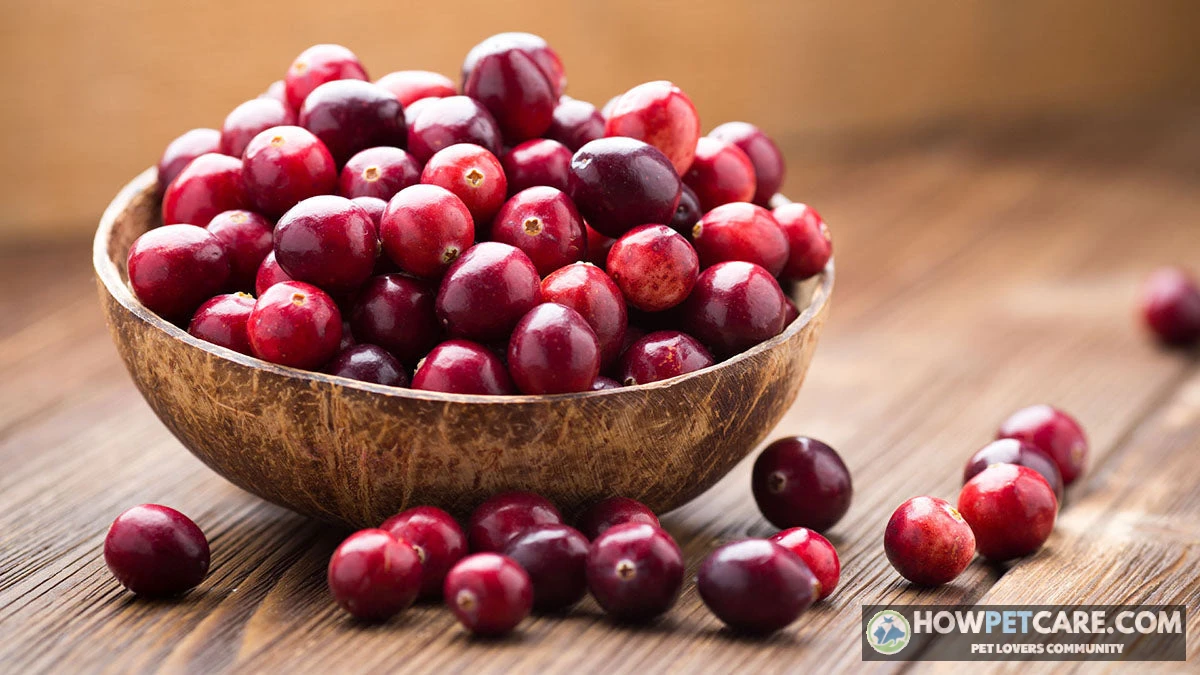
How Many Cranberries Can a Dog Eat? Berry Counts by Weight and Life Stage
The portion grid gives conservative, vet-aligned editorial guidelines—not studied thresholds. Start with one berry, then wait 24 hours and check your dog’s stool and appetite before offering more.
Cranberry Portion Grid by Dog Weight and Life Stage (fresh/frozen berries per serving)
| Dog weight | Puppy (after 1-berry trial) | Adult | Senior | Max frequency |
|---|---|---|---|---|
| Under 10 lbs | 1 | 1–2 | 1 | 2–3× per week |
| 10–25 lbs | 1–2 | 2–3 | 2 | 2–3× per week |
| 26–50 lbs | 2–3 | 3–5 | 3 | 2–3× per week |
| 51–90 lbs | 3–4 | 5–8 | 5 | 2–3× per week |
| Over 90 lbs | 4–5 | Up to 8–10 | Up to 8 | 2–3× per week |

Calorie context and the 10% rule. Treats should make up less than roughly 10% of daily calories. One fresh cranberry has roughly half a calorie, so plain berries rarely come close to the limit. For example, a 30-lb dog eating about 750 kcal per day has a treat budget of about 75 kcal; five fresh berries use roughly 2.5 kcal. Sweetened dried cranberries have several calories each, so the cap matters more. For unsweetened dried berries, use about one-third the fresh-berry count.
Puppies and Senior Dogs: What Changes
Puppies have smaller digestive tracts, so start with one berry. After a successful trial, offer roughly half the adult count. Seniors should stay at the lower end of the adult range, especially if they have kidney concerns or follow a special diet.
How Often Is Too Often? Daily vs. Occasional
For a healthy dog, a treat a few times per week is plenty. Daily feeding has no proven benefit or studied safety limit, so don’t make it a daily habit without veterinary guidance. Cranberries shouldn’t replace a balanced meal or go into every feeding.
Halve or mash berries for small dogs and fast eaters to reduce choking risk. Offer them separately from the main meal, and discard stems or spoiled berries.
How Much Cranberry Is Too Much? Stomach Upset, Oxalates and Stone Risk
Too many tart, fibrous berries can cause gas, vomiting, or diarrhea. Signs usually start within a few hours and resolve within a day. Withhold treats, offer water, and call the vet if symptoms last beyond 24 hours or your dog seems unwell.
Cranberries contain oxalates. Researchers haven’t established an intake level at which calcium oxalate stone risk begins in dogs. For a healthy dog eating a few berries, the risk is considered low. With no known threshold, the conservative approach is to avoid regular cranberry feeding for dogs prone to calcium oxalate stones or breeds predisposed to them—for example Miniature Schnauzers, Shih Tzus, Lhasa Apsos, Yorkshire Terriers, and Bichons—unless a veterinarian approves.
Signs of urinary stones or blockage include straining, blood in urine, frequent small urinations, and crying while urinating. A male dog that can’t pass urine needs emergency care. Don’t wait.
Whole berries can also pose choking and obstruction risks for tiny dogs. Halving or mashing them helps reduce those risks.
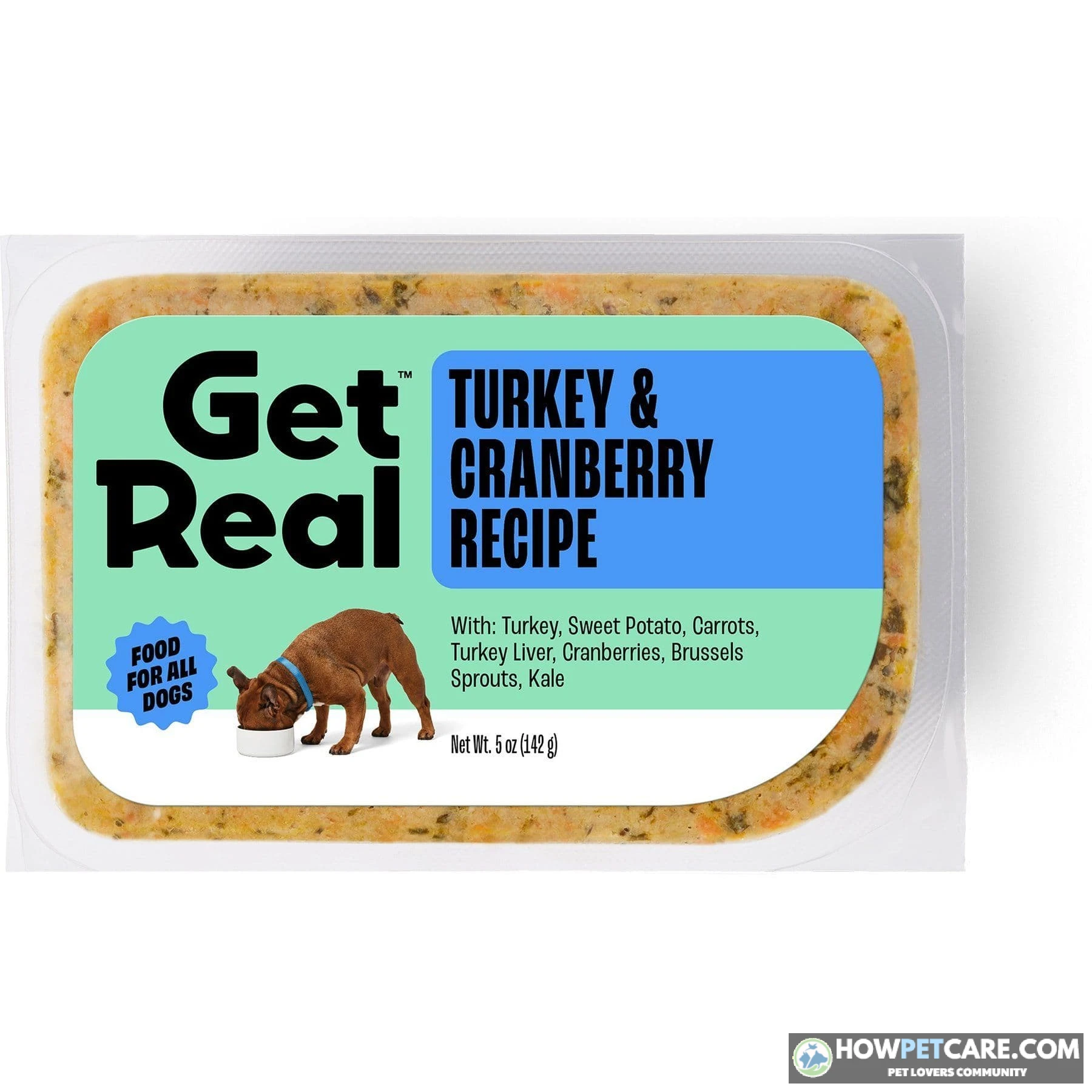
Cranberries for Diabetic, Pancreatitis-Prone, Bladder-Stone and Kidney-Disease Dogs
| Dog | Verdict | Why |
|---|---|---|
| Diabetic | Limited—fresh only, vet-approved | Fresh berries are low-sugar for a fruit, but every treat must fit the daily plan; no sweetened dried cranberries, sauce, or juice |
| Pancreatitis-prone | Limited—plain berries only | Berries are low-fat, but oil-coated dried berries, sauces, and baked goods are risky; skip all new treats during a flare-up |
| Calcium-oxalate stone-prone | Avoid regular feeding | Cranberries contain oxalates; no studied dog threshold exists, so skip unless the vet approves |
| Struvite stone history | Ask your vet | Stone type changes the advice; do not assume the oxalate rule applies |
| Kidney disease / senior | Ask your vet | Potassium, phosphorus, and oxalate load need vet review; raisin exposure matters even more here |
| Puppy | Limited—half the adult count | Smaller GI tract; start with one berry, wait 24 hours |
| Pregnant / nursing | Skip | No evidence-based reason to add cranberries |
| On a urinary prescription diet | Ask your vet | Cranberry can work against the diet’s pH and mineral targets |
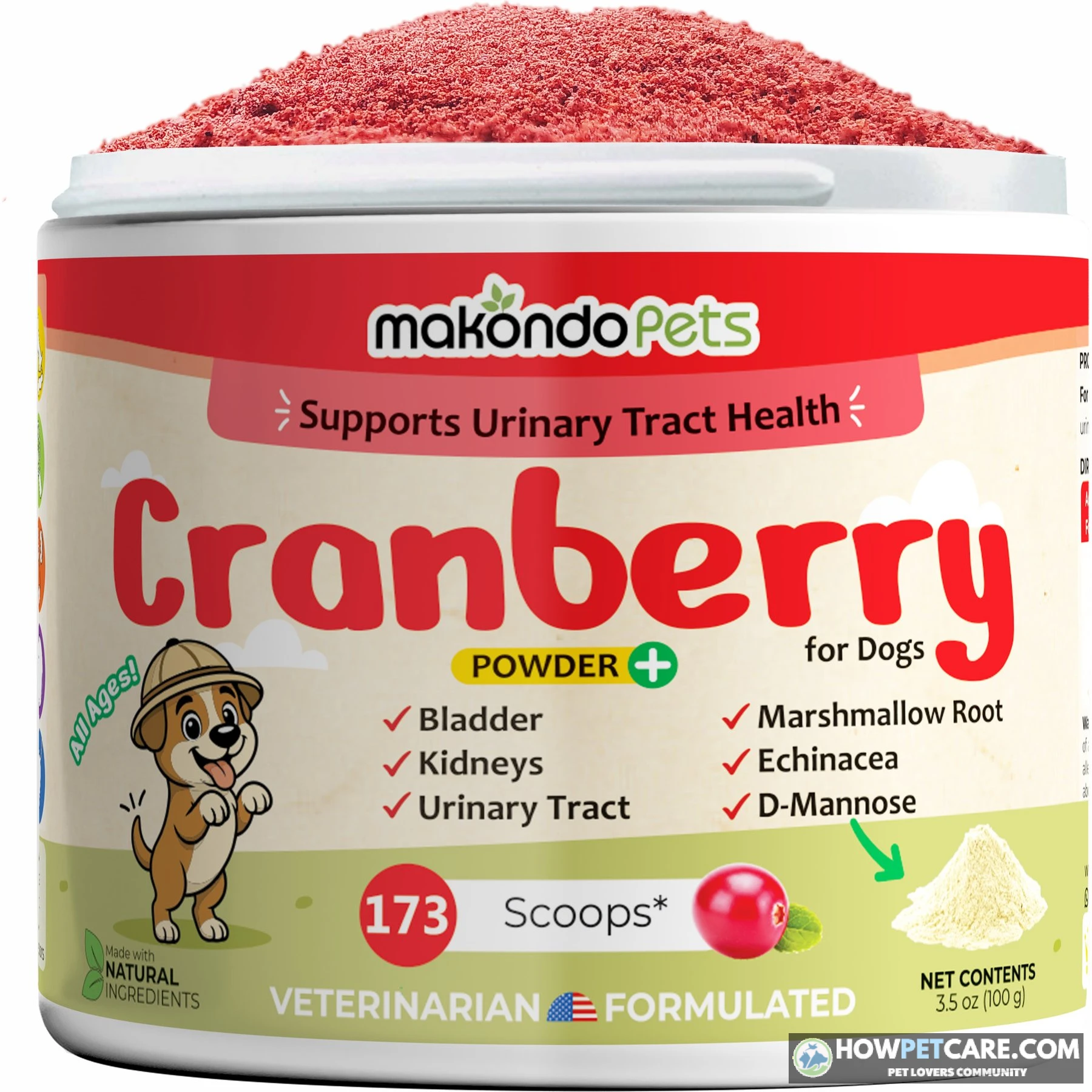
Diabetic dogs may be able to eat a few fresh berries, but sweetened dried cranberries, sauce, and juice aren’t suitable. Clear any fruit with the veterinarian and count it in the daily feeding plan.
Dogs prone to pancreatitis should avoid high-fat additions. Plain berries are low in fat, but sauces, baked goods, and oil-coated dried berries aren’t. Follow the veterinarian’s fat restrictions, and avoid new treats during a flare-up.
Dogs prone to bladder stones need advice based on stone type. Calcium oxalate and struvite stones require different dietary approaches, so don’t assume cranberry is safe or unsafe without knowing the type.
Don’t give cranberry treats or supplements to dogs with kidney disease, dogs that are pregnant or nursing, or dogs taking medication or eating a urinary prescription diet without first talking with a veterinarian.
Cranberry Feeding Checklist: Decide in 60 Seconds
Before sharing anything cranberry-flavored, check these five things:
- What form is it? Plain fresh or frozen berries are the default safe option. Check the label on anything else.
- Read the label. Avoid products with xylitol, ‘birch sugar,’ raisins, grapes, chocolate, or heavy added sugar.
- Consider your dog’s health. Diabetes, pancreatitis, bladder stones, kidney disease, pregnancy, nursing, or a urinary prescription diet means checking with the vet first.
- Choose the count from the portion grid based on weight and life stage. Halve berries for small dogs.
- Keep it occasional: a few times per week at most, within the 10% treat rule.
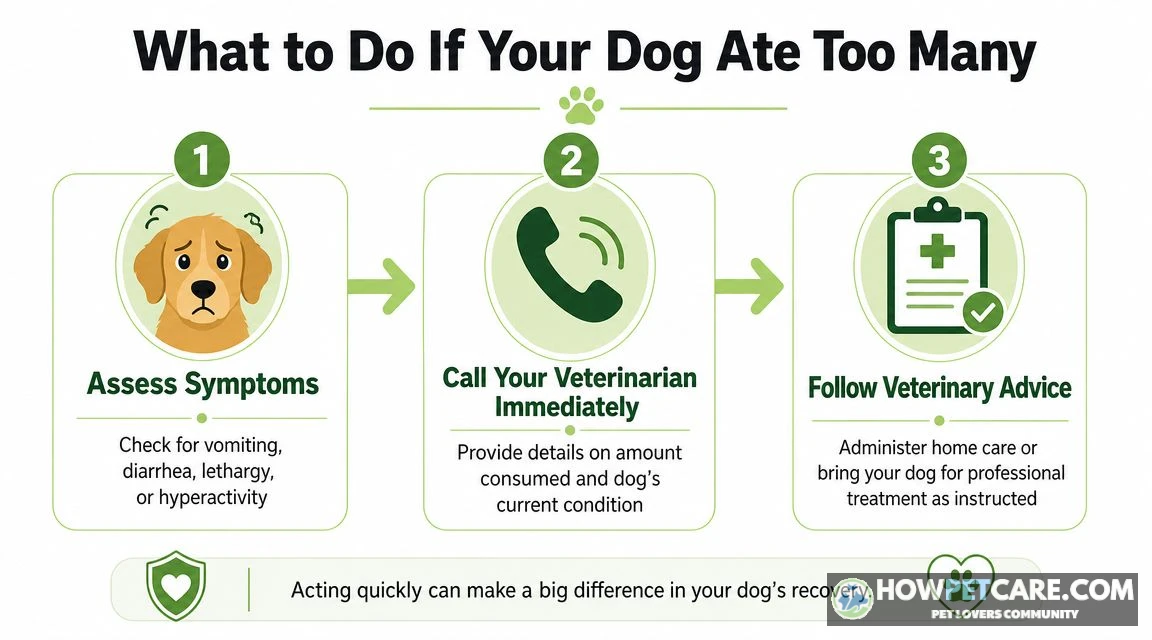
Emergency reminder: If your dog ate xylitol, raisins, or grapes, call a veterinarian or poison line now. Don’t wait for symptoms.
UTI reminder: Straining, blood in urine, or frequent accidents call for a veterinary visit, not a cranberry trial. If your vet recommends a supplement, ask about its PAC content and dose.
For a lower-risk everyday berry, blueberries are sweeter and gentler on most dogs. See the site’s fruit guide for dogs for a full list of safe fruits.
FAQ
Are cranberries or blueberries better for dogs?
Blueberries are sweeter and gentler on most dogs, so they are the easier everyday treat. Cranberries are very tart and are mainly discussed for urinary health, where canine evidence is limited.
Can dogs eat cranberries mixed with walnuts or almonds?
Skip these mixes. Black walnuts and moldy walnuts can be toxic, and almonds are a choking and obstruction risk. Mixes also often contain raisins, chocolate or macadamia nuts.
Can dogs have cranberry muffins, bread or other baked goods?
It is best to avoid them. Cranberry baked goods typically contain sugar and fat, and may include raisins, chocolate chips or xylitol. If your dog ate some, check the ingredients and call a vet if any of those are present.
Can dogs eat cooked cranberries?
Yes, if they are plain and cooked without sugar, spices, orange, alcohol or other additions. Keep the portion to the same berry count as fresh berries.
Are cranberry stems, leaves or seeds a problem for dogs?
The seeds inside the berry are small and are eaten along with it. Stems and leaves are not toxic but are fibrous and can upset the stomach, so remove them.