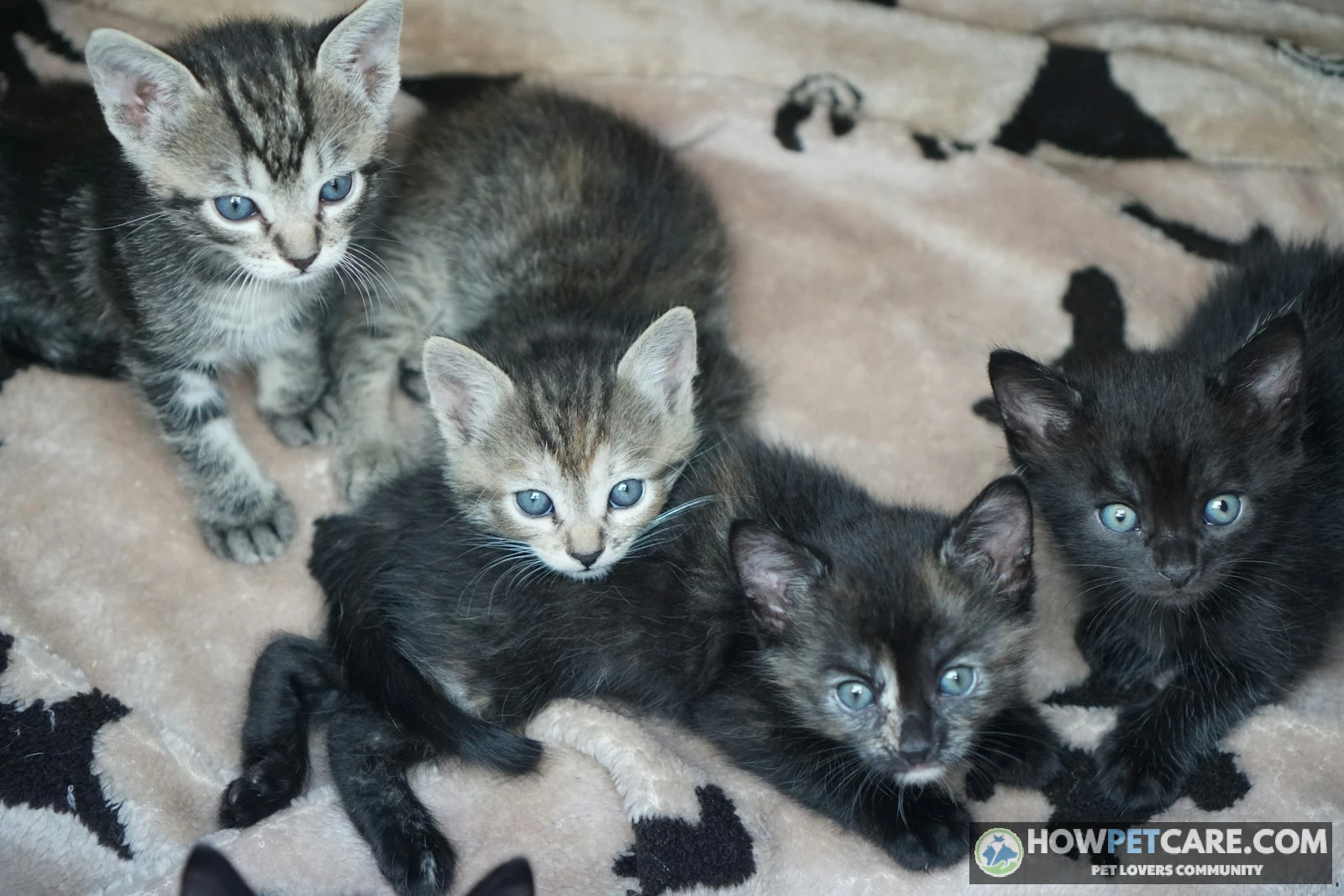

Fostering kittens means caring for young cats in your home—feeding, weighing, socializing, and monitoring their health—until they reach adoption milestones, typically eight weeks old and two pounds. The shelter or rescue retains legal custody and usually covers veterinary care, while assignments last roughly two to ten weeks.
Fostering kittens means giving young cats temporary shelter, daily nutrition, medical monitoring, and socialization in your home until they reach the age and weight required for spay or neuter surgery and permanent adoption. In most animal welfare programs across the United States, an assignment lasts from two to ten weeks, depending on whether you take in unweaned bottle babies or older kittens transitioning to solid food. Foster care bridges the gap between rescue and a permanent home, providing individualized attention that high-volume shelters cannot offer in a kennel.
Unlike adopting a cat, which is a fifteen-to-twenty-year legal and financial commitment, kitten foster care has a clear endpoint. The shelter or rescue retains legal custody and typically authorizes major medical care, while you provide daily care, observation, and a place to live. Before bringing a litter home, it’s worth understanding what that work involves.
What Fostering Kittens Involves Day to Day (and How Long It Lasts)
Daily care looks different depending on whether kittens arrive fully weaned or need round-the-clock help. Orphaned neonatal kittens require a strict, continuous schedule. Caring for four-to-eight-week-olds is more like running a high-energy nursery with plenty of cleaning.
A typical day with neonatal kittens vs weaned kittens
Neonatal kittens (zero to four weeks old) can’t regulate their body temperature, eliminate waste without help, or eat solid food. If you take on unweaned bottle babies, much of your day will revolve around a kitchen scale, a bottle warmer, and a digital timer:
- Every 2 to 3 hours (round the clock): Warm fresh kitten milk replacer to approximately 100°F (37.8°C). Weigh each kitten before feeding to determine appropriate intake. Feed slowly with the kitten belly-down, burp gently, and stimulate the kitten’s urogenital area with a warm, damp cotton ball or tissue until they urinate and pass stool. Sanitize all bottles, syringes, and nipples immediately after each cycle.
- Between feedings: Monitor the nest box’s ambient temperature, make sure the supplemental heat source is operating safely, check bedding for moisture, and inspect eyes and umbilical areas for discharge or swelling.
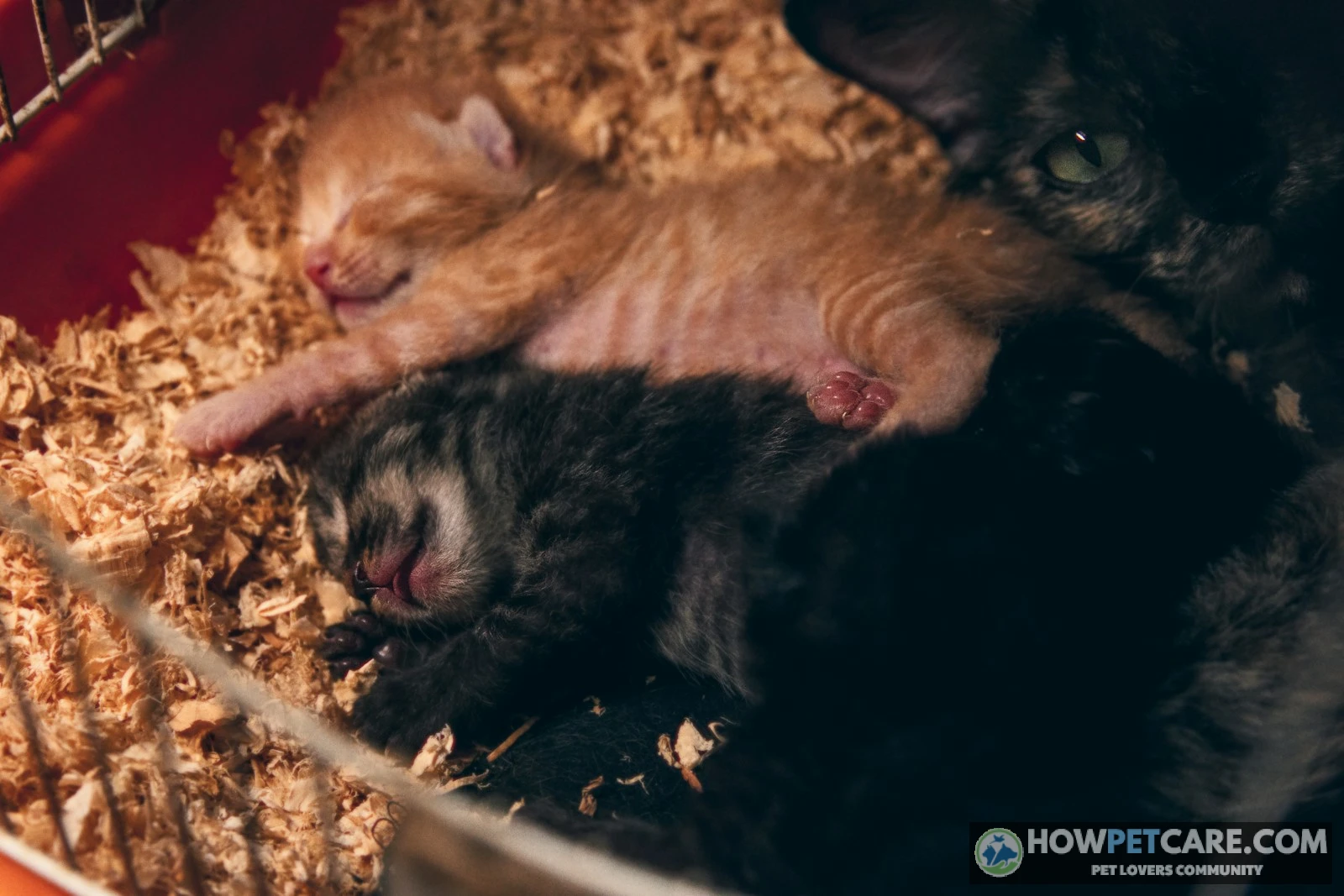
Weaned kittens (five to eight weeks old) no longer need overnight bottle feeds, but their activity level and caloric needs soar:
- Morning routine (30–45 minutes): Weigh each kitten on a gram scale before breakfast. Scoop and sanitize the litter box. Serve fresh wet food or balanced kitten gruel, replenish clean water dishes, administer any prescribed oral dewormers or eye ointments, and completely change soiled bedding.
- Midday check (15–30 minutes): Offer another wet-food feeding or top up high-protein dry kibble. Clean food bowls and do a brief visual health check, including eyes, nasal passages, and stool consistency in the litter box.
- Evening routine (45–60 minutes): Provide dinner, refresh litter, weigh any borderline kittens, and hold active socialization sessions. Handle paws, examine ears, gently touch mouths, and introduce toys to encourage normal feline play and prevent bite inhibition problems.
How long do you foster kittens before adoption?
A standard foster assignment ends when kittens reach their adoption milestones: typically a minimum age of eight weeks and a weight of at least two pounds (approximately 900 grams). That’s the standard clinical threshold for routine pediatric spay and neuter procedures in US shelter medicine.
If you receive a litter of healthy five-week-olds, your commitment may last only three to four weeks. If you take in day-old orphans or a litter recovering from severe upper respiratory infections, ringworm, or poor weight gain, expect to foster for eight to ten weeks or longer. Medical clearance, surgical scheduling, and shelter adoption events determine the exact release date.
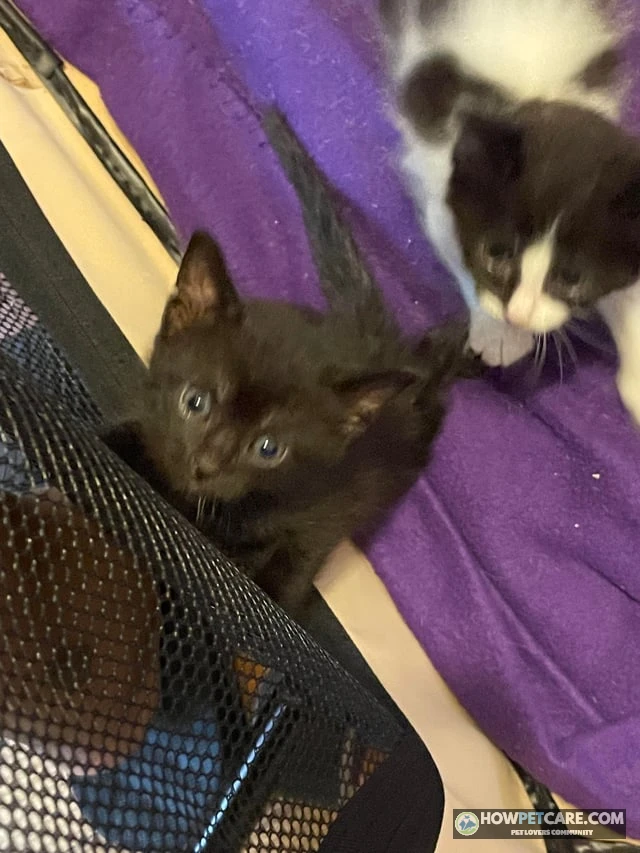
Is fostering right for your household right now?
Before browsing rescue profiles or submitting applications, check that your household layout, resident pets, and schedule can support the physical demands of kitten foster care. Compassion can’t make up for an incompatible work schedule or an unsafe housing layout.
Use this readiness scorecard to assess your situation:
Fostering Readiness Scorecard
Score each line 0, 1, or 2, then total your points. 0–4 points: Not yet—consider the non-fostering shelter support alternatives outlined at the end of this article. 5–7 points: Likely a good fit for weaned kittens or a single older kitten. 8–10 points: Ready for all stages, including neonatal bottle babies if your program provides strong support.
Schedule capacity
- ☐ 2 pts: I can feed every 2–3 hours around the clock for 1–2 weeks (neonates), or I have 3+ flexible hours daily (weaned kittens).
- ☐ 1 pt: I can manage 4-hour intervals, or another reliable adult in my home can alternate shifts.
- ☐ 0 pts: I am away from home for 8 or more consecutive hours daily with no backup caregiver.
Sleep and health tolerance
- ☐ 2 pts: I can function safely on interrupted sleep for several weeks without compromising my health or employment.
- ☐ 1 pt: Short stretches of sleep disruption are manageable, but I cannot sustain overnight waking for more than five to seven consecutive days.
- ☐ 0 pts: Night waking would be medically unsafe for me (due to medication regimens, chronic health conditions, or existing infant care).
Household risk
- ☐ 2 pts: All resident pets are fully vaccinated, indoor-only, and I can enforce a closed-door separation for at least 2 full weeks.
- ☐ 1 pt: Resident pets are vaccinated, but physical isolation relies on baby gates or partitioned, shared airspaces.
- ☐ 0 pts: Resident pets are unvaccinated, geriatric, or immunocompromised, or an occupant is undergoing immunosuppressive medical therapy.
Space suitability
- ☐ 2 pts: I have a dedicated, low-traffic room (a spare bathroom or tiled office) with a solid door and non-porous, easily sanitized surfaces.
- ☐ 1 pt: I have space for an enclosed, wipeable pop-up playpen or large metal kennel away from household foot traffic.
- ☐ 0 pts: I only have shared, carpeted, open-concept living spaces with no practical means of isolation.
Support access
- ☐ 2 pts: A local shelter or rescue supplies food, litter, and veterinary care, along with a designated after-hours emergency contact.
- ☐ 1 pt: An organization exists locally, but I haven’t verified its policies on emergency reimbursements and veterinary approvals.
- ☐ 0 pts: I plan to operate independently with zero institutional backing and no established veterinary relationship.
Re-take this scorecard before accepting any new litter; an intake that fits your schedule in July may be impossible during busy professional months.
First-time foster parents often assume bottle babies are easiest because they’re small and sleep frequently. In reality, weaned kittens (five to eight weeks old) offer a gentler learning curve for beginners working standard day shifts.
Found Kittens Outside? How to Tell If They’re Truly Orphaned
During peak kitten season—which typically extends from early spring through autumn across North America—hundreds of well-meaning people unintentionally "kit-nap" healthy litters. Mother cats must leave their nests for hours at a time to hunt, forage, or find quiet places to hide from predators. Removing kittens while their mother is foraging drastically lowers their survival odds.
The wait-and-watch checklist
Before picking up outdoor kittens, step back and assess their condition and surroundings from a concealed position at least 35 to 50 feet away. If the mother detects a human presence or smells foreign scents near her nest, she won’t return until she believes the threat has cleared.
Look for these signs of maternal care or danger:
- Maternal care is likely happening if: The kittens are quiet, sleeping huddled together in a compact ball, have clean faces and plump, rounded bellies, and are nested in a dry, protected alcove. Sprinkle a thin ring of non-toxic flour around the perimeter of the nest or place light twigs across the entrance. Step away for two to four hours. If the flour is disturbed or the twigs are displaced, the mother has returned to nurse.
- The kittens are truly orphaned or in immediate danger if: They are crying loudly and continuously for over an hour, crawling away from the nest into direct footpaths or roadways, visibly damp or cold to the touch, covered in fleas, fly eggs, or maggots, or if a deceased adult female is found nearby. Severe weather conditions, such as freezing rain or extreme heat exceeding 90°F (32°C), also warrant immediate intervention.
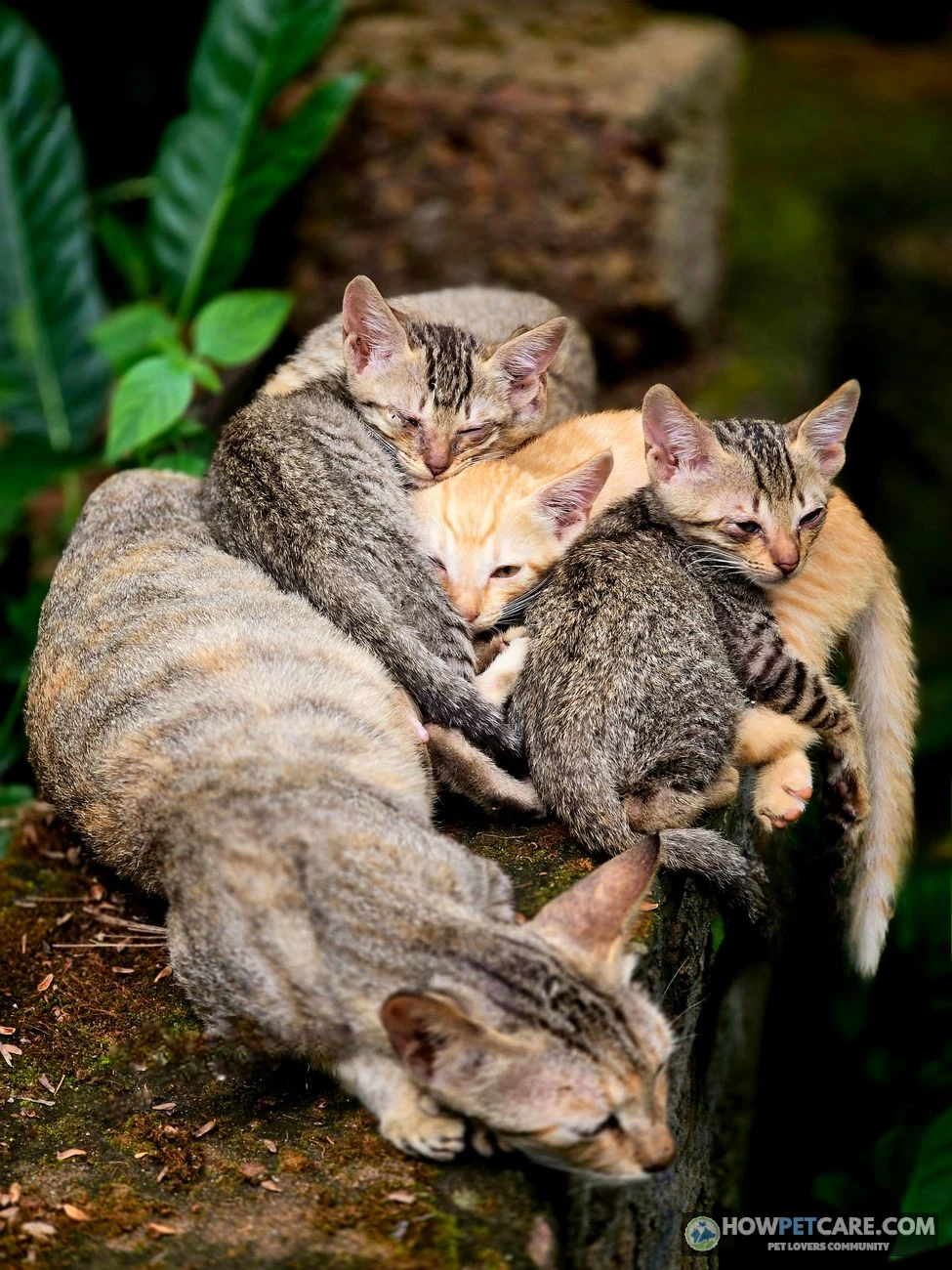
If the mother returns and appears feral or unsocialized, don’t separate the family. The best clinical outcome is to keep the mother and kittens together in a safe environment. Contact a local Trap-Neuter-Return (TNR) group or shelter. They can help trap the nursing mother and her litter so she can feed them indoors until weaning, after which the mother is spayed and returned while the kittens enter adoption programs.
Warming a cold kitten before you feed
If you confirm that kittens are abandoned, hypothermic, or injured, prioritize warming them before offering food.
A kitten whose core body temperature has fallen below 97°F (36.1°C) experiences gut stasis: the gastrointestinal tract stops peristalsis and shuts down enzyme secretion. Feeding formula to a cold kitten causes the liquid to sit in the stomach, ferment, trigger bacterial overgrowth, aspirate into the lungs, and induce fatal septic shock. Always warm the kitten first.
When intervening with cold kittens, follow this order:
- Immediate gentle heat: Wrap the kitten in a warm, dry fleece blanket or towel straight from the dryer. Place the kitten against your bare chest under a zip-up fleece or sweater to use your own body heat.
- External heat source: Set a heating pad on its lowest setting, drape a thick towel over it, and place it under one half of a high-sided cardboard box or pet carrier. Never expose a kitten to bare electric heating elements or leave a heating pad on high.
- Gradual warming: Allow thirty to sixty minutes for the kitten’s paws, ears, and mouth to warm. The inside of the mouth should feel distinctly warm and moist to your bare fingertip before you mix any kitten milk replacer.
- Shelter notification: While the kitten warms, call your local municipal shelter or animal rescue organization to notify them of an incoming intake or request immediate enrollment in their emergency foster program.
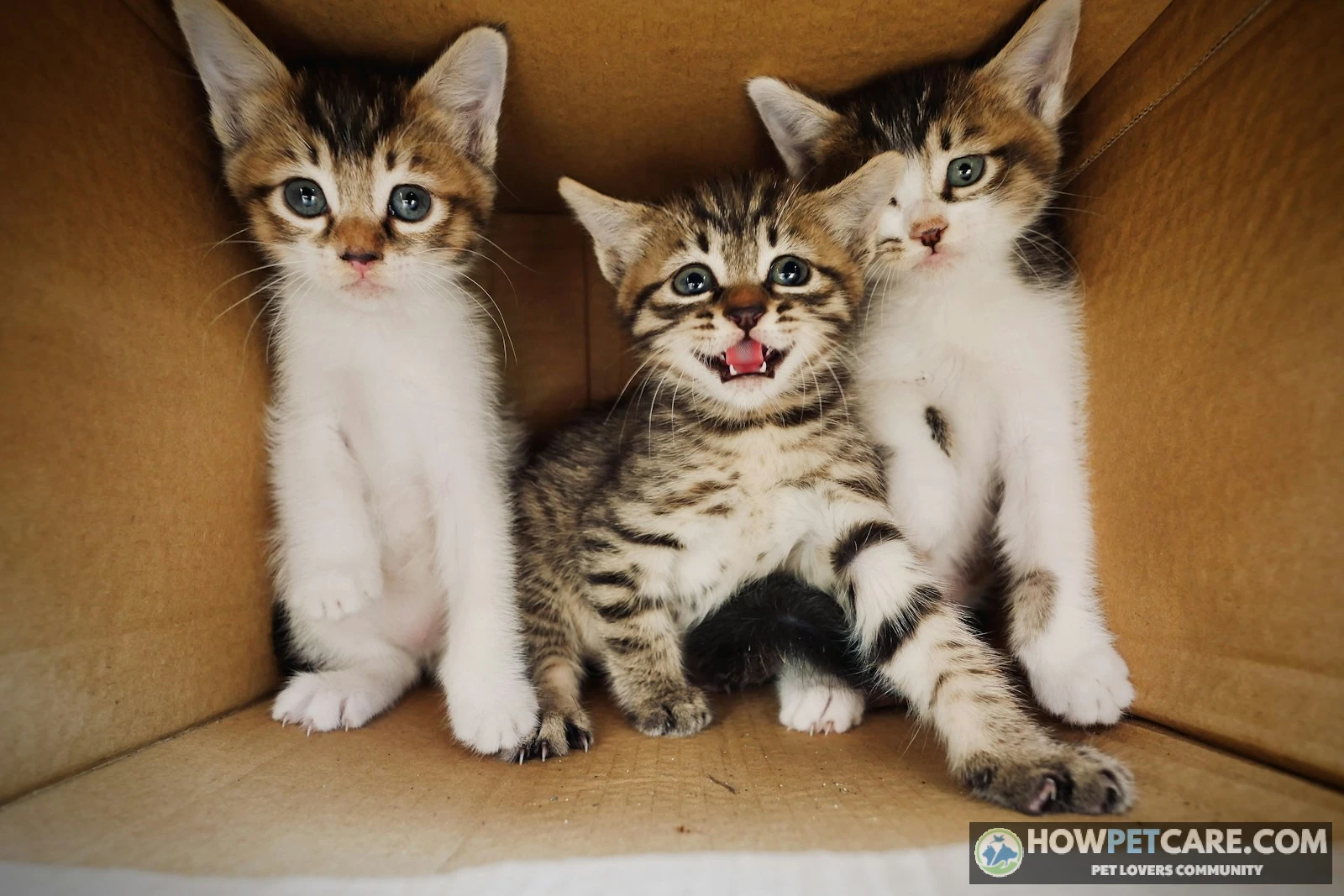
How to Sign Up to Foster Kittens: Shelters vs Rescues vs Independent Fostering
Prospective volunteers often want to know where to find kittens to foster in the United States and how to sign up. Foster programs fall into three primary administrative models: municipal or county-run animal shelters, non-profit private rescue organizations, and independent fostering. Each handles expenses, vetting requirements, and oversight differently.
| Factor | Municipal or Large Shelter | Small Rescue Organization | Independent Fostering |
|---|---|---|---|
| Application & Vetting | Formal application, basic ID check, automated orientation, landlord confirmation. | Detailed application, virtual or in-person home visit, reference checks, personal interview. | None. You find the animal directly through community outreach or discovery. |
| Supply Provision | Formula, bottles, standard wet/dry food, and litter usually provided through shelter supply banks. | Often provided, but heavily dependent on community donations; supplies may vary week to week. | 100% self-funded out of pocket. |
| Veterinary Care | In-house shelter clinic covers all routine and emergency care at zero cost to the foster. | Partner veterinary clinics cover care; foster must bring kittens to approved regional clinics. | Foster pays all retail veterinary bills, diagnostic tests, medications, and surgeries directly. |
| Emergency Support | Structured triage protocol; 24/7 pager or on-call staff line; designated emergency partner hospital. | Coordinator phone or group chat; after-hours support depends on volunteer availability. | No centralized backup; foster manages retail veterinary emergency hospital visits unassisted. |
| Adoption Authority | Shelter sets fees, manages online listings, screens adopters, and finalizes contracts. | Foster often writes bios, screens applicants, attends adoption fairs, and conducts meet-and-greets. | Foster is entirely responsible for screening applicants, home safety, vetting adopters, and rehoming safely. |
| Legal Ownership | Shelter retains legal ownership of animals during the entire foster duration. | Rescue retains legal ownership until adoption contracts are signed. | Foster holds full legal custody and associated property liability. |
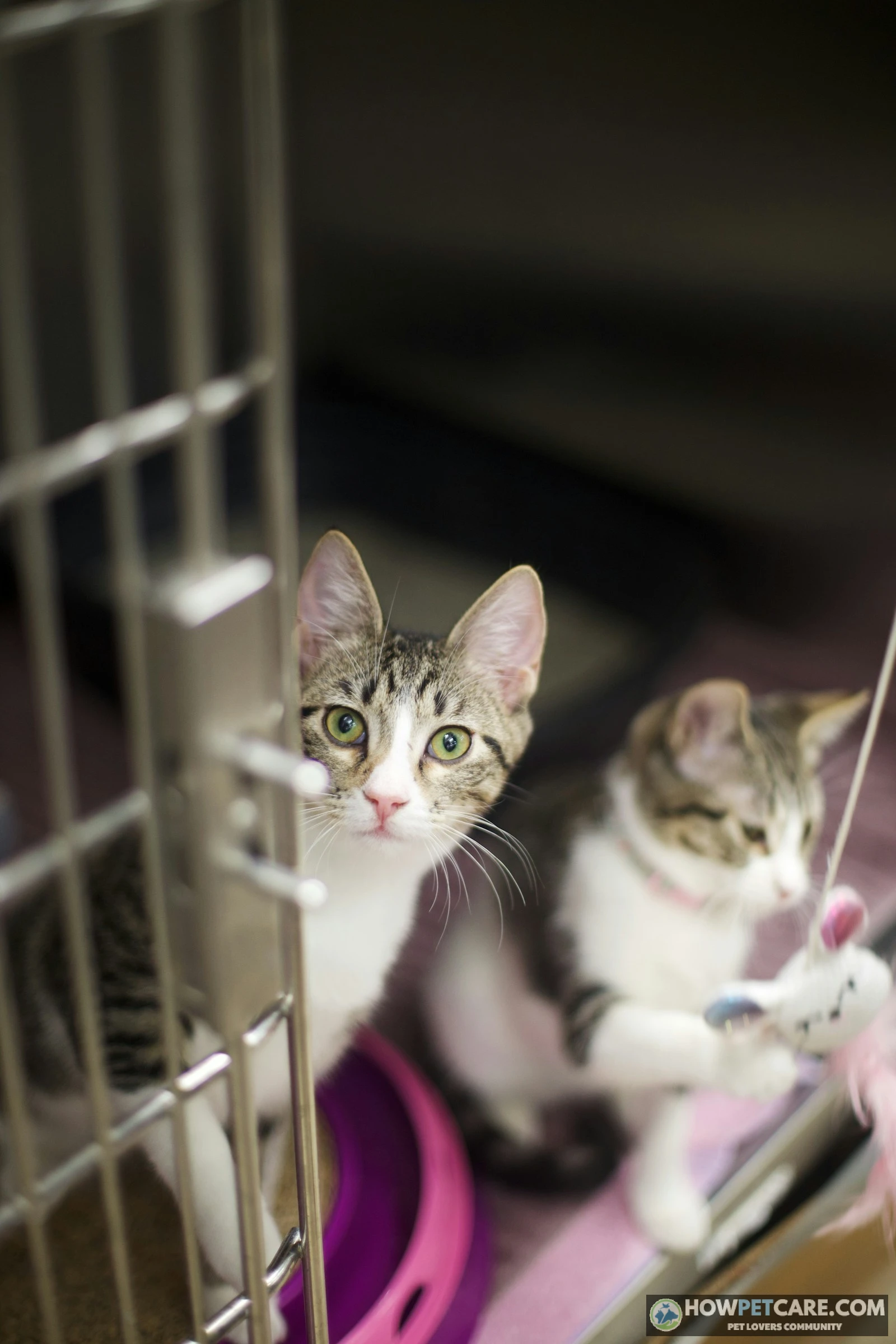
Program comparison: shelter, rescue, and independent
Municipal shelters operate on volume and standardized procedures. They generally have in-house veterinary staff, medical protocols, dedicated foster coordinators, and supply pantries stocked by city budgets and corporate grants. Onboarding is typically streamlined: fill out an online form, complete an hour of digital training, provide proof of rabies vaccination for resident pets, and pick up your supplies.
Private 501(c)(3) rescue organizations rely on volunteer networks and foster homes rather than brick-and-mortar holding facilities. Because their animals stay entirely in homes, rescues often conduct more detailed vetting, including virtual home walk-throughs to assess potential hazards. Fosters may have a greater voice in selecting adoptive families, but veterinary appointments may require driving to specific partner clinics across the county.
Independent fostering—taking in stray kittens without working with an organization—brings substantial financial and logistical disadvantages. You have total autonomy over care and placement, but you bear 100% of the cost for high-protein food, formula, vaccinations, deworming, fecal diagnostic tests, microchipping, and pediatric spay or neuter surgeries. If a kitten develops life-threatening complications, you’ll also pay full retail emergency veterinary fees.
Questions to ask before you sign
Before signing a foster agreement, request clear, written answers to these practical questions:
- Medical authorizations: What is the precise workflow if a kitten spikes a fever or becomes limp at 11:00 p.m.? Is there a dedicated after-hours coordinator, or am I authorized to go straight to a contracted emergency veterinary hospital without prior approval?
- Reimbursement boundaries: If an emergency forces me to pay out-of-pocket at a non-partner veterinary clinic, will the organization reimburse those charges, and what documentation is required?
- Supply replenishment: How are food, formula, and medications replenished? Do I pick them up on set days from a central warehouse, or does the program mail supplies?
- Adoption involvement: Am I expected to market the kittens on social media, attend weekend adoption events, and interview prospective owners, or does the shelter handle adoptions directly from its facility?
- Return policies: What happens if my work schedule suddenly shifts or a resident pet fails to adjust? What is the protocol and turnaround time for returning a litter to the facility?
Contract terms worth clarifying about contagious disease
Every legitimate shelter agreement outlines the legal relationship between the organization, the foster caregiver, and household liability. Pay close attention to clauses about infectious diseases.
Shelter kittens frequently carry subclinical pathogens, including feline panleukopenia virus, Giardia duodenalis, coccidia, feline herpesvirus, calicivirus, and dermatophytosis (ringworm). Standard rescue contracts contain liability waivers explicitly stating that the organization is not financially responsible if a foster animal transmits an infectious condition to resident pets or human household members. Make sure your contract clearly outlines diagnostic support: if your foster litter tests positive for a virulent pathogen, will the organization supply the prescription dips, anti-infectives, and diagnostic re-checks needed to resolve the outbreak?
Setting Up a Safe Foster Space: Supplies Checklist and Quarantine Rules
A safe foster setup depends on physical containment. Letting foster kittens roam freely introduces serious infectious risks, makes daily health tracking harder, and creates hazards for fragile animals that can wedge themselves behind heavy appliances or chew electrical cords.
A secondary bathroom, an uncluttered laundry room, or an empty guest room with vinyl or tile flooring makes an ideal nursery. Avoid carpeted rooms whenever possible: porous fibers harbor fungal spores and viral particles through multiple wash cycles. If only carpeted rooms are available, assemble an enclosed, water-resistant playpen lined with seamless sheet vinyl or commercial heavy-gauge tarps.
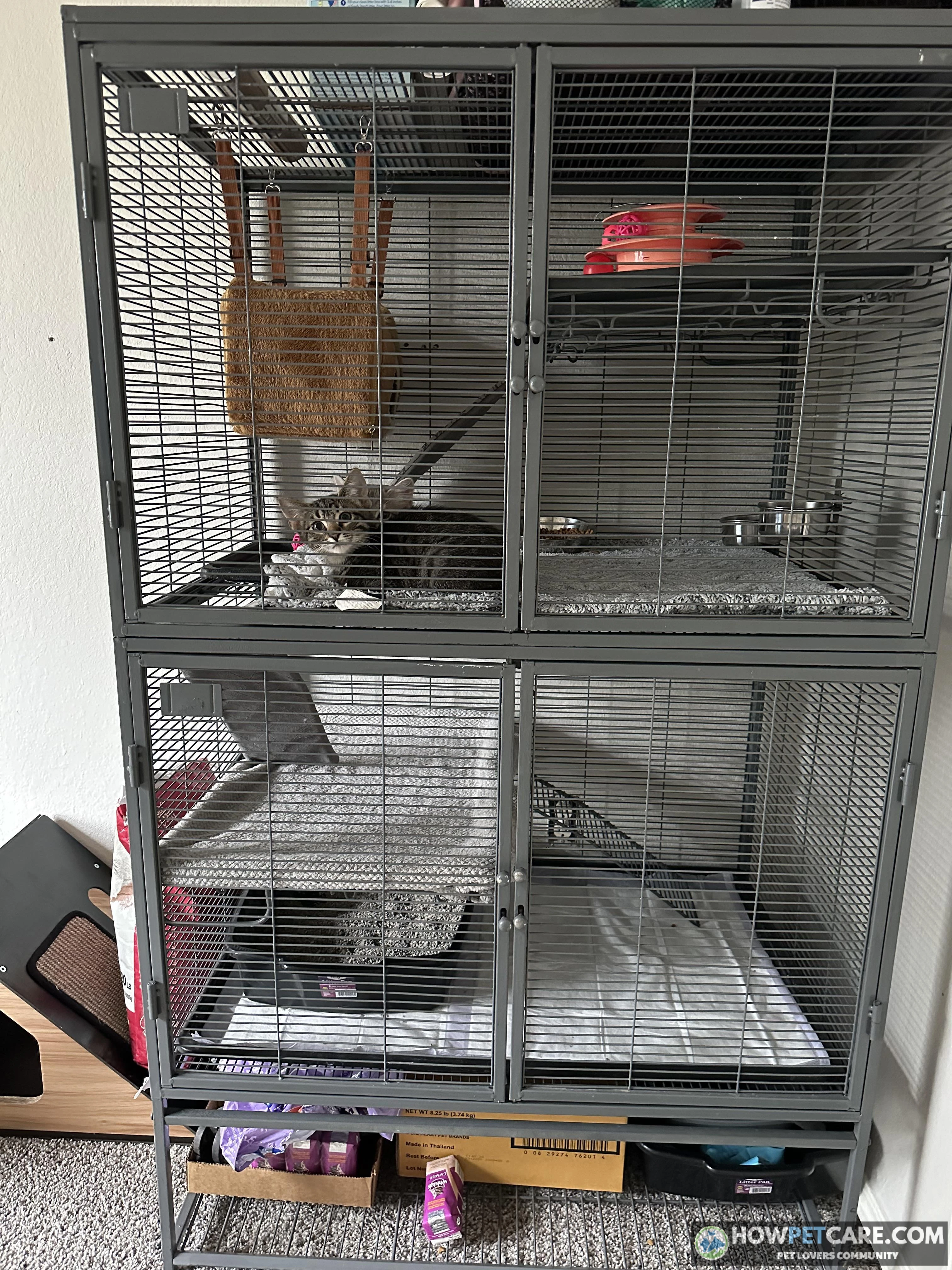
Supplies checklist: essentials vs nice-to-haves
Gather nursery supplies before bringing kittens home. Choose equipment according to their developmental stage and essential needs:
Universal Essentials (All Stages):
- Digital kitchen gram scale (graduated in 1-gram increments, with tare function)
- Digital rectal/axillary thermometer with flexible tip and petroleum jelly/water-soluble lubricant
- Enclosed carrier with top-loading door
- Rescue disinfectant (veterinary-grade accelerated hydrogen peroxide) or regular household bleach
- Fleece blankets and cloth diapers (avoid loop-woven terrycloth towels that snag claws)
- Disposable non-clumping paper pellet litter
- Low-sided litter boxes (shallow baking pans or cardboard tray flats work well for trainees)
- Gentle, fragrance-free liquid dish soap (original blue Dawn or equivalent for flea removal)
- Metal fine-toothed flea comb
- Unflavored oral electrolyte solution (such as unflavored Pedialyte) and 100% pure Karo syrup or maple syrup
Neonatal-Only Additions (0–4 Weeks):
- Commercial powdered kitten milk replacer (KMR or Breeders’ Edge)
- Specialized nursing bottles with elongated silicone nipples (such as the Miracle Nipple)
- Sterile 1 mL, 3 mL, and 10 mL slip-tip feeding syringes
- Snuggle Safe microwave heat disc or a non-shutoff electric heating pad with a chew-proof cord
- Disposable underpads (chux pads) to catch formula and waste spills
- Cotton balls, rounds, or unscented chemical-free baby wipes
Weaned-Kitten Additions (4–8 Weeks):
- High-calorie, meat-based commercial canned kitten pate
- High-protein dry kitten kibble
- Shallow ceramic or stainless-steel feeding saucers (prevents whisker fatigue and simplifies washing)
- Cardboard scratchers and washable plastic enrichment toys (ping-pong balls, plastic track balls)
- Sturdy playpen with zipper canopy
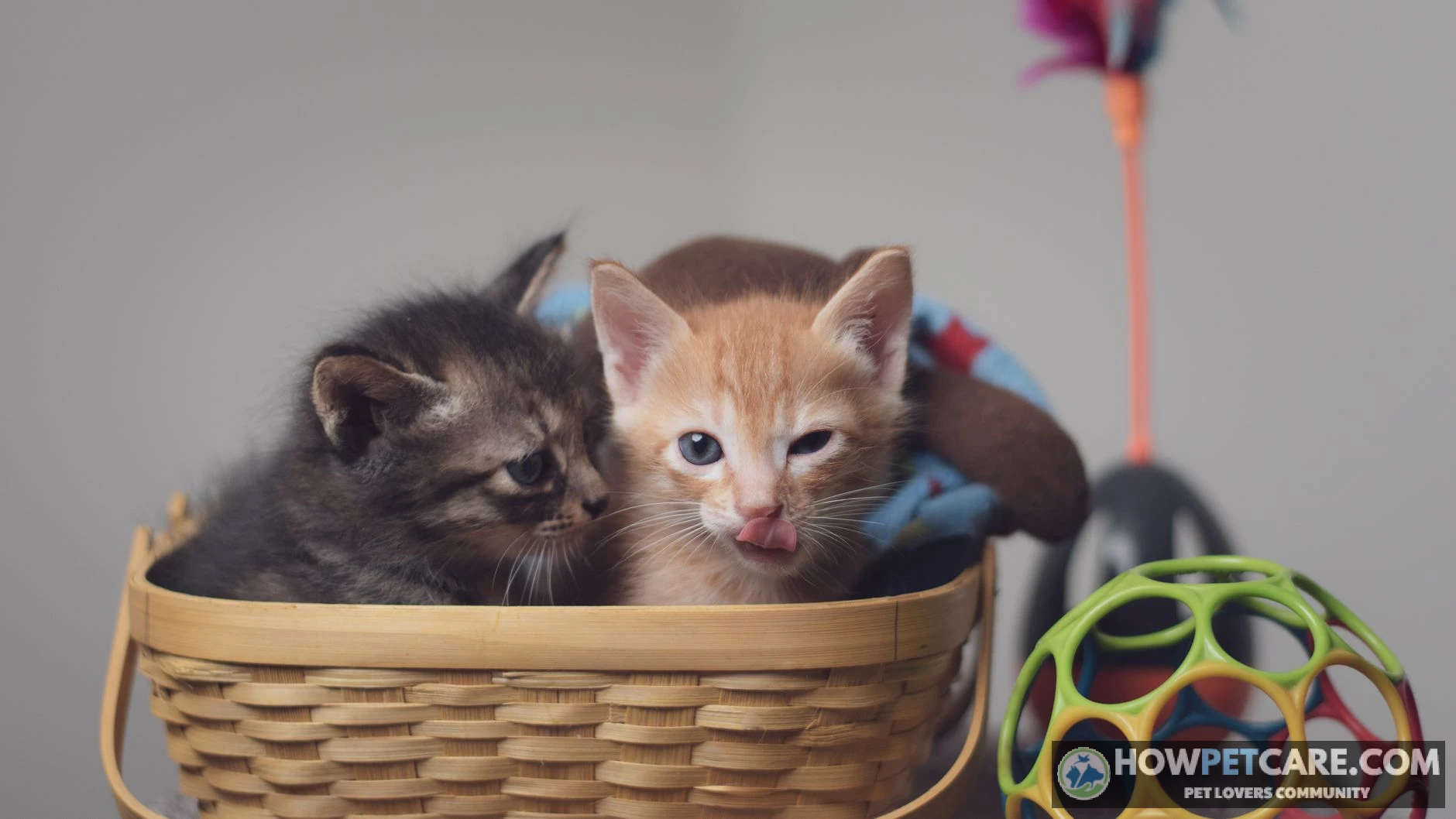
Fostering with resident cats
Bringing foster kittens into a home with resident cats requires a strict minimum quarantine period of 10 to 14 days. During this window, subclinical infections such as panleukopenia or feline calicivirus will manifest through clinical symptoms before pathogens cross your threshold.
Maintain separate airspaces and physical barriers. Don’t allow resident cats to sniff foster kittens beneath door cracks; insert a rolled draft-stopper or clean towel along the gap. Designate foster-only clothing: wear a specific oversized shirt, scrub top, or apron when handling the litter, and step out of your "foster room shoes" before walking into general living spaces. Always clean, feed, and medicate resident pets first, and tend to foster animals last. Wash your hands thoroughly with warm water and soap for 20 seconds up to your elbows immediately after leaving the foster suite.
Resident cats should be fully up to date on core vaccines—specifically FVRCP (feline viral rhinotracheitis, calicivirus, and panleukopenia) and Rabies—at least two weeks before any foster animals arrive in your home.
Is fostering safe during pregnancy?
A common misconception is that pregnant individuals must completely avoid homes containing cats because of toxoplasmosis—an infection caused by the microscopic protozoan parasite Toxoplasma gondii. Fostering kittens can be managed safely during pregnancy if clear biological boundaries are maintained.
Cats contract Toxoplasma exclusively by ingesting infected rodents, raw meat, or soil; unweaned neonates raised indoors on commercial milk replacer rarely harbor active infections. However, older rescued kittens eating unknown outdoor diets may shed oocysts in their feces for one to two weeks following initial infection. Because these oocysts take one to five days to become infective after defecation, follow these protocols:
- Delegate all litter box scooping, dumping, and cleaning to another adult household member.
- If you must handle litter tasks, wear non-permeable disposable nitrile gloves alongside an N95 or well-fitting mask, and wash your hands thoroughly with antibacterial soap afterward.
- Empty and sanitize litter boxes completely every 24 hours to eliminate oocysts before they sporulate and turn infective.
- Never feed foster animals raw meat diets, and keep kittens strictly indoors.
- Consult your obstetrician regarding routine baseline toxoplasmosis antibody screening.
Infection-control protocols by disease
Standard over-the-counter cleaning sprays fail against some infectious pathogens in the foster nursery. Put pathogen-specific sanitation protocols into practice as soon as you detect symptoms:
Common quaternary ammonium disinfectants and scented household sprays do NOT kill feline panleukopenia virus or ringworm spores. Use an accelerated hydrogen peroxide solution (diluted according to label instructions) or a fresh 1:32 dilution of regular household bleach in water (roughly 1/2 cup bleach per gallon of water) prepared daily.
- Feline Panleukopenia Virus (Feline Parvovirus): A hardy non-enveloped virus that causes severe vomiting, hemorrhagic diarrhea, acute dehydration, and high mortality. It survives on unsterilized surfaces, bedding, and carpets for over a year. Quarantine must be absolute. Discard porous items, toys, and scratchers. Saturate all hard surfaces with accelerated hydrogen peroxide or the 1:32 fresh bleach solution for a minimum contact time of ten continuous minutes. Immediately notify your coordinator if any kitten displays sudden lethargy, vomiting, or white gum color.
- Giardia and Coccidia: Microscopic intestinal protozoa that cause persistent, foul-smelling, loose, or mucoid diarrhea. Standard bleach dilutions are largely ineffective against Giardia cysts. Wash litter boxes with boiling water and soap, follow with accelerated hydrogen peroxide sprays, bathe the kittens’ hind ends with warm water to prevent re-ingestion of cysts during grooming, and scoop feces immediately upon defecation.
- Dermatophytosis (Ringworm): A fungal skin and hair infection that is highly contagious to both humans and other household pets. Ringworm causes circular patches of hair loss, scaly crusts, and brittle claws. Isolate affected kittens in a bathroom without textiles. Wear disposable examination gloves and washable gowns. Clean surfaces with rescue disinfectant or bleach solutions, run HEPA air filtration units, and apply topical prescription antifungal dips (such as lime sulfur) exactly as authorized by your program’s veterinary team.
- Upper Respiratory Infections (URI): Highly transmissible viral (Herpesvirus, Calicivirus) and bacterial (Chlamydia, Bordetella) complexes presenting with sneezing, nasal congestion, ocular discharge, and fever. URIs spread via aerosolized droplets within five to six feet. Keep air circulating, increase room humidity using a warm-mist humidifier, and gently wipe crusted eye secretions using sterile saline on disposable gauze pads.
Feeding Kittens by Daily Gram Weight: Bottle Feeding, Schedules, and Weaning
Feeding guidelines on consumer formula packaging rely heavily on estimated kitten age. But age estimates are often inaccurate in rescue litters, and underweight or prematurely born kittens can quickly aspirate or suffer metabolic collapse if given volumes designed for healthy peers.
Always calculate feeding volumes and schedules using the kitten’s daily weight in grams, measured at the exact same hour each morning on a digital kitchen scale.
Weight-based feeding chart
Healthy kittens generally consume roughly 18 to 22 mL of mixed kitten milk replacer per 100 grams of body weight over a 24-hour period. Divide that daily total across appropriate feeding intervals:
| Weight Band | Approx. Formula per Feeding | Feedings per Day | Feeding Interval | Primary Stage Characteristics |
|---|---|---|---|---|
| 90–120 g | 4–6 mL | 10–12 | Every 2 hours (round the clock) | Eyes closed, ears folded flat; uncoordinated reflex movements; neonate cannot thermoregulate. |
| 120–170 g | 6–8 mL | 8 | Every 2.5–3 hours | Eyes begin opening (days 8–12); ear canals begin to unfold; crawl movement strengthens. |
| 170–230 g | 8–10 mL | 7 | Every 3 hours | Eyes fully open (blue); crawling turns to wobbly steps; teeth begin erupting through gums. |
| 230–290 g | 10–14 mL | 6 | Every 3–4 hours | Incisors and canines visible; walking steadily; practicing social play and grooming behaviors. |
| 290–350 g | 14–18 mL | 5–6 | Every 4 hours | Premolars erupt; start offering shallow saucers of gruel; explore non-clumping litter boxes. |
| 350+ g | 18+ mL + gruel intro | 4–5 | Every 4–5 hours | Actively lapping gruel, transitioning off the bottle, using the litter box independently. |
Note: Every kitten’s metabolic requirements vary slightly. Treat the per-feeding figures as the top of the range for kittens at the heavier end of each weight band, and start at the lower end for lighter kittens; stop feeding if the belly becomes taut or formula bubbles from the nose. Confirm exact nutritional volumes with your shelter or rescue veterinarian, particularly if a kitten is rehabilitating from severe dehydration or emaciation. Monitor daily gain: gaining roughly 10 grams per day (or approximately one-half ounce) is a healthy clinical benchmark. Stalled weight for 24 consecutive hours or any net loss demands immediate evaluation.
Step-by-step bottle feeding
Improper positioning is the single most common cause of aspiration pneumonia, in which liquid enters the trachea and lungs and creates a high mortality risk in young kittens.
-
Prepare and warm the formula
Mix commercial powdered kitten milk replacer according to label instructions using warm, pre-boiled or filtered water. Never feed cow’s milk, goat’s milk, or human infant formulas, as their protein, fat, and lactose profiles will induce life-threatening diarrhea. Warm the mixed bottle in a cup of hot water until it reaches 100°F (37.8°C). Test drops on your inner wrist to confirm it is comfortably warm, never hot.
-
Position the kitten belly-down
Place the kitten on their stomach (in a sternal position) resting on a clean towel or your lap. Tilt their chin slightly upward. Never hold a kitten on their back like a human baby. Feeding on the back causes immediate aspiration into the respiratory tract.
-
Introduce the nipple and establish latch
Gently insert the silicone nipple tip into the mouth at a 45-degree angle. Express a tiny bead of warm formula onto the kitten’s tongue to trigger the suckle reflex. Once the kitten latches, allow them to pull the fluid at their own pace; never squeeze or pump the bottle into their mouth, which floods the airway.
-
Burp the kitten
Hold the kitten upright against your chest or resting across your open palm. Tap their upper back gently with two fingertips for one to two minutes until you feel or hear small air bubbles release from their stomach.
-
Stimulate elimination
Neonatal kittens cannot urinate or defecate on their own. Take a warm, moist cotton round or soft tissue and gently dab and stroke the urogenital and anal areas in a continuous, soft motion. Continue until urination ceases and stool passes. Inspect the output, then dry the kitten’s skin thoroughly.
Weaning a kitten that refuses gruel
Weaning is a behavioral and physiological transition, not an abrupt event. Around four weeks of age (or roughly 350 grams), kittens develop premolars and begin naturally biting and chewing. Introduce a slurry: combine two parts warm prepared formula with one part smooth canned kitten pate, blended to the consistency of a thin milkshake.
If a kitten refuses gruel and demands a nursing bottle into weeks five or six, try these strategies:
- Fingertip and syringe bridges: Dip your clean index finger into warm gruel and let the kitten lick it off your skin. Once they recognize the taste, guide your finger down into a flat saucer. Alternatively, draw 2 mL of thin gruel into a syringe, place the tip in their mouth, and express a small drop to introduce the flavor.
- Adjust the temperature and plate profile: Kittens have sensitive whiskers. High-sided bowls trigger whisker fatigue, while cold food lacks appealing aromas. Warm the gruel slightly above room temperature (never hot) and spread it across a completely flat, non-slip ceramic saucer or rimmed baking plate.
- The nipple dip technique: Smear a tiny dab of meat pate onto the tip of the regular silicone bottle nipple immediately before nursing. As the kitten latches, they taste the meat alongside familiar formula.
- Gradual thickening: Don’t jump straight to thick pate. Spend four days offering a 75% formula / 25% meat mix, then step to a 50/50 balance, and finally introduce 75% meat to 25% water/formula over two weeks.
Daily health log: what to track
Consistent health tracking is the only reliable way to catch systemic decompensation before it turns critical. Keep a physical clipboard or digital document next to your nursery scale.
Use this daily tracking template for each kitten in your care:
Date: ___________ Kitten ID / Collar Color: ___________ Age (Est.): _______ Days
Base Weight (08:00): ______ g (24h Gain/Loss: _______ g)
Feed Schedule Tracker:
Time: _____Weight Pre: ___ g Intake: ___ mL Urine (Y/N)
Stool (Firm/Loose/Liquid)
Time: _____Weight Pre: ___ g Intake: ___ mL Urine (Y/N)
Stool (Firm/Loose/Liquid)
Time: _____Weight Pre: ___ g Intake: ___ mL Urine (Y/N)
Stool (Firm/Loose/Liquid)
Time: _____Weight Pre: ___ g Intake: ___ mL Urine (Y/N)
Stool (Firm/Loose/Liquid)
Time: _____Weight Pre: ___ g Intake: ___ mL Urine (Y/N)
Stool (Firm/Loose/Liquid)
Time: _____Weight Pre: ___ g Intake: ___ mL Urine (Y/N)
Stool (Firm/Loose/Liquid)
Daily Health Checks:
Body Temp (if symptomatic): _____ °F (Normal resting: 99.5°F–102.5°F past week 1)
Behavior: [ ] Active & Alert [ ] Nursing Well [ ] Lethargic / Limp [ ] Vocalizing Excessively
Clinical Red Flags: [ ] Sneezing/URI [ ] Ocular Discharge [ ] Fleas [ ] Skin Crusts
Total 24-Hour Formula / Solid Intake: _______ mL / grams
Contacted Coordinator / Clinic: [ ] Yes [ ] No | Clinic Notes: __________________________
Healthy output includes clear or pale-yellow urine after nearly every feeding, and soft, yellowish-brown, toothpaste-like stool every 24 to 36 hours. Runny mustard-colored stool, greenish diarrhea, or hard dry pebbles require immediate dietary adjustments and veterinary notification.
Kitten Health Care Timeline: Vaccinations, Deworming, Fleas, and Spay/Neuter
Preventative shelter medicine follows a standardized schedule built around the decline of maternal antibodies. Young kittens absorb protective systemic antibodies through their mother’s colostrum within the first 24 hours of birth. As these antibodies fade between six and sixteen weeks of age, medical interventions must step in to build active immunity.
Milestone timeline from week 1 to adoption
Although schedules vary among veterinary teams, standard institutional shelter medicine in 2026 follows this baseline progression:
- Weeks 1 to 2 (Days 1–14): Daily gram-weight monitoring, maternal care or round-the-clock bottle feeding, umbilical cord drops naturally (days 3–5), eyes open (days 8–12). No commercial topical parasite spot-on medications are safe at this age.
- Week 2 (Day 14): Initial prophylactic deworming starts (commonly oral Pyrantel pamoate to eliminate roundworms and hookworms, dosed strictly by weight). Repeat deworming cycles occur every two weeks.
- Week 4 (Days 28–30): Second dose of oral dewormer; introduction of shallow water bowls and kitten gruel; first exposure to paper-pellet litter boxes.
- Week 6 (Day 42): Administration of initial FVRCP core vaccine (protecting against Feline Viral Rhinotracheitis, Calicivirus, and Panleukopenia). The kitten must weigh at least one pound (approx. 450 grams) and be free of systemic fever. Repeat booster vaccines are required every two to four weeks until the kitten reaches 16 to 20 weeks of age.
- Week 8 (Day 56+): Target adoption threshold. FVRCP booster dose administered; subcutaneous microchip implantation; comprehensive diagnostic fecal evaluation; core surgical milestone of pediatric spay or neuter reached once body weight reaches two pounds (900 grams).
Flea treatment for kittens under 2 weeks
A heavy flea infestation (Ctenocephalides felis) is a life-threatening veterinary emergency in neonatal kittens. Neonates have a minute total blood volume—roughly 8 mL of blood per 100 grams of body weight—so hundreds of feeding fleas will rapidly induce severe, fatal flea-bite anemia.
Never apply over-the-counter or prescription chemical topical spot-on treatments, chemical flea sprays, or flea collars to kittens under eight weeks of age unless explicitly prescribed by a veterinarian for severe off-label stabilization. Most commercial products will induce fatal neurotoxicity in young neonates.
To clear fleas from a kitten under two weeks old without poisoning or hypothermia:
- Prepare a warm, draft-free room.
- Apply a thin ring of plain, original blue Dawn dish soap around the kitten’s neck to prevent fleas from fleeing to the ears and face.
- Immerse the kitten’s body up to the neck in a bowl of warm water (roughly 100°F / 38°C), lather the coat gently with your fingertips for two minutes, and lift them out.
- Work through the coat systematically with a metal fine-toothed flea comb, dipping combed fleas into a cup of hot soapy water.
- Rinse all soap completely off the skin using fresh, warm water.
- Immediately dry the kitten using warm towels and a low-noise hair dryer held at least 18 inches away on low heat, or place them against a fleece-covered heating pad. A wet neonatal kitten will rapidly experience hypothermia if left to air dry.
If the kitten’s gums are porcelain-white or light-gray rather than healthy bubblegum pink, flea-bite anemia is advanced. The kitten needs immediate emergency veterinary intervention for potential blood transfusions and supplemental oxygen.
Emergency Triage: When a Foster Kitten Is Cold, Fading, or Not Eating
Kittens can deteriorate rapidly. Their physiological reserves are minimal, so a minor intestinal upset or skipped feeding can spiral into circulatory shock within hours. As an animal foster parent, you need to distinguish between issues that can wait for normal morning clinic hours and those requiring immediate emergency veterinary care.
Symptom-to-action triage table
Use this color-coded guide to assess symptoms immediately. When in doubt between two columns, default to the higher level of medical urgency.
| Symptom | 🟢 Safe Home Response | 🟡 Call Program or Vet Urgently When | 🔴 Go to Emergency Vet Immediately When |
|---|---|---|---|
| Body Temperature | Warm to the touch; resting temperature 99.5°F–102.5°F. Maintain stable ambient heating pad access. | Mildly cool paws or ears; rectal temp falls between 97.0°F and 98.9°F. Actively warm for 30–60 min. | Rectal temp below 97.0°F; body feels stiff, cool, or kitten does not respond to active warming within 45 min. |
| Responsiveness & Muscle Tone | Stretches, crawls, squirms when handled; strong suckle reflex against finger. | Unusually sleepy; difficult to rouse for meal; weak suckle reflex; skips active play session. | Completely limp, comatose, unresponsive to touch; head falls back; active seizures or tremors. |
| Feeding & Appetite | Vigorously latches onto bottle or eats gruel eagerly at scheduled intervals. | Skips one scheduled feeding but remains active, warm, and hydrated. Retest feeding in 30–45 min. | Refuses two consecutive feedings; completely rejects nipple or food while displaying lethargy or hypothermia. |
| Hydration Status | Gums are slick, moist, and pink. Skin snapback over shoulders is instantaneous. | Gums feel slightly sticky or tacky; skin tent over shoulders takes 1 to 2 seconds to flatten. | Gums dry, pale, or gray; skin tent remains standing permanently; eyes appear sunken into skull. |
| Weight Trend | Gaining roughly 7–15 grams consistently every 24 hours. | Zero gram gain over 24 hours, or net loss of 1 to 5 grams without other systemic symptoms. | Sustained loss of 10+ grams in 24 hours, or weight loss combined with vomiting, diarrhea, or refusal to eat. |
| Gastrointestinal Output | Stool is formed or soft paste; urinates pale yellow output consistently. | Single watery or loose stool; mild bloating; hasn’t defecated in 36 hours but eats well. | Continuous liquid diarrhea; blood or black tarry discharge in stool; repeated projectile vomiting. |
| Respiratory Effort | Smooth, silent, rhythmic breathing through the nose (30–50 breaths per minute). | Occasional clear sneezing; mild crusting around inner eye corners; normal lung sounds. | Open-mouth breathing; gasping; severe chest retractions; clicking or bubbling sounds in airway. |
First aid for a cold or limp kitten
Fading Kitten Syndrome is a descriptive clinical term for rapid neonatal decompensation, commonly driven by an underlying cascade of hypothermia, hypoglycemia, and dehydration. If a kitten becomes limp, cold, or flat, immediate first aid is required before and during transport to an emergency facility:
- Stop all standard feedings: Never attempt to feed formula, milk replacer, or water to a limp or struggling kitten. Liquid will drain straight into the lungs.
- Restore core body temperature: Wrap the kitten in a warm fleece wrap and place them against your bare skin or onto a low-temperature heating pad. You cannot correct low blood sugar until the body warms up.
- Address acute hypoglycemia: Take a cotton swab dipped in Karo syrup, pure maple syrup, or a warmed 50% dextrose solution if your program’s veterinarian has supplied one. Rub the syrup gently along the kitten’s inner gums, tongue, and cheek pouches. The glucose molecules absorb directly across the oral mucous membranes even if the kitten cannot swallow. Reapply every three to five minutes.
- Seek immediate medical escalation: If the kitten does not rouse, lift their head, or show muscle tone within ten minutes of warming and oral glucose administration, transport them immediately to an emergency facility. Wrap a warm, covered water bottle inside their transport carrier to maintain heat during transit.
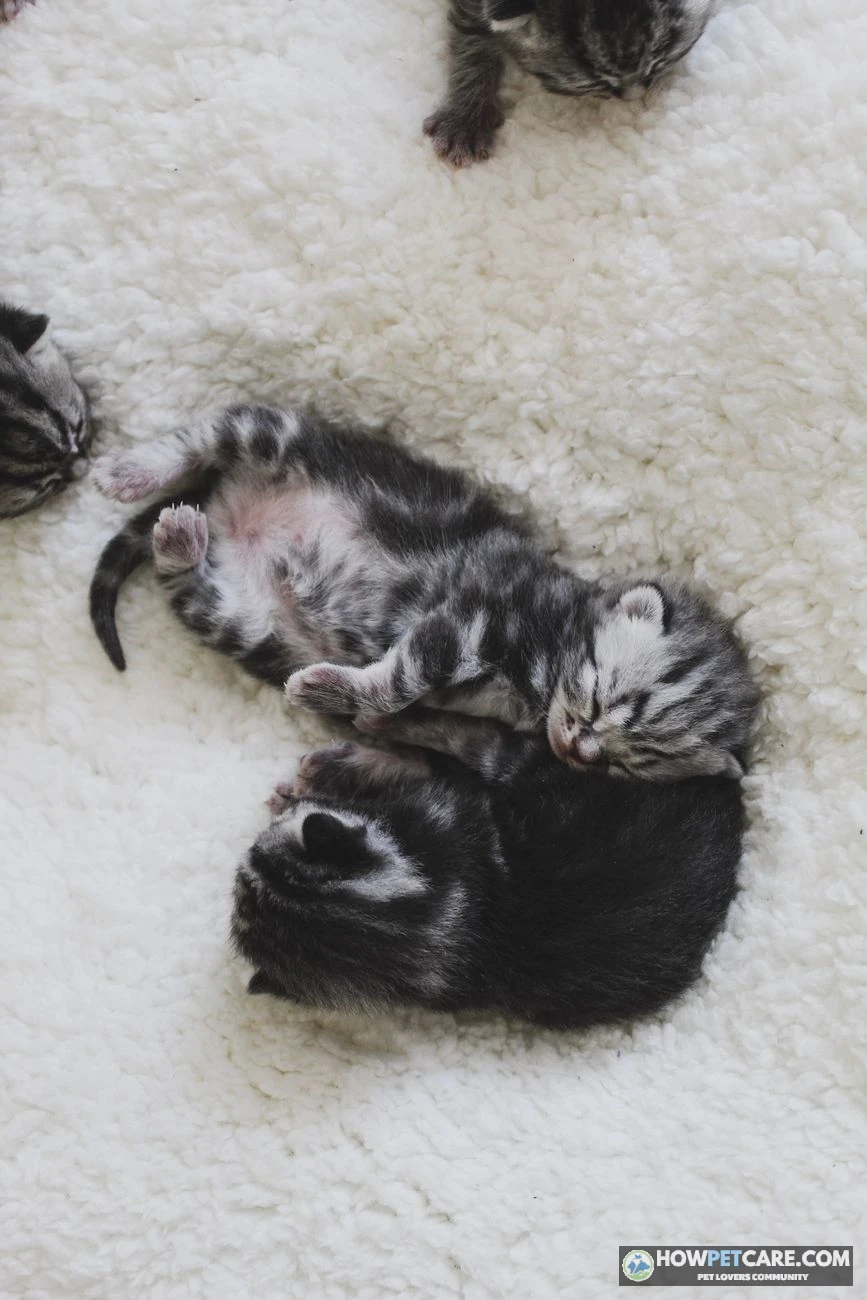
When home monitoring is not enough
First-time foster parents sometimes wait through the night, hoping an ailing kitten will bounce back by morning. Kittens have almost no hepatic glycogen stores; an unweaned kitten that stops nursing will deplete their blood glucose within four to six hours, triggering organ failure and death.
Never attempt invasive clinical procedures at home without explicit, real-time veterinary authorization. Administering subcutaneous fluids (sub-Q fluids), prescription antibiotics, or anti-diarrheal medications requires calculated weight-based dosing and veterinary instruction. If your kitten displays any symptom marked with a red indicator in the triage matrix, skip home remedies and seek clinical care immediately.
Your 2 a.m. call script
When calling your program’s emergency foster hotline or an after-hours veterinary clinic, communicate clinical facts clearly. Use this concise template:
- Identity & Program: "This is [Your Name], fostering for [Rescue/Shelter Name]. I have a [age in weeks]-week-old kitten, ID number [Kitten ID]."
- Primary Symptom: "The kitten is experiencing [acute lethargy / hypothermia / continuous diarrhea / open-mouth breathing]."
- Objective Vitals: "Current body weight is [weight] grams, which is a [loss/gain] of [number] grams since yesterday. Rectal temperature is [temp] degrees Fahrenheit. Last successful feeding was [number] hours ago."
- First Aid Administered: "I have initiated active warming on a low heating pad for [number] minutes and applied Karo syrup to the gums twice. I need immediate authorization to bring the kitten into the clinic."
What Fostering Kittens Really Costs Through Eight Weeks
Many beginner guides say kitten fostering is entirely free because shelters provide supplies. Municipal shelters often do furnish core materials, but fostering for small non-profits or independent rescues, or facing unexpected supply chain gaps, frequently means spending your own money.
Budget model: low, typical, and high
This model illustrates the out-of-pocket budget needed to raise kittens from approximately two weeks of age to their eight-week adoption milestone. Estimates reflect 2026 US retail pricing across different organizational support tiers.
| Cost Category | One-Time or Recurring | Low Budget (Fully Supported Shelter) | Typical Budget (Rescue Partner) | High Budget (Self-Funded / Independent) | Budget Assumptions |
|---|---|---|---|---|---|
| Kitten Milk Replacer (KMR) | Recurring | $0 | $35–$60 | $90–$150 | Low = shelter supplies. High = solo kitten vs litter of four eating premium KMR powder. |
| Bottles, Nipples, Syringes | One-time | $0 | $12 | $25 | Specialized silicone nipples (Miracle Nipple) plus backup replacement packs. |
| Digital Gram Scale | One-time | $0 | $15 | $25 | Low = borrowed from shelter pantry. Must resolve in 1-gram increments. |
| Safe Supplemental Heating | One-time | $0 | $22 | $45 | Snuggle Safe microwave disc or non-shutoff low-temp pet heating pad. |
| Playpen or Modular Pen | One-time | $0 | $35 | $85 | Low = bathroom isolation. High = heavy-duty collapsible canvas playpen. |
| Fleece Bedding & Towels | One-time | $0 | $15 | $35 | Secondhand fleece throws washed frequently; no loops that snag claws. |
| Weaning Food & Kibble | Recurring | $0 | $30–$50 | $80–$140 | Canned pate plus dry growth kibble across weeks 4 through 8. |
| Pellet Litter & Shallow Pans | Recurring | $0 | $15 | $35 | Paper-based non-clumping pellets (pellets avoid impaction if tasted). |
| Veterinary Care & Vaccines | Recurring | $0 | $0 | $250–$600+ | Program covers care at low/typical; high includes retail exams, FVRCP, and dewormers. |
| Pediatric Spay/Neuter | One-time | $0 | $0 | $100–$250 | Program covers surgery; independent fosters must pay local clinic surgery fees. |
| Sanitation & Diagnostics | One-time | $10 | $20 | $45 | Accelerated hydrogen peroxide, nitrile gloves, thermometer, lubricant. |
| Total (Solo Kitten to 8 Wks) | — | ~$10 | ~$194–$274 | ~$945–$1,470 | Fully supported program vs out-of-pocket independent rescue. |
| Total (Litter of 4 to 8 Wks) | — | ~$10 | ~$280–$390 | ~$1,350–$2,100 | Scaling formula, food, litter, and veterinary medical line items. |
One-time setup vs recurring costs
If you plan to foster multiple litters over several seasons, your setup equipment—the digital gram scale, heating pads, playpens, carriers, and specialized nursing nipples—is a single investment. Once you have it, your per-litter costs drop significantly.
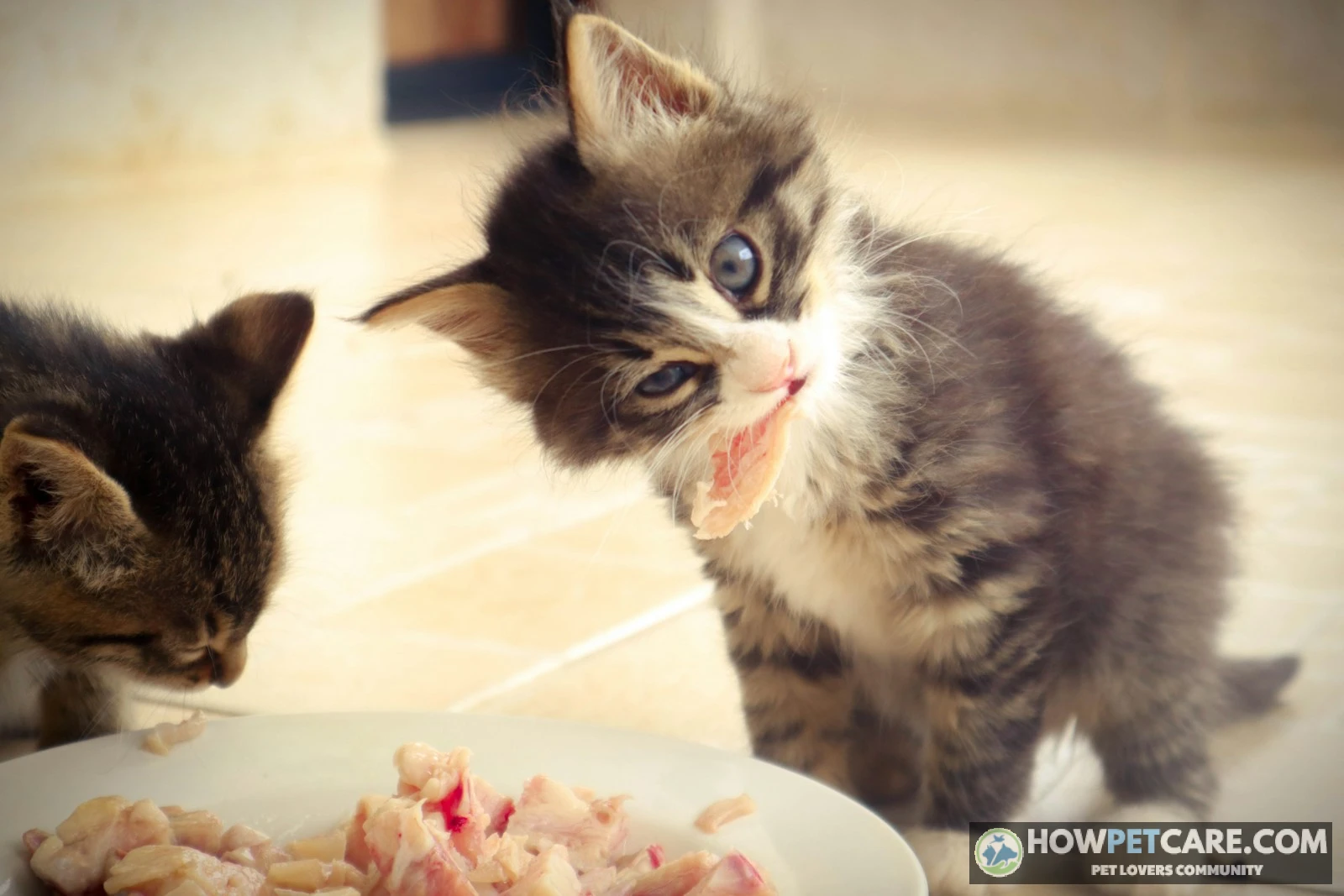
Recurring expenses rise with the size of your litter and depend on their age at intake. A single orphan kitten consumes roughly one standard canister of powdered kitten milk replacer before weaning, while a litter of four healthy three-week-olds will consume four to six large canisters of formula within three weeks. As kittens cross into week six, canned food consumption accelerates; a healthy litter of four weaned kittens will easily consume three to five 5.5-ounce cans of wet food daily.
Cost-saving options
If you foster through an under-resourced rescue group or are managing emergency expenses, these strategies can help control out-of-pocket spending:
- Request shelter supply bank access: Municipal shelters often receive surplus commercial donations of food, formula, and litter that they freely distribute to registered foster volunteers or external community rescuers.
- Use alternative litter pans: Skip commercial pet-store plastic litter boxes for small kittens. Low-sided cardboard flats from canned food cases or shallow aluminum baking tins cost cents and can be recycled after use.
- Source secondhand containment hardware: Check local community boards or foster volunteer network groups for lightly used metal crates or playpens. Always scrub and disinfect secondhand equipment using an accelerated hydrogen peroxide solution before introducing new kittens.
- Purchase paper pellets in bulk: Skip high-priced, branded feline paper litter. Agricultural supply stores sell 40-pound bags of compressed all-natural hardwood or pine pellets for a fraction of the cost of commercial pet products.
Adoption Handoff and Grief: Letting Go, Foster Loss, and Taking Care of Yourself
Preparing kittens for permanent homes is the goal of fostering, but the end of an assignment can bring real challenges. First-time volunteers may face adoption handoff logistics, the heartbreak of losing fragile kittens, and the strain of emotional burnout.
How adoption handoff works
When kittens reach their clinical weight milestones (typically two pounds) and complete their spay or neuter procedures, the adoption process begins. Programs generally follow one of two paths:
- Direct shelter-managed adoptions: You return the kittens to the shelter facility, where veterinary teams perform surgical procedures and intake specialists place the animals in adoption wards or display areas. Prospective adopters complete background checks and adopt directly through the organization.
- Foster-to-adopt and foster-managed handoffs: You maintain custody of the kittens throughout their surgical recovery, write descriptive biographies, take well-lit profile photos, and host virtual or in-person meet-and-greets with pre-screened applicants.
Use this checklist to prepare for the adoption transition:
Adoption Handoff + Goodbye Checklist
Before handoff day
- ☐ Confirm kittens meet program criteria: typically a minimum age of 8 weeks and body weight of 900 grams (2 pounds), free of clinical illness.
- ☐ Compile and print the complete daily health record: weight progression curves, vaccination records, deworming dates, microchip paperwork, and any past treatment logs.
- ☐ Write a personalized "kitten bio profile" detailing preferred food textures, litter box habits, favorite toys, sleep preferences, and quirky behavioral traits.
- ☐ Prepare a comfort item: wash a small fleece blanket or fabric toy that carries your nursery’s scent and pack it in the kitten’s travel carrier to reduce stress during their first night in their new home.
- ☐ Take clear transition photos and portraits before the arrival of the adopter.
Handoff mechanics & boundaries
- ☐ Verify whether your shelter permits direct communication between fosters and adopters, or requires all updates to route through shelter staff.
- ☐ Clarify return terms with the adopter: confirm that if the adoption fails at any point in the animal’s life, the cat must return to the sponsoring shelter rather than being surrendered to a third party.
- ☐ Finalize and sign shelter adoption release agreements and return all borrowed organizational gear.
Managing "Foster Fails"
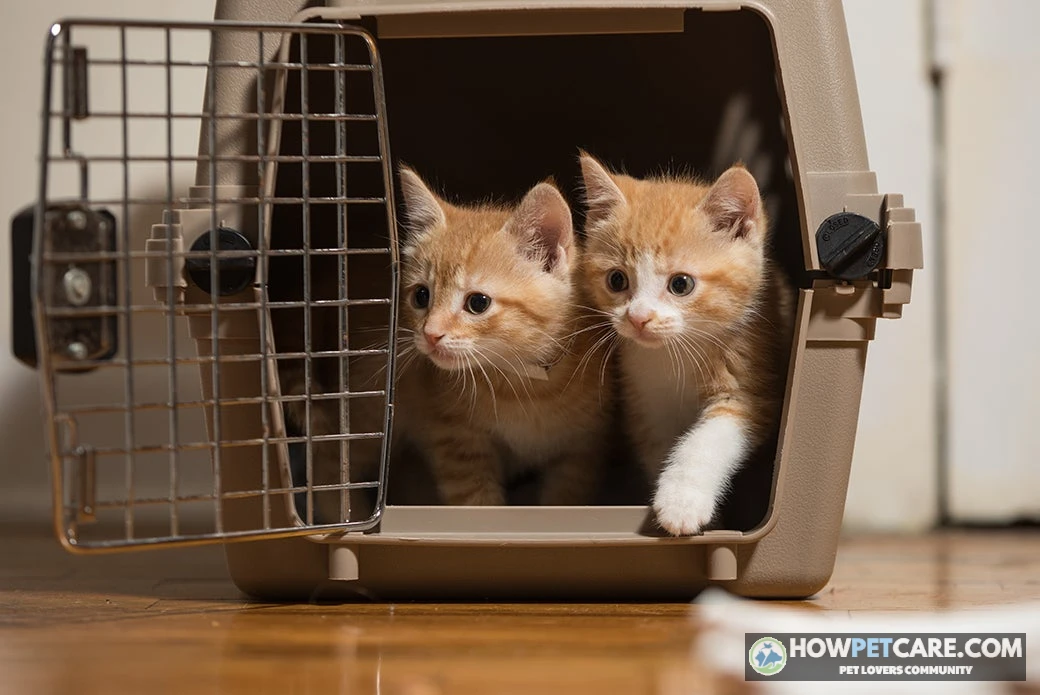
- ☐ Deciding to permanently adopt your foster kitten—affectionately known in rescue as a "foster fail"—is a normal outcome, not an operational failure. Evaluate the choice objectively: can your household budget comfortably afford this animal for the next fifteen to twenty years, and will keeping this cat prevent you from taking in future high-risk litters?
- ☐ If you choose to adopt, inform your foster coordinator immediately so staff can remove the animal from public adoption directories and process your formal adoption paperwork.
Losing a foster kitten
Despite proper heating, round-the-clock feedings, and veterinary interventions, neonatal mortality rates in rescue medicine remain significant. Studies show that between 15% and 30% of orphaned kittens die from congenital anomalies, severe failure to thrive, birth trauma, or undetected infectious pathogens before reaching weaning age. Losing an animal you have cared for can be agonizing.
If a kitten passes away in your home:
- Notify your foster coordinator immediately: Do not dispose of the kitten’s remains. Shelters follow structured legal, clinical, and sanitation procedures for handling deceased animals, and staff may request a veterinary necropsy to protect the surviving littermates.
- Safely preserve remains: If clinic transport is delayed by several hours, wrap the kitten in a soft cloth, place them inside an airtight plastic container, and keep them refrigerated—never frozen—until you can transport them to the clinic.
- Sanitize the nursery environment: Immediately isolate remaining littermates in a fresh, clean holding pen. Discard all porous bedding, wash hard surfaces with accelerated hydrogen peroxide or fresh bleach solution, and monitor surviving kittens for temperature drops or weight stalls.
- Acknowledge your grief: A bond with an intensive-care animal can develop quickly. Connect with other foster caregivers, seek out pet loss support groups, and recognize that providing warmth, comfort, and care at the end of a short life is meaningful rescue work.
Compassion fatigue and when to pause
Compassion fatigue is a recognized psychological condition characterized by emotional exhaustion, chronic apathy, physical depletion, and pervasive dread when facing caregiving responsibilities. In animal welfare, it often appears when volunteers take on back-to-back high-needs litters without adequate emotional recovery time.
Watch for early warning signs: persistent insomnia, irritability toward family members, reluctance to weigh or feed kittens, intrusive guilt over animals that did not survive, and feelings of isolation.
Setting boundaries is an essential caregiving skill. Stepping back for a month, a season, or permanently is a responsible, valid choice. Protecting your mental health can help if you choose to return to volunteer work.
Your Next Steps: A Decision Checklist Before You Foster
To move from research to hands-on foster care, complete this preparation checklist:
- Assess your household readiness: Review the readiness scorecard in Section 1. Ensure all human household members agree to the plan and all resident pets have up-to-date vaccinations.
- Locate two local organizations: Search online for shelters and rescues near you. Review their foster portals to see what supplies, clinical support, and onboarding they provide.
- Submit your application: Complete the volunteer application. Be honest about your experience level, schedule limits, and housing layout. Request older, weaned kittens if you’re taking on your first litter.
- Prepare your nursery space: Disinfect a dedicated bathroom or spare room. Assemble a digital gram scale, heating source, kitten milk replacer, bottles, fleece bedding, and disposable litter trays before picking up your litter.
- Program emergency phone numbers: Store your coordinator’s phone number, the shelter clinic line, and the nearest 24-hour partner emergency veterinary hospital in your mobile phone contacts.
If work commitments, residential leases, or personal circumstances mean you can’t bring kittens home right now, you can still support local animal welfare. High-volume shelters need volunteers to transport animals between veterinary appointments, organize community supply drives, wash laundry at shelters, or assemble emergency neonatal intake kits. These are practical ways to support kitten care without taking on a litter at home.
FAQ
Can I foster kittens if I already have cats at home?
Often yes, but kittens should be isolated in a separate room at first, and your resident cats should be vaccinated and healthy. Ask your program about quarantine length and testing, especially if a kitten shows diarrhea, sneezing, or skin lesions.
Is it safe to foster kittens while pregnant?
Many people do, with precautions such as avoiding litter box cleaning, washing hands thoroughly, and keeping kittens healthy and parasite-free. Check with your doctor first because some infections, such as toxoplasmosis, matter during pregnancy.
Do I need experience to foster kittens?
Not for older, weaned kittens, since many programs provide training and support. Bottle-feeding neonatal kittens is more demanding, so many programs prefer or require some experience or extra training.
Can I foster kittens if I work full time?
Yes, with weaned kittens who eat on a set schedule. Neonates need feeding every few hours, so they usually require a flexible schedule or help from another caregiver.
What should I do if I find kittens outside?
Watch from a distance of 35 to 50 feet for two to four hours before intervening—mother cats routinely leave to forage. Only remove kittens that are crying continuously, cold, injured, or in immediate danger, and warm a cold kitten before feeding.