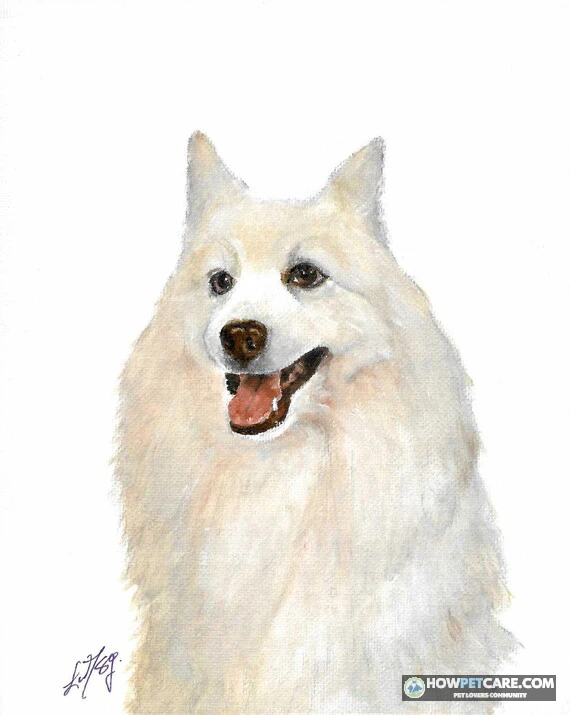

The Japanese Spitz is a small-to-medium, alert companion dog that typically weighs 10 to 25 pounds and needs daily exercise, regular brushing, reward-based training, and company. It can suit apartments, but prospective owners should be prepared for vocal watchdog behavior and heavy seasonal shedding.
The Japanese Spitz is a small-to-medium white companion dog developed in Japan between 1920 and 1950. It typically weighs 10 to 25 pounds and stands 12 to 15 inches at the shoulder, with a life expectancy of 12 to 14 years. Alert, intelligent, and deeply social, it suits apartments or houses where owners can commit to daily exercise, grooming, and training. It is not hypoallergenic, since it sheds dander and a seasonal undercoat. If you want a compact, bright, family-friendly dog and can tolerate barking plus twice-yearly heavy shedding, the Japanese Spitz may fit your household.
Japanese Spitz at a Glance: Size, Temperament, and Household Fit

A Japanese Spitz is best understood as an active companion rather than a low-effort lapdog. Adults range from 10 to 25 pounds and 12 to 15 inches tall. The white double coat is self-cleaning to a degree—the dog grooms itself like a cat—but it still requires regular brushing. Average lifespan runs 12 to 14 years, with a 2024 UK study reporting 13 years.
Temperament is alert, social, intelligent, and playful, with a tendency toward vocal watchdog behavior and possible separation distress if left alone too long without training. The breed is not hypoallergenic because it sheds and produces dander. It can do well with children and other pets when interactions are supervised, introductions are gradual, and children handle the dog gently; individual temperament and socialization matter.
Quick-fit checklist for prospective owners
- ☐ Apartment space: a Japanese Spitz typically weighs 10 to 25 pounds and stands 12 to 15 inches at the shoulder, making it apartment-size, but plan daily walks and indoor play because the breed is alert and active indoors.
- ☐ Noise tolerance: Japanese Spitz dogs are vocal and may bark at visitors, street sounds, or alone-time stress. Score your situation: quiet building with thin walls = high challenge; detached home or tolerant neighbors = manageable.
- ☐ Grooming time: budget 2 to 3 brushing sessions per week in normal weeks and daily brushing during spring and fall shedding seasons; add paw checks, nail trims, ear cleaning, and toothbrushing.
- ☐ Budget: plan roughly $1,200 to $3,000 for the first year beyond the purchase or adoption price, including food, supplies, routine veterinary care, grooming tools, and training; reserve extra for emergencies.
- ☐ Household members: supervise all interactions with children under 6; introduce other pets gradually and never leave a new Japanese Spitz unsupervised with cats or small animals until trust is established.
- ☐ Alone-time coverage: arrange for someone to be home or provide midday breaks during the first weeks; the breed can develop separation distress if left alone for long periods without training.
- ☐ Activity match: commit to at least 30 to 60 minutes of daily exercise split into walks, sniffing, play, and short training sessions.

| Category | Typical expectation | What changes the estimate | Beginner action |
|---|---|---|---|
| Adult size | 10–25 pounds; 12–15 inches at shoulder | Genetics, nutrition, spay/neuter status | Use a scale monthly during the first year |
| Lifespan | 12–14 years | Health care, weight management, genetics | Schedule annual veterinary exams |
| Daily exercise | 30–60 minutes | Age, weather, health, energy level | Split into two shorter sessions if needed |
| Grooming | Brush 2–3 times weekly; daily in shedding season | Coat condition, season, outdoor activity | Start short brushing sessions early with treats |
| Barking tendency | Alert watchdog; may bark at visitors and noises | Training, socialization, alone time | Teach a quiet cue and manage triggers early |
| First-year cost | $1,200–$3,000 beyond acquisition price | Food quality, veterinary needs, grooming tools, training | Build an emergency savings buffer |
| Alone-time tolerance | Moderate; can develop separation distress | Training, age, household schedule | Practice short departures from day one |
How big does a Japanese Spitz get?
The Japanese Spitz typically weighs 5 to 10 kilograms (10 to 25 pounds) and stands 30 to 38 cm in males internationally, with Australian standards listing males at 34 to 37 cm and females at 30 to 34 cm. Growth finishes around 10 to 12 months. Because genetics, nutrition, and spay or neuter status influence final size, use monthly weigh-ins during the first year rather than breed averages alone.

Daily Care: Exercise, Training, Barking, and Separation Anxiety

Plan 30 to 60 minutes of daily activity, split into walks, sniffing, play, and short training sessions. Some sources note a minimum of about 20 minutes per day. Puppies need shorter, more frequent bursts; seniors benefit from gentle, consistent movement. Adjust for heat, since the white double coat insulates against both cold and heat but does not prevent overheating.
Reward-based training works best for this intelligent Spitz breed. Use food, toys, and praise; avoid harsh corrections, which can increase fear, reactivity, or vocal behavior. Focus on recall, leash manners, calm greetings, and a reliable quiet cue.
An eight-week socialization and barking-management calendar
Week 1: Handle paws, ears, and mouth daily for 1 minute; introduce collar and leash indoors; reward calm response to doorbell or knock once per day.
Week 2: Practice short alone-time sessions of 5 to 10 minutes in a safe area; give a stuffed chew toy; return quietly without fuss.
Week 3: Introduce recall with a long line in a fenced area; reward coming when called; add one new surface such as carpet, tile, or grass.
Week 4: Practice calm greetings by asking for a sit before guests enter; reward quiet behavior when the doorbell rings.
Week 5: Expose to everyday sounds (vacuum, traffic, doorbell) at low volume; pair with treats; identify top two barking triggers.
Week 6: Extend alone-time to 20 to 30 minutes with enrichment; practice leaving and returning without emotional goodbyes.
Week 7: Walk past other dogs at a distance; reward focus on you and quiet behavior; practice “leave it” with passing distractions.
Week 8: Combine recall, calm greetings, and alone-time in one short session; review barking triggers and note which need continued management.

Keep exposures positive and adjust the pace to the individual dog; these weeks are a flexible sequence, not a deadline. If the dog shows persistent fear or distress, step back and seek professional guidance.
Building calm alone-time skills
Japanese Spitz dogs can develop separation anxiety if left alone for long periods without gradual training. Build alone-time in small increments, provide enrichment such as stuffed chews, keep departures and returns low-key, and use a camera to observe stress signals. If barking, pacing, or destruction persist, consult a force-free trainer or veterinary behaviorist.
A practical barking decision tree: identify the trigger, manage the environment (block sightlines, add white noise), reinforce quiet behavior, and seek professional help if the behavior escalates or affects welfare.
White Japanese Spitz Grooming: Coat Care, Shedding, and Dental Hygiene
Brush 2 to 3 times per week in normal weeks and daily during heavy shedding seasons. Shedding increases once yearly in males and twice yearly in females. Never shave or clip the double coat, since the natural layers protect against both heat and cold. The coat has natural anti-soiling properties and the dog grooms itself like a cat.
A practical deshedding-season checklist
- Line brush from skin outward, section by section, using an undercoat rake and slicker brush.
- Blow-dry on cool setting after baths to remove loose undercoat.
- Check paw pads, ears, and nails weekly; trim nails every 2 to 3 weeks.
- Bathe only when dirty; over-bathing strips natural oils.
- Clean bedding and vacuum frequently to manage loose hair.
- Inspect for skin redness, odor, or matting; see a veterinarian if changes persist.

Dental care from puppyhood through senior years
Brush teeth several times weekly from puppyhood, schedule veterinary dental exams, and watch for bad breath, tartar, or gum redness. Dental disease is a common concern in small breeds and can lead to pain and systemic issues. Report persistent odor or eating changes to your veterinarian.
Feeding a Japanese Spitz by Life Stage and Body Condition
Calorie needs vary by food density, activity, age, sterilization status, and health. Some general estimates suggest roughly 1,000 kcal per day for puppies and about 700 kcal per day for adults, but these are not individualized targets and may exceed the example ranges below. Use your dog’s body condition, growth, and veterinary advice to set an appropriate target. Convert calories to cups using the food label rather than assuming one universal portion.
| Life stage | Example calorie range | Meal frequency | How to calculate cups | Adjustment signs |
|---|---|---|---|---|
| Puppy (2–6 months) | 400–700 kcal/day | 3–4 meals | Divide daily kcal by kcal-per-cup on the food label | Ribs visible or dog leaving food; reduce; ribs not palpable or rapid gain; increase |
| Puppy (6–12 months) | 350–550 kcal/day | 2–3 meals | Divide daily kcal by kcal-per-cup on the food label | Soft stool or picky eating; transition gradually over 7 days |
| Adult (1–7 years) | 300–500 kcal/day | 2 meals | Divide daily kcal by kcal-per-cup on the food label | Weight gain or loss beyond 1–2% per week; adjust in 10% increments |
| Senior (7+ years) | 250–400 kcal/day | 2 meals | Divide daily kcal by kcal-per-cup on the food label | Reduced activity or muscle loss; consult veterinarian before changing |
| Pregnant or nursing | Varies widely; often higher | Veterinarian-guided | Follow food label for reproduction or veterinary advice | Body condition changes; veterinary monitoring required |

Calories, cups, and meal frequency by life stage
Use the table above as a starting point, then adjust based on body-condition score and weight trends. Feed a complete, growth-appropriate diet to puppies and transition foods gradually over about seven days. Avoid free-feeding, excessive treats, and sudden diet changes.
How to adjust portions safely
Weigh your dog weekly, assess body condition by feeling the ribs, and adjust portions in 10 percent increments. Consult a veterinarian for dental disease, obesity, allergies, gastrointestinal signs, or changing energy needs.
Japanese Spitz Health, Screening, and Veterinary Costs

Common concerns include patellar luxation, Factor VII deficiency, dental disease, allergies or skin problems, eye conditions, and weight-related issues. Not every dog develops these. Patellar luxation—a kneecap that slips out of place—is the most frequently cited inherited concern.
Factor VII deficiency is a bleeding disorder. Ask breeders for documented DNA test results for the puppy’s parents and have your veterinarian interpret clear, carrier, or affected findings. A DNA result predicts genotype but not every clinical outcome; discuss implications with a veterinarian or genetic counselor.
Patellar luxation evaluation by a qualified veterinarian is valuable, though a puppy exam has limitations. Request documented parent screening when possible, and ask who performed the evaluation and what the results mean for the puppy.
Preventive care timeline: core vaccines, parasite control, dental exams, annual exams (semiannual for seniors), bloodwork as recommended, and symptom monitoring. Urgent signs include breathing difficulty, collapse, uncontrolled bleeding, repeated vomiting, severe pain, sudden weakness, or inability to urinate—seek veterinary care immediately.
Budget separately for routine, preventive, emergency, and chronic care. Price ranges vary by region and provider; treat unsourced figures as planning estimates only. Over a Japanese Spitz’s lifetime, costs accumulate across food, routine and dental care, preventive treatment, training, and any emergencies or chronic conditions. The first-year estimate is not a lifetime total; plan a recurring annual budget and an emergency reserve rather than relying on a single fixed lifetime figure.
What breeders should screen for
Responsible breeders provide health records, genetic testing for Factor VII deficiency, documented patellar evaluations, contracts, puppy socialization evidence, parent temperament information, and return policies. Ask for the actual records rather than relying on verbal assurances; have your veterinarian review results if their meaning is unclear.
Senior-care planning and emergency warning signs
Senior dogs (7+ years) need more frequent exams, dental monitoring, weight management, and adjusted activity. Watch for reduced mobility, appetite changes, or cognitive shifts, and consult your veterinarian promptly.
Japanese Spitz Price, Responsible Breeders, and Rescue Options
How much does a Japanese Spitz cost?
There is no dependable single U.S. price in the information available here: puppy prices vary by location, breeder, and other circumstances, so request current written quotes and compare what care and documentation are included. Reputable puppy prices are often cited around 1,500 to 2,000 euros in some markets; puppies under 1,500 euros often do not come from reputable breeders. For U.S. planning, budget roughly $1,200 to $3,000 for the first year beyond acquisition, including food, supplies, routine veterinary care, grooming tools, and training, plus emergency reserves. Prices vary widely; use these as frameworks, not guarantees.
Japanese Spitz puppies for sale versus adoption
Vet breeders by requesting health records, genetic tests, patellar evaluations, contracts, socialization details, and return policies. Red flags: pressure to pay quickly, shipping-only transactions, unavailable parents, vague health guarantees, missing records, multiple unrelated litters, and unusually low prices. For adoption, check breed clubs, regional shelters, transport networks, and reputable rescue organizations, and verify health and behavior information.
Pre-purchase checklist: household readiness, breeder or rescue documentation, first veterinary visit plan, insurance or emergency savings, and realistic lifetime costs.
Japanese Spitz vs. Samoyed, American Eskimo Dog, and Pomeranian
Japanese Spitz vs. Samoyed comparison
The Samoyed is larger (35 to 65 pounds, 19 to 23 inches), needs 60+ minutes of daily exercise, and has a heavier coat with more shedding and grooming. The Japanese Spitz is smaller, needs 30 to 60 minutes, and has a more manageable coat, though both are vocal and social.
Japanese Spitz vs. American Eskimo Dog and Pomeranian
The American Eskimo Dog ranges from 6 to 35 pounds by size variety and is highly trainable but may be reserved with strangers. The Pomeranian is tiny (3 to 7 pounds), fragile around rough handling, and needs careful child supervision. Registry standards and individual temperament vary, so meet adult dogs before choosing.
| Breed | Adult size | Temperament and vocal behavior | Exercise needs | Grooming and shedding | Best-fit household |
|---|---|---|---|---|---|
| Japanese Spitz | 10–25 pounds; 12–15 inches | Alert, social, playful; vocal watchdog tendency; can develop separation distress | Moderate: 30–60 minutes daily including walks and play | White double coat; brush 2–3 times weekly; daily during seasonal shedding | Apartments or homes with tolerant owners who want a small-to-medium companion dog |
| Samoyed | 35–65 pounds; 19–23 inches | Friendly, energetic, independent; vocal; strong need for human company | High: 60+ minutes daily plus mental work | Thick double coat; heavy seasonal shedding; frequent brushing | Active households with space, cooler climate tolerance, and grooming time |
| American Eskimo Dog | 6–35 pounds by size variety; 9–19 inches | Intelligent, trainable, watchful; can be vocal and reserved with strangers | Moderate to high depending on size | White double coat; regular brushing; seasonal shedding | Owners wanting a trainable small-to-medium dog with watchdog instincts |
| Pomeranian | 3–7 pounds; 6–7 inches | Bold, spirited, often vocal; fragile around rough handling | Low to moderate: short walks and indoor play | Long double coat; frequent brushing; seasonal shedding | Adult-only homes or quiet households able to handle a small, delicate dog |

Decision rule: choose the Japanese Spitz if you want a small-to-medium, social, apartment-capable companion and can manage barking and seasonal shedding. Choose a Samoyed for a larger active partner, an American Eskimo Dog for trainability, or a Pomeranian for minimal size—but only with careful handling.
Your Japanese Spitz Decision and First-Year Action Plan
Pre-adoption readiness checklist
- ☐ Daily time for exercise, training, and grooming
- ☐ Noise tolerance for barking
- ☐ Grooming commitment including deshedding seasons
- ☐ Budget and emergency savings
- ☐ Children and pet management plan
- ☐ Alone-time coverage
- ☐ Access to veterinary care
First-year care timeline
First 48 hours: decompression, quiet space, consistent routine, first veterinary exam. First week: establish feeding schedule, begin handling exercises, short alone-time practice. First month: socialization exposures, recall and leash training, grooming habit building. First year: complete vaccine series, spay/neuter discussion with veterinarian, dental baseline, weight and body-condition tracking, and review of barking and separation-anxiety progress.
Involve a force-free trainer for persistent barking or anxiety, a veterinary behaviorist for significant distress, a veterinary nutritionist for complex dietary needs, and a genetic specialist for Factor VII questions. Document weight, body condition, meals, training progress, grooming, and health screenings to adjust care over time.
Decision path: proceed with a vetted breeder or rescue if all readiness items are met; delay while solving a readiness gap; or choose a different breed if noise, grooming, or alone-time constraints cannot be met.

| Breed | Adult Size | Temperament and Vocal Behavior | Exercise Needs | Grooming and Shedding | Best-Fit Household |
|---|---|---|---|---|---|
| Japanese Spitz | 10–25 pounds; 12–15 inches | Alert, social, playful; vocal watchdog tendency; can develop separation distress | Moderate: 30–60 minutes daily including walks and play | White double coat; brush 2–3 times weekly; daily during seasonal shedding | Apartments or homes with tolerant owners who want a small-to-medium companion dog |
| Samoyed | 35–65 pounds; 19–23 inches | Friendly, energetic, independent; vocal; strong need for human company | High: 60+ minutes daily plus mental work | Thick double coat; frequent brushing; heavy seasonal shedding | Active households with space, cooler climate tolerance, and grooming time |
| American Eskimo Dog | 6–35 pounds by size variety; 9–19 inches | Intelligent, trainable, watchful; can be vocal and reserved with strangers | Moderate to high depending on size | White double coat; regular brushing; seasonal shedding | Owners wanting a trainable small-to-medium dog with watchdog instincts |
| Pomeranian | 3–7 pounds; 6–7 inches | Bold, spirited, often vocal; fragile around rough handling | Low to moderate: short walks and indoor play | Long double coat; frequent brushing; seasonal shedding | Adult-only homes or quiet households able to handle a small, delicate dog |
FAQ
Is the Japanese Spitz recognized by the AKC?
The Japanese Spitz is not currently a fully AKC-recognized breed, although it may be recorded through other kennel clubs or accepted in various companion and exhibition systems. Confirm current registration and eligibility details directly with the relevant organization.
Do Japanese Spitz dogs smell?
A healthy Japanese Spitz usually has little persistent odor when its coat is brushed and dried properly. Strong or sudden odor can signal damp undercoat, skin or ear disease, dental problems, or another condition that needs veterinary attention.
Can a Japanese Spitz live in a hot climate?
Yes, but its white double coat does not eliminate heat risk. Provide shade, water, indoor cooling, exercise during cooler hours, and never shave the coat as a substitute for heat management.
How long can a Japanese Spitz be left alone?
There is no safe universal time limit because age, training, toileting ability, and separation tolerance differ. Puppies need frequent breaks, and adults should be built gradually toward alone time with enrichment and a backup caregiver when necessary.