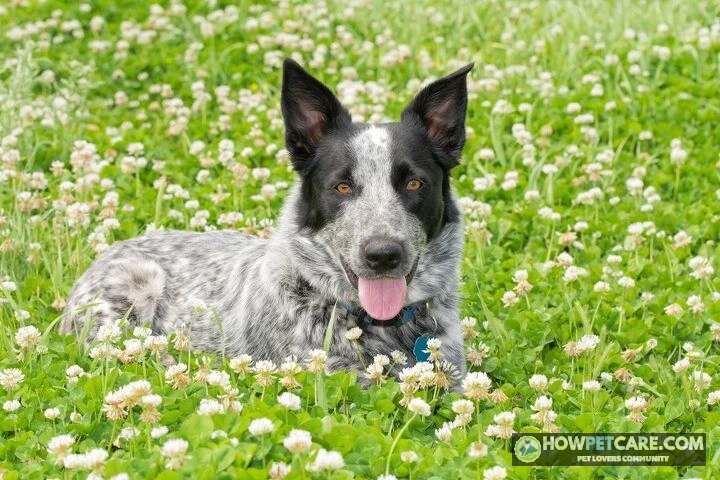

A Texas Heeler is an Australian Cattle Dog (Blue Heeler) crossed with an Australian Shepherd. Adults typically stand 17–22 inches and weigh 25–50 pounds. Intelligent, loyal and driven to herd, this mix needs 60–90 minutes of daily exercise, reward-based training, and careful management around children and small pets.
A Texas Heeler is an Australian Cattle Dog, often called a Blue Heeler, crossed with an Australian Shepherd. This energetic, intelligent herding crossbreed isn’t a standardized purebred, so adult size, coat, appearance, and behavior can vary considerably. A typical Texas Heeler needs an active owner who can provide daily exercise, reward-based training, secure management, and a plan for herding behaviors. The mix can be a rewarding farm, ranch, sport, or active-family dog. It isn’t automatically an easy family pet or a low-maintenance version of either parent.
This guide covers what prospective owners need to know: parentage, size, temperament, puppy training, grooming, feeding, health planning, realistic 2026 costs, household fit, and responsible adoption or breeder screening.
Texas Heeler at a Glance: Parentage, Size and Lifespan
What Dogs Make a Texas Heeler?
A Texas Heeler is an Australian Shepherd and Australian Cattle Dog mix. “Blue Heeler” is a common name for the Australian Cattle Dog, not a separate breed. You may also see the cross described as a designer dog or Australian Shepherd cattle dog mix. Early development is often associated with farm work in Texas, and Lucy Guynes is cited as registering an early Texas Heeler with the Animal Research Foundation in May 1970.
The American Kennel Club does not recognize the Texas Heeler as an established purebred. That distinction matters: no single breed standard requires every Texas Heeler to reach a particular height, have a particular coat, or show a predictable temperament. A puppy may take after the Australian Cattle Dog parent, the Australian Shepherd parent, or inherit a combination of traits that’s difficult to predict in puppyhood.
Evaluate each dog as an individual. Parent health records, observed behavior, foster information, and responses to handling and training tell you more than a color label or an advertisement promising a particular adult size.

How Big Does a Texas Heeler Get?
Commonly reported adult expectations are about 17–22 inches at the shoulder and 25–50 pounds, with males often trending larger than females. Treat these as planning ranges, not guarantees. Parent size, sex, generation, nutrition, and individual inheritance all influence adult size.
Most Texas Heelers reach close to adult height around 12 months, though they may continue filling out into the second year. Ask for the measured height and weight of both parents rather than relying on labels such as “medium,” “compact,” or “mini.” A mixed-breed puppy’s paws and current weight can’t reliably tell you how large it will grow.
| Trait | Typical Expectation | Why It Varies |
|---|---|---|
| Adult height | About 17–22 inches | Parent size and sex |
| Adult weight | About 25–50 pounds | Frame, muscle, sex, activity, and nutrition |
| Growth | Near adult height around 12 months; filling out may continue | Individual growth rate and parentage |
| Lifespan | Often estimated at 12–15 years | Genetics, preventive care, weight, and chance |
| Coat | Short, medium, or longer double coat | Australian Cattle Dog and Australian Shepherd inheritance |
| Allergy profile | Not hypoallergenic | Most shed and may have seasonal coat changes |

Coat Types, Colors and the “Mini Texas Heeler” Label
Coats can be short and smooth like an Australian Cattle Dog’s, medium-length with some feathering, or longer and double-coated under the Australian Shepherd’s influence. Common color descriptions include blue, blue merle, black, and blue-ticked, but coat color doesn’t predict health, intelligence, or suitability. Ears may be erect or folded, and tails may be naturally short or long.
“Mini Texas Heeler” isn’t a standardized size category. The label may refer to smaller parents, an Australian Shepherd line marketed as miniature, a puppy expected to mature smaller than average, or simply a sales term. Before paying a premium, request the parents’ breeds, measured adult sizes, registration or ownership records where applicable, and health documentation. A small puppy isn’t necessarily a healthy or genuinely miniature adult.
Texas Heeler Temperament: Smart, Loyal and Driven to Herd
Texas Heelers are often intelligent and attentive to their handlers, with an alert, loyal nature and an eagerness to work. Those traits can make training satisfying. They also bring substantial daily responsibilities. Some dogs are independent, intense, vocal, or reserved with strangers. Genetics, early experiences, socialization, training, health, and environment all shape an individual’s temperament.
Herding, Nipping and Chasing
Herding instinct may show up as staring, circling, heel nipping, blocking movement, chasing bicycles, running after children, or trying to control another dog’s direction. A puppy may nip because movement triggers arousal, rather than out of aggression. Even so, you need to manage the behavior immediately, especially around children, runners, cats, and livestock.
Bored dogs may chew, dig, run along fences, bark for attention, fetch repeatedly, or create their own destructive activities. A large yard helps, but it doesn’t replace interaction, training, sniffing, or structured work. Don’t turn an untrained Texas Heeler loose with livestock and expect it to “learn the job.”

Strangers, Watchfulness and Socialization
Some Texas Heelers greet strangers readily; others stay cautious and watchful. Alert barking and protective behavior are possible, but aggression isn’t an inevitable breed trait. Early positive exposure to people, handling, household sounds, calm dogs, different surfaces, vehicles, and veterinary procedures helps puppies adapt to new situations.
Socialization doesn’t mean forcing a frightened puppy to accept greetings. Stay far enough away that the puppy can eat treats, look at the trigger, and disengage. Reward calm observation. Provide a safe retreat, and ask visitors to ignore the puppy until it chooses to approach.
How Parent Traits Affect the Mix
An Australian Cattle Dog parent may contribute stamina, heel control, independence, and strong persistence. An Australian Shepherd parent may contribute responsiveness, eye contact, gathering or circling behavior, and sensitivity to the handler. Together, these traits can produce a highly trainable dog, but they don’t guarantee a mild temperament or a lower exercise requirement.
Exercise and Puppy Training: A Practical Daily Plan
How Much Exercise Does a Texas Heeler Need?
Healthy adults generally need physical activity and mental work every day. Start with a plan for 60–90 minutes of physical activity spread across the day, followed by 15–30 minutes of training, scent games, food puzzles, or another structured outlet. Adjust for age, health, weather, arousal, and veterinary advice. The aim isn’t to exhaust the dog with nonstop high-impact exercise.
Puppies need frequent sleep, short play periods, sniffing, gentle exploration, and brief training. Repeated forced running or jumping can overload growing joints. Adolescents often need more management, not just more exercise, because their impulse control is still developing. If an adult can’t settle after reasonable activity, calmer enrichment and better rest may help more than an ever-increasing exercise schedule.
Apartment living can work for some Texas Heelers when owners provide reliable outdoor activity, sound management, enrichment, and a weekday break. A yard alone isn’t an exercise plan.

How to Train a Texas Heeler Puppy
Begin reward-based training as soon as your puppy comes home. Focus on responding to its name, engaging with the handler, house training, crate or pen comfort, handling, recall foundations, loose-leash walking, settling on a mat, and impulse control. Keep sessions short. Stop while the puppy is still succeeding.
During the first months, combine learning with practical management. Gates, a pen, a leash, and safe confinement help prevent repeated chasing or chewing. Reward the behavior you want before the puppy becomes frantic. Don’t punish fear, nipping, growling, or warning signals. Instead, identify the trigger, increase distance, and seek qualified help when needed.
Reducing Heel Nipping Without Removing Working Drive
Use this sequence when a puppy herds, nips, chases, or becomes destructive:
- Stop moving rather than jerking away or starting a chase game.
- Give a practiced cue such as hand target, sit, or “find it.”
- Redirect to a toy, chew, or tug item held away from clothing and skin.
- Reward four paws on the floor and calm engagement.
- Use a gate, pen, or brief quiet reset if the puppy remains over-aroused; for destructive behavior, remove access to the item and provide an appropriate chew or enrichment activity.
- Reduce the trigger’s intensity and practice again when the puppy can think.

You don’t need to suppress the dog’s working drive. Give it an appropriate outlet through scent searches, structured tug, retrieve games, rally, agility foundations, trick training, or professionally supervised herding work. Avoid rough chase games and punishment that increase arousal.
-
Weeks 8–10
Practice name response, marker training, hand targeting, potty routines, crate comfort, calm handling, and low-intensity exposure to new surfaces and sounds.
-
Weeks 10–12
Add calm adult greetings, reward four paws on the floor, and interrupt nipping by stopping movement, redirecting to a toy, and rewarding calm.
-
Weeks 12–14
Practice recall in quiet areas, settling on a mat, loose-leash walking, waiting at doors, and leave-it games.
-
Weeks 14–18
Introduce grooming handling, car rides, positive veterinary visits, and children or cats behind barriers at a safe distance.
-
Weeks 18–24
Increase distance from bicycles, runners, and wheeled objects; reward looking back at you instead of chasing.
-
Weeks 24–32
Add longer sniff walks and one suitable sport or herding-style outlet while reassessing sleep, destruction, arousal, and chasing.
Sample Urban and Working-Home Routines
An urban weekday might start with a 25-minute sniff walk before work, followed by a midday toilet and training break and a food puzzle or frozen enrichment item. In the evening, plan a 35–45-minute walk followed by five-minute training sessions. Use distance and barriers around scooters, cyclists, children, and unfamiliar dogs. A full workday without a break is difficult for many puppies and some adults.
In a working or ranch home, the day might include morning obedience practice, supervised farm activity, a midday rest period, and an evening walk or scent game. Land doesn’t replace handler involvement. Introduce livestock work gradually, with experienced supervision.

Escalating destruction, a persistent inability to settle, unsafe chasing, or dependence on the owner suggest the current plan isn’t working. Contact a reward-based trainer or veterinary behavior professional rather than simply adding more intense exercise.
Are Texas Heelers Good Family Dogs? A Household Fit Scorecard
First-Time Owners
A Texas Heeler can suit a first-time owner who’s prepared to train daily, supervise herding behavior, manage adolescence, budget for professional support, and learn canine body language. Experience helps, but willingness and structure matter more than describing yourself as an “active person.” If you want a dog that’s content with casual walks and little training, this mix is probably a poor match.
Apartments and Urban Homes
Apartment living is possible but demanding. You’ll need a daily exercise route, an enrichment plan, quiet-behavior training, secure equipment, and arrangements for workdays, travel, illness, and bad weather. Alert barking can affect neighbors. Spending the day watching hallway traffic or barking at windows may make a dog more reactive, so plan for visual barriers and rest.
Children, Cats and Small Pets
Running, squealing, waving arms, and sudden changes of direction can trigger herding behavior. Never leave young children unsupervised with a Texas Heeler. Use gates to separate dog and child during meals, naps, visitor arrivals, and high-energy play. Teach children not to chase, hug, corner, or take toys from the dog.
Some individuals live comfortably with cats and small pets after careful introductions. Others have a chase drive that makes the arrangement unsafe. Start with barriers, reward disengagement, and prevent every opportunity to practice chasing. Don’t test compatibility by releasing a newly acquired dog into a room with a small animal.
Ranches, Farms and Active Pet Homes
An experienced working home may suit a Texas Heeler well, but instinct isn’t the same as livestock skill. These dogs still need boundaries, recall, stock-awareness training, rest, and supervision. Active pet homes can also meet their needs through hiking, scent work, dog sports, training games, and structured outdoor time.
Household-Fit Decision Scorecard
Score 1 point for each yes. A realistic candidate usually scores 8 or higher; below 6, pause and compare lower-drive options.
- I can provide 60–90 minutes of daily physical activity plus 15–30 minutes of training or puzzle work.
- I can supervise or manage herding around children, cyclists, runners, and small pets.
- I have secure fencing or a reliable leash-and-long-line plan.
- I can tolerate moderate-to-heavy seasonal shedding and weekly brushing.
- I have a budget for training classes, enrichment, and possible behavior support.
- I can manage an alert, vocal dog in an apartment or shared-wall home.
- I can arrange care for workdays, travel days, and recovery days.
- I am prepared for 12–18 months of structured adolescent training.
- I have identified a reward-based trainer before bringing the dog home.
- I accept that size, coat, and temperament can vary within one litter.

Grooming, Feeding and Preventive Health Care
Short-Coat and Long-Coat Grooming Routines
For a short coat, a rubber curry brush or slicker brush about once a week may be enough, with more frequent brushing during seasonal shedding. Medium or longer double coats may need a slicker brush followed by a metal comb to reach the undercoat. During heavy shedding, an undercoat rake can help. Use it gently to avoid scraping the skin.
Check ears weekly, trim nails as needed, and brush teeth regularly with dog-safe products. Bathe your dog when dirty or odorous rather than following an arbitrary schedule. Shaving a healthy double coat is generally unnecessary and can remove protection from sun and weather. Grooming also gives you a chance to practice handling: briefly touch paws, ears, tail, and coat, reward cooperation, and stop before the dog becomes distressed.

Feeding an Active Texas Heeler
Choose a complete and balanced diet for your dog’s life stage. Adjust portions based on body-condition scoring, weight trends, stool quality, and activity. Package feeding directions offer a starting point, not an individualized prescription. Include training treats in the daily calorie allotment, and use part of the regular meal for training when practical.
Nutritional needs change from puppyhood through adolescence, adulthood, and the senior years. Ask your veterinarian about food selection, growth rate, weight, and any joint or digestive concerns. Being active doesn’t make a heavy dog healthier. A lean, conditioned body reduces unnecessary load on the joints.

Life Expectancy and Health Problems
Commonly reported life expectancy is about 12–15 years. Health concerns associated with the parent breeds include hip or elbow dysplasia, distichiasis, hereditary cataracts, progressive retinal atrophy, deafness, and MDR1 multidrug sensitivity. These are risks to discuss and screen for, not diagnoses or predictions for every dog.
A veterinary examination doesn’t replace appropriate parent testing. Bring records to your veterinarian and ask which findings matter for your dog’s ancestry. Seek prompt care for changes in vision, hearing, gait, appetite, neurological function, or behavior.
Preventive Care and Pet Insurance
Schedule puppy examinations and vaccinations according to your veterinarian’s protocol. Discuss fecal testing, heartworm and other parasite prevention, microchipping, identification, dental care, sterilization timing, weight checks, and age-appropriate screening. Tailor prevention to local disease risks, lifestyle, travel, and your dog’s medical history.
Pet insurance can help cover eligible future costs, but policies may exclude pre-existing, hereditary, orthopedic, or waiting-period conditions. Compare deductibles, reimbursement limits, annual caps, prescription coverage, and exclusions before a diagnosis. If insurance isn’t suitable, build a separate emergency fund for orthopedic, eye, gastrointestinal, and behavior-related expenses.

Texas Heeler Puppy Price and Realistic Ownership Costs
How Much Does a Texas Heeler Puppy Cost?
In 2026, a practical planning range for acquiring a Texas Heeler is about $300–$1,800. This estimate combines adoption and rescue fees with breeder pricing; it isn’t a universal market quote. Region, demand, parent health testing, veterinary care, puppy-raising practices, age, and seller transparency all affect the amount.
A high price doesn’t prove ethical breeding. Nor does a rare-color surcharge or “mini” premium predict health or temperament. Ask what the fee includes and verify the records. Base your decision on documentation and care practices, not the largest price tag.
First-Year Setup and Veterinary Expenses
A puppy may need an exam, vaccines, microchip, fecal or heartworm testing, parasite prevention, training, a crate, gates, bedding, identification, grooming tools, safe chews, and possibly sterilization planning. Rescue fees may cover some initial veterinary services. Check what’s already been provided rather than comparing headline prices alone.
| Expense Category | Initial or Recurring | Estimated Range (USD) | Cost Factors |
|---|---|---|---|
| Acquisition fee | Initial | $300–$1,800 | Rescue or breeder, testing, region, demand |
| Veterinary setup | Initial | $350–$900 | Clinic pricing, age, local disease risk |
| Spay/neuter or sterilization planning | Initial/first year | $250–$700 | Size, sex, anesthesia, clinic type |
| Crate, gates, bedding, ID, grooming tools | Initial | $200–$600 | Coat length and home layout |
| Training | First year | $300–$1,500 | Group classes, private support, behavior needs |
| Food and treats | Annual recurring | $600–$1,400 | Size, activity, training treats |
| Routine veterinary care and prevention | Annual recurring | $400–$900 | Preventive plan and local parasite pressure |
| Enrichment, toys, chews, sports | Annual recurring | $200–$800 | Outlet type and replacement rate |
| Boarding, sitting, or daycare | Annual recurring | $300–$2,000 | Travel and local service prices |
| Insurance or emergency fund | Annual recurring | $300–$900 | Coverage, deductible, exclusions |

Annual and Lifetime Cost Planning
Using these ranges, first-year ownership can easily reach several thousand dollars after acquisition, especially when training, setup, and veterinary services overlap. Annual costs may fall after that, but you’ll still need to pay for food, routine care, prevention, enrichment, grooming, boarding, insurance, and unexpected treatment.
No lifetime total is guaranteed. A healthy dog with modest boarding needs costs less than one needing orthopedic treatment, specialist eye care, intensive behavior support, or frequent pet sitting. Budget for ordinary expenses and keep a separate emergency reserve.
Texas Heeler vs Blue Heeler vs Australian Shepherd
Texas Heeler vs Blue Heeler: The Key Difference
A Blue Heeler is an Australian Cattle Dog, with the name commonly referring to its blue coloring. A Texas Heeler is an Australian Cattle Dog crossed with an Australian Shepherd, not simply a Blue Heeler under a different name. The mix may inherit the cattle dog’s heel control, the Australian Shepherd’s gathering tendencies, or a combination of both.
| Characteristic | Texas Heeler | Blue Heeler | Australian Shepherd |
|---|---|---|---|
| Definition | Australian Cattle Dog × Australian Shepherd mix | Australian Cattle Dog color variety | Purebred herding dog |
| Size predictability | Variable; may favor either parent | More predictable within breed type | More predictable within breed type |
| Coat | Short, medium, or longer double coat | Short, dense double coat | Medium double coat; feathering possible |
| Shedding | Moderate to heavy seasonally | Moderate to heavy seasonally | Moderate to heavy seasonally |
| Exercise need | High; physical and mental work | High; stamina-focused | High; athletic and trainable |
| Herding style | May nip, circle, stare, or chase | Strong heel-nipping and cattle control | Eye, stalk, circle, gather, and bark tendencies |
| Stranger response | Variable, from reserved to social | Often reserved or protective | Often reserved but socially engaged with training |
| Best fit | Active homes wanting a mixed herding dog | Livestock or structured sport homes | Dog-sport and active family homes |
| Main caution | Variable adult size, coat, and temperament | Intense drive and mouthiness | High energy and mental stimulation needs |

How the Australian Shepherd Changes the Mix
Compared with a typical Australian Cattle Dog, the Australian Shepherd’s influence may mean a somewhat different coat, more gathering or circling, and greater responsiveness to handler cues. It doesn’t guarantee a softer, calmer, or easier dog. Compared with an Australian Shepherd, the mix may show more heel nipping, persistence, and cattle-dog intensity.
A well-bred purebred can offer greater predictability in size, coat, and typical working style. For the clearest picture of actual temperament and household behavior, consider an evaluated adult mixed-breed dog.
Which Dog Best Fits Your Household?
Choose according to the behavior and work you can genuinely support, rather than the name alone. Livestock handlers may prefer a dog selected for proven working ability. Sport homes should compare trainability, arousal, and the ability to settle. A novice household should consider an assessed adult with known behavior. If coat predictability is essential, an established purebred may be easier to plan for than a crossbreed.
Choosing a Texas Heeler means accepting variety and mixed traits, not securing an easier version of either parent.
Choose Responsibly: Breeder, Rescue and Final Fit Checklist
Where to Find Texas Heeler Rescues and Adoptions
Look at local shelters, foster-based herding-dog rescues, Australian Cattle Dog rescues, Australian Shepherd rescues, and breed-specific adoption databases. Search under both parent-breed names. Shelters may list the same type of dog as a cattle dog mix, Australian Shepherd mix, or simply a herding mix.
For an adult rescue, ask the foster or shelter about settling indoors, crate behavior, handling, resource guarding, children, cats, dogs, separation, bite history, leash behavior, barking, and chasing. No organization can guarantee future behavior. Detailed observations and a transparent return policy can, however, reduce avoidable surprises.

Health Tests and Documents a Breeder Should Provide
Request verifiable hip evaluations for both parents, elbow evaluations where available, current eye examinations by an appropriate veterinary eye specialist, relevant DNA results with the laboratory and date, and hearing evaluation documentation when deafness risk is relevant. A basic veterinary checkup saying the parents “look healthy” isn’t equivalent to formal screening.
Ask for vaccination and veterinary records, proof of age at placement, a written contract, and a return clause as well. Puppies should not be placed before 8 weeks. Find out how the litter has experienced handling, surfaces, sounds, people, grooming, confinement, and ordinary household activity.
Red Flags in Puppy Listings
Be cautious of always-available litters, multiple designer mixes, missing or unverifiable parent records, pressure for immediate deposits, shipping without screening, and guarantees based on color or “mini” labels. If a seller won’t discuss returns, parent health, socialization, or living conditions, they aren’t providing the transparency this cross requires.
Price isn’t proof of quality. Neither is a polished website, a rare color, or a claim that the cross is healthier because it’s mixed. Assess the records alongside care practices, behavior, and the seller’s accountability.
Breeder and Rescue Screening Checklist
- Verifiable hip evaluation for both parents.
- Verifiable elbow evaluation where available.
- Current specialist eye examination.
- Relevant DNA results showing the laboratory and date.
- Hearing evaluation documentation when indicated.
- Written contract with health terms and a return clause.
- Proof of age at placement.
- Evidence of early handling and socialization.
- Foster notes covering settling, handling, guarding, children, cats, dogs, separation, and bite history for rescues.
Your Final Texas Heeler Fit Checklist
Before placing a deposit or submitting an adoption application, write down your weekday schedule. Decide who will provide exercise, toilet breaks, training, and supervision when you work or travel. Price the first-year setup, routine care, training, grooming, food, boarding, insurance, and emergency reserve. Make sure every household member understands the management plan.
A Texas Heeler is a reasonable candidate if you can provide structured activity, daily training, secure management, calm socialization, and appropriate outlets for herding drive. Pause if your plan relies on a yard to solve behavior problems, leaves the dog alone all day, assumes children will manage nipping, or treats “mini,” “rare,” or “easy” as evidence of suitability.
If you’re unsure about the fit, meet an evaluated adult through a reputable rescue, speak with a reward-based trainer before acquiring a dog, and compare the Texas Heeler with lower-drive options. Make those checks before committing to bring a puppy home.
| Breed Name | Adult Height | Adult Weight | Coat Type | Exercise Need | Herding Style | Lifespan |
|---|---|---|---|---|---|---|
| Texas Heeler | 17–22 inches | 25–50 pounds | Short, medium, or longer double coat | 60–90 minutes of daily physical activity plus 15–30 minutes of training or puzzle work | May nip, circle, stare, or chase | 12–15 years |
| Australian Shepherd | Not in source | Not in source | Medium double coat; feathering possible | High; athletic and trainable | Eye, stalk, circle, gather, and bark tendencies | Not in source |
| Blue Heeler | Not in source | Not in source | Short, dense double coat | High; stamina-focused | Strong heel-nipping and cattle control | Not in source |

FAQ
At what age is a Texas Heeler fully grown?
Most reach close to adult height around 12 months, although they may continue filling out into their second year. Growth rate varies with parent size, nutrition and the individual dog.
Are Texas Heelers hypoallergenic?
No. Most inherit a shedding double coat, so they are not considered hypoallergenic and may release more hair during seasonal coat changes.
Do Texas Heelers bark a lot?
They can be vocal alert dogs, especially when bored, overstimulated or wary of activity outside the home. Exercise, enrichment, gradual exposure and reinforcement of quiet behavior can reduce excessive barking.
Can a Texas Heeler be left alone during the workday?
Some trained adults can tolerate a reasonable period alone, but a full day without a break is difficult for many high-energy individuals. Puppies need much more frequent toilet, exercise and social breaks, and alone time should be built gradually.
When should a Texas Heeler puppy start training?
Training should begin as soon as the puppy comes home, using brief, reward-based sessions. Early priorities include house training, name response, handling, recall foundations, calm confinement and positive socialization.