
| Sign | First causes to consider | Urgency |
|---|---|---|
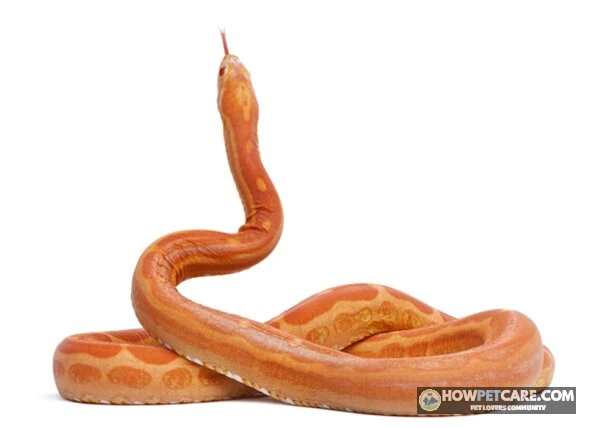
| Stargazing / backward arch | IBD (boas, pythons), thiamine deficiency, trauma, toxins, low calcium | Same day; emergency if constant or with seizures |
| Head tilt or circling | Ear abscess, balance or brain disease, injury | Same day; emergency if it cannot right itself |
| Tremors or twitching | Low calcium, toxins, infection | Same day; emergency if worsening |
| Seizure or paralysis | Low calcium, toxins, overheating, spinal injury | Emergency now |
| Loss of righting reflex | Brain or spinal disease, severe weakness | Emergency now |
Signs of neurological problems in pet reptiles: look up what you’re seeing
Neurological disorders in reptiles can show up as an abnormal head posture, shaking, poor coordination, weakness, or loss of balance. Possible causes include nutritional and metabolic problems, infection, injury, heat exposure, and toxins. The sign itself, along with the animal’s history, helps a veterinarian decide what to investigate first.
A seizure, sudden paralysis, or an inability to right itself is an emergency. For other new or persistent signs, use the table to prepare for a prompt call to an exotic veterinarian—not to diagnose the animal at home.
| Presenting sign | What it looks like | Causes to consider first | Urgency | Useful home clue |
|---|---|---|---|---|
| Stargazing or abnormal backward arch | Head points upward persistently; the head and neck may arch backward | In boas and pythons, inclusion body disease (IBD); also trauma, overheating, toxins, thiamine deficiency, and other infections. In lizards, consider low calcium and infection | Same day if persistent or recurring; emergency if severe, constant, or accompanied by seizures or inability to right | A recent fall, heat spike, or chemical exposure is important; species, diet, and other illness help the vet rank infectious and nutritional causes |
| Head tilt or circling | Head leans to one side, or the animal drifts, rolls, or circles | Ear or balance-system disease, trauma, infection or inflammation affecting the brain, toxins | Same day; emergency if the animal rolls or cannot right itself | Swelling behind a turtle’s eye may point toward an ear abscess; its absence does not rule out deeper disease |
| Tremors or repeated twitching while awake | Fine shaking of the jaw, toes, limbs, or body | Low calcium or metabolic bone disease, toxin exposure, infection, other nervous system disease | Same day; emergency if severe, worsening, or accompanied by weakness | Record UVB, diet, supplements, and any recent pesticide exposure |
| Seizure or convulsion | Uncontrolled movements, paddling, jaw movements, or loss of normal posture | Low calcium, toxins, overheating, infection or inflammation, trauma | Emergency now | Time and film the episode if safe; report recent heat or chemical exposure |
| Ataxia or weakness | Wobbly, uncoordinated movement; poor grip, clumsy climbing, or dragging | Low calcium, injury, infection, toxins, or thiamine deficiency in fish-eating reptiles | Same day; emergency if sudden, rapidly worsening, or after trauma | A fall or bite suggests injury; poor UVB or diet history raises metabolic concerns |
| Paralysis or sudden limb weakness | A limb or the tail does not move normally, or the animal cannot support itself | Spinal injury or fracture, severe low calcium, toxins, advanced nervous system disease | Emergency now | Mention falls, cage accidents, and possible egg-laying problems |
| Loss of righting reflex | An animal on its back or side cannot return to its normal position | Serious weakness, low calcium, trauma, or disease affecting the brain or spinal cord, including infection | Emergency now | Do not turn the animal over repeatedly to check; tell the vet what you have already observed |
| Abnormal jaw, tongue, or swallowing | Food falls out, the jaw hangs open, or tongue movement seems impaired | Oral disease or injury, metabolic bone disease, toxins, nervous system disease | Same day; emergency if breathing is affected | Jaw softness, discharge, or a recent injury gives the vet useful context |
The causes listed are starting points, not a universal ranking. A bearded dragon with poor UVB exposure faces different risks than a fish-eating snake on a deficient diet. Low calcium can produce muscle twitching, spasms, and paralysis; thiamine deficiency can cause poor coordination and abnormal posture.
Stargazing and abnormal head posture
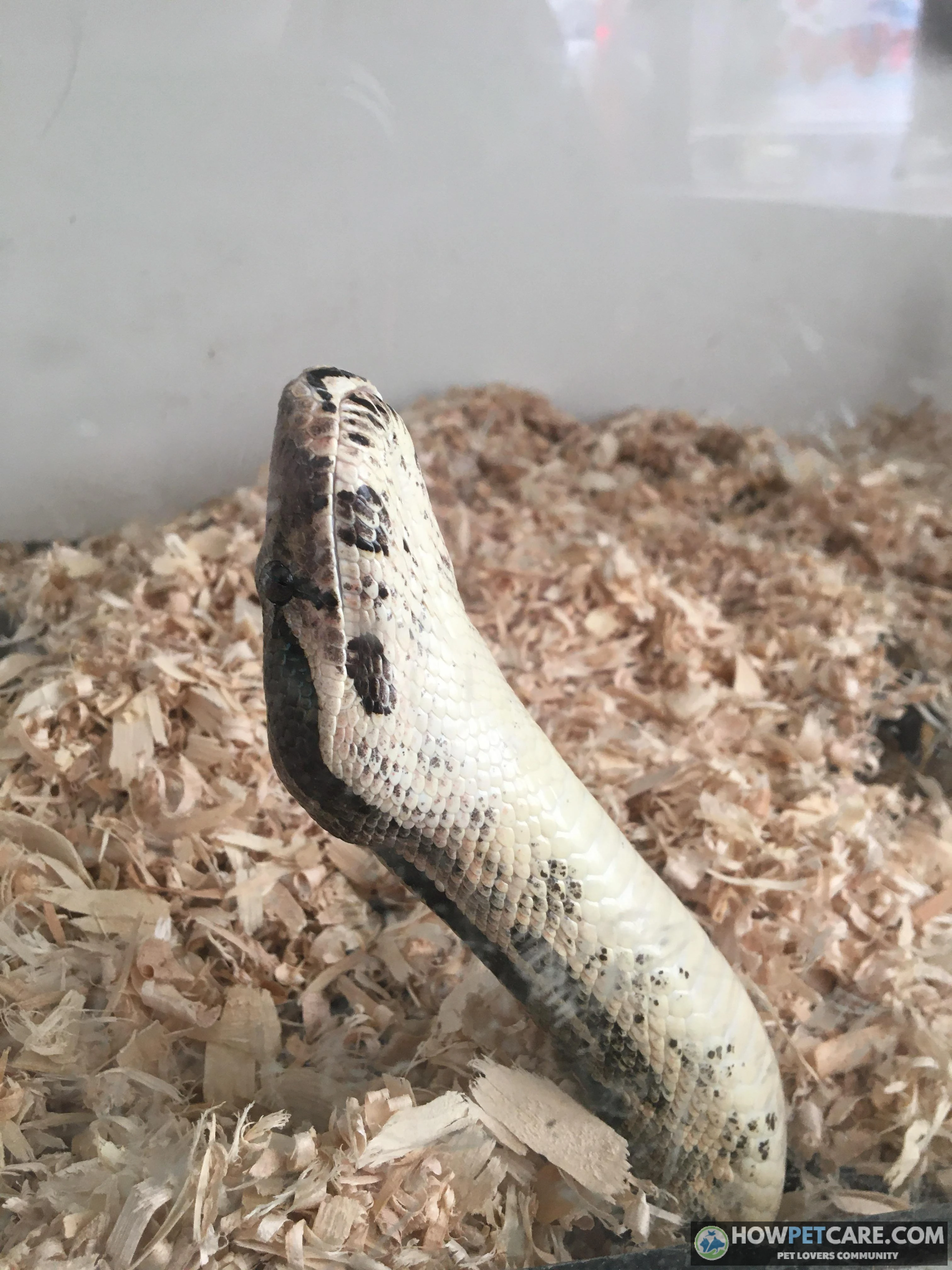
Stargazing is a persistent or repeated upward head posture that looks abnormal for the animal. Opisthotonos is a pronounced backward arch of the head and neck. Either can accompany serious disease, but neither identifies the cause: IBD, nutritional deficiency, injury, heat, toxins, and other infections are all possibilities.
A reptile briefly raising its head to inspect its surroundings, or basking in a normal position, is not necessarily ill. A posture that looks fixed, keeps coming back, or appears with poor coordination deserves veterinary attention.
Head tilt and circling
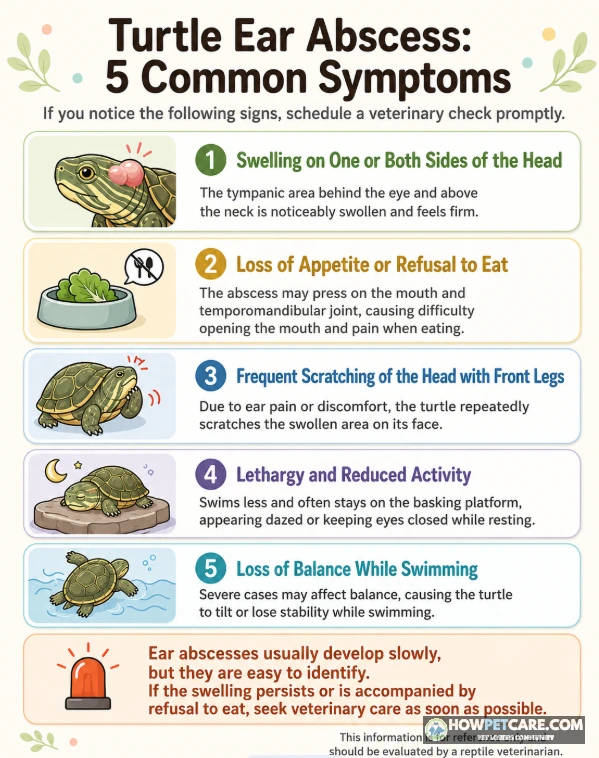
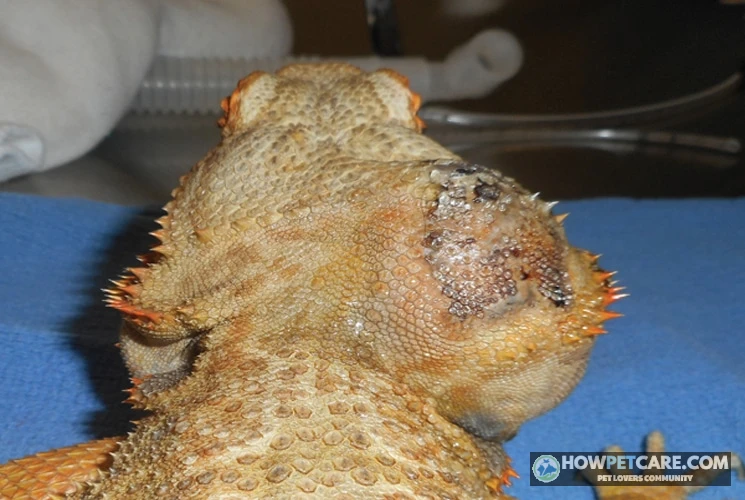
A head tilt can point to a problem with balance, the ear, the brain, or an injury. Circling and rolling are more concerning when the animal cannot move normally or return to an upright position. A turtle with visible swelling near the ear may have an abscess, but an exam is needed to determine whether deeper structures are affected.
Tremors, twitching and seizures
A tremor is repeated shaking; a seizure may involve more extensive uncontrolled movement, altered responsiveness, or loss of normal posture. A video can help the veterinarian tell an episode apart from ordinary movement. A single brief twitch during rest is different from repeated twitching while awake, which warrants a call.
Weakness, ataxia, paralysis and loss of the righting reflex
Ataxia means uncoordinated movement. The righting reflex is the ability to return to a normal upright position after being turned over. Weakness can look like a neurological problem without starting in the brain: pain, metabolic disease, and injury are among the possible explanations.
Urgency triage and what to do tonight if your reptile is seizing, twitching or tilting its head
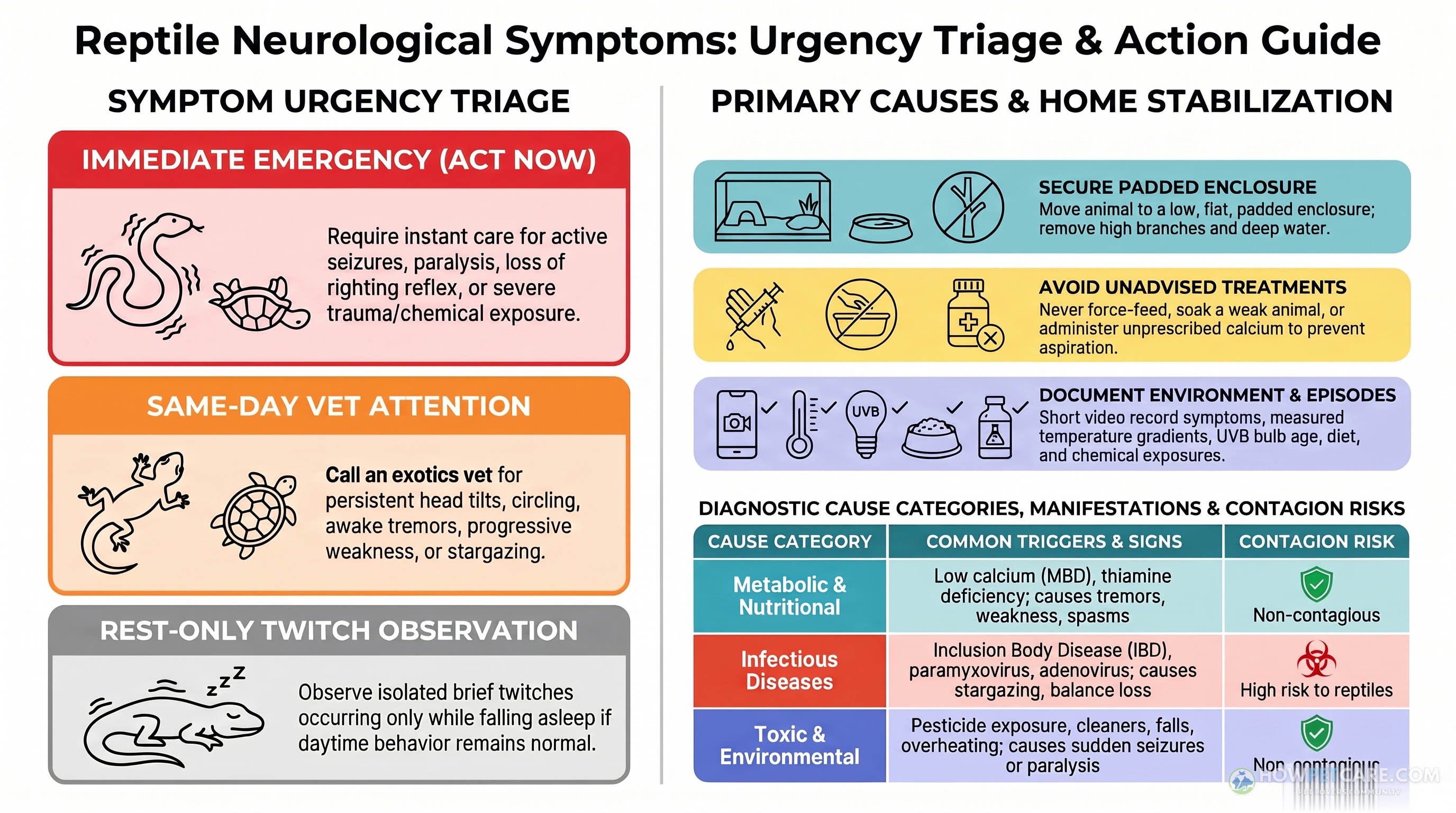
Three urgency tiers: emergency, same-day, and watch-with-a-plan
Emergency now: Seek an emergency clinic immediately for an active or repeated seizure, inability to right, severe backward arching, or neurological signs after overheating, a fall, a burn, or chemical exposure. Call ahead so the clinic can prepare and advise on transport.
Same day or next day: Call an exotic veterinarian for a new persistent head tilt, circling, tremors while awake, progressive weakness, or recurrent abnormal upward head posture. Escalate to emergency care if the animal worsens, cannot maintain its position, or develops a seizure. If a snake also shows regurgitation or respiratory signs alongside neurological changes, describe the combination when you call.
Watch with a plan: A single brief twitch while falling asleep, followed by normal behavior, can be observed and mentioned to your vet. Do not put repeated awake twitching, worsening signs, or a sign that persists beyond a day in this category.
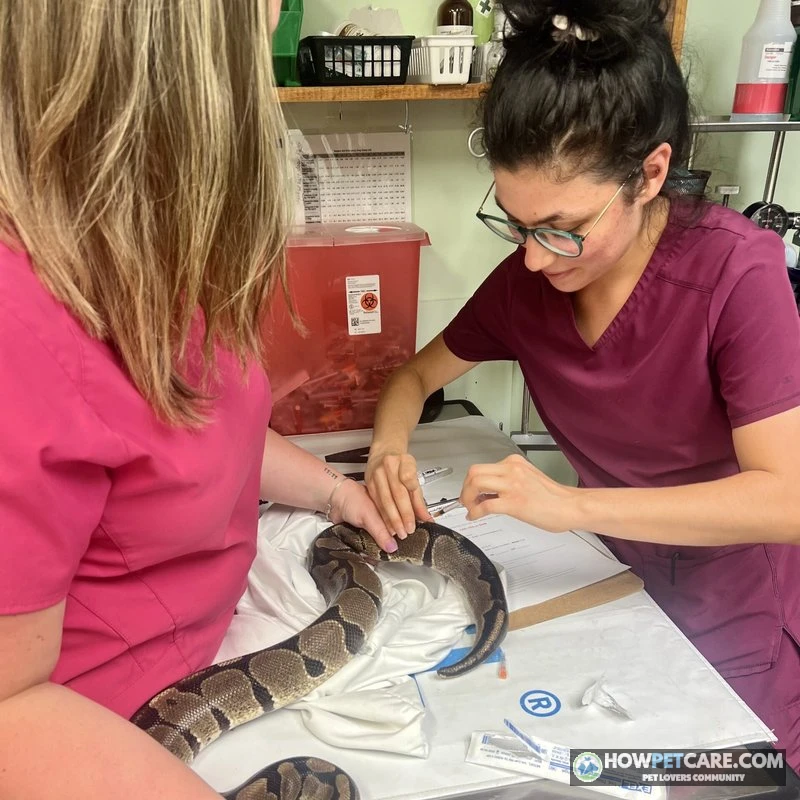
Call an emergency veterinary clinic or a general veterinarian and explain the signs. Ask whether they can stabilize your reptile or consult an exotics specialist. Do not wait for a routine appointment if emergency signs are present.
A tonight checklist for stabilizing at home
-
Call and isolate
Contact a veterinarian using the urgency tiers. Keep the affected animal away from other reptiles while the cause is unknown.
-
Prevent injury
Use a secure, ventilated enclosure with a flat, padded surface. Remove climbing branches, sharp objects, loose substrate, and any water container deep enough for an impaired animal to fall into.
-
Check heat safely
Measure the warm and cool areas and restore the appropriate gradient for the species. Protect the animal from direct contact with heaters; avoid both chilling and overheating.
-
Reduce stress
Keep the enclosure quiet and reduce unnecessary handling. If the animal is alert and can hold its head up, offer water safely; ask the vet whether soaking is appropriate for that individual.
Do not soak a seizing, weak, or poorly responsive reptile, and do not force water or food into its mouth. Do not give extra calcium, vitamins, or medication without veterinary direction: the cause may not be a deficiency, and an impaired animal may aspirate anything placed in its mouth. If a chemical is on the animal, call the clinic for product-specific instructions instead of attempting unadvised decontamination.
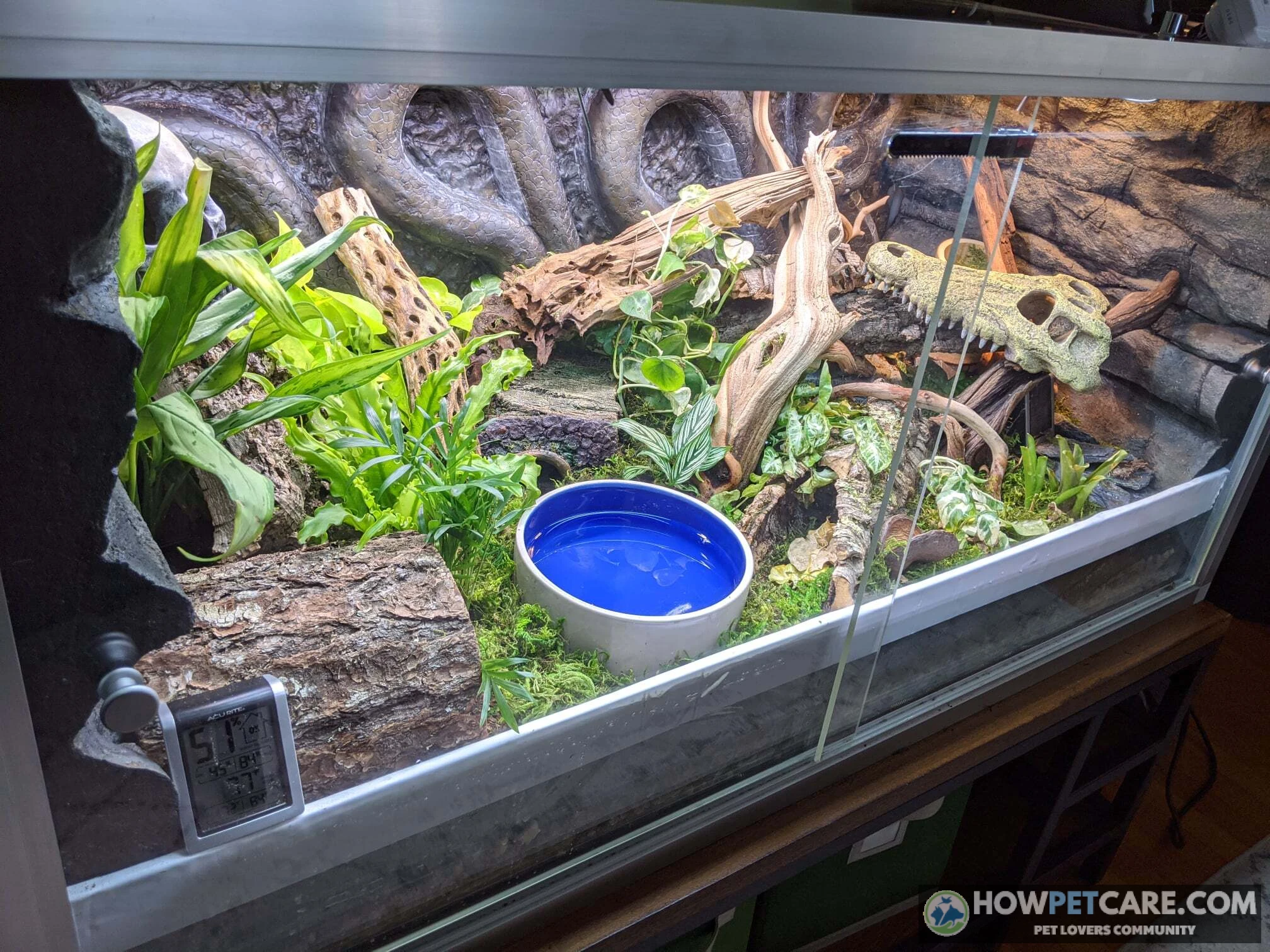
What to film and write down for the vet
If doing so does not delay care, take a short video of the episode and photograph the enclosure. Note when the sign began, how often it occurs, whether it is worsening, and whether the reptile can eat and hold its posture. Do not provoke an episode or repeatedly test righting for a video.
Bring the temperatures measured at the warm and cool ends, the UVB bulb type, its age and distance, your diet and supplement routine, and details of recent falls, escapes, new animals, or sick collection-mates. List mite treatments, pest strips, flea products, cleaners, aerosols, and other possible exposures; bring product packaging or a clear photo of the label if available.
Why is my reptile stargazing? Inclusion body disease is only one possibility
How stargazing is different from a normal basking or alert posture
An animal may look upward briefly for many ordinary reasons. Stargazing is concerning when it is persistent, repeated, unusually rigid, or accompanied by other signs such as rolling, weakness, or regurgitation. It can reflect a disturbance affecting the central nervous system, but posture alone does not establish where the problem is or what caused it.
Stargazing differential: ranked by species and history
The practical ranking changes with the reptile and its history:
- Boa or python with progressive illness: IBD is an important possibility, especially alongside poor righting or regurgitation. Other infections, injury, toxins, and nutritional problems still need consideration.
- Fish-eating snake or turtle: A diet containing thiaminase-rich fish can contribute to thiamine deficiency, which can cause ataxia and abnormal backward arching. Tell the vet exactly what fish or feeders are offered and how they are stored.
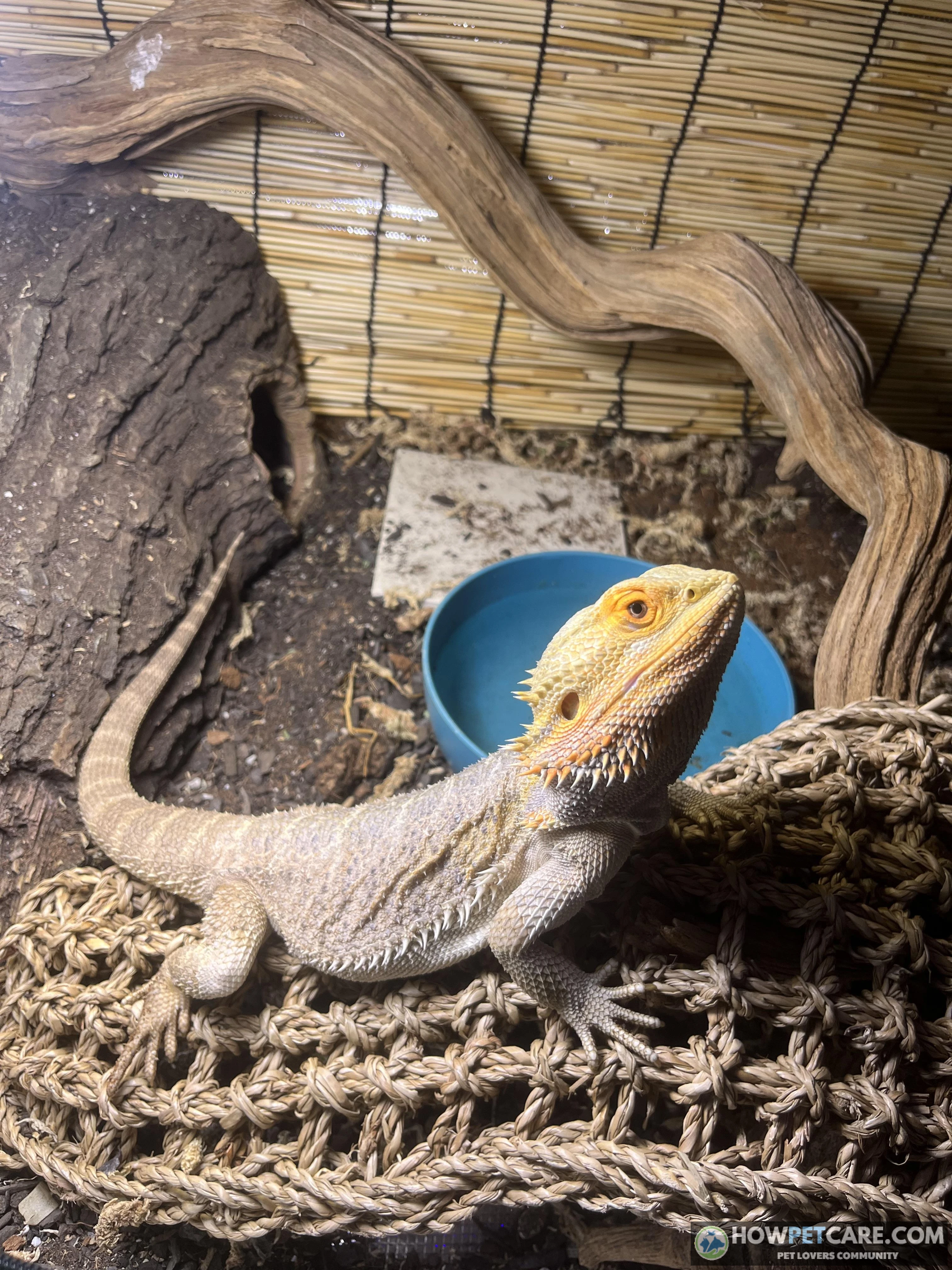
- Lizard with tremors or poor limb strength: Low calcium and metabolic bone disease move higher on the list, especially with an unsuitable diet or UVB setup. Infection, including adenovirus in bearded dragons, is another consideration.
- Any reptile after a fall, heat event, or chemical exposure: Trauma, overheating, or poisoning becomes especially important to investigate. Thermal burns may also require urgent treatment.
- An animal with other signs of illness or affected collection-mates: A viral, bacterial, or fungal infection, potentially including encephalitis, becomes a concern. Paramyxovirus is among the infections a vet may consider in snakes.
These clues help prioritize questions; they do not reliably distinguish conditions at home. A sudden onset does not rule out infection, and chronic signs do not prove it.
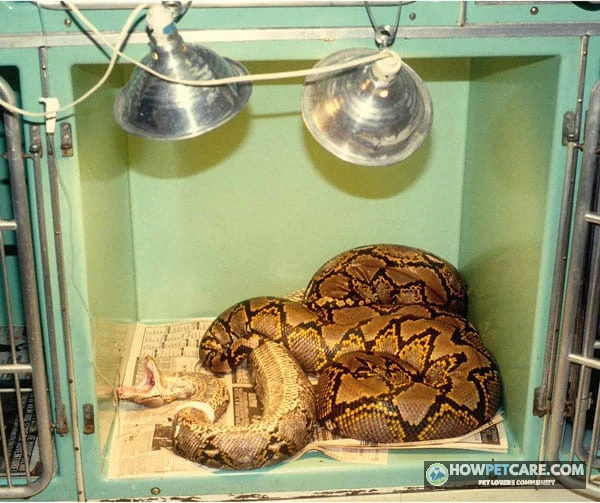
When stargazing really does point to IBD
IBD is associated with reptarenavirus infection in boas and pythons. Boas can carry infection without obvious illness, while pythons may develop neurological disease sooner. Persistent abnormal posture together with poor righting, regurgitation, or other illness makes veterinary investigation especially important—but the same signs can have other causes.
There is no proven cure for neurological IBD. Testing matters for both the affected snake and the rest of the collection; a suspicion is not a reason to assume a diagnosis.
What causes neurological problems in reptiles: infectious, metabolic, traumatic, toxic and neoplastic
| Cause category | Examples | Possible signs | Can it spread to other reptiles? | General outlook |
|---|---|---|---|---|
| Infectious | IBD, paramyxovirus, adenovirus, bacterial or fungal infection; occasionally parasites | Abnormal posture, poor balance, weakness, seizures; sometimes respiratory or digestive illness | Some infections can; risk depends on the organism | Variable; progressive neurological IBD has a poor outlook |
| Metabolic and nutritional | Low calcium, metabolic bone disease, thiamine deficiency, kidney-related imbalances | Tremors, weakness, abnormal posture, seizures or paralysis | No, although animals sharing the same diet or setup may develop similar problems | Often treatable; severity and duration matter |
| Traumatic and environmental | Falls, prey bites, fractures, overheating, burns, cold stress | Weakness, loss of coordination, abnormal posture or paralysis | No | Variable; severe brain or spinal injury may leave lasting deficits |
| Toxic | Pesticides, pest strips, inappropriate mite or flea treatments, cleaners, certain metals | Twitching, tremors, weakness or seizures | No, but shared exposure can affect multiple animals | Variable; urgent removal from exposure and veterinary care matter |
| Neoplastic and other | Tumors or other disease affecting nerves, brain, or spine | Progressive weakness, tilt, circling, or impaired movement | Tumors do not spread between animals | Depends on location, diagnosis, and treatment options |
Metabolic bone disease vs. neurological disease: what overlaps and what doesn’t
Low blood calcium can cause twitching, tremors, seizures, weakness, and even paralysis. It may occur with nutritional secondary hyperparathyroidism—a common form of metabolic bone disease—or with other conditions such as kidney disease. Low calcium can affect nerves and muscles even when obvious bone deformities are absent.
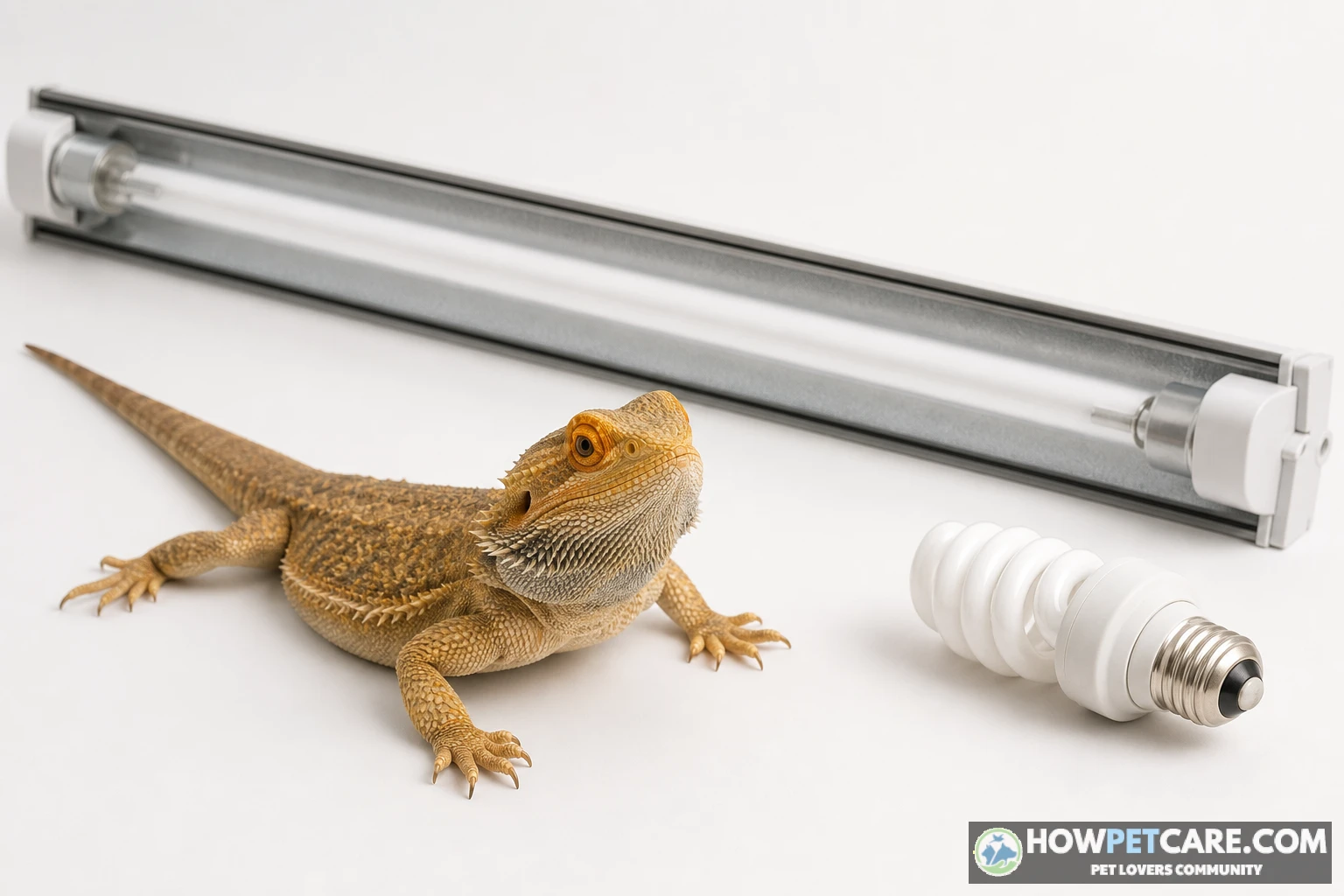
Metabolic bone disease concerns the skeleton and the processes that maintain it, though a reptile may also show neuromuscular signs. Diet, calcium-to-phosphorus balance, UVB access where appropriate, and temperature all deserve review. A soft jaw, bowed limbs, or fractures strengthen concern about bone disease, but blood tests and imaging help the vet assess the problem.
Infectious causes: IBD, paramyxovirus and adenovirus
Infections can affect the brain directly or cause illness elsewhere that contributes to weakness. Encephalitis means inflammation of the brain; it describes the location and type of problem, not a single organism. IBD is particularly relevant to boas and pythons, paramyxovirus to snakes, and adenovirus to bearded dragons, though the vet’s testing choices depend on the individual animal.
Environmental, traumatic and toxic causes
A fall, a bite from live prey, or a fracture in weakened bone can damage the spine or make movement painful. Unprotected heat sources can cause thermal burns; excessive enclosure temperatures can cause overheating. Cold stress can also impair normal activity and complicate assessment.
Tell the vet about every possible exposure, including permethrin-containing products, dichlorvos pest strips, cleaning aerosols, and products intended for other pets. Do not assume a product is safe for a reptile just because it is sold for animal use.

Neurological problems in snakes, lizards, turtles and crocodilians compared
| Reptile group | Signs a keeper might notice | Important causes to discuss | Distinctive point |
|---|---|---|---|
| Snakes | Abnormal upward posture, rolling, poor righting, weakness, or regurgitation with other signs | IBD in boas and pythons, paramyxovirus, injury, toxins, and thiamine deficiency in fish eaters | A snake’s species, feeder history, and collection contacts help determine the workup |
| Lizards | Tremors, weak grip or limbs, poor coordination, abnormal posture | Low calcium or metabolic bone disease, injury, toxins, overheating; adenovirus in bearded dragons | UVB placement, diet, and supplements are useful history, not a substitute for testing |
| Turtles and tortoises | Head tilt, imbalance, weak limbs, difficulty moving normally | Ear disease, metabolic problems, injury, infection, and reproductive problems | A swelling near the ear can suggest an abscess; egg retention may also contribute to illness or weakness |
| Crocodilians | Abnormal movement, weakness, poor balance, or reduced responsiveness | Trauma, temperature stress, infection; West Nile virus has been documented in alligators | Seek a veterinarian experienced with crocodilians; handling and transport require specialist planning |
Snakes
Neurological disease in snakes may show up as difficulty maintaining a normal posture or coordinating movement rather than obvious limb weakness. In a fish-eating snake, provide a detailed feeder history. In a boa or python, report regurgitation, breathing changes, or other sick snakes along with any abnormal upward posture; IBD is one possibility, not the only one.
Lizards
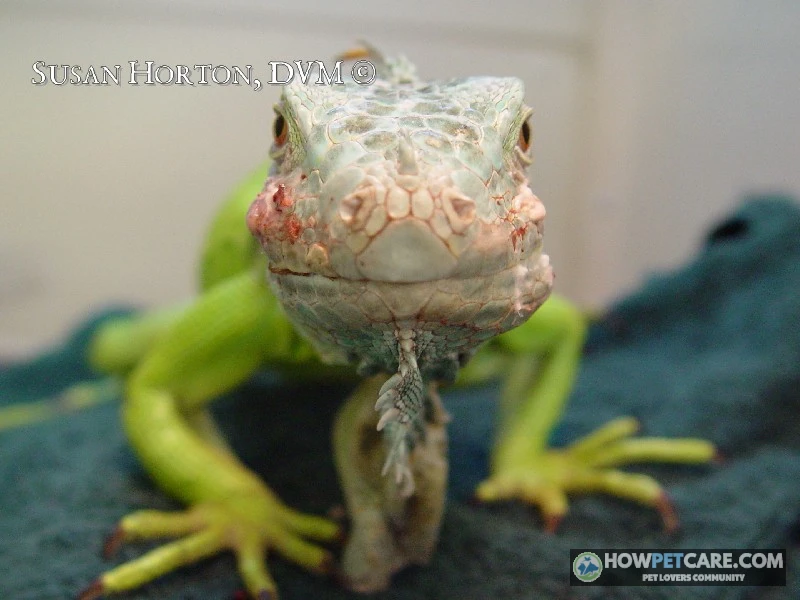
Bearded dragons, iguanas, and chameleons are among the lizards in which vets consider nutritional and metabolic bone problems. A lizard with tremors needs assessment for low calcium, but toxins, injury, and infection can look similar. Evidence is not strong enough to rank every cause by frequency across all pet species.
Turtles and tortoises: head tilt, ear abscess and metabolic causes
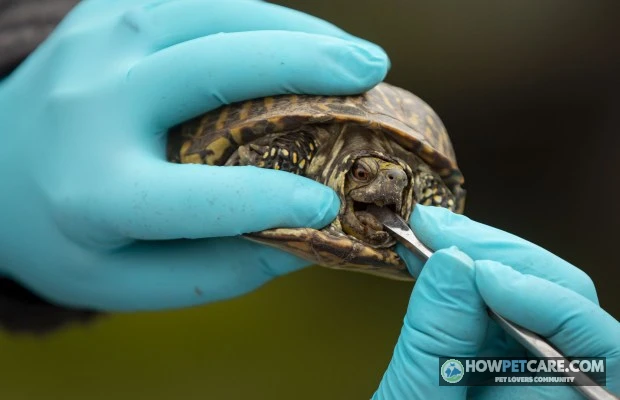
An ear or aural abscess is an important, often treatable possibility in box turtles and aquatic turtles with swelling near the ear and a head tilt. Vitamin A and diet may be relevant to the overall assessment. However, a tilt does not prove an abscess is present, or that it is more likely than brain disease in a particular turtle: inner-ear disease, infection, injury, and metabolic problems remain possible.
A vet may recommend drainage and treatment of contributing problems if an abscess is confirmed. A turtle that cannot right itself needs emergency assessment regardless of whether an ear problem is suspected.
Crocodilians
Crocodilians are uncommon pets and need specialized housing and safe handling. Neurological signs may follow injury, inappropriate temperatures, or infection; West Nile virus has been documented in alligators. Contact a veterinarian experienced with crocodilians before attempting to restrain or transport one.
How exotics vets diagnose neurological disorders in reptiles
What the neurological exam looks for
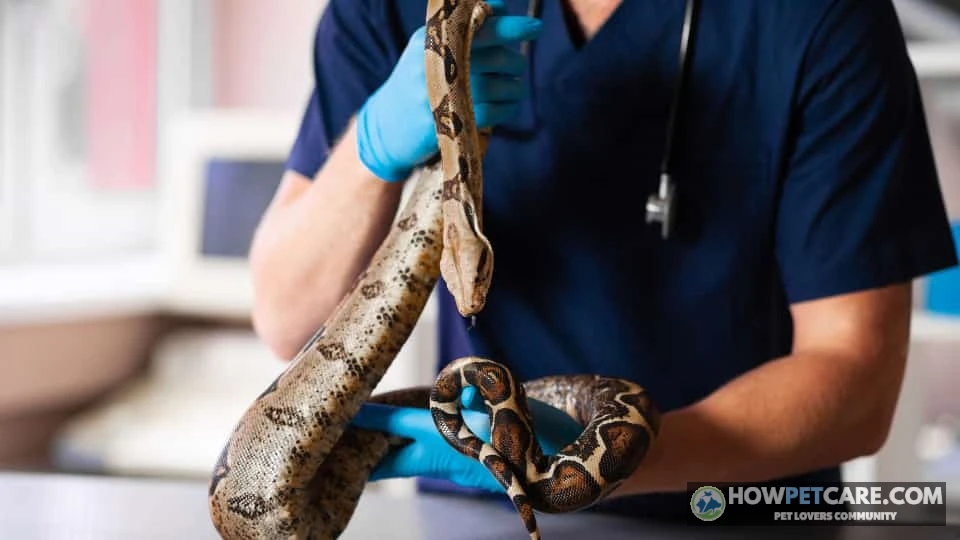
The vet begins with the timeline, husbandry, diet, exposures, and a physical examination. They may observe posture and movement, assess limb strength, eye and head position, responses to touch, and righting. Reptiles are ectothermic: body temperature affects their physiology and complicates neurological assessment, so the vet considers temperature when interpreting the exam.
The exam helps distinguish possibilities such as a balance problem, spinal injury, generalized weakness, or disease affecting the brain. It rarely identifies the exact cause by itself.
Bloodwork, radiographs and PCR: what each one shows
| Vet step | What it can contribute | Important limitation |
|---|---|---|
| Ionized calcium and chemistry | Measures active calcium and may assess phosphorus, glucose, uric acid, and other indicators of health | Low ionized calcium supports hypocalcemia; a normal value does not exclude all metabolic or infectious disease |
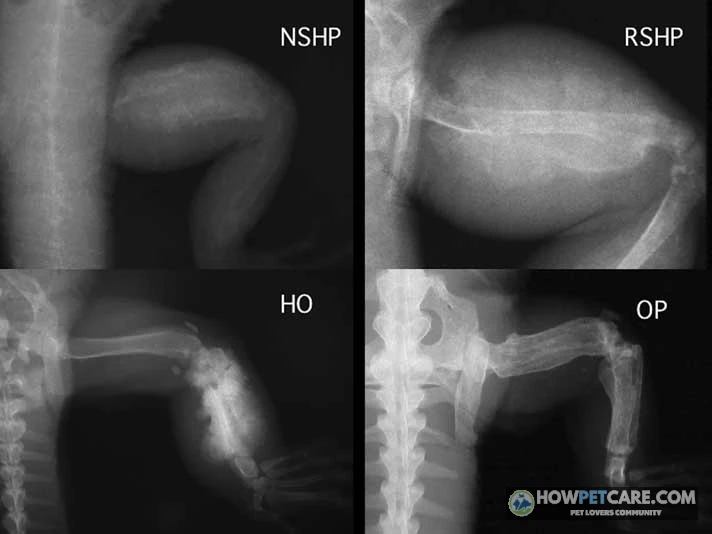
| Radiographs | Can reveal fractures, changes in bone density, spinal abnormalities, or eggs | X-rays do not show the brain in useful detail and cannot rule out encephalitis |
| PCR or other infectious testing | Can detect genetic material from selected organisms, such as reptarenavirus, paramyxovirus, or adenovirus, depending on the sample and test | A positive result does not automatically prove the organism caused every sign; a negative may depend on timing, sample, and test sensitivity |
| CT or MRI | May help evaluate deeper structures, including the skull, spine, or brain, when available | More specialized and costly; sedation or anesthesia may be needed |
| Ear or mouth exam, cytology, culture, or fecal testing | Can identify local disease, characterize a sample, or investigate other contributors | A local finding can coexist with another illness; tests are selected for the case |
| Vet-directed treatment response | Improvement after appropriate treatment may support a suspected deficiency or other diagnosis | Response alone is not always proof, and it should not replace urgent assessment |
For suspected IBD, a veterinarian may recommend blood or tissue testing and sometimes additional sampling. The relationship between a positive reptarenavirus result, inclusion bodies, and the animal’s signs needs interpretation; a definitive assessment can require tissue examination, including after death. Ask whether a negative test should be repeated and which samples are most useful for your animal.
Vet terms decoded
Central nervous system means the brain and spinal cord. Ataxia means uncoordinated movement. Opisthotonos is a backward arch of the head and neck. Righting reflex means returning to an upright position. Encephalitis means inflammation of the brain. These terms describe findings; none of them is a diagnosis on its own.
Treatment and prognosis: what recovery looks like for each likely cause
A seizure or paralysis is not automatically a death sentence. Some reptiles recover function when a reversible cause is identified and treated; others live with lasting deficits or progressive disease. Reliable species-wide survival figures and precise recovery times are not available for many of these conditions, so ask the vet what improvement should look like for your animal.
| Cause | Typical veterinary approach | Realistic outlook and recovery |
|---|---|---|
| Hypocalcemia or metabolic bone disease | Veterinary calcium treatment as indicated, followed by correction of diet, UVB, and temperature | Neuromuscular signs can improve after calcium is restored; established deformities or fractures may not fully reverse. Severe cases need a guarded outlook. |
| Thiamine deficiency | Veterinary thiamine treatment and a corrected diet | Often potentially reversible, especially when recognized early; severe or prolonged disease may leave deficits. Improvement varies, so the vet should set a recheck plan. |
| Turtle ear abscess | Drainage or debridement, medication when indicated, and correction of contributing diet or husbandry problems | Often favorable when disease is localized and treated; deeper infection or recurrence makes the outlook more guarded. |
| Trauma, heat injury, or toxins | Stabilization, appropriate fluids and pain relief, treatment of injury or exposure, and enclosure changes | Variable: some animals regain normal function, while severe brain or spinal damage may be permanent. |
| Paramyxovirus or adenovirus | Supportive care, treatment of complications, isolation, and collection management | Guarded to poor with severe neurological disease; outcome and ongoing infection risk vary. |
| Neurological IBD | Supportive care and strict collection precautions; no proven cure | Poor when neurological disease progresses. Discuss comfort, ability to eat and right, and whether euthanasia is appropriate. |
Treatable causes: hypocalcemia, thiamine deficiency, ear abscess
Treatment for low calcium may relieve tremors or weakness, but the vet must also address why the calcium fell. A reptile with damaged bones may need a protected enclosure and a longer recovery plan even after blood values improve.
Thiamine-deficient animals need a corrected diet as well as vet-directed supplementation. Fish and feeder choices matter: thiaminase exposure is a recognized concern in susceptible fish-eating reptiles. Do not start high-dose vitamins at home while waiting for an exam.
Guarded to poor outlook: IBD, advanced paramyxovirus and adenovirus
For progressive neurological IBD, supportive care may maintain comfort for a time, but there is no proven cure. Other viral infections differ in their course, and an individual prognosis depends on the animal’s signs and test results. A veterinarian can help assess quality of life without assuming that every infected animal fares the same way.
Injury, heat and toxin cases: variable recovery
The location and severity of the damage matter. An animal with a reversible exposure may improve substantially after prompt treatment, while a serious spinal fracture or brain injury may leave permanent weakness. Ask what changes would count as meaningful improvement and when to reassess.
Supportive care at home during treatment
Follow the vet’s instructions for heat, lighting, fluids, feeding, and medication. A low, uncluttered enclosure can reduce fall risk; adapt access to water and basking areas to the animal’s mobility. Report renewed seizures, inability to right, breathing difficulty, or rapid decline immediately rather than waiting for a scheduled recheck.
Protecting the rest of your collection: contagion risk and quarantine
Which causes spread and which don’t
IBD-associated reptarenaviruses, paramyxoviruses, and adenoviruses can pose a risk to susceptible reptiles. Low calcium, thiamine deficiency, injury, overheating, and poisoning are not contagious, although a shared husbandry error or exposure can affect several animals. Until the cause is known, isolation is the safer assumption—not proof that an infection exists.
The viruses discussed here are not known to infect people, but reptiles can carry Salmonella. Wash your hands after handling reptiles, equipment, or enclosure material, and keep their equipment away from food-preparation areas.
How to set up a quarantine at home
Use a separate room and, if possible, separate air space. Give the affected animal dedicated bowls, tools, cleaning supplies, and enclosure furnishings. Tend healthy animals first and the isolated reptile last; wash your hands and change contaminated clothing between enclosures. Use a disinfectant selected with veterinary advice for the suspected organism and surfaces, following its label.
Keep the quarantine enclosure secure and suitable for the species rather than stripping away necessary heat or lighting. Do not share water or equipment, and discuss mite control with the vet if mites are present.
How long to quarantine and when to test the others
For a reptile recovering from adenovirus infection, the supplied veterinary guidance specifies a minimum quarantine of three months. Treat that as a minimum to discuss with your veterinarian, not automatic permission to reunite animals: persistent infection, shedding, symptoms, and test results can change the plan.
For suspected but unconfirmed infection, or for another organism, ask the vet when to start counting, which samples to test, whether testing needs repeating, and what criteria must be met before quarantine ends. A negative result may not settle the question if sampling or timing misses infection. Quarantine new arrivals under a vet-agreed plan before introducing them to an established collection.
A healthy-looking collection-mate may still need assessment. Ask your veterinarian which animals to test and keep tools and water bowls separate while the investigation is underway.
Your action plan: pre-vet checklist, questions to ask, and husbandry fixes in order
Next-24-hours checklist
- Call an exotic veterinarian, or an emergency clinic for seizures, sudden paralysis, inability to right, severe arching, or signs after injury, overheating, or chemical exposure.
- Isolate the reptile, prevent falls and drowning, and check its measured temperature gradient without overheating it.
- Film the sign if safe; record onset, diet, supplements, UVB details, temperatures, exposures, and contact with other reptiles.
- Ask the clinic whether to bring a fresh fecal sample and how to package it. Bring product labels and enclosure photos when relevant.
- Arrange a secure, temperature-appropriate transport container as directed by the clinic; minimize handling and do not place the animal against an unprotected heat source.
Questions to bring to your exotics veterinarian
- What are the leading causes for this species and these signs?
- Which tests do you recommend, and what would a positive or negative result mean?
- Could this spread to my other reptiles, and should they be tested?
- What improvement should I look for, and when should we recheck?
- What should I change at home now, and which changes should wait?
- What signs mean I should seek emergency care before the recheck?
Husbandry fixes ranked by what to address first
- Temperature and safety: Verify the species-appropriate warm and cool zones with reliable measurements. Correct overheating, chilling, and unguarded heat sources first.
- UVB: Check whether the species needs UVB and whether the lamp’s age, distance, positioning, and barriers match the manufacturer’s instructions and veterinary guidance. Replace or reposition it as advised.
- Calcium and phosphorus: Review the full diet and supplementation schedule with the vet. There is no single safe dose or calcium-to-phosphorus target for every reptile and life stage; do not add emergency supplements to an impaired animal without direction.
- Diet: Review feeder variety and nutritional completeness. For fish eaters, flag thiaminase-containing fish and ask for a safe replacement plan; do not simply remove the only food source without arranging an appropriate alternative.
- Ongoing prevention: Maintain the appropriate temperature gradient and light schedule, use species-appropriate supplements, choose cleaning and pest-control products with care, and quarantine newcomers.
If the reptile is deteriorating and you cannot reach your regular exotics vet, call an emergency clinic, a veterinary telehealth triage service, or a general veterinarian who can consult an exotics specialist. Tell them the exact sign and onset, and ask where the animal can be stabilized now.

FAQ
Can inclusion body disease in snakes be treated or cured?
No proven cure exists for IBD. Care is supportive, and many vets discuss euthanasia once neurological signs progress. Because other causes of stargazing are treatable, testing matters before assuming IBD.
Can metabolic bone disease or low calcium cause tremors and paralysis in reptiles?
Yes. Low blood calcium can cause tremors, twitching, weakness, and seizures, especially in lizards. These signs often improve with veterinary calcium treatment and corrected UVB and diet, though bone deformities may remain.
Should I give my reptile extra calcium at home if it is twitching?
No. Wait for a vet to measure ionized calcium first. Dosing a twitching or seizing animal can cause aspiration, and the problem may be something calcium will not fix.
Can people or other pets catch a reptile’s neurological disease?
The viruses behind most reptile neurological disease, such as IBD, paramyxovirus, and adenovirus, are not known to infect people. Reptiles can carry Salmonella, so wash your hands after handling them or their enclosures.
Is a single twitch ever normal for a reptile?
A brief twitch while a reptile is falling asleep or resting can be normal. Repeated twitching, tremors while awake, or twitching with weakness or poor coordination should be checked by a vet.