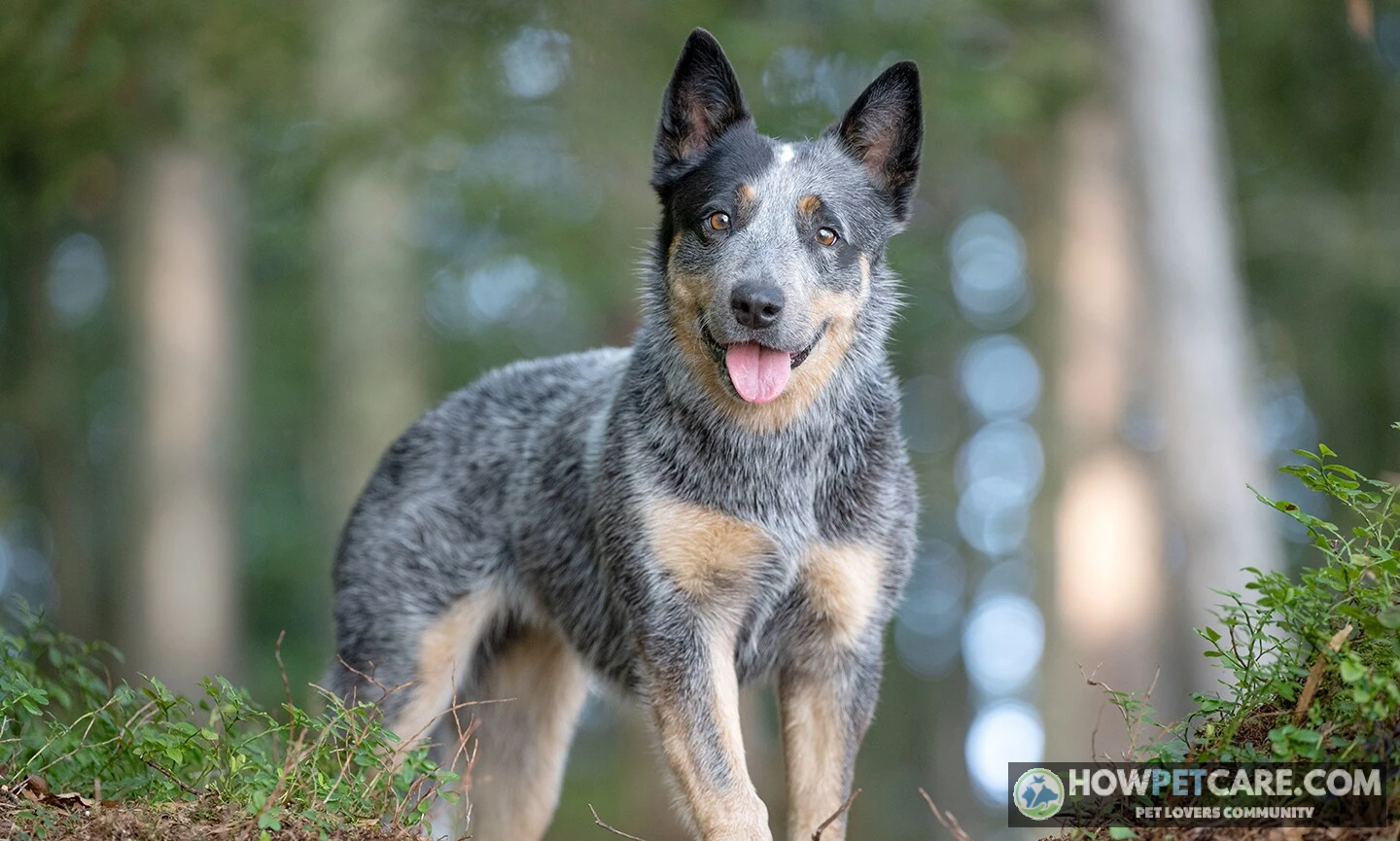

The longest living dog ever verified was Bluey, an Australian Cattle Dog who lived 29 years and 160 days, from 1910 to 1939. Guinness World Records still recognizes him as the oldest dog ever after Bobi’s claimed record was withdrawn in 2024.
The longest-living dog ever verified was Bluey
Bluey, an Australian Cattle Dog, holds the Guinness World Records title for oldest dog ever verified. He lived for 29 years and 160 days, from 1910 to 1939, in Australia. Bobi, a Portuguese dog once credited with a longer life, lost that recognition in 2024 because the evidence did not establish his claimed age.
That record answers a different question from which dog breed lives the longest. Bluey was an extraordinary individual, not a reliable guide to how long another Australian Cattle Dog will live. Breed, size, genetics, health, and care all help shape an individual dog’s life expectancy. For a broader baseline, compare how long dogs usually live across sizes and breeds.
Bluey’s age, breed, and dates
Bluey’s age is often given as 29 years and five months. Guinness recognizes him as the oldest verified dog ever; that does not prove no dog has ever lived longer. A record depends on evidence that establishes a particular dog’s identity and age.
Verified records versus claimed ages
A dog’s appearance or an owner’s recollection may suggest an impressive age, but neither establishes an exact birth date on its own. Longevity stories are easier to assess when you separate three categories:
- Recognized record: A record-keeping organization has accepted the age for a specific title.
- Recognition later withdrawn: An organization awarded a title but later decided the evidence did not support it. Bobi belongs in this category.
- Unverified or uncertain claim: An age has circulated, but the available information does not show that it meets the relevant verification standard.
The table brings together prominent names in longevity coverage. It is not a ranking in which every entry is a Guinness-certified dog: the supplied record summaries don’t establish certification, full dates, or country for every entry. A dash indicates that the summaries don’t establish that detail.
| Dog | Age | Lifespan dates | Country | Breed | Verification status |
|---|---|---|---|---|---|
| Bluey | 29 years, 160 days | 1910–1939 | Australia | Australian Cattle Dog | Oldest dog ever verified by Guinness |
| Bobi | Claimed 31 years, 165 days | Claimed birth in 1992; died in 2023 | Portugal | Rafeiro do Alentejo | Guinness recognition withdrawn in 2024 |
| Taffy | Reported 27 years, 211 days | — | — | — | Listed in a longevity ranking; certification not established by the supplied summary |
| Adjutant | Reported 27 years, 98 days | — | — | — | Listed in a longevity ranking; certification not established by the supplied summary |
| Pusuke | Reported 26 years, 8 months | — | — | — | Listed in a longevity ranking; certification not established by the supplied summary |
| Buksi | Approximately 26–27 years | — | — | — | Approximate age; verification is uncertain in the supplied summary |
| Spike | Reported 26 years, 139 days | — | — | — | Listed in a longevity ranking; certification not established by the supplied summary |
| Lilly | Approximately 26 years, 2–3 months | — | — | — | Approximate age; verification is uncertain in the supplied summary |
| Bramble | Reported 25 years | — | — | — | Listed in a longevity ranking; certification not established by the supplied summary |
| TobyKeith | 21 years, 66 days at verification | — | United States | Chihuahua | Guinness-recognized oldest living dog at verification in 2022 |
Don’t assume the Spike in a historical longevity list is the same dog as another titleholder with that name. TobyKeith’s age in the table is how old he was when Guinness verified his living-dog title, not a statement of his final age.
Who holds the oldest living dog title after Bobi’s record was revoked?
As of November 2026, the evidence available for this article does not identify a confirmed current Guinness titleholder for oldest living dog. It also doesn’t establish whether Guinness has formally left the title vacant. Check Guinness World Records’ latest announcement before naming a current holder; an old title announcement can’t confirm that the dog still holds it.
The oldest dog ever recorded is a separate question. That all-time record concerns a verified age reached by any dog; the living title concerns a dog alive when its age and eligibility are recognized. The latter can change as dogs die and new claims are assessed.
How to read the current record status
Check the announcement date, the exact title awarded, and the dog’s age when Guinness verified it. A dog described as the oldest living dog in an older article held a time-sensitive distinction; the article may not say what happened afterward.
The absence of a current holder in the evidence used here does not prove that Guinness has left the title unassigned. Confirm the latest status directly with the record keeper.
Why older articles may name Bobi, Gino, or TobyKeith
Stories about titleholders stay online after their status changes. TobyKeith, a Chihuahua from Florida, was verified by Guinness as the world’s oldest living dog at 21 years and 66 days on March 16, 2022. That historical recognition doesn’t make him the current titleholder.
Bobi’s case is different: Guinness originally recognized his claimed age, then removed him from its records after reviewing the evidence. Articles that repeat the original award without mentioning the withdrawal leave out important context. Gino’s name also appears in coverage of older dogs, but a historical mention alone doesn’t confirm a living title in 2026.

How Guinness verifies a dog’s age—and why Bobi’s claim failed
To verify an exceptional age, a record keeper needs to connect a credible birth date with proof that the dog being assessed is the same animal described in earlier records. The longer the gap between a record and the alleged birth, the more important it is to know when the information was recorded and where it came from.
What age-verification evidence can establish
Registration documents, veterinary histories, and microchip records can help trace a dog’s identity over time. Their value depends on what they document. A database, for example, may establish that a dog was registered on a certain date, but that date isn’t necessarily the dog’s birth date. An age entered later still needs a reliable basis.
Guinness’s original account said Bobi’s claimed birth date had been checked through a municipal veterinary service and Portugal’s government-authorized SIAC pet database. The subsequent withdrawal shows why a registration record and proof of a particular birth date aren’t interchangeable. The evidence supplied here doesn’t set out a universal Guinness checklist, so it would be misleading to say that any one document automatically meets its requirements.

Bobi, Chilla, and the difference between a claim and a record
Bobi was a Rafeiro do Alentejo whose claimed age reached 31 years and 165 days. Guinness removed him from its records after deciding there wasn’t enough evidence to support that age. The withdrawal doesn’t prove how old Bobi really was; it means Guinness no longer recognizes the claimed age.
Chilla is another name that comes up in discussions of exceptional dog ages. The evidence available here doesn’t establish a certified age for Chilla or the precise history of the claim. Treat it as unverified rather than placing it ahead of Bluey. Apply the same caution when accounts give Bramble different ages: an entry in a list doesn’t, on its own, prove a Guinness record.
Which dog breeds live the longest? Typical lifespans by breed
No single breed can be called the longest-lived in every dataset. Chihuahua, Dachshund, Toy Poodle, and Jack Russell Terrier often appear in longevity comparisons, but the evidence supplied for this article includes neither a comparable breed-by-breed lifespan study nor sourced ranges for those breeds. It can’t support a precise ranking of their typical lifespans.
The table distinguishes what the available sources establish from what readers still need to check. That helps prevent an exceptional record from being mistaken for a breed average.
| Size or breed | Typical lifespan | Evidence or source | Context |
|---|---|---|---|
| Dogs overall | About 10–11 years in one cited estimate | Longevity ranking summary | A broad estimate, not a prediction for an individual dog |
| Chihuahua | Not established by the supplied evidence | Guinness account of TobyKeith | TobyKeith’s verified age of 21 years and 66 days was an individual record, not a breed average |
| Dachshund | Not established by the supplied evidence | No comparable breed estimate supplied | A breed-level study is needed for a typical range |
| Toy Poodle | Not established by the supplied evidence | No comparable breed estimate supplied | An individual dog’s age doesn’t establish a breed average |
| Jack Russell Terrier | Not established by the supplied evidence | No comparable breed estimate supplied | Compare estimates from the same study rather than different websites |
| Australian Cattle Dog | Not established by the supplied evidence | Bluey’s verified record | Bluey’s 29 years and 160 days were exceptional, not a typical lifespan |
| Medium, large, and giant dogs | Separate ranges not established by the supplied evidence | No size-class estimates supplied | Definitions and study populations affect size comparisons |
Long-lived small and medium breeds
To compare dog breeds that live the longest, look for a study that defines its population and uses the same method across breeds. A median—the age by which half the dogs in a group have died—is different from the age of the oldest dog in that group. It also doesn’t predict how long a particular puppy or adult dog will live.
Chihuahuas show the distinction. TobyKeith reached a verified 21 years and 66 days by the time Guinness assessed his living-dog title, but that figure doesn’t tell an owner the typical Chihuahua life expectancy. Bluey’s record likewise doesn’t establish the usual lifespan of an Australian Cattle Dog.
What to expect from large breeds
The available evidence doesn’t provide comparable large-breed estimates or a consistent definition of large, so it can’t support a definitive answer about the longest-living large dog breed. Breed comparisons should draw on the same study, include enough dogs to be meaningful, and account for differences in health and body size. For one popular large-breed example, review Labrador life expectancy data before treating a record as typical.
For an individual dog, a veterinarian’s assessment of health, age, body condition, and inherited risks is more useful for planning care than an unusually old record-holder.
How dog lifespan varies by size, shape, and sex
Small dogs versus large dogs
Small dogs generally tend to live longer than large and giant dogs, though every size group has exceptions. Researchers have investigated growth, aging, genetics, and disease risk as possible contributors. No single explanation has been proven for every dog.
Size offers context, not a guarantee. A small dog can develop a serious inherited or acquired condition, while a large dog can live well beyond the typical age for its group. Comparisons also depend on how a study defines small, medium, large, and giant dogs.

What the 2024 lifespan study found
A 2024 UK finding reported that small, long-nosed female dogs had the highest median life expectancy in the studied population. The underlying study isn’t included in the supplied evidence, however, so its figures, breed examples, and methods can’t be independently checked here.
A population finding isn’t a personal prediction. Even if one group has a higher median, that doesn’t mean every dog in it will outlive every dog in another group. The same caution applies to purebred-versus-mixed-breed comparisons. Genetic diversity, inherited conditions, body size, and the makeup of the populations being compared can all complicate a simple answer.
How to help your dog live longer: evidence-backed steps
No care routine can guarantee a longer life. The practical aim is to reduce avoidable risks, catch changes early, and keep your dog comfortable and active throughout life. Your veterinarian can tailor these steps to your dog’s age, health, and circumstances.
A practical longevity checklist
- Keep your dog at an appropriate body condition. Ask your veterinarian to assess weight and body condition, then agree on a target and a way to track it. A scale reading alone doesn’t describe every dog’s build.
- Measure food and treats. Choose a complete and balanced diet suited to your dog’s life stage. Include treats when discussing daily intake, and review portions if weight changes or activity decreases.
- Make movement a daily habit. Choose walks, play, and other activity that fit your dog’s abilities. If your dog seems sore, unusually tired, or reluctant to move, check with your veterinarian before increasing exercise.
- Care for teeth and gums. Ask your veterinary team to show you how to brush your dog’s teeth and recommend a dental-care routine. Regular mouth checks can help you spot bad breath, discomfort, or difficulty eating.
- Schedule preventive veterinary care. Discuss exam frequency, vaccinations, parasite prevention, and screening based on your dog’s age, lifestyle, location, and health history. Senior dogs or dogs with ongoing conditions may need a different schedule from healthy younger adults.
- Know your dog’s risks. Ask about inherited or breed-associated concerns (for example, Golden Retriever lifespan and cancer risk), but don’t assume a purebred dog will develop a condition or that a mixed-breed dog can’t inherit one.
- Respond to changes promptly. Contact your veterinary practice about changes in appetite, thirst, weight, breathing, mobility, or behavior instead of waiting for the next routine appointment.

Care decisions to make with your veterinarian
At your next visit, bring information about your dog’s food and treats, a record of any weight changes, and questions about exercise or behavior. Ask which preventive measures and screenings make sense for your dog, when to schedule them, and what changes should prompt a call. That plan is more useful than trying to copy an exceptional record-holder’s routine.


| Dog Name | Age | Lifespan Dates | Country | Breed | Verification Status |
|---|---|---|---|---|---|
| Bluey | 29 years, 160 days | 1910–1939 | Australia | Australian Cattle Dog | Guinness-verified |
| Bobi | Claimed 31 years, 165 days | 1992–2023 | Portugal | Rafeiro do Alentejo | Guinness recognition withdrawn |
| TobyKeith | Reported 21 years, 66 days | Not in source | United States | Chihuahua | Guinness-verified |
| Taffy | Reported 27 years, 211 days | Not in source | Not in source | Not in source | Unverified |
| Adjutant | Reported 27 years, 98 days | Not in source | Not in source | Not in source | Unverified |
| Buksi | Reported 26–27 years | Not in source | Not in source | Not in source | Unverified |
| Pusuke | Reported 26 years, 8 months | Not in source | Not in source | Not in source | Unverified |
| Spike | Reported 26 years, 139 days | Not in source | Not in source | Not in source | Unverified |
| Lilly | Reported 26 years, 2–3 months | Not in source | Not in source | Not in source | Unverified |
| Bramble | Reported 25 years | Not in source | Not in source | Not in source | Unverified |
FAQ
How old was Bluey when he died?
Bluey was 29 years and 5 months old when he died on November 14, 1939. Guinness World Records recognizes him as the oldest verified dog ever.
Is the oldest living dog the same as the oldest dog ever?
No. The oldest dog ever is an all-time record, while the oldest living dog is a current title that can change as dogs age or die and records are verified.
How long do small dogs live compared with large dogs?
Small dogs generally live longer than large and giant dogs, though lifespan varies substantially by breed and individual health. Use size-based averages as broad context, not a prediction for one dog.
What is the longest-living large dog breed?
There is no single definitive answer across lifespan datasets, which use different populations and methods. Compare typical breed-level estimates from a consistent, cited source rather than relying on exceptional record-holder ages.