
A cat treat counts as high-protein when its crude protein reaches at least 50% on a dry-matter basis: divide the as-fed protein percentage by (100 − moisture %) and multiply by 100. Favor named animal proteins like chicken or salmon, single-ingredient freeze-dried options, and clearly disclosed calories—and keep all treats within 10% of your cat’s daily calories.
A treat qualifies as “high-protein” in this guide when its guaranteed-analysis crude protein works out to at least 50% on a dry-matter basis (DMB); 70% or more is “very high.” That is a practical comparison benchmark, not an official AAFCO or regulatory definition. The catch: a product’s actual protein percentage, calories, and price per ounce vary by recipe and package, and current verified label and price data are not available for the named products below. Rather than invent numbers or rank products without evidence, use the label-conversion method and shortlist criteria here to verify a specific package before buying.
What Counts as a High-Protein Cat Treat? A 50% Dry-Matter Threshold
AAFCO adult cat-food protein minimums are around 26% on a dry-matter basis and around 30% for growth and reproduction. These are minimums for complete foods, not treat standards or a definition of “high protein.” A treat that clears 50% DMB is meaningfully more protein-dense by this guide’s working benchmark, but the number alone does not establish nutritional quality or safety.
Protein tiers for treats: standard, high, very high
Use these tiers to compare products, not as a substitute for a complete diet:
| Tier | Crude protein, dry-matter basis | How to interpret it |
|---|---|---|
| Below this guide’s high-protein threshold | Under 50% | Does not qualify under this guide, even if the front label says “high protein” |
| High protein | 50% to under 70% | Clears the guide’s working benchmark |
| Very high protein | 70% or more | Particularly protein-dense; check calories, ingredients, and handling too |
Guaranteed analysis reports crude protein as a minimum, while moisture is usually a maximum. Crude protein estimates protein from nitrogen; it does not reveal whether that nitrogen comes from meat, fish, or plant-protein ingredients. Read it alongside the ingredient list.
Convert any guaranteed analysis to dry matter in 3 steps
Dry-matter protein % = as-fed protein % ÷ (100 − moisture %) × 100.
- Find “crude protein (min)” and “moisture (max)” in the guaranteed analysis.
- Subtract the moisture percentage from 100 to get the dry-matter share.
- Divide protein by that figure and multiply by 100; compare the result with 50%.
| Illustrative product type | As-fed protein | Moisture | Dry matter | Dry-matter protein | Result |
|---|---|---|---|---|---|
| Lickable puree | 12% | 78% | 22% | 54.5% | Clears the threshold |
| Baked biscuit | 45% | 10% | 90% | 50.0% | Just meets it |
| Freeze-dried chicken | 72% | 6% | 94% | 76.6% | Very high |
These are worked examples, not claims about specific products. Because protein is a minimum and moisture a maximum, the calculation gives a conservative estimate from the guaranteed analysis. A low-looking as-fed percentage can still clear the benchmark when the treat contains substantial moisture.
Best High-Protein Cat Treats Compared: Protein %, Calories, Price and Age Fit
A useful comparison requires current package data: guaranteed analysis, moisture, calories, package size, price, ingredients, and feeding directions. The evidence available for this draft does not verify those details for individual products. Therefore, no brand or SKU can honestly be ranked here, and no product-specific recall-history check can be claimed. The product names below are options to investigate, not endorsements or verified picks.
| Product or type to investigate | Format | First ingredient | Crude protein, as-fed minimum | Estimated protein, DMB | Calories per treat | Price per ounce | Age suitability | Recall history / key con |
|---|---|---|---|---|---|---|---|---|
| Single-ingredient freeze-dried chicken, salmon, or minnows | Freeze-dried | Verify species on label | Not verified; check package | Not calculable without label moisture | Not published here | Not verified | Check package; break into kitten-sized pieces only if appropriate | Raw status and kill step need verification; no product-specific recall check performed |
| Orijen cat treats | Freeze-dried or other recipe-specific format | Verify current recipe | Not verified | Not calculable | Not verified | Not verified | Follow the package’s life-stage guidance | Recipes differ; verify current label and recall notices |
| Stella & Chewy’s cat treats | Recipe-specific | Verify current recipe | Not verified | Not calculable | Not verified | Not verified | Follow the package’s life-stage guidance | Verify whether product is raw, cooked, or otherwise treated |
| Redbarn Protein Puffs | Puff format | Verify current recipe | Not verified | Not calculable | Not verified | Not verified | Check package | The name is not a substitute for guaranteed-analysis data |
| Blue Buffalo Wilderness cat treats | Recipe-specific | Verify current recipe | Not verified | Not calculable | Not verified | Not verified | Check package | “Wilderness” does not establish protein percentage or quality |
| Dr. Elsey’s cat treats | Recipe-specific | Verify current recipe | Not verified | Not calculable | Not verified | Not verified | Check package | Compare protein source and calories on the exact SKU |
| Whole Life Pet treats | Recipe-specific | Verify current recipe | Not verified | Not calculable | Not verified | Not verified | Check package | Verify processing and handling directions |
| Northwest Naturals treats | Recipe-specific | Verify current recipe | Not verified | Not calculable | Not verified | Not verified | Check package | Verify processing, current label, and recall notices |
| Lickable or wet meat-based treat | Puree or soft treat | Verify current recipe | Not verified | Not calculable | Not verified | Not verified | Often easier to eat, but follow label | Moisture can make as-fed protein look low; calories still count |
The table intentionally marks unavailable figures rather than filling gaps with estimates. To calculate DMB for a product, its as-fed protein and moisture figures must both be available. To calculate calories per treat, the manufacturer must provide kcal per piece or enough information to determine piece weight and energy density. Prices should be checked against the current listing at the retailer because package size and price change.
For any candidate, check the exact recipe’s label and the FDA recall notices before purchase. No current database search or product-by-product recall verification was performed for this draft, so it would be misleading to say that any listed brand has—or has not—had a recall.
Grain-free is not a protein level. A grain-free treat can still be low in protein or use pea or potato protein to raise its crude-protein figure. Products that do not reach 50% DMB should be treated as moderate-protein options, not quietly included among high-protein cat treats.
Best High-Protein Cat Treats by Use Case: Training, Seniors, Weight Gain and Picky Eaters
Choose by the cat’s needs and the verified label, rather than the product’s marketing category. For repeated rewards, calories per piece matter as much as protein density. Experts cited in the available research prioritize small training treats around 2 kcal or less per piece, particularly for overweight cats.
Best for training
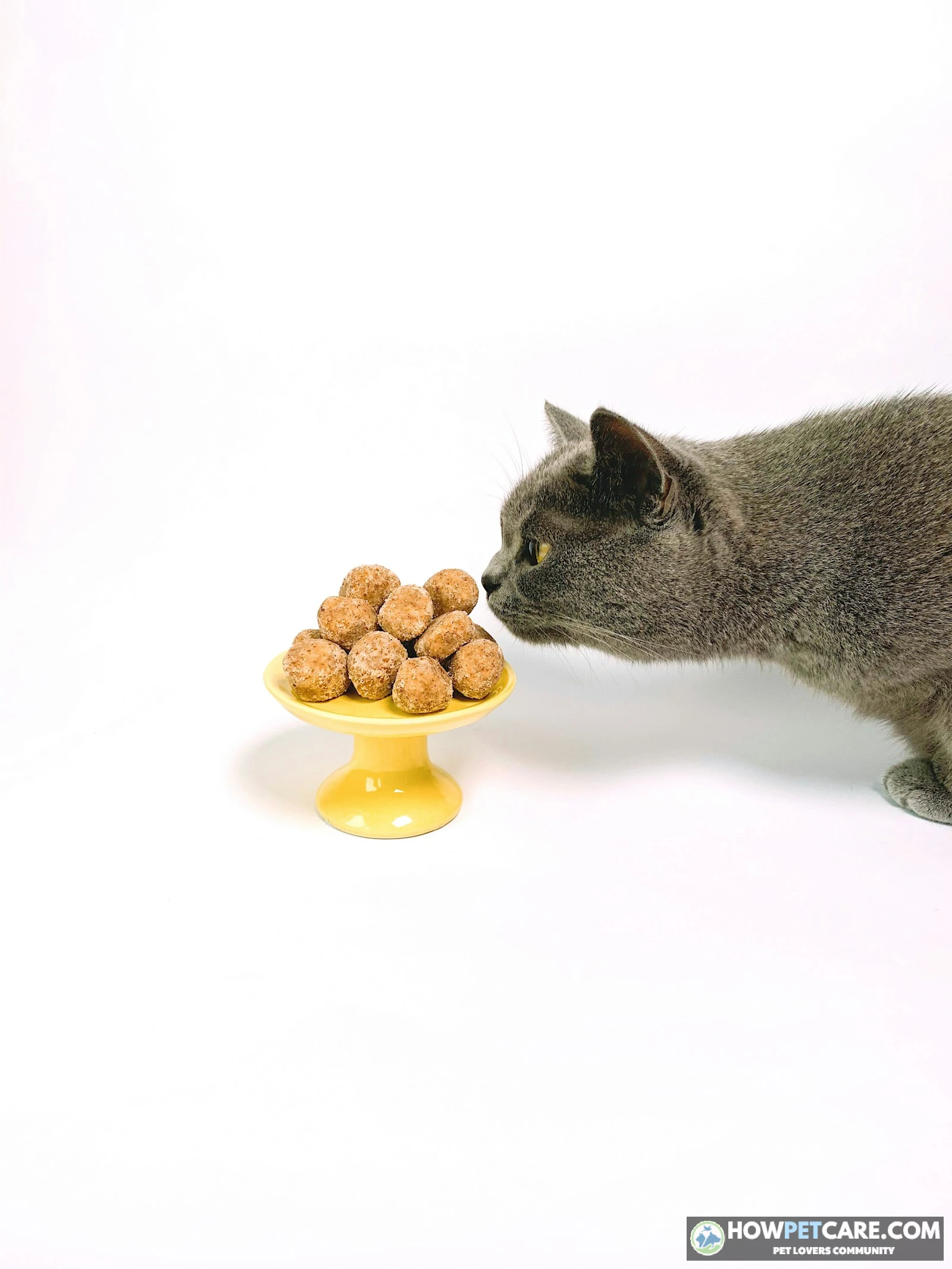
Look for tiny, easy-to-swallow pieces that can be broken smaller and have calories per piece clearly stated. Freeze-dried meat can be crumbled into miniature rewards, but raw handling precautions still apply. Soft training treats may be easier to portion; check the ingredients for plant-protein boosters and confirm they meet the DMB threshold if high protein is the goal. Count every reward during a session.
Best lickable and soft options for seniors and dental issues
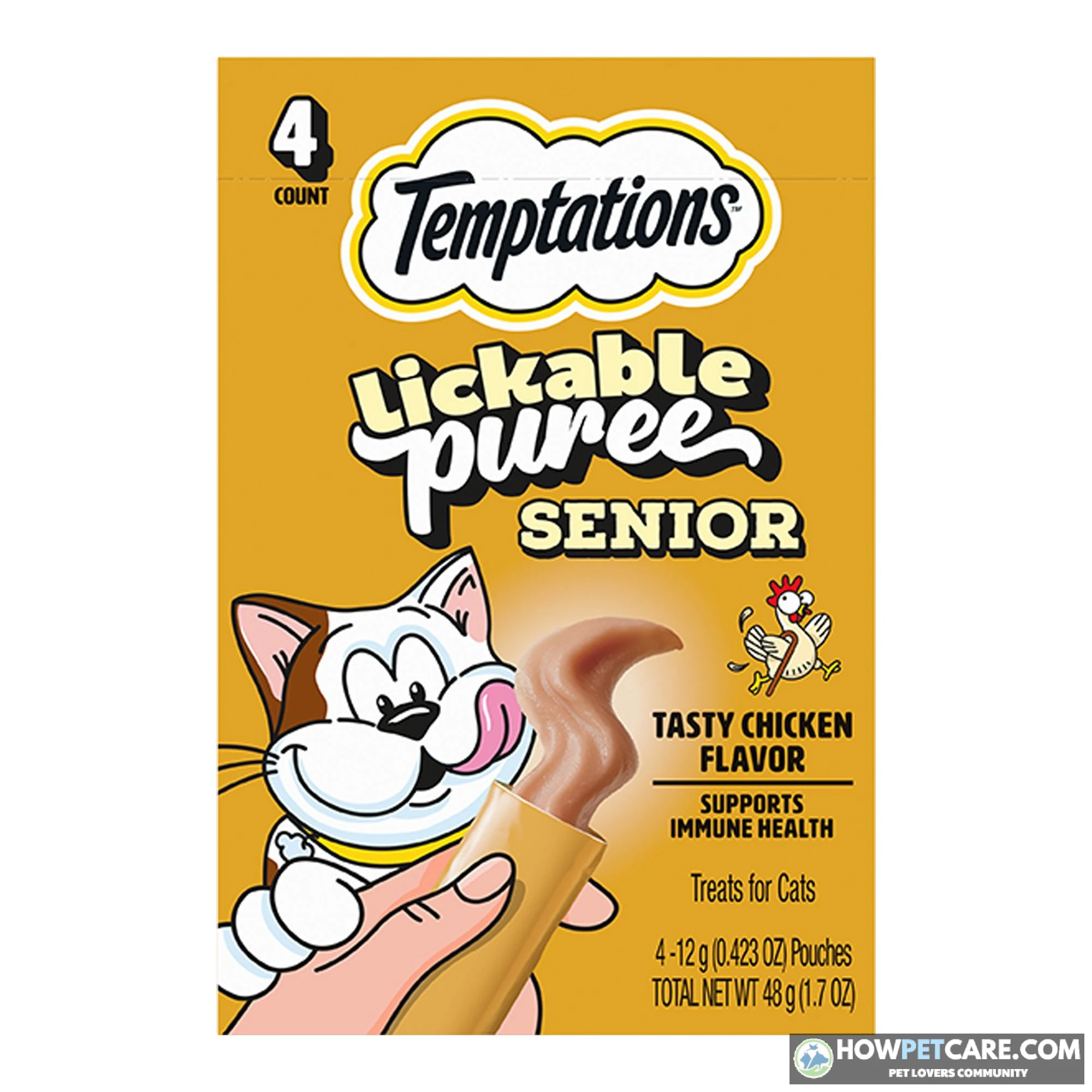
A lickable or moist treat can be easier for a cat with sore teeth than a hard biscuit. Calculate DMB rather than rejecting a puree based on a low as-fed figure: moisture can make a 12% as-fed protein value exceed 50% DMB, as the illustrative calculation above shows. Check calories per tube and feed only the amount that fits the cat’s daily budget. For a senior with kidney disease or unexplained appetite changes, get veterinary advice before increasing treats.
Best for weight gain and picky eaters
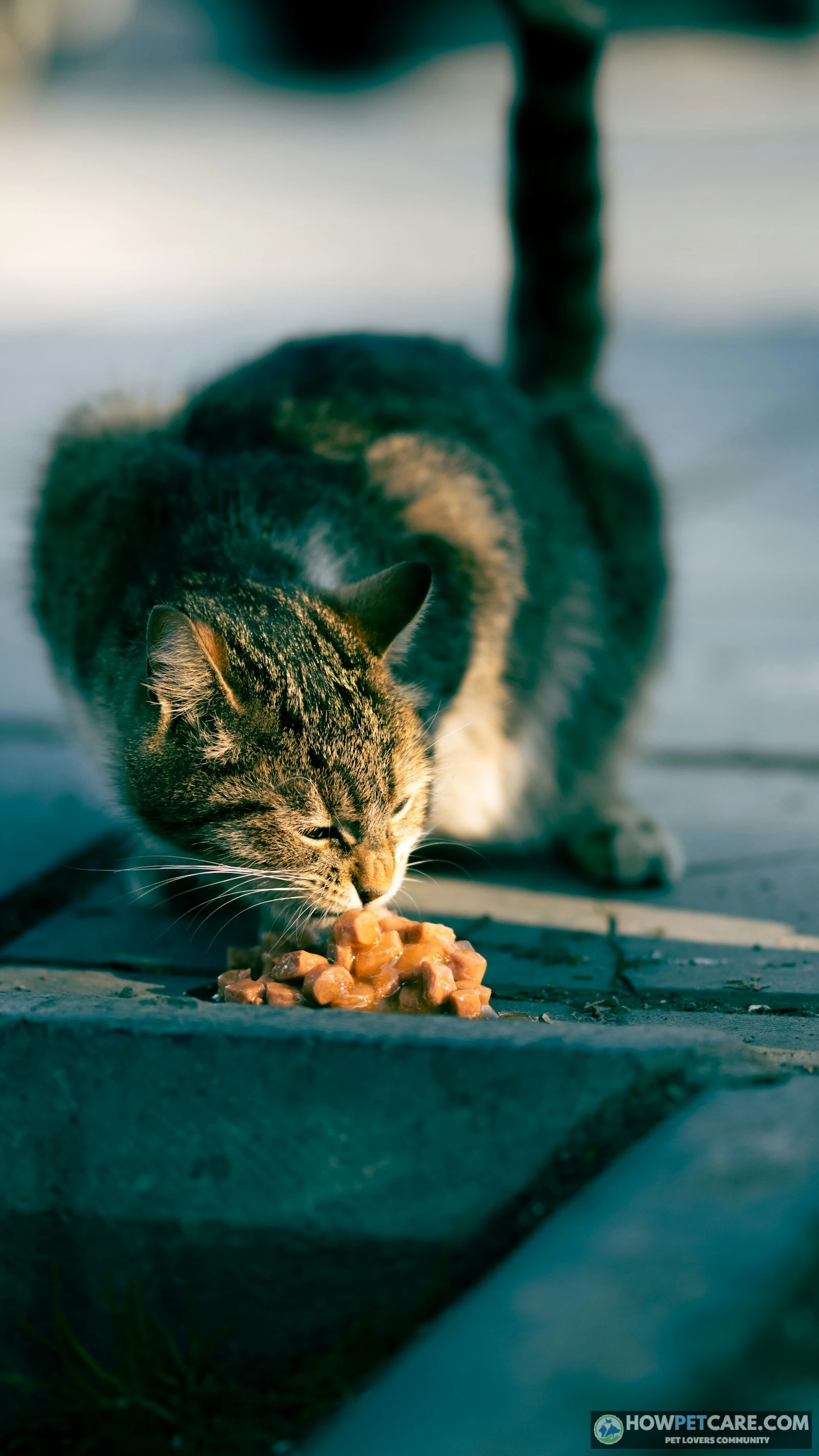
Crumbled freeze-dried meat or a small amount of bonito flakes may make a meal more appealing. Use a topper as a small addition rather than a substitute for complete food. A cat that is losing weight, eating less, or refusing food needs veterinary assessment; treats can mask a problem without addressing it. To support weight gain, ask the veterinarian to set a calorie target and choose a safe plan for the cause of the weight loss.
Best for indoor and less active cats
For an indoor cat with low activity or excess weight, favor measured pieces with low calories per reward. “High protein” does not mean low calorie. Break larger pieces into smaller ones, and include training rewards in the daily treat total. Kittens can have appropriate small, soft treats in moderation, but treats should not displace complete kitten food.
Freeze-Dried vs. Baked High-Protein Treats: Quality Differences and Raw-Treat Biosecurity
Freeze-drying removes water; it does not, by itself, establish that a raw product is free of pathogens. Raw freeze-dried treats can carry Salmonella, Listeria, or E. coli. A stated kill step such as high-pressure processing or heat treatment can reduce risk, but do not treat a processing claim as a guarantee. Check the package or ask the manufacturer whether the product is raw and what pathogen-control steps are used.
| Format | Typical protein density | Pathogen risk and handling | Best for | Not ideal for |
|---|---|---|---|---|
| Raw freeze-dried | Often protein-dense because water has been removed; verify actual label | Freeze-drying alone does not kill all pathogens; careful hygiene needed | Owners who want a simple meat treat and can handle it safely | Higher-risk households or anyone unable to follow hygiene precautions |
| Cooked or heat-treated freeze-dried | Can be protein-dense; verify label | Confirm a real cooking or pasteurization step; lower risk is not zero risk | Those seeking a dry, meat-based treat with a stated kill step | Labels that do not clarify whether the product is raw or treated |
| Baked or extruded | Varies; binders may reduce protein density | Cooked format is simpler to handle; follow storage instructions | Training volume, convenience, and budget | Buyers assuming “baked” automatically means high protein or good ingredient quality |
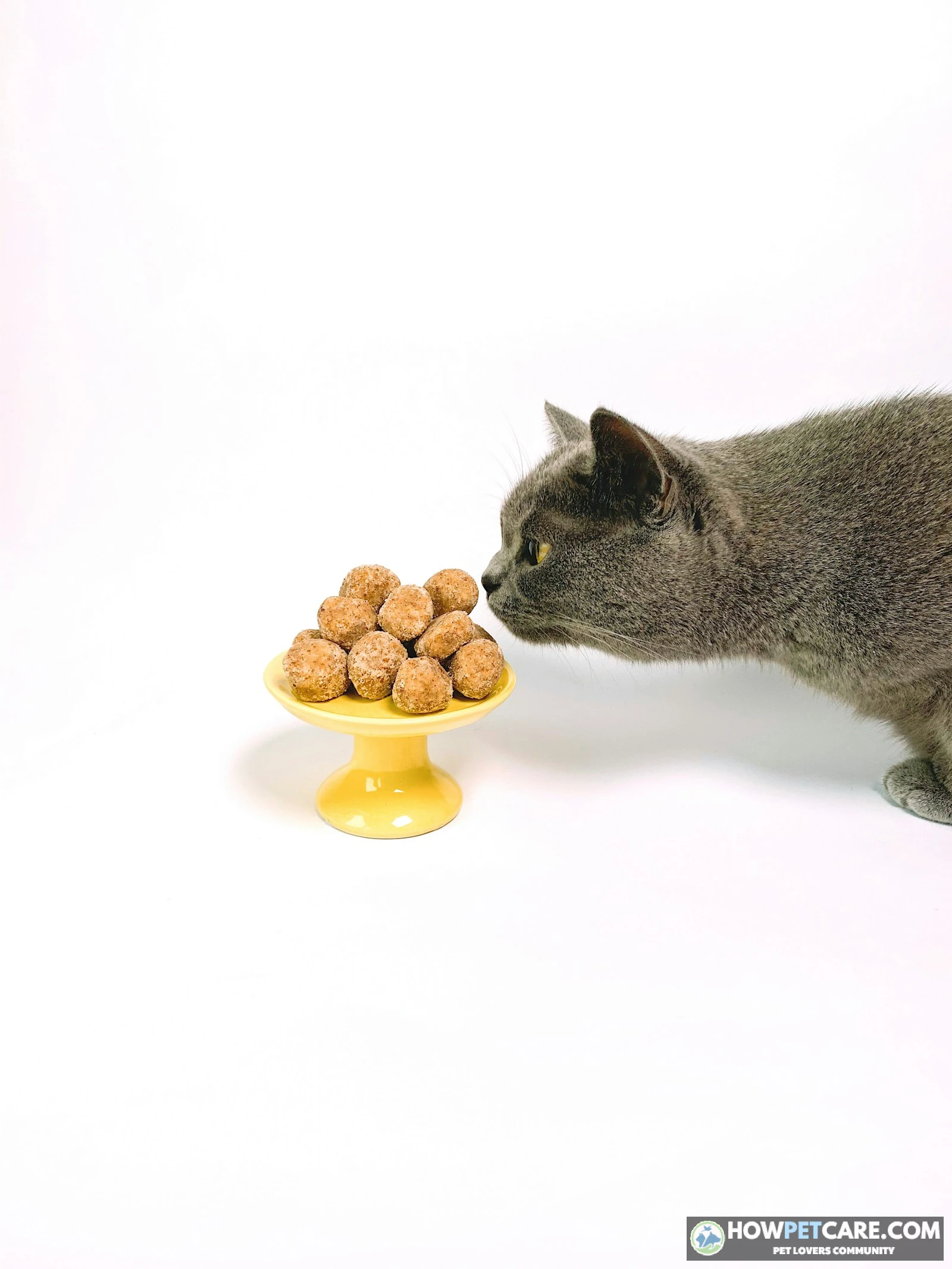
Do not infer exact protein ranges or price differences from format alone; compare the guaranteed analysis and current price for the actual package. Households with young children, pregnant people, older adults, or immunocompromised members should favor cooked or heat-treated options over raw products. The FDA’s pet-food safety guidance and recall notices are appropriate sources for general handling and current product alerts.
For raw treats, wash hands after handling, clean counters and utensils, keep treats away from human food-preparation areas, and use a dedicated scoop if needed. Store the package sealed and dry. Discard any rehydrated portion the cat does not eat, and avoid letting the cat lick faces immediately after eating. Follow the package’s storage instructions; raw feeding advice can vary, so discuss concerns with your veterinarian.
How to Read a High-Protein Cat Treat Label: Real Animal Protein vs. Plant Fillers
Crude protein is not a measure of how much animal protein a treat contains. A label can show a high number while relying partly on plant ingredients. Use this six-point check before buying:
- Start with the first ingredient. Prefer a named animal protein such as chicken, salmon, or turkey liver. A named ingredient does not by itself prove the treat is high protein, but it tells you more than a vague front-of-bag claim.
- Scan for plant-protein boosters. Pea protein, potato protein, corn gluten meal, soy protein, and wheat gluten can raise crude protein without making the protein animal-based. Cats need appropriate essential amino acids, including taurine; a treat’s crude-protein number does not tell you its complete amino-acid profile.
- Look for ingredient splitting. Ingredients such as peas, pea protein, and pea fiber may appear separately. Read the full list rather than judging the first ingredient alone.
- Compare front and back. Ignore “high protein” until you have checked guaranteed analysis and calculated DMB using protein and moisture.
- Read the feeding statement. Treats are generally for intermittent or supplemental feeding, not a complete diet. A treat does not replace food with a valid AAFCO nutritional adequacy statement.
- Check calories. Record kcal per treat or per tube so you can apply the 10% rule.
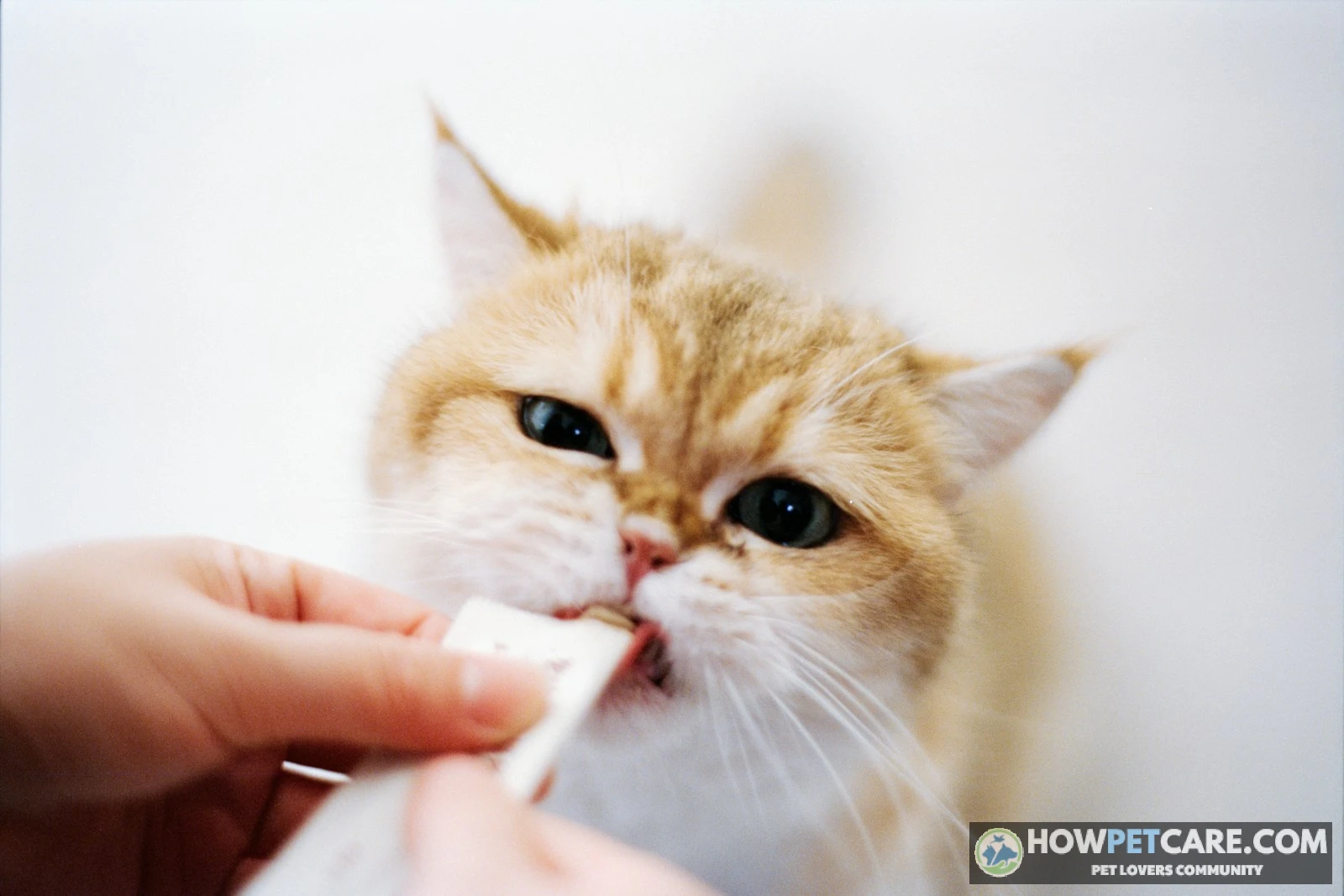
Green flags: a named animal protein first, a short and understandable ingredient list, no prominent plant-protein boosters, a DMB result of at least 50%, and calories disclosed clearly.
Red flags: a high-protein front-label claim without enough guaranteed-analysis information to check it, plant proteins high on the ingredient list, unclear calorie information, or a product marketed as complete without an appropriate nutritional adequacy statement.
For example, a hypothetical treat with 38% crude protein and 12% moisture calculates to 38 ÷ 88 × 100 = 43.2% DMB. It does not meet this guide’s 50% benchmark, regardless of a “grain-free” claim. This is an example, not a label for a specific product.
Are High-Protein Treats Safe? Kidney Disease, Kittens, Seniors and Overweight Cats
High-protein treats can fit some cats’ routines, but a treat’s protein percentage is only one part of the decision. Life stage, calories, mineral content, dental comfort, and existing medical conditions matter. Ask your veterinarian before changing treats if your cat has a diagnosis or eats a prescription diet.
High-protein treats and CKD: why phosphorus is the number to check
For cats with chronic kidney disease (CKD), phosphorus is a key concern. Meat and fish treats can contribute phosphorus, but there is no single universal treat threshold that is safe for every CKD cat. The appropriate target depends on the cat’s condition and veterinary plan. Do not apply an unverified phosphorus cutoff, and do not assume a high-protein treat is safe—or unsafe—based on its protein percentage alone.
Ask the manufacturer for phosphorus per treat or per 100 kcal and, if available, the dry-matter phosphorus value. Give that information to your veterinarian, who can interpret it for your cat’s kidney status and diet. If the manufacturer cannot provide a phosphorus figure for a cat with diagnosed CKD, do not guess; ask the veterinarian whether to avoid that product. Senior cats may have early kidney disease without obvious signs, so discuss appropriate bloodwork before making high-protein treats a regular part of their diet.
Kittens, seniors and overweight cats: quick rules
| Group | Practical rule | Watch for | Veterinary boundary |
|---|---|---|---|
| Kittens | Keep treats small and limited; complete kitten food supplies growth nutrition | Hard or large pieces and treats replacing meals | Ask for guidance if treats cause ongoing digestive upset or displace food |
| Healthy seniors | Choose soft, lickable, or easily crumbled formats if chewing is difficult | Hidden kidney or thyroid conditions and unexplained changes in appetite or weight | Discuss screening and diet changes with the veterinarian |
| Overweight cats | Include treats in the cat’s calorie budget; high protein is not automatically low calorie | Large tubes, jerky strips, or frequent rewards | Get a veterinarian-set weight-loss calorie target |
| Cats with CKD | Check phosphorus with the veterinary team, not protein alone | Missing mineral information and unapproved treats alongside a prescription diet | Veterinarian sets the dietary plan for the individual cat |
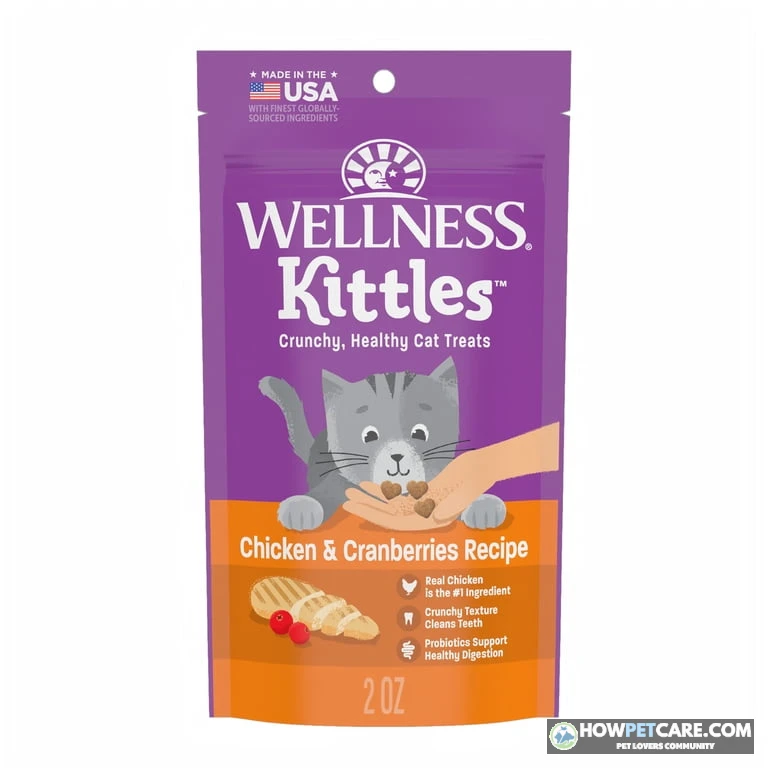
Talk to a veterinarian before choosing treats for a cat with CKD, diabetes, pancreatitis, food allergies, urinary problems, unexplained weight change, or a prescription diet. These conditions can change what is appropriate even when a treat’s ingredient list looks simple.
How Many High-Protein Cat Treats Per Day? Applying the 10% Calorie Rule
Treats should provide no more than about 10% of a cat’s daily calories; the rest should come from complete and balanced food. The 10% limit is a starting rule, not permission to give a fixed number of treats regardless of the cat’s needs.
Daily treat calculator in 3 steps
- Estimate the cat’s daily calorie allowance with a veterinarian or a suitable feeding plan.
- Multiply that allowance by 0.10 to get the maximum treat-calorie budget.
- Divide the treat budget by calories per piece, then round down and count all rewards.
For a worked example, assume a 10 lb indoor adult cat needs about 200 kcal per day. That estimate varies by activity, age, and body condition; it is not a prescription. Ten percent gives a 20 kcal daily treat budget.
| Example treat | Calories per piece | Approximate maximum within a 20 kcal budget |
|---|---|---|
| Freeze-dried meat bit | 2 kcal | 10 pieces |
| Soft training treat | 5 kcal | 4 treats |
| Crunchy biscuit | 10 kcal | 2 biscuits |
| Lickable tube | 12 kcal | 1 tube, with 8 kcal left in the arithmetic budget |
These are arithmetic examples, not product-specific feeding recommendations. Use the actual package’s calorie information. If only kcal/kg is listed, divide by 1,000 to get kcal/g, then multiply by the weight of one treat. For example, at 4,200 kcal/kg, the energy density is 4.2 kcal/g; a weighed 0.5 g piece would be about 2.1 kcal.
Sample treat counts by cat weight
This illustrative lookup uses a rough estimate of 20 kcal per pound per day, then applies the 10% rule. Individual needs can differ substantially, especially for overweight cats or cats on a veterinary weight plan.
| Cat weight | Estimated daily calories | Treat budget | 2 kcal pieces, maximum by arithmetic |
|---|---|---|---|
| 8 lb | 160 kcal | 16 kcal | 8 |
| 10 lb | 200 kcal | 20 kcal | 10 |
| 12 lb | 240 kcal | 24 kcal | 12 |
| 15 lb | 300 kcal | 30 kcal | 15 |
Training can use the full allowance quickly: ten 2 kcal rewards equal the example 10 lb cat’s entire daily treat budget. Break pieces smaller, reserve part of the cat’s regular food for rewards, and subtract treat calories from meals when managing weight.
High-Protein Cat Treat Cost: Price Per Ounce, Per Treat and Per Gram of Protein
Compare current package prices only after confirming the package size, guaranteed analysis, and serving size. The available evidence does not provide verified prices, package weights, or treat counts for the named brands, so a numeric cost comparison or monthly total would be invented. This table gives the calculations to fill in from a current retailer listing and label.
| Product | Package price | Package weight | Price per treat | Protein grams per package | Cost per gram of protein | Treats per day at a 20 kcal budget | Estimated monthly cost |
|---|---|---|---|---|---|---|---|
| Product you are checking | Current listed price | Label weight | Price ÷ pieces per package | Weight in grams × as-fed protein fraction | Price ÷ protein grams | 20 ÷ kcal per treat | Price per treat × daily count × 30 |
| Standard crunchy treat baseline | Current listed price | Label weight | Price ÷ pieces per package | Weight in grams × as-fed protein fraction | Price ÷ protein grams | 20 ÷ kcal per treat | Price per treat × daily count × 30 |
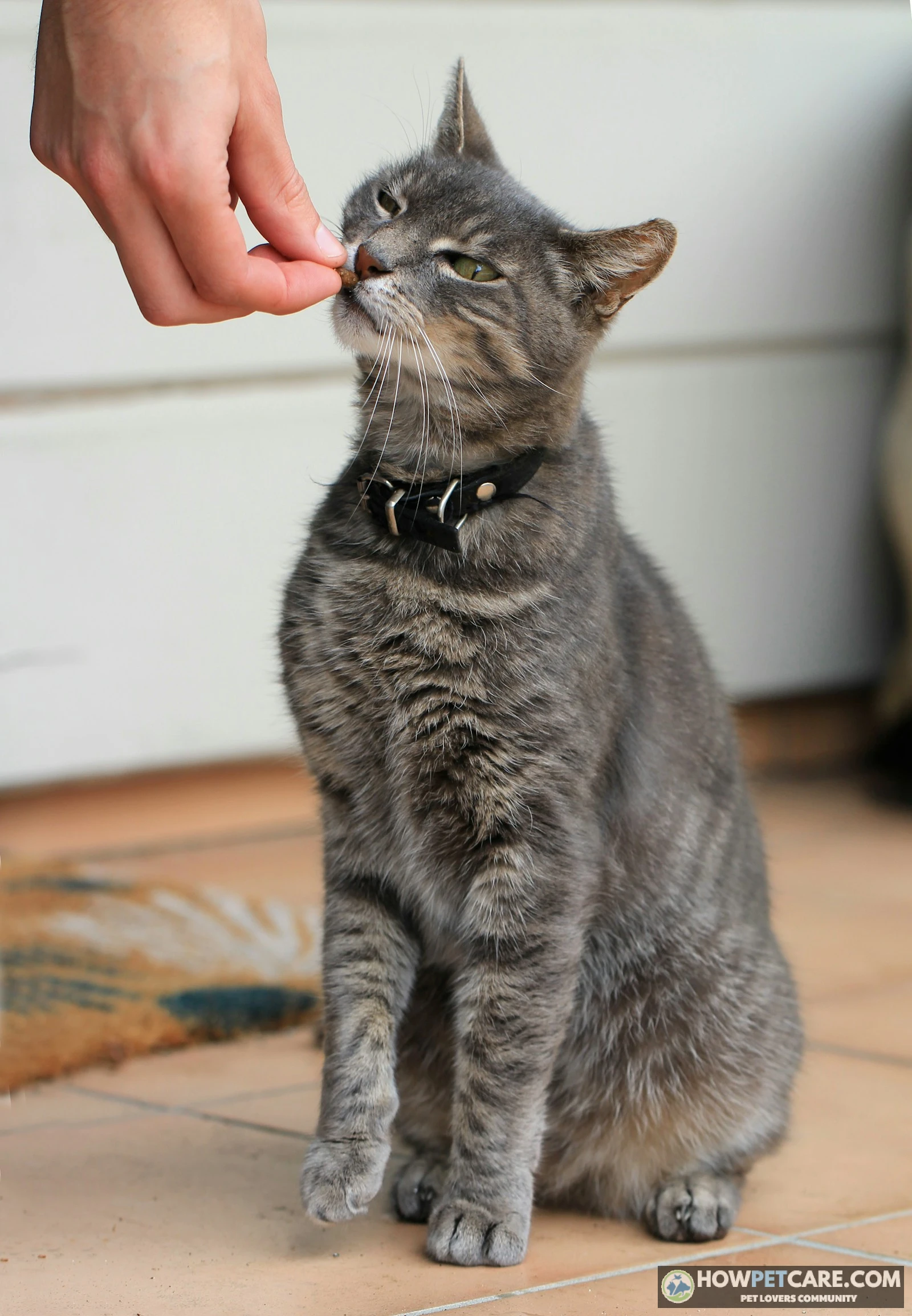
Price per ounce = package price ÷ package ounces. Price per treat = package price ÷ number of treats in the package. Estimated protein grams per package = package weight in grams × the guaranteed-analysis as-fed protein fraction. Cost per gram of protein = package price ÷ estimated protein grams. Because guaranteed analysis protein is a minimum, this is a comparison estimate based on the minimum, not a laboratory measurement of exact protein content.
For monthly cost, use the number of treats the cat can safely have under its calorie budget, not the package’s suggested maximum alone. Compare products using the same calorie allowance and the actual calorie count per piece. Price per ounce can mislead when moisture differs; cost per gram of protein is more useful for comparing protein density, but it does not account for ingredient quality, pathogen risk, or phosphorus.
Record prices as of the day you check them; prices vary by package size and retailer. A current price and package weight are necessary to calculate actual monthly cost versus standard treats. Until those inputs are verified, there is no honest way to name the cheapest option or quantify a monthly premium. To stretch a suitable freeze-dried treat, crumble it over food, keep it sealed and dry, and buy a larger package only if it can be stored correctly and used before quality declines.
Pick Your Treat: A 5-Step Shortlist Checklist
- Start with your cat. Note life stage, weight goals, dental comfort, and any diagnosis or prescription diet. Ask the veterinarian first about CKD, urinary problems, or a weight-loss plan.
- Verify the protein. Find crude protein and moisture on the exact package. Convert to DMB; keep products at 50% or higher if you want to meet this guide’s benchmark. Prefer a named animal protein first and inspect the full ingredient list for plant-protein boosters.
- Match the format and household. Choose tiny pieces for training, soft or lickable textures for dental issues, and cooked or heat-treated options if raw handling is not appropriate for your home.
- Check calories and cost. Compare calories per piece, package price, price per ounce, and cost per gram of protein. Calculate the daily count within the cat’s treat-calorie budget.
- Introduce gradually. Start with a small amount, watch for digestive upset, and check the current label and recall notices when you replenish the package.
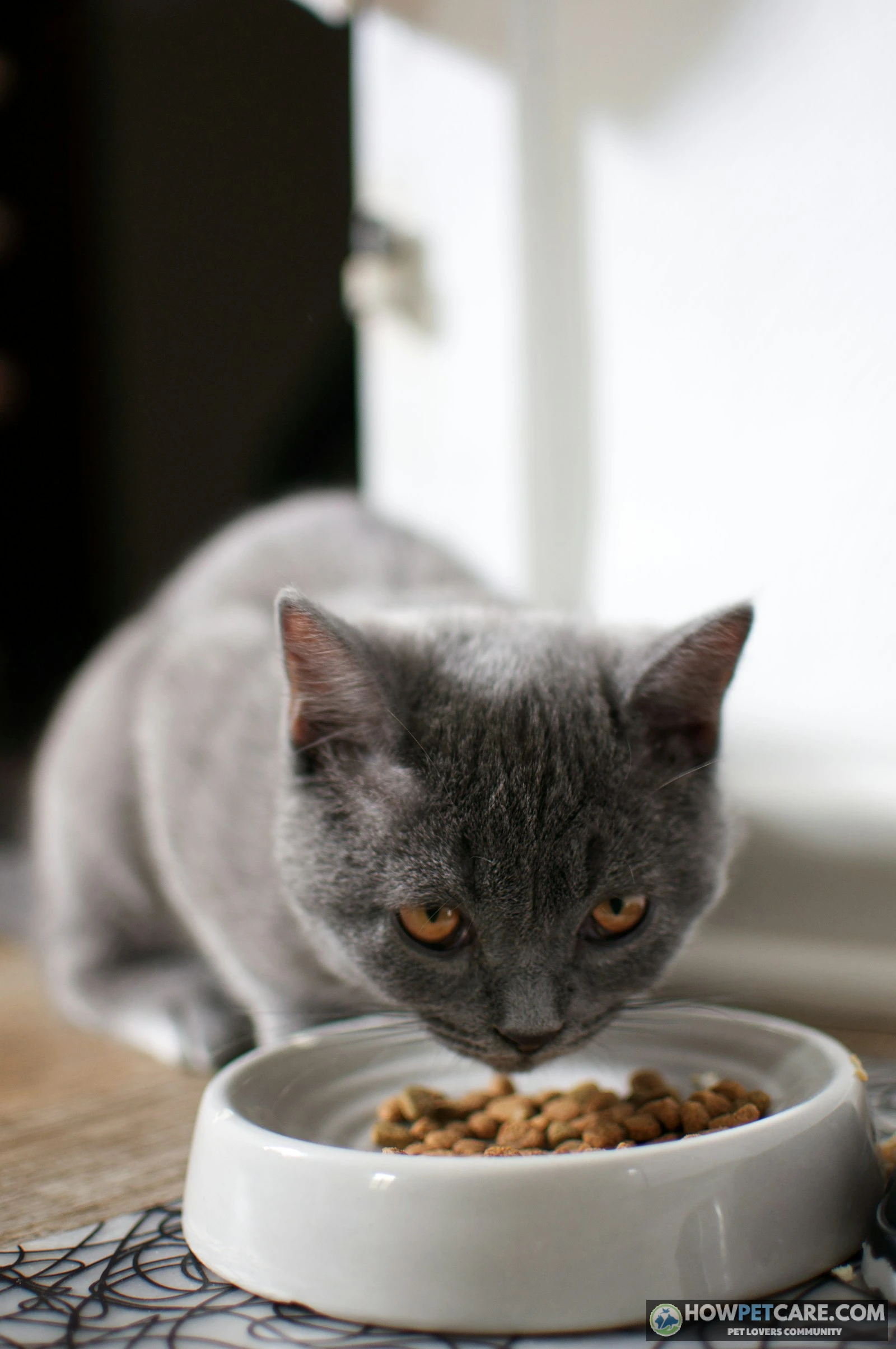
For a kitten, choose small, soft pieces and protect the kitten’s complete-food intake. For an adult indoor cat, prioritize measured, low-calorie rewards. For a senior, match texture to dental comfort and consider health screening before regular use. For a cat with CKD, ask the veterinarian to assess phosphorus before buying. For an underweight cat, arrange a veterinary evaluation before using calorie-dense toppers to encourage weight gain.
The practical rule is simple: verify the exact label, calculate dry-matter protein and calories, and choose a treat that fits your cat’s health plan—not just the front-of-bag claim.
1According to the guide's working benchmark, what is the minimum crude protein percentage required on a dry-matter basis (DMB) for a cat treat to be classified as high-protein?
The guide sets a 50% dry-matter crude protein threshold as the working benchmark to define a high-protein treat.
2A lickable puree cat treat has a guaranteed analysis showing 12% crude protein and 78% moisture. What is its crude protein percentage on a dry-matter basis (DMB)?
Subtracting 78% moisture leaves 22% dry matter; dividing 12% as-fed protein by 22% and multiplying by 100 yields 54.5% DMB.
3Why is crude protein content alone an incomplete measure of a cat treat's nutritional quality?
Nitrogen measurements can be raised by plant ingredients, which may lack essential feline amino acids like taurine.
4Which statement accurately describes the biosecurity risks associated with raw freeze-dried cat treats?
Pathogens can survive water removal, making handwashing and surface cleaning essential after touching raw treats.
5Why should cat owners inspect the ingredient panel of treats labeled with 'grain-free' claims?
Excluding grains does not prevent manufacturers from adding pea or potato proteins to inflate guaranteed protein figures.
6Following the 10% treat calorie rule, what is the daily treat budget for an adult cat requiring 200 kcal per day?
Multiplying the daily intake of 200 kcal by 0.10 provides a maximum treat limit of 20 kcal.
7When evaluating high-protein treats for a cat diagnosed with Chronic Kidney Disease (CKD), which element requires primary verification with a veterinarian?
Meat and fish treats contribute phosphorus, a critical mineral that must be closely managed in cats with CKD.
8Why is 'cost per gram of protein' a more meaningful comparison metric than 'price per ounce' across different treat formats?
Water adds weight without adding protein, making moisture-rich treats appear artificially expensive per unit weight compared to dry options.
9Which term describes the practice of listing ingredients like pea flour, pea protein, and pea fiber as separate items on a label?
Dividing a single plant component into sub-ingredients lowers each item's position on the ingredient list, hiding its total share.
10When selecting treats for training sessions with an overweight cat, which characteristic should be prioritized?
Tiny rewards around 2 kcal or less allow for multiple repetitions while staying within a strict daily treat calorie budget.
| Product or type to investigate | Format | First ingredient | Crude protein, as-fed minimum | Estimated protein, DMB | Calories per treat | Price per ounce | Age suitability | Recall history / key con |
|---|---|---|---|---|---|---|---|---|
| Single-ingredient freeze-dried chicken, salmon, or minnows | Freeze-dried | Verify species on label | Not verified; check package | Not calculable without label moisture | Not published here | Not verified | Check package; break into kitten-sized pieces only if appropriate | Raw status and kill step need verification; no product-specific recall check performed |
| Orijen cat treats | Freeze-dried or other recipe-specific format | Verify current recipe | Not verified | Not calculable | Not verified | Not verified | Follow the package's life-stage guidance | Recipes differ; verify current label and recall notices |
| Stella & Chewy's cat treats | Recipe-specific | Verify current recipe | Not verified | Not calculable | Not verified | Not verified | Follow the package's life-stage guidance | Verify whether product is raw, cooked, or otherwise treated |
| Redbarn Protein Puffs | Puff format | Verify current recipe | Not verified | Not calculable | Not verified | Not verified | Check package | The name is not a substitute for guaranteed-analysis data |
| Blue Buffalo Wilderness cat treats | Recipe-specific | Verify current recipe | Not verified | Not calculable | Not verified | Not verified | Check package | “Wilderness” does not establish protein percentage or quality |
| Dr. Elsey's cat treats | Recipe-specific | Verify current recipe | Not verified | Not calculable | Not verified | Not verified | Check package | Compare protein source and calories on the exact SKU |
| Whole Life Pet treats | Recipe-specific | Verify current recipe | Not verified | Not calculable | Not verified | Not verified | Check package | Verify processing and handling directions |
| Northwest Naturals treats | Recipe-specific | Verify current recipe | Not verified | Not calculable | Not verified | Not verified | Check package | Verify processing, current label, and recall notices |
| Lickable or wet meat-based treat | Puree or soft treat | Verify current recipe | Not verified | Not calculable | Not verified | Not verified | Often easier to eat, but follow label | Moisture can make as-fed protein look low; calories still count |
FAQ
Are high-protein treats good for cats?
Yes, in moderation, because cats are carnivores and do well on animal-based protein, but treats should stay within about 10% of daily calories. Cats with kidney disease or other health conditions may need lower-phosphorus or vet-approved options.
Does grain-free mean a cat treat is high in protein?
No. Grain-free only means grains are absent, and the treat can still be low in protein or rely on pea or potato protein. Check the guaranteed analysis and the ingredient list instead.
Can I make homemade high-protein cat treats?
Yes, simple treats from plain cooked chicken, turkey or fish with no seasoning, onion, garlic or bones are a common option. Keep portions small, cook meat thoroughly, and refrigerate or freeze leftovers promptly.
Are bonito flakes a good high-protein topper for picky or underweight cats?
Many cats find them very appealing, so they can encourage eating. Use them sparingly as a topper rather than a daily staple, and see a vet if your cat is losing weight or refusing food.
Can high-protein treats make my cat gain weight?
Yes. Protein-rich treats can still be calorie-dense, and too many can push total calories above what the cat needs. Count treat calories and subtract them from meals if your cat is overweight.