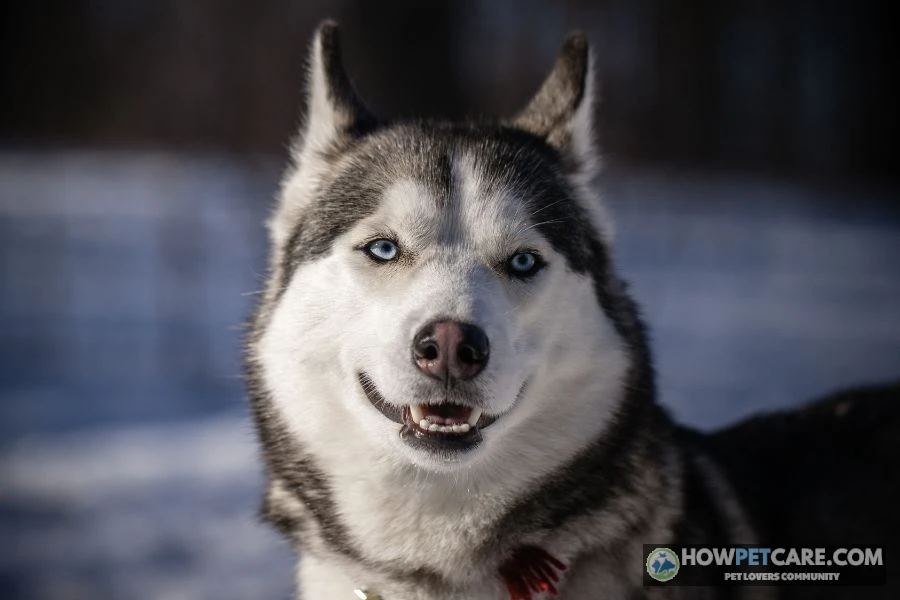

Siberian Huskies typically live about 12–15 years, an estimate consistent with breed-health summaries from sources such as the AKC, though some sources report 12–14 years. Individual lifespan varies with genetics, weight, health, and veterinary care, so the range is a guide rather than a guaranteed average.
Siberian Huskies commonly live about 12–15 years, an estimate consistent with breed-health summaries from sources such as the American Kennel Club (AKC). Some sources give a narrower 12–14-year range — the AKC among them — and large, recent studies focused specifically on Huskies are scarce. Think of 12–15 years as a useful estimate, not a promise or a precisely measured breed average. Genetics, health, weight, environment, and access to veterinary care all influence an individual dog’s life.
This guide focuses on the Siberian Husky, a recognized breed. “Alaskan Husky” generally describes a working type rather than the same standardized breed, so its lifespan should not be treated as interchangeable with Siberian Husky estimates.
How long do Siberian Huskies live? The evidence behind 12–15 years
The short answer to “how long do huskies live?” is usually 12–15 years. The AKC and PetPlace are among the sources that report a 12–14-year range, while other breed summaries give 12–15 years. These are published estimates, not results from a definitive, large Siberian Husky lifespan study. The available evidence doesn’t establish a precise average that applies to every Husky.
In practical terms, many Siberian Huskies reach their early teens, while some die younger and others live longer. Individual health, inherited risks, accidents, and quality of care can all affect the outcome. The top of a published range isn’t a guaranteed maximum.

Is there a verified oldest Husky on record?
There’s no widely accepted, authoritative public record verifying a single oldest Siberian Husky. Claims about a record-setting Husky remain unconfirmed unless reliable documentation supports the dog’s identity and age. A verified maximum is different from ordinary life expectancy, and the available evidence here doesn’t establish one.
What shapes a Husky’s life expectancy—and what owners can influence
Some influences on a Husky’s life expectancy are within an owner’s control; others aren’t. Inherited health and chance matter, but sensible daily care and early veterinary attention can help protect health and quality of life. Genetics, breeding practices, exercise, nutrition, and regular health checks are all recognized contributors to Husky longevity.
Weight and food. Feed a complete diet suited to your dog’s age and activity. Start with the food label, measure portions, and adjust with your veterinarian based on weight and body condition. No single serving size suits every Husky: calorie content, age, exercise, and metabolism vary. You should be able to feel your dog’s ribs without pressing hard and see a waist from above. Extra weight can strain joints and make movement more difficult. Ask your vet for help if your dog gains or loses weight unexpectedly.
Exercise and safe activity. Regular exercise supports fitness and a healthy weight, but the right amount depends on age, health, conditioning, and weather. Huskies are an active breed; the NLM research summary reports a minimum daily exercise figure of two hours. Treat that as general breed guidance, not a prescription for every dog. Puppies need age-appropriate activity, while a senior or a dog with orthopedic pain may need shorter, lower-impact outings. Build activity gradually and follow your veterinarian’s advice.

Preventive care. Keep up with routine examinations, vaccinations, parasite prevention, dental care, and any recommended screening. A veterinarian can spot changes before they’re obvious at home and tailor recommendations to your dog’s history. Seek advice promptly about new symptoms rather than assuming they’re a normal part of aging.
Heat and climate. Living in a warm state doesn’t by itself determine how long a Husky will live, and there’s no dependable lifespan figure based on climate alone. Heat does raise the risk of overheating. Provide fresh water, shade, and a cool place to rest, and move exercise to cooler hours. Watch for signs of heat illness and contact a veterinarian urgently if you suspect overheating. A thick double coat isn’t a reason to shave a Husky; breed guidance describes the coat as helping with temperature regulation.

Spaying and neutering. This is an individual veterinary decision, not a guaranteed way to extend life. Discuss timing and potential health trade-offs with your veterinarian, taking into account your dog’s sex, age, breed, and circumstances. The evidence supplied here doesn’t establish that spaying or neutering increases every Husky’s lifespan.
Does indoor or outdoor living affect Husky longevity?
There’s no reliable lifespan figure comparing indoor and outdoor Huskies. What matters is whether a dog is protected from hazards and has appropriate shelter, water, exercise, social contact, and timely veterinary care. Indoor living can reduce exposure to some outdoor dangers, but it doesn’t eliminate risks such as obesity or illness. Dogs kept outdoors need dependable protection from heat, cold, escape, and injury. In warm weather, make sure your Husky can reach a cool, well-ventilated resting space.
Do working-line and show-line Huskies differ?
The available evidence here doesn’t provide a dependable lifespan comparison between working-line and show-line Siberian Huskies. Rather than assuming one line lives longer, consider the dog’s health history, breeding, body condition, activity, and veterinary care. Ask about parents’ health and available screening records when assessing a dog’s inherited risks.
Husky health problems that can affect lifespan
Some conditions associated with Siberian Huskies affect comfort or vision more directly than lifespan; others may require ongoing medical care. A breed-associated risk doesn’t mean an individual dog will develop the condition. The research summary identifies hip dysplasia, cataracts, glaucoma, hypothyroidism, and certain inherited neurologic conditions, including SHPN1 and SPS1, among concerns associated with the breed.
| Health concern | Why it matters | What to discuss with your veterinarian |
|---|---|---|
| Hip dysplasia | Can cause pain and reduced mobility; it isn’t necessarily life-shortening on its own. | Orthopedic assessment, appropriate imaging, and management if stiffness or difficulty moving appears. |
| Cataracts and other eye disease | Can impair vision; some inherited eye conditions may begin early. | Eye examination and whether a veterinary ophthalmologist or breeder screening records are appropriate. |
| Progressive retinal atrophy | An inherited disease that can lead to vision loss. | Whether relevant eye examinations or genetic tests are available for your dog’s family line. |
| Hypothyroidism | Can affect energy, skin, and weight and may be manageable with veterinary treatment. | Testing if signs such as unexplained weight change or low energy occur. |
| SHPN1 or SPS1-associated neurologic disease | Inherited neurologic conditions noted in Husky health research. | Family history and relevant testing options when discussing breeding or a dog’s symptoms. |

Screening recommendations depend on the dog and the condition. Ask your veterinarian which eye, orthopedic, or other assessments are appropriate, and request relevant health records from the breeder if they’re available. New stiffness, difficulty seeing, unusual behavior, or unexplained changes in weight or energy deserve veterinary attention.
The evidence available for this article doesn’t include enough Husky-specific cause-of-death data to rank what most often kills the breed reliably. A disease that affects quality of life isn’t necessarily a proven leading cause of death. Accidents and other individual circumstances matter too, so secure handling and prompt care remain important parts of prevention.
Which symptoms warrant a veterinary visit?
Arrange a veterinary assessment for new or worsening pain, persistent lameness, trouble standing, vision changes, unexplained weight shifts, marked changes in thirst or urination, ongoing low energy, or a lump that is new or changing. Sudden severe symptoms or suspected heat illness need urgent attention. These signs can have many causes; they aren’t a diagnosis on their own.
Screening to discuss with your veterinarian
At routine visits, share your dog’s weight trend, activity changes, medications, and any new symptoms. Ask whether orthopedic evaluation, eye examinations, or tests based on family history make sense. Screening is most useful when it’s chosen for a specific risk and interpreted by a veterinary professional. It isn’t a guarantee that disease won’t occur.
Husky years to human years: age conversion and life-stage milestones
The “one dog year equals seven human years” rule is too simple. Dogs mature quickly early in life, and estimates change with age and size. A commonly used veterinary approximation for a medium-sized dog assigns about 15 human years to a dog’s first year, about 24 by the second year, and roughly five more for each year after that. It’s a comparison tool, not a biological clock or a way to predict an individual dog’s health.
How old is my Husky in human years?
| Husky age | Approximate human-age equivalent | Typical life stage |
|---|---|---|
| 6 months | About 10 | Puppy |
| 1 year | About 15 | Adolescent |
| 2 years | About 24 | Young adult |
| 4 years | About 34 | Adult |
| 6 years | About 44 | Mature adult |
| 8 years | About 54 | Senior threshold |
| 10 years | About 64 | Senior |
| 12 years | About 74 | Geriatric |
| 15 years | About 89 | Geriatric |

These figures are rough estimates for a medium-sized dog, not a Husky-specific prediction. A dog’s health, weight, and individual aging can differ substantially from the chart.
When does a Husky become a senior?
Many owners and veterinarians begin treating a Husky as a senior around age 7–8, though the transition varies. Let changes in mobility, stamina, weight, and health guide care, rather than the birthday alone. Senior status is a prompt to monitor more closely, not a diagnosis or a reason to stop activities your dog still enjoys.
Male vs. female Husky lifespan, mixes, and breed comparisons
Do female or male Huskies live longer?
The evidence available for this article doesn’t establish a reliable Siberian Husky-specific lifespan difference between males and females. Broad findings across dogs can’t be turned into a precise prediction for this breed or an individual pet. There’s no sound basis here to promise that a male or female Husky will live longer. Discuss reproductive health and spay or neuter timing with your veterinarian rather than using sex alone to estimate lifespan.
How does a Husky compare with mixes and similar breeds?
Published lifespan ranges offer context, but comparisons can mislead when sources use different methods. The figures below combine breed estimates with cautious parent-breed expectations; they aren’t from a single, directly comparable population study. The evidence supplied for this article doesn’t include a consistent set of study samples and dates for each breed, so treat the ranges as approximate.
| Breed or mix | Reported lifespan range | Evidence and limitations |
|---|---|---|
| Siberian Husky | About 12–15 years | Commonly reported estimate; some sources give 12–14. Large, recent Husky-only survey data are scarce. |
| Alaskan Malamute | About 10–14 years | Breed estimate; methods may differ from those used for Siberian Huskies. |
| Labrador Retriever | About 11–13 years | General breed estimate; a possible parent-breed reference for a Labsky, not a prediction. |
| German Shepherd | About 9–13 years | General breed estimate; not directly comparable across sources. |
| Pomsky | No established measured range | A Husky–Pomeranian mix; outcome depends on the individual dog and both parents. |
| Shepsky | No established measured range | A Husky–German Shepherd mix; parent-breed ranges don’t establish a measured average. |
| Labsky | No established measured range | A Husky–Labrador mix; parent-breed ranges don’t establish a measured average. |

Online lifespan numbers for Pomskies, Shepskies, and Labskies often present estimates as facts. A mixed-breed dog may inherit risks from either parent, and hybrid status alone doesn’t guarantee extra years. Ask about the health and longevity of both parents’ families when that information is available. Alaskan Huskies should also be considered separately, as working-type dogs rather than the standardized Siberian Husky breed.
Senior Husky care: aging signs, comfort, and end-of-life support
Aging is gradual, and many changes can also signal a treatable problem. A veterinary check can help distinguish expected changes from pain or illness.
Signs your Husky may be aging
Look for changes such as:
- Reduced stamina or willingness to exercise.
- Stiffness, slower rising, limping, or difficulty with stairs.
- Changes in weight, appetite, or muscle condition.
- Sleeping more or changes in sleep patterns.
- Cloudy vision, difficulty seeing, or reduced response to sounds.
- Changes in behavior, social interest, or comfort with familiar activities.

Don’t dismiss sudden or pronounced changes as “just old age.” Contact your veterinarian, especially if your dog seems painful, stops eating, becomes disoriented, or has trouble moving.
Quality of life and veterinary guidance
Senior care often means adjusting activity rather than eliminating it. Favor comfortable, lower-impact movement when needed, provide secure footing and a warm, supportive resting place, and match food portions to your dog’s changing activity. Maintain dental care and ask your veterinarian how often to schedule examinations and whether bloodwork or other monitoring is appropriate.
If a condition progresses, talk openly with your veterinary team about pain relief, palliative care, and your dog’s daily comfort. A quality-of-life discussion can help you track whether your dog can rest, eat, move, and enjoy familiar interactions. Age alone isn’t a reason to stop care; decisions should reflect the individual dog’s health, comfort, and needs.
There’s no dependable universal total for lifetime veterinary costs. Costs vary with location, routine care, insurance, emergencies, dental needs, and age-related conditions. Ask local clinics for estimates of preventive visits and common services, and make a separate plan for unexpected expenses if possible.
A practical plan to help your Husky live longer
No routine can guarantee a particular lifespan. Genetics and chance matter, but consistent care can help reduce preventable risks and support a better quality of life. Use this checklist as a starting point and tailor it with your veterinarian:
| Life stage | Typical age | Longevity-focused care priorities |
|---|---|---|
| Puppy | Birth to 1 year | Keep vaccinations and parasite prevention on schedule; support steady growth with appropriate portions; discuss exercise, socialization, identification, and spay or neuter timing with your veterinarian. |
| Adult | About 1–7 years | Schedule routine examinations; measure food and monitor body condition; maintain regular, age-appropriate exercise and dental care; keep vaccinations and parasite prevention current. |
| Senior | Often around 8 years and older | Ask about more frequent examinations; monitor weight, mobility, vision, hearing, and new symptoms; adapt activity and home footing; discuss pain management and quality of life. |
Make these habits part of your regular routine:
- Track weight and body condition. Record weight at veterinary visits and watch for changes between them. Ask your veterinarian to help set a suitable target.
- Measure meals. Start with food-label guidance, then adjust portions for age, activity, body condition, and veterinary advice. Don’t assume every Husky needs the same amount.
- Keep activity appropriate. Give a healthy adult regular exercise, but scale intensity to fitness, age, and weather. Choose gentler movement when your veterinarian recommends it.
- Protect against heat. Keep water and shade available and plan outdoor activity for cooler parts of the day.
- Keep preventive care current. Follow veterinary guidance on examinations, vaccines, parasites, dental care, and any screening relevant to your dog.
- Record changes. Keep a simple log of weight, medications, screening results, preventive-care dates, and new symptoms so you can give your veterinarian a useful history.
- Review the plan as your dog ages. Ask about puppy, adult, and senior priorities at checkups; adjust the plan when your dog’s health or needs change.
The realistic goal isn’t to make a Husky reach a specific age at any cost. It’s to give your dog the best chance of a long, comfortable life through informed care, early attention to problems, and decisions made with a veterinarian.

| Breed or Mix | Reported Lifespan Range | Evidence and Limitations | Common Health Concerns |
|---|---|---|---|
| Siberian Husky | About 12–15 years | Commonly reported estimate; some sources give 12–14 years. Large, recent Husky-only survey data are scarce. | Cataracts, glaucoma, hip dysplasia, hypothyroidism, progressive retinal atrophy, and certain inherited neurologic conditions (SHPN1 or SPS1) |
| Alaskan Malamute | About 10–14 years | Breed estimate; methods may differ from those used for Siberian Huskies. | Not in source |
| Labsky | No established measured range | A Husky–Labrador mix; parent-breed ranges don't establish a measured average. | Not in source |
| Pomsky | No established measured range | A Husky–Pomeranian mix; outcome depends on the individual dog and both parents. | Not in source |
| Shepsky | No established measured range | A Husky–German Shepherd mix; parent-breed ranges don't establish a measured average. | Not in source |
| German Shepherd | About 9–13 years | General breed estimate; not directly comparable across sources. | Not in source |
| Labrador Retriever | About 11–13 years | General breed estimate; a possible parent-breed reference for a Labsky, not a prediction. | Not in source |
FAQ
What is the oldest verified Siberian Husky on record?
There is no widely accepted, authoritative public record that verifies a single oldest Siberian Husky. Treat specific record-age claims as unconfirmed unless they are supported by reliable documentation.
How long do Huskies live in hot climates?
There is no dependable lifespan figure for Huskies by climate alone. Heat raises the risk of overheating, so provide shade, water, a cool resting space, and exercise during cooler hours, and seek veterinary help for signs of heat illness.
How much should I budget for Husky veterinary care over a lifetime?
Lifetime costs vary widely by location, insurance, preventive-care choices, and unexpected illness or injury. Ask local clinics for routine-care estimates and plan separately for emergencies, dental care, and age-related treatment.
How much and how often should I feed my Husky?
The right amount depends on the food’s calorie content, your dog’s age, activity, and body condition, so follow the food’s guidance as a starting point and adjust with your veterinarian. Measure meals and monitor weight rather than relying on a fixed portion for every Husky.