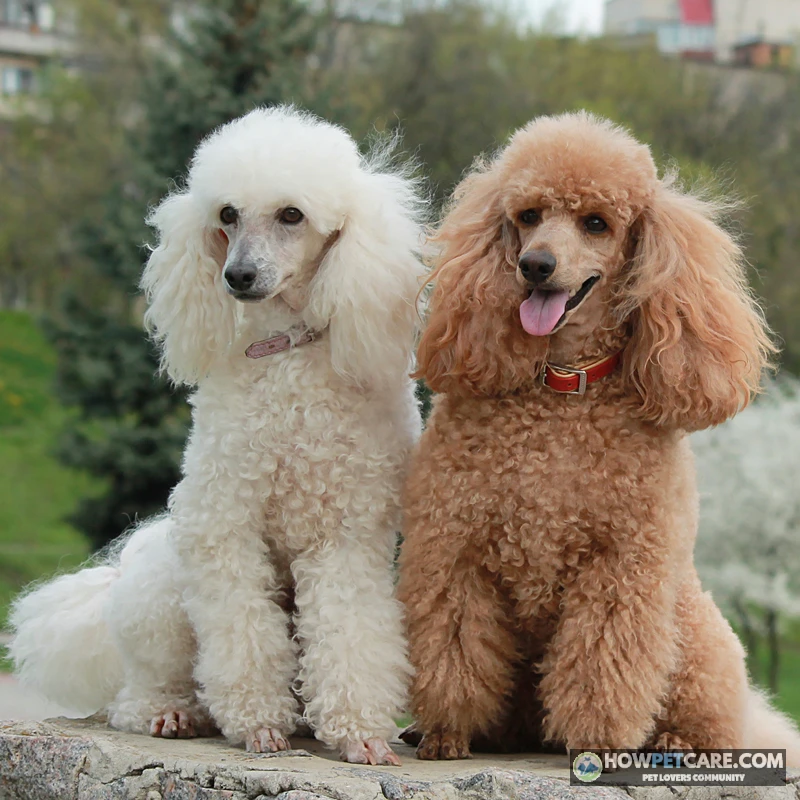

All three Poodle sizes—Standard, Miniature, and Toy—share the same intelligent, low-shedding breed, differing mainly in height, exercise needs, and fragility. Standards suit active homes, Miniatures fit most lifestyles, and Toys need gentle handling. Every size requires regular grooming, training, and daily companionship.
A Poodle can make an excellent family dog or first dog if you can keep up with grooming, training, exercise, and companionship. The right size depends less on whether you have a yard than on your daily life: a Toy suits a careful household looking for a small companion, a Miniature offers a versatile middle ground, and a Standard is a better match for people prepared for a larger, athletic dog. All three need coat care and mental stimulation, and none is guaranteed to be allergy-friendly.
Standard vs Miniature vs Toy Poodle: Which Size Fits You at a Glance
The American Kennel Club (AKC) recognizes three Poodle size varieties. They share the breed’s curly coat and reputation for intelligence, but size affects handling, exercise, grooming costs, and some health risks. These are general tendencies, not guarantees; an individual dog’s upbringing and personality matter in every variety.
Poodles originated in Germany as water retrievers and later became closely associated with France.
Size and weight by variety
The height boundaries below are AKC variety cutoffs, measured at the shoulder. Weight is a practical expectation, not the basis for AKC classification. An individual dog’s lifespan is difficult to predict. Smaller varieties often outlive larger ones, but health history matters more than a birthday estimate.
| Attribute | Toy Poodle | Miniature Poodle | Standard Poodle |
|---|---|---|---|
| AKC height | 10 inches or under | Over 10 inches to 15 inches | Over 15 inches |
| Typical adult weight | About 4–6 pounds | About 10–15 pounds | About 40–70 pounds |
| Lifespan | Often into the teens | Often into the teens | Often into the teens; on average, large dogs may live fewer years than small dogs |
| Temperament tendencies | Alert and affectionate; may be vocal | Playful and adaptable; often a practical middle size | Athletic and people-oriented; can be exuberant |
| Exercise and enrichment | Daily walks and play, adjusted to a small body | Daily walks, play, and engaging activities | More room for movement and substantial daily activity |
| Coat care | Regular brushing and clipping | Regular brushing and clipping | Regular brushing and clipping; more coat to maintain |
| Handling | Fragile around rough handling | Sturdier than a Toy, but still a small dog | Stronger and more robust, but may accidentally knock over a child |
| Health discussions | Knees, eyes, and dental health | Knees, eyes, hips, and dental health | Hips, bloat, and family history of other conditions |
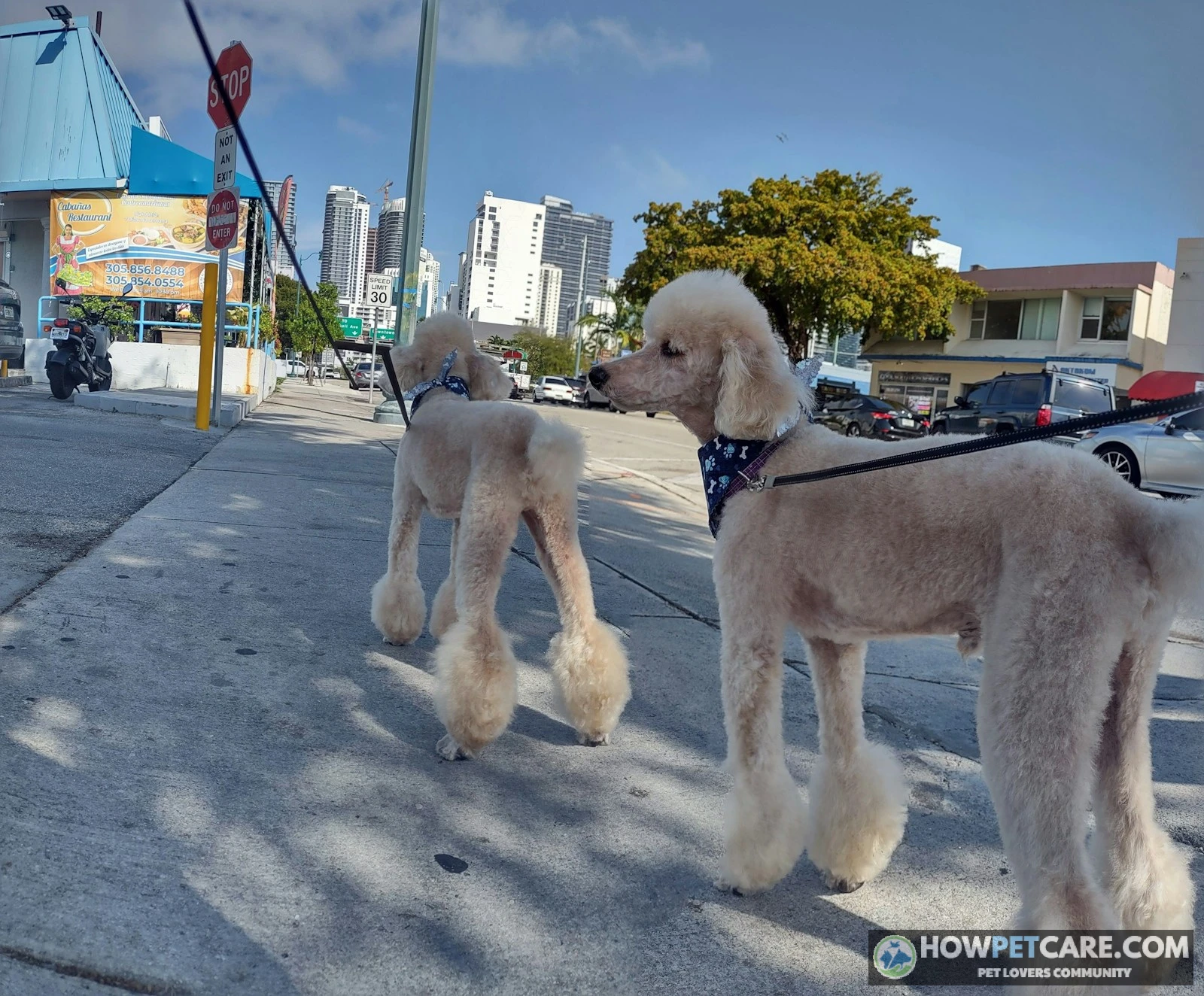
The United Kennel Club (UKC) classifies Standard Poodles separately from its Poodle breed, which includes Miniature and Toy varieties. Don’t assume terminology or registry rules are interchangeable.
Temperament differences beyond size
Poodles are generally intelligent, affectionate, and athletic. With a Standard, loose-leash manners and calm greetings matter especially because of the dog’s size. A Miniature can offer a useful balance of portability and athleticism. A Toy can enjoy training and outings too, but needs protection from accidental injury.
Any Poodle may bark, find being alone difficult, or be reserved with strangers. Don’t choose a size based on a promise that every dog in that variety will be quiet or easygoing.
Is the Miniature just a middle-sized Toy or Standard?
In AKC terms, the Miniature is not a different breed. Still, its middle size can make a meaningful difference in daily life. It may be easier to carry or accommodate in an apartment than a Standard, while being less physically delicate than a Toy. Ask about the individual dog’s energy and family health rather than assuming a middle size guarantees a middle-of-the-road personality.
Poodle Temperament and Intelligence: What Daily Life Is Really Like
A Poodle’s intelligence is an asset when you reward the behavior you want. It also means a dog can quickly learn that barking brings attention or that an unattended counter holds food. Consistent household rules, rewards for calm behavior, and suitable activities matter more than relying on a breed label.
Poodles are often people-oriented and can be sensitive to rough handling or harsh correction. Use rewards, manageable challenges, and breaks instead of intimidation. Early, positive exposure to everyday sights, sounds, people, and other animals helps build confidence. There’s no need to force a puppy to greet everyone.
Are Poodles good family dogs?
Many are, when adults match the dog to the household and supervise interactions. Teach children to let a dog rest, avoid grabbing its coat or face, and invite contact rather than force it. Even a friendly dog needs a retreat where children will leave it alone.
A Toy can be injured if dropped or stepped on, so it may be a less forgiving choice for a household with toddlers. A Miniature is still small enough to need careful handling. A Standard may cope better with the physical environment, but its size and enthusiasm can knock over a small child. Introduce other pets gradually and give each animal space.
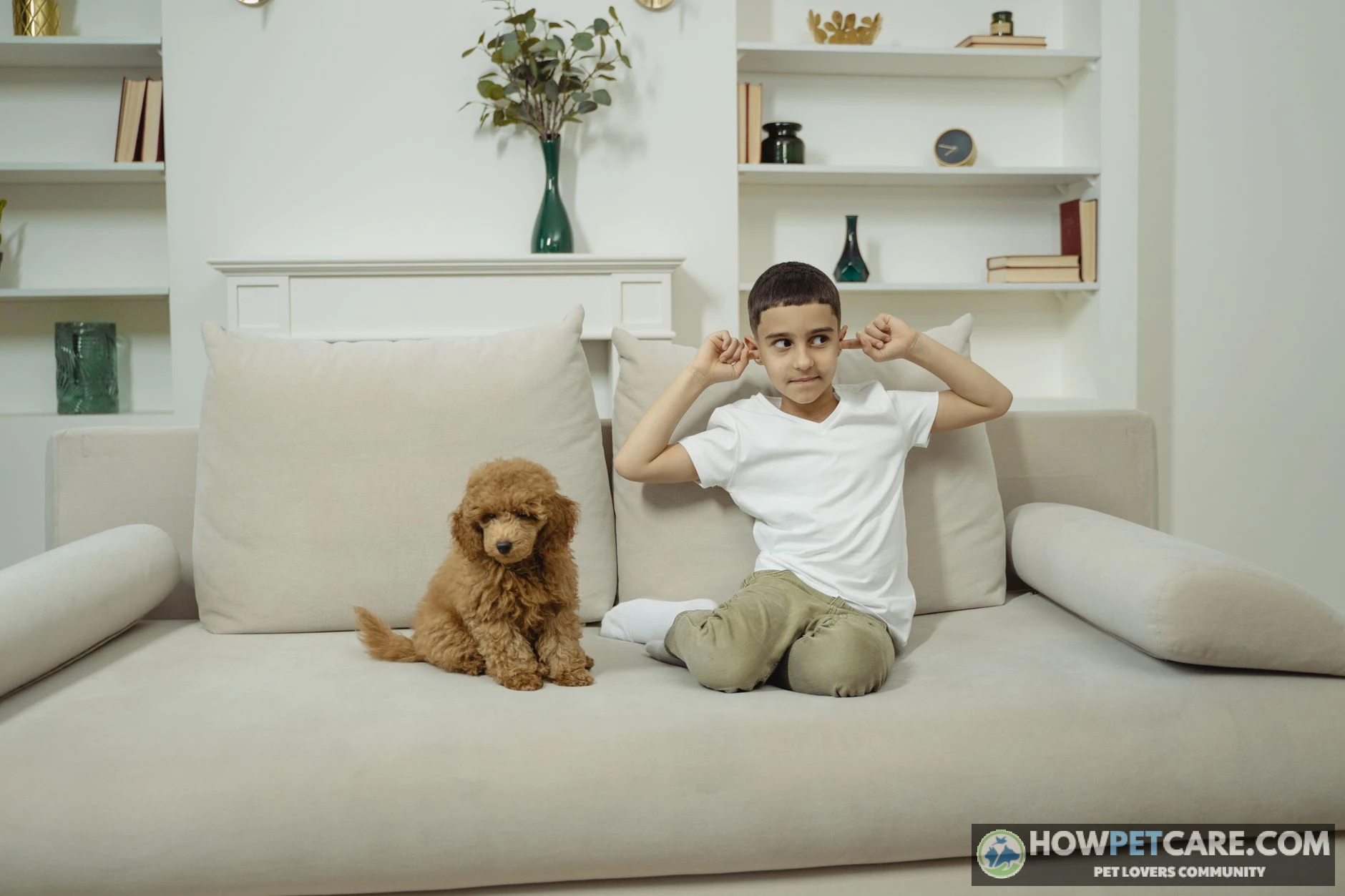
Separation anxiety and workday absences
No variety is automatically comfortable alone for a full workday. Puppies need frequent bathroom breaks and supervision, and adults differ in how well they settle. Before committing, plan for a midday visitor, dog walker, suitable daycare, or a different work arrangement if your dog needs company.
Build alone-time tolerance gradually. Start with a departure short enough for the dog to remain relaxed, return calmly, and lengthen the interval only as the dog copes. Persistent distress, frantic escape attempts, or vocalizing when alone calls for help from a veterinarian and a qualified behavior professional. A puzzle toy can provide enrichment, but it won’t cure separation anxiety.
 You might be wonderingPug dog breedPug Dog Breed Guide: Size, Health, Costs & Is It Right for You?Read the answer
Do Poodles Shed? The Truth About the Hypoallergenic Coat
Poodles shed relatively little visible hair, but “non-shedding” is misleading. Loose hair can stay caught in the curls, where it tangles with the growing coat. You may see less hair on the floor, but the dog’s coat needs more work.

Hypoallergenic: what it does and does not mean
A hypoallergenic coat isn’t an allergen-free coat. People can react to proteins associated with a dog’s skin, saliva, and urine, and sensitivity varies from person to person. Spend time with the particular dog before committing, ideally more than once and in a setting where you can notice your reaction. If allergies are significant, discuss the decision with an allergist. No meeting guarantees future tolerance.
Neglected tangles can tighten into mats that pull at the skin and conceal irritation. Severe matting may call for a short clip, since prolonged dematting can be uncomfortable. Even a shorter pet trim needs routine maintenance.
Poodle vs Goldendoodle coat and care differences
A Goldendoodle is a Poodle mix, not a Poodle variety. A doodle mix can inherit different coat textures and shedding patterns from its parents, so low shedding and easy grooming are never guaranteed. Assess the individual dog’s coat and grooming needs instead of assuming a mixed-breed label solves an allergy or maintenance problem.
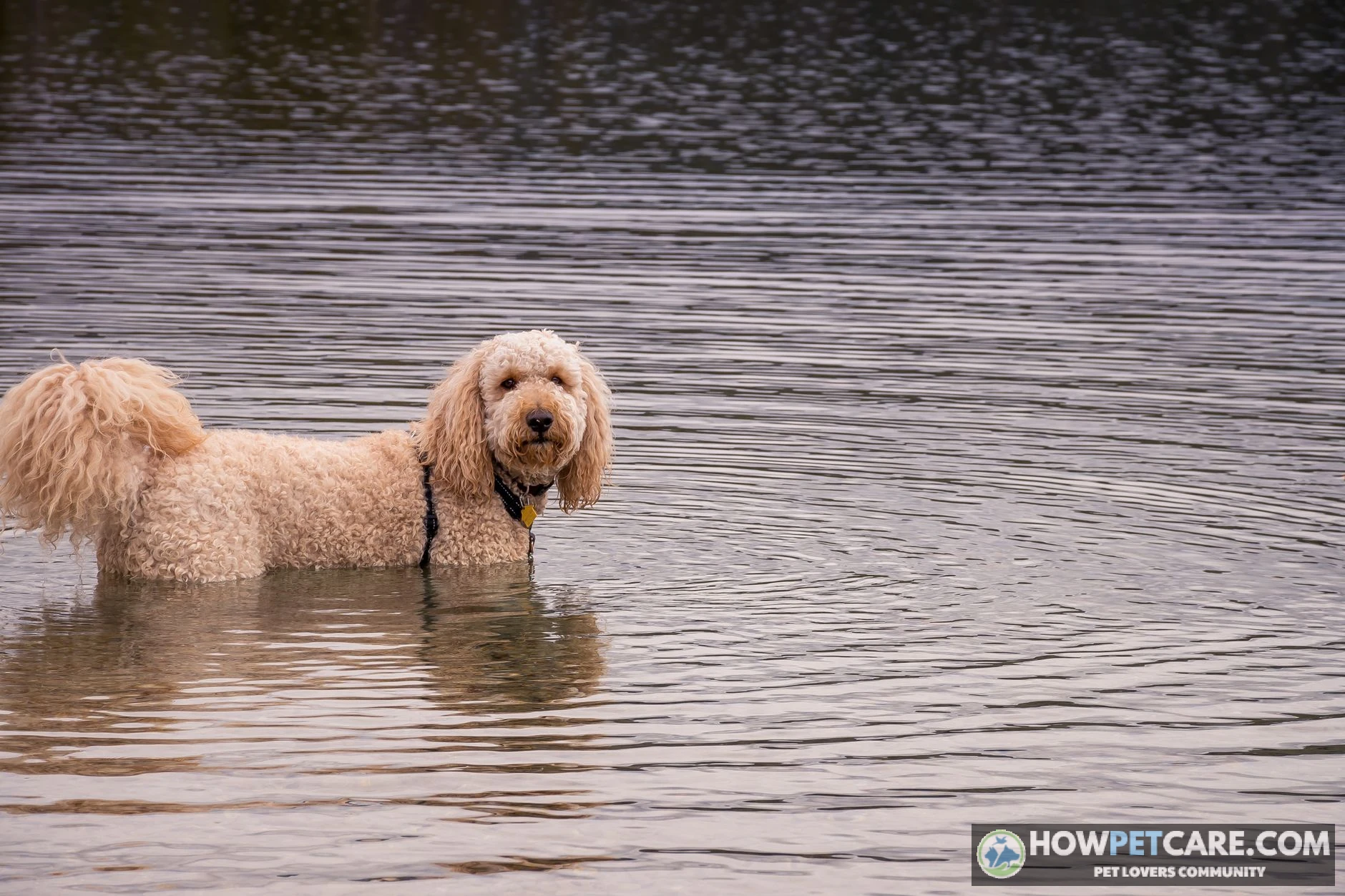
Poodle Grooming Guide: Brushing Schedule, Clips and Professional Costs
Plan to brush several times a week, and daily if the coat is longer or tangles easily. Many pet owners arrange professional grooming about every 4–8 weeks, depending on coat length, home care, and the groomer’s advice. At six visits a year, a hypothetical $100 appointment would cost $600 annually before tips or extras. That’s an illustration, not a verified market quote. Ask local salons for size-specific estimates before choosing a dog.
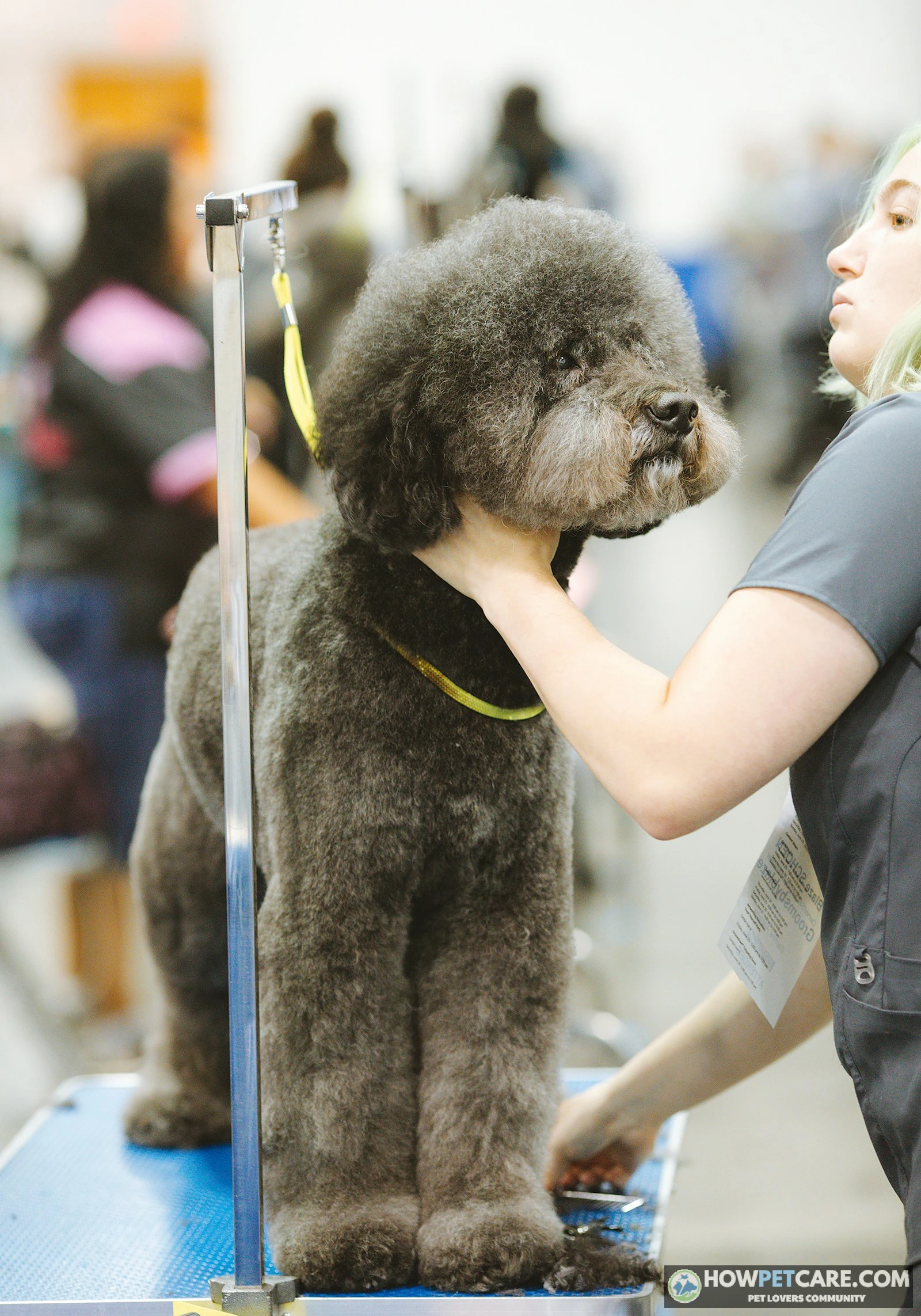
Brushing, clipping, nail care, and dental care are recurring commitments for every Poodle size. Get a local grooming quote before assuming a small dog will be inexpensive to maintain.
Poodle clips explained for pet owners
You don’t need a show-style haircut. Ask a groomer to explain the upkeep for your preferred length and show you how to check the coat between appointments.
- A puppy or teddy-bear-style trim generally leaves a soft, rounded appearance; names and exact lengths vary by groomer.
- A lamb or sporting-style trim keeps a practical pet outline, with the length adjusted to your preference.
- Continental and English saddle clips are associated with traditional show presentation and need more specialized maintenance.
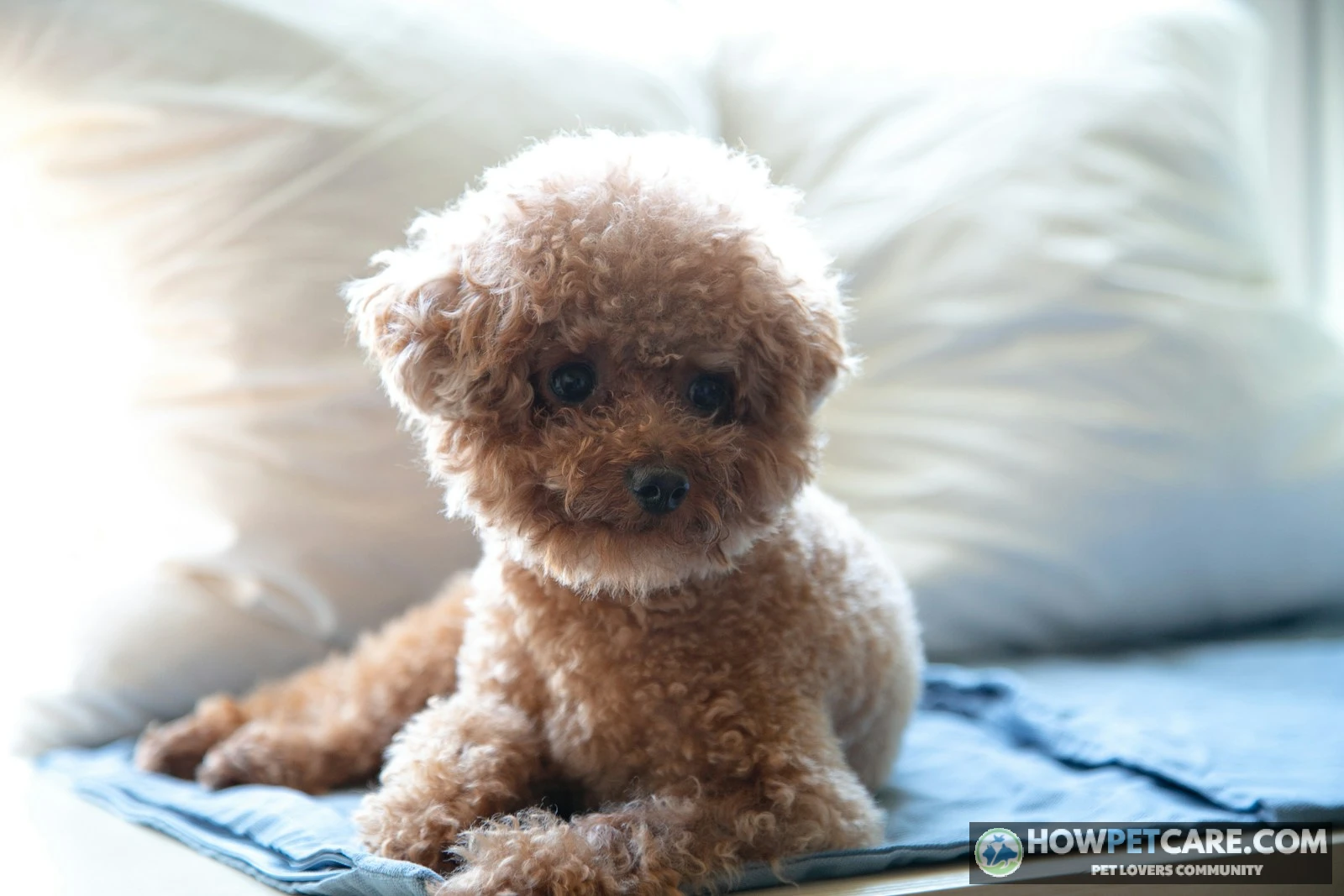
Pictures can help you explain what you want, but the dog’s comfort and coat condition should guide what’s possible at an appointment.
At-home vs professional grooming schedule
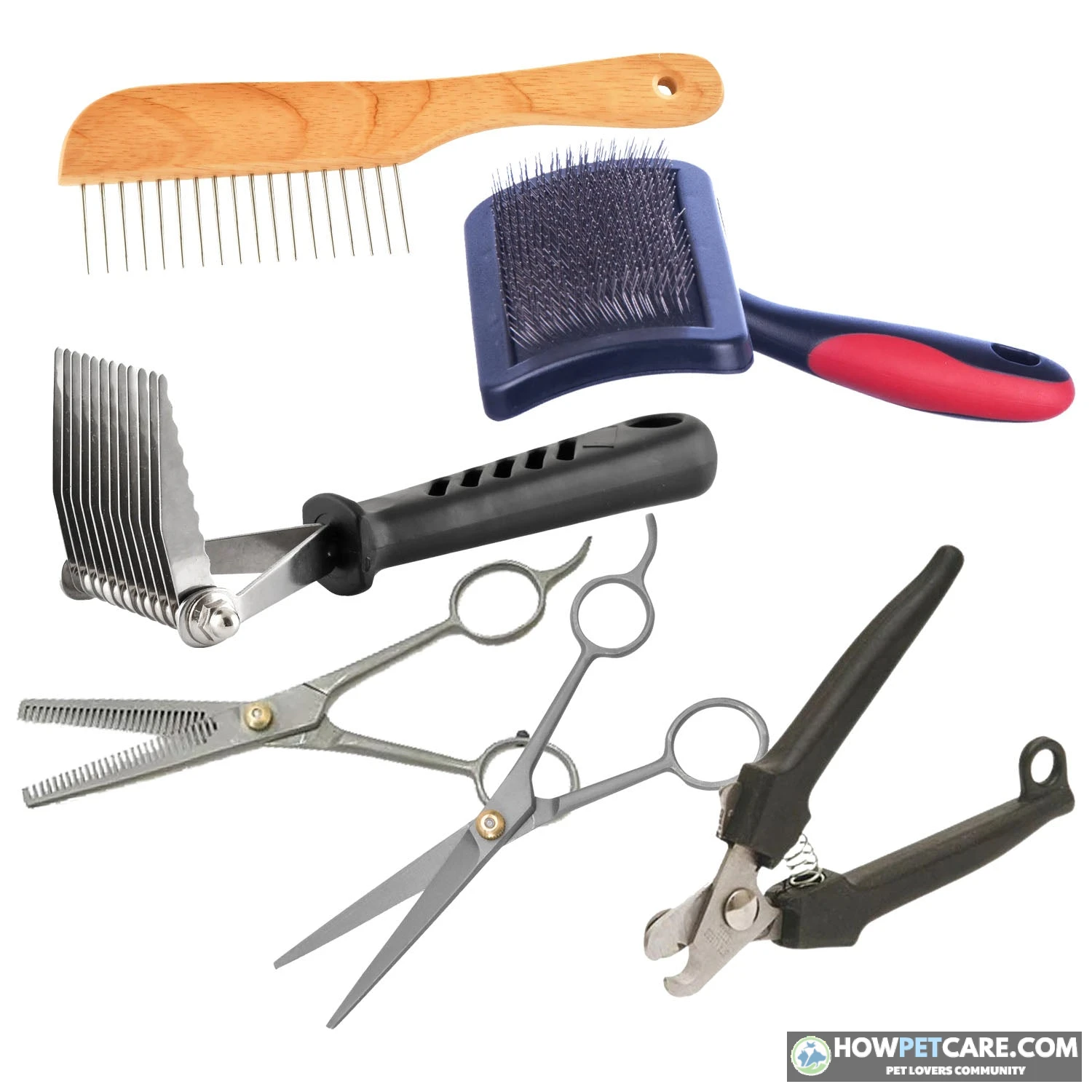
Use a suitable slicker brush, then check for tangles close to the skin with a metal comb. Work gently in sections, especially behind the ears, under the collar, in the armpits, and on the legs. If the comb catches, don’t tug hard or cut a tight mat with scissors; you could catch the skin. Ask a groomer or veterinarian for help.
Check nails and ears regularly. Trim nails as needed, clean ears when your veterinarian recommends it, and ask before routinely plucking ear hair. Brush teeth with dog-safe toothpaste as often as your veterinarian advises; small dogs in particular may need close dental attention. Wipe around the eyes gently if discharge builds up, and have persistent staining, redness, or discharge checked.
Home clipping can reduce salon visits, but clippers, blades, maintenance, and instruction all cost money. A nervous dog, a difficult coat, or a safely managed face and feet may still call for professional help.
Annual grooming budget by variety
A groomer’s fee depends on location, dog size, coat length and condition, behavior, and the services included. Standards often take more time to groom because there’s more dog and coat. A Miniature or Toy isn’t necessarily a quick appointment, either. Dematting or grooming a neglected coat may cost more.
For a realistic annual figure, ask two local groomers for a quote for your chosen size and trim, then multiply the quote by the number of visits they recommend. Add supplies, tips if applicable, and any nail or dental services billed separately. That gives you a more useful budget than applying a national price to every salon.
Which Poodle Variety Fits Your Life? Apartments, Kids and First-Time Owners
Use this matrix to narrow your options, not to predict an individual dog. “Good fit” assumes exercise, grooming, training, and veterinary care are covered; “possible” means the household should plan around the challenge described.
| Situation | Toy Poodle | Miniature Poodle | Standard Poodle |
|---|---|---|---|
| Apartment | Good fit if exercise and barking are managed | Good fit with daily activity | Possible with enough outdoor activity and space to settle |
| Young children | Caution: fragile around drops and rough handling | Possible with close supervision and gentle handling | Possible with supervision; size and exuberance can knock children over |
| First-time owner | Possible for someone comfortable handling a tiny dog | Good fit for a prepared owner wanting a manageable size | Good fit for a prepared owner comfortable training a larger dog |
| Alone most of the workday | Caution; arrange company and breaks | Caution; arrange company and breaks | Caution; arrange company, breaks, and exercise |
| Active outings and dog sports | Short, appropriately scaled activities | A versatile choice for walks, games, and suitable sports | Often a strong choice for longer activities and sports |
| Limited mobility | Possible if care, outings, and grooming transport are covered | Possible with a reliable activity and care plan | Consider carefully because of strength and exercise needs |
| Household with allergies | Possible only after individual assessment | Possible only after individual assessment | Possible only after individual assessment |
Best Poodle size for apartment living
A Toy or Miniature is often easier to accommodate in a smaller home, but a smaller size doesn’t remove the need for walks or quiet-time training. A Standard can also live in a city if the household meets its activity needs. Consider stairs, elevators, nearby walking routes, noise rules, and whether you can manage the dog comfortably on a leash.
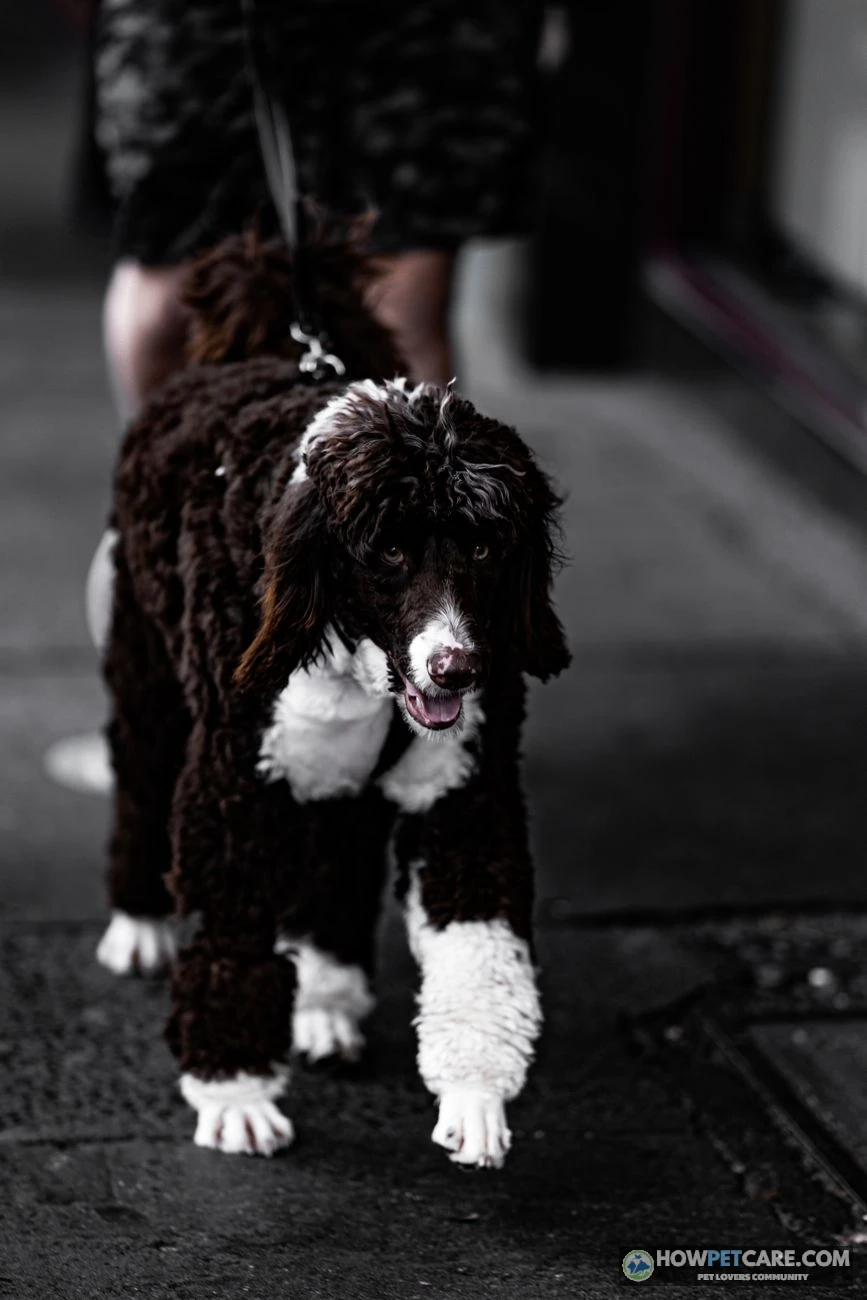
Best Poodle for families with young children
A Miniature or Standard may be a more practical starting point than a Toy because Toys are fragile. Neither size is childproof. Choose a dog known to be comfortable around children, supervise closely, and make sure adults—not young children—are responsible for handling and care.
Is a Poodle a good dog for beginners?
Yes. A Poodle can suit a first-time owner who has time to learn reward-based training and can afford recurring grooming. Consider a Miniature if you want a smaller, active companion without choosing the most delicate size. A Standard can be a good beginner’s dog if you can manage its adult strength and exercise needs; a Toy can suit a careful beginner in a gentle household.
Rule out the breed, or postpone, if regular coat care, daily engagement, or a workable plan for long absences isn’t realistic. The best fit is the dog whose needs you can meet during an ordinary busy week, not just on a day off.
Exercise, Enrichment and Training That Actually Engage a Poodle’s Brain
Physical exercise and mental work go hand in hand. An energetic dog may need a walk, but a dog that can’t settle may also need sleep, predictable routines, or help with anxiety. Barking, chewing, stealing objects, and restlessness can have several causes. Don’t assume every unwanted behavior means the dog needs more running.
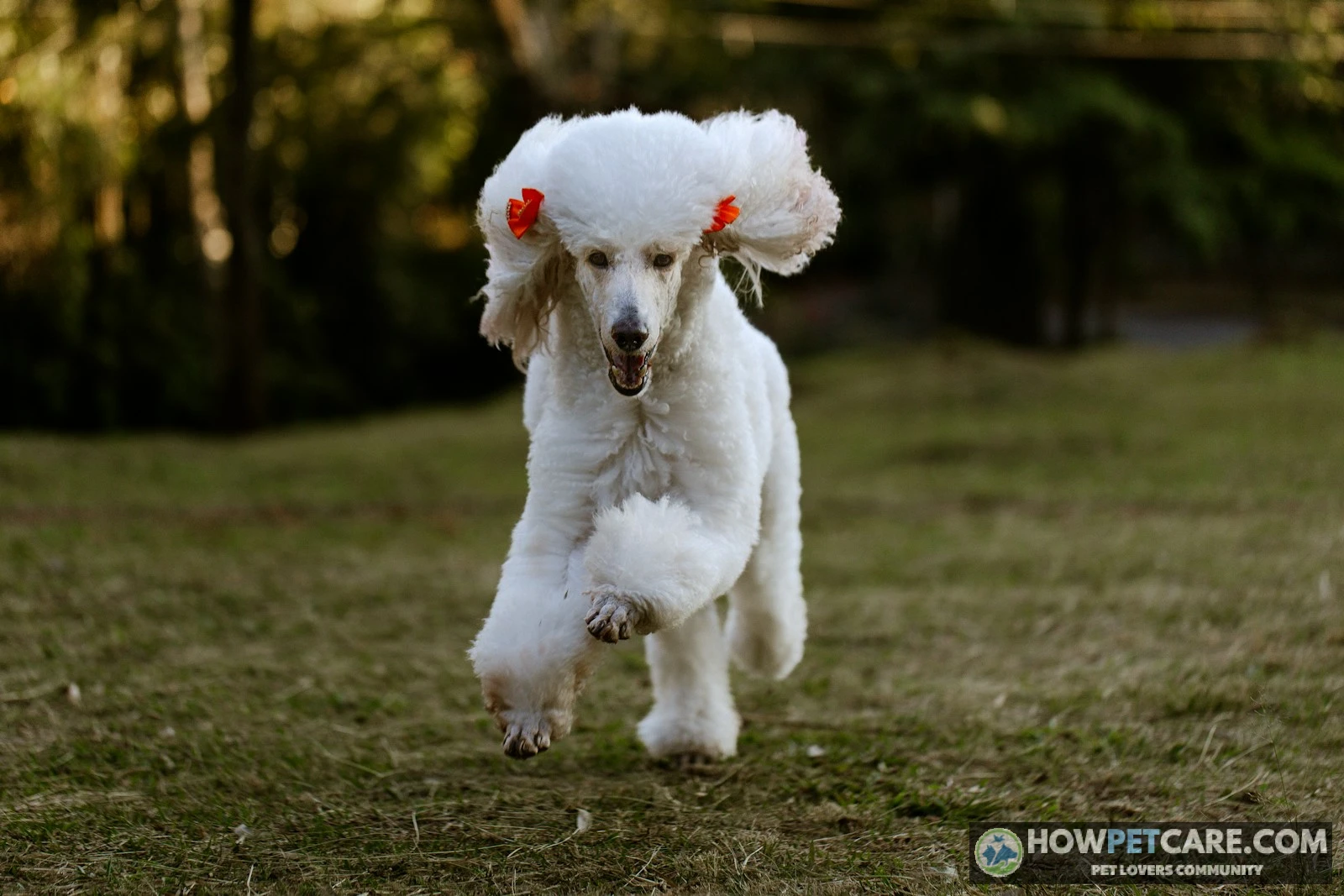
Daily exercise by variety
Plan daily walks and play for every size. As a starting point for a healthy adult, a Toy may enjoy shorter walks and indoor games, a Miniature may enjoy brisk walks and training games, and a Standard will often need more substantial activity. The Royal Kennel Club describes Standards as active dogs needing considerable exercise.
Adjust the plan for the individual dog’s age, fitness, the weather, and veterinary advice. Puppies, seniors, and dogs with joint or heart concerns shouldn’t be treated like conditioned adult athletes. Introduce running, jumping, swimming, and long hikes gradually. Don’t force a dog to continue when tired or uncomfortable.
Training games that use Poodle intelligence
Keep sessions short and positive, and stop while the dog is still interested. A sniffing walk, food puzzle, hand-target cue, gentle retrieve, or search for a hidden toy can all give a Poodle a job. Rally, scent work, and appropriately taught agility are other options. The breed’s water-retriever background also helps explain why retrieving and water games appeal to many individuals.
Try this rotating enrichment plan for a week. Each activity supplements the dog’s usual walks, toilet breaks, and rest:
- Monday: Let your dog explore smells on a relaxed walk; reward a check-in before moving on.
- Tuesday: Practice a few short retrieves with a soft toy and reward bringing it back.
- Wednesday: Serve part of a meal in an easy puzzle or scatter it in a safe area to find.
- Thursday: Practice hand target, settle on a mat, or another simple trick in short sessions.
- Friday: Reward calm observation of people or dogs at a comfortable distance; don’t force greetings.
- Saturday: Choose a size-appropriate outing, such as a trail walk, a safe swim, or a new neighborhood route.
- Sunday: Offer a quiet chew and practice brief, relaxed departures at a level your dog can handle.
If a behavior persists despite a suitable routine, ask your veterinarian to check for pain or other medical causes before simply increasing exercise.
Poodle Health Problems, Lifespan and the Screening Tests to Ask For
A health risk isn’t a diagnosis. Good breeding and preventive care can reduce some risks, but no test guarantees a healthy puppy. Consider Poodle health by variety and family history, not as one undifferentiated list. Veterinary sources describe Standard Poodle risks including hip dysplasia, gastric dilatation-volvulus, progressive retinal atrophy, von Willebrand’s disease, and Addison’s disease.
Common conditions by size
Standard Poodles: Ask about hip dysplasia, Addison’s disease, sebaceous adenitis, and a family history of bloat or gastric dilatation-volvulus (GDV). Addison’s disease affects hormone production and can cause vague or intermittent illness; your veterinarian can explain when testing is appropriate. Bloat/GDV is an emergency in which the stomach becomes distended and may twist.
Miniature Poodles: Discuss patellar luxation, in which the kneecap slips out of place, and progressive retinal atrophy (PRA), an inherited group of eye diseases that can cause vision loss. Ask about hip health, Legg-Calvé-Perthes disease, and dental issues, too. Health testing matters for the Miniature even when the parents look active and comfortable.
Toy Poodles: Ask about patellar luxation, PRA, and dental crowding or disease. Discuss coughing or breathing concerns with a veterinarian, including the possibility of a collapsing trachea. Tiny puppies can be particularly vulnerable to low blood sugar, especially if they’re ill or not eating properly.
Other conditions, including epilepsy and von Willebrand’s disease, can appear in Poodle family histories. Ask what has affected close relatives, not just whether the parents have ever been ill.
A swollen abdomen, repeated unproductive attempts to vomit, restlessness, or sudden weakness can signal a serious emergency. Contact an emergency veterinarian immediately; do not wait to see whether the signs pass.
Lifespan by variety
Many Poodles live into their teens, and Toys and Miniatures often live longer than Standards. That’s a broad expectation, not a reliable prediction for a puppy: inherited disease, preventive care, accidents, and individual variation all matter. When comparing costs, plan for a long commitment with every size rather than assuming a Toy’s smaller food bill will make lifetime care inexpensive.
Health clearances a breeder should show you
Ask for registered names or identifying numbers and copies of actual results for both parents. The Orthopedic Foundation for Animals (OFA) database can help you verify published results; PennHIP is another hip-evaluation system. A CHIC listing can help identify completed recommended screening, but a CHIC number alone doesn’t mean every result was normal.
- Standard: Ask for hip evaluation and a current eye examination recorded through OFA’s Companion Animal Eye Registry (CAER). Ask about Addison’s disease, sebaceous adenitis, bloat, and other illness in relatives. Discuss preventive gastropexy with your own veterinarian if appropriate; it doesn’t replace recognizing an emergency.
- Miniature: Ask for hip and patella evaluations, a CAER eye exam, and relevant DNA results, including prcd-PRA. Discuss any history of Legg-Calvé-Perthes disease and other health concerns in relatives.
- Toy: Ask for patella evaluation, a CAER eye exam, and relevant DNA results, including prcd-PRA. Ask about dental, airway, and orthopedic problems in the family.
Screening recommendations can change and may include additional tests. Check current recommendations from the Poodle breed club and OFA for the variety, and ask your veterinarian to explain unfamiliar results. A DNA result for one form of PRA doesn’t rule out every eye disease, so it doesn’t replace an eye examination.
Insurance or a dedicated savings reserve can help cover unexpected treatment. Compare exclusions, waiting periods, deductibles, and coverage for existing conditions before relying on a policy.
Poodle Cost of Ownership: Puppy Price, First-Year Budget and Lifetime Expenses
The purchase price is just the beginning. Food, preventive care, professional grooming, training, and eventual dental or emergency treatment can continue throughout the dog’s life. Costs vary considerably by location and individual dog, so build a household budget from local quotes instead of treating a national estimate as a guarantee.
How much does a Poodle puppy cost?
One published guide lists breeder prices of approximately $2,500 for a Standard, $3,500–$4,000 for a Miniature, and $2,500–$4,500 for a Toy. These are examples from one source, not verified local quotes or a guarantee of quality. Prices vary with location, breeder practices, and demand. An unusually low price deserves investigation, but a high price doesn’t prove good breeding.
Adoption fees and what they include vary by rescue or shelter. Ask whether the fee covers vaccinations, microchipping, sterilization, dental work, or other treatment, and budget for any care still needed.
First-year budget by variety
Use the comparison below as a worksheet. The illustrative grooming calculation assumes six visits at $100 each solely to show the arithmetic. Get actual quotes for each variety before relying on it.
| Cost category | Toy Poodle | Miniature Poodle | Standard Poodle |
|---|---|---|---|
| Example breeder price | $2,500–$4,500 | $3,500–$4,000 | About $2,500 in one published guide |
| Adoption fee | Ask the rescue what is included | Ask the rescue what is included | Ask the rescue what is included |
| First-year care | Budget for puppy exams, vaccines, preventives, supplies, training, food, and grooming | Budget for the same categories | Budget for the same categories; larger equipment and food portions may cost more |
| Illustrative annual grooming | 6 visits × 100 =600 | 6 visits × 100 =600 | 6 visits × 100 =600; actual large-dog quotes may differ |
| Recurring annual costs | Grooming, food, routine vet care, preventives, and optional insurance or savings | Same categories | Same categories; get size-specific food, medication, and grooming quotes |
| Lifetime cost | Acquisition plus annual costs for each year, plus unexpected care | Acquisition plus annual costs for each year, plus unexpected care | Acquisition plus annual costs for each year, plus unexpected care |
For each variety, add the actual puppy price or adoption fee to your quotes for first-year veterinary visits, vaccines and preventives, food, grooming, supplies, and training. Include sterilization if you plan it and your veterinarian recommends a suitable time. Add boarding or a dog walker if your schedule calls for one. This gives you a first-year total without counting the puppy price twice.
As a worked comparison of acquisition plus illustrative grooming alone, a Toy at the low end of the cited puppy range would be $2,500 + $600 = $3,100; a Miniature at the low end would be $3,500 + 600 =4,100; and the cited Standard example would be $2,500 + $600 = $3,100. These are not complete first-year budgets: they exclude food, veterinary care, equipment, and training, and the same hypothetical grooming price doesn’t claim that salons charge every size equally.
Lifetime cost of ownership
Calculate lifetime cost as the acquisition price plus first-year care, the annual care budget for each later year, and a reserve for unexpected expenses. Don’t add the acquisition price again to the annual figure. A long-lived Toy or Miniature can accumulate substantial grooming and veterinary costs despite eating less than a Standard.
Ask your veterinarian for local estimates for routine care and dental cleaning, and ask an emergency hospital what payment arrangements it accepts. Dental disease, orthopedic treatment, or emergency GDV surgery can cost more than a routine-care budget allows. Reliable local prices and a dog’s eventual lifespan are unknown, so a single lifetime dollar range would create a false sense of precision.
Teacup Poodles, Moyen Poodles and Other Unrecognized Sizes: Buyer Cautions
Are Teacup Poodles a real variety?
“Teacup” is a marketing label, not a fourth AKC Poodle variety. An exceptionally small dog may fall within the Toy category, but the label can’t tell you whether it’s healthy. Breeding for extreme smallness can raise concerns about fragility and low blood sugar, among other health issues.
Be wary of a seller charging a premium for a supposedly rare size while withholding health records, parent information, or veterinary history. If you want a small Poodle, prioritize a healthy, well-raised Toy and the breeder’s screening practices over the smallest advertised puppy.
Moyen and Medium Poodles explained
“Moyen” means medium. Some European registry systems recognize a Medium Poodle size, but the AKC recognizes Standard, Miniature, and Toy—not a separate Moyen variety. Ask how tall the adult dog is expected to be and what registration applies. A marketing label doesn’t reliably predict a puppy’s eventual height or health.
Adopt or Buy: How to Vet a Poodle Breeder and Find a Poodle Rescue
Adoption and a carefully researched breeder can both be reasonable routes. Start with the dog’s welfare, health information, and fit for your household—not a coat color, size label, or promise of a quick pickup.
Adopting a Poodle from a rescue
Contact Poodle-specific rescues, breed-club rescue networks, and local shelters. Adults may be available alongside puppies, and a foster home may be able to describe how a dog handles grooming, children, other pets, and time alone. Be prepared to wait for a suitable match.
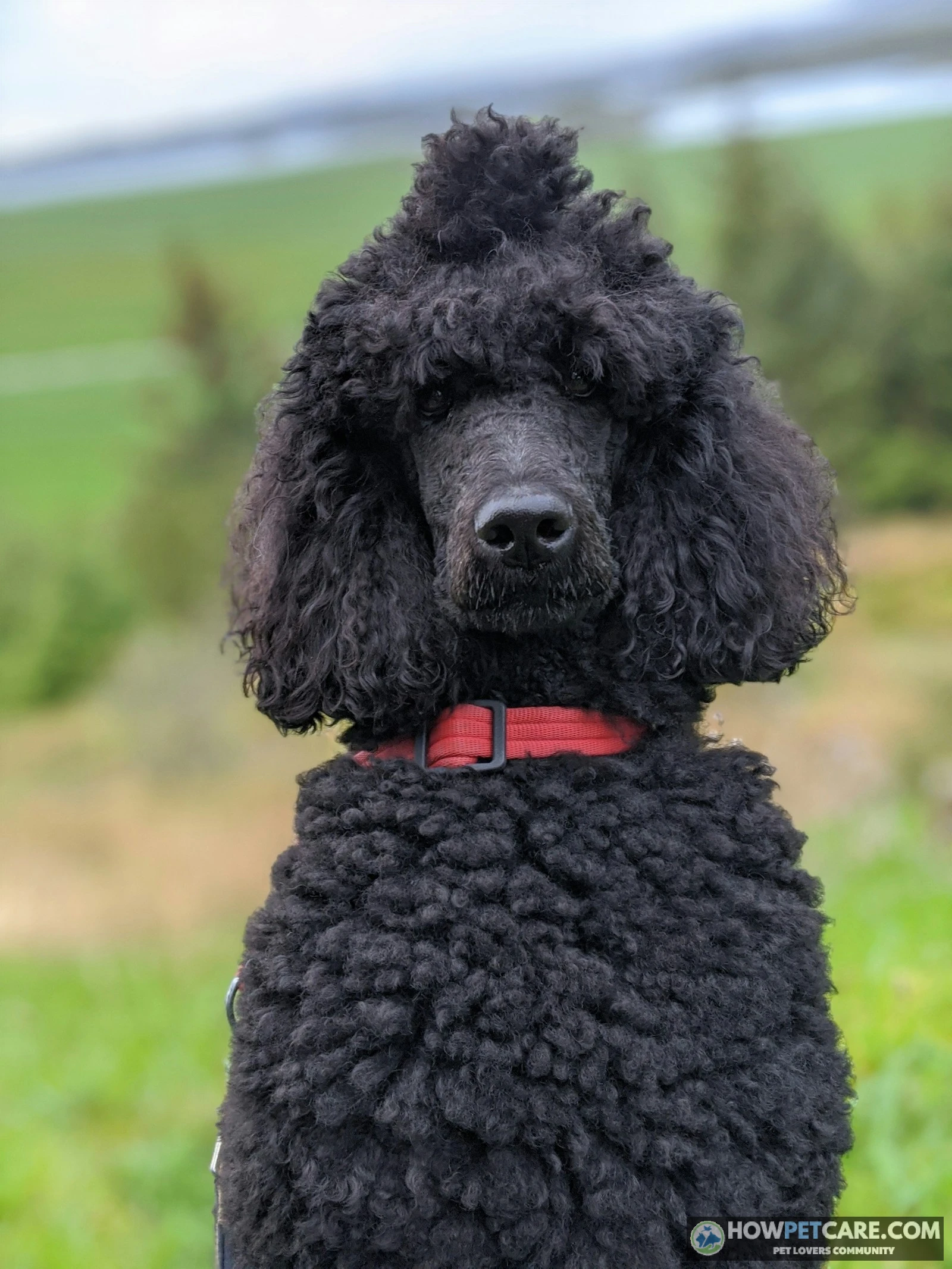
Ask for known veterinary records, dental and coat condition, medication needs, behavior observations, and any support after adoption. Some history may be unavailable; that’s different from a seller refusing to share information they have. If you’re considering a Poodle mix, ask about the individual dog’s coat and grooming needs instead of assuming they match those of a purebred Poodle.
Breeder vetting checklist
Ask questions and verify documents before paying a deposit. A responsible breeder should welcome a conversation about both the puppy and your ability to care for it.
- Meet the mother when possible and see where the puppies are raised. The father may live elsewhere; ask for his identity and health records, too.
- Request variety-appropriate hip, patella, eye, and DNA results for both parents, then verify available records. Ask about illnesses in close relatives.
- Ask how puppies are socialized, what veterinary care and parasite prevention they receive, and when they can go home. Puppies shouldn’t be separated from their mother and littermates too early; check applicable state law and veterinary guidance.
- Read the contract before paying. Look for identification, registration terms, health-guarantee limits, and a clear return provision if you can’t keep the dog.
- Expect questions about your household, schedule, experience, and plans. A waiting list can be normal, but it doesn’t prove quality on its own.
- Walk away from pressure to pay immediately, refusal to share verifiable health results, undisclosed parentage, or sales pitches focused on rare colors or tiny size. Multiple litters constantly available or a broker who can’t explain the dogs’ origins also deserve close scrutiny.
Your pre-commitment checklist
- Choose the size you can safely handle and exercise on an ordinary day; consider a Miniature as well as the smallest and largest options.
- Meet adult Poodles and, if allergies are a concern, spend time with the particular dog and consult an allergist as needed.
- Get local quotes for grooming and veterinary care, and write down your first-year and ongoing budget.
- Make a plan for workday breaks, training, backup care, and emergencies.
- Contact a rescue or breeder with your questions ready; review records and the agreement before making a commitment.
 You might be wonderingAlsatian poodle crossAlsatian Poodle Mix: Size, Shedding, Costs & Breeder GuideRead the answer
FAQ
Are poodles easy to train?
Yes, poodles are generally among the easiest breeds to train because they are intelligent and eager to work with people. They respond best to short, positive-reinforcement sessions and can pick up bad habits just as quickly if training is inconsistent.
How long do poodles live?
Lifespan generally increases as size decreases: Toy and Miniature Poodles often live into their mid-teens, while Standards commonly live somewhat shorter. These are typical ranges, and genetics, diet and veterinary care all affect individual dogs.
Do poodles bark a lot?
Poodles can be vocal, especially Toys and Miniatures that are bored, under-exercised or left alone often. Early training, enough mental stimulation and teaching a quiet cue usually keep barking manageable.
What colors do poodles come in?
The AKC recognizes solid colors including black, white, cream, apricot, red, brown, blue, gray and silver, among others. Parti and phantom patterns exist but are not accepted for the conformation ring.
Are poodles aggressive?
Poodles are not typically aggressive and are usually friendly and people-oriented. Fear-based snapping can occur in poorly socialized dogs, particularly small ones handled roughly, so early socialization matters.
At what age is a poodle fully grown?
Toy and Miniature Poodles usually reach adult size by around 9 to 12 months, while Standards can keep filling out until about 18 to 24 months. Mental maturity often lags behind physical growth.