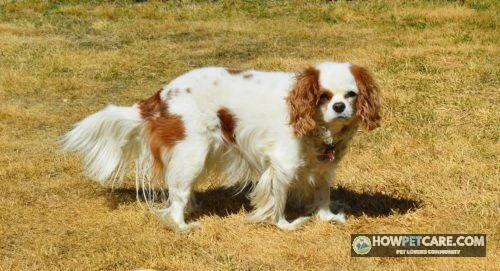

Yes. Cavalier King Charles Spaniels shed moderately year-round—roughly a 3 out of 5—with loose hair on clothes, furniture, and floors. Their silky feathering needs three to four brushing sessions weekly, and Cavaliers are not hypoallergenic, so allergy households should plan cleanup routines carefully.
Do Cavalier King Charles Spaniels Shed? The Short Answer
If you’re asking "do Cavalier King Charles Spaniels shed," the answer is yes. They shed year-round, generally at a moderate level. A useful planning estimate is 3 out of 5: expect loose hair on clothes, furniture, and floors, though not necessarily the heavy seasonal piles associated with some dense-coated breeds. That rating is an editorial comparison, not a measured hair count. Cavaliers vary, and the available evidence provides no verified average amount of hair shed per week.
Cavaliers are not hypoallergenic. Their hair can carry allergens, and brushing cannot make a dog allergy-safe. To manage the coat, start with three or four brushing sessions a week and a few predictable cleanup habits.
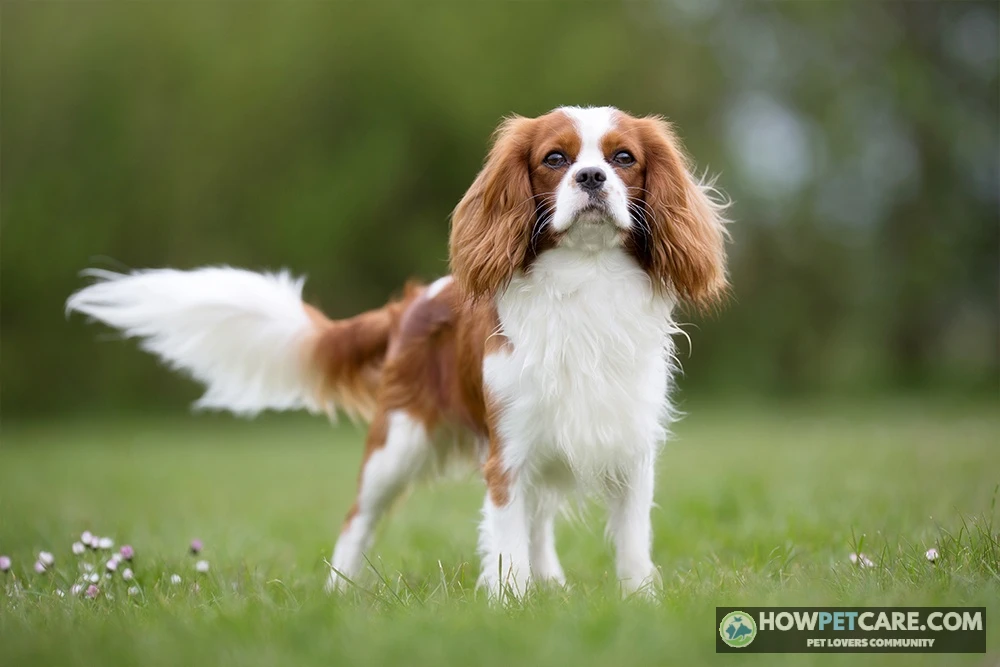
You’ll likely notice hair where your dog naps and on contrasting fabrics. The longer hair on the ears, chest, legs, belly, and tail, called feathering, needs attention too: tangles can hide close to the skin.
Year-Round or Seasonal? How the Cavalier Coat Sheds
Coat type, feathering, and undercoat explained
A Cavalier’s medium-length coat is silky and may be slightly wavy. Descriptions of its layers aren’t always consistent: some call it a single coat, while others describe softer hair beneath the longer outer hair. In practical terms, it isn’t the same kind of dense, plush double coat seen on a Husky. Choose tools for the coat in front of you rather than assuming every Cavalier needs an undercoat rake.
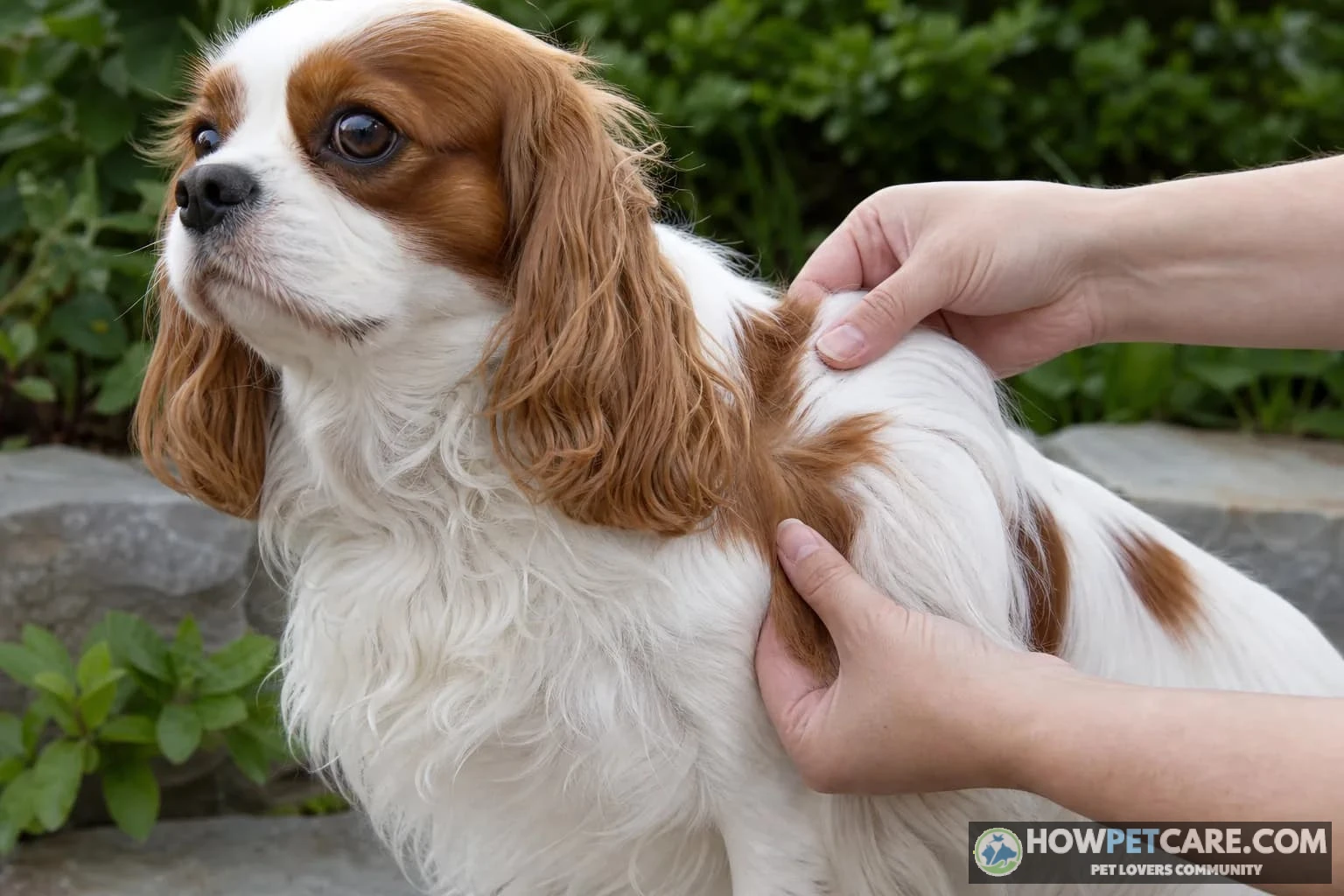
Feathering can trap loose hair and develop tangles, particularly behind the ears and under the legs. A gentle brush removes loose surface hair, while a comb helps find tangles underneath.
Blenheim, tricolor, ruby, and black and tan are the four coat colors. Color affects how visible shed hair is against your sofa or clothes, but it isn’t a useful predictor of how much an individual dog will shed.
Spring and fall shedding peaks
Some owners notice more loose hair in spring or fall, but the calendar isn’t a reliable guide for every dog. Cavaliers shed throughout the year, and the timing and amount vary. A peak may last weeks, but the available evidence gives no verified breed-wide duration.
If you notice extra hair, add a short brushing session and see whether it helps. Don’t assume a sudden change is seasonal if your dog also has itching, bald areas, or irritated skin.
How Cavalier Shedding Compares to Other Toy and Spaniel Breeds
This table is a rough editorial decision aid, not a scientific ranking or a guarantee for an individual dog. A 1 means relatively little loose hair around the home; a 5 means comparatively heavy cleanup. Coat length, individual variation, and grooming all affect what you see. The scores for the other breeds and mixes are estimates, not measured comparisons in the supplied evidence.
| Breed or mix | Shedding level (1–5) | Grooming demand | Allergy considerations | Notes |
|---|---|---|---|---|
| Cavalier King Charles Spaniel | 3 | Moderate | Not hypoallergenic | Silky feathering needs frequent attention. |
| Cocker Spaniel | 3–4 | High | Not hypoallergenic | Coat care and trimming can be substantial. |
| English Springer Spaniel | 3–4 | Moderate to high | Not hypoallergenic | Loose hair and feathering require regular care. |
| Pug | 4–5 | Low brushing demand; frequent cleanup | Not hypoallergenic | Short hairs can lodge in upholstery. |
| Shih Tzu | 1–2 | High | Lower shedding; reactions remain possible | A longer coat needs frequent detangling. |
| Maltese | 1–2 | High | Lower shedding; reactions remain possible | Less loose hair does not mean less grooming. |
| Havanese | 1–2 | High | Lower shedding; reactions remain possible | The coat can tangle without consistent care. |
| Poodle | 1–2 | High | Lower shedding; reactions remain possible | Clipping and coat maintenance are ongoing commitments. |
| Cavapoo | 1–4 | Moderate to high | Unpredictable | Coat and shedding vary between individual mixes. |

A lower-shedding dog can mean less hair on the couch but more time detangling or more professional grooming. A Pug’s short coat, meanwhile, shouldn’t be mistaken for a low-shedding coat. Use these comparisons as starting points, not promises about a particular dog.
Are Cavalier King Charles Spaniels Hypoallergenic? A Verdict for Allergy Households
No. Cavaliers aren’t considered hypoallergenic, and no dog is guaranteed not to trigger an allergic reaction. Dog allergens are proteins found in sources including skin flakes, saliva, and urine—not just the hair you can see. Less hair on the floor doesn’t mean a dog is allergy-safe.
Mild vs. severe allergy: who can live with a Cavalier
A household with mild symptoms may be able to manage exposure, but tolerance varies and can change. Even a visit that appears successful can’t guarantee symptom-free life with the dog. If symptoms are persistent, disruptive, or associated with asthma, speak with an allergist before committing; severe reactions warrant particular caution. A lower-shedding breed isn’t automatically a safe alternative.
Use this checklist before making a decision:
- ☐ Discuss your symptoms and any asthma with an allergist, especially if reactions are more than mild.
- ☐ Arrange time indoors with the specific dog, if possible, and consider repeat visits or a supervised trial without deliberately provoking symptoms.
- ☐ Plan a dog-free bedroom from the outset and identify who will handle brushing and cleaning.
- ☐ Budget for regular vacuuming, washable covers, and a suitably sized HEPA purifier if you choose to use one.
- ☐ Agree on a backup plan if symptoms become difficult to control.
Don’t intentionally touch your eyes or face after handling a dog to test your reaction. Follow your clinician’s advice about exposure and medication.
Should you consider a Cavapoo instead?
A Cavapoo may shed less than a Cavalier, but a Cavalier–Poodle mix can inherit different coat traits from either parent. Neither the mix nor a Poodle guarantees freedom from symptoms. Meet the individual dog when possible and make the decision with your allergist, rather than relying on a breed or mix label.
Brushing and cleaning can help manage hair and some allergens, but neither makes a Cavalier hypoallergenic or replaces medical advice.
The Cavalier Grooming Schedule: Brushing, Bathing, and Seasonal Adjustments
Three or four brushing sessions per week are a practical baseline for Cavalier King Charles Spaniel coat care. The schedule below is a suggested home routine, not a requirement for every coat. Add sessions if the comb catches frequently, or ask a groomer for help with persistent tangles.
Week-by-week routine
| Task | Normal weeks | Spring or fall increase | Puppy coat transition | Time per session |
|---|---|---|---|---|
| Brush coat and feathering | 3–4 days per week | Up to daily if needed | 3–4 gentle, short sessions per week | About 10–15 minutes; shorter for a puppy |
| Comb behind ears, armpits, legs, and tail | At least twice weekly | More often if tangles form | Twice weekly, gently | About 3–5 minutes |
| Bath with dog shampoo | About every 4–6 weeks | Same baseline; bathe sooner if dirty | About every 4–6 weeks if needed | About 30–45 minutes including drying |
| Check ears | Weekly | Weekly | Weekly | About 5 minutes |
| Check and trim nails | Check weekly; trim as needed | Same | Same, with brief practice | About 5–10 minutes |
| Wash bedding and favorite throws | Weekly | Weekly or more often if needed | Weekly | One wash cycle |
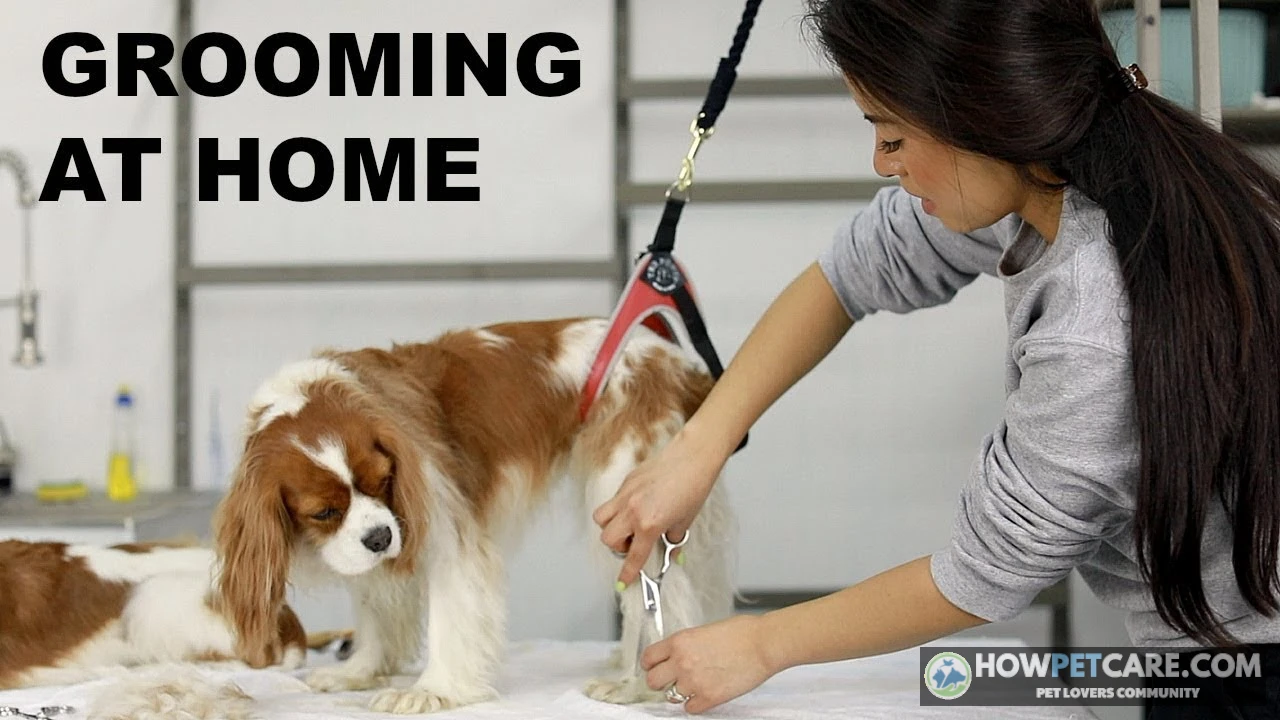
The American Kennel Club’s breed guidance recommends brushing three or four times weekly and bathing at least monthly. A four-to-six-week bath interval is a starting plan; adjust it for your dog’s skin, lifestyle, and veterinary advice.
-
Prepare
Choose a calm time, reward your dog, and check for obvious tangles before brushing.
-
Brush gently
Use a pin brush or soft slicker in the direction of hair growth, working through small sections without scraping the skin.
-
Check with a comb
Use a metal comb behind the ears, under the legs, and through feathering. Hold the hair near the skin to reduce pulling.
-
Stop at a tight mat
Don’t yank or cut close to the skin. Ask a groomer or veterinarian to remove a tight mat safely.
For a senior dog, use a nonslip surface and keep sessions comfortable. Split them into shorter visits if standing is difficult. Check ears weekly for visible irritation, odor, or debris, and clean them only as needed with a veterinarian-recommended product. Avoid inserting anything deep into the ear canal.
Bathing and drying without increasing shedding
Brush out manageable tangles before the bath, since wetting a mat can make it harder to work through. Use lukewarm water and a gentle dog shampoo, rinse thoroughly, and apply a dog-safe conditioner to feathering if helpful. Towel-dry, then use a dryer on a low, comfortable setting if your dog tolerates it. Keep the airflow moving and check the temperature frequently.
More frequent bathing isn’t automatically better. If the skin becomes dry or irritated, ask your veterinarian about the product and schedule. A professional groomer can help every six to ten weeks if desired; request a bath, thorough comb-out, and feet or sanitary-area tidying while retaining the longer coat.
Clipping doesn’t stop shedding because trimming the hair shaft doesn’t stop follicles from producing hair. Discuss any necessary close clipping with a groomer or veterinarian rather than using it as a shedding cure.
Best Brushes, Deshedding Tools, and Vacuums for a Silky Cavalier Coat
Brush and comb picks by job
- Pin brush: Choose a small brush with smooth, rounded tips for working through the body coat and feathering. Use light pressure rather than pressing pins into the skin.
- Soft slicker brush: A small, flexible slicker can help with loose hair and minor tangles. Work in short strokes and stop if the skin becomes red or your dog objects.
- Stainless steel comb: Look for medium and finer spacing. Use it after brushing to check behind the ears and in other mat-prone areas; a brush alone can pass over a hidden tangle.
- Deshedding brush or rake: This is optional, not a starter-kit essential. A cutting-blade tool or aggressive rake can pull hair and irritate skin. If you use one, choose a gentle tool, use light pressure, and ask a groomer to demonstrate; skip it on puppy coats, mats, and irritated skin.
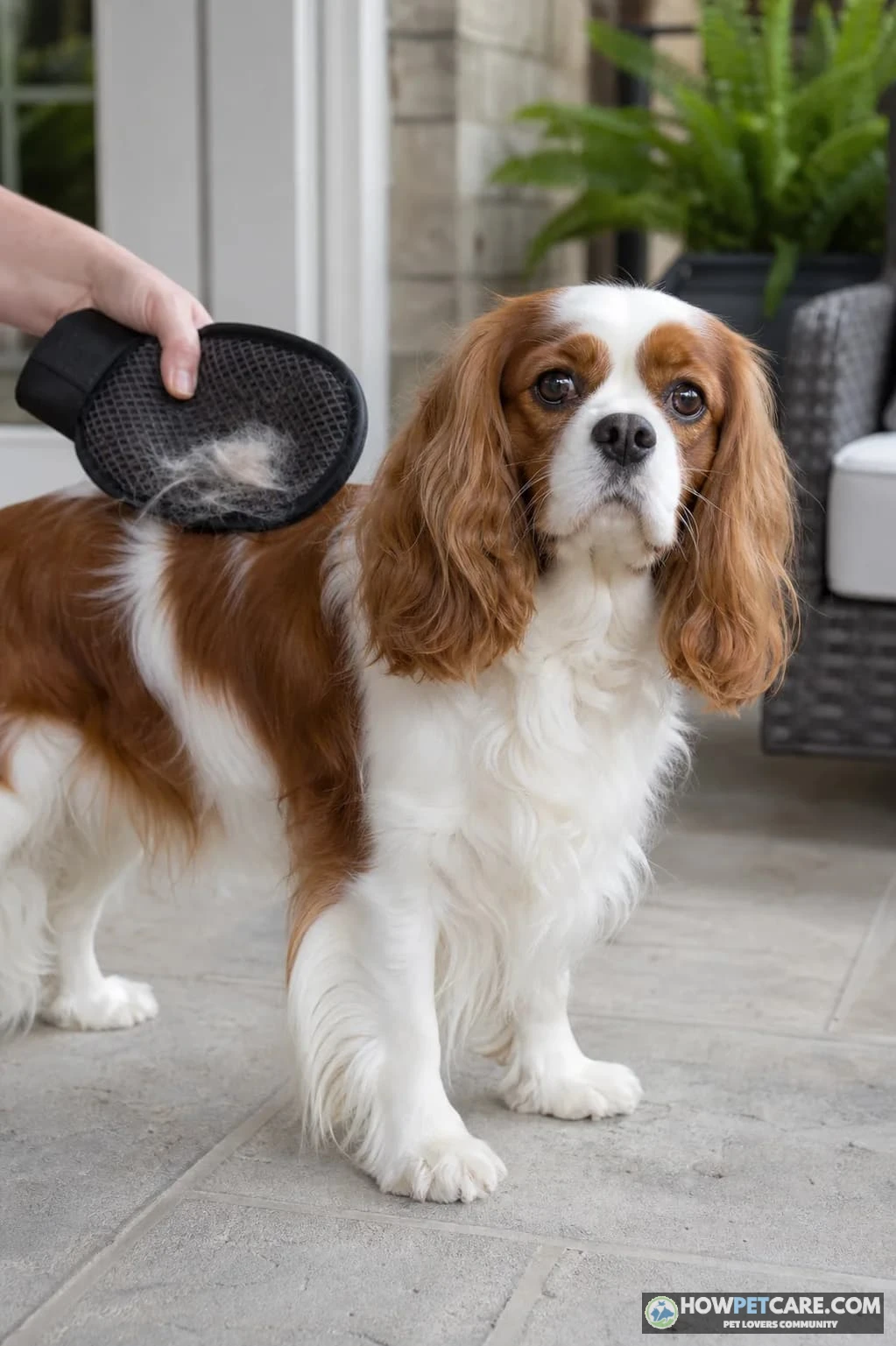
A comfortable handle and a head sized for a small dog matter more than a long list of attachments. For a dog with delicate feathering, a pin brush and comb may be enough.
Vacuum and cleanup gear that handles fine hair
Look for a sealed vacuum with HEPA filtration, good suction, and a motorized upholstery attachment. A cordless model is convenient for quick passes; a corded model avoids battery limits during a whole-home clean. Before buying, check replacement-filter prices and whether the bin and filter are washable.
A rubber upholstery squeegee, lint roller, and washable throws are useful for the places your dog actually uses. A purifier handles airborne particles; it doesn’t pick hair off a sofa.
Coat-care cost benchmarks
These are illustrative US planning allowances, not verified 2026 price averages or quotes. Retailer, location, dog condition, and service inclusions can change the bill substantially. Confirm local prices before budgeting.
| Item or service | Planning range | Frequency | Estimated monthly allowance | Notes |
|---|---|---|---|---|
| Pin brush and metal comb | $15–$40 together | Initial purchase; replace when worn | Under $3 if spread over a year or more | Core home toolkit. |
| Soft slicker or gentle deshedding tool | $10–$30 | Optional purchase | Variable | Avoid harsh cutting tools. |
| Dog shampoo and conditioner | $20–$40 together | Replace as bottles run out | About $3–$10 | Usage and bottle size vary. |
| Lint supplies and cleaning consumables | $5–$15 | As needed | About $5–$15 | Washable throws can reduce disposables. |
| HEPA vacuum | $150–$400 | Optional upfront purchase | Filter and maintenance costs vary | Check attachment and replacement costs. |
| HEPA air purifier | $80–$250 | Optional upfront purchase | Filter costs vary | Size for the intended room. |
| Professional grooming | $40–$100 per visit | Optional; roughly every 6–10 weeks | About $17–$72 averaged over time | Ask for a quote; mats and location may increase the price. |
For planning, a basic brush, comb, shampoo, and conditioner might cost roughly $35–$80 upfront. Ongoing DIY consumables might be about $8–$25 per month, excluding equipment replacement and electricity. Professional grooming, if used, is additional. Treat these as working budgets, not promises of local pricing.
Home Mitigation That Works: HEPA Purifiers, Vacuuming Cadence, and Indoor Climate Effects
Air conditioning, heating, and apartment living
Indoor dogs can shed year-round, and household conditions and individual coat cycles make a strict seasonal prediction unreliable. Heating, air conditioning, local weather, and exposure to daylight may affect a dog’s environment, but the available evidence doesn’t quantify their individual effects on Cavalier shedding. Don’t assume that apartment living eliminates seasonal changes—or guarantees them.
Dry indoor air can make static and skin dryness more noticeable. If you see persistent flakes or irritation, ask your veterinarian before adding moisturizing products or changing the bathing routine.
What HEPA and vacuuming can and cannot do
Start by vacuuming the main living areas two or three times a week, including your dog’s favorite furniture. During a noticeable increase in loose hair, a quick daily pass may prevent buildup. Wash bedding and throws weekly according to their care labels; use hot water only when the fabric and manufacturer permit it.
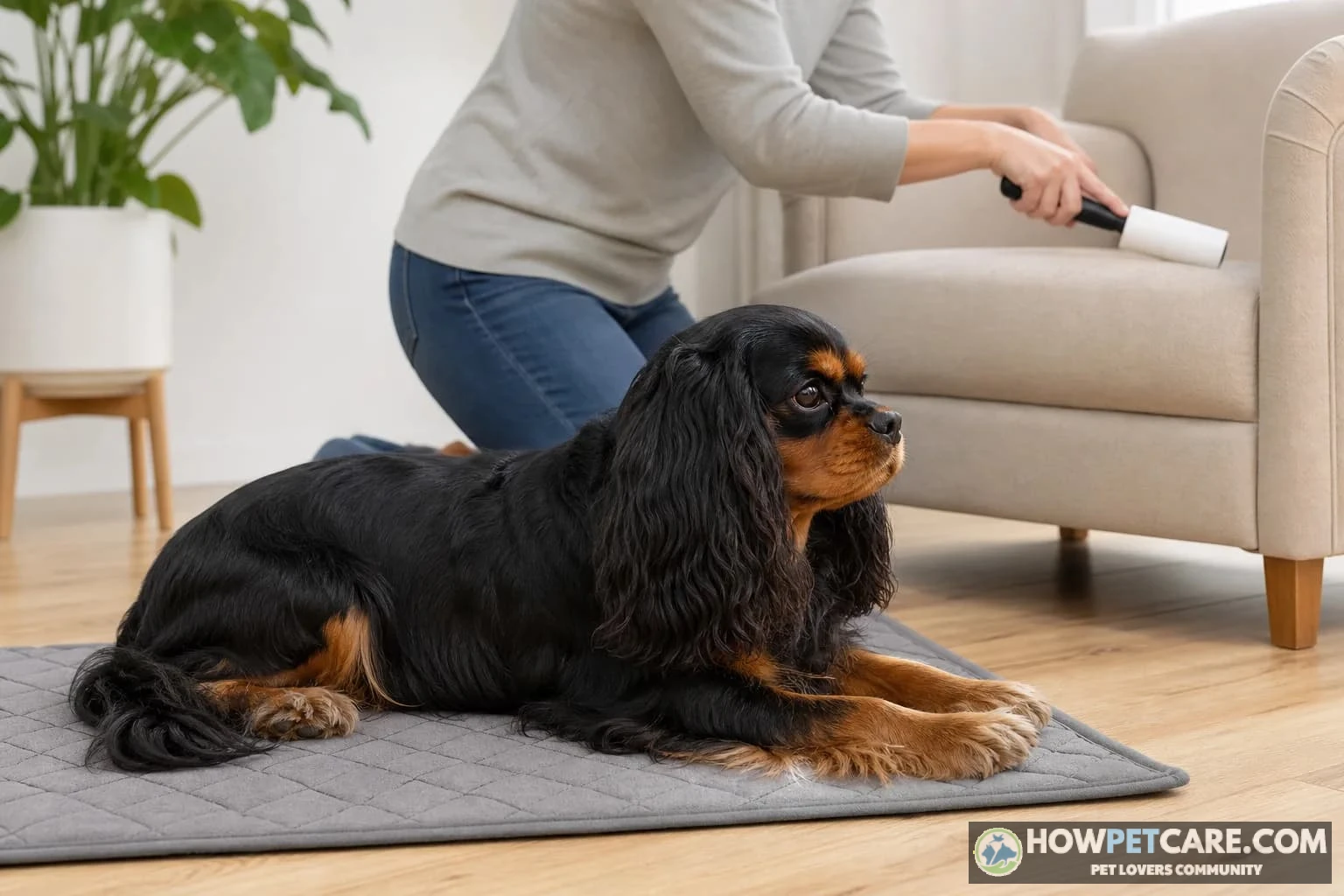
A properly sized HEPA purifier can capture airborne particles, but it can’t remove all allergens from surfaces or guarantee symptom relief. Use it alongside cleaning and a dog-free bedroom, not instead of them. The supplied evidence gives no verified percentage reduction for Cavalier allergens or shedding.
Focus on the sofa, dog bed, entryway, and bedroom boundary before trying to clean every surface every day.
A complete, balanced diet supports general health. Omega-3 supplements may support skin and coat health in some dogs, but they don’t stop normal shedding. Ask your veterinarian before adding one, particularly if your dog takes medication or has a health condition.
Normal Puppy Coat Transition or a Health Problem? How to Tell
Puppy-to-adult coat timeline
As a puppy matures, its softer coat gives way to an adult coat. The transition is gradual and varies between dogs; an approximate six-to-twelve-month window can help with planning, but it isn’t a diagnostic rule or a deadline. More loose hair or a somewhat uneven texture can occur during the coat change. Actual bald patches, inflamed skin, or persistent itching deserve veterinary attention rather than an assumption that the puppy is simply growing up.
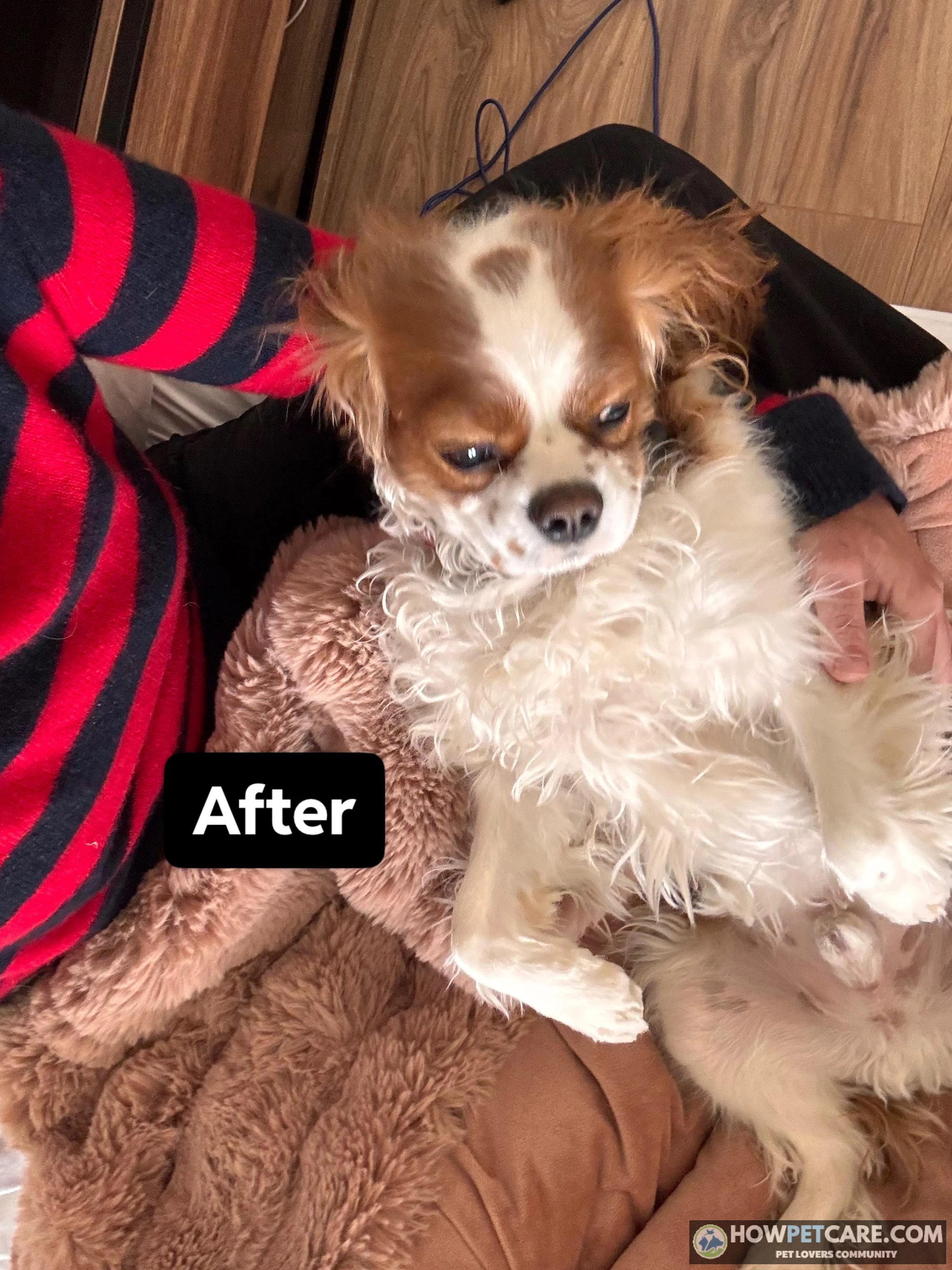
Use short, positive grooming sessions to teach a puppy to accept the brush and comb. A gentle brush and comb are preferable to an aggressive deshedding tool.
Red flags that warrant a vet visit
Part the coat in a few places without pulling hair out. Look at the skin and note whether thinning appears localized or widespread. Contact your veterinarian if you notice:
- Bald patches, visible thinning, or a sudden marked change in shedding.
- Redness, scabs, greasy or persistent flaky skin, or an unusual odor.
- Repeated scratching, licking, chewing, or apparent discomfort.
- Hair loss alongside changes in energy, appetite, or weight.
Allergies, parasites, and other health or hormonal problems are among the possibilities, but appearance alone can’t establish the cause. Bring a timeline, photos, food and supplement details, and the names of any new shampoos or parasite-control products. Your veterinarian can decide whether an examination or tests are needed.
Your First-Week Cavalier Coat Plan: Checklist and Decision Guide
- Day 1: Buy a small pin brush, stainless steel comb, and gentle dog shampoo. Set aside about $35–$80 for a basic starter kit, depending on what you already own.
- Day 2: Brush for 10–15 minutes, or less if your dog is learning. Comb behind the ears and stop at any tight mat.
- Day 3: Vacuum the main living area and cover a favorite resting spot with a washable throw.
- Day 4: Repeat brushing and check the ears and nails. Arrange a groomer if tangles are difficult to handle.
- Day 5: Vacuum upholstery and review any allergy symptoms with the household; keep the bedroom dog-free if allergies are a concern.
- Day 6: Brush again and schedule a bath when due. You don’t need to bathe a clean dog simply because it’s the first week.
- Day 7: Wash bedding and throws, brush once more if your dog is comfortable, and choose next week’s three or four brushing days.
If moderate visible hair and this routine fit your household, a Cavalier’s coat may be manageable for you. If allergies are a concern, meet the individual dog where possible and consult an allergist before committing. If your current dog develops unusual hair loss or irritated skin, contact your veterinarian.
1How is the overall shedding level of a Cavalier King Charles Spaniel characterized?
Cavaliers drop loose hair continuously throughout the year at a moderate level, requiring predictable home cleanup.
2Why is a Cavalier King Charles Spaniel considered non-hypoallergenic despite frequent brushing?
Brushing removes visible loose hair, but allergy triggers are microscopic proteins present in dander and bodily fluids.
3Where is the longer, silky hair known as 'feathering' primarily located on a Cavalier King Charles Spaniel?
These specific body areas feature longer hair that is prone to trapping loose fur and forming hidden tangles.
4According to the breed comparison table, how does a Pug compare to a Cavalier King Charles Spaniel in shedding and maintenance?
Pugs shed short hairs heavily into upholstery despite not needing complex detangling routines.
5What is recommended as a practical baseline weekly brushing routine for a Cavalier King Charles Spaniel?
Brushing three to four days weekly keeps loose hair manageable and prevents matting in feathering.
6Why should manageable tangles be brushed out before bathing a Cavalier?
Water contracts tangled hair fibers, causing loose mats to tighten firmly against the skin.
7Which tool is considered optional rather than a starter-kit essential due to its potential to pull hair or irritate skin?
Bladed tools can cut guard coat hairs and scrape sensitive skin if applied with improper technique.
8What is the primary function of a HEPA air purifier in managing pet shedding and allergies?
HEPA purifiers reduce circulating airborne dander but must be paired with active vacuuming and washing.
9Why is clipping or shaving a Cavalier's coat ineffective as a cure for shedding?
Shedding originates at the follicular level; trimming only shortens the size of the shed hair pieces.
10Which symptom observed during coat care indicates a potential health issue requiring a veterinary evaluation?
Localized hair loss, redness, and intense itching signal potential issues like allergies, parasites, or infections.
| Breed or mix | Shedding level (1–5) | Grooming demand | Allergy considerations | Notes |
|---|---|---|---|---|
| Cavapoo | 1–4 | Moderate to High | Unpredictable | Coat type and shedding levels vary significantly between individual crossbred dogs. |
| Havanese | 1–2 | High | Lower shedding; reactions remain possible | Long coat can easily tangle without consistent coat care routines. |
| Maltese | 1–2 | High | Lower shedding; reactions remain possible | Producing less loose hair does not reduce the need for regular grooming. |
| Poodle | 1–2 | High | Lower shedding; reactions remain possible | Requires ongoing coat maintenance and periodic clipping commitments. |
| Shih Tzu | 1–2 | High | Lower shedding; reactions remain possible | Long coat requires frequent detangling to maintain texture. |
| Cavalier King Charles Spaniel | 3 | Moderate | Not hypoallergenic | Silky feathering requires frequent care and attention. |
| Cocker Spaniel | 3–4 | High | Not hypoallergenic | Overall coat care, hair maintenance, and trimming demands can be substantial. |
| English Springer Spaniel | 3–4 | Moderate to High | Not hypoallergenic | Feathering and loose hair require regular maintenance routines. |
| Pug | 4–5 | Low | Not hypoallergenic | Low brushing effort needed, but frequent cleanup is required as short hair lodges in upholstery. |
FAQ
Do Cavalier King Charles Spaniel puppies shed?
Puppies shed lightly at first, then lose their soft puppy coat as the adult coat comes in, usually between about 6 and 12 months. This phase can look patchy or fuzzy and often means more loose hair around the house.
Does diet or omega-3 supplements reduce Cavalier shedding?
A balanced diet and omega-3 fatty acids can support skin and coat health, which may reduce excess shedding caused by dryness. They will not stop normal shedding, so check with your vet before starting a supplement.
How do I keep Cavalier hair off clothes and furniture?
Brush regularly, use washable throws on favorite spots, and keep a lint roller or rubber squeegee handy. Vacuuming a few times a week with a pet-hair attachment keeps buildup manageable.
Why is my Cavalier suddenly shedding more than usual?
Common causes include seasonal change, the puppy-to-adult coat transition, stress, or hormonal shifts. If you also see bald spots, redness, itching, or flaky skin, see your vet to rule out allergies, parasites, or thyroid issues.
Should I shave or clip my Cavalier to reduce shedding?
Generally no. Clipping does not stop shedding and can change the coat texture and remove the natural protection of the feathering. Light trimming of feet and sanitary areas is usually enough.