
| Sound | Usually means | Do now |
|---|---|---|
| Wheek, chutt, coo | Food anticipation, attention, or calm exploring | Check hay and water; let relaxed pigs continue |
| Relaxed purr | Possible contentment | Continue only while the pig stays loose and willing |
| Tense purr, rumble, chatter | Uncertainty, warning, or social pressure | Stop handling, give space, watch both pigs |
| Squeal or shriek | Fright, pain, or conflict | Check for injury and fighting immediately |
| Wheeze or clicks with breathing | Possible respiratory illness | Call a guinea-pig-experienced vet promptly |
Guinea Pig Sounds Decoder: Find the Noise You Just Heard
A rising whistle often means your guinea pig expects food. Rapid teeth chattering usually means it wants someone to back off. A piercing shriek calls for an immediate check for injury or conflict with a cage-mate. Wheezing, clicks or crackles linked to breathing, and labored breathing need prompt veterinary attention.
Use the table to identify the noise, check your pig’s posture and surroundings, then choose an action. These descriptions are written approximations, not recordings. Guinea pig sounds vary between individuals, and no sound has one universal meaning.
Guinea Pig Sound Quick-Reference Decoder
| Sound | What it sounds like | Likely meaning | Body language to check | Urgency | What to do |
|---|---|---|---|---|---|
| Wheek | Loud, rising “whee-EEK” whistle-squeak | Food anticipation, attention, or a call | Alert, approaches food or a companion | Normal | Check hay and water; offer the usual food if it is mealtime |
| Chutt | Soft, repeated “chut-chut” | Often calm exploration | Loose body, walking and investigating | Normal | Let your pig continue exploring |
| Relaxed purr | Low, smooth, sustained vibration | Possible contentment | Loose posture, stays or leans toward a gentle stroke | Normal | Continue only while your pig appears comfortable |
| Tense purr | Shorter or choppier “brr” | Uncertainty or irritation | Stiffness, flinching, or trying to leave | Watch | Stop the interaction and give space |
| Rumble | Deep, sustained “brrrr” | Social display, warning, or courtship | Orientation toward another pig; tension or slow movement | Watch | Observe both pigs and their access to food and escape routes |
| Rumble strut | Deep rumble with a side-to-side sway | Courtship or dominance | Swaying hips and slow, stiff-legged steps | Watch | Allow space; intervene if either pig is trapped or fighting develops |
| Teeth chatter | Rapid “click-click-click” from the mouth | Warning or irritation | Stiff body, head raised, facing a trigger | Watch | Stop handling or calmly reduce the social pressure |
| Whine | Drawn-out nasal “weeennh” | Possible annoyance or protest | Tension, avoidance, or being followed | Watch | Identify and address the trigger |
| Squeal or shriek | Sudden, piercing scream | Fright or pain | Bolting, freezing, guarding a limb, or conflict | Act now | Check for injury and fighting; call a vet if pain or injury is suspected |
| Coo | Soft, gentle murmur | Possibly relaxed social contact | Loose posture, close contact | Normal | Observe; no action is needed if everyone is comfortable |
| Chirp | Repeated bird-like or owl-like note | Uncertain | Note whether the pig is still, alert, or distressed | Watch | Check breathing, eating, and droppings; record the episode |
| Sneeze or hiccup-like sound | Sharp “choo” or short “hic” | Occasional irritation or an uncertain brief noise | Normal breathing and behavior between episodes | Watch | Monitor; call a vet if repeated or accompanied by other signs |
| Wheeze, breathing click, or crackle | Whistle, tick, or rattle in time with breathing | Possible respiratory illness | Breathing effort, discharge, hunched posture | Act now | Call a guinea-pig-experienced vet promptly; seek emergency care for breathing difficulty |
How to read the urgency ratings
Normal means the sound and posture described are generally reassuring. Watch means check the situation and your pig’s usual behavior. Act now means assess the situation immediately and take the action shown; it doesn’t mean every shriek has the same cause. For breathing difficulty, collapse, or refusal to eat, contact an emergency veterinarian immediately.
Why context beats sound alone
Notice what happened just before the noise and what your pig does afterward. A low vibration during relaxed rest differs from one directed at a cage-mate that can’t get away. A sharp squeak after a startle also differs from repeated squealing when someone touches a sore limb.
Happy and “Feed Me” Sounds: Wheeking, Chutting, Cooing and Contented Purring
What does it mean when a guinea pig wheeks?
What it sounds like: A loud whistle that rises into a squeak: “whee-EEK, whee-EEK.”
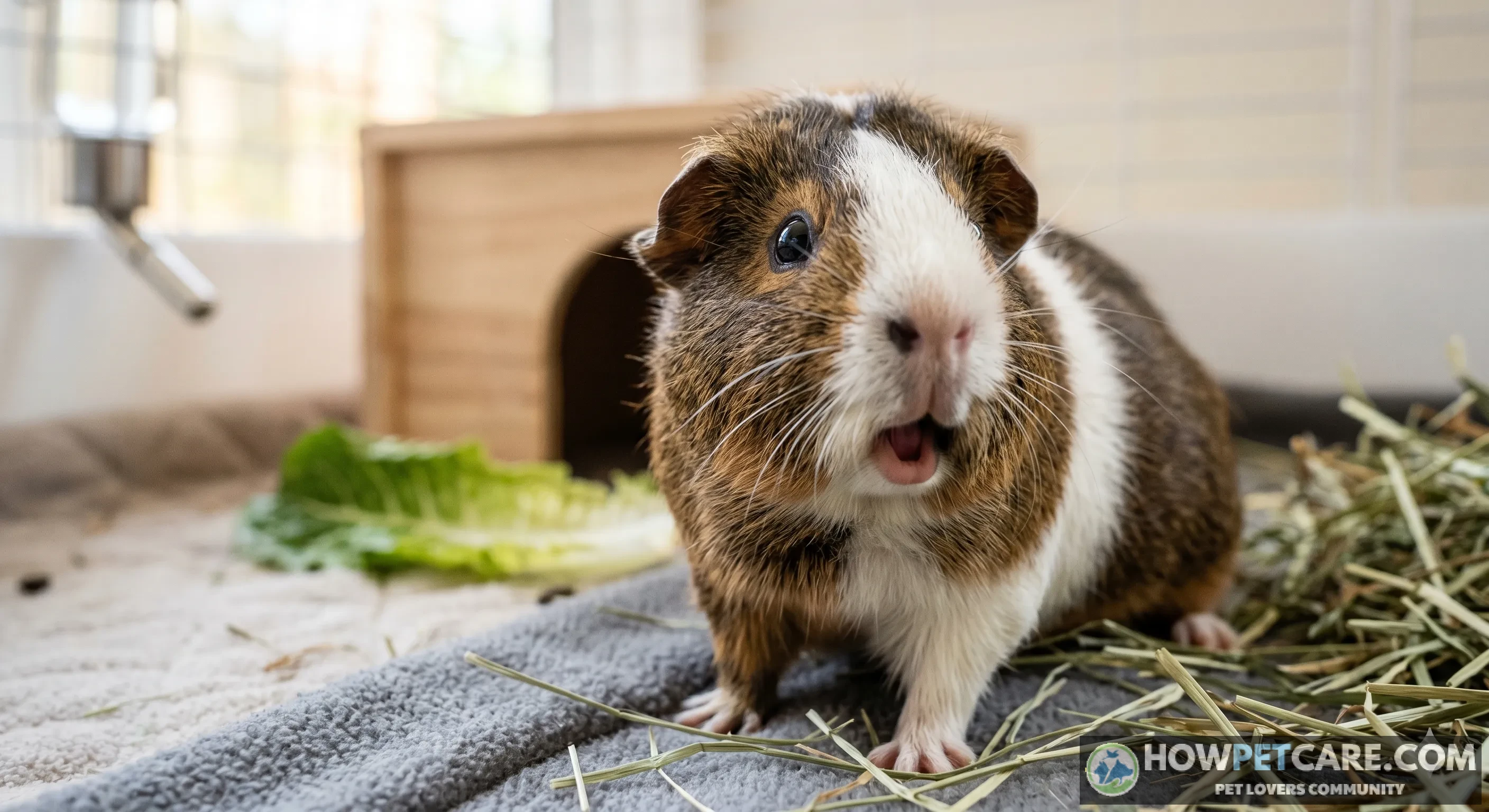
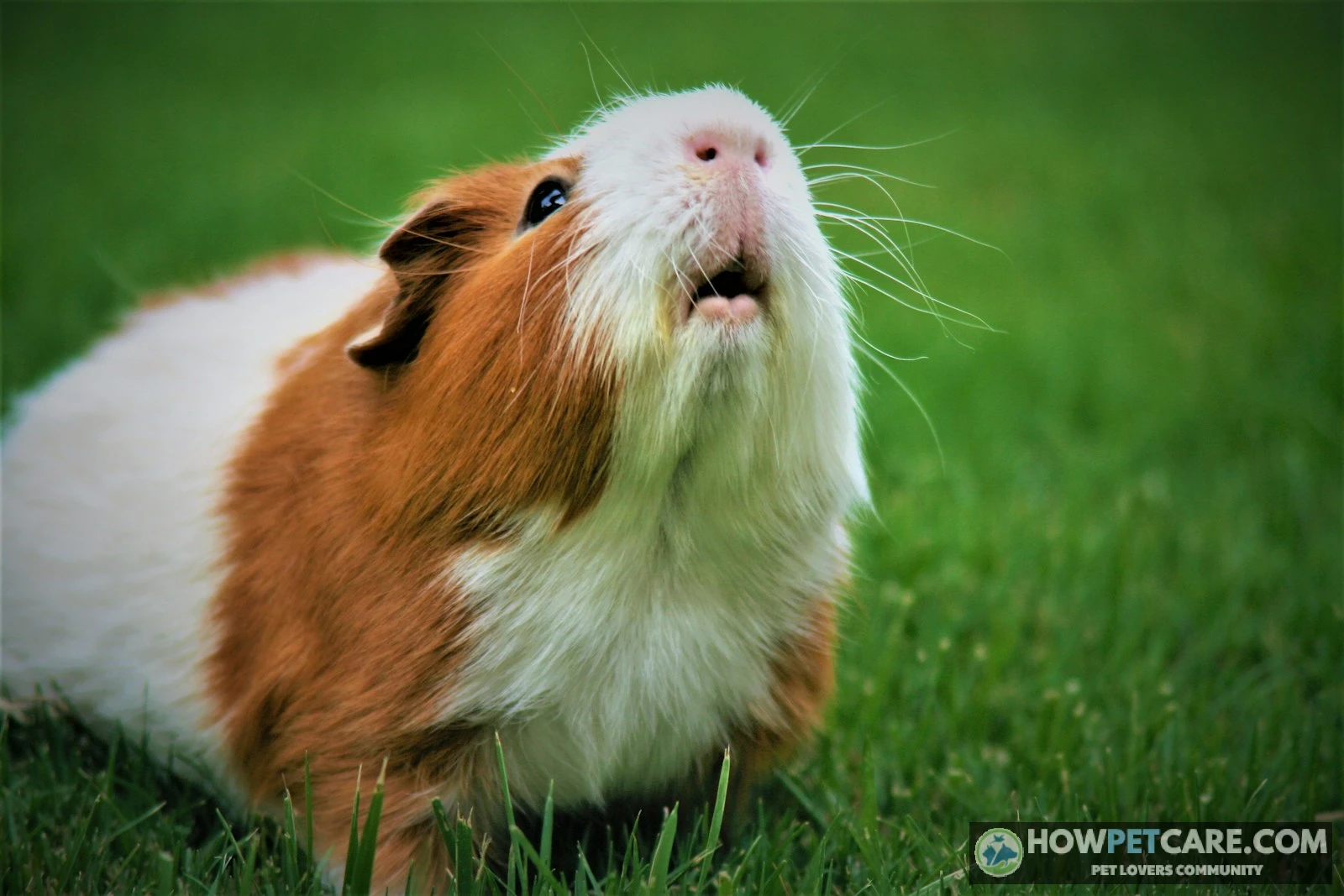
Wheeking often signals excitement or anticipation, especially when a guinea pig hears the refrigerator open or a food bag rustle. Your pig may hurry over, stand alert, or look toward its usual feeding place. It may also call for attention or a companion.
What to do: If it’s mealtime, offer the usual portion instead of assuming every wheek means your pig needs an extra meal. Check that hay and water are available. If calling becomes unusually frequent, consider whether the routine has changed, the water source is out of reach, or there’s a problem with a companion. A sudden change alongside reduced eating or other signs of illness warrants a vet call.
The sound of the fridge can become a learned cue because it predicts something interesting. That doesn’t prove wheeking evolved exclusively to communicate with people.
Chutting: Quiet exploration
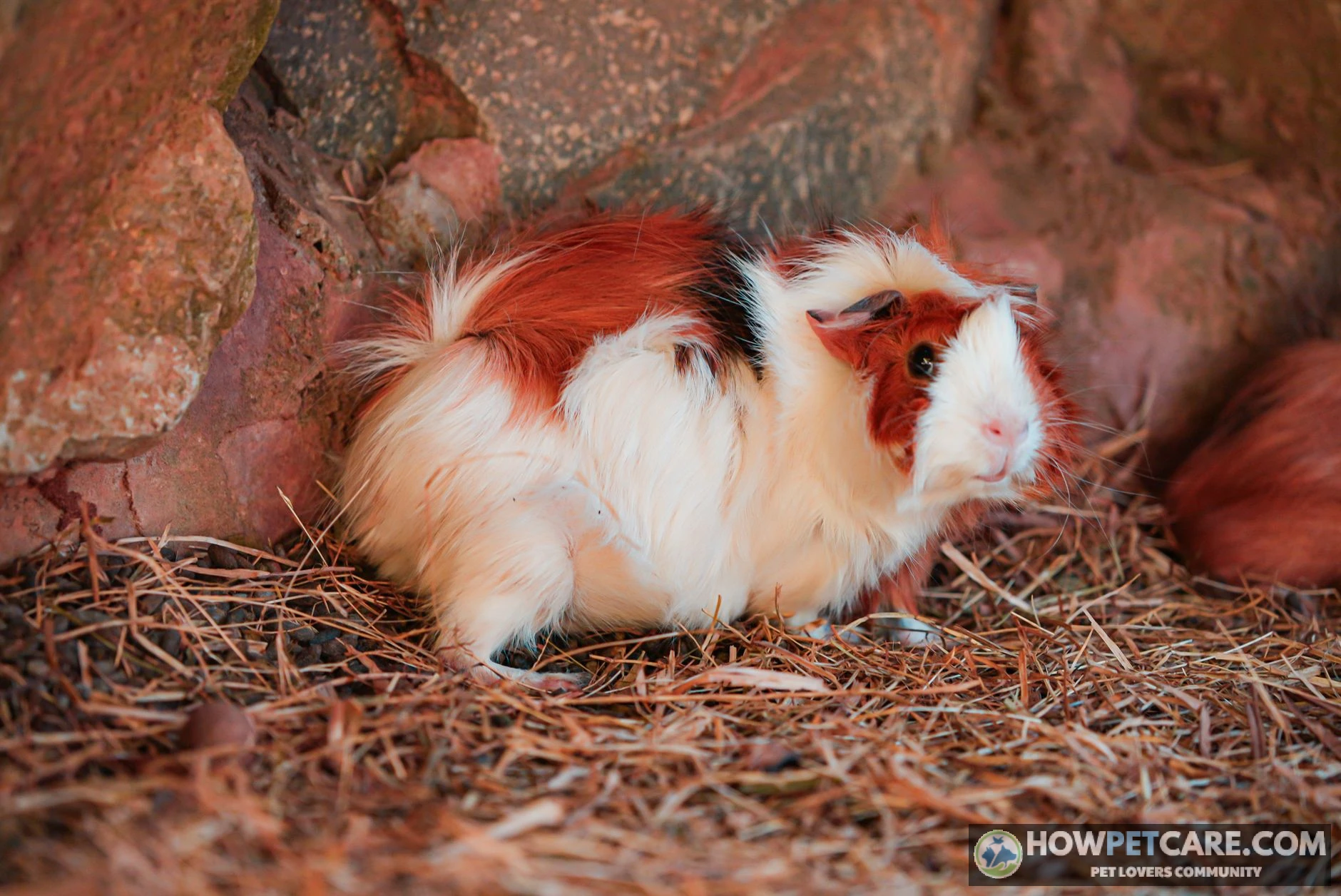
What it sounds like: A soft, low series of “chut-chut-chut” notes, sometimes described as bubbling.
You may hear chutting as a pig walks around or investigates its surroundings. A loose body and normal movement are more reassuring than the sound’s name. Guides use “chutting,” “bubbling,” and “purring” inconsistently, so another owner may give the same noise a different label.
What to do: If your pig moves comfortably and eats normally, let it explore. If the sound comes with a stiff posture or avoidance, pause the interaction and check the surroundings rather than assuming your pig is content.
Cooing: A soft social murmur
What it sounds like: A quiet, gentle murmur, sometimes described during close contact between a mother and her pups.
Cooing is less consistently described than wheeking or chattering, and its meaning is uncertain. A relaxed body and comfortable interaction tell you more than the label.
What to do: Observe without interrupting if the animals seem relaxed. If a mother or pup appears distressed, injured, or unable to eat, call a veterinarian for advice.
Happy sounds paired with popcorning
A relaxed chutt, anticipatory wheek, or low purr may accompany a pig that appears comfortable. Look for normal eating, loose movement, and a willingness to explore. Some pigs also popcorn: they make quick little hops or twists. Popcorning is a movement, not a sound, and is commonly associated with excitement. Judge the whole situation rather than treating a jump as a diagnosis.
Purring vs. Rumbling: Contentment, Annoyance, and Rumble Strutting Explained
Guinea pig purring meaning when petted
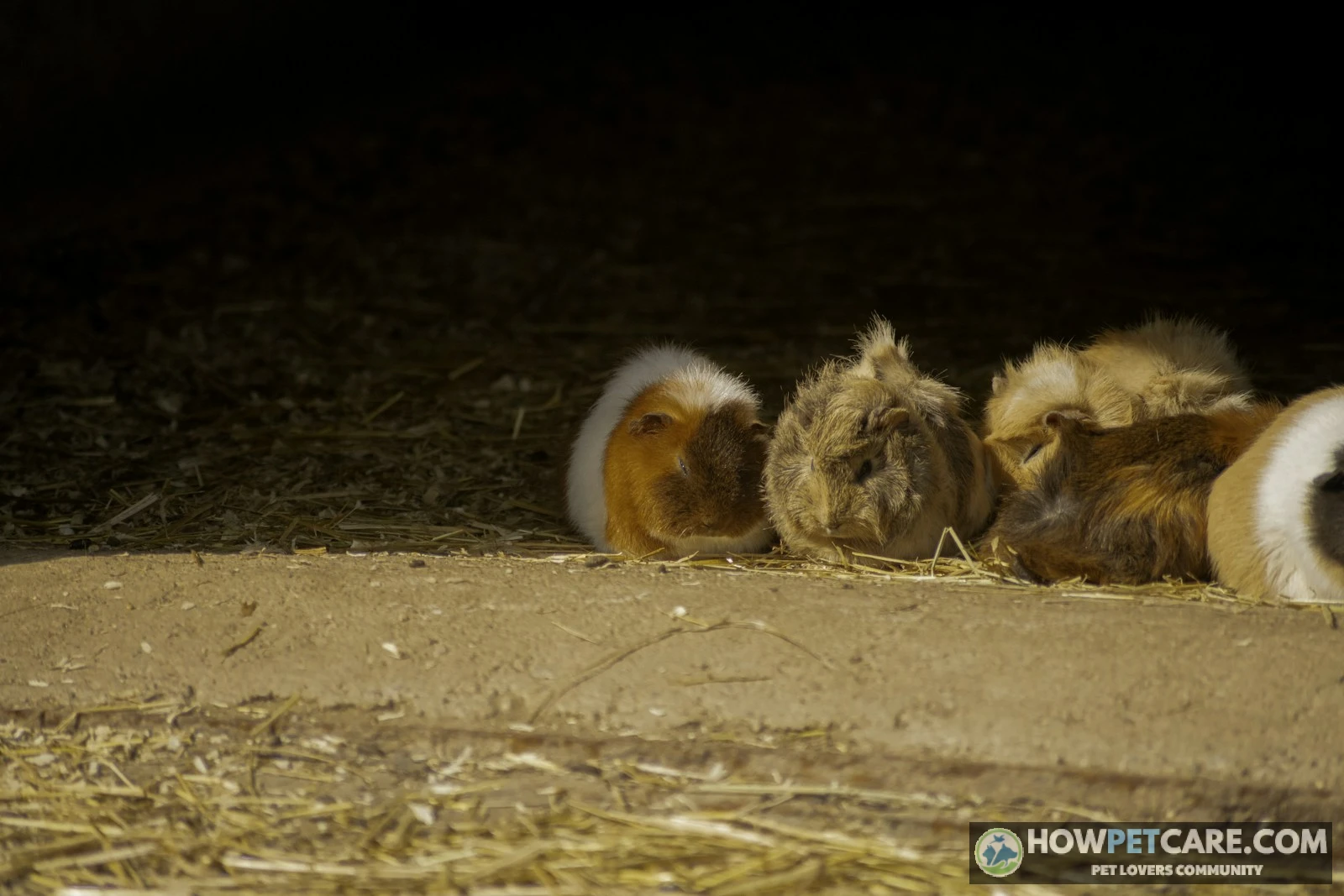
What it sounds like: A low vibration or soft, sustained “brrrr,” sometimes felt through your hand. A shorter, higher, or choppier version can occur when a pig is uneasy.
A loose body, soft eyes, and a pig that stays nearby or leans into a stroke can suggest comfort. A rigid body, flinch, or attempt to leave points the other way. Staying still doesn’t prove enjoyment; a frightened pig may freeze.
What to do: Pause your hand. If the pig stays loose and seeks contact voluntarily, you can resume gently. If it stiffens or moves away, stop and give it space. A sharp squeal during handling, especially if repeated, calls for an injury check and veterinary advice.
Rumble strutting: Why your pig sways its hips
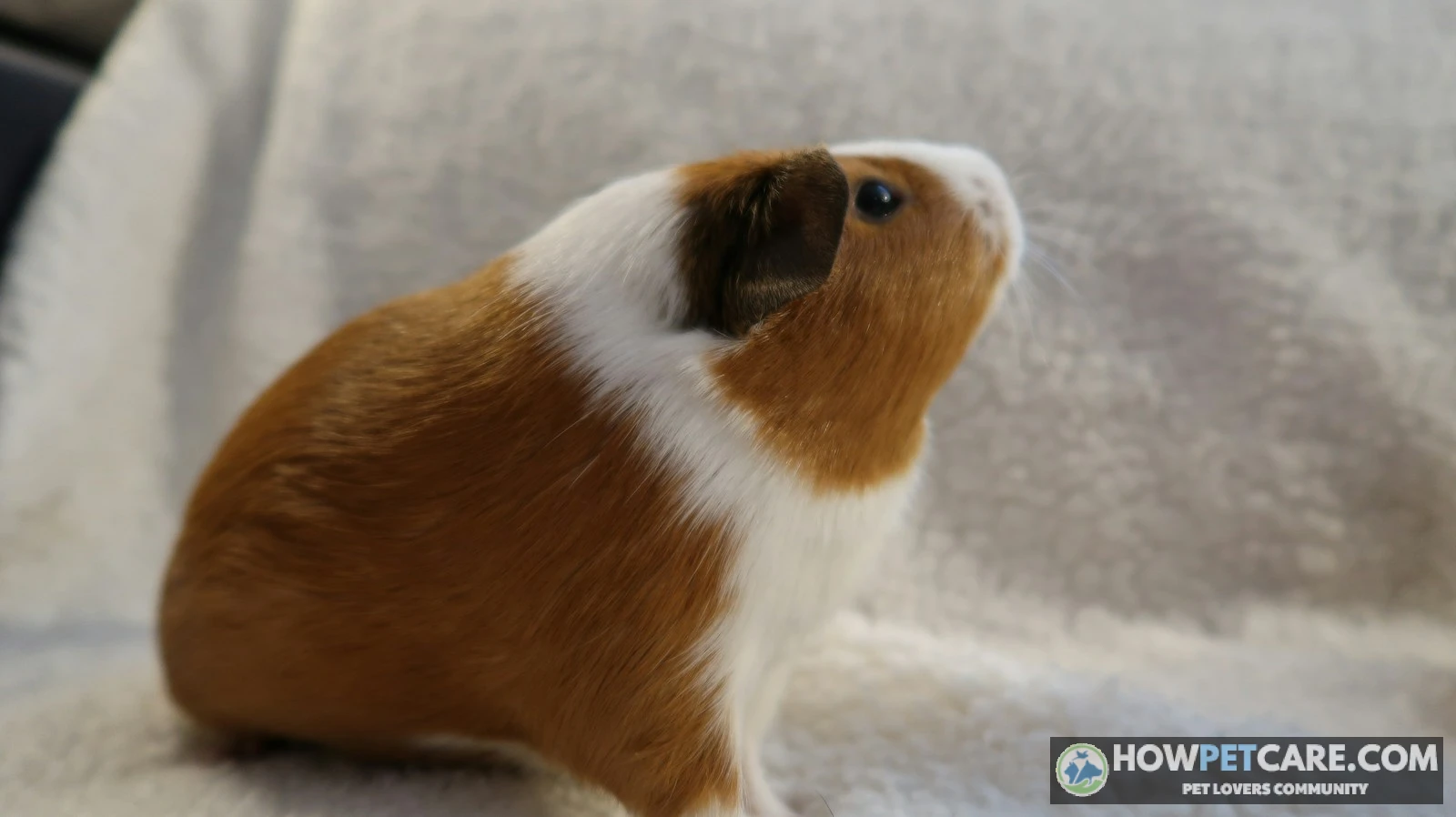
What it sounds like: A deeper, insistent “brrrr,” often paired with a slow side-to-side hip sway and stiff-legged steps. This combination is called rumble strutting and can be a courtship or dominance display.
What to do: Watch both animals, not just the one making the sound. A brief display followed by the other pig moving away and both returning to normal activity may need no intervention. If one pig can’t escape, is persistently chased, or is bitten, calmly separate them with a barrier or towel. Don’t punish the display.
Dominance rumbling between pigs
A rumble can sound like a purr, and people use the terms inconsistently. A visible hip sway makes a rumble strut easier to recognize; pitch alone can’t reliably tell you whether a pig is content, courting, or warning another pig.
| Sound | Pitch and feel | Body language | Likely meaning | Owner action |
|---|---|---|---|---|
| Relaxed purr | Low, smooth vibration | Loose body; may seek contact | Possible comfort | Continue gently only while the pig remains comfortable |
| Tense purr | Often short or choppy | Stiffness, flinching, moving away | Uncertainty or annoyance | Stop and give space |
| Rumble | Low, insistent “brrrr” | Often directed toward another pig | Social display, warning, or courtship | Watch both pigs’ responses |
| Rumble strut | Low rumble with visible sway | Swaying hips, slow stiff steps | Courtship or dominance | Observe; intervene for sustained pursuit, trapping, or fighting |
A pig that yields and then resumes eating is in a different situation from one that repeatedly flees, hides, or can’t reach food. If the relationship seems unsafe, ask a guinea-pig-experienced veterinarian or rescue for advice rather than forcing contact.
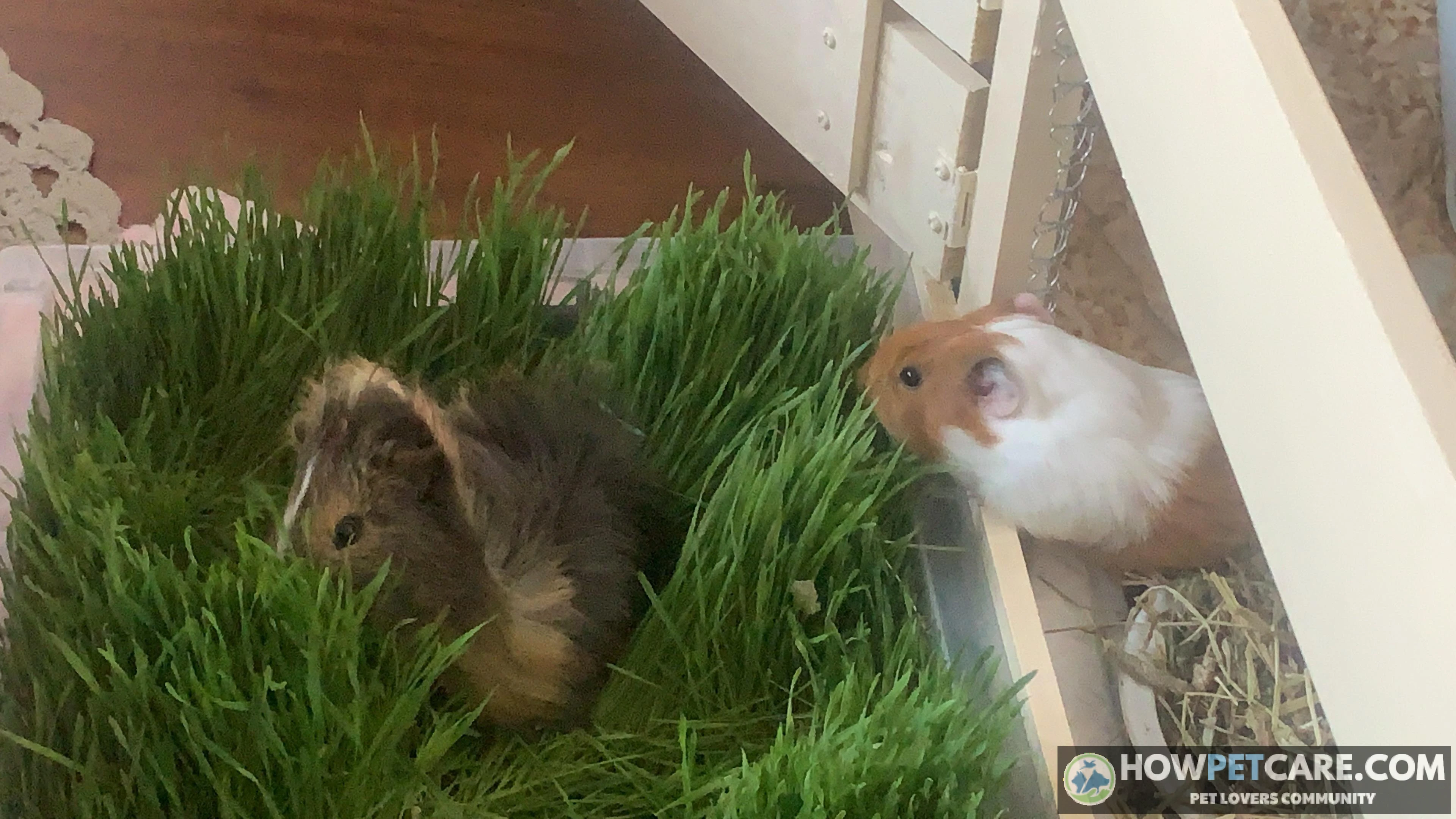
Warning Sounds: Teeth Chattering, Whining, Squealing and Shrieking
What guinea pig teeth chattering means and when to worry
What it sounds like: Quick, repeated clicks or snaps made with the teeth, often while facing another pig or an unwanted hand.
Teeth chattering commonly serves as a warning: “back off.” A pig may raise its head, tense its body, or face whatever is irritating it. This can happen during introductions, competition, or handling.
What to do: Stop handling or reduce the pressure between the pigs. Make sure each animal can move away. Watch for escalating pursuit, lunging, or biting; don’t wait for a fight to resolve itself.
Chattering differs from ordinary chewing. Persistent tooth grinding, especially with hunching, drooling, or reduced eating, can be associated with pain or dental trouble. Call a veterinarian promptly. If your pig refuses food, treat it as urgent. A click linked to breathing is different, too: check whether the sound happens with breaths rather than mouth movements.
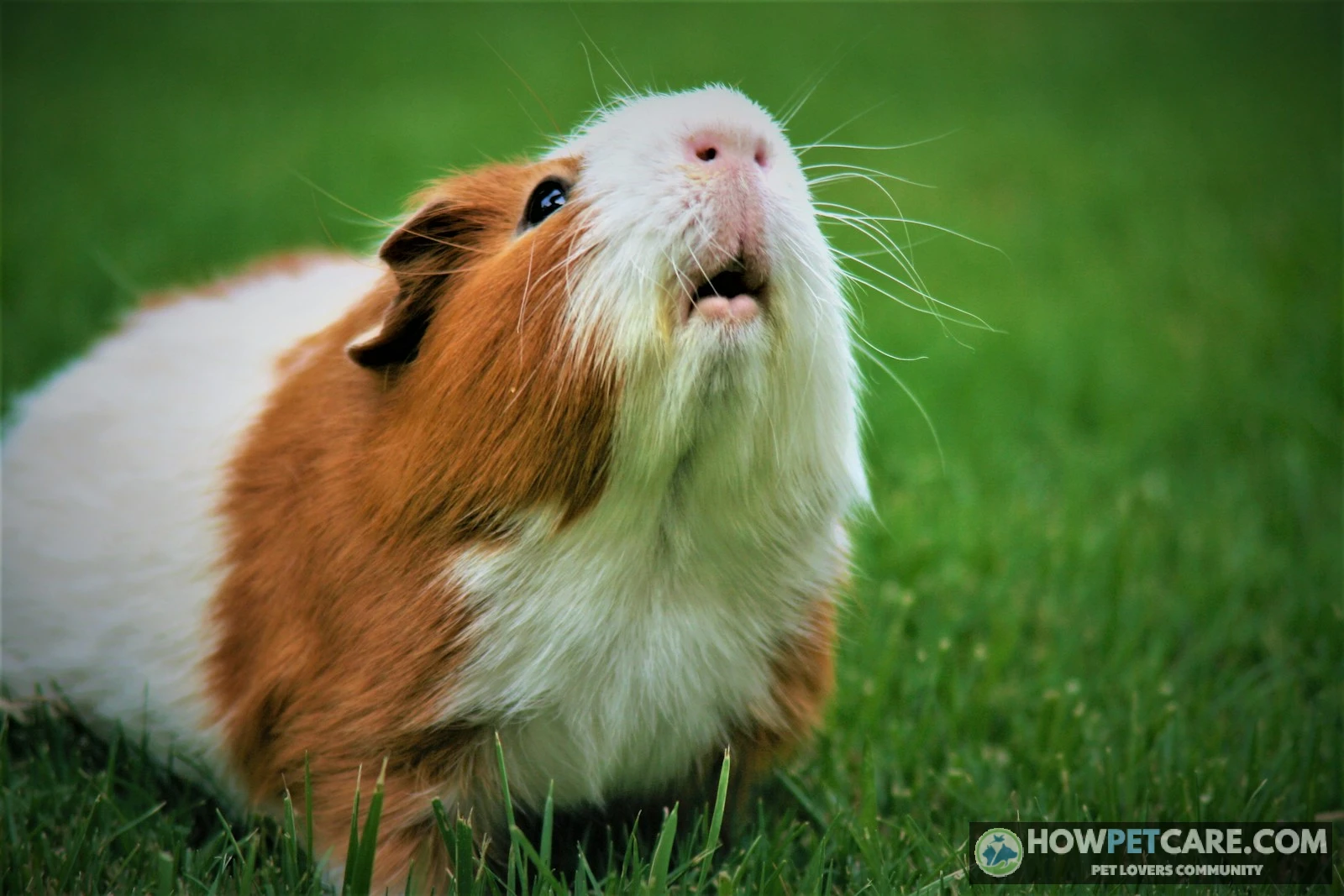
Whining: A possible protest
What it sounds like: A drawn-out, nasal “weeennh,” rather than a series of sharp whistles.
A whine may signal annoyance, such as being followed or handled when the pig wants to move away. The pig may look tense or turn away from a hand or cage-mate. The sound alone can’t identify the cause.
What to do: Pause handling and check whether another pig is chasing or blocking access to a resting place. If the noise recurs without an obvious trigger, or comes with a hunched posture, poor appetite, or reduced droppings, contact a vet.
Squealing or shrieking: Check for pain and fright
What it sounds like: A sudden, piercing, high scream. It can signal severe fright, pain, or injury.
What to do: Check immediately for a fight and look for obvious injury, such as a guarded limb or foot, bleeding, or difficulty moving. Don’t squeeze the abdomen or force a painful examination. If a pig may be injured, continues to cry, or reacts painfully when lifted, call a veterinarian promptly. Safely separate cage-mates if one is being hurt.
A short squeak when picked up can also be a startle or protest. Support the chest and hindquarters, keep the pig close to a stable surface, and stop if it struggles. A sharp shriek or repeated pain response needs more than reassurance.
Separating fighting guinea pigs safely
Intervene if there’s sustained chasing, lunging, biting, blood, or a pig cornered and unable to escape. Use a piece of cardboard or a thick towel as a barrier, then guide one pig into a separate secure space. Never put bare hands between fighting animals.
Check both pigs for injuries and contact a vet if either may have been bitten or hurt. Keep them apart while you seek advice about their relationship; don’t automatically retry an introduction after a set number of hours. A pig that remains hidden or can’t reach food needs attention even after the fighting stops.
Vet Alert: Sounds That Signal Illness and When to Call
A breathing noise isn’t necessarily a communication call. Wheezing, clicking, or crackling in time with breathing can signal respiratory illness and needs veterinary assessment. Guinea pigs can deteriorate quickly, so don’t wait for every symptom on a list to appear.
Call an emergency veterinarian immediately for open-mouth breathing, visibly labored or markedly rapid breathing, blue, gray, or very pale gums, collapse, or unresponsiveness. A guinea pig refusing food also needs urgent veterinary advice. Keep your pet calm and arrange transport as directed; don’t delay care to get a recording.
Wheezing, clicking and crackling: Breathing warning signs
What they sound like: Whistling, ticking, crackling, or rattling that occurs as the pig breathes, rather than only when its teeth move or it calls.
| What you hear | Other signs to look for | Urgency level | When to act | What to do now |
|---|---|---|---|---|
| Wheezing or loud breathing | Effort to breathe, fast breathing, discharge | Urgent; emergency if breathing is labored | Call now | Contact an experienced vet; use emergency care for breathing difficulty |
| Clicking, crackling, or rattling with breaths | Nasal or eye discharge, low energy, reduced appetite | Urgent | Call today | Arrange prompt assessment; don’t wait for discharge |
| Hoarse or raspy wheek | Change in voice, appetite, breathing, or energy | Watch to urgent, depending on signs | Call today if persistent or accompanied by other signs | Record the sound if safe; check eating and droppings |
| Repeated sneezing | Discharge, noisy breathing, reduced appetite | Prompt | Call today | Describe the frequency and any accompanying signs |
| Persistent tooth grinding | Hunching, drooling, trouble eating | Urgent | Call today; immediately if refusing food | Arrange an examination without forcing the mouth open |
| Shriek or repeated pain squeal | Injury, limping, guarding, recent fighting | Immediate assessment | Check now; call promptly if pain or injury is suspected | Separate fighting pigs safely and seek veterinary advice |
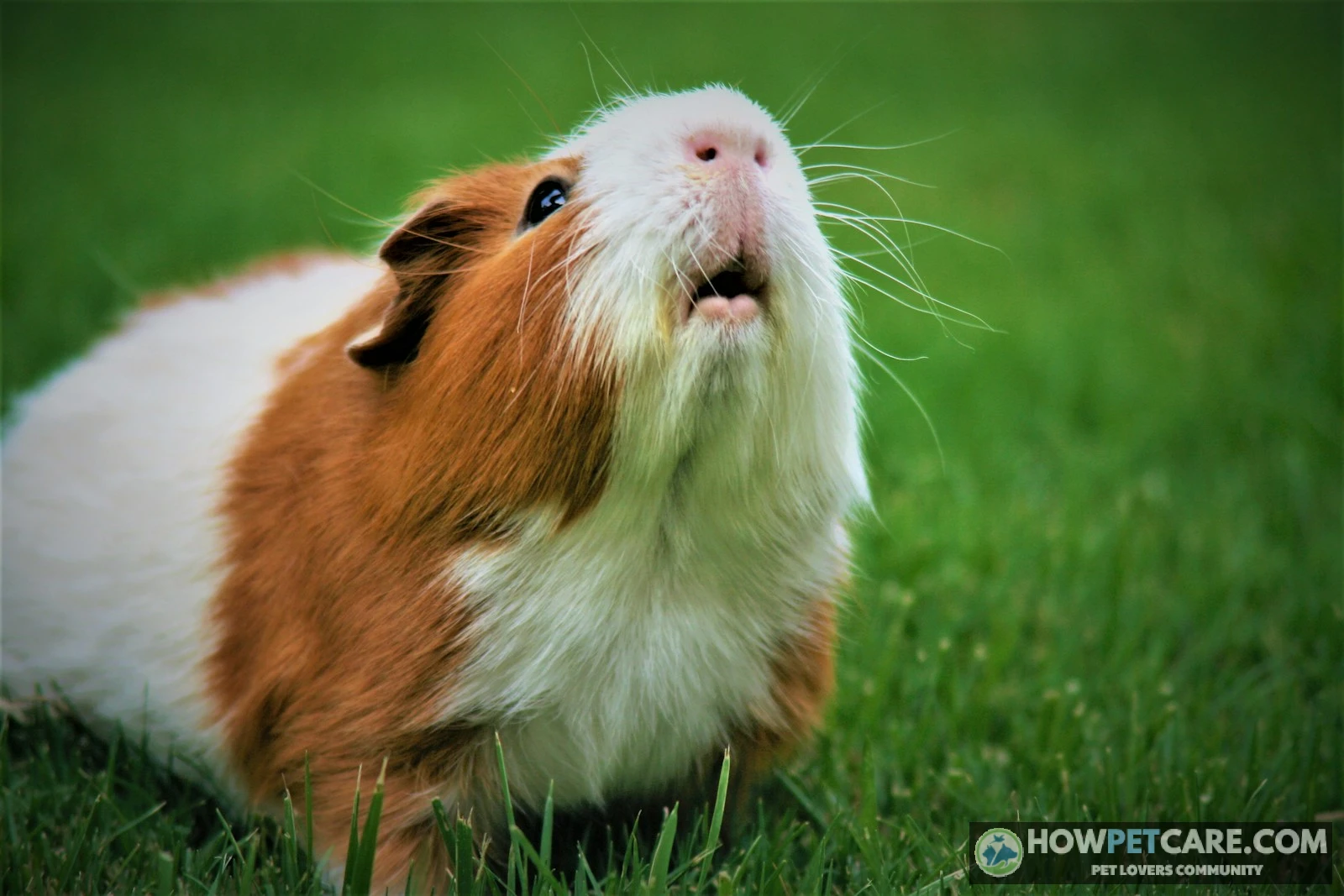
Is a hoarse wheek just an off day?
One unusual-sounding wheek in a pig that otherwise seems normal doesn’t establish illness. Listen to the next calls and check whether the pig is breathing, eating, and passing droppings as usual.
Call the same day for a persistent rasp, or sooner if it comes with discharge, breathing changes, reduced appetite, or low energy. If the pig struggles to breathe or refuses food, seek urgent help immediately. These timeframes are practical guidance, not a diagnosis or a substitute for your veterinarian’s advice.
How long to monitor a borderline noise
You can watch a single sneeze or brief hiccup-like sound if breathing, eating, and droppings are normal. Note when it happened and check your pig again through the day and the next day. Don’t wait 24 hours if it repeats, discharge appears, or eating or droppings decrease: call a vet that day.
For a vet call, a short video with sound can show the noise and breathing effort. Note when episodes happen, how often they occur, and any changes in food intake or droppings. A video is useful only if it won’t delay urgent care.
Why a sudden silence matters
Some healthy guinea pigs are naturally quiet. But a pig that suddenly stops making its usual calls, becomes much louder, or changes its voice may be stressed or unwell. Compare appetite, droppings, movement, and breathing with that individual’s normal pattern. If the change persists or comes with another concern, call your vet. Reduced eating or breathing difficulty makes it more urgent.
Why Does My Guinea Pig Sound Like a Bird? Chirping, Hiccups and Other Rare Noises
Chirping: Is a bird-like sound a problem?
What it sounds like: Repeated, clear bird-like notes; some owners compare them to chirping or an owl-like call.
Chirping is uncommon and poorly understood. Owners report hearing it in different contexts, and popular explanations conflict. The claim that a chirping pig is in a “trance” is anecdotal, not an established diagnosis.
What to do: Note what happened before the sound and check posture, breathing, appetite, and droppings. If the pig otherwise seems normal, record the episode and monitor. Chirping with lethargy, hunching, poor appetite, or breathing changes warrants a vet call; breathing difficulty or refusal to eat requires urgent help.
Sneezing: A sharp little “choo”
What it sounds like: A brief, sharp expulsion of air. Something irritating the nose may cause an isolated sneeze.
What to do: Check that the nose looks clean and the pig otherwise breathes and eats normally. You can observe a single sneeze, but repeated sneezing, discharge, noisy breathing, or reduced eating calls for veterinary advice. Don’t assume repeated episodes are just dusty hay.
Hiccup-like sounds: A brief “hic”
What it sounds like: A short, occasional “hic” or small squeak that can be hard to identify by sound alone.
What to do: Watch the body and breathing. If it happens once and the pig behaves normally, note it and monitor. If it repeats, seems linked to breathing, or occurs with hunching, discharge, or appetite changes, call a vet. Don’t assume a repeated respiratory click is a harmless hiccup.
Noises that are not vocal at all
A water bottle can rattle, teeth can tap cage bars, and bedding or hay can rustle as a pig moves. Watch the mouth, chest, and surroundings before deciding the pig made a vocalization. If you can’t identify the source, a short video may help your vet distinguish a cage noise from a breathing problem.
Nighttime squeaking can be normal calling or a response to a startle. Check hay, water flow, companions, and whether a bottle is rattling. Don’t dismiss a piercing shriek: check immediately for injury and cage-mate conflict.
Baby vs. Adult, Boar vs. Sow and Multi-Pig Households: How Sounds Change
Baby guinea pig sounds vs. adult sounds
Young pigs may sound higher-pitched than adults, and pups can call to companions or a mother. Claims about exactly how often they call or when their pitch changes are observations, not a timetable for judging health. Focus on the individual pup: is it moving normally, interacting, and able to feed?
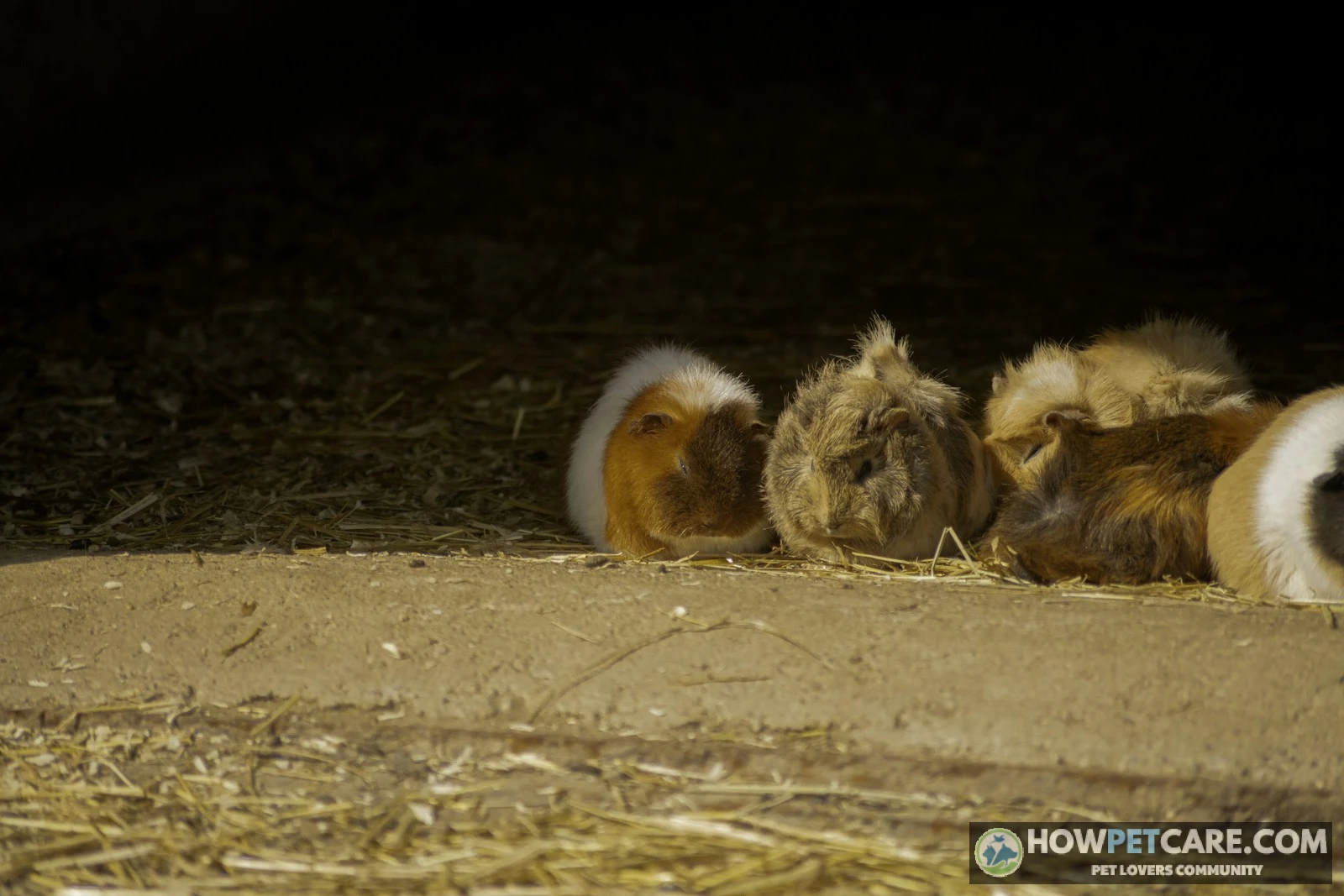
A mother and pups may exchange soft sounds, sometimes described as cooing or chutting. If a mother seems distressed or a pup is weak, injured, or unable to feed, ask a veterinarian promptly rather than interpreting the sound on its own.
Boar and sow differences
Boars are often associated with rumble strutting, but sows can rumble, sway, and show dominance behavior, too. A sound can’t reliably identify a pig’s sex or prove that an interaction is harmless. Watch each animal’s posture and response.
When two or more pigs are vocalizing at once
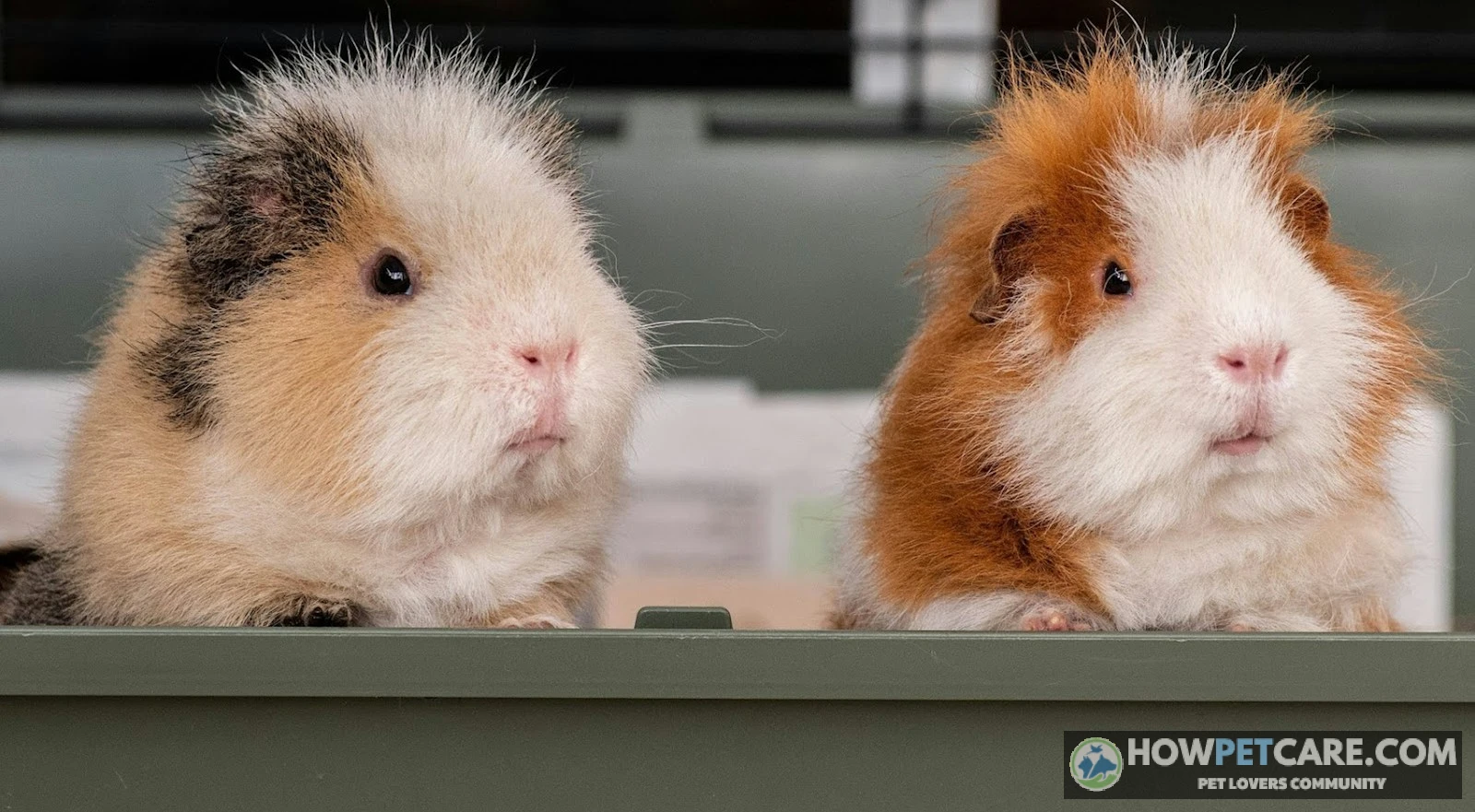
To identify the caller, watch for mouth movement, body vibration, and which pig faces or moves toward the other. A video can help you replay a brief exchange. If you need a closer look, use a barrier for a brief, calm observation rather than repeatedly disrupting a bonded pair. Don’t delay separation if they’re fighting.
Example: two pigs at one hay pile. Pepper makes a quiet chutt while eating. Hazel approaches, and Pepper briefly chatters. Hazel moves away, then both continue eating: watch, but the exchange may be over. If Pepper instead repeatedly pursues Hazel, corners her, or bites, use a barrier to separate them safely.
Afterward, check both pigs for injuries and watch the next meal. A pig that hides continuously or can’t eat without being chased may still be under pressure. If either has stopped eating, call a vet urgently. Don’t use an arbitrary chasing duration as a reason to wait while an animal is trapped or being hurt.
Guinea Pig Communication: What Research Supports and What Is Folklore
Claims supported by research
Guinea pigs, or Cavia porcellus, have a varied vocal repertoire. The available research summary describes broad associations between wheeking and anticipation, teeth chattering and warnings, and rumble strutting and social display. These associations are useful starting points, not translations that apply to every individual in every setting.
Claims that are owner observations
Owners commonly describe cooing, differences between relaxed and tense purrs, and individual reactions to food-related sounds. These observations can help you compare a noise with your own pig’s behavior, but labels and interpretations vary. Your pig’s usual behavior is more useful than a rigid claim that every sound means the same thing.
Claims with no clear evidence
“Wheeking evolved only for humans”: unproven. Guinea pigs can learn to call around food-related human activity, but that doesn’t establish how the call evolved. The available research summary describes the human-specific explanation as a belief, not definitive proof.
“Chirping means a trance”: anecdotal. Reports and proposed explanations differ, so a chirp shouldn’t be treated as proof of a particular mental state.
Be cautious with precise sound-frequency charts or claims about inaudible calls unless they cite reliable research. The written descriptions in this guide are practical comparisons, not measurements or substitutes for hearing the individual animal.
Your Next Steps: A Sound-Response Checklist and Daily Listening Routine
What to do the next time you hear an unfamiliar sound
- Identify the sound and source. Is it a whistle, mouth click, breathing noise, scream, or rattling object? Note whether it happens with each breath.
- Check the whole pig and surroundings. Look at posture, breathing, injuries, food and water access, droppings, handling, and interactions with cage-mates.
- Act on the most concerning sign. Give a tense pig space, intervene safely in a fight, check a shrieking pig for injury, or call a vet for signs of illness. If you’re unsure whether breathing is normal, call rather than relying on a sound label.
Go / no-go vet checklist
Work down the list and follow the first instruction that applies:
- Emergency — call immediately: Open-mouth or labored breathing, blue or very pale gums, collapse, unresponsiveness, or refusal to eat. Follow the veterinarian’s transport instructions.
- Call today: Breathing-related wheezing, clicks or crackles; repeated sneezing; nasal or eye discharge; a persistent hoarse wheek; grinding with hunching or drooling; or noticeably reduced eating or droppings. Escalate immediately if breathing becomes difficult or the pig stops eating.
- Monitor and note: One isolated sneeze, hiccup-like noise, or unusual call when breathing, appetite, droppings, and behavior are normal. Recheck through the day and the next day; call sooner if it recurs or anything changes.
Build a daily listening routine
Spend a few minutes noticing your pigs’ usual calls and behavior around meals and rest. If something changes, note the date, sound, context, appetite, and droppings. Record a short video for the veterinarian when it’s safe.
To reduce avoidable tension, make sure hay and water are accessible, feeding is predictable, and compatible cage-mates have room to move away from each other. Handle gently and let each pig end an interaction when possible. Use the decoder when a sound is unfamiliar, and follow the vet-alert guidance whenever the sound or your pig’s behavior raises concern.
1What does the source material state regarding the belief that wheeking evolved exclusively as a way for guinea pigs to communicate with humans?
Research summaries indicate that human-specific evolutionary origin is a belief rather than a proven fact, despite learned food cues around daily routines.
2How can an owner best distinguish a social display of dominance or courtship (rumble strut) from a contented, relaxed purr?
A deep vibration accompanied by swaying hips and slow, stiff steps clearly differentiates a social or dominance display from a relaxed purr.
3What is the recommended method for safely separating two guinea pigs involved in an active fight?
Inserting a thick object or towel creates an immediate visual and physical barrier while protecting the handler's hands.
4How does persistent tooth grinding differ from standard teeth chattering in guinea pigs?
Persistent grinding combined with hunching or drooling points toward internal pain or dental issues, whereas rapid chattering communicates a warning to back off.
5Which of the following combinations of signs requires immediate contact with an emergency veterinarian?
Severe respiratory strain, discolored gums, and sudden refusal to eat are life-threatening signs requiring immediate emergency veterinary care.
6What does the source material clarify about the behavior known as 'popcorning'?
Popcorning is defined as a series of quick hops or twists expressing excitement rather than a vocal sound.
7When listening to a guinea pig, how can an owner distinguish a breathing-related click or wheeze from a vocal communication or mouth noise?
Pathological breathing noises synchronize with chest contraction and expansion rather than voluntary jaw or vocal tract movement.
8What does the source material state regarding the claim that a chirping guinea pig is in a 'trance'?
Because scientific research on chirping is sparse and explanations conflict, attributing it to a trance state remains an unproven owner observation.
9What is the appropriate owner response if a guinea pig produces a short, choppier purr ('tense purr') and flinches while being petted?
Stiffness, flinching, and choppier vibrations indicate annoyance or uncertainty, calling for an immediate pause and space.
10Why should an owner inspect the cage environment before assuming a noise is a vocal communication from their guinea pig?
Mechanical movements within the cage setup can produce clicks, rattles, and rustles that mimic vocalizations or breathing noises.
| Sound | What it sounds like | Likely meaning | Body language to check | Urgency | What to do |
|---|---|---|---|---|---|
| Wheek | Loud, rising “whee-EEK” whistle-squeak | Food anticipation, attention, or a call | Alert, approaches food or a companion | Normal | Check hay and water; offer the usual food if it is mealtime |
| Chutt | Soft, repeated “chut-chut” | Often calm exploration | Loose body, walking and investigating | Normal | Let your pig continue exploring |
| Relaxed purr | Low, smooth, sustained vibration | Possible contentment | Loose posture, stays or leans toward a gentle stroke | Normal | Discover more Vet Book Vet Visits Continue only while your pig appears comfortable |
| Tense purr | Shorter or choppier “brr” | Uncertainty or irritation | Stiffness, flinching, or trying to leave | Watch | Stop the interaction and give space |
| Rumble | Deep, sustained “brrrr” | Social display, warning, or courtship | Orientation toward another pig; tension or slow movement | Watch | Observe both pigs and their access to food and escape routes |
| Rumble strut | Deep rumble with a side-to-side sway | Courtship or dominance | Swaying hips and slow, stiff-legged steps | Watch | Allow space; intervene if either pig is trapped or fighting develops |
| Teeth chatter | Rapid “click-click-click” from the mouth | Warning or irritation | Stiff body, head raised, facing a trigger | Watch | Stop handling or calmly reduce the social pressure |
| Whine | Drawn-out nasal “weeennh” | Possible annoyance or protest | Tension, avoidance, or being followed | Watch | Identify and address the trigger |
| Squeal or shriek | Sudden, piercing scream | Fright or pain | Bolting, freezing, guarding a limb, or conflict | Act now | Check for injury and fighting; call a vet if pain or injury is suspected |
| Coo | Soft, gentle murmur | Possibly relaxed social contact | Loose posture, close contact | Normal | Observe; no action is needed if everyone is comfortable |
| Chirp | Repeated bird-like or owl-like note | Uncertain | Note whether the pig is still, alert, or distressed | Watch | Check breathing, eating, and droppings; record the episode |
| Sneeze or hiccup-like sound | Sharp “choo” or short “hic” | Occasional irritation or an uncertain brief noise | Normal breathing and behavior between episodes | Watch | Monitor; call a vet if repeated or accompanied by other signs |
| Wheeze, breathing click, or crackle | Whistle, tick, or rattle in time with breathing | Possible respiratory illness | Breathing effort, discharge, hunched posture | Act now | Call a guinea-pig-experienced vet promptly; seek emergency care for breathing difficulty |
| Relaxed purr | Low, smooth, sustained vibration | Possible contentment | Loose posture, stays or leans toward a gentle stroke | Normal | Continue only while your pig appears comfortable |
| Wheezing or loud breathing | Not in source | Not in source | Effort to breathe, fast breathing, discharge | Urgent; emergency if breathing is labored | Contact an experienced vet; use emergency care for breathing difficulty |
| Clicking, crackling, or rattling with breaths | Not in source | Not in source | Nasal or eye discharge, low energy, reduced appetite | Urgent | Arrange prompt assessment; don’t wait for discharge |
| Hoarse or raspy wheek | Not in source | Not in source | Change in voice, appetite, breathing, or energy | Watch to urgent, depending on signs | Record the sound if safe; check eating and droppings |
| Repeated sneezing | Not in source | Not in source | Discharge, noisy breathing, reduced appetite | Prompt | Describe the frequency and any accompanying signs |
| Persistent tooth grinding | Not in source | Not in source | Hunching, drooling, trouble eating | Urgent | Arrange an examination without forcing the mouth open |
| Shriek or repeated pain squeal | Not in source | Not in source | Injury, limping, guarding, recent fighting | Immediate assessment | Separate fighting pigs safely and seek veterinary advice |
FAQ
Why does my guinea pig squeak or wheek at night?
Guinea pigs are most active around dawn and dusk and sleep in short bursts, so night noise is common. Check for empty hay or water, a rattling bottle, loneliness, or a startle before assuming a problem. Squealing with signs of pain, or labored breathing, needs a vet.
Why does my guinea pig squeak when I pick it up?
A short squeak is often surprise, nervousness, or a request to be put down. Support its chest and hindquarters, and let it settle before handling. A sharp shriek on being lifted can mean pain, so check for injuries and call a vet if it repeats.
Should I record my guinea pig’s strange noise for the vet?
Yes. A short video with sound shows the noise and the breathing effort, which may not happen during the appointment. Add notes on when it happens, appetite, and droppings.
Can guinea pigs make sounds I can’t hear?
Guinea pigs hear higher pitches than people do, so some of their communication may be quieter or less audible to us. Owners should rely on body language and behavior when a pig seems to be reacting to nothing.
Is it normal for a guinea pig to sneeze?
An occasional sneeze from dust or hay dust is common. Repeated sneezing, nose or eye discharge, or sneezing with wheezing or reduced eating calls for a vet visit.